

Causes of Sleep Disturbances
1. Mental and Physical Health Conditions
Persistent pain, heart disease, lung conditions, nerve disorders, and long-term illnesses directly interfere with your body’s ability to rest comfortably. Mental health challenges, including daily stress, anxiety disorders, and depression, keep your mind active and disturb your sleep patterns 1.
2. Medications and Substances
Certain prescription medications—such as drugs for high blood pressure, asthma, or depression—can disrupt your rest. Over-the-counter allergy products, pain relievers, and weight-loss aids often contain stimulants. Consuming caffeine or nicotine late in the day delays sleep onset, while evening alcohol intake interrupts deeper sleep cycles and causes frequent nighttime awakenings 2.
3. Disrupted Daily Schedules
Irregular daily routines confuse your body’s natural internal clock (circadian rhythm). Working overnight shifts, frequently rotating work hours, or traveling across multiple time zones prevents your body from establishing a predictable sleep-wake routine 3.
4. Poor Sleep Habits and Bedroom Environment
Watching television, using smartphones, or working in bed signals to your brain that the sleeping area is an active environment. A bedroom that is too bright, noisy, or uncomfortably hot or cold acts as a physical barrier to continuous rest 2.
5. Primary Sleep Disorders
Underlying medical conditions specific to sleep disrupt normal rest cycles. Breathing conditions like sleep apnea cause repeated interruptions in airflow, while restless legs syndrome creates uncomfortable sensations in the limbs that force you to move, preventing peaceful rest 1.
6. Age and Hormonal Shifts
Natural shifts in hormones during pregnancy, monthly menstrual cycles, or menopause—including symptoms like hot flashes—frequently interrupt sleep. As you age, your sleep structure naturally shifts, leading to lighter rest that is more easily broken by light or noise 2.
Symptoms of Sleep Disturbances
1. Difficulty Falling or Staying Asleep
You may regularly take more than thirty minutes to fall asleep after getting into bed, wake up frequently during the night, or wake up far too early in the morning without being able to go back to sleep 1.
2. Excessive Daytime Sleepiness
You might experience overwhelming drowsiness, extreme tiredness, or an involuntary tendency to nod off during normal daytime activities such as reading, sitting in meetings, or driving 4.
3. Nighttime Breathing Interruptions
A bed partner may observe loud and persistent snoring, periods where your breathing repeatedly stops and restarts, or sudden gasping, choking, and snorting that wakes you from sleep 5.
4. Unusual Behaviors and Movements During Sleep
Sleep disturbances can cause involuntary physical actions, such as painful limb twitches, an irresistible urge to move your legs when resting, sleepwalking, or physically acting out vivid dreams 6.
5. Daytime Cognitive and Mood Changes
Poor night rest often leads to daytime symptoms including trouble concentrating, reduced memory recall, slower reaction times, irritability, anxiety, and sudden mood shifts 7.
6. Physical Discomfort upon Waking
You may wake up feeling completely unrefreshed, or experience physical symptoms such as morning headaches, dry mouth, or unexplained muscle stiffness and fatigue throughout the day 5.
Natural Remedies for Sleep Disturbances
1. Melatonin Supplements
How It May Help
Melatonin is a natural hormone produced by the brain to regulate the daily sleep-wake cycle. When taken as a supplement, it signals your body that it is time to rest. This process promotes drowsiness, making it easier to fall asleep and improving overall restfulness for individuals with disrupted sleep schedules. 8
What Research Says
Clinical studies indicate that melatonin supplements effectively reduce the time it takes to fall asleep, particularly for people with delayed sleep-wake phase disorder. Research also confirms its benefits in minimizing jet lag symptoms. However, evidence regarding its overall effectiveness for treating chronic insomnia remains mixed and requires further clinical investigation. 8
How to Use It Safely
To use melatonin safely, start with a low dose of one to three milligrams. Take the supplement one to two hours before your desired bedtime. Always consult a healthcare provider before beginning use, especially if you take other medications, to avoid negative interactions. 9
Potential Precautions or Side Effects
Common side effects include mild headaches, dizziness, nausea, and daytime sleepiness. You should not mix melatonin with alcohol or take it before driving, as it severely impairs alertness. 9
2. Cognitive Behavioral Therapy
How It May Help
Cognitive behavioral therapy for insomnia identifies and replaces thoughts and behaviors that cause sleep problems with habits that promote restful slumber. It targets the underlying causes of sleep disturbances rather than merely relieving symptoms. This structured program helps individuals develop a healthy relationship with sleep, reducing bedtime anxiety and establishing a consistent routine. 10
What Research Says
Clinical evidence establishes cognitive behavioral therapy as the most effective first-line treatment for chronic sleep disturbances. Research concludes that this intervention produces longer-lasting improvements in sleep quality and efficiency compared to sleep medications. Studies confirm that patients experience significant reductions in the time it takes to fall asleep and fewer nighttime awakenings. 11
How to Use It Safely
To use this therapy safely, work directly with a licensed sleep specialist or trained psychologist. You must commit to attending regular sessions and practicing recommended sleep habits at home. Always maintain honest dialogue with your provider about your progress to allow necessary adjustments to your personalized treatment plan. 10
Potential Precautions or Side Effects
This approach lacks physical side effects. However, you may feel temporary daytime fatigue during early sleep restriction phases. Success requires significant time, personal dedication, and consistent daily effort. 12
3. Mindfulness Meditation and Relaxation Exercises
How It May Help
Mindfulness meditation and relaxation exercises train the brain to focus on the present moment, lowering stress hormones and heart rates. This physical and mental calming prepares the nervous system for rest. These practices quiet racing thoughts, allowing individuals to transition smoothly into deep slumber and maintain uninterrupted sleep. 13
What Research Says
Clinical studies conclude that mindfulness meditation significantly improves overall sleep quality and reduces the severity of chronic insomnia. Research demonstrates that regular relaxation exercises decrease the time required to fall asleep and limit nighttime awakenings. Evidence confirms these practices offer long-term benefits comparable to traditional behavioral therapies. 14
How to Use It Safely
To use these techniques safely, designate a quiet, comfortable space before bedtime. You should practice guided breathing or body scans for ten to twenty minutes nightly. Maintain a consistent routine, and do not force sleep, as frustration can counteract the intended physical relaxation benefits. 15
Potential Precautions or Side Effects
These practices are generally safe. Rarely, some individuals experience increased anxiety when sitting quietly. You should discontinue the exercises if they cause distress or worsen your sleep disturbances. 13
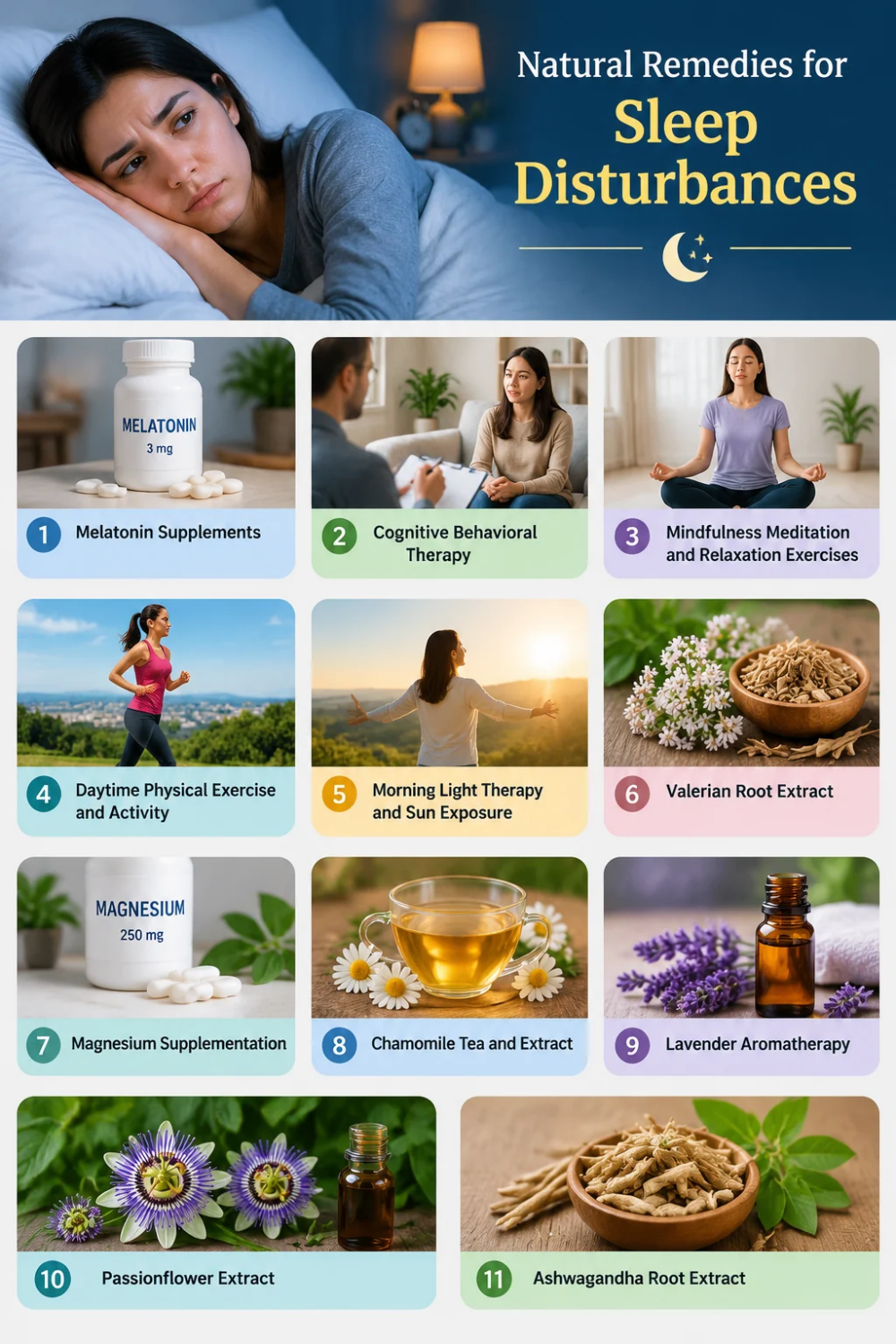
4. Daytime Physical Exercise and Activity
How It May Help
Regular daytime physical exercise increases core body temperature, expands energy expenditure, and promotes natural muscle tiredness. As the body cools several hours after working out, this temperature drop signals the brain that it is time for rest. Physical activity also stimulates the release of mood-stabilizing chemicals, which relieves daytime tension, eases bedtime anxiety, and helps individuals fall asleep more smoothly. 16
What Research Says
Clinical research shows that regular physical activity improves sleep quality and reduces the severity of chronic sleep disturbances. Studies confirm that moderate aerobic exercise significantly shortens the time required to fall asleep while reducing midnight awakenings. Furthermore, physical activity helps extend the duration of restorative deep sleep, promoting daytime alertness and overall health. 17
How to Use It Safely
To use exercise safely, engage in moderate activities such as brisk walking, swimming, or cycling for thirty minutes daily. You should complete vigorous workouts at least three hours before bedtime to prevent elevated heart rates from delaying sleep. Always consult your physician before starting any strenuous exercise program. 18
Potential Precautions or Side Effects
Exercising intensely right before sleep can raise alertness and worsen sleep disturbances. Overexertion risks joint strain, dehydration, or injury. You should pace workouts appropriately to prevent fatigue or physical discomfort. 19
5. Morning Light Therapy and Sun Exposure
How It May Help
Morning light exposure directly influences the brain’s internal clock by halting daytime melatonin production. Bright light entering the eyes signals the brain to increase alertness and regulate the daily sleep-wake cycle. This biological reset anchors the circadian rhythm, making it easier to naturally fall asleep earlier in the evening. 20
What Research Says
Clinical studies establish that morning light therapy effectively shifts circadian rhythms and treats delayed sleep phase disorders. Research demonstrates that daily exposure to bright light significantly decreases the time needed to fall asleep and improves sleep efficiency. Evidence confirms these interventions provide sustainable improvements in managing chronic sleep disturbances. 21
How to Use It Safely
To use this therapy safely, spend thirty to forty-five minutes outdoors in natural sunlight immediately after waking. Alternatively, use a specialized ten-thousand-lux light therapy box placed sixteen to twenty-four inches from your face. You should keep your eyes open but never stare directly into the light. 22
Potential Precautions or Side Effects
Light therapy can cause temporary eye strain, mild headaches, and nausea. You must consult a doctor before use if you have eye conditions or diagnosed bipolar disorder. 23
6. Valerian Root Extract
How It May Help
Valerian root extract contains natural compounds that interact directly with chemical messengers in the brain. It specifically increases the levels of gamma-aminobutyric acid, which is responsible for calming nervous system activity. By relaxing the nervous system, this herbal extract helps reduce physical tension and mental restlessness, allowing for an easier transition into sleep. 24
What Research Says
Clinical research presents inconsistent conclusions regarding valerian root. Some studies indicate that patients report subjective improvements in overall sleep quality and a reduction in the time needed to fall asleep. However, rigorous clinical trials conclude that the extract does not demonstrate significant objective differences in sleep patterns when compared to inactive placebos. 24
How to Use It Safely
To use this extract safely, take standard doses ranging from three hundred to six hundred milligrams one to two hours before bedtime. You must consult your healthcare provider before starting, especially if taking prescription sleep aids, to prevent unsafe over-sedation. Continuous use should not exceed four weeks. 25
Potential Precautions or Side Effects
Potential side effects include mild headaches, daytime sluggishness, dizziness, and stomach distress. You should never combine this extract with alcohol or operate heavy machinery after consumption due to severely impaired reflexes. 25
7. Magnesium Supplementation
How It May Help
Magnesium is an essential mineral that regulates the central nervous system and promotes muscle relaxation. It helps maintain healthy levels of gamma-aminobutyric acid, a chemical messenger that slows brain activity. By easing physical tension and quieting nerve signals, magnesium prepares the body for a calm and uninterrupted night of rest. 26
What Research Says
Clinical trials demonstrate that magnesium supplementation improves subjective measures of insomnia, particularly in older adults. Research concludes that it significantly increases sleep time and enhances overall sleep efficiency. Studies also show that maintaining adequate magnesium levels naturally increases circulating melatonin and decreases serum cortisol, supporting healthier sleep patterns. 27
How to Use It Safely
To use this mineral safely, take two hundred to four hundred milligrams one to two hours before bedtime. You should select easily absorbed forms like magnesium glycinate to minimize stomach upset. Always consult your healthcare provider first, as this supplement can interfere with common antibiotics and heart medications. 28
Potential Precautions or Side Effects
High doses frequently cause diarrhea, nausea, and abdominal cramping. You must avoid magnesium supplements if you have severe kidney disease, as toxic buildup can lead to dangerous cardiovascular complications. 26
8. Chamomile Tea and Extract
How It May Help
Chamomile contains a natural antioxidant called apigenin. This compound binds directly to specific receptors in the brain that decrease anxiety and initiate sleep. By exerting a mild tranquilizing effect on the central nervous system, chamomile gently relaxes the mind and prepares the physical body for natural rest. 29
What Research Says
Clinical research indicates that chamomile effectively improves subjective sleep quality and reduces daily fatigue, particularly in postpartum women and older adults. However, rigorous clinical trials conclude that the herb does not produce statistically significant, objective sleep improvements for individuals formally diagnosed with severe, chronic insomnia. 30
How to Use It Safely
To use this herb safely, steep one cup of chamomile tea and drink it forty-five minutes before your planned bedtime. You must consult your physician before consuming concentrated extracts to prevent dangerous interactions with your current prescription medications. 30
Potential Precautions or Side Effects
You must avoid chamomile entirely if you are allergic to ragweed, daisies, or marigolds, as it triggers severe allergic reactions. You should never combine it with prescription blood thinners. 30
9. Lavender Aromatherapy
How It May Help
Inhaling lavender essential oil releases natural compounds that travel through the olfactory nerve to the brain. This interaction directly suppresses the central nervous system, naturally lowering heart rates, blood pressure, and body temperature. This physiological calming effect reduces bedtime physical tension and psychological anxiety, preparing the body for a deep and restorative sleep transition. 31
What Research Says
Clinical trials demonstrate that lavender aromatherapy significantly improves subjective sleep quality and increases daytime wakefulness. Research concludes that it effectively reduces the time required to fall asleep for patients with mild sleep disturbances. However, evidence confirms it is most effective as a temporary, complementary therapy rather than a primary medical treatment for severe, chronic insomnia. 32
How to Use It Safely
To use this extract safely, place three drops of essential oil into a bedroom diffuser thirty minutes before sleeping. Alternatively, place a scented cotton ball near your pillow. You must never ingest essential oils, and always dilute them with carrier oils before applying them directly to your skin. 33
Potential Precautions or Side Effects
Topical application may cause allergic skin irritation. You must discontinue use if breathing difficulties occur. Prepubescent boys should avoid lavender products due to documented risks of hormonal disruptions. 34
10. Passionflower Extract
How It May Help
Passionflower extract increases gamma-aminobutyric acid levels within the brain. This natural chemical lowers overall brain activity and suppresses the central nervous system. By reducing overactive nerve signals, the botanical extract effectively calms the mind, relieves physical tension, and facilitates a smoother, more restful transition into sleep for individuals experiencing mild nighttime restlessness. 35
What Research Says
Clinical research regarding passionflower yields limited but positive conclusions. Some clinical trials report that adults consuming the extract experience subjective improvements in overall sleep quality. However, researchers conclude that large-scale, rigorous studies remain necessary to definitively confirm its objective effectiveness as a standalone medical treatment for severe, chronic sleep disturbances. 35
How to Use It Safely
To use this extract safely, steep dried passionflower in boiling water to create a tea, consuming it one hour before your intended bedtime. You must consult your physician before using this supplement alongside prescription sedatives to prevent dangerous drug interactions and excessive nervous system depression. 35
Potential Precautions or Side Effects
Potential side effects include dizziness, confusion, and uncoordinated movement. You must strictly avoid passionflower if pregnant, as it contains specific compounds known to induce dangerous uterine contractions. 35
11. Ashwagandha Root Extract
How It May Help
Ashwagandha root extract functions as a natural adaptogen, helping the physical body manage severe psychological stress. It contains specific active compounds, such as triethylene glycol, that directly induce drowsiness. By lowering daytime cortisol levels and relaxing the central nervous system, this botanical remedy reduces bedtime anxiety and gently prepares individuals for rest. 36
What Research Says
Clinical trials demonstrate that ashwagandha extract significantly improves subjective sleep quality and extends total resting duration. Research concludes that the herbal supplement effectively reduces the time required to fall asleep, particularly for patients diagnosed with chronic insomnia. Evidence confirms it provides substantial relief for sleep disturbances caused by severe anxiety. 37
How to Use It Safely
To use this extract safely, take daily doses ranging from three hundred to six hundred milligrams in the early evening. You must consult your primary physician before starting this supplement, as it can abnormally alter thyroid hormone levels and interact with standard blood pressure medications. 38
Potential Precautions or Side Effects
Potential side effects include stomach cramps, diarrhea, and vomiting. You must avoid this supplement if pregnant or diagnosed with autoimmune conditions, as it actively stimulates the immune system. 38
Foods to Avoid When You suffer from Sleep Disturbances
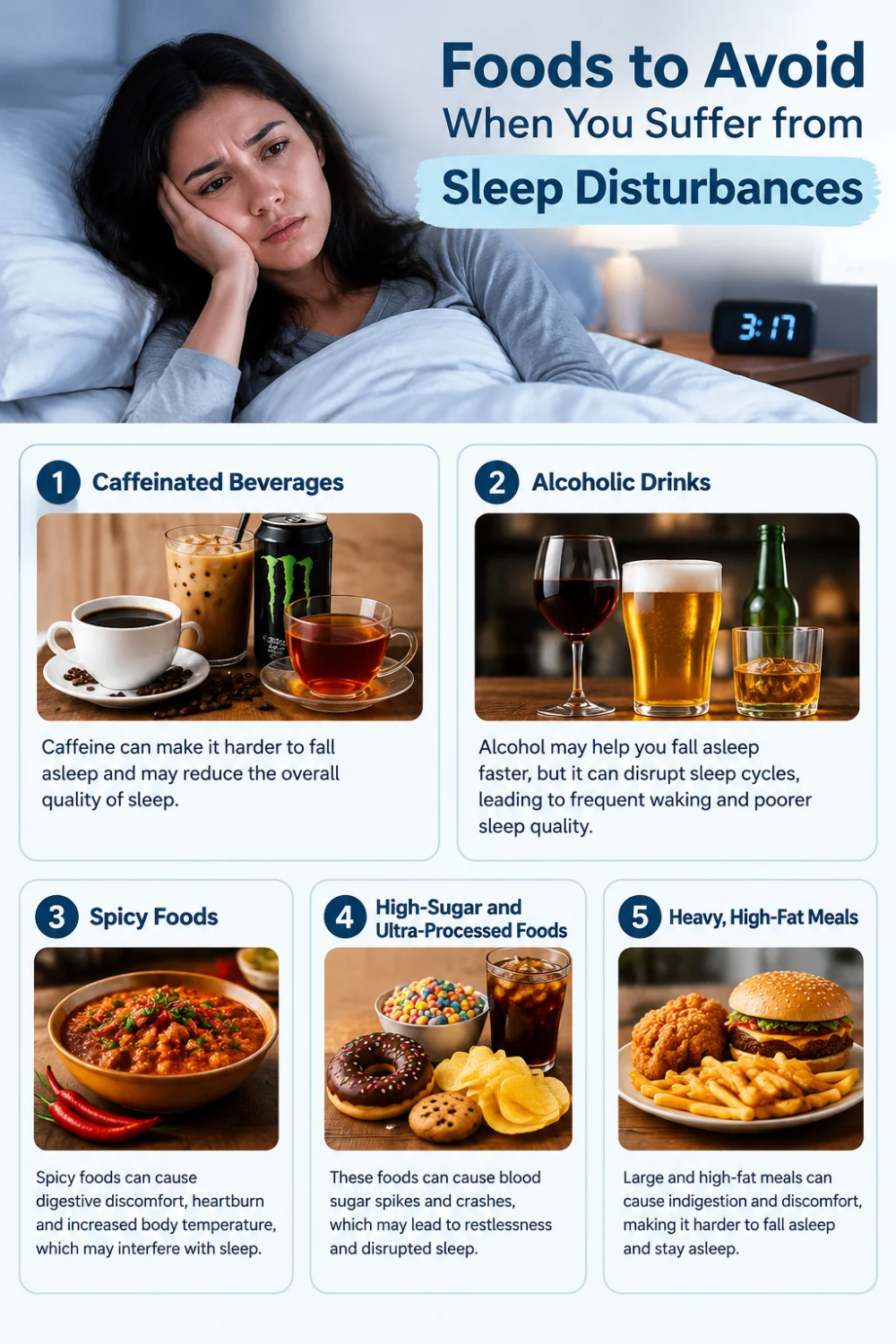
1. Caffeinated Beverages
Caffeine consumed up to six hours before bedtime significantly reduces total sleep time and disrupts overall sleep efficiency 39.
2. Alcoholic Drinks
While initially sedating, alcohol disturbs sleep continuity, decreases restorative REM sleep, and increases nighttime awakenings and insomnia symptoms 40.
3. Spicy Foods
Consuming spicy meals before bed elevates core body temperature, which impairs the natural cooling process required to initiate sleep 41.
4. High-Sugar and Ultra-Processed Foods
Diets rich in sugar and ultra-processed foods are linked to lower sleep quality, increased awakenings, and digestive discomfort 42.
5. Heavy, High-Fat Meals
High-fat foods delay digestion and increase the risk of functional dyspepsia, which physically interrupts sleep cycles when lying down 42.
When to see Doctor when you struggle from Sleep Disturbances.
1. Chronic Sleep Loss
Seek evaluation if sleep difficulties occur at least three nights a week and persist for three months or longer 43.
2. Breathing Interruptions
Medical attention is necessary if a bed partner observes loud snoring, gasping, or pauses in breathing during sleep 44.
3. Severe Daytime Fatigue
Consult a professional when sleep issues cause excessive daytime sleepiness that impairs daily functioning, cognitive focus, or driving ability 45.
4. Abnormal Nighttime Behaviors
See a doctor if there are physical movements, acting out dreams, or sleepwalking, which indicate specialized sleep disorders 46.
Comments
comments