

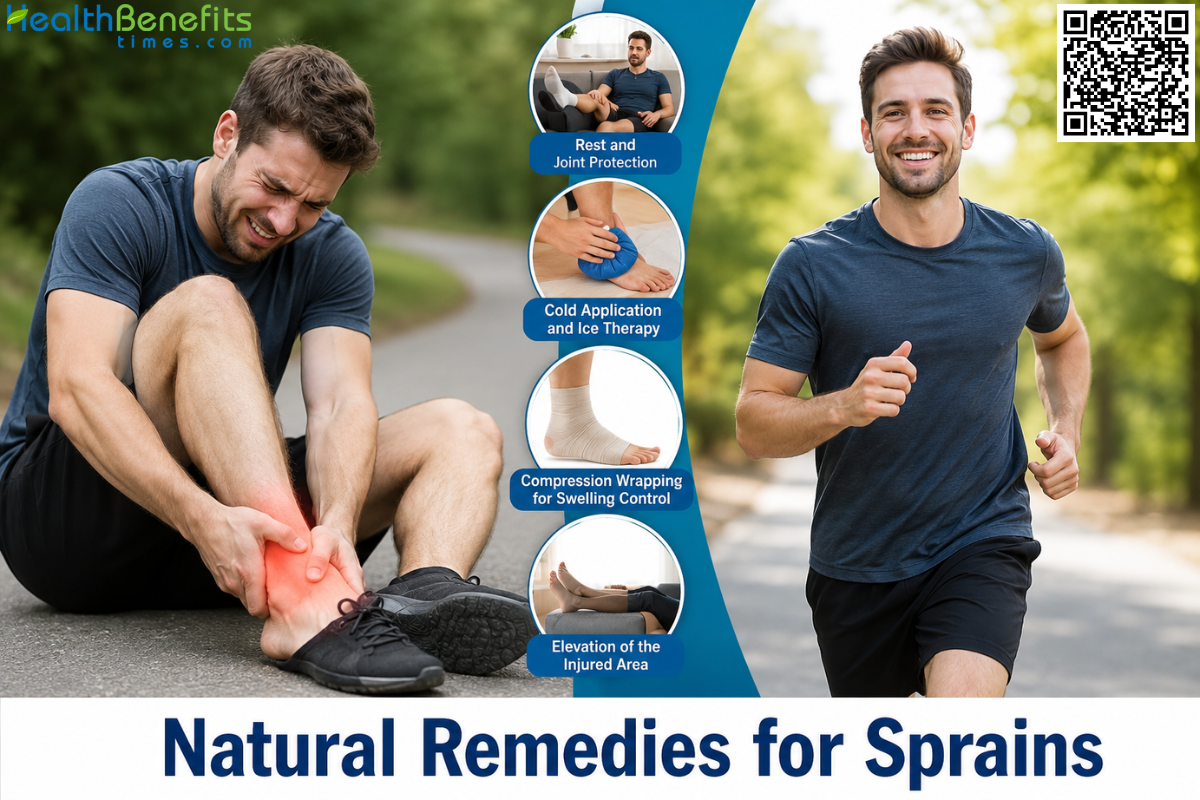
Causes of Sprains
1. Falls
Impacting the ground can force a joint into an unnatural position, causing significant stress on the connecting fibers. For instance, falling onto an outstretched hand frequently leads to wrist sprains 14.
2. Sudden Pivoting or Twisting
Activities that require rapid changes in direction, such as sports, can cause the foot or knee to rotate while the rest of the body maintains momentum, common in ankle sprains.
3. Uneven Surfaces
Walking, running, or exercising on irregular terrain increases the risk of the foot landing at an awkward angle, which places sudden, intense pressure on the ligaments surrounding the ankle.
4. Direct Impact
A forceful blow to a joint, often encountered in contact sports or accidents, can displace the bones beyond their normal range of motion, stretching or tearing the ligaments instantly.
5. Overexertion and Fatigue
When muscles become tired during physical activity, they are less effective at stabilizing joints, which shifts excessive mechanical load onto the ligaments and increases susceptibility to injury.
Symptoms of Sprains
1. Localized Pain
Individuals commonly experience immediate, sharp pain at the site of the injury, often intensifying when the affected joint is moved or placed under weight-bearing pressure.
2. Swelling
Fluid accumulation around the joint occurs as part of the body’s inflammatory response to tissue damage, often resulting in visible puffiness and increased joint girth.
3. Bruising and Discoloration
Internal bleeding from damaged blood vessels frequently leads to skin discoloration, appearing as bruising or red and purple patches around the injured area as the body processes the injury.
4. Limited Range of Motion
Difficulty moving the joint in its normal directions is a hallmark symptom, often caused by pain, internal swelling, or structural instability.
5. Joint Instability
A sensation that the joint is “giving way” or feels loose indicates that the stabilizing ligaments have lost their ability to hold the bones securely in place, which is particularly common in moderate to severe ligament tears.
6. Audible Popping Sensation
Some individuals report hearing or feeling a “pop” at the exact moment the injury occurs, which often correlates with the tearing of ligament fibers.
Natural Remedies for Sprains
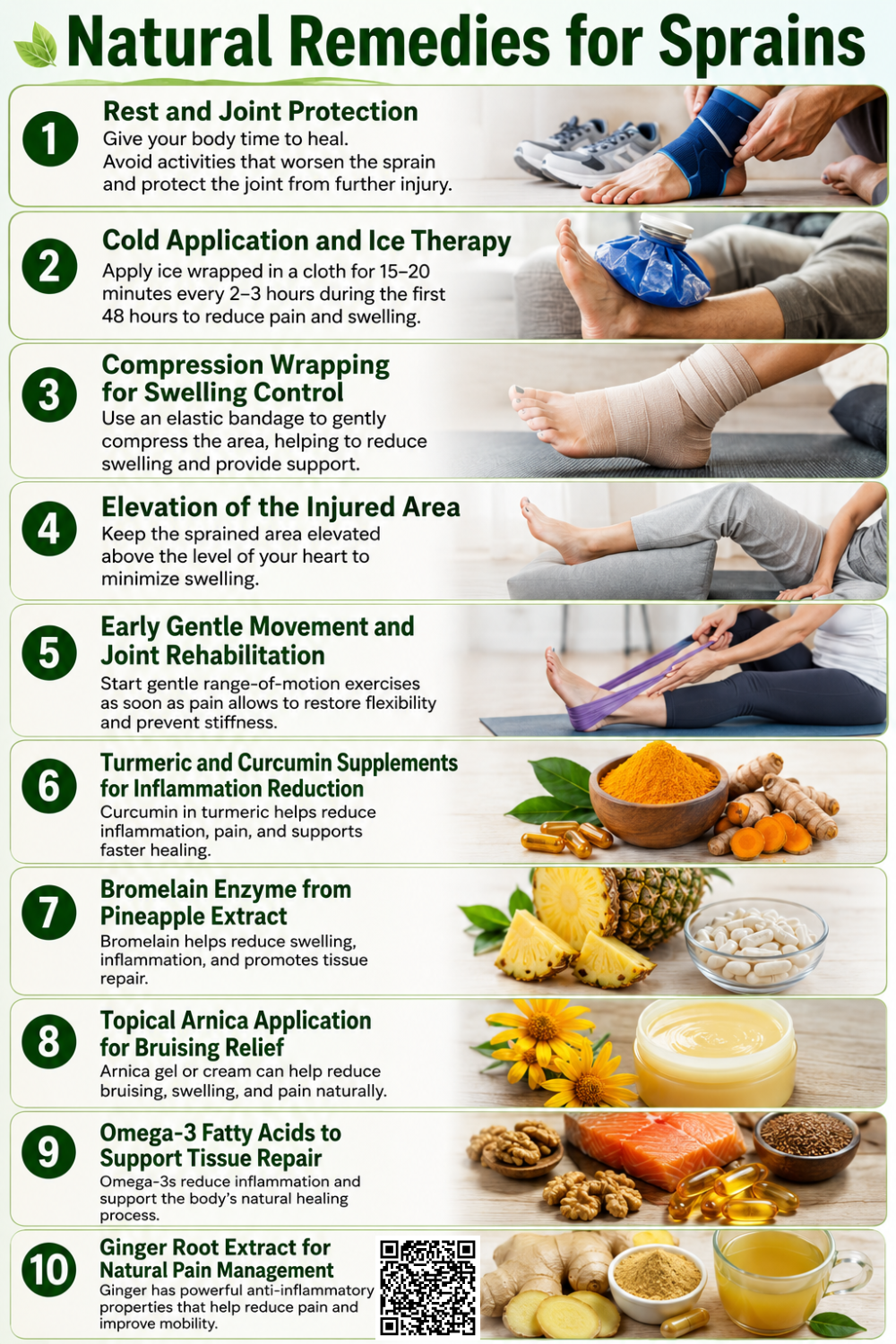
1. Rest and Joint Protection
How It May Help
Resting the injured joint is the critical first step in managing a sprain. Stopping physical activity immediately prevents further tearing of the ligaments and protects the surrounding tissues from additional stress. This initial protection minimizes internal bleeding and swelling, creating a stable environment for the body to begin its natural healing process.
What Research Says
Clinical protocols support brief periods of rest immediately following a sprain to manage acute joint damage. However, current guidelines emphasize that prolonged immobilization is detrimental. Evidence shows that transitioning from strict rest to early, gentle joint movement after the first few days improves recovery speed and restores function more effectively 3.
How to Use It Safely
To protect the joint safely, avoid putting weight on the injured area for the first 48 hours. You should use supportive devices like crutches, a sling, or a brace to limit movement. Gradually reintroduce light, pain-free activity as your swelling begins to subside.
Potential Precautions or Side Effects
Avoid resting the joint completely for more than a few days. Prolonged immobility can cause muscle weakness, severe joint stiffness, and a much longer overall recovery time.
2. Cold Application and Ice Therapy
How It May Help
Cold application causes local blood vessels to narrow. This immediate reduction in blood flow limits internal bleeding and fluid buildup around the damaged ligaments. By temporarily numbing the local nerve endings, ice therapy also provides rapid, drug-free pain relief during the early stages of a soft tissue injury.
What Research Says
Clinical guidelines strongly support using cold therapy immediately after a soft tissue injury. Research confirms that applying ice during the first 48 hours significantly decreases acute pain and controls initial swelling. However, evidence suggests extending ice therapy beyond this initial phase does not provide additional healing benefits.
How to Use It Safely
You should always wrap ice or a cold pack in a thin cloth before applying it to your skin. Apply the cold compress to the injured joint for 15 to 20 minutes every two to three hours during the first 48 hours following the injury.
Potential Precautions or Side Effects
Never apply ice directly to bare skin or leave it on for more than 20 minutes at a time, as extreme cold can cause frostbite and severe tissue damage.
How It May Help
Compression wrapping applies gentle, even pressure to the injured joint. This physical barrier prevents excess fluid from pooling in the damaged tissues, which significantly reduces swelling. Additionally, an elastic bandage provides mild structural support, helping to stabilize the area and restrict harmful movements during the early healing phase.
What Research Says
Clinical guidelines endorse compression as a standard initial treatment for acute soft tissue injuries. Establishing early compression with an elastic bandage limits the accumulation of inflammatory fluids around the ligament tear, which effectively reduces joint stiffness and supports a faster return to normal function.
How to Use It Safely
You should use a clean elastic bandage, starting the wrap at the point farthest from your heart and overlapping upward. Apply firm but comfortable pressure. You must remove and loosen the wrap immediately if you experience throbbing, tingling, or increased pain.
Potential Precautions or Side Effects
Wrapping a joint too tightly restricts essential blood flow. Watch for cold toes or fingers, numbness, or blue skin discoloration, which indicate the bandage must be removed immediately.
4. Elevation of the Injured Area
How It May Help
Elevating an injured joint utilizes gravity to drain excess fluid away from the damaged tissues and back toward the heart. This mechanical process prevents blood and inflammatory fluids from pooling in the sprained area, which effectively minimizes continuous swelling, reduces pressure-related throbbing, and provides pain relief.
What Research Says
Clinical guidelines establish elevation as a core component of early sprain management. Medical institutions confirm that keeping a sprained joint raised above the level of the heart significantly reduces edema, or swelling, and facilitates the removal of inflammatory waste products, accelerating the initial stages of tissue recovery.
How to Use It Safely
You should prop the injured joint on firm pillows or cushions while sitting or lying down. Aim to keep the sprain elevated above the level of your heart whenever possible, particularly during the first 48 hours and while applying cold therapy, to maximize fluid drainage.
Potential Precautions or Side Effects
Ensure the entire limb is properly supported to avoid straining adjacent muscles. You should immediately adjust your position if you experience numbness, tingling, or increased discomfort.
5. Early Gentle Movement and Joint Rehabilitation
How It May Help
Introducing gentle movement after the initial swelling decreases helps prevent joint stiffness and muscle weakness. Controlled motion increases local blood flow, which delivers necessary nutrients to injured tissues. It also guides the healing ligament fibers to align properly, restoring joint strength and flexibility more effectively than prolonged rest.
What Research Says
Clinical research demonstrates that early functional rehabilitation yields better outcomes than strict, long-term immobilization. Studies confirm that patients who begin gentle, guided movement within a few days of a sprain experience faster recovery times, earlier return to daily activities, and greater long-term joint stability.
How to Use It Safely
You should wait roughly 48 hours after the injury before beginning rehabilitation. Start with simple, unweighted range-of-motion exercises, such as tracing the alphabet with your foot for an ankle sprain. Only perform movements that remain completely pain-free, gradually increasing activity as your comfort allows.
Potential Precautions or Side Effects
Never push through sharp pain. Moving too aggressively or too soon can stretch or re-tear the healing ligament, leading to increased swelling and chronic joint instability.
6. Turmeric and Curcumin Supplements for Inflammation Reduction
How It May Help
Turmeric contains an active compound called curcumin, which possesses strong anti-inflammatory properties. It works by blocking specific enzymes and pathways in the body that trigger inflammation. By modifying this chemical response, curcumin may help reduce the swelling and alleviate the localized pain associated with a sprained ligament.
What Research Says
Clinical evaluations suggest that curcumin provides notable anti-inflammatory effects. Research indicates that turmeric extracts can effectively reduce joint inflammation and pain in various musculoskeletal conditions. While studies specifically targeting acute sprains are ongoing, these established anti-inflammatory mechanisms suggest potential benefits for soft tissue recovery 4.
How to Use It Safely
You can take turmeric as an oral supplement or incorporate the root into meals. Because the body absorbs curcumin poorly, you should choose supplements containing black pepper extract (piperine) to increase absorption. Always consult your healthcare provider to determine the correct dosage for your specific needs.
Potential Precautions or Side Effects
High doses can cause gastrointestinal upset. You must avoid turmeric supplements if you take blood-thinning medications, as curcumin can increase the risk of excessive bleeding.
7. Bromelain Enzyme from Pineapple Extract
How It May Help
Bromelain is a natural group of enzymes extracted from the stems and fruit of pineapples. When absorbed by the body, it helps break down specific proteins involved in the inflammatory response. This enzymatic action can reduce swelling, minimize localized bruising, and relieve pain associated with soft tissue injuries.
What Research Says
Clinical studies indicate that bromelain possesses measurable anti-inflammatory properties. Research concludes that it may be effective for reducing swelling, bruising, and pain following acute physical trauma, including musculoskeletal injuries like sprains, by altering how the body processes inflammation 5.
How to Use It Safely
You can find bromelain as an over-the-counter oral supplement in capsule or tablet form. To maximize its anti-inflammatory benefits for a sprain, you should take the supplement on an empty stomach between meals. Always ask your doctor to recommend an appropriate dosage for your recovery.
Potential Precautions or Side Effects
Bromelain may cause mild stomach upset or diarrhea. You must avoid it if you are allergic to pineapple or take blood-thinning medications, as it may increase the risk of bleeding.
8. Topical Arnica Application for Bruising Relief
How It May Help
Arnica is an herbal extract derived from the Arnica montana flower, traditionally used to treat physical trauma. When applied directly to the skin over a sprain, its active compounds help stimulate local blood circulation. This process clears away trapped blood, effectively reducing the visible bruising and swelling associated with injured ligaments.
What Research Says
Clinical studies demonstrate that topical arnica can effectively manage bruising and localized pain following minor soft tissue trauma. Research concludes that applying arnica ointment to bruised, swollen areas may offer comparable relief to some standard over-the-counter anti-inflammatory gels, making it a viable natural option for early sprain recovery 6.
How to Use It Safely
You should apply a thin layer of arnica gel or cream to the intact skin surrounding your sprain. Gently rub it in two to three times a day as needed. Always wash your hands immediately after application to prevent accidental transfer to your eyes or mouth.
Potential Precautions or Side Effects
Never apply arnica to open wounds, cuts, or broken skin. You must discontinue use immediately if you develop skin irritation, redness, or an allergic rash at the application site.
9. Omega-3 Fatty Acids to Support Tissue Repair
How It May Help
Omega-3 fatty acids are essential nutrients that help lower inflammation throughout the body. When a ligament is sprained, the area undergoes an intense inflammatory response. These healthy fats regulate the production of inflammatory chemicals, which helps reduce localized swelling and pain while supplying the biological components necessary to support long-term tissue repair.
What Research Says
Clinical research confirms that omega-3 fatty acids, specifically EPA and DHA, possess strong anti-inflammatory properties. Studies show that regular intake of these fatty acids helps manage inflammatory responses in musculoskeletal tissues, which can promote efficient recovery and minimize prolonged swelling following a soft tissue injury 7.
How to Use It Safely
You can increase your omega-3 intake by eating fatty fish like salmon or mackerel twice a week. Alternatively, you can take high-quality fish oil or algal oil supplements. You should consult a healthcare provider to establish a safe daily dosage that fits your specific recovery needs.
Potential Precautions or Side Effects
High doses of omega-3 supplements can thin the blood. You must avoid them if you take prescription blood-thinning medications or face upcoming surgery to prevent excessive bleeding.
10. Ginger Root Extract for Natural Pain Management
How It May Help
Ginger root contains active compounds called gingerols that act as natural pain relievers and anti-inflammatories. When consumed, these compounds block the production of specific chemicals in the body that cause inflammation and trigger pain signals. This process helps soothe aching and reduces the swelling associated with a sprained ligament.
What Research Says
Clinical research indicates that ginger extract possesses significant anti-inflammatory and pain-relieving properties. Studies conclude that consuming ginger can effectively reduce muscle and joint pain following exercise-induced injury or soft tissue trauma, making it a viable natural option for managing the discomfort of acute sprains 8.
How to Use It Safely
You can consume ginger naturally by brewing fresh root into tea or adding it to your meals. For concentrated doses, you may take ginger extract capsules. Always consult your healthcare provider before starting a new supplement to ensure the dosage is safe for your recovery.
Potential Precautions or Side Effects
Ginger can sometimes cause mild heartburn or stomach upset. You must avoid concentrated ginger supplements if you take blood-thinning medications, as it may increase your risk of bleeding.
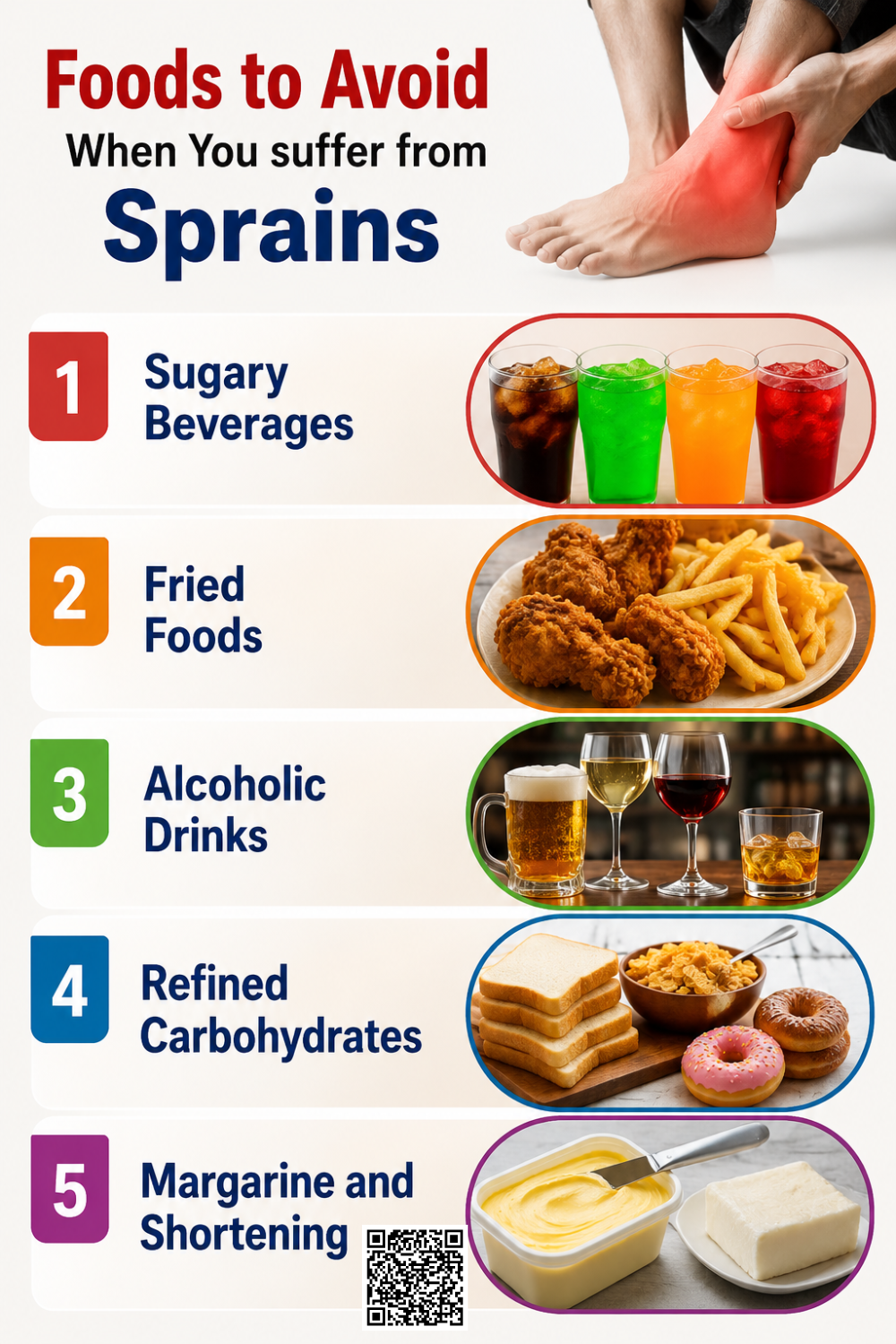
1. Sugary Beverages
High sugar intake spikes C-reactive protein, promoting systemic inflammation and worsening joint swelling 9.
2. Fried Foods
These contain high levels of industrial trans fats, which directly trigger cellular stress, promote widespread inflammation, and delay tissue repair 10.
3. Alcoholic Drinks
Acute alcohol consumption impairs early immune responses, decreases essential cellular accumulation, and significantly delays soft tissue healing 11.
4. Refined Carbohydrates
Foods like white bread digest rapidly, causing blood sugar spikes that increase inflammatory markers and prolong recovery.
5. Margarine and Shortening
Many commercial shortenings contain trans fatty acids that strongly promote inflammation and reduce the body’s natural healing efficiency 12.
When To see Doctor when you suffer from Sprains
1. Inability to Bear Weight
Seek immediate care if you cannot take more than a few steps without severe pain, as this strongly indicates a potential bone fracture or complete ligament tear.
2. Visible Joint Deformity
You must visit a doctor if the joint appears crooked or physically misshapen, which suggests an underlying bone fracture or a dislocated joint requiring urgent structural realignment.
3. Severe, Unmanageable Pain
Consult a healthcare professional if pain is excruciating and cannot be managed with standard over-the-counter medications, as this signals significant tissue trauma or nerve damage 13.
4. Numbness or Tingling
You should seek medical evaluation if you experience numbness, tingling, or a prickling sensation below the injury, indicating possible nerve compression or restricted blood circulation.
5. Lack of Improvement
Schedule a clinical evaluation if your symptoms, particularly pain and swelling, do not noticeably improve after several days of consistent rest, ice, compression, and elevation protocols.
Comments
comments