

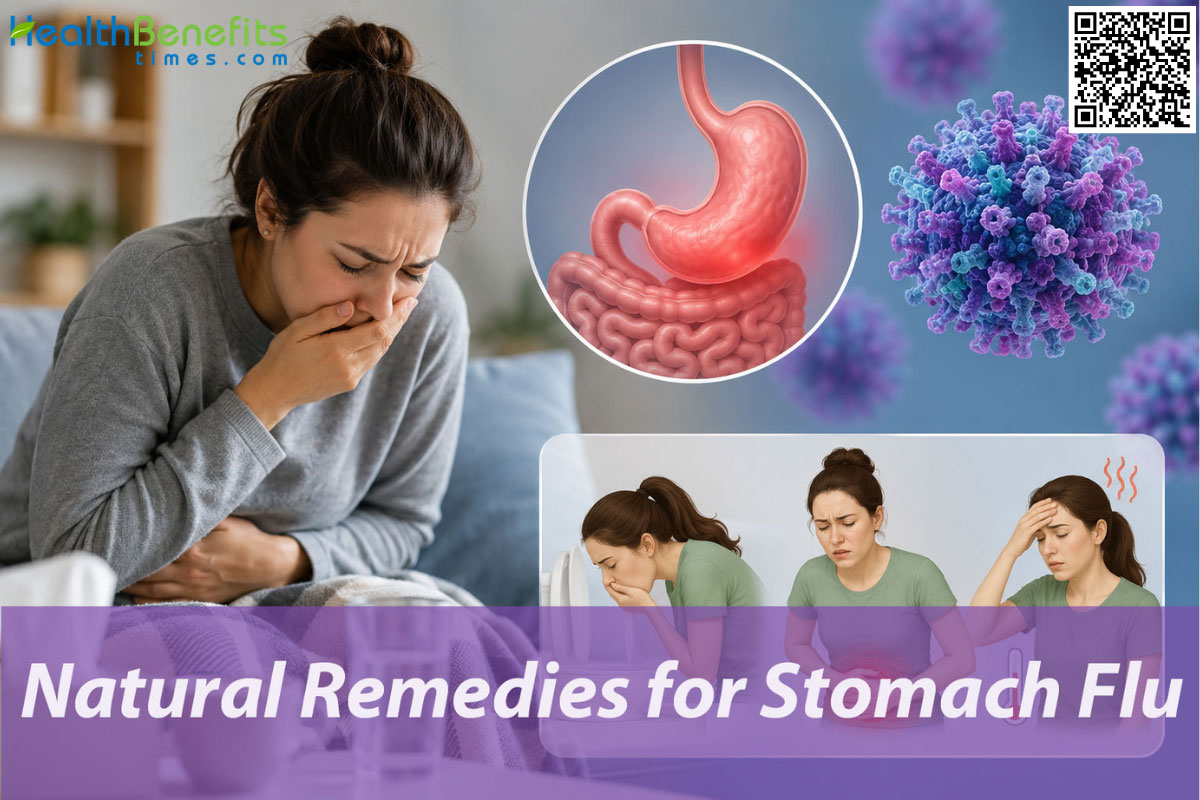
Causes of Stomach Flu
Exploring the root causes of this illness reveals a variety of microscopic culprits that thrive in different environments. Because this is a viral illness, understanding how these viruses travel helps explain why it spreads so rapidly through communities.
1. Norovirus Infections
This highly contagious bug is the leading cause of vomiting and diarrhea, as well as foodborne illness, across the United States 1. Outbreaks of norovirus happen frequently throughout the year but tend to peak during the colder months, spreading rapidly in closed spaces like schools and nursing homes 2.
2. Rotavirus Exposure
Historically, rotavirus has been the most common pathogen infecting the stomach and bowel of infants and young children 3. While routine vaccination has lowered the number of cases, children under five years of age remain highly vulnerable to picking up this specific virus.
3. Contaminated Food and Drinking Water
Whenever someone handles raw or ready-to-eat foods without proper hygiene, they can easily transfer these viruses into the meals they prepare. Raw shellfish, particularly oysters harvested from unclean waters, are a notoriously frequent source of infection because they filter and concentrate viral particles 4.
4. Direct Person-to-Person Contact
It only takes a microscopic amount of the virus to make someone sick. Providing care for a sick family member, sharing eating utensils, or simply touching hands with an infected person are common ways the illness passes from one host to another.
5. Touching Infected Surfaces
Viruses that cause intestinal distress are remarkably sturdy and can survive on hard surfaces for days or even weeks. Touching a contaminated doorknob, shopping cart, or kitchen counter and then touching your mouth can instantly introduce the virus into your digestive system.
Symptoms of Stomach Flu
Recognizing the signs early on makes a significant difference in managing your physical comfort and preventing complications. The human body reacts dramatically when viral pathogens invade the intestinal walls.
- Sudden, frequent bouts of watery diarrhea that is typically non-bloody.
- Intense waves of nausea that quickly lead to forceful vomiting.
- Sharp, gripping abdominal pain and painful cramping caused by muscle spasms in the gut.
- A mild, low-grade fever that indicates your immune system is actively fighting an invader 5.
- General muscle aches and joint pain that leave you feeling entirely drained of energy.
- Persistent, dull headaches that often worsen as your body loses essential fluids.
- Dry mouth, a sticky feeling on the tongue, and intense thirst, which serve as early warning signs of dehydration.
Stomach Flu Facts Table
Gathering the most important details into one place helps create a clear, easy-to-understand picture of this condition.
| Category | Facts and Details |
| Symptoms |
|
| Causes |
|
| Types of Stomach Flu |
|
| How does spread |
|
| Age Group |
|
| You might be at a higher risk for exposure of this disease if you: |
|
| How doctors diagnose |
|
| Other facts |
|
Natural Remedies for Stomach Flu
Taking care of yourself at home is often the most effective way to handle this miserable feeling. When your digestive system is highly sensitive, relying on gentle, evidence-based natural remedies provides safe relief without overwhelming your fragile stomach.
1. Hydration and Oral Rehydration Solutions
One of the most critical steps in your recovery is constantly replacing the fluids and essential minerals you are losing. When a virus damages your gut lining, it strips away your body’s ability to hold onto water properly. Medical experts warn that plain water is not enough; you must replace vital electrolytes like sodium and potassium to keep your muscles and nervous system functioning. Drinking an oral rehydration solution (ORS) which is a careful mixture of clean water, salt, and sugar is highly recommended because the sugar actively helps your intestinal walls pull salt and water back into your bloodstream 6. While it is tempting to reach for bright commercial sports drinks, they generally contain far too much sugar and not enough salt to properly treat medical dehydration 7.
Note: This is commonly consumed as a prepared liquid beverage that you sip very slowly in tiny amounts throughout the day to rehydrate without upsetting your stomach.
2. Soothing Rice Water
A traditional remedy that holds up incredibly well to modern scientific scrutiny is simple rice water. Research demonstrates that rice water works as a highly effective, low-osmolarity rehydration fluid, meaning it is gentle enough not to pull extra water out of your bloodstream and into your intestines 8. Because it relies on complex carbohydrates (starches) rather than simple sugars, it places much less stress on a swollen, inflamed bowel. Clinical observations reveal that drinking rice water significantly decreases overall stool output and reduces the frequency of watery bowel movements when you are dealing with mild to moderate gastroenteritis 9.
Note: This is commonly prepared by boiling organic rice in an excess of water, straining out the grains, and drinking the starchy, lukewarm liquid to soothe the gut.
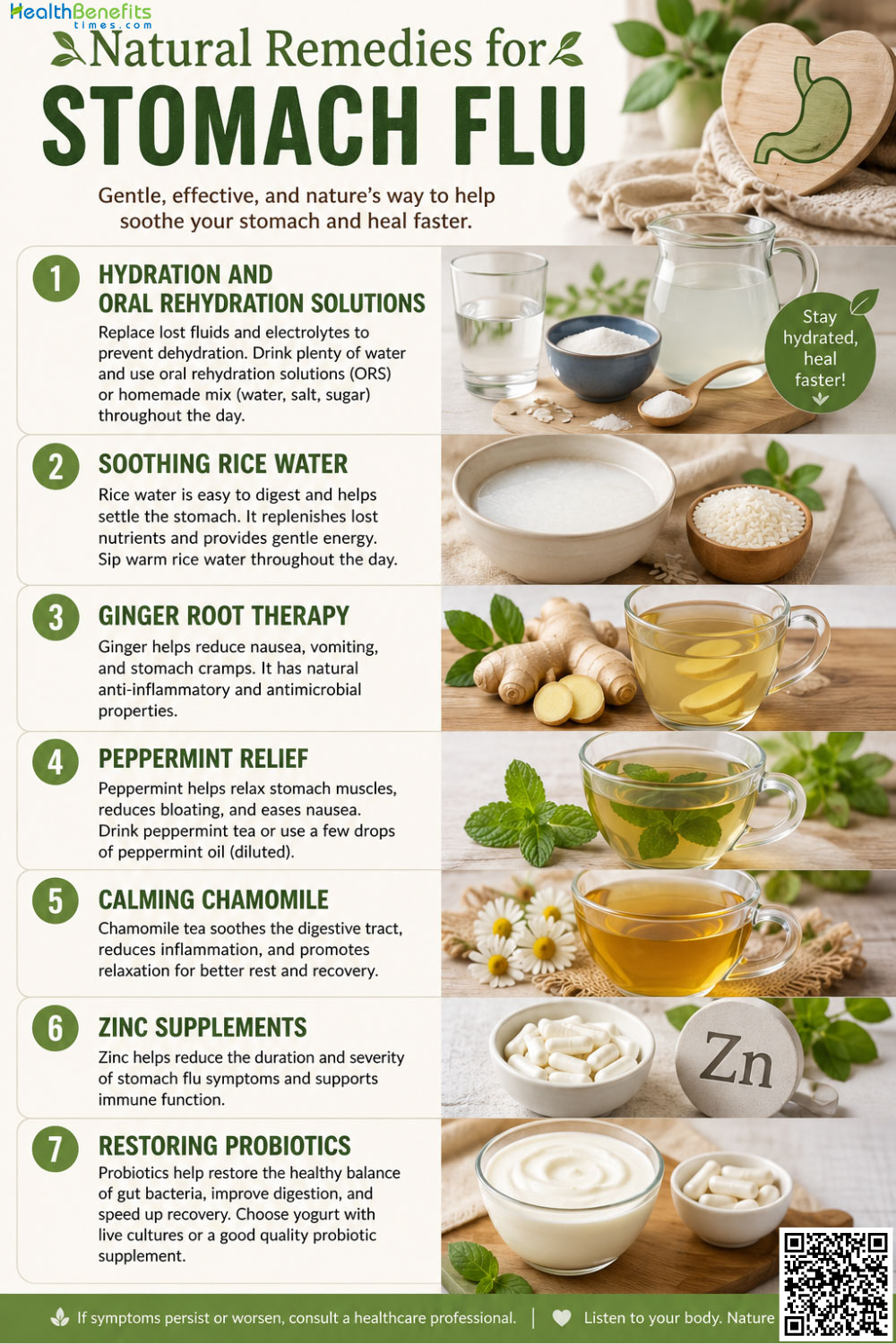
3. Ginger Root Therapy
Turning to ginger is one of the best ways to combat the intense, rolling waves of nausea that accompany a stomach bug. The natural root of the ginger plant contains powerful active compounds known as gingerols and shogaols, which interact directly with your nervous system 10. When your gut is under attack, it releases chemicals that trigger the brain’s vomiting center; however, the pure ingredients in ginger actually block these specific chemical receptors, actively stopping the urge to throw up 11. In addition to stopping nausea, ginger relaxes the tight, spasming muscles inside your digestive tract, bringing natural relief to abdominal cramps.
Note: This is commonly consumed by steeping freshly sliced ginger root in hot water to make a comforting tea, or by slowly sucking on natural ginger candies.
4. Peppermint Relief
Using the cooling power of peppermint can quickly calm an angry, churning stomach. The primary active component in fresh peppermint leaves is menthol, a natural compound that exerts a direct physiological effect on your digestive tract by blocking calcium channels in the intestinal muscles 12. Because your muscles need calcium to contract, blocking it forces the smooth muscles lining your gut to completely relax, quickly alleviating painful cramping. Additionally, simply smelling peppermint oil has been shown in clinical settings to actively reduce feelings of nausea and psychosocial distress during an illness 13.
Note: This is commonly consumed as a warm, mild herbal tea, or applied aromatherapeutically by placing a drop of diluted peppermint oil on a tissue and taking slow, deep breaths.
5. Calming Chamomile
Trusting in the gentle nature of chamomile flowers provides an excellent defense against gut inflammation and diarrhea. For centuries, chamomile has been valued as a digestive relaxant used to treat indigestion, flatulence, and stomach upset 14. Its scientific magic lies in its ability to open potassium channels while blocking calcium channels, a dual action that safely stops the hyperactive muscle spasms responsible for sudden diarrhea 15. Furthermore, high-quality studies have proven that chamomile acts as a natural anti-inflammatory agent, actively reducing the swelling and cellular pain along the lining of your stomach and intestines 16.
Note: This is commonly consumed as a freshly brewed floral tea, often drank slowly before resting to encourage deep relaxation and digestive healing.
6. Zinc Supplements
Providing your body with targeted nutrition can drastically speed up the repair of your damaged intestinal tissues. Zinc is an essential trace element that plays a foundational role in cellular growth and helps your immune system fight off viral invaders. When the cells of your digestive tract are damaged by diarrhea, clinical evidence shows that taking a zinc supplement can reduce the total duration of the illness by 25% and decrease overall stool volume by a remarkable 30% 17. Global health guidelines heavily promote short-term zinc supplementation to heal the gut faster and build resistance against future infections.
Note: This is commonly swallowed as an over-the-counter pill or dissolved as a dispersible tablet in water, strictly following the dosage recommended on the packaging.
7. Restoring Probiotics
Introducing good bacteria back into a highly compromised digestive system can fundamentally alter how fast you recover. Probiotics are live, healthy microbes that perfectly mirror the beneficial bacteria naturally found inside a healthy human gut. During a bout of severe diarrhea, your natural gut flora is frequently flushed out of your system entirely. Ingesting specific probiotic strains helps rebuild the physical barrier of your intestines while actively fighting off the lingering virus for space and nutrients 18. Studies confirm that taking probiotics during an intestinal infection significantly accelerates the return of normal stool consistency and cuts the illness short 19.
Note: This is commonly eaten in natural foods like unsweetened yogurt or kefir, or taken as a refrigerated dietary capsule to restore gut health.
Is there any exercise or physical activities for Stomach Flu
You might be wondering if moving around or sweating will help speed up your recovery. When your body is fighting a severe gastrointestinal infection, treating physical activity with extreme caution is absolutely necessary to avoid dangerous setbacks.
1. The “Neck Rule” Assessment
Sports medicine experts often use a simple guideline called the “neck rule” to determine if a person should exercise while feeling sick. This rule states that if your symptoms are strictly “above the neck” like a mild stuffy nose or sneezing light activity is usually fine. However, if your symptoms sit “below the neck” or include a fever, muscle aches, or stomach issues, your body requires total, uninterrupted rest until you significantly improve 20. Pushing through a stomach bug with exercise is highly dangerous and damages your immune response.
Note: This is commonly used as a mental checklist you run through before deciding whether to put on your workout clothes or go back to bed.
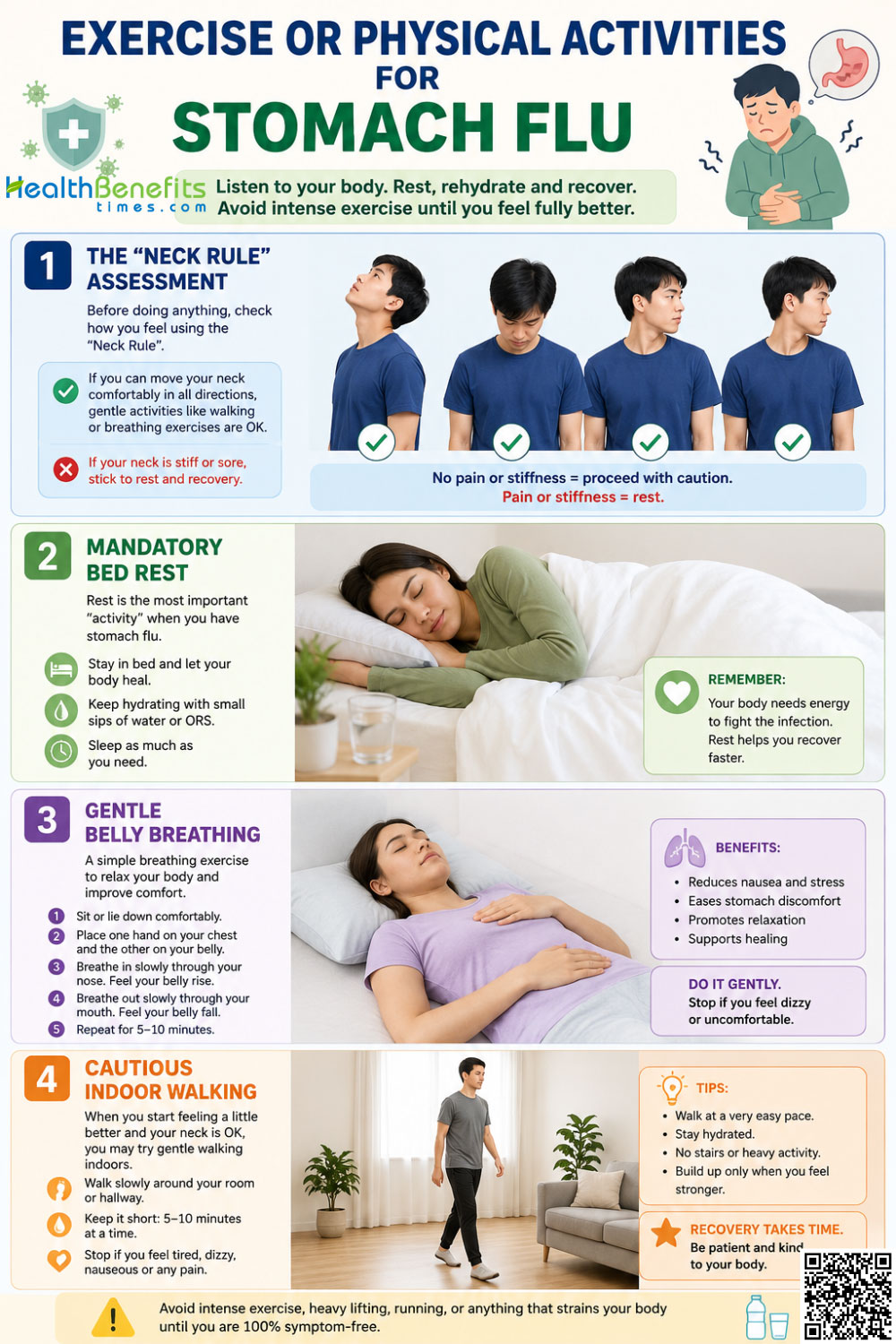
2. Mandatory Bed Rest
Allowing your body to lie down completely is the most beneficial physical state you can maintain during a stomach virus. When you are severely dehydrated, your blood volume drops, making your heart work overtime to pump blood. Trying to exercise forces blood away from your sick stomach and into your arms and legs, which halts the digestive healing process entirely. Staying horizontal in bed keeps your blood pressure stable, conserves your cellular energy, and allows your immune system to do its job properly 21.
Note: This is commonly done by lying in a comfortable, reclined position in your bed or on a sofa, occasionally propping your head up if nausea strikes.
3. Gentle Belly Breathing
When your stomach muscles are physically exhausted and sore from the trauma of vomiting and intense cramping, simple breathing exercises can be deeply restorative. Taking slow, controlled breaths directly stimulates your parasympathetic nervous system, which is the system responsible for your body’s “rest and digest” mode. This incredibly gentle activity lowers your heart rate, decreases circulating stress hormones, and physically massages your digestive organs without requiring any actual physical energy.
Note: This is commonly done by lying flat on your back, placing a warm hand gently over your navel, and taking slow, deep breaths through your nose so your hand rises and falls.
4. Cautious Indoor Walking
Once you have gone a full 48 hours without a single episode of vomiting or diarrhea, you can slowly begin to reintroduce light movement. Because you are likely still recovering from dehydration, standing up quickly or moving fast can cause sudden dizziness. Gentle, slow-paced walking around your home encourages healthy blood circulation and helps slowly wake up your normal bowel movements without overtaxing your recovering heart.
Note: This is commonly done by taking short, five-minute strolls around your living room or kitchen, making sure you have furniture nearby to hold onto if you feel faint.
Foods and Activities to Avoid When You suffer from Stomach Flu
Knowing what to stay away from is just as crucial as knowing what remedies to try. Certain habits and foods can deeply irritate your raw digestive tract or easily pass the virus onto your loved ones.
1. Skipping Dairy Products
When a virus damages your intestines, your body temporarily stops producing lactase, the enzyme needed to digest milk. Consuming dairy products during this time triggers painful bloating, gas, and an immediate return of watery diarrhea 7.
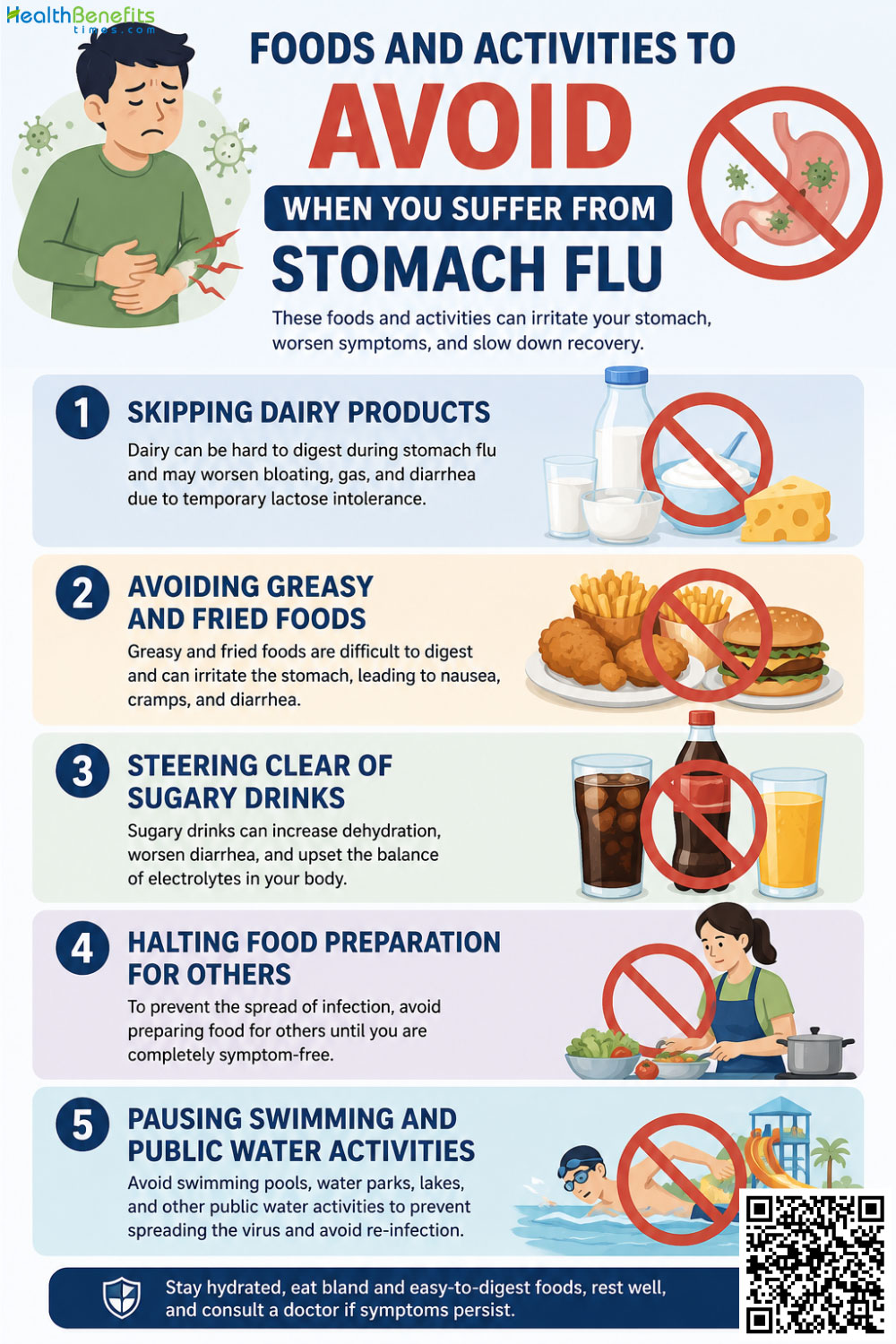
2. Avoiding Greasy and Fried Foods
High-fat meals take much longer for your stomach to break down than simple carbohydrates. Eating heavy, greasy foods forces them to sit heavily in your stomach, which frequently reactivates your gag reflex and causes severe vomiting 22.
3. Steering Clear of Sugary Drinks
Commercial fruit juices, fizzy sodas, and heavily sweetened beverages act like magnets for water inside your gut. These sugary liquids actively pull fluids out of your bloodstream and back into your bowels, making your diarrhea significantly worse 23.
4. Halting Food Preparation for Others
Because these viruses are incredibly contagious and shed abundantly, preparing or serving meals for your family is a massive risk. You should completely avoid cooking for anyone else until you have been fully recovered for several days.
5. Pausing Swimming and Public Water Activities
Viral particles continue to exit your body long after your physical symptoms have vanished. Entering a public swimming pool or shared hot tub before at least 48 hours have passed since your last symptom presents a severe health hazard to everyone else in the water.
Myths and Misconceptions
Clearing up common misunderstandings can save you a lot of unnecessary worry and keep you from making your symptoms worse.
| Myth | Reality |
| I got my annual flu shot, so I shouldn’t have caught this stomach bug. 4 | The term “stomach flu” is completely misleading. This illness is caused by intestinal viruses like norovirus, which have absolutely no biological connection to the respiratory influenza viruses that annual flu shots protect against. |
| If I get a prescription for antibiotics, I will get better much faster. 24 | Antibiotics are medicines designed strictly to kill bacteria. Because gastroenteritis is caused by viral pathogens, taking antibiotics is entirely useless and can actually worsen your stomach upset by destroying your healthy gut bacteria. |
| I need to stop eating completely to “starve” the virus out of my system. | Medical research firmly indicates that starving yourself does not treat the illness. While you should avoid eating if you are actively vomiting, you should resume eating a bland, normal diet as soon as your appetite returns to give your body the energy it needs to heal. |
| Guzzling bright sports drinks is the absolute best way to rehydrate. 25 | While very popular, standard commercial sports beverages generally contain far too much sugar and not nearly enough sodium for medical rehydration. Health organizations recommend properly balanced oral rehydration solutions instead. |
| The minute my vomiting and diarrhea stop, I am no longer contagious. 26 | Infected individuals continue to shed massive amounts of the virus in their stool for 48 hours to several days after they feel perfectly fine, meaning strict handwashing remains essential to protect others. |
Special Considerations
Certain groups of people need extra attention and care when facing gastrointestinal infections, as their bodies react very differently to severe fluid loss.
1. Children
The pediatric population faces exceptionally high risks when confronting stomach viruses due to their smaller body mass and highly sensitive immune systems 27. Infants and toddlers lose water at a much faster rate than adults, making sudden diarrhea incredibly dangerous. Furthermore, young children tend to shed the virus for a much longer period; medical evidence strongly suggests extending hygiene precautions around infants for up to 5 days after their symptoms completely vanish to prevent the illness from spreading through the household 28.
2. Pregnancy
Expectant mothers experiencing intense stomach issues require careful medical observation. The physical consequences of severe dehydration during pregnancy are profound; dropping fluid volumes can reduce protective amniotic fluid levels and negatively alter the composition of breast milk 29. In extreme situations, the intense systemic stress and dehydration induced by the virus can even provoke premature uterine contractions, elevating the risk of preterm labor 30.
3. Chronic conditions
Individuals who live with complex medical histories—such as autoimmune disorders, heart disease, or those undergoing immunosuppressive treatments face unique challenges. Because their weakened immune systems struggle to completely fight off the pathogen, these patients frequently experience much longer episodes of diarrhea and a significant potential for the illness to relapse 28.
4. Elderly
Older adults represent a highly vulnerable group, suffering disproportionately severe outcomes from intestinal infections. In the United States alone, norovirus is responsible for approximately 900 deaths annually, with the vast majority occurring in individuals over the age of 65 31. This heightened risk is largely due to the natural, age-related decline in immune function, combined with underlying chronic health issues that make bouncing back from severe dehydration incredibly difficult 32.
Precaution before use of natural remedies when you have Stomach Flu
Even though natural treatments are generally safe and gentle, you should always keep a few practical warnings in mind before treating yourself at home.
- Checking for Medication Interactions: If you take daily medications for blood pressure, diabetes, or heart conditions, you must talk to a doctor before drinking large amounts of potent herbal extracts, as natural compounds like ginger can alter how your body absorbs prescription drugs.
- Diluting Essential Oils: While drinking peppermint tea is perfectly safe, pure essential oils are highly concentrated. You should never ingest undiluted essential oils or rub them directly onto your skin without a carrier oil, as they can cause severe chemical burns or toxicity 33.
- Watching for Allergic Reactions: If you have known allergies to plants in the daisy family (which includes ragweed and marigolds), you might experience an unexpected allergic reaction, such as a rash or swollen throat, when consuming chamomile tea.
- Protecting Young Children: You should never give unpasteurized herbal preparations, heavy supplements, or over-the-counter anti-diarrhea medicines to infants or young toddlers without direct pediatric supervision, as their tiny livers cannot process these substances safely 34.
- Monitoring Hidden Dangers: Relying entirely on natural stomach-soothers can sometimes be dangerous if it masks the worsening signs of clinical dehydration. You must be careful that treating your nausea with ginger doesn’t stop you from realizing you urgently need IV fluids.
When to see Doctor
Listening to your body is essential, and sometimes home care simply isn’t enough to safely overcome the illness.
- Spotting Severe Dehydration: If you notice a complete stop in your urination, feel severely dizzy when you try to stand up, or experience extreme confusion and sleepiness, you must seek emergency medical care immediately.
- Identifying High Fevers: While a mild fever is normal, a high-grade fever that does not come down with basic medications suggests that you might be dealing with a more severe bacterial infection rather than a simple virus 5.
- Noticing Blood in Stool: If you see bright red blood or dark, black, tar-like substances in your diarrhea, you should contact a doctor right away, as this is never a normal symptom of a routine stomach bug 35.
- Experiencing Prolonged Symptoms: A typical viral gut infection clears up in a few days. If your intense vomiting or diarrhea lasts longer than 48 to 72 hours without any sign of slowing down, you need a professional evaluation.
- Failing to Keep Any Liquids Down: If your vomiting is so aggressive that you cannot even keep down tiny sips of water or oral rehydration solutions for a full 24 hours, you likely require intravenous (IV) fluids at a hospital to prevent organ damage.
Comments
comments