

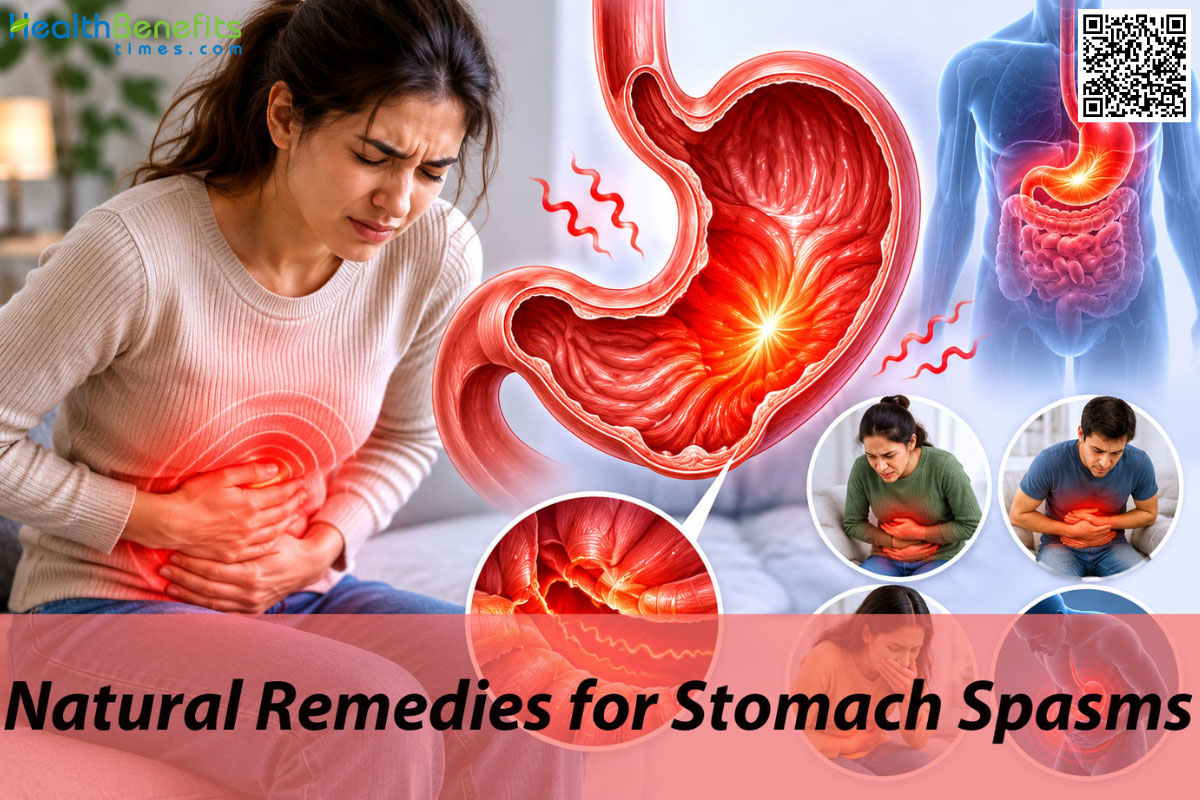
From an anatomical perspective, these acute tightenings primarily manifest in two distinct biological tissues: the smooth muscle layers that line the hollow organs of the digestive tract, and the striated skeletal muscles that comprise the anterior abdominal wall 2. Visceral spasms occur when the autonomic nervous system triggers the stomach or intestines to contract forcefully, usually in an attempt to propel trapped gas, overcome a mechanical blockage, or respond to acute mucosal inflammation. Conversely, somatic spasms involve the external abdominal muscles seizing up due to localized nerve entrapment, sudden physical exertion, or severe fluid and electrolyte imbalances. Recognizing the distinct origin of the contraction whether it arises from the internal viscera or the external muscle wall remains the fundamental diagnostic step necessary for determining the most effective natural or clinical intervention.
Causes of Stomach Spasms
Uncovering the root cause of abdominal muscle contractions requires a detailed examination of the physiological triggers that disrupt normal gastrointestinal motility and muscular function. The following factors represent the most prevalent underlying causes.
1. Viral and Bacterial Gastroenteritis
Pathogenic infections heavily disrupt the fragile equilibrium of the digestive system. When viruses, such as norovirus or rotavirus, infiltrate the mucosal lining of the stomach and intestines, the immune system launches a rapid inflammatory response. This inflammation hyper-stimulates the enteric nervous system, forcing the smooth muscles of the digestive tract to contract violently in a biological attempt to rapidly expel the invading pathogens through vomiting or diarrhea 3. The resulting spasms are often widespread, wave-like, and highly intense.
2. Irritable Bowel Syndrome (IBS)
Functional gastrointestinal disorders represent a profound miscommunication between the brain and the gut. In conditions like Irritable Bowel Syndrome, the nerves surrounding the intestines become hypersensitive to normal digestive processes. Even minor expansion from normal gas production or the physical presence of digesting food can trigger an exaggerated motor response. The bowel walls contract too forcefully or erratically, failing to move contents smoothly and instead producing localized, excruciating cramps that are frequently temporarily relieved only by defecation 4.
3. Trapped Gas and Fermentation
The mechanical stretching of the intestinal wall is a primary trigger for visceral pain. When the human digestive system encounters carbohydrates or specific complex sugars that it cannot easily break down, resident gut bacteria ferment these remaining particles. This fermentation process produces substantial volumes of hydrogen, methane, and carbon dioxide gases. As gas pockets accumulate, they stretch the muscular walls of the intestines beyond their comfortable capacity, prompting the smooth muscles to spasm sharply as they attempt to force the trapped air through the digestive tract 5.
4. Electrolyte Depletion and Dehydration
Optimal muscle function across the entire human body depends on a delicate balance of hydration and vital minerals, particularly sodium, potassium, calcium, and magnesium. When the body loses excess fluids whether through intense athletic sweating, prolonged exposure to heat, or previous bouts of illness the electrical gradients across muscle cell membranes become unstable. This instability frequently causes the striated muscles of the external abdominal wall to fire involuntarily, locking the tissues into a rigid, painful somatic cramp 6.
5. Abdominal Wall Pain and Nerve Entrapment
Not all abdominal discomfort originates from the digestive organs. Anterior cutaneous nerve entrapment syndrome occurs when the small sensory nerves that pass through the abdominal wall muscles become compressed or pinched by the surrounding fascia. When the abdominal muscles tense during movement, coughing, or postural changes, the entrapped nerve misfires, sending sharp, spasm-like pain signals to the brain. This somatic condition is often mistaken for deep visceral cramping but is completely unrelated to food intake or bowel habits 7.
6. Esophageal Motility Disorders
Upper abdominal spasms frequently originate higher up in the digestive tract, specifically within the esophagus. Conditions such as diffuse esophageal spasm or hypercontractile esophagus involve uncoordinated, high-pressure contractions of the smooth muscle pushing food toward the stomach. These spasms often mimic the sensation of a heart attack or severe high stomach cramping, and they can be triggered by the backflow of stomach acid irritating the delicate esophageal lining, or by the ingestion of extremely hot or cold liquids 8.
Symptoms of Stomach Spasms
Identifying how internal muscle contractions manifest physically helps to distinguish benign digestive upset from more complex biological disorders.
- Wave-like or Colicky Pain: Discomfort that builds to a peak of high intensity, slowly fades, and then returns in a rhythmic pattern, typically indicating that the hollow organs of the digestive tract are attempting to push material past a pocket of gas or a physical obstruction.
- Localized Rigidity and Tenderness: A sharp, focused ache in one highly specific area of the abdominal wall that actively worsens when physical pressure is applied or when the core muscles are flexed, usually pointing to somatic muscle strain rather than organ dysfunction.
- Severe Bloating and Distension: An uncomfortable, visible swelling of the abdominal cavity that creates a sensation of internal pressure and fullness, frequently accompanied by the total inability to pass gas or belch.
- Rapid Alterations in Bowel Habits: Spasmodic episodes are often immediately followed by an urgent need to evacuate the bowels, presenting as sudden, watery diarrhea, or conversely, as intractable constipation when the bowel muscles seize and fail to move waste forward.
- Nausea and Upper Gastric Distress: Intense, uncoordinated contractions localized in the upper stomach frequently disrupt the normal downward flow of digestion, creating a profound feeling of sickness and a biological urge to expel the stomach contents.
- Palpable Muscle Twitching (Fasciculations): In cases strictly involving the external musculature, the actual rippling, locking, or twitching of the abdominal wall muscles can be visually observed or felt beneath the skin during a cramping episode 9.
Stomach Spasms Facts Table
Synthesizing clinical data into structured formats provides an immediate, accessible overview of how gastrointestinal contractions operate, how they spread, and who is most vulnerable.
| Category | Details |
| Symptoms |
|
| Causes |
|
| Types of Stomach Spasms |
|
| How does spread |
|
| Age Group |
|
| You might be at a higher risk for exposure of this disease if you: |
|
| How doctors diagnose |
|
| Other facts |
|
Natural Remedies for Stomach Spasms
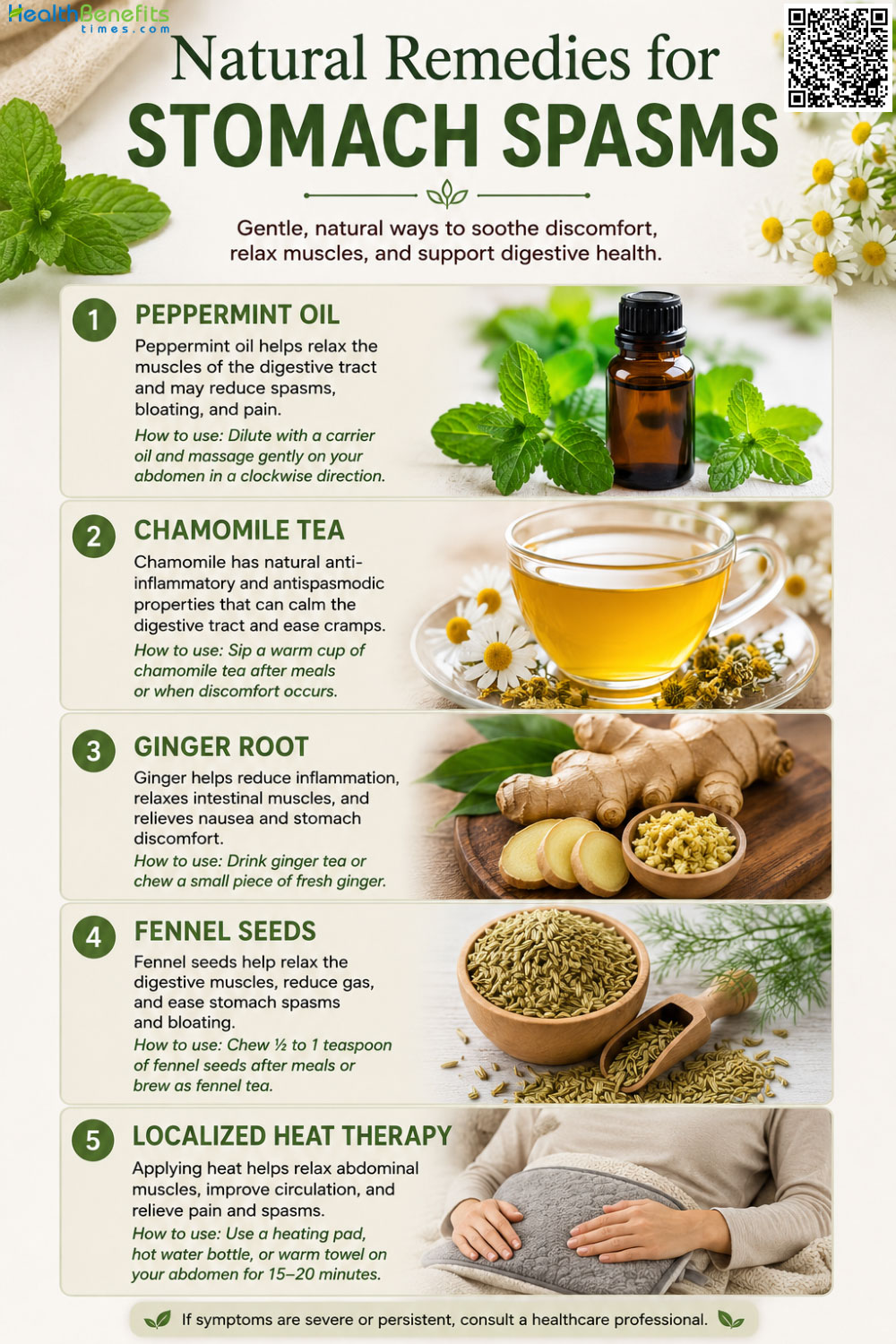
Delving into botanical sciences reveals a multitude of naturally occurring compounds capable of modulating human digestion. Certain plant-based interventions possess documented pharmacological properties that effectively calm hyperactive nerve signals and relax seized smooth muscles within the gastrointestinal tract.
1. Peppermint Oil
Harvesting the volatile compounds of the peppermint plant offers one of the most thoroughly researched natural antispasmodics available. The primary active constituent, menthol, exerts a direct physiological effect on the smooth muscles of the colon by acting as a calcium channel blocker. Because muscle contractions require the influx of calcium ions into the cell, blocking these channels forces the hyperactive intestinal walls to relax entirely, alleviating the intense cramping associated with functional digestive disorders 11. Furthermore, menthol modulates transient receptor potential cation channels, effectively dulling visceral pain signals before they reach the brain.
Note: You should take peppermint oil in enteric-coated capsule form with a full glass of water approximately thirty minutes before eating, which ensures the capsule bypasses the stomach and dissolves directly in the intestines where the spasms occur.
2. Chamomile Tea
Utilizing the delicate flowers of Matricaria chamomilla provides a multi-faceted approach to gastrointestinal distress. Chamomile flowers contain a potent array of flavonoids and terpenoids, most notably apigenin, which bind to specific receptors in the brain to produce a mild, calming sedative effect on the central nervous system 12. By lowering overall systemic stress, the enteric nervous system in the gut subsequently downregulates its activity, reducing the frequency of spasms. Additionally, chamomile exhibits profound anti-inflammatory properties, soothing the irritated mucosal lining of the stomach that often precipitates cramping episodes.
Note: You should steep one to two tablespoons of dried chamomile flowers in boiling water for ten minutes in a covered mug, drinking the warm infusion slowly to gently coat the stomach lining and relax your nervous system.
3. Ginger Root
Relying on the robust rhizome of the ginger plant provides rapid relief for spasms complicated by severe nausea and sluggish digestion. Ginger is rich in pungent compounds such as gingerols and shogaols. These biochemicals act upon the serotonin receptors (specifically 5-HT3 receptors) in the gastrointestinal tract, which not only suppresses the urge to vomit but also significantly accelerates the rate at which the stomach empties its contents into the small intestine 13. By preventing food from stagnating in the upper digestive tract, ginger eliminates the heavy, prolonged stretching of the stomach wall that frequently triggers reactive cramping.
Note: You should grate an inch of raw, fresh ginger root into hot water to create a strong tea, or consume standardized ginger extract capsules directly after a meal to stimulate downward digestion.
4. Fennel Seeds
Unlocking the therapeutic potential of fennel seeds offers a highly targeted approach to managing both upper and lower digestive spasms. The essential oils found within fennel seeds act as a unique dual-agent: they function as a powerful spasmolytic (muscle relaxant) in the upper proximal stomach, while simultaneously acting as a prokinetic (movement stimulator) in the lower antrum of the stomach 14. This sophisticated mechanism prevents the stomach from seizing up painfully while ensuring that digesting food and trapped gas are efficiently pushed forward into the intestines, preventing bloating and subsequent colicky pain.
Note: You should chew half a teaspoon of plain, raw fennel seeds thoroughly after consuming a heavy meal, or crush the seeds lightly to brew them into a digestive tea.
5. Localized Heat Therapy
Applying controlled thermal energy directly to the abdominal wall serves as a highly effective, non-invasive method for halting muscular contractions. When localized heat is applied to the skin, it induces significant vasodilation, increasing the peripheral blood flow to the targeted region. This surge of oxygenated blood helps to flush out metabolic waste products that contribute to muscle fatigue and cramping. Simultaneously, the application of warmth stimulates sensory thermoreceptors in the skin, which travel to the spinal cord and physically block the transmission of pain signals from the underlying gut, while shifting the body’s autonomic nervous system toward a parasympathetic “rest and digest” state 15.
Note: You should place a heating pad set to a comfortable, medium temperature, or a warm water bottle wrapped in a thick towel, directly over the cramping area of your abdomen for fifteen to twenty minutes while lying down.
Is there any exercise or physical activities for Stomach Spasms
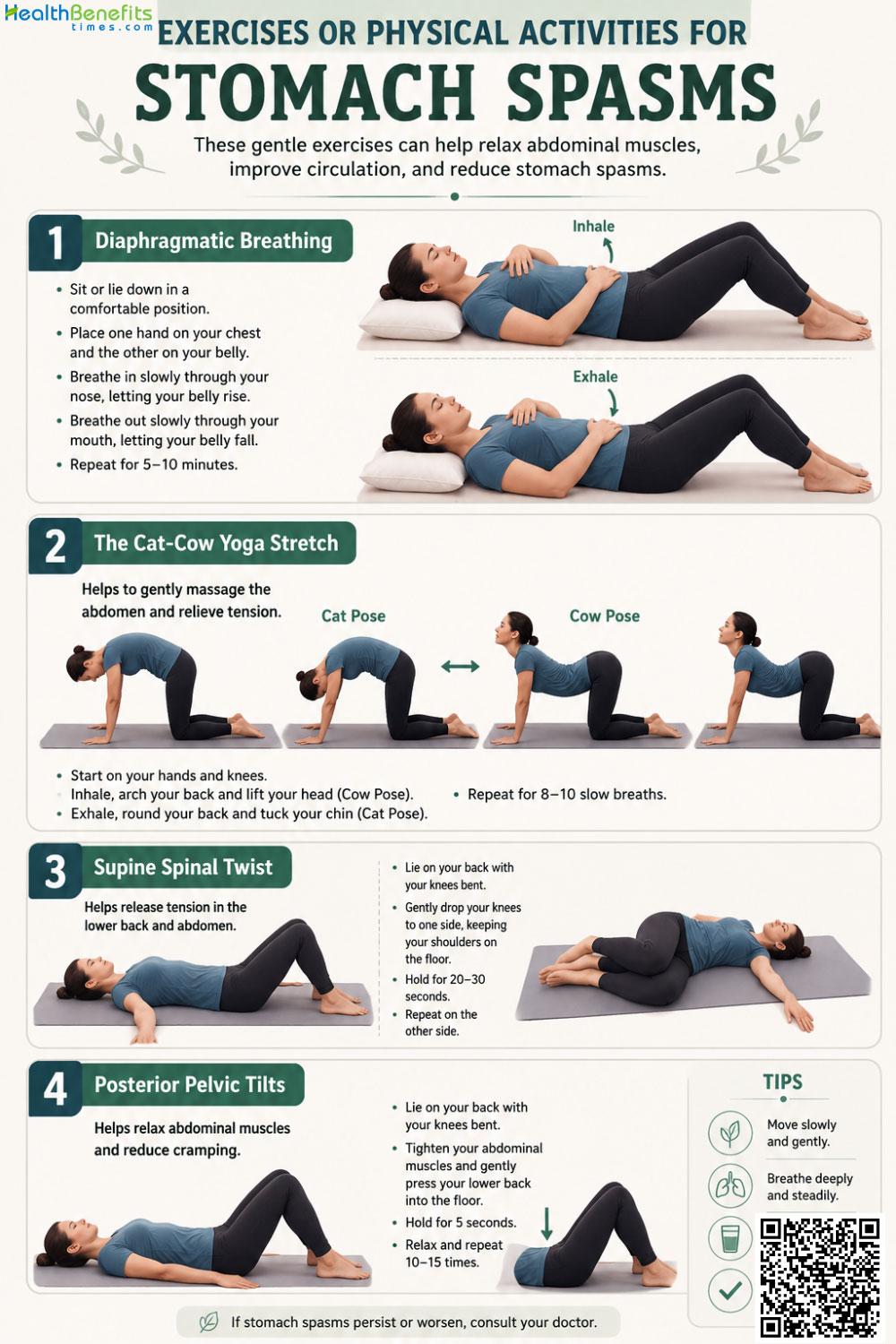
Physical movement and targeted biomechanical therapies manipulate the internal pressure of the abdominal cavity. Specific exercises can manually break up pockets of trapped gas, stretch tightened skeletal muscles, and utilize the nervous system to command the gut to relax.
1. Diaphragmatic Breathing
Engaging the body’s primary respiratory muscle functions as an internal, rhythmic massage for the digestive organs. Most people breathe shallowly into their chest, but deep diaphragmatic breathing requires the diaphragm muscle to contract downward, physically pushing against the stomach and intestines. This gentle, repeated mechanical pressure stimulates the vagus nerve, which runs directly through the diaphragm to the gut 16. Activating the vagus nerve instantly shifts the autonomic nervous system out of the stress-induced “fight or flight” mode, signaling the hyperactive bowel muscles to release their tension and resume normal, calm peristalsis.
Note: You should lie flat on your back, place one hand on your chest and the other on your lower belly, and inhale deeply through your nose so that only the hand on your belly rises, exhaling slowly for five continuous minutes.
2. The Cat-Cow Yoga Stretch
Flowing seamlessly between two foundational spinal postures dynamically alters the volume and pressure within the abdominal cavity. In the overarching “cow” position, the abdominal wall is stretched, giving the internal organs maximum space to expand and allowing trapped gas bubbles to mobilize. In the rounding “cat” position, the abdominal muscles gently contract and compress the intestines, physically encouraging sluggish waste and gas to move forward through the digestive tract. This alternating compression and expansion serves to relieve mechanical tension and soothe localized visceral aches 17.
Note: You should begin on all fours with your hands under your shoulders and knees under your hips; inhale as you drop your belly and lift your chin toward the ceiling, then exhale as you round your spine upward and tuck your chin, repeating this fluid motion ten times.
3. Supine Spinal Twist
Manipulating the torso through a horizontal twisting motion exerts a therapeutic, wringing effect on the lower abdominal organs. When the spine rotates, the oblique muscles and the underlying ascending and descending colon are gently squeezed. This physical compression enhances localized blood circulation and manually massages the large intestine, which is highly effective for dislodging trapped gas pockets that are causing sharp, localized spasms in the sides of the belly 18. It also releases lingering tension in the lower back muscles, which frequently co-contract when the stomach hurts.
Note: You should lie on your back with your legs extended, draw your right knee into your chest, and gently guide that knee across your body toward the floor on your left side, keeping your right arm extended outward; hold for thirty seconds and switch sides.
4. Posterior Pelvic Tilts
Activating the foundational muscles of the core through highly controlled, micro-movements safely stabilizes the abdominal wall without triggering further cramping. Unlike aggressive sit-ups or crunches, pelvic tilts engage the deep transverse abdominis muscle while keeping the superficial muscles relaxed. This subtle rocking of the pelvis corrects postural imbalances that frequently put unnecessary strain on the anterior abdominal wall, alleviating the somatic muscle spasms that occur from physical exhaustion or improper lifting mechanics 19.
Note: You should lie on your back with your knees bent and feet flat on the floor, then gently tighten your lower stomach muscles to press the curve of your lower back completely flat against the floor, holding for five seconds before releasing.
Foods to Avoid When You Suffer from Stomach Spasms and You are Prone to Acid Reflux
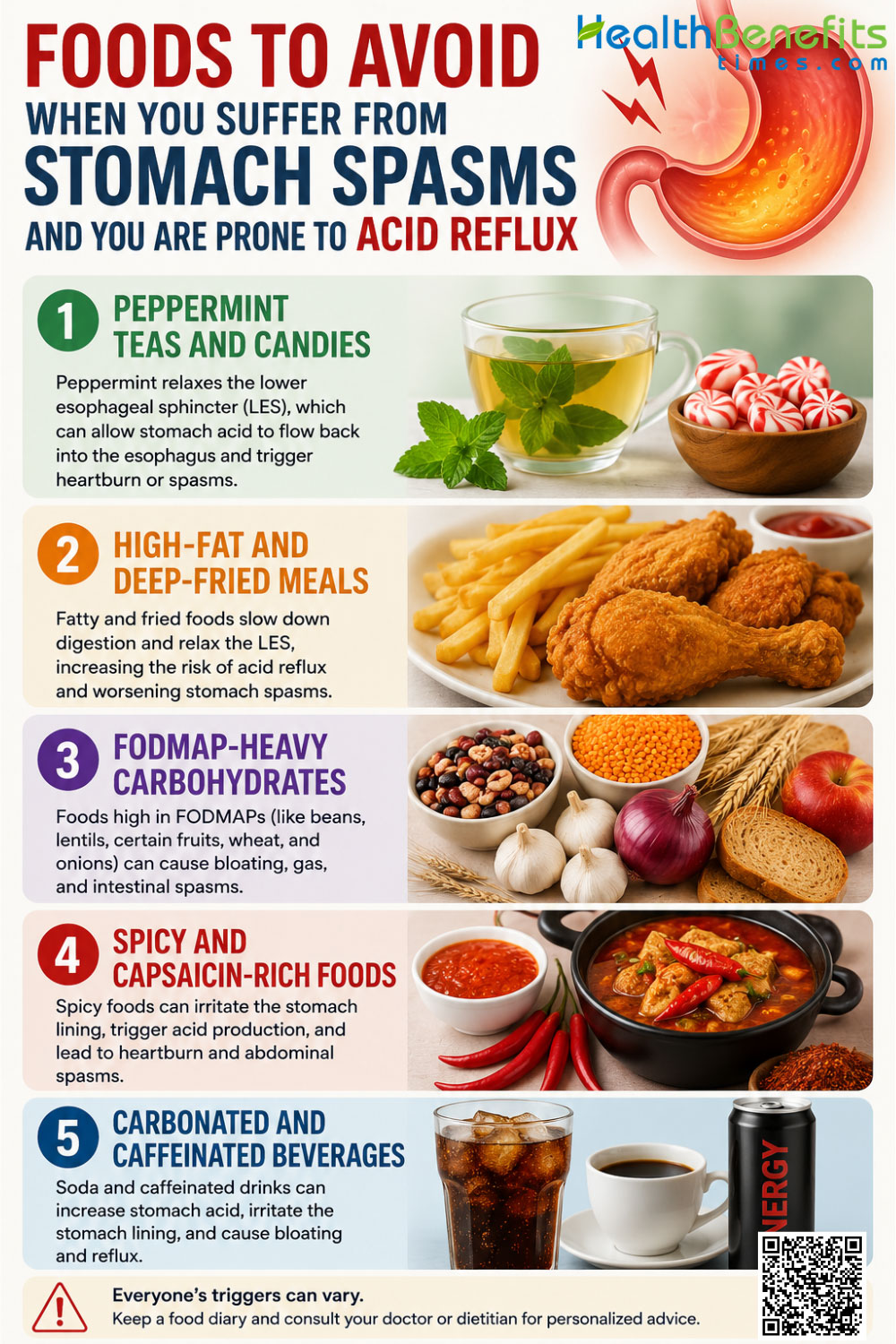
1. Peppermint Teas and Candies
You should avoid peppermint entirely if you suffer from gastroesophageal reflux disease (GERD). While menthol relaxes the lower intestines, it also powerfully relaxes the lower esophageal sphincter—the vital muscular valve separating the stomach from the throat. When this valve becomes lax, harsh stomach acid easily washes upward, causing severe burning and secondary upper stomach spasms 20.
2. High-Fat and Deep-Fried Meals
You must eliminate heavy, greasy foods during a cramping episode. Lipids take significantly longer for the stomach to break down compared to proteins or carbohydrates. This delayed gastric emptying leaves food sitting in the stomach for hours, increasing internal pressure and provoking the surrounding muscles to cramp in an effort to force the heavy material downward.
3. FODMAP-Heavy Carbohydrates
You should limit foods highly fermentable by gut bacteria, such as raw onions, garlic, beans, and artificial sweeteners. Because these items are poorly absorbed in the small intestine, they arrive intact in the colon where bacteria rapidly ferment them, generating massive amounts of stretching gas that triggers immediate bowel spasms.
4. Spicy and Capsaicin-Rich Foods
You must steer clear of hot peppers and heavy spices. Capsaicin is a known chemical irritant that directly binds to pain receptors in the stomach lining. In a digestive system already primed for spasms, this irritation triggers a violent defensive contraction of the mucosal muscles.
5. Carbonated and Caffeinated Beverages
You should avoid sodas, sparkling water, and heavy coffee consumption. Carbonation introduces excess physical air into the stomach, causing immediate painful distension, while caffeine acts as a powerful stimulant to the central nervous system, forcing the bowels to contract erratically and far too quickly.
Activities to Avoid When You Suffer from Stomach Spasms
1. Reclining or Sleeping Immediately After Meals
You must never lie down flat within two hours of eating a substantial meal. Removing the assist of gravity allows digesting food and stomach acid to press aggressively against the upper stomach valve, which dramatically increases the risk of reflux-induced spasms and delayed digestion 21.
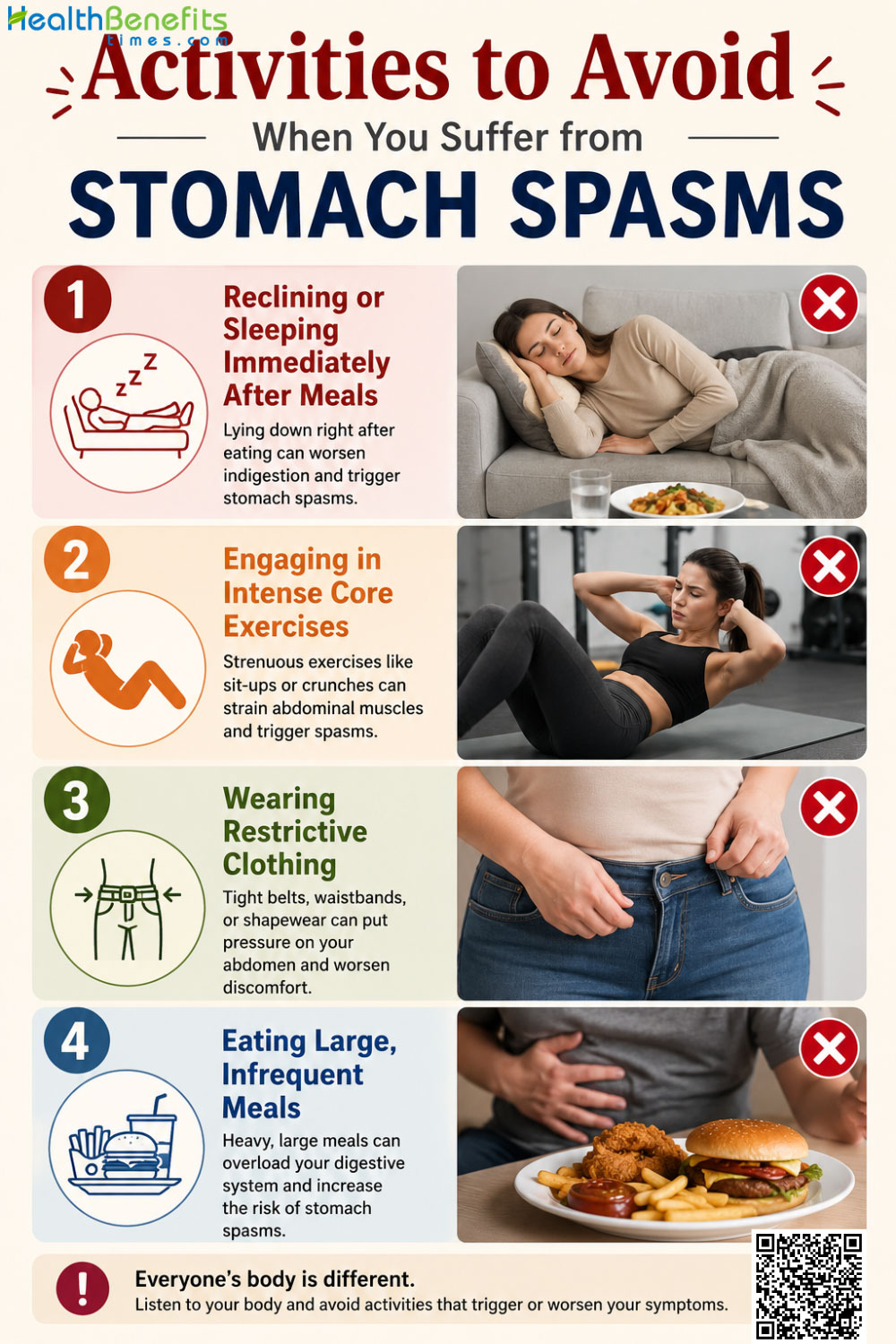
2. Engaging in Intense Core Exercises
You should completely avoid crunches, heavy weightlifting, and high-intensity interval training when experiencing abdominal wall pain. Forcing already strained or fatigued skeletal muscles to bear heavy loads will rapidly cause microscopic muscle tears, transforming a mild cramp into a severe, long-lasting somatic spasm.
3. Wearing Restrictive Clothing
You must avoid wearing tight belts, rigid waistbands, or compressive shapewear. These garments act as an external tourniquet, physically squeezing the intestines and preventing the natural, rhythmic expansion of the belly required to pass gas and digest food smoothly.
4. Eating Large, Infrequent Meals
You should never starve yourself all day only to consume one massive meal in the evening. Flooding the stomach with a massive volume of food forces the organ to stretch to its absolute physical limits, which practically guarantees a reactive, painful contraction as the gut struggles to accommodate the sudden mechanical load.
Myths and Misconceptions
Dispelling common biological misunderstandings ensures that individuals do not inadvertently worsen their gastrointestinal distress through popular, yet scientifically flawed, home treatments.
| Myth | Reality |
| Any severe stomach pain indicates an immediate surgical emergency, such as a bursting appendix. | Extremely painful, incapacitating cramps are most frequently caused by benign trapped gas or functional spasms. However, pain that rigidly localizes to the lower right quadrant must still be medically evaluated. |
| Peppermint is a universal cure for all types of stomach and abdominal pain. | While exceptional for lower intestinal cramps (like IBS), peppermint actively lowers esophageal sphincter pressure, which can provoke or worsen upper stomach pain if you suffer from acid reflux. |
| You must stop eating entirely and fast until your stomach spasms completely resolve. | Complete starvation leads to excess stomach acid buildup and generalized bodily weakness. Consuming small amounts of bland, easily digestible foods is required to maintain gut motility. |
| Applying a very hot heating pad can cure a stomach infection by “sweating out” the virus. | Thermal heat therapy only causes vasodilation to soothe external muscles and reduce the sensation of pain; it possesses zero antiviral or antibacterial properties to cure an internal infection. |
| Aggressive physical stretching will immediately unlock a cramped abdominal muscle. | If the abdominal wall cramp is caused by a physical strain or tear, aggressive stretching will cause further tissue damage; gentle, passive mobility and rest are biologically required. |
| Stomach spasms are always caused by the physical food you just ate. | Because of the profound connection between the brain and the gut, severe psychological stress or clinical anxiety alone can trigger intense physical spasms without any food trigger. |
Special Considerations
Gastrointestinal interventions cannot be applied universally. Certain populations exhibit unique physiological vulnerabilities that require a highly specialized, cautious approach to managing abdominal spasms.
1. Children
The pediatric digestive system is still developing its regulatory nervous pathways, making children highly susceptible to functional abdominal pain discomfort that occurs without any observable organic disease or structural abnormality. Diagnostic guidelines, such as the Rome IV criteria, emphasize that pediatric spasms are frequently tied to psychological stressors, such as school anxiety, or minor functional constipation 22. When treating children, it is imperative to avoid harsh, concentrated botanical supplements. Management should strictly focus on ensuring adequate fluid hydration, increasing dietary fiber gently, and providing emotional reassurance, as aggressive medical testing can sometimes induce further anxiety and worsen the physical spasms.
2. Pregnancy
During gestation, the female body undergoes profound hormonal shifts, particularly the surge of progesterone, which naturally relaxes smooth muscle tissue globally. This slows down gastric emptying, making pregnant women highly prone to bloating, nausea, and stomach cramping. While the vast majority of medicinal herbs are contraindicated during pregnancy due to the risk of stimulating uterine contractions, ginger stands out as a highly researched exception. Clinical evidence confirms that controlled dosages of ginger are exceptionally safe and highly effective for mitigating both severe nausea (hyperemesis gravidarum) and the sluggish gastric motility that leads to upper stomach spasms during pregnancy 23.
3. Chronic Conditions
Individuals battling chronic, structural diseases of the digestive tract such as Crohn’s Disease, Ulcerative Colitis, or chronic pancreatitis must approach natural remedies with extreme caution. In these populations, abdominal spasms are not caused by simple trapped gas or minor nerve misfires; they are the direct result of deep, tissue-destroying inflammation and internal ulceration. While non-invasive interventions like diaphragmatic breathing or the application of a heating pad can serve as excellent complementary comfort measures to improve quality of life, natural supplements must never be used to replace prescribed immune-modulating pharmaceuticals, steroids, or targeted biological therapies.
4. Elderly
The aging process brings a natural deterioration in the speed of gastric motility, a decrease in the production of digestive enzymes, and a thinning of the protective stomach mucosa. Consequently, older adults are highly vulnerable to prolonged spasms caused by severe constipation or delayed gastric emptying. Furthermore, the elderly population frequently manages multiple systemic illnesses, leading to polypharmacy. Even benign-seeming natural remedies like concentrated chamomile or ginger can drastically alter the metabolic pathways of the liver, potentially interfering with the absorption rates of critical prescription medications, such as blood thinners or cardiovascular drugs 3.
Precaution before use of natural remedies when you have Stomach Spasms
The therapeutic use of plant-based medicines and physical interventions carries inherent biological risks. Prioritizing safety guarantees that efforts to soothe the digestive system do not inadvertently trigger new physiological crises.
1. Verify Botanical Allergies
You must carefully cross-reference plant families before consuming herbal teas. For instance, if you possess a known allergy to ragweed, marigolds, daisies, or chrysanthemums, you are highly likely to experience a severe allergic cross-reaction to chamomile, which belongs to the exact same Asteraceae plant family 24.
2. Initiate with Micro-Doses
You should always introduce a new herbal remedy, such as peppermint oil or fennel extract, at a fraction of the recommended dose. This allows you to monitor how your uniquely sensitive gastrointestinal lining reacts before exposing it to a full, potent concentration.
3. Protect Against Thermal Injury
You must never place a high-temperature heating pad or boiling hot water bottle directly against bare skin. You should always utilize a thick cloth barrier and limit application times to twenty minutes to prevent localized thermal burns and skin tissue damage.
4. Consult Pharmacists Regarding Drug Interactions
You must speak directly with a healthcare provider before utilizing concentrated ginger supplements if you are currently prescribed anticoagulant medications (blood thinners) or drugs for hypertension, as high doses of ginger can compound these effects and increase bleeding risks.
5. Scrutinize Supplement Purity
Because dietary supplements are not rigorously regulated for safety before entering the market in the same manner as prescription pharmaceuticals, you should only purchase natural remedies from established, third-party tested manufacturers to ensure they are free from heavy metal contamination and inaccurate botanical dosing.
When to see a Doctor
Recognizing the clinical red flags of a true medical emergency is critical. Home remedies must be abandoned in favor of immediate professional medical intervention when spasms indicate severe underlying pathology.
1. Sudden, Incapacitating Pain
You must seek emergency medical care immediately if abdominal spasms manifest instantaneously and with such extreme, blinding severity that you are unable to stand upright, walk, or speak clearly 25.
2. Visible Gastrointestinal Bleeding
You should go to the nearest emergency department if your spasms are accompanied by vomiting that resembles dark coffee grounds, or if you pass bowel movements containing bright red blood or black, tarry substances, indicating internal hemorrhage.
3. Development of a Rigid Abdomen
You must be physically evaluated by a physician if your abdominal wall feels unnaturally stiff, board-like, and becomes agonizingly tender to even the slightest physical touch, which is a primary indicator of peritonitis or a ruptured organ.
4. Concurrent High Fever
You need urgent medical attention if your abdominal cramping is paired with a sustained core body temperature exceeding 100.4°F (38°C), as this strongly points to an active, potentially life-threatening systemic infection rather than a functional spasm.
5. Intractable Vomiting and Dehydration
You must seek professional help, potentially requiring intravenous fluid therapy, if relentless vomiting prevents you from keeping any water, oral rehydration solutions, or food down for a period exceeding twenty-four hours.
6. Unexplained Weight Loss and Chronicity
You should schedule a comprehensive diagnostic evaluation with a gastroenterologist if your abdominal spasms persist for multiple weeks without relief, or if they are accompanied by a sudden, unintentional drop in body weight, which requires advanced imaging like an endoscopic ultrasound to rule out chronic diseases or malignancies 26
Comments
comments