

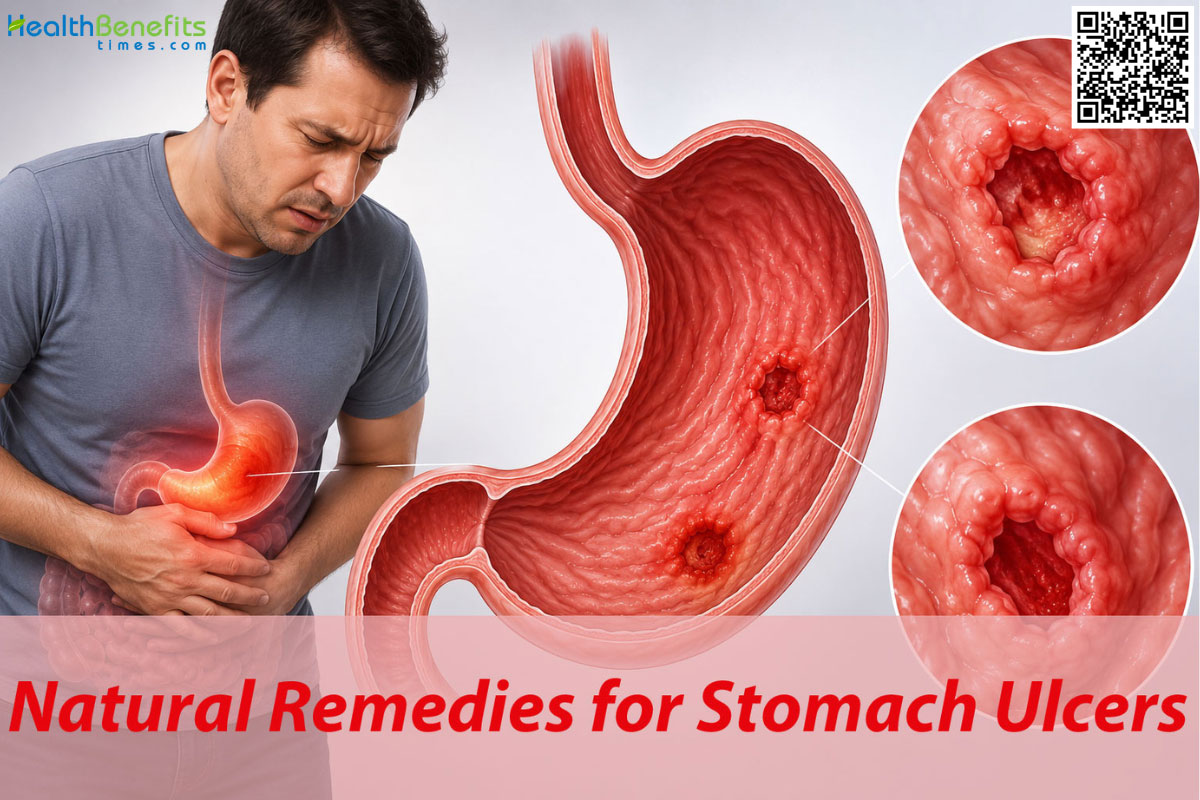
When specific factors wear away this protective mucous barrier, stomach acid and harsh digestive enzymes like pepsin begin to eat into the exposed underlying tissue, creating a wound 3. Left unchecked, this constant chemical burn causes significant inflammation, persistent discomfort, and severe digestive disruptions. Fortunately, medical science has uncovered exactly why these mucosal barriers fail, leading to highly effective ways to soothe the stomach, eradicate the root causes, and heal the injured lining completely.
Causes of Stomach Ulcers
Medical understanding of digestive health has evolved dramatically over the last few decades. It is now entirely clear that everyday stress and spicy foods do not create these painful sores on their own. Instead, specific biological and chemical agents are responsible for breaking down the stomach’s defenses.
1. Helicobacter pylori Bacterial Infection
Far and away the most common instigator of gastric damage is a spiral-shaped bacterium known as Helicobacter pylori 4. This microscopic organism uniquely adapts to survive in the harsh, acidic environment of the stomach by burrowing deeply into the protective mucous layer. Once established, the bacteria trigger a localized inflammatory response that slowly degrades the mucosal shield, allowing regular stomach acid to seep through and chemically burn the delicate epithelial cells beneath 5.
2. Long-term Use of NSAID Pain Relievers
Over-the-counter pain medications provide wonderful relief for headaches and joint pain, but they come with a hidden cost to digestive health. Nonsteroidal anti-inflammatory drugs (NSAIDs) which include common names like aspirin, ibuprofen, and naproxen represent the second major cause of gastrointestinal sores 3. These chemical compounds block the body’s ability to synthesize prostaglandins, which are essential hormone-like substances that signal the stomach to produce its thick, protective mucus and neutralize acid 1.
3. Tobacco Use and Smoking
Lighting up a cigarette introduces numerous toxic compounds into the bloodstream, severely impacting the body’s natural healing and defense mechanisms. Clinical observations demonstrate that smoking reduces blood flow to the stomach lining, which starves the tissue of oxygen and nutrients needed to maintain the mucosal barrier 6. Consequently, individuals who smoke have a significantly elevated risk of developing a sore compared to non-smokers, and they often experience a much slower healing process.
Symptoms of Stomach Ulcers
Recognizing the warning signs of a compromised stomach lining is the first step toward finding relief. Because everyone’s body reacts differently to internal inflammation, the physical signals can range from silent to severe.
- A persistent, burning, or gnawing pain situated in the upper middle abdomen, often just below the breastbone 7.
- Pain that predictably worsens or improves in relation to meals, sometimes intensifying 15 to 30 minutes after eating, or waking a person up in the middle of the night.
- Frequent bouts of nausea, which occasionally culminate in vomiting as the stomach struggles to process food against the inflamed tissue.
- An uncomfortable sensation of early fullness, bloating, and heavy pressure even after eating only a very small amount of food.
- Unexplained, gradual weight loss driven by a subconscious avoidance of eating to prevent the onset of abdominal pain 8.
Stomach Ulcers Facts Table
Reviewing the essential facts about this digestive condition provides a clear, organized picture of how it behaves, who is most affected, and how medical professionals approach it.
| Category | Key Information |
| Symptoms |
|
| Causes |
|
| Types of Stomach ulcers |
|
| How does spread | |
| Age Group |
|
| You might be at a higher risk for exposure of this disease if you: |
|
| How doctors diagnose |
|
| Other facts |
|
Natural Remedies for Stomach Ulcers
Exploring the botanical world reveals a wealth of natural interventions capable of supporting the stomach’s healing process. While prescription medications are essential for completely wiping out stubborn bacterial infections, natural remedies serve as magnificent tools to lower inflammation, physically coat the raw tissue, and suppress harmful microbial growth.
1. Deglycyrrhizinated Licorice (DGL)
Traditional healers have celebrated the sweet root of the licorice plant for centuries, specifically for its ability to calm digestive fires. Modern applications use a specialized extract called deglycyrrhizinated licorice (DGL), which has the potentially blood-pressure-raising compound (glycyrrhizin) safely removed 13. What remains is a potent concentration of protective flavonoids. Clinical research highlights that DGL actively stimulates the body to produce more natural, protective mucus and accelerates the regeneration of intestinal cells, essentially helping the body build a biological bandage over the wound.
Note: You should thoroughly chew two DGL tablets about twenty minutes before eating your meals; the act of chewing mixes the extract with your saliva, which is necessary to activate its healing properties in the stomach.
2. Manuka Honey
Bees interacting with the nectar of the Manuka bush produce a complex, thick honey that acts as a powerful medicinal agent. While all honey possesses basic antibacterial traits due to hydrogen peroxide, Manuka honey contains unique botanical compounds that directly inhibit the growth of the H. pylori bacteria along the stomach wall 14. Beyond fighting the infection, the dense, sticky nature of the honey physical coats the raw tissue, while its deep antioxidant profile reduces localized swelling and promotes rapid cellular repair.
Note: You can take one to two teaspoons of raw, high-quality Manuka honey straight from the spoon each morning, or stir it gently into a lukewarm cup of herbal tea to soothe your stomach lining.
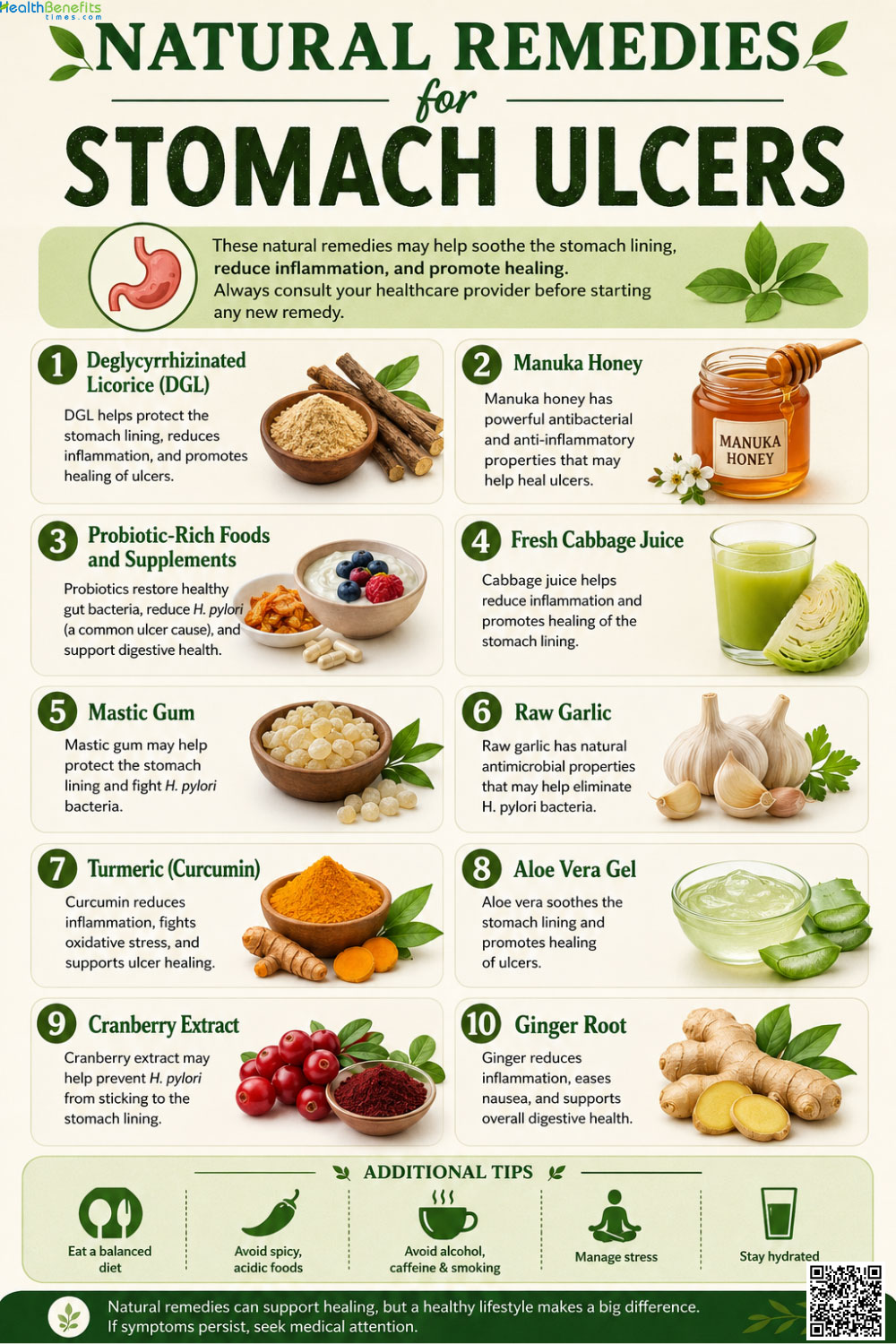
3. Probiotic-Rich Foods and Supplements
Your digestive tract hosts an entire microscopic ecosystem, and adding beneficial bacteria can help tip the scales back to health. Probiotics specifically strains like Lactobacillus and Bifidobacterium are friendly microbes that naturally defend your gut 15. When introduced into the stomach, they aggressively compete with H. pylori for space and vital nutrients, preventing the harmful pathogen from adhering to the delicate gastric walls. Furthermore, probiotics trigger the immune system to release protective antibodies that strengthen the entire mucosal barrier.
Note: You should make a habit of eating fermented foods like plain yogurt, kefir, and miso daily, or take a high-quality, multi-strain probiotic supplement to build a resilient and protective gut microbiome.
4. Fresh Cabbage Juice
Long before the invention of modern acid-blocking pills, fresh cabbage juice was a staple remedy in digestive clinics. The secret behind this humble, leafy vegetable is its remarkably high concentration of the amino acid glutamine, alongside a protective compound historically termed Vitamin U 16. Glutamine serves as the primary fuel source for the cells lining the gastrointestinal tract, enabling them to divide and repair damaged tissue at an accelerated rate. Studies have demonstrated that drinking concentrated cabbage juice significantly shortens the time it takes for a gastric sore to close and heal.
Note: You can run fresh, raw green cabbage through a juicer and drink half a cup of the pale green liquid on an empty stomach a few times a day to harness its regenerative power.
5. Mastic Gum
Sourced from the resin tears of the Pistacia lentiscus tree native to the Mediterranean, mastic gum is an ancient remedy backed by modern science. The fragrant, sticky resin contains highly specific triterpenic acids that exert a profound bactericidal effect against gastrointestinal pathogens 17. By creating an incredibly hostile environment for H. pylori, mastic gum reduces the bacterial load colonizing the stomach, thereby lowering the intense inflammation that prevents the sore from healing properly.
Note: You can purchase mastic gum in convenient capsule form to swallow daily, or you can buy the raw resin “tears” and chew them like traditional gum to slowly release the therapeutic oils into your digestive tract.
6. Raw Garlic
Pungent and potent, garlic stands as one of nature’s most impressive broad-spectrum antimicrobial agents. When a fresh clove of garlic is crushed or chopped, it rapidly produces a sulfur-based compound known as allicin 18. Clinical laboratory studies have confirmed that allicin is highly effective at stunting the growth and spread of H. pylori. While garlic alone is rarely enough to cure a severe infection, it works wonderfully alongside conventional treatments to suppress the bacteria and protect the stomach lining from further microbial damage.
Note: You should crush a small clove of raw garlic and let it sit for five minutes to activate the allicin, then swallow it mixed with a spoonful of honey or a bite of food to prevent the raw heat from irritating your stomach.
7. Turmeric (Curcumin)
The vibrant, golden spice known as turmeric is celebrated globally for its active compound, curcumin. Within the inflamed environment of a compromised stomach, curcumin acts as a masterful anti-inflammatory agent, sweeping up tissue-damaging free radicals and blocking the specific enzymes that cause painful swelling 19. Investigations show that it actively protects the gastrointestinal walls by encouraging the secretion of thick, healthy mucus, preventing stomach acid from reaching the underlying nerves and tissue.
Note: You can mix a half-teaspoon of turmeric powder into warm water or mild soups, making sure to add a tiny pinch of black pepper, which drastically improves your body’s ability to absorb the healing curcumin.
8. Aloe Vera Gel
Often called the “plant of immortality,” the thick, clear gel inside Aloe vera leaves is just as soothing for internal raw tissue as it is for an external sunburn. Pure aloe gel is packed with complex glycoproteins that directly calm angry, inflamed tissues 20. By lowering the levels of inflammatory cytokines inside the stomach, it creates a much calmer, less reactive environment. The slippery nature of the gel also acts as a temporary physical barrier, shielding the open wound from passing food and acidic digestive juices.
Note: You should drink a quarter cup of pure, food-grade, decolorized Aloe vera juice daily, being absolutely certain to choose a product that has had the harsh, laxative component (aloin) completely removed.
9. Cranberry Extract
While cranberries are famous for defending the urinary tract, their unique chemical properties offer similar protection to the stomach. These tart red berries are loaded with proanthocyanidins, which are powerful antioxidants that act like a non-stick coating against bacteria 21. Clinical trials show that these compounds physically prevent H. pylori from anchoring onto the stomach’s epithelial cells. Because the bacteria cannot attach themselves securely, the body’s natural digestive waves can simply flush them away, effectively lowering the rate of active infection.
Note: You should drink a daily glass of pure, unsweetened cranberry juice, or take a high-quality, standardized cranberry powder supplement to safely support your body’s bacterial defense system.
10. Ginger Root
The spicy, knobby root of the ginger plant is a legendary antidote for nausea, but it also functions as a powerful gastric shield. Active compounds within the root, particularly gingerol, actively reduce the oxidative stress and lipid peroxidation that damages stomach cells 22. Ginger works by boosting the stomach’s own natural antioxidant enzymes and inhibiting the release of excessive histamine. This dual action helps protect the delicate mucosal layer from the harsh, burning side effects of daily stress and irritating medications.
Note: You can steep freshly sliced ginger root in hot water for ten minutes to create a gentle, stomach-settling tea, sipping it slowly between meals to relieve cramping and digestive discomfort.
Is there any exercise or physical activities for Stomach ulcers
Understanding how body movement impacts digestive health is an incredibly useful part of the healing journey. Physical activity alters blood circulation, immune function, and nervous system tension in ways that can either dramatically assist or temporarily hinder the repair of a gastric sore.
1. Moderate Aerobic Activity
Engaging in light, consistent cardiovascular exercise provides a wonderful, natural boost to the body’s immune system. This elevated immune response improves the body’s ability to neutralize the harmful effects of bacterial pathogens hiding in the gut 23. Furthermore, an increased, steady heart rate pumps oxygen-rich blood directly to the gastrointestinal tract, delivering the essential nutrients required to knit damaged stomach tissues back together.
Note: You should aim for 30 minutes of brisk walking, casual cycling, or gentle swimming most days of the week, ensuring the pace allows you to hold a conversation comfortably without gasping for air.
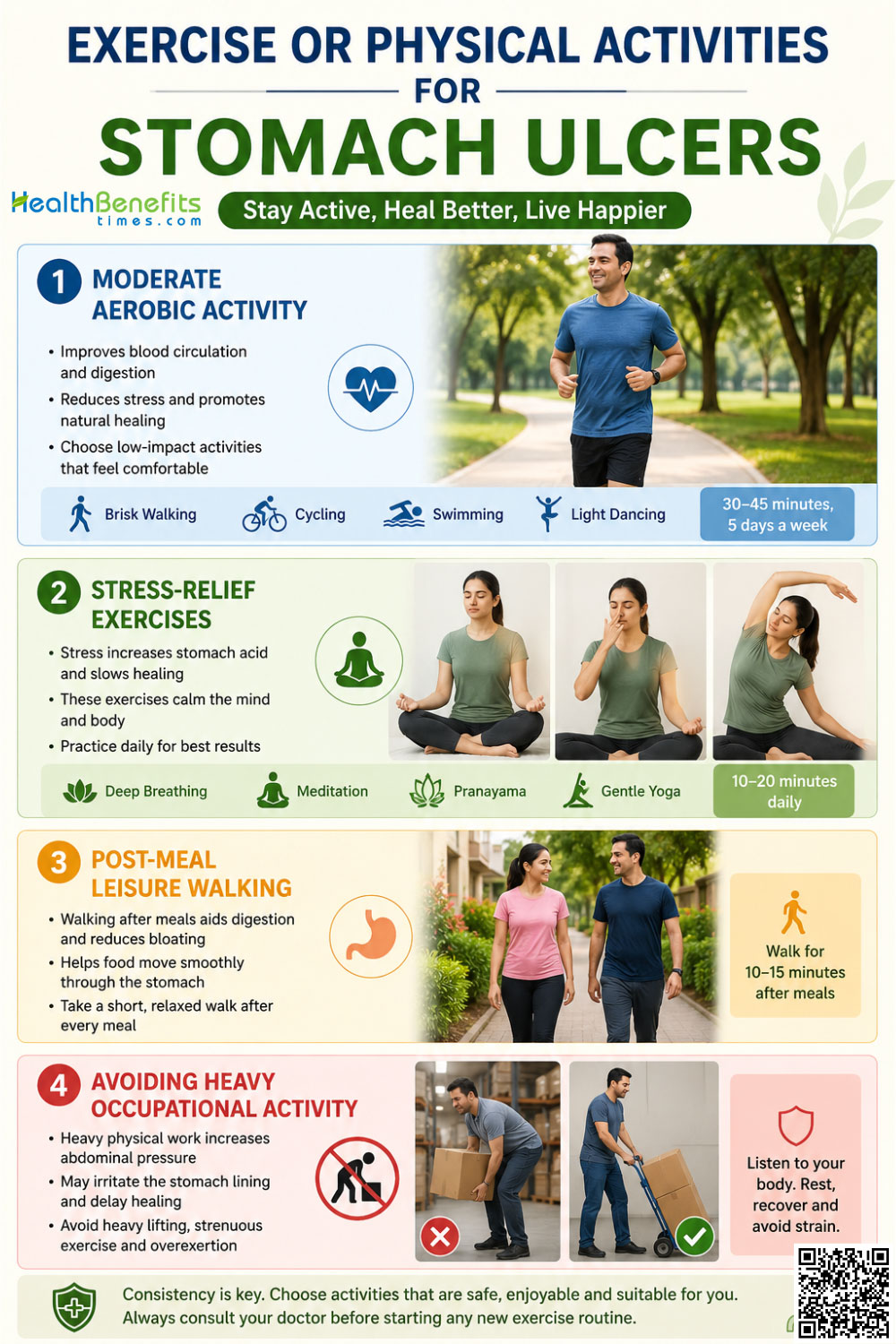
2. Stress-Relief Exercises
Because psychological tension forces the nervous system to remain in a “fight or flight” state, it can inadvertently stimulate the stomach to produce excess acid and heighten the perception of abdominal pain. Mind-body exercises are brilliant tools for down-regulating this stress response, physically lowering the amount of circulating cortisol and signaling the stomach to relax its acidic output 24.
Note: You should practice 15 minutes of slow, mindful yoga, deep diaphragmatic breathing, or guided meditation every evening to actively release built-up physical and mental tension.
3. Post-Meal Leisure Walking
Digestion is an energy-intensive process that relies on a steady rhythm of muscle contractions to empty the stomach. Sitting completely still after a heavy meal can cause food to sit heavily in the gastric cavity, triggering prolonged acid release. A very gentle, upright stroll harnesses gravity and light movement to naturally assist the stomach in emptying its contents into the small intestine efficiently 25.
Note: You should take a relaxed, ten-minute stroll around your living room or neighborhood immediately following a meal to prevent bloating and encourage smooth digestion.
4. Avoiding Heavy Occupational Activity
While moderate movement is highly beneficial, exhausting physical extremes can be detrimental. Clinical observations reveal a “J-shaped” relationship between exertion and stomach health, meaning that incredibly intense physical labor or maximum-capacity athletic training can temporarily draw vital blood flow away from the stomach and into the skeletal muscles 26. This temporary lack of oxygen in the gut can compromise the mucous barrier and aggravate an existing sore.
Note: You must avoid extreme powerlifting, marathon-level exertion, or highly strenuous, exhausting manual labor while you are actively experiencing a painful digestive flare-up.
Foods and Activities to Avoid When You suffer from Stomach ulcers
Healing the stomach is not only about adding medicinal remedies; it requires aggressively removing the everyday irritants that act like sandpaper on an open wound. Certain dietary choices and habits continuously strip away protective mucus and trigger intense acid surges.
1. Non-Steroidal Anti-Inflammatory Drugs (NSAIDs)
Taking aspirin or ibuprofen while suffering from a gastric sore is highly destructive, as these chemicals directly stop the stomach from producing its protective mucous shield 27.
2. Smoking and Tobacco Products
Inhaling cigarette smoke severely constricts the blood vessels feeding the stomach, starving the tissue of oxygen and practically guaranteeing a much slower, more difficult healing process.
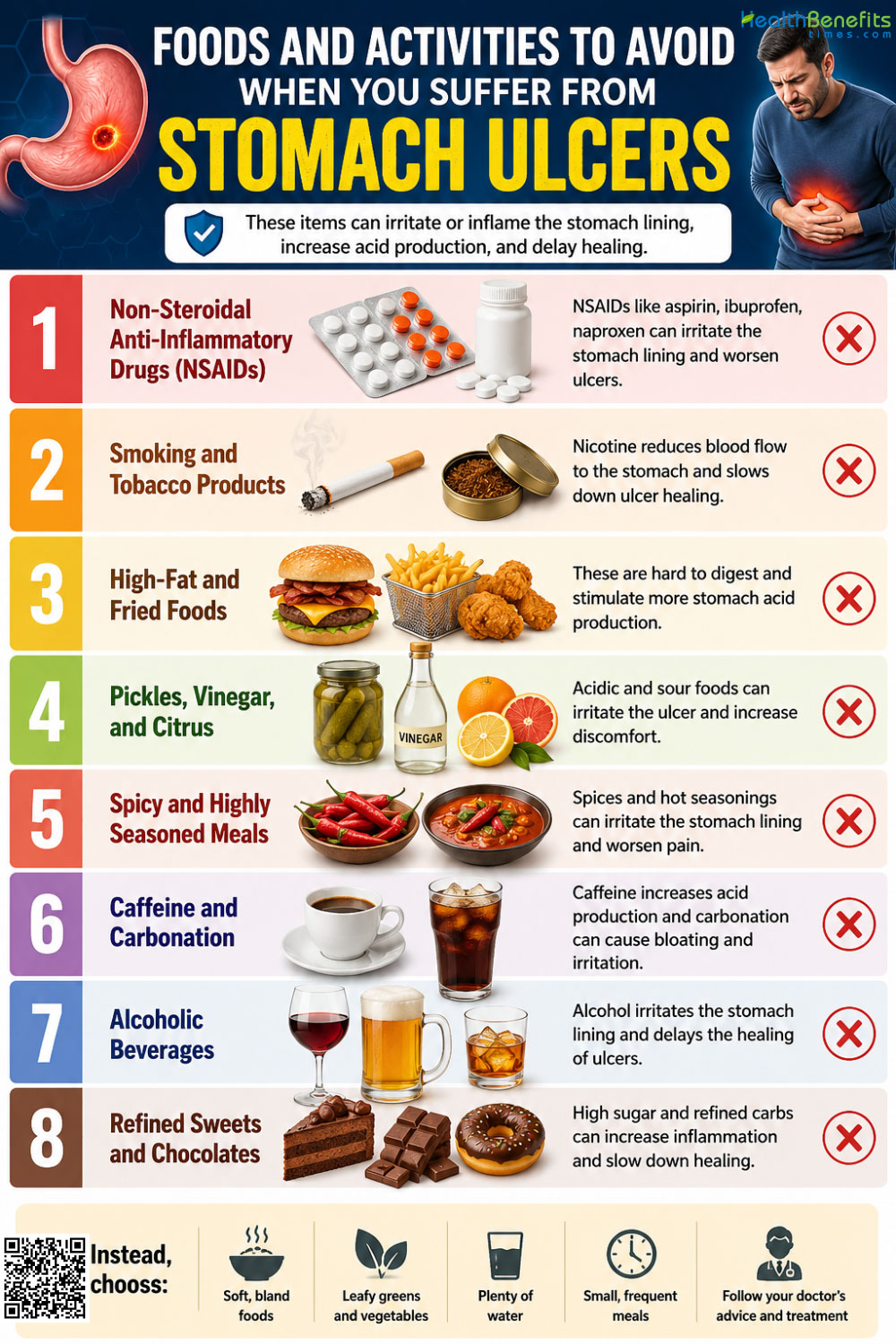
3. High-Fat and Fried Foods
Fatty meats, heavy sausages, mayonnaise, and deep-fried items require an enormous amount of time and stomach acid to break down, forcing the sore to steep in a highly acidic bath for hours on end 28.
4. Pickles, Vinegar, and Citrus
Introducing highly acidic foods like vinegar-based pickles, lemons, and raw citrus juices into a stomach that is already struggling with acid regulation will cause an immediate, painful burning sensation against the raw tissue.
5. Spicy and Highly Seasoned Meals
Heavy doses of black pepper, red chili flakes, mustard grain, and industrialized spicy condiments directly aggravate the exposed nerve endings in the ulcer, triggering intense pain and cramping.
6. Caffeine and Carbonation
Black tea, strong coffee, and fizzy cola drinks act as direct stimulants to the gastric glands, forcing a sudden rush of acid production while simultaneously causing painful gas pressure against the stomach wall.
7. Alcoholic Beverages
Consuming concentrated alcohol acts as a chemical solvent inside the body, rapidly dissolving the delicate mucous barrier and severely irritating the exposed wound, potentially leading to dangerous internal bleeding 29.
8. Refined Sweets and Chocolates
Concentrated sugars and chocolates can relax the valve at the top of the stomach, leading to acid reflux, while also feeding harmful bacteria that disrupt the healthy microbial balance necessary for healing 30.
Myths and Misconceptions
Despite widespread access to medical information, several deeply ingrained myths about digestive distress continue to confuse patients. Clearing up these misunderstandings is crucial for implementing a treatment plan that actually works.
| Myth | Reality |
| Spicy foods and everyday stress are the direct causes of the sore. 31 | Reality: While hot peppers and extreme stress will certainly aggravate an existing sore and cause terrible pain, they do not create the hole in the stomach. The physical damage is overwhelmingly caused by bacterial infections or harsh pain medications. |
| Drinking lots of milk is the best way to cure the pain. 32 | Reality: Milk provides a brief, temporary feeling of relief by briefly coating the stomach, but the calcium and proteins in milk actually trigger a massive rebound of stomach acid production shortly after, ultimately worsening the pain. |
| Ulcers are a lifelong, chronic curse that can never be cured. | Reality: This is entirely false. Once a doctor identifies the root cause such as testing for and eradicating an H. pylori infection with antibiotics the vast majority of patients are permanently cured and the stomach heals completely. |
Special Considerations
When treating gastrointestinal wounds, one must recognize that the human body reacts differently depending on a person’s stage of life, changing hormones, or pre-existing medical history. Treatment protocols must be carefully tailored to fit these unique physiological landscapes.
1. Children
Finding a gastric sore in a young child is a relatively rare clinical event, and it usually behaves differently than the adult version of the disease 33. In toddlers and young children, a damaged stomach lining is almost always a secondary reaction to a severe systemic illness, a major physical trauma, or the administration of a harsh drug. Once the primary illness is resolved, the stomach typically heals and the sore does not return. However, in older adolescents, the disease pattern mirrors adults, frequently involving an active H. pylori infection. Because children often acquire this bacteria early in life through close family contact or poor sanitation, treating a child requires meticulous attention to pediatric dosing and a review of household hygiene to prevent siblings from passing the infection back and forth 34.
2. Pregnancy
Navigating severe digestive issues during pregnancy requires incredible caution, though thankfully, the formation of a new gastric sore is highly uncommon in expectant mothers 35. Many women actually report a surprising improvement in their historical digestive symptoms while pregnant. This protective effect occurs because high levels of the hormone progesterone naturally suppress stomach acid production while simultaneously increasing the output of thick, defensive mucus. However, if a severe complication like a perforated sore does occur, it immediately becomes a life-threatening emergency with high mortality risks for both the mother and the fetus 36. Diagnosis is exceptionally tricky, as normal pregnancy symptoms like severe morning sickness can easily hide the warning signs of a bleeding wound.
3. Chronic Conditions
Patients living with complex, overlapping health syndromes face a difficult paradox when trying to heal a raw stomach lining. For example, millions of people require daily low-dose aspirin or prescription blood thinners to prevent fatal heart attacks and strokes. Tragically, the exact medication saving their heart is relentlessly eroding their gastric mucosa 37. These patients cannot simply stop taking their life-saving heart medication to fix their stomach. In these delicate scenarios, treating the digestive tract requires a highly sophisticated, medically supervised regimen that perfectly balances synthetic acid blockers, mucosal protectants, and careful natural interventions to protect the stomach without interfering with cardiovascular health.
4. Elderly
The aging population presents one of the greatest clinical challenges in gastroenterology. Hospitalizations for gastric bleeding remain alarmingly high among the elderly due to a dangerous combination of factors: a very high rate of lifelong, undiagnosed H. pylori infections, and a massive reliance on daily NSAID painkillers to manage arthritis and joint pain 38. Compounding this danger is the reality of the “silent” sore. Due to age-related decline in nerve sensitivity and the masking effects of other daily pills, an elderly patient may not feel the classic warning signs of abdominal pain. They frequently suffer severe internal damage quietly, only discovering the issue when they collapse from sudden, massive internal bleeding.
Precaution before Use of Natural Remedies When You Have Stomach Ulcers
Embracing the healing power of the natural world is an empowering step toward wellness, but it must be approached with profound respect and caution. Natural botanical extracts contain highly active chemical compounds that demand careful application.
- Always Consult Your Doctor First: Before brewing a new tea or swallowing a botanical extract, you must clear it with your healthcare provider. Even common herbs can interact dangerously with your body’s unique chemistry 39.
- Never Abandon Prescribed Antibiotics: Natural remedies are fantastic for soothing pain and suppressing bacteria, but they are very rarely strong enough to completely eradicate a stubborn H. pylori infection on their own. Stopping your prescribed medications early will cause the bacteria to mutate and return stronger.
- Beware of Blood-Thinning Interactions: Several excellent natural anti-inflammatories, such as high doses of garlic and ginger, naturally thin the blood. If you are already taking pharmaceutical blood thinners, adding these herbs could increase your risk of dangerous internal bleeding from the raw wound.
- Monitor for Allergic Responses: Plant-based resins like mastic gum and complex bee products like raw honey can trigger unexpected allergic reactions in sensitive individuals. You should always start with a very small test dose to ensure your body tolerates the remedy well 40.
- Ensure Proper Extract Forms: Grabbing the wrong bottle off the shelf can be harmful. For example, consuming whole licorice root supplements can cause sudden, dangerous spikes in blood pressure; you must ensure you are strictly purchasing the safe, Deglycyrrhizinated (DGL) form.
When to See Doctor
While diet and natural remedies provide incredible day-to-day relief and support tissue repair, a compromised stomach lining remains a serious physical injury. Internal conditions can deteriorate with shocking speed, transforming a manageable ache into a life-threatening crisis.
- Vomiting Blood: If you suddenly vomit and the liquid is bright red, or looks remarkably like dark, grainy coffee grounds, this is an absolute medical emergency indicating that the sore has eaten into a major blood vessel 11.
- Dark, Tarry Stools: Passing bowel movements that are pitch black, sticky like tar, or visibly bloody is a definitive sign of active, heavy internal bleeding higher up in your digestive tract.
- Sudden, Knife-Like Abdominal Pain: If your typical dull ache instantly transforms into a sharp, excruciating pain that radiates across your belly or into your back, it may signal a perforation meaning the acid has burned a complete hole through the wall of your stomach 1.
- A Hard, Rigid Abdomen: If your stomach muscles become extremely stiff, tight, and highly sensitive to even a gentle touch, it is a glaring warning sign of widespread internal infection and inflammation that requires immediate surgical evaluation.
- Uncontrollable Nausea and Inability to Eat: If massive swelling occurs around the raw tissue, it can physically block the exit of the stomach. If you cannot keep any food or water down for more than 24 hours, you risk severe dehydration and require hospital care.
- Fainting, Dizziness, and Extreme Weakness: Feeling incredibly lightheaded, confused, or actually passing out can be a subtle but deadly sign that you are losing blood internally at a rapid pace, resulting in acute anemia.
Comments
comments