

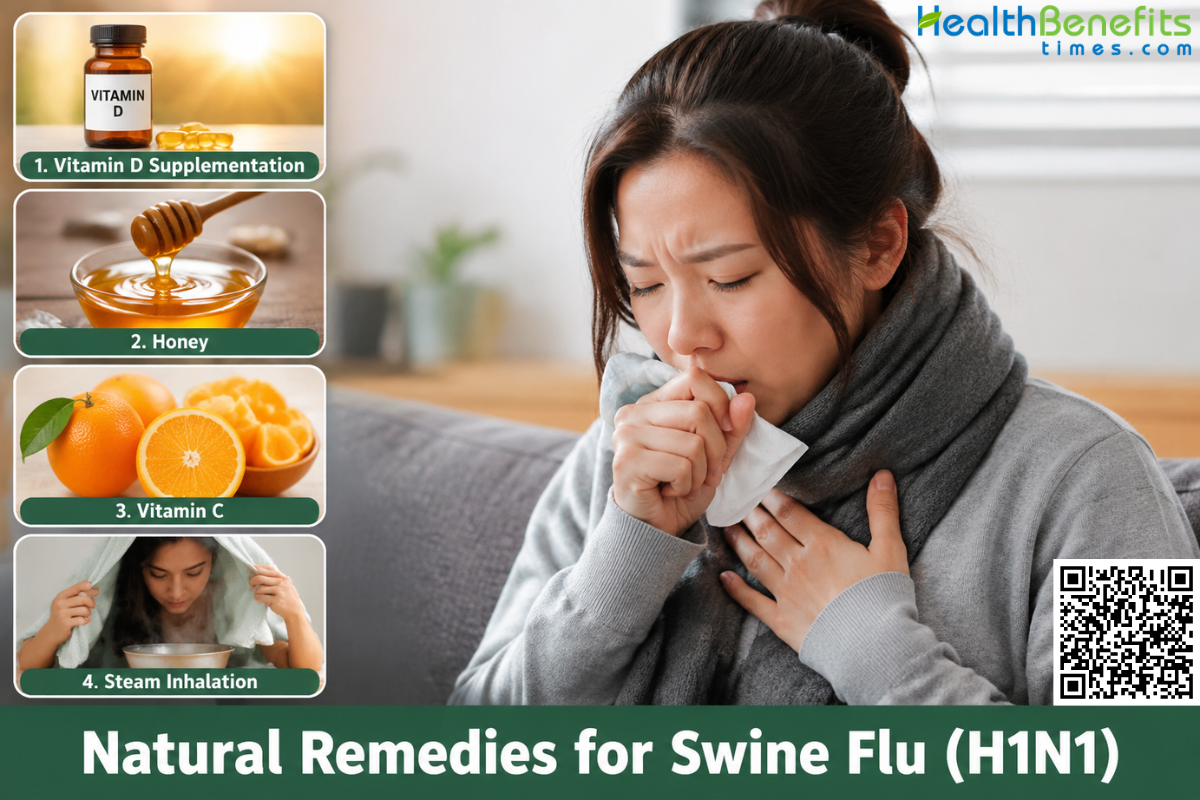
Causes of Swine Flu (H1N1)
- Human-to-Human Transmission: The virus spreads from person to person primarily through respiratory droplets. When an infected individual coughs or sneezes, these droplets can be inhaled by people in close proximity, or they may settle on the nose or mouth of those nearby. 3
- Indirect Contact with Contaminated Surfaces: H1N1 can persist on inanimate objects, such as doorknobs, desks, or personal devices. Transmission occurs when a person touches these contaminated surfaces and subsequently touches their own eyes, nose, or mouth before washing their hands. 4
- Zoonotic Origin: The H1N1 virus originated as a strain that primarily infected swine. While human infections are now sustained through human-to-human transmission, the virus remains a zoonotic disease, meaning it can occasionally jump from infected pigs to humans, typically through direct, unprotected contact with animals in environments such as agricultural fairs or farms. 5
Symptoms of Swine Flu (H1N1)
- Respiratory Distress: The most common clinical signs include an abrupt onset of fever, cough, and sore throat. Patients may also experience a runny or stuffy nose as the virus targets the respiratory tract. 6
- Systemic Physical Discomfort: Individuals frequently report significant body aches and muscle pain, often accompanied by intense fatigue or feelings of extreme tiredness that can interfere with daily activities. 2
- Gastrointestinal Effects: Although less common than respiratory symptoms, some infected individuals—particularly children—may experience nausea, vomiting, or diarrhea alongside traditional flu symptoms. 7
- Emergency Warning Signs: Medical intervention is required immediately if a person experiences difficulty breathing or shortness of breath, persistent pain or pressure in the chest, sudden dizziness, confusion, or severe and persistent vomiting. 8
Natural Remedies for Swine Flu (H1N1)
1. Hydration and Fluid Maintenance
How it may help
Maintaining adequate fluid intake is essential for managing influenza, as it prevents dehydration caused by fever and increased respiratory loss. Staying hydrated helps thin mucus, making it easier to clear from the airways, and supports the body’s overall ability to regulate temperature and maintain necessary cellular function during an active viral infection 9.
What research says
Clinical observation confirms that individuals with influenza often experience fluid loss through sweating and rapid breathing, necessitating increased intake to support physiological stability 9. Research indicates that proper hydration is a fundamental component of supportive care, essential for preventing complications associated with systemic fluid deficits during acute febrile illness.
How to use it safely
To maintain hydration safely, drink clear liquids such as water, broth, or electrolyte-balanced drinks regularly throughout the day. Monitor your progress by observing urine color, which should remain light yellow. If you have trouble keeping fluids down due to nausea, try taking small, frequent sips rather than large amounts at once.
Potential precautions or side effects
Excessive water intake can occasionally lead to electrolyte imbalances. Individuals with underlying kidney or heart conditions should consult a healthcare provider to determine appropriate fluid limits for their specific needs.
2. Rest and Energy Conservation
How it may help
Prioritizing rest allows the body to redirect its limited energy toward the immune response required to combat the H1N1 virus. Minimizing physical exertion helps reduce metabolic demand, supporting the body’s ability to manage fever and inflammation while promoting faster recovery during the acute phase of the illness 9.
What research says
Clinical guidelines consistently emphasize bed rest as a primary supportive therapy for influenza patients. Research indicates that rest is essential for mitigating the stress placed on the cardiovascular and respiratory systems during infection, helping to maintain physiological balance while the immune system works to clear the viral load from the body 9.
How to use it safely
To use rest effectively, stay in bed or remain in a quiet, comfortable environment as much as possible. Avoid strenuous physical activities or work until your temperature has remained normal for at least 24 hours without the use of fever-reducing medication. Prioritize sleep to further assist immune recovery.
Potential precautions or side effects
Prolonged bed rest can sometimes lead to muscle stiffness or poor circulation. If you are bedridden for an extended period, try to change positions frequently to stay comfortable.
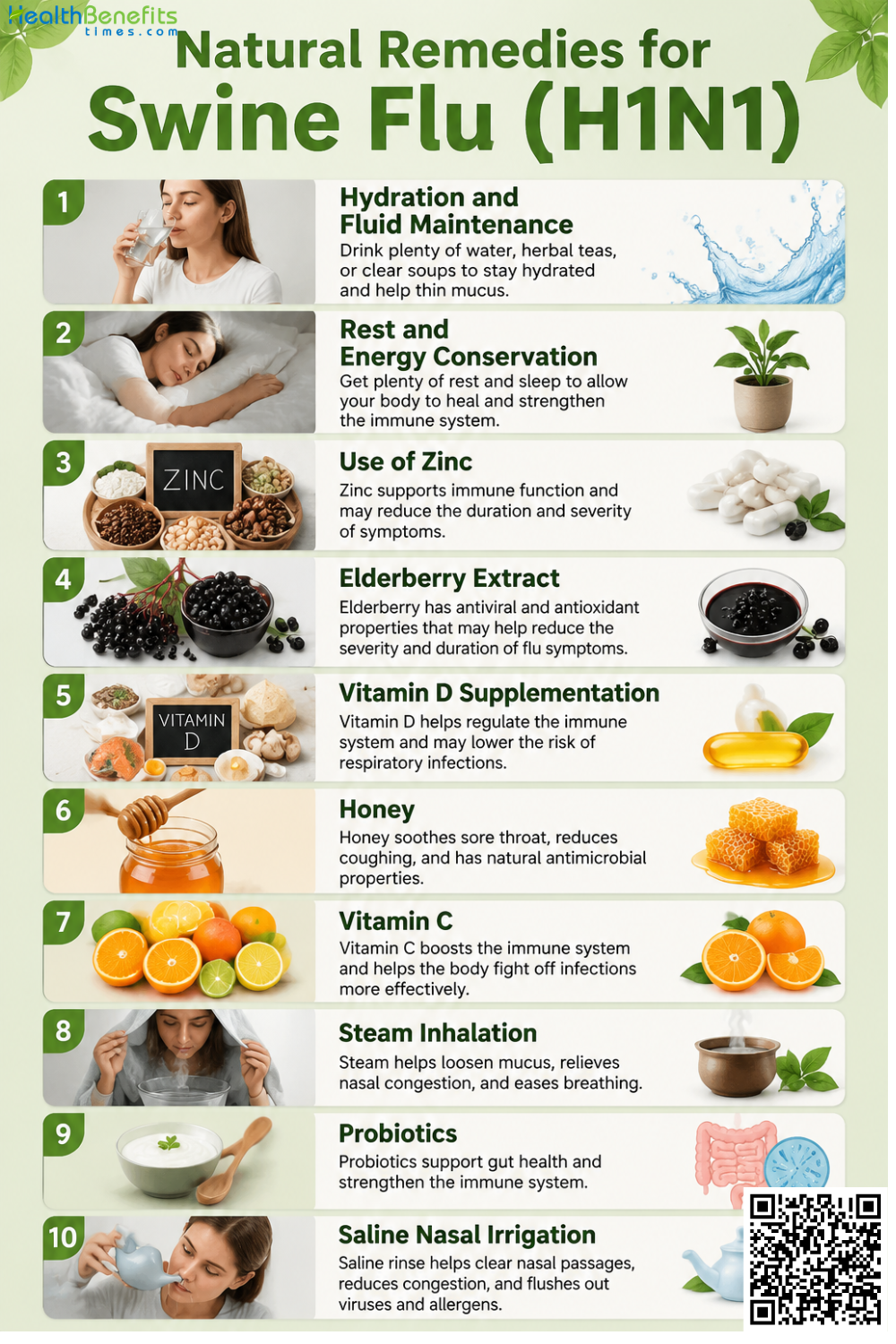
3. Use of Zinc
How it may help
Zinc is essential for the development and function of immune cells. By supporting the body’s natural defense mechanisms, adequate zinc levels may help modulate the immune response to viral infections, potentially assisting in the management of symptoms during illnesses like H1N1 influenza 10.
What research says
Scientific reviews indicate that zinc may help inhibit viral replication in laboratory settings. While clinical evidence regarding its specific effectiveness against the H1N1 virus remains varied, maintaining sufficient zinc levels is recognized as important for overall immune health and the body’s ability to respond to respiratory infections 11.
How to use it safely
If choosing to supplement, follow the dosage instructions on the product label or those provided by a healthcare professional. Zinc is most effective when taken shortly after the onset of symptoms. Avoid exceeding the recommended daily allowance, as high doses provide no additional benefit and may be harmful.
Potential precautions or side effects
High doses of zinc can cause nausea, stomach cramps, or diarrhea. Prolonged excessive use may interfere with the body’s absorption of other vital minerals, such as copper.
4. Elderberry Extract
How it may help
Elderberry extract contains natural compounds that may help inhibit the ability of certain viruses to enter cells. By potentially reducing the duration of respiratory symptoms, it serves as a supportive measure during the early stages of viral illness, assisting the immune system in managing the body’s response to an infection 12.
What research says
Research on elderberry shows varied outcomes regarding its efficacy in treating influenza. While some studies suggest it may help reduce the severity and length of symptoms when taken promptly, findings are not uniform across all clinical trials, and it is not a substitute for standard antiviral treatments or medical care 12.
How to use it safely
When using elderberry, select commercially prepared extracts specifically intended for supplement use. Avoid consuming raw or unripe elderberries, as they contain substances that can cause significant toxicity. Always follow the manufacturer’s dosage instructions and consult a doctor to ensure it does not interfere with other medications or health conditions.
Potential precautions or side effects
Elderberry may cause digestive issues, such as nausea or diarrhea, in some individuals. It should be avoided by those with autoimmune diseases as it may overstimulate the immune system.
5. Vitamin D Supplementation
How it may help
Vitamin D is crucial for immune system function, helping the body produce proteins that defend against pathogens. Maintaining adequate levels may enhance the immune response to respiratory viruses, potentially reducing susceptibility to infections and supporting the body during the active phase of an illness like H1N1 influenza 13.
What research says
Clinical research indicates that vitamin D deficiency is linked to an increased risk of acute respiratory tract infections. Evidence suggests that supplementation can help maintain immune health, particularly in individuals with low baseline levels, by supporting the structural integrity of the respiratory tract and promoting effective cellular defense mechanisms 13.
How to use it safely
For safe use, determine your levels through a simple blood test advised by a doctor. If supplementation is necessary, adhere strictly to the recommended daily dosage provided by your healthcare provider. Do not exceed these amounts, as vitamin D is stored in the body and can accumulate to toxic levels.
Potential precautions or side effects
Excessive vitamin D intake can cause a buildup of calcium in the blood, leading to nausea, weakness, and potential kidney stones. Always consult a professional before starting high-dose supplements.
6. Honey
How it may help
Honey serves as a natural demulcent, forming a protective layer over irritated throat tissues. This coating action helps soothe the mucosal lining and reduces the frequency and severity of coughs associated with respiratory viral infections, providing temporary symptomatic relief for patients managing the discomforts of H1N1 influenza 14.
What research says
Clinical evidence recognizes honey as an effective, low-risk intervention for managing cough symptoms. Research concludes that it may outperform some common over-the-counter cough suppressants by effectively calming throat irritation and improving sleep quality for those suffering from respiratory infections, without the adverse side effects often associated with pharmaceutical cough medications 14.
How to use it safely
To use honey safely, mix one or two teaspoons into warm water, herbal tea, or lemon juice. This can be taken as needed throughout the day to soothe a sore throat. Ensure the honey is pasteurized to maintain safety standards for consumption during illness.
Potential precautions or side effects
Never give honey to infants under one year old due to the risk of botulism. People with diabetes should monitor their blood sugar, as honey increases glucose levels.
7. Vitamin C
How it may help
Vitamin C, or ascorbic acid, is essential for immune system function, as it supports the activity of white blood cells that defend the body against pathogens. By acting as an antioxidant, it helps protect cells from damage and may support the respiratory system’s ability to maintain its barrier functions during a viral infection 15.
What research says
Research indicates that while vitamin C may not prevent influenza, it can support immune function during acute respiratory infections. Studies suggest that maintaining adequate levels is beneficial for overall health, though results regarding its ability to significantly reduce the duration or severity of symptoms in already infected individuals remain varied 15.
How to use it safely
To use it safely, prioritize obtaining vitamin C from whole foods like citrus fruits, berries, and vegetables. If using supplements, follow the recommended daily allowance suggested by a healthcare provider to avoid excessive intake, as the body cannot store large amounts of this water-soluble vitamin.
Potential precautions or side effects
High doses can cause gastrointestinal distress, such as diarrhea or nausea. Individuals with a history of kidney stones should exercise caution and consult a doctor before using supplements.
8. Steam Inhalation
How it may help
Steam inhalation provides moisture to the respiratory tract, which can help loosen thick mucus and soothe irritated nasal passages. By increasing local humidity in the airways, this method facilitates easier breathing and may provide temporary relief from the congestion frequently associated with the upper respiratory symptoms of H1N1 influenza 16.
What research says
Clinical perspectives suggest that while steam inhalation does not treat the underlying viral infection, it is a recognized supportive measure for symptomatic management. Research indicates that the application of warm, moist air can help alleviate discomfort and improve airflow in the nasal cavity, offering a non-pharmacological option for patients seeking relief from respiratory obstruction 16.
How to use it safely
To use this safely, lean over a bowl of hot water and cover your head with a towel to trap the steam. Keep your eyes closed and maintain a safe distance from the water to prevent burns. Limit sessions to 10–15 minutes and ensure the water is steaming, not boiling.
Potential precautions or side effects
Direct contact with boiling water or intense steam poses a significant risk of severe skin or airway burns. Use caution to avoid accidental spills and potential thermal injuries.
9. Probiotics
How it may help
Probiotics are beneficial bacteria that support the gut microbiome, which is closely linked to the body’s immune system. By helping maintain a healthy balance of microbes, they may strengthen the immune response against respiratory pathogens, potentially assisting the body in managing the inflammation and stress associated with an H1N1 influenza infection 17.
What research says
Clinical research suggests that certain probiotic strains may help reduce the incidence and duration of respiratory tract infections. Evidence indicates that these beneficial bacteria can modulate immune activity, supporting the body’s ability to defend against viral threats, though results can vary depending on the specific strain and the individual’s existing health status 17.
How to use it safely
To use probiotics safely, incorporate fermented foods like yogurt, kefir, or sauerkraut into your regular diet. If choosing a supplement, consult your doctor to select a high-quality product with an appropriate strain and dosage for your needs. Always store supplements as directed by the manufacturer to ensure potency.
Potential precautions or side effects
Probiotics may cause temporary bloating or digestive discomfort when first introduced. Individuals with compromised immune systems or serious underlying health conditions should consult a physician before using them.
10. Saline Nasal Irrigation
How it may help
Saline nasal irrigation involves flushing the nasal passages with a saltwater solution to remove excess mucus, allergens, and inflammatory debris. This mechanical cleansing action helps clear obstructed airways and reduces localized irritation, providing relief from nasal congestion and sinus pressure often experienced during the upper respiratory phase of H1N1 influenza 9.
What research says
Clinical practice supports saline irrigation as an effective method for enhancing mucociliary clearance—the body’s natural process for moving mucus out of the airways. Research concludes that this therapy is a valuable, non-pharmacological approach for alleviating nasal symptoms, helping to improve breathing comfort and reducing the burden of congestion in individuals with viral respiratory infections 9.
How to use it safely
To use it safely, always use distilled, sterile, or previously boiled and cooled water. Mix with a saline packet or pure non-iodized salt. Use a clean neti pot or squeeze bottle to gently flush one nostril at a time. Thoroughly wash and dry your irrigation device after every single use.
Potential precautions or side effects
Never use untreated tap water, as it may contain harmful microorganisms. Improper cleaning of the device can lead to secondary infections. Stop use if you experience persistent ear pain.
Foods to Avoid When You Suffer from Swine Flu (H1N1)
During an active influenza infection, it is important to avoid dietary choices that can worsen symptoms or hinder the body’s recovery process. Focus on easily digestible foods to maintain nutritional status while managing acute illness.
1. Alcoholic Beverages
Alcohol acts as a diuretic, which can lead to dehydration. Since maintaining fluid balance is critical during influenza, alcohol intake should be avoided to prevent worsening fluid loss.
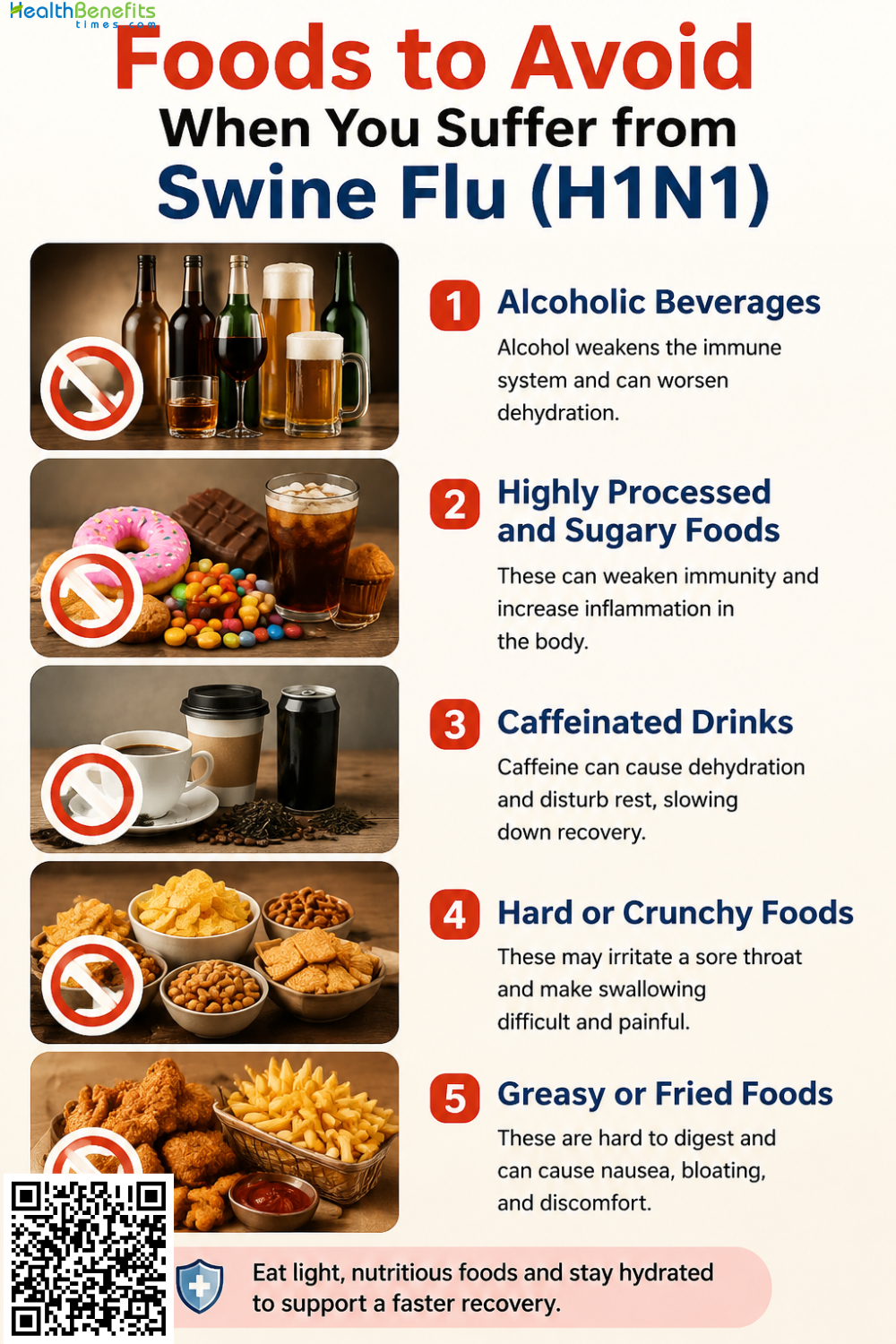
2. Highly Processed and Sugary Foods
Foods high in refined sugars can promote inflammation. Reducing intake of these items may help the body better manage the systemic inflammatory response caused by the viral infection. 11
3. Caffeinated Drinks
Similar to alcohol, high levels of caffeine can increase fluid loss. Limiting caffeine helps maintain proper hydration levels, which are necessary for supporting respiratory and immune functions during illness. 9
4. Hard or Crunchy Foods
Foods such as chips or crackers can cause mechanical irritation to a sore, inflamed throat. Softer textures are recommended to minimize throat pain and ensure easier swallowing.
5. Greasy or Fried Foods
These foods are often difficult to digest and may cause gastrointestinal discomfort. Prioritizing simple, nutrient-dense foods supports the digestive system while the body works to fight the virus.
When to Seek Medical Attention for H1N1 Influenza
While many individuals recover from H1N1 with rest and supportive care, certain clinical indicators necessitate prompt medical evaluation to prevent severe complications. Monitor your health closely and contact a healthcare provider if you observe the following warning signs.
1. Difficulty Breathing or Shortness of Breath
Any persistent chest pain or noticeable struggle to breathe requires immediate medical assessment to rule out complications like pneumonia or severe respiratory distress.
2. Persistent or High Fever
If a fever remains high or continues to return after initially subsiding, it may indicate a secondary bacterial infection requiring professional medical intervention or treatment.
3. Signs of Severe Dehydration
If you experience extreme dizziness, confusion, or a significant decrease in urination, seek care immediately. Dehydration during illness can rapidly lead to dangerous electrolyte imbalances.
4. Worsening Chronic Health Conditions
Individuals with existing conditions such as asthma, heart disease, or diabetes should contact their doctor if their symptoms intensify, as they are at higher risk for complications. 18
5. Neurological Changes or Confusion
Sudden dizziness, persistent vomiting, or changes in alertness are serious indicators of central nervous system involvement or severe illness, requiring urgent medical attention.
Comments
comments