


Causes of Tachycardia
- Heart Rhythm Abnormalities: Conditions that disrupt the heart’s natural electrical pathways, such as atrial fibrillation, atrial flutter, or ventricular tachycardia, frequently cause an abnormally fast heart rate. 3
- Cardiovascular Conditions: Structural damage from a previous heart attack, heart failure, cardiomyopathy, or inflammatory heart diseases can impair the heart’s ability to pump effectively, often triggering a compensatory rapid rate. 1
- Systemic Illness and Physiological Stress: Fever, severe anemia, electrolyte imbalances—specifically regarding potassium, calcium, or magnesium—and uncontrolled thyroid disorders often force the heart to beat faster to maintain oxygen delivery. 2
- Substance Effects: The consumption of excessive caffeine, nicotine, alcohol, or the use of certain illicit stimulants can directly overstimulate the heart’s electrical activity. 1
- Psychological and Emotional Factors: Intense emotional distress or acute anxiety attacks can trigger a surge of adrenaline, leading to temporary but significant increases in heart rate. 3
Symptoms of Tachycardia
- Palpitations: Individuals may experience the sensation of a rapid, fluttering, or pounding heart, which can feel as though the heart is “skipping” beats or beating too hard within the chest. 3
- Dizziness and Lightheadedness: Because the heart is beating too quickly to fill properly, it may fail to pump blood efficiently to the brain, leading to sudden feelings of unsteadiness or vertigo. 2
- Shortness of Breath: Reduced blood-pumping efficiency can lead to a backup of pressure in the lungs or insufficient oxygen delivery to the body, causing labored breathing even during minimal physical activity. 1
- Chest Discomfort: A sensation of pressure, tightness, or pain in the chest may occur if the rapid heart rate increases the heart muscle’s demand for oxygen beyond what its blood supply can provide. 3
- Syncope (Fainting): In instances where the heart rhythm significantly impairs blood flow to the brain, a person may experience a sudden loss of consciousness. 2
Natural Remedies for Tachycardia
1. Vagal Maneuvers
How It May Help
Vagal maneuvers stimulate the vagus nerve, which serves as the primary control for the body’s parasympathetic nervous system. When activated, this nerve releases chemicals that slow the electrical impulses regulating the heartbeat, effectively returning a rapid heart rhythm to a normal, resting pace. 4
What Research Says
Clinical guidelines endorse vagal maneuvers, particularly the Valsalva maneuver, as a safe first-line intervention for stable supraventricular tachycardia. Research demonstrates that performing these techniques correctly can successfully terminate abnormal rapid heart rhythms in up to 40 percent of cases without requiring medication. 4
How to Use It Safely
To perform the Valsalva maneuver, pinch your nose, close your mouth, and forcefully exhale as if bearing down during a bowel movement for 10 to 15 seconds. Alternatively, apply an ice-cold towel to your face. Always consult a healthcare provider before attempting these techniques independently. 4
Potential Precautions or Side Effects
Avoid these maneuvers if you have high blood pressure, a history of stroke, or recent eye surgery, as sudden pressure changes may cause serious cardiovascular or ocular complications. 4
2. Maintaining Proper Hydration and Electrolyte Balance
How It May Help
Hydration and electrolytes are essential for the heart’s electrical system. Water maintains adequate blood volume, preventing the heart from working harder to pump blood. Meanwhile, minerals like potassium, magnesium, and calcium regulate the electrical impulses that trigger contractions. Imbalances in these elements can directly cause heart rhythm irregularities and rapid heartbeats. 4
What Research Says
Clinical studies confirm that severe depletion of potassium or magnesium is a significant trigger for cardiac arrhythmias. Research consistently shows that correcting these deficiencies restores normal heart rhythm and lowers the risk of persistent tachycardia, particularly in individuals with pre-existing cardiovascular vulnerabilities or those taking diuretics. 5
How to Use It Safely
Consume balanced meals rich in fruits, vegetables, and whole grains to naturally maintain your levels. Drink water consistently throughout the day. Avoid aggressive supplementation or “electrolyte drinks” high in sugar unless specifically directed by your doctor, as incorrect dosing can be harmful. 4
Potential Precautions or Side Effects
Excessive intake of certain minerals through supplements can lead to toxic levels, which may paradoxically cause severe and dangerous heart rhythm disturbances or organ dysfunction. 4
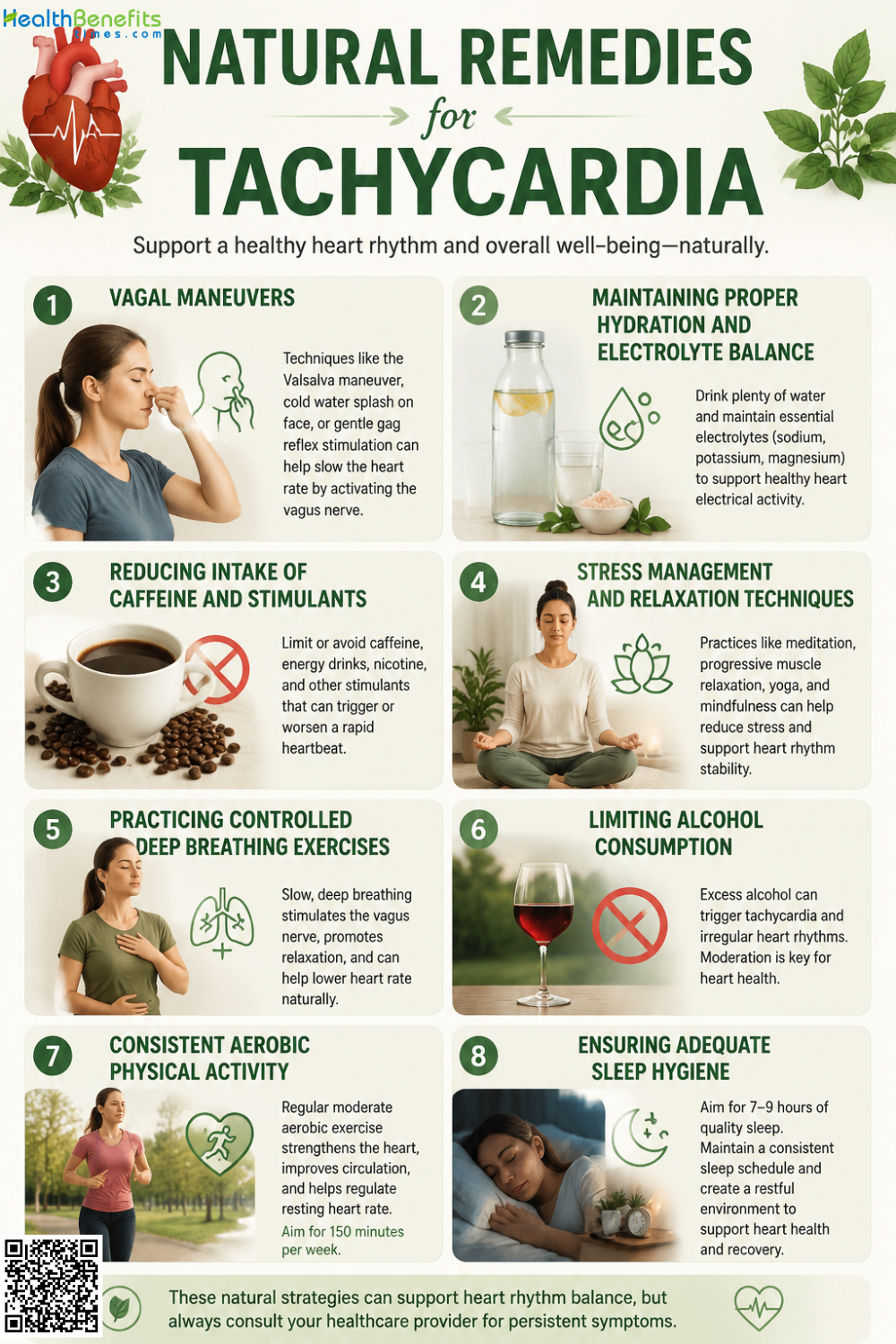
3. Reducing Intake of Caffeine and Stimulants
How It May Help
Caffeine and other stimulants act as triggers by increasing the release of adrenaline. This hormone raises heart rate and heightens the excitability of heart tissue, which can disrupt the natural, steady rhythm of the heart’s electrical system, potentially causing or worsening episodes of tachycardia in sensitive individuals. 1
What Research Says
Large-scale clinical observations indicate that while moderate caffeine consumption is generally safe for most healthy adults, excessive intake is linked to an increased frequency of palpitations and supraventricular arrhythmias. Research concludes that reducing or eliminating these substances can significantly decrease the frequency and severity of heart rhythm irregularities. 6
How to Use It Safely
Gradually decrease your daily consumption of coffee, energy drinks, and other caffeinated beverages over several days. This helps you avoid withdrawal symptoms like headaches or fatigue. Monitor how your heart responds during this adjustment period and prioritize hydration with water instead of caffeinated alternatives. 1
Potential Precautions or Side Effects
Abruptly stopping caffeine after regular long-term use can cause significant withdrawal, potentially increasing temporary anxiety or irritability, which may also influence heart rhythm. 1
4. Stress Management and Relaxation Techniques
How It May Help
Chronic stress activates the sympathetic nervous system, triggering the “fight-or-flight” response. This results in a surge of hormones like adrenaline, which can accelerate the heart rate and increase myocardial excitability. Engaging in relaxation techniques promotes parasympathetic activity, effectively countering these hormonal surges to help stabilize the heart’s rhythm and lower resting heart rate. 6
What Research Says
Peer-reviewed evidence suggests that mind-body interventions—such as mindfulness-based stress reduction—are effective adjuncts for managing cardiac arrhythmias. Studies indicate that patients who consistently utilize relaxation protocols report lower subjective stress levels and demonstrate statistically significant improvements in heart rate variability, which is a key marker of autonomic nervous system balance. 6
How to Use It Safely
Incorporate daily practices like guided meditation, progressive muscle relaxation, or gentle yoga into your routine. Focus on slow, rhythmic breathing to help shift your body into a calmer state. These techniques are safe to perform at home whenever you feel tension rising. 1
Potential Precautions or Side Effects
While generally safe, these techniques are not substitutes for medical treatment. If you experience dizziness or chest pain during practice, stop immediately and seek professional medical guidance. 1
5. Practicing Controlled Deep Breathing Exercises
How It May Help
Controlled breathing stimulates the vagus nerve and activates the parasympathetic nervous system. By slowing the respiratory rate, these exercises increase the time between heartbeats and reduce the body’s “fight-or-flight” stress response, which helps stabilize an overly rapid heart rate and promotes overall cardiovascular relaxation. 7
What Research Says
Evidence indicates that slow, rhythmic breathing—specifically at a rate of approximately six breaths per minute—significantly improves heart rate variability and lowers blood pressure. Research confirms that these physiological changes help dampen sympathetic nervous system overactivity, providing an effective, non-invasive method to assist in managing heart rhythm stability. 7
How to Use It Safely
Find a quiet, comfortable space. Inhale slowly through your nose for five seconds, allowing your abdomen to expand, then exhale slowly through pursed lips for five seconds. Practice this rhythmic pattern for five to ten minutes daily. Stop immediately if you feel lightheaded or uncomfortable. 7
Potential Precautions or Side Effects
Hyperventilating during practice can cause dizziness or tingling. If you feel faint or experience chest pain, stop the exercise and consult a medical professional promptly. 7
6. Limiting Alcohol Consumption
How It May Help
Alcohol acts as a chemical stressor on the heart. It can shorten the electrical recovery time within heart cells, which promotes instability in the heart’s rhythm. Furthermore, alcohol causes dehydration and electrolyte imbalances, both of which force the heart to beat faster to maintain adequate blood circulation throughout the body. 3
What Research Says
Extensive clinical evidence links regular or heavy alcohol consumption to a significantly higher risk of developing atrial fibrillation and other tachycardias. Research consistently demonstrates that even moderate alcohol intake can trigger episodes in susceptible individuals, while complete cessation is associated with a marked reduction in symptom frequency and heart rhythm stability. 6
How to Use It Safely
To support heart health, minimize or eliminate your intake of alcoholic beverages. If you choose to drink, adhere to moderate consumption guidelines—typically defined as one drink per day for women and up to two for men—but prioritize total avoidance if you have a diagnosed heart rhythm disorder. 3
Potential Precautions or Side Effects
Individuals with a history of alcohol dependency should seek medical supervision when stopping, as sudden withdrawal can cause severe cardiovascular strain and dangerous rhythm disturbances. 8
7. Consistent Aerobic Physical Activity
How It May Help
Regular aerobic exercise strengthens the heart muscle, allowing it to pump blood more efficiently with fewer beats. This training also improves the balance between the sympathetic and parasympathetic nervous systems, which helps maintain a steady heart rhythm and reduces the frequency of abnormal, rapid heart rate episodes during rest. 9
What Research Says
Clinical research consistently shows that consistent, moderate-intensity exercise is a protective factor against the development of heart rhythm disorders. Studies conclude that sustained aerobic training improves overall cardiovascular health, reduces cardiac workload, and helps stabilize heart rate, significantly lowering the risk of recurring tachycardia in many patient populations. 9
How to Use It Safely
Aim for at least 150 minutes of moderate-intensity aerobic activity per week, such as brisk walking or swimming. Start gradually, especially if you have been inactive, and monitor your heart rate to avoid overexertion. Always obtain medical clearance from your healthcare provider before beginning a new exercise program. 9
Potential Precautions or Side Effects
Excessive or high-intensity exercise without adequate rest can place undue stress on the heart, potentially triggering dangerous rhythm disturbances in individuals with existing heart conditions. 9
8. Ensuring Adequate Sleep Hygiene
How It May Help
Adequate sleep is vital for regulating the autonomic nervous system, which manages the heart’s rhythm. Chronic sleep deprivation increases sympathetic nervous system activity and stress hormone levels, which can directly trigger heart rate acceleration. Consistent, restorative sleep allows the heart to rest, lowering average heart rates and maintaining electrical stability. 10
What Research Says
Clinical research demonstrates that sleep disorders, particularly obstructive sleep apnea, are independent risk factors for the development of atrial fibrillation and other tachycardias. Studies conclude that improving sleep quality and duration significantly reduces the burden of cardiac arrhythmias by decreasing sympathetic drive and lowering systemic inflammation. 10
How to Use It Safely
Establish a consistent sleep schedule by going to bed and waking up at the same time daily. Create a dark, quiet, and cool environment to support deep sleep. Avoid electronic screens and heavy meals in the hour before bedtime to help your body naturally prepare for rest. 10
Potential Precautions or Side Effects
If you experience persistent snoring, morning headaches, or daytime fatigue, consult a healthcare provider, as these may indicate underlying sleep apnea requiring specialized medical treatment. 10
Foods to Avoid When You Suffer From Tachycardia
1. Caffeinated Beverages
Coffee, energy drinks, and strong black teas contain stimulants that can increase adrenaline production, directly triggering rapid or irregular heartbeats in sensitive individuals. 1
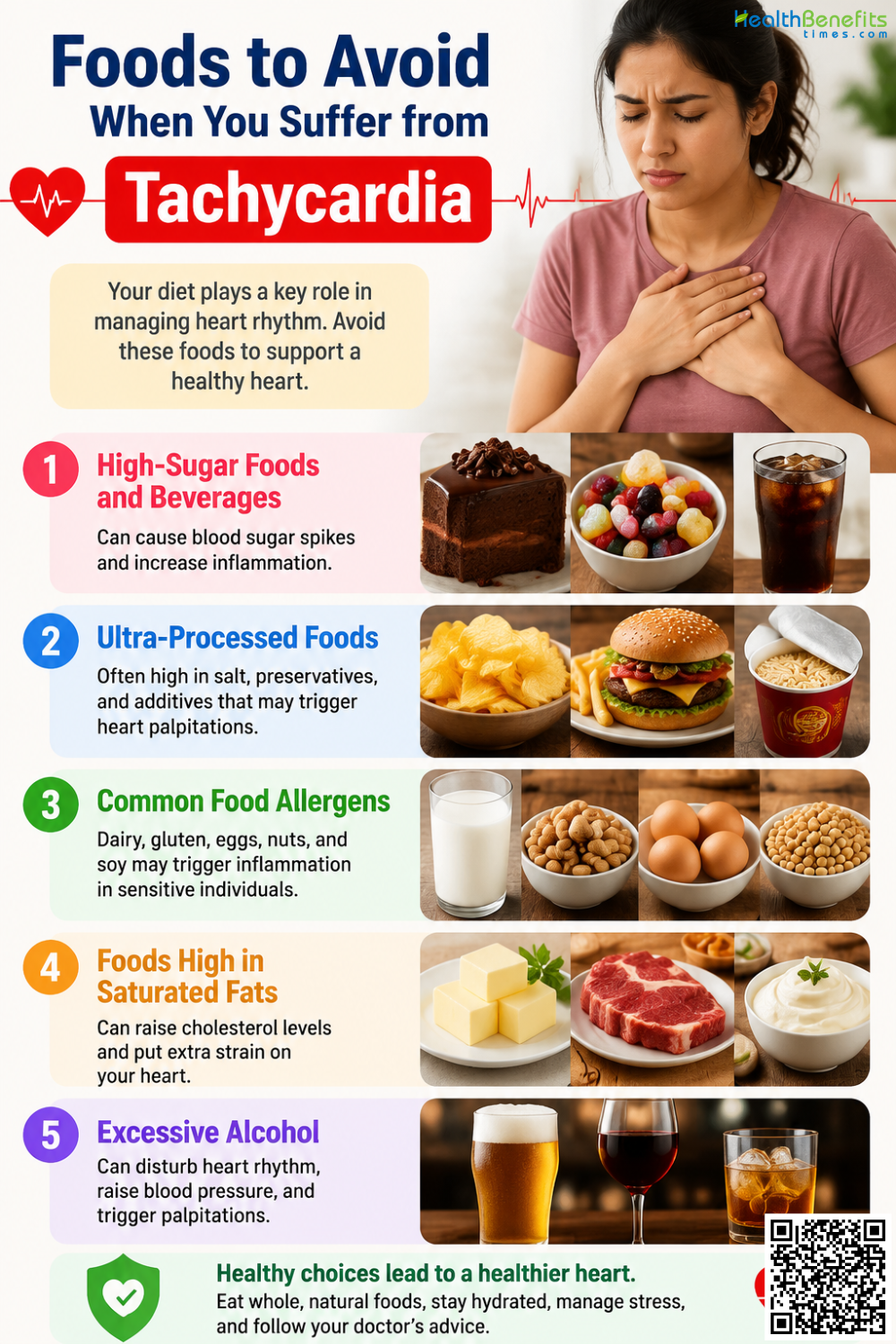
2. Alcoholic Drinks
Alcohol acts as a cardiac irritant that can shorten the electrical recovery phase of heart cells, significantly increasing the risk of arrhythmias and palpitations. 6
3. High-Sodium Foods
Excessive salt intake increases blood volume and elevates blood pressure, which forces the heart to work harder and may worsen symptoms in patients with existing tachycardia. 11
4. Sugary Processed Snacks
Rapid spikes in blood sugar can trigger insulin releases that may affect heart rate and contribute to inflammation, potentially aggravating underlying cardiac rhythm sensitivities. 6
5. Highly Refined Carbohydrates
Similar to sugars, refined grains cause rapid glycemic shifts, which may stimulate the sympathetic nervous system and place unnecessary stress on the heart’s electrical signaling. 6
When to See a Doctor When You Suffer From Tachycardia
1. Persistent Palpitations
Seek medical evaluation if you experience frequent or prolonged episodes of a racing heart, as these may indicate an underlying rhythm disorder requiring diagnosis and management. 3
2. Episodes of Syncope
Fainting, or losing consciousness, is a critical warning sign that your heart rate may be severely limiting blood flow to the brain; this requires immediate medical attention. 2
3. Chest Pain or Pressure
Any sensation of tightness, discomfort, or pain in the chest during a rapid heart rate could signify that the heart muscle is not receiving sufficient oxygen. 3
4. Significant Shortness of Breath
If you struggle to breathe while resting or during light activity, your heart may be failing to pump blood effectively, necessitating urgent clinical assessment. 1
5. Unexplained Dizziness
Frequent lightheadedness or feeling unsteady during tachycardia suggests that the rapid rate is impairing adequate circulation, which warrants a professional review of your cardiac health. 2
Comments
comments