

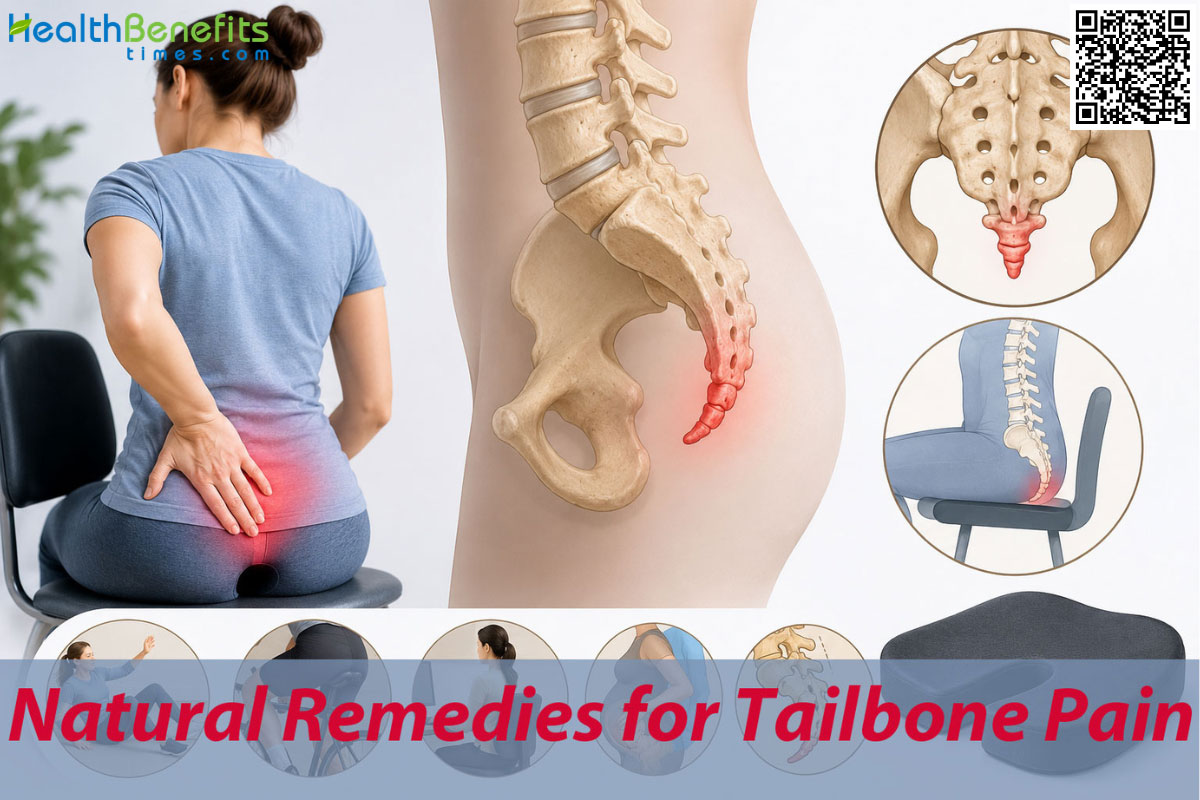
Causes of Tailbone Pain (Coccydynia)
- Direct trauma: Injuries to the coccyx, such as a backward fall, resulting in contusions, ligamentous sprains, or fracture-dislocations.
- Repetitive microtrauma: Chronic strain from activities like cycling or prolonged sitting on hard surfaces.
- Childbirth: Forceful extension of the coccyx during labor, which can lead to fractures or ligament injury.
- Coccygeal instability: Abnormal mobility (hypermobility or hypomobility) of the sacrococcygeal or intercoccygeal joints.
- Obesity: Increased pressure on the coccyx while sitting due to biomechanical changes in pelvic posture.
- Rapid weight loss: Loss of adipose tissue that normally provides cushioning for the coccygeal region.
- Morphological variations: Abnormal shape or angulation of the coccyx (e.g., bone spurs or extreme flexion/extension).
- Degenerative joint disease: Arthritis or disc degeneration affecting the sacrococcygeal or intercoccygeal joints.
- Infections: Rare conditions such as osteomyelitis or soft tissue abscesses.
- Malignancy: Rare underlying tumors, such as chordomas or chondrosarcomas.
- Referred pain: Discomfort originating from pelvic floor muscle dysfunction, anorectal pathology (e.g., hemorrhoids, pilonidal cysts), or lumbar disc herniation.
- Idiopathic: Cases where a specific anatomical or mechanical cause cannot be identified through screening. 6, 7, 8, 9, 10
Symptoms of Tailbone Pain (Coccydynia)
- Localized pain: Discomfort, aching, or tenderness concentrated specifically at the base of the spine (the coccyx).
- Pain exacerbated by sitting: Significant increase in pain when sitting, particularly on hard surfaces.
- Pain during position changes: Increased intensity when transitioning from a seated to a standing position or while leaning backward in a reclined position.
- Variable pain quality: Descriptions often include sharp, piercing, dull, or aching sensations.
- Defecation discomfort: Pain during bowel movements or a frequent, uncomfortable urge to defecate.
- Relief with specific posture: Some individuals experience temporary relief when leaning forward while seated or sitting on one buttock to offload the coccyx.
- Pain during physical activity: Discomfort that may be worsened by activities such as cycling or prolonged standing.
- Physical tenderness: Localized tenderness in the sacrococcygeal region upon external palpation. 8, 11, 12
Natural Remedies for Tailbone Pain (Coccydynia)
1. Physical Therapy and Targeted Stretching Exercises
How it may help
Physical therapy and targeted stretches control tailbone pain by releasing tension in the pelvic floor and hip muscles that attach directly to the coccyx 13. Relaxing these tight muscle groups reduces the pulling forces and localized pressure on the tailbone joint, which decreases painful muscle spasms 3.
What research says
Clinical studies show that conservative treatments, including pelvic floor rehabilitation and guided stretching exercises, successfully resolve tailbone pain in up to 90 percent of cases 2. Evidence confirms that targeted pelvic floor relaxation significantly improves overall pain scores and daily functional mobility for affected individuals 14.
How to use it safely
To use this method safely, you should consult a certified physical therapist to develop a personalized exercise plan. Perform all stretches slowly while taking deep breaths to help your muscles relax. You must avoid aggressive movements to prevent adding unnecessary stress to your tailbone.
Potential precautions or side effects
If your pain worsens, you must stop immediately. Overstretching tight pelvic muscles can trigger severe muscle spasms or further inflame the sensitive tissues surrounding the tailbone joint.
2. Ergonomic Adjustments for Seating
How it may help
Ergonomic seating modifications, such as using specialized cushions, redistribute body weight away from the tailbone 15. Removing direct contact between the seating surface and the coccyx prevents painful joint compression and promotes proper pelvic alignment to reduce mechanical stress while sitting 16.
What research says
Clinical evidence demonstrates that using customized off-loading cushions is the most effective initial treatment for managing tailbone injuries 17. Research confirms that combining modified seating posture with specialized wedge pillows significantly reduces localized pressure and quickly improves overall pain levels in patients 18.
How to use it safely
You should use a U-shaped or V-shaped wedge cushion featuring a rear cutout designed to suspend the tailbone. Always place your support pillow on a firm chair rather than a soft couch. You must keep your feet flat on the floor to maintain stable pelvic posture.
Potential precautions or side effects
You must avoid traditional ring-shaped donut cushions, as they can isolate and dangerously increase pressure on the tailbone. Ensure your cushion is not overly elevated to prevent lower back strain.
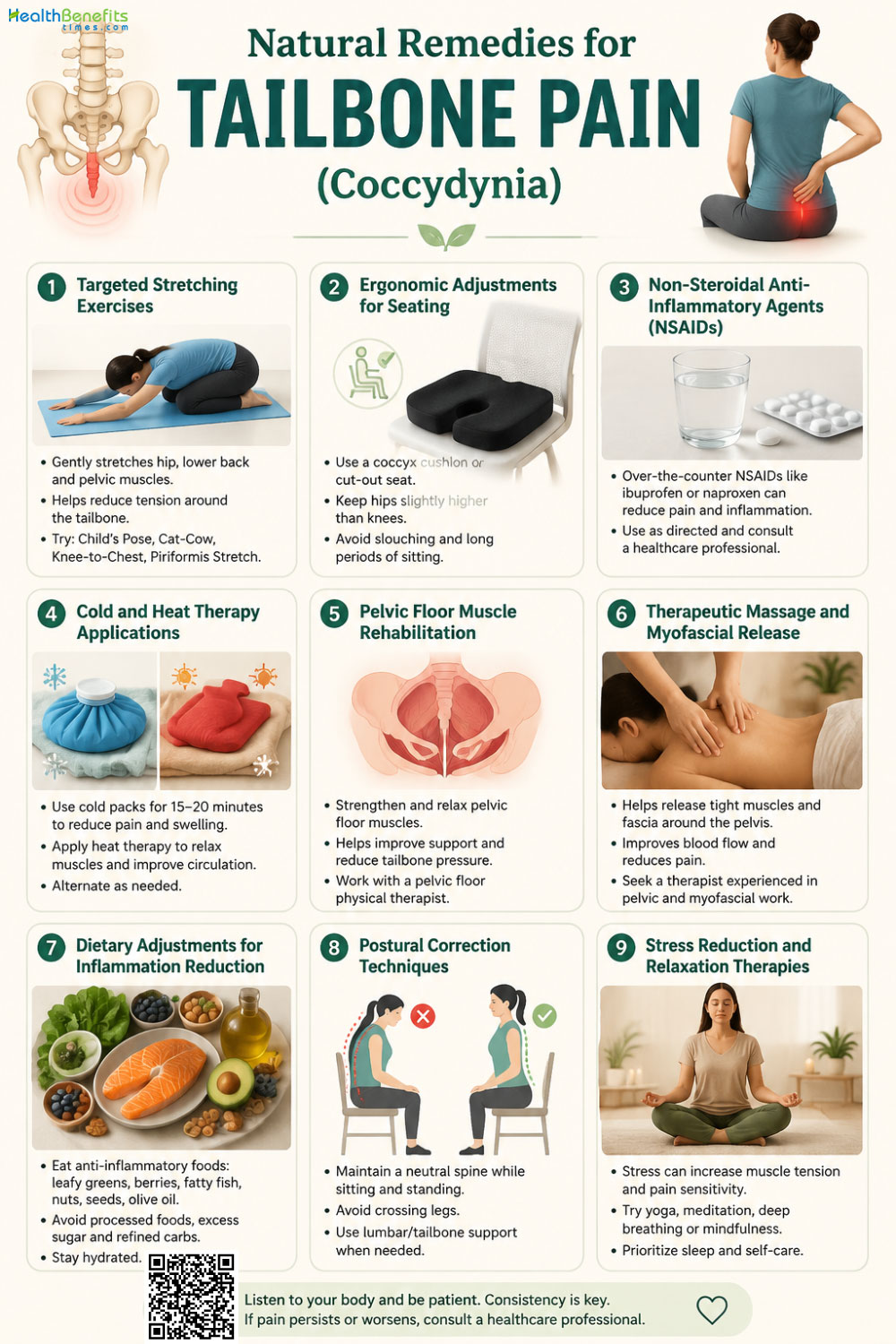
3. Non-Steroidal Anti-Inflammatory Agents (NSAIDs)
How it may help
Non-steroidal anti-inflammatory drugs block specific enzymes in the body that produce pain-causing chemicals called prostaglandins 19. By lowering the production of these chemicals, these medications successfully reduce localized tissue swelling and decrease the sharp pain surrounding an injured tailbone 20.
What research says
Medical guidelines establish non-steroidal anti-inflammatory drugs as the primary initial treatment for sudden tailbone injuries 21. Clinical studies demonstrate that short-term use of these medications significantly reduces local joint inflammation and improves overall functional recovery times for patients with acute coccydynia 2.
How to use it safely
You should always take these medications with food or a glass of milk to protect your stomach lining. Follow the lowest effective dose for the shortest duration. You must consult your doctor before starting treatment if you take blood thinners or have pre-existing kidney conditions.
Potential precautions or side effects
Prolonged use can lead to stomach ulcers, kidney damage, and cardiovascular complications. You must stop taking them and seek medical care if you experience severe abdominal pain.
4. Cold and Heat Therapy Applications
How it may help
Cold therapy causes blood vessels to constrict, which reduces localized inflammation and numbs the painful area by slowing nerve conduction 22. Conversely, heat therapy dilates blood vessels, increasing blood flow to deliver oxygen and promote tissue healing while simultaneously relaxing tight pelvic muscles 23.
What research says
Clinical literature suggests that conservative protocols combining physical rest, specialized seating, and cold applications provide effective initial symptom relief for most tailbone injuries 24. Research confirms that applying alternating heat and cold safely manages localized musculoskeletal pain and serves as a highly beneficial, non-invasive intervention for coccydynia 2.
How to use it safely
You should wrap ice packs or heating pads in a protective cloth to prevent direct skin contact. Apply cold therapy for the first few days of acute pain, then switch to heat. You must limit each application to twenty minutes and allow your skin temperature to normalize.
Potential precautions or side effects
You must never sleep with a heating pad or ice pack on your tailbone. Excessive thermal exposure can cause severe burns, dangerous frostbite, or permanent skin tissue damage.
5. Pelvic Floor Muscle Rehabilitation
How it may help
Pelvic floor muscle rehabilitation utilizes targeted manual therapies to release chronic tension in the levator ani muscles surrounding the tailbone 25. By correcting muscular imbalances and lengthening shortened pelvic tissues, this therapy effectively reduces the constant pulling forces that irritate the inflamed coccyx joint 26.
What research says
Clinical evidence indicates that pelvic floor physical therapy successfully alleviates chronic tailbone pain, particularly when symptoms involve severe muscle spasms 3. Research confirms that patients undergoing specialized pelvic rehabilitation experience significant long-term improvements in daily functional mobility and reduced local pain scores 27.
How to use it safely
You should consult a specially trained pelvic floor physical therapist for a comprehensive evaluation and personalized treatment plan. Practice prescribed relaxation exercises consistently at home. You must communicate openly with your therapist and immediately report any sharp pain to ensure all manual techniques remain gentle and safe.
Potential precautions or side effects
You may experience mild, temporary muscle soreness after initial therapy sessions. However, you must stop immediately if exercises trigger intense tailbone pressure or worsening nerve pain.
6. Therapeutic Massage and Myofascial Release
How it may help
Therapeutic massage and myofascial release alleviate tailbone pain by relaxing tight connective tissues and surrounding pelvic muscles 28. Releasing trigger points in the gluteal muscles reduces abnormal pulling forces on the coccyx, which significantly decreases painful joint friction and localized nerve irritation 29.
What research says
Clinical evidence highlights manual therapies, specifically myofascial release, as highly successful conservative treatments for chronic tailbone pain 30. Research confirms that targeted massage interventions applied to the surrounding gluteal muscles effectively reduce muscle spasms, lower localized pain scores, and improve sitting tolerance for patients 21.
How to use it safely
You should consult a licensed physical therapist or massage practitioner who specializes in pelvic health. You must ensure the professional avoids applying direct, heavy pressure onto the actual tailbone. Always communicate your comfort levels clearly during the session to prevent tissue damage.
Potential precautions or side effects
Mild muscle soreness may occur following treatment. You must avoid massage therapy if you have a recent tailbone fracture, an active skin infection, or an open wound.
7. Dietary Adjustments for Inflammation Reduction
How it may help
Dietary adjustments lower systemic inflammation by reducing pro-inflammatory chemicals in the body, which helps ease swollen tissues around the tailbone 31. Additionally, consuming high-fiber foods prevents constipation, avoiding unnecessary internal mechanical pressure on the sensitive coccyx during bowel movements 21.
What research says
Medical literature recommends increased dietary fiber and water intake as a standard conservative intervention to prevent pain exacerbation during digestion 20. Furthermore, clinical research demonstrates that adhering to diets rich in omega-3 fatty acids and antioxidants significantly decreases chronic musculoskeletal joint pain 32.
How to use it safely
You should gradually increase your daily consumption of fiber-rich vegetables, fruits, and whole grains while drinking plenty of water. Incorporate natural anti-inflammatory foods like fatty fish. You must consult your doctor or a dietitian before starting restrictive diets or taking new nutritional supplements.
Potential precautions or side effects
Adding dietary fiber too rapidly can cause temporary bloating, gas, or abdominal cramps. You must avoid specific foods if you have known severe allergies to fish, nuts, or seeds.
8. Postural Correction Techniques
How it may help
Postural correction techniques relieve tailbone pain by shifting body weight away from the sensitive coccyx and onto the sturdy sit bones, also known as ischial tuberosities 21. Actively leaning slightly forward while seated prevents direct mechanical compression of the tailbone joint, which effectively reduces localized friction and tissue inflammation 2.
What research says
Clinical evidence establishes postural modification as a highly effective, primary conservative treatment for tailbone injuries 20. Research confirms that patients who consistently maintain a forward-leaning sitting position experience significant decreases in joint pressure and report rapid improvements in their daily pain scores 29.
How to use it safely
You should practice sitting with your feet flat on the floor while leaning slightly forward to protect your tailbone. Always avoid slouching backward, as this forces weight directly onto the coccyx. You must take frequent standing breaks every hour to prevent continuous joint pressure and muscle stiffness.
Potential precautions or side effects
You must avoid leaning too far forward, as exaggerated postural shifts can unnecessarily strain your lower back or neck muscles. Stop adjusting if you experience new spinal pain.
9. Stress Reduction and Relaxation Therapies
How it may help
Stress reduction therapies lower the central nervous system’s response to chronic discomfort, which directly decreases systemic pain perception 33. Furthermore, relaxation techniques prevent the involuntary tightening of pelvic floor muscles, thereby reducing mechanical pulling forces on the sensitive tailbone joint 34.
What research says
Clinical studies demonstrate that incorporating mindfulness and guided relaxation therapies significantly reduces the severity of chronic musculoskeletal pain 35. Medical evidence confirms that psychological stress management protocols improve daily functional recovery and lower long-term pain scores in patients experiencing persistent pelvic distress 36.
How to use it safely
You should practice deep breathing exercises or guided meditation for ten to fifteen minutes daily in a comfortable, pressure-free position. Consistency is essential for retraining your nervous system. You must consult a licensed therapist if you struggle to manage severe psychological stress alone.
Potential precautions or side effects
Relaxation techniques carry no direct physical risks but cannot fix underlying structural bone damage. You must not use these therapies as a substitute for professional medical evaluation of sudden trauma.
Foods to Avoid When You suffer from Tailbone Pain (Coccydynia)
1. Refined Carbohydrates
White bread and pastries lack dietary fiber, leading to severe constipation that increases internal pressure and exacerbates tailbone pain during bowel movements 37, 38.
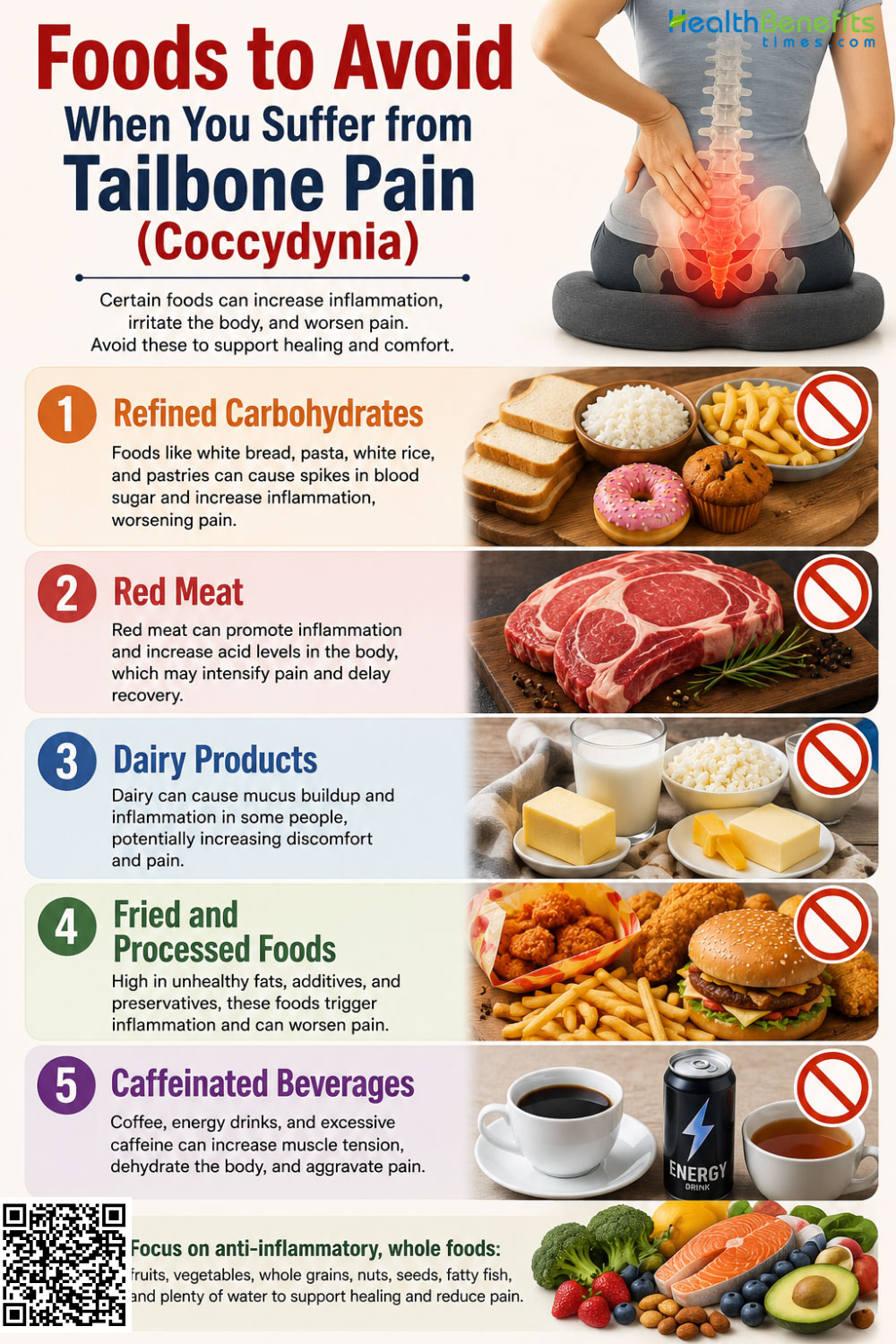
2. Red Meat
High-fat red meats digest slowly and contain zero fiber, hardening stools and creating painful mechanical stress against the inflamed coccyx during digestion 39, 40.
3. Dairy Products
Excessive consumption of cheese and milk can significantly slow intestinal motility, causing hard stools that painfully push against the injured tailbone joint 41, 42.
4. Fried and Processed Foods
Saturated fats in fried foods trigger systemic inflammation while simultaneously delaying stomach emptying, worsening localized joint pain and causing digestive straining 43, 44.
5. Caffeinated Beverages
High amounts of caffeine dehydrate the body, drawing water away from the colon and resulting in dense bowel movements that physically aggravate the coccyx 45, 46.
When to see Doctor when you have Tailbone Pain (Coccydynia)
1. Persistent or Worsening Pain
Consult a doctor if tailbone pain persists beyond several weeks despite using home treatments, as chronic symptoms require clinical evaluation to identify underlying structural issues 47, 48.
2. Bowel or Bladder Incontinence
Seek immediate medical attention if you experience sudden loss of bowel or bladder control, which indicates potential severe spinal nerve compression requiring emergency intervention 49, 50.
3. Numbness or Weakness
You must get urgent medical care if localized tailbone pain is accompanied by unexplained numbness, tingling, or radiating muscle weakness spreading into your legs 51, 52.
4. Signs of Infection
A doctor must evaluate your tailbone if the surrounding skin develops noticeable redness, intense swelling, warmth, or if you suddenly develop an unexplained fever 53, 54.
5. History of Severe Trauma
Visit a healthcare provider immediately following a direct, heavy impact or fall onto your buttocks to properly evaluate the area for suspected coccyx fractures 55, 56.
Comments
comments