

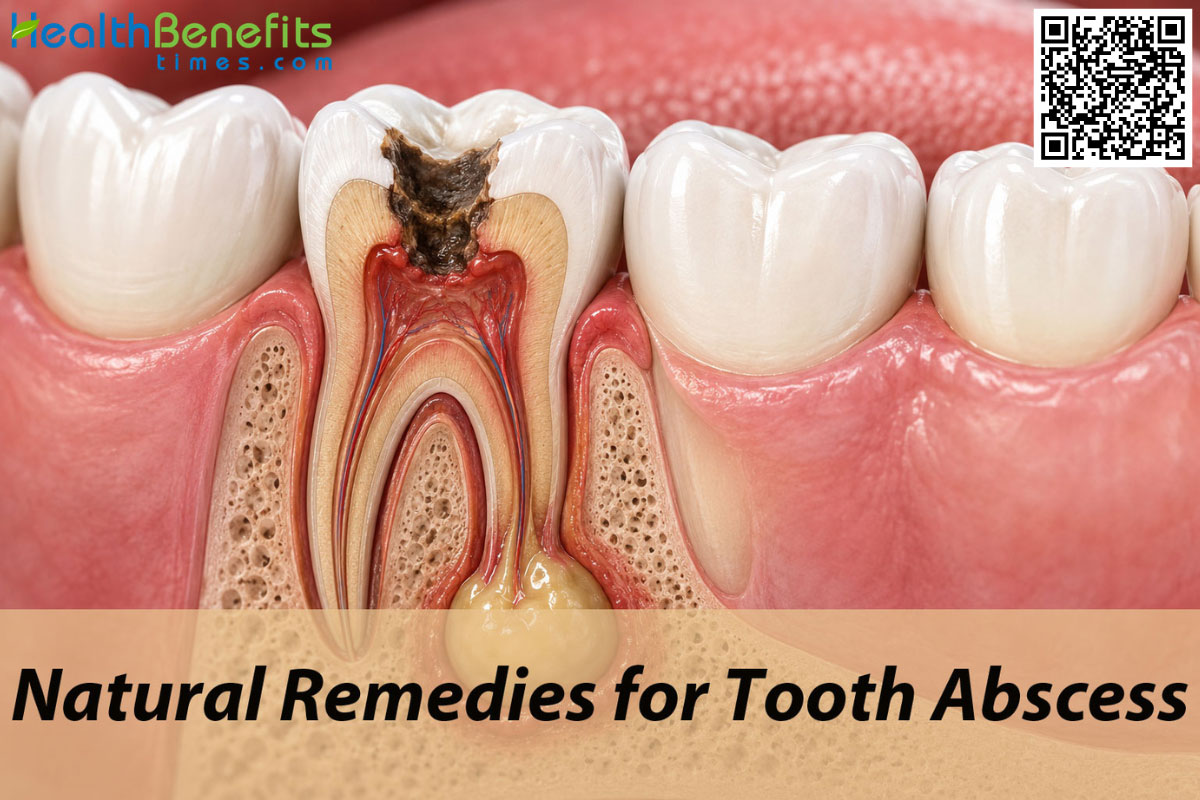
Causes of Tooth Abscess
Investigating the root triggers of this painful condition reveals that multiple structural and biological factors can compromise the integrity of a tooth or its supporting tissues. The most prominent causes include:
1. Profound Dental Caries (Tooth Decay)
Consuming a diet excessively high in refined carbohydrates and sugary foods allows naturally occurring oral bacteria to thrive and multiply rapidly in dental plaque 5. These microorganisms continuously produce highly acidic byproducts that slowly dissolve the protective outer enamel and the underlying dentin layer. Eventually, this progressive decay creates a microscopic pathway directly into the sensitive inner pulp of the tooth, allowing massive bacterial colonization that inevitably leads to a periapical abscess.
2. Advanced Periodontal (Gum) Disease
Chronic inflammation and long-standing infection of the superficial gum tissues can cause the supportive gingiva to detach and pull away from the base of the tooth. This detachment creates deep, un-cleanable periodontal pockets where food debris, calculus, and aggressive anaerobic bacteria become permanently trapped 6. As the bacteria proliferate in these oxygen-deprived spaces, they trigger a severe inflammatory response that breaks down the periodontal ligament and forms a periodontal abscess.
3. Physical Dental Trauma
Experiencing a sudden impact to the face or jaw can result in cracked, chipped, or completely fractured teeth. Even if the visible damage appears superficial, the mechanical stress can sever the delicate blood vessels supplying the tooth root, causing the internal tissue to die (necrose). This dead tissue becomes an ideal, nutrient-rich breeding ground for oral bacteria to establish an infection that quickly transitions into an abscess.
4. Failed Endodontic Treatment
Previous root canal procedures that were either incomplete, structurally compromised, or subsequently re-infected can harbor residual, dormant bacteria. Over time, these persistent microorganisms may slowly multiply, breach the sealing materials, and exit through the apical foramen at the very tip of the tooth root, triggering a recurrent localized infection in the surrounding jawbone.
5. Compromised Immune Function
Systemic health conditions fundamentally alter how the body responds to everyday oral microflora. Individuals suffering from poorly controlled diabetes mellitus, or those actively undergoing immunosuppressive therapies such as chemotherapy, experience a severely weakened natural defensive response. This immunological vulnerability allows otherwise manageable oral bacteria to quickly overwhelm local tissues and establish deep-seated abscesses.
6. Foreign Body Impaction
The accidental trapping of external objects deep within the gumline frequently serves as a mechanical catalyst for sudden infection. Materials such as splintered toothpicks, popcorn hulls, or even fragmented pieces of dental floss can lodge tightly between the tooth and the gum, causing immediate localized irritation that rapidly evolves into a non-periodontitis-related abscess.
Symptoms of Tooth Abscess
Recognizing the clinical manifestations of this expanding infection is an essential step toward securing timely intervention. A developing or fully mature abscess typically presents with the following systemic and localized symptoms:
- Intense, persistent, and uniquely throbbing pain originating in the affected tooth or surrounding gum tissue that often radiates outward to the jawbone, ear, or neck on the same side of the face 1.
- Severe temperature sensitivity, characterized by a sharp, lingering pain response immediately following the consumption of hot or cold foods and beverages.
- Distinct pain provoked by mechanical pressure, making routine activities like chewing, biting down on solid objects, or even closing the mouth fully extremely uncomfortable.
- Visible localized erythema (redness) and severe edema (swelling) of the gingival tissues, frequently presenting as a raised, pimple-like bump on the gum known clinically as a parulis.
- A profoundly foul, bitter, or excessively salty taste suddenly flooding the mouth, which occurs when the pressurized abscess spontaneously ruptures and begins draining purulent fluid directly into the oral cavity.
- Chronic, unmanageable halitosis (bad breath) that persists regardless of brushing or the use of commercial mouthwashes, driven by the metabolic gases released by anaerobic bacteria.
- Systemic indicators of a spreading biological infection, including pyrexia (fever), a general feeling of malaise, and visibly tender, swollen lymph nodes situated along the jawline or deep within the neck.
- Noticeable difficulty opening the mouth fully, a condition known as trismus, which suggests that the inflammatory swelling has begun to infiltrate the primary muscles of mastication.
Tooth Abscess Facts Table
Understanding the broader epidemiological parameters, diagnostic criteria, and clinical behaviors of this condition requires organizing the vast array of medical data into distinct, easily accessible categories.
| Features | Details |
| Symptoms |
|
| Causes |
|
| Types of Tooth Abscess |
|
| How it spreads |
|
| Age Group |
|
| You might be at a higher risk for exposure of this disease if you: |
|
| How doctors diagnose |
|
| Other facts 4 |
|
Natural Remedies for Tooth Abscess
Harnessing the specific biochemical properties of various botanical and mineral compounds can offer you significant symptomatic relief while you wait to secure definitive professional dental treatment. You must understand that natural remedies primarily focus on pain modulation, temporary biofilm disruption, and localized inflammatory control; they simply cannot surgically excavate the deep-seated necrotic tissue causing your condition. You can safely utilize the following rigorously evaluated natural interventions to manage your intense discomfort and support your oral environment.
1. Warm Saltwater Rinses
The strategic application of sodium chloride solutions remains a foundational pillar of supportive oral care worldwide. When you introduce a hypertonic saltwater rinse into your oral cavity, the solution immediately creates a powerful osmotic gradient that effectively draws out excess fluid from your highly inflamed gingival tissues, thereby noticeably reducing the painful physical pressure building inside your gums. Clinical investigations demonstrate that short-term rinsing with sodium chloride significantly promotes the rapid migration of human gingival fibroblasts and increases the expression of critical extracellular matrix proteins, strongly supporting its efficacy in promoting oral wound healing 7. Furthermore, the mild alkalinity of the saline mixture temporarily neutralizes the highly acidic byproducts continuously generated by aggressive oral bacteria, stabilizing the local environment.
Note: You should dissolve approximately one teaspoon of standard table salt into a glass of very warm water, swish the liquid vigorously around the affected area of your mouth for a full sixty seconds, and carefully spit it out without swallowing, repeating this exact process up to four times daily.
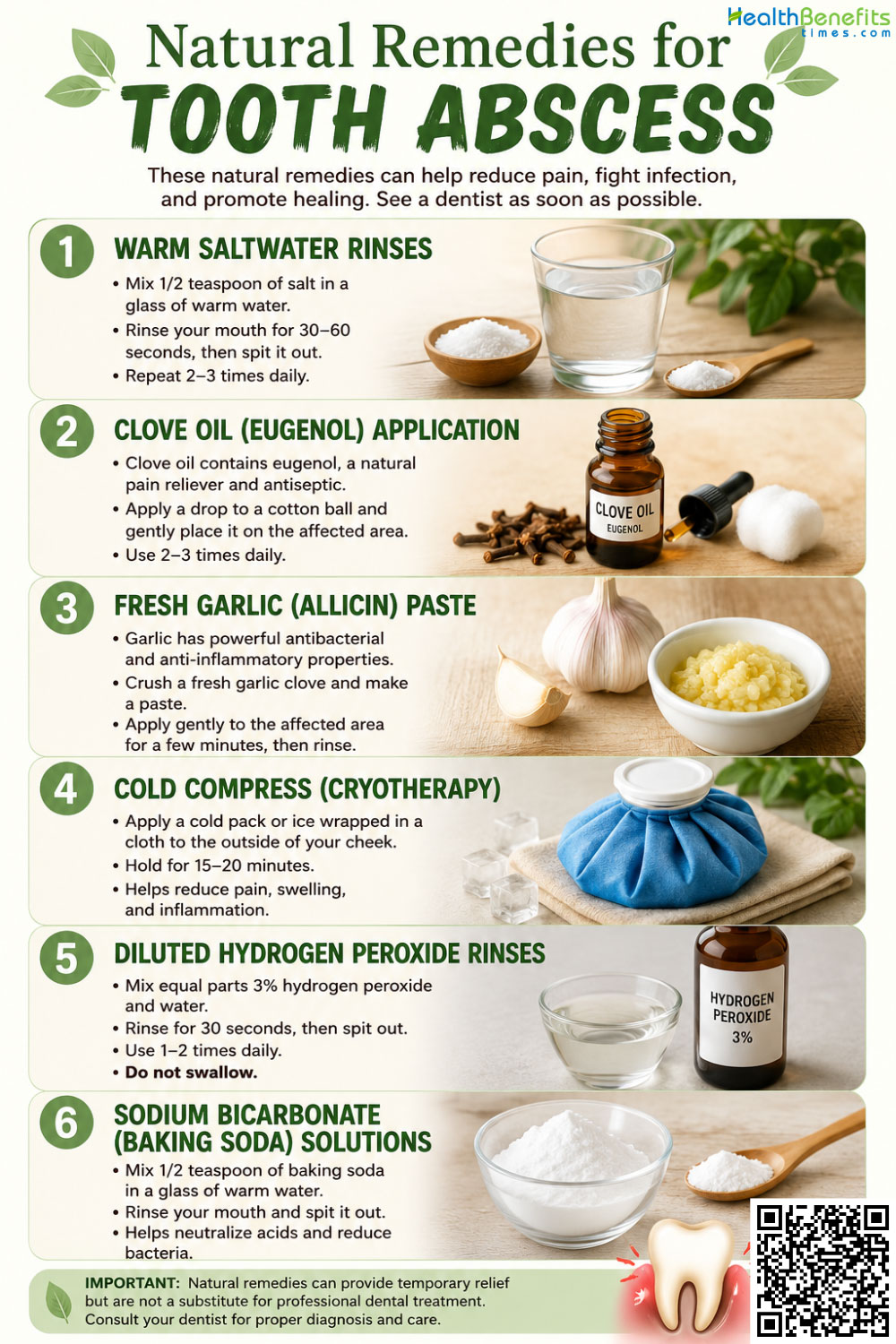
2. Clove Oil (Eugenol) Application
Extracts meticulously derived from the dried flower buds of the clove plant contain highly active, concentrated pharmacological compounds, most notably the organic chemical eugenol. When you carefully apply clove oil to the affected oral region, eugenol acts simultaneously as a potent local anesthetic and a robust anti-inflammatory agent. Scientific evaluations utilizing established thermal pain models reveal that the aqueous extract of clove exerts a robust analgesic effect that interacts intricately with the body’s natural opioid receptor systems, resulting in significant, measurable pain suppression 8. Additionally, its highly volatile nature allows the active oil to penetrate superficial mucosal layers rapidly, providing you with a localized numbing sensation that dramatically dulls the sharp, relentless throbbing characteristic of an acute abscess.
Note: You can safely apply this remedy by heavily diluting two to three drops of pure clove essential oil in a mild carrier oil like olive or coconut oil, saturating a small sterile cotton ball, and holding it directly against the painful tooth and gum for ten to fifteen minutes.
3. Fresh Garlic (Allicin) Paste
Throughout medical history, raw garlic has been widely recognized and utilized for its exceptionally aggressive antimicrobial capabilities. The primary bioactive agent found in freshly crushed garlic, known as allicin, is a volatile organosulfur compound that is only generated when the plant’s rigid cellular structure is physically broken or crushed. Once you apply this freshly prepared garlic directly to the infected site, allicin actively modifies the essential catalytic cysteine residues within the surrounding bacterial cells, effectively acting as a highly destructive electrophilic reagent that specifically targets protein thiols 9. Live-dead staining analysis proves conclusively that allicin exhibits strong bactericidal properties even against thick, mature biofilms composed of notorious oral pathogens like Streptococcus mutans, tearing down their defensive structures 10. This specific mechanism makes it an excellent topical application to temporarily suppress the superficial spread of aggressive bacterial colonies surrounding the physical abscess.
Note: You should firmly crush a fresh, peeled clove of garlic into a thick, homogenous paste, apply it directly onto the swollen area of the gum, leave it undisturbed for roughly ten minutes until a mild tingling or burning sensation subsides, and then rinse your mouth completely with warm water.
4. Cold Compress (Cryotherapy)
Lowering the core temperature of your inflamed facial tissues through external cryotherapy provides you with immediate, dual physiological benefits. When you apply a focused cold source to the exterior of your face, it induces a rapid, localized vasoconstriction of the blood vessels, physically restricting the excessive, pounding flow of blood that actively exacerbates your swelling and pain. For optimal clinical outcomes in reducing the visible signs of inflammation and underlying edema, the superficial skin temperature must be significantly reduced to between 10 degrees Celsius and 15 degrees Celsius 11. This drastic, sustained drop in tissue temperature effectively slows the nerve conduction velocity of the pain signals actively traveling to your brain, granting you a profound, albeit temporary, numbing effect over the entire affected quadrant of your jawline.
Note: You should tightly wrap a commercial ice pack, or alternatively a bag of frozen vegetables, in a thin cloth towel and press it firmly against the outside of your cheek directly over the affected area for strict intervals of twenty minutes on and twenty minutes off.
5. Diluted Hydrogen Peroxide Rinses
Hydrogen peroxide serves as a powerful oxidative agent that immediately generates an intense effervescent mechanical action upon making contact with your natural tissue enzymes, an action that greatly aids in the physical debridement of dead cellular tissue and trapped food debris. By utilizing a specific, low-concentration peroxide rinse, you force deep anaerobic bacteria into an oxygen-rich environment, which is highly toxic and often lethal to their basic survival mechanisms. Comparative analytical data indicates that while its long-term preventative efficacy is slightly lower than clinical-grade chlorhexidine, hydrogen peroxide demonstrates a clear, measurable antibacterial effect against complex oral microbiota and consistently reduces localized gingival inflammation when compared directly to standard placebo solutions 12. It must, however, be used at highly diluted strengths to absolutely prevent chemical cellular toxicity to your delicate oral mucosa.
Note: You should mix exactly equal parts of standard three percent hydrogen peroxide and plain water, swish the active solution gently in your mouth for thirty seconds, spit it out entirely, and immediately flush your mouth with plain water to remove any residual acidity.
6. Sodium Bicarbonate (Baking Soda) Solutions
Baking soda presents a highly accessible, inexpensive method for chemically altering the hostile, acidic environment currently surrounding your dental abscess. Because dental pathogens thrive in and actively produce highly acidic environments in order to demineralize tooth enamel, introducing a strong alkaline agent profoundly disrupts their metabolic processes. Clinical trials reveal that utilizing a targeted sodium bicarbonate oral rinse significantly increases the resting salivary pH back to a neutral or slightly basic state, concurrently causing a marginal but observable decrease in the overall colony-forming units of several harmful oral bacteria 13. This gentle, continuous buffering action directly assists your body in stabilizing the local tissue environment, preventing further rapid enamel breakdown while simultaneously easing soft mucosal irritation.
Note: You should fully dissolve one-half teaspoon of standard baking soda into half a cup of very warm water, hold the resulting mixture over the affected tooth for several moments before spitting it out, and thoughtfully repeat this regimen twice a day.
Is there any exercise or physical activities for Tooth Abscess
Navigating physical exertion while suffering from an active facial infection requires extreme mechanical caution on your part. When you exercise, your resting heart rate and systemic blood pressure elevate rapidly, driving much larger volumes of blood into your head and significantly exacerbating the pulsatile pressure inside the rigidly enclosed, unyielding spaces of your teeth and jawbones. You must critically moderate your daily physical movements to actively avoid triggering severe pain spikes or biologically complicating the spread of the infection.
1. Elevated Resting and Sleeping Postures
While not an active aerobic exercise, consciously managing your physical positioning is arguably the most critical activity modification you can execute during a dental infection. When you lie down perfectly flat, gravity allows a large volume of blood to pool continuously in your cranial and facial regions, which dramatically increases the localized blood pressure and internal fluid volume within your already inflamed dental tissues 14. This exact physiological fluid shift completely explains the severe nocturnal exacerbation of tooth pain that awakens so many patients. Maintaining an upright or semi-upright posture directly forces your heart to work against the pull of gravity, effectively mitigating this intense, localized throbbing sensation.
Note: You should arrange multiple firm pillows behind your back and head to elevate your upper torso to at least a forty-five-degree angle while resting or sleeping in bed.
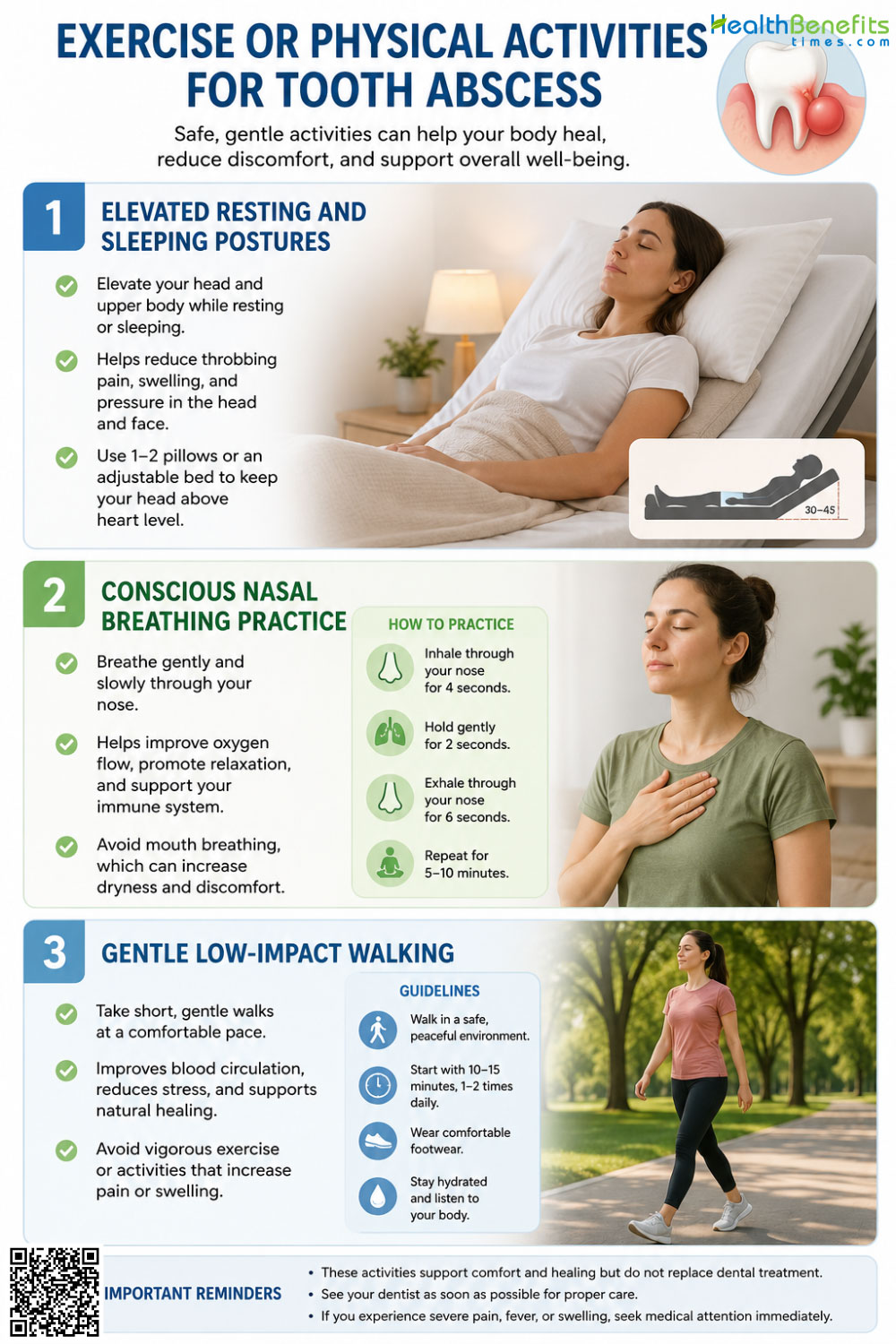
2. Conscious Nasal Breathing Practice
Cardiovascular exertion naturally prompts individuals to part their lips and open their mouths to intake much larger volumes of oxygen. However, sustained open-mouth breathing aggressively dries out the entire oral cavity, completely stripping away the protective, antibacterial, and lubricating properties of your natural saliva. Dry mucosal tissues become far more susceptible to secondary superficial infections and friction irritation, and cold ambient air rushing past a newly exposed, infected tooth root can trigger agonizing waves of sensitivity. Focusing heavily on controlled nasal inhalation physically protects your fragile oral environment from extreme temperature shifts and total tissue desiccation 15.
Note: You should carefully practice inhaling deeply through your nose and exhaling slowly through gently pursed lips, ensuring your mouth remains relatively closed and hydrated during any light physical tasks.
3. Gentle Low-Impact Walking
Complete physical stagnation is not strictly required for recovery unless you are currently experiencing severe systemic signs like a high fever or profound lethargy. Engaging in very light, strictly low-impact mobility exercises, such as taking a slow-paced walk on a completely flat surface, promotes gentle systemic blood circulation without causing aggressive, dangerous spikes in your heart rate. Improved general circulation passively assists your lymphatic system in slowly clearing metabolic waste products and dead cellular debris from the site of the localized inflammation. However, you must carefully and continuously monitor your perceived pain levels, stopping your activity immediately if you feel your heartbeat distinctly and painfully pulsating within your jawbone.
Note: You should intentionally limit your movement to a relaxed, twenty-minute maximum walk in a temperature-controlled indoor environment, avoiding any heavy, jarring steps that cause mechanical reverberations to travel through your skeletal system into your teeth.
Foods to Avoid When You Suffer from Tooth Abscess
1. Foods Requiring High Occlusal Force (Hard or Crunchy Foods)
A tooth harboring a periapical abscess typically suffers from acute apical periodontitis. The periodontal ligament surrounding the root apex becomes severely inflamed and engorged with fluid. This makes the tooth exquisitely sensitive to vertical percussion and masticatory (chewing) forces. Biting down on hard items forces the root deeper into the inflamed socket, triggering sharp, excruciating pain. Furthermore, a decaying tooth is structurally compromised and highly susceptible to catastrophic fracture under pressure.
Specific foods to avoid: Hard candies, ice cubes, unpopped popcorn kernels, raw nuts, and hard pretzels.
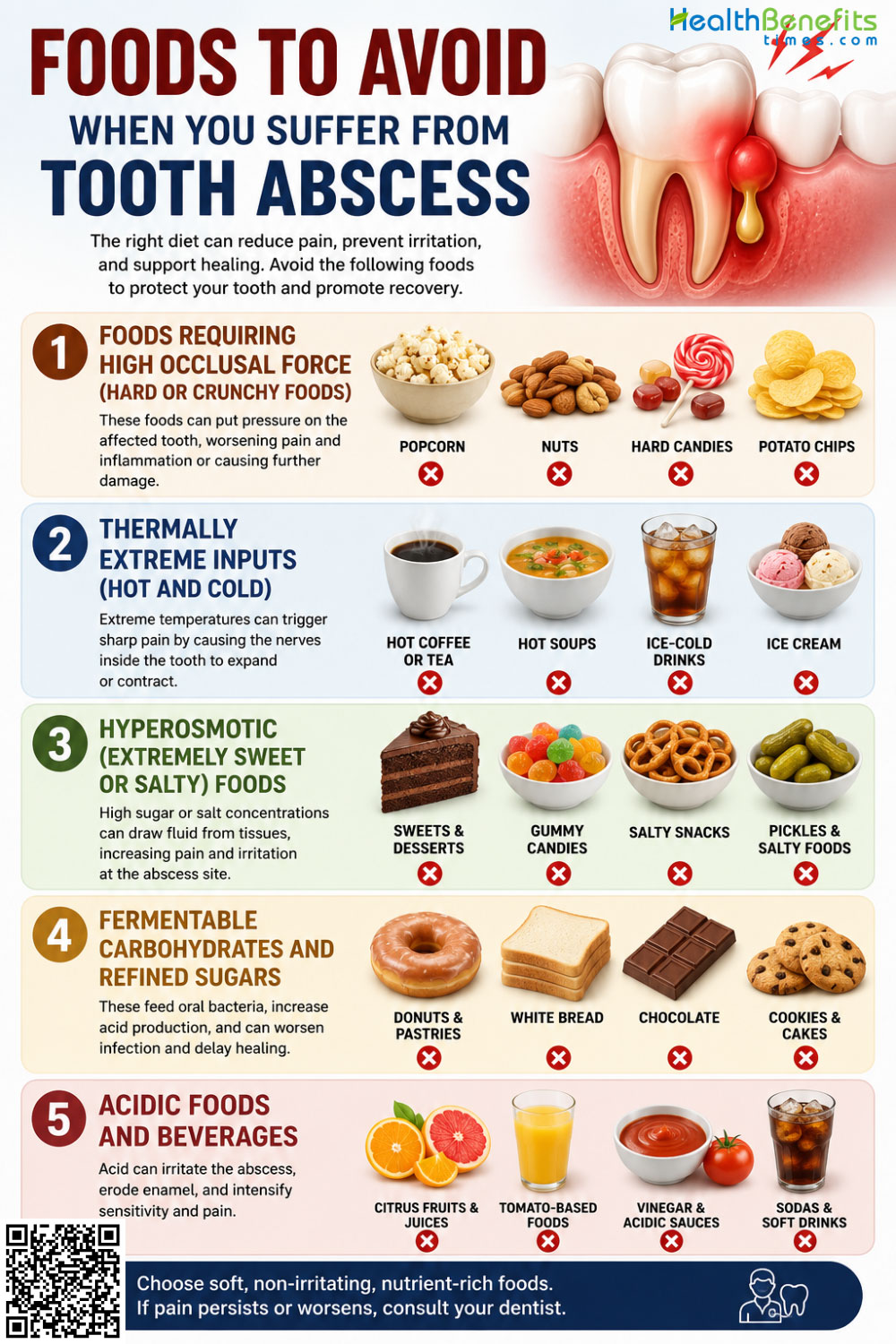
2. Thermally Extreme Inputs (Hot and Cold)
While a fully necrotic (dead) tooth may lack vital nerve tissue to sense temperature directly, the surrounding inflamed periodontal tissues remain highly innervated. If the pulp is only partially necrotic—a state of irreversible pulpitis transitioning to necrosis the introduction of heat causes the rapid expansion of gases produced by the bacterial infection within the confined pulp chamber. This expansion increases intrapulpal pressure, leading to a severe, throbbing pain that can last for hours.
Specific foods to avoid: Boiling hot broths, hot coffee or tea, ice water, and frozen desserts.
3. Hyperosmotic (Extremely Sweet or Salty) Foods
In many cases, a periapical abscess will establish a drainage pathway through the alveolar bone and out through the gingiva, presenting as a sinus tract or parulis (gum boil). If this tract is present, or if there is exposed dentin leading to the infected pulp chamber, hyperosmotic foods cause rapid fluid shifts across the cell membranes of the inflamed tissue or through the dentinal tubules. This severe osmotic gradient triggers a sudden, sharp nociceptive response.
Specific foods to avoid: Pure syrups, concentrated fruit juices, heavily salted broths, and dry-cured meats.
4. Fermentable Carbohydrates and Refined Sugars
The pathophysiology of a periapical abscess begins with enamel demineralization driven by acidogenic bacteria, such as Streptococcus mutans and Lactobacillus species. Continuing to consume refined sugars provides an ongoing metabolic substrate for these pathogens. Fueling the bacterial load in the oral cavity exacerbates the spread of the infection, lowers the localized oral pH, and increases the risk of secondary infections in adjacent teeth.
Specific foods to avoid: Candies, sweetened baked goods, sodas, and sticky sweets.
5. Acidic Foods and Beverages
An active periapical infection alters the localized pH of the surrounding tissues. Introducing highly acidic dietary inputs further lowers the oral pH, chemically irritating the inflamed mucosa especially if a draining fistula is present on the gum line. Additionally, a highly acidic environment inhibits the optimal function of the leukocytes (white blood cells) attempting to wall off the infection, thereby delaying the body’s natural immune response.
Specific foods to avoid: Citrus fruits (lemons, grapefruits), raw tomatoes, vinegar-based dressings, and carbonated beverages (which contain carbonic acid).
Activities to Avoid When You Suffer from Tooth Abscess
- Heavy Weightlifting and Resistance Training: Lifting massive, heavy loads frequently causes subconscious jaw clenching and aggressive teeth grinding (bruxism), an action that places disastrous, crushing mechanical pressure directly onto the infected, highly sensitized tooth root.
- High-Intensity Interval Training (HIIT): Explosive cardiovascular workouts dramatically and suddenly spike your systemic blood pressure, directly leading to an immediate, unbearable surge in localized throbbing pain inside the confined spaces of your head and jaw.
- Swimming in Heavily Chlorinated Pools: The harsh chemical composition of public pool water can severely irritate the delicate, inflamed mucosal lining of the mouth, especially if you accidentally swallow or intake water while struggling to maintain breathing rhythms.
- Lying Perfectly Flat on Your Back: Adopting a strictly horizontal bodily position entirely removes the mechanical assistance of gravity in draining blood away from your head, a positioning that will inevitably and rapidly worsen the inflammatory pressure pushing against your dental nerves.
Myths and Misconceptions
Dispelling common folklore surrounding dental emergencies is a critical safety measure to ensure patients do not accidentally inflict severe chemical trauma on themselves or dangerously delay necessary medical intervention based on false premises.
| Myth | Reality |
| Placing a crushed aspirin tablet directly on the gums will quickly cure the tooth pain. 16 | Aspirin is a highly acidic chemical compound. Placing it directly onto the delicate mucosal tissues does not provide local pain relief; instead, it rapidly induces the coagulation of surface proteins, causing severe chemical burns that leave painful, white, necrotic ulcers across the gums. |
| If the severe throbbing pain suddenly stops entirely, the infection has miraculously cured itself. | The abrupt cessation of pain typically indicates that the sensory nerve confined within the tooth pulp has completely died and necrosed. Without nerve function, you cannot feel the damage, but the bacterial infection remains highly active and will silently continue to spread into the surrounding jawbone and soft connective tissues. |
| Taking leftover, old antibiotics from a previous illness will eliminate the abscess entirely. | Antibiotics alone, especially when taken without professional oversight, cannot penetrate a localized, walled-off collection of pus effectively. Definitive source control such as a surgical incision to drain the abscess, a complex root canal, or complete tooth extraction is absolutely mandatory to resolve the infection long-term. |
| Applying direct heat, like a hot water bottle, to the outside of the cheek will rapidly draw out the infection. | Applying a hot compress to the exterior of the face causes massive local vasodilation, an action which actively draws significantly more blood and fluid directly to the area, dramatically increasing painful swelling and potentially causing the dangerous infection to spread outward into the facial planes. |
| Vigorously brushing the swollen gum will pop the abscess and fix the problem. | Aggressively brushing the inflamed tissue will not safely drain the infection. Instead, the abrasive action tears the fragile gingival tissue, causes excessive bleeding, and risks driving the purulent bacterial exudate deeper into the underlying bone and bloodstream. |
Special Considerations
The biological progression, underlying risk factors, and appropriate treatment pathways for odontogenic infections vary substantially based on a patient’s systemic physiological status, age, and existing comorbidities.
1. Children
The pediatric population requires incredibly vigilant observation when a dental abscess develops, primarily because their immune systems are still actively maturing and the physical density of their young alveolar bone is far less robust and calcified than that of an adult. Aggressive infections originating in primary (baby) teeth can track rapidly through this highly porous bone, creating a scenario that potentially damages the developing permanent tooth buds housed directly beneath them in the jaw. Furthermore, treatment dosages for standard over-the-counter analgesics must be strictly and carefully calculated based on the child’s exact weight to avoid organ toxicity. Aspirin must be universally and strictly avoided in all pediatric patients under sixteen due to the severe, life-threatening risk of triggering Reye’s syndrome.
2. Pregnancy
During gestation, profound hormonal fluctuations occur throughout the body; specifically, vastly elevated circulating levels of estrogen and progesterone induce a state of hyper-reactivity within the gingival tissues to standard, everyday dental plaque. This hyper-reactivity makes expecting mothers highly susceptible to developing localized oral infections. If an odontogenic infection reaches severe, uncontrolled stages, the resulting maternal systemic inflammatory response or impending respiratory compromise can directly trigger acute fetal distress, occasionally necessitating emergency interventions to guarantee both maternal and neonatal safety 17. Should pharmacological therapy be strictly required to manage the spreading infection, careful selection of the drug class is paramount. For instance, antibiotics like amoxicillin or cephalexin are generally deemed safe during pregnancy, whereas tetracycline-class antibiotics must be strictly avoided at all costs, as they cross the placental barrier and cause severe, irreversible staining and discoloration of the developing fetus’s permanent dentition 18.
3. Chronic Conditions (Diabetes)
Individuals suffering from poorly controlled diabetes mellitus face a uniquely hostile and complex scenario when attempting to fight off oral infections. Chronic systemic hyperglycemia actively impairs the vital chemotaxis and phagocytosis capabilities of white blood cells, fundamentally blunting the body’s primary cellular defense mechanisms against bacterial invaders. Clinical data robustly confirms that diabetic patients, as well as those with abnormal glucose tolerance, show significantly higher incidences of developing severe, multi-space odontogenic abscesses, conditions which frequently and unfortunately necessitate considerably longer durations of complex inpatient hospital care 19. Furthermore, these rapidly expansive infections frequently induce severe trismus and immense swelling deep in the neck tissues, severely complicating critical airway management if emergency surgical intubation suddenly becomes necessary.
4. Elderly
Geriatric patients routinely present in clinical settings with an array of compounding physiological factors, including general systemic frailty, reduced cardiovascular resilience, and extensive, complicated polypharmacy regimens. Many daily medications heavily utilized by the elderly for managing hypertension, overactive bladder, or severe depression actively induce significant, chronic xerostomia (dry mouth). This extreme lack of moisture entirely removes the protective, mineral-buffering capacity of natural saliva, drastically accelerating the progression of root caries. Consequently, periodontal-origin abscesses are incredibly prevalent in this specific demographic cohort. Compounding the physical danger, overall pain perception may also be significantly blunted due to age-related neurological sensory changes, allowing an aggressive abscess to grow to incredibly dangerous, life-threatening proportions before the elderly patient finally recognizes the immense severity of the clinical situation.
Precaution before use of natural remedies when you have Tooth Abscess
While you may frequently find significant, short-term pain relief through the diligent application of botanical and mineral home interventions, you must exercise strict, unwavering caution to avoid inadvertently damaging your delicate oral ecosystem or worsening your underlying condition.
- Avoid Chemical Burns from Improper Application: You must never crush raw pharmaceutical tablets, particularly aspirin, and apply the acidic powder directly against your inflamed gum tissue, as this misguided action will rapidly induce a highly painful chemical burn and cause widespread tissue sloughing 20.
- Monitor Closely for Allergic Sensitization: Essential oils like clove oil contain highly concentrated, potent organic compounds. You should be aware that repeated, heavy, undiluted exposure to eugenol can easily trigger localized allergic contact stomatitis, mimicking the agonizing sensation of a severe burning mouth syndrome.
- Ensure Proper Dilution of Oxidative Agents: Utilizing high-concentration hydrogen peroxide solutions (anything above the standard three percent) without adequate, precise water dilution will cause direct, massive oxidative trauma to your cells, resulting in significant mucosal abnormalities and severe soft tissue irritation that mimics a burn.
- Do Not Delay Definitive Source Control: You must clearly understand that natural rinses, pastes, and cold compresses only modulate the symptoms on a very superficial, temporary level. Relying exclusively on these home methods while willfully ignoring the underlying necrotic core guarantees that the aggressive infection will eventually spread into surrounding, vulnerable fascial planes.
- Prevent Physical Trauma During Application: When carefully applying thick pastes or using cotton swabs inside your mouth, you must utilize exceptionally light physical pressure. Aggressively rubbing or pushing on the swollen parulis can easily cause the highly infected pocket to rupture prematurely or, far worse, force the toxic purulent exudate deeper into the underlying jawbone.
When to see a Doctor
Recognizing the exact moment an infection transitions from a localized, manageable dental ache to a systemic, life-threatening medical emergency is absolutely vital for your personal safety and survival. You must immediately abandon all home remedies and seek rapid, urgent medical or dental evaluation if you begin to experience any of the following critical clinical indicators:
- Difficulty Breathing or Swallowing: Any sudden sensation of a closing airway, restricted or raspy breathing, or a complete inability to swallow your own natural saliva strongly indicates that the aggressive infection is rapidly tracking backward into the deep fascial spaces of your neck, representing an immediate, severe threat to your life.
- Severe, Rapid Facial Swelling: Visible edema that rapidly expands across your entire cheek, extends down heavily below your jawline, or physically begins to swell your eye shut requires aggressive, immediate intravenous antibiotic intervention in a hospital setting.
- Inability to Open Your Mouth: The onset of severe trismus, a condition where the thick muscles of mastication become so heavily inflamed and rigid that you cannot physically separate your upper and lower teeth beyond a few millimeters, points directly to dangerous deep muscle space involvement.
- High Grade Fever and Uncontrollable Chills: The sudden onset of a systemic fever spiking above 101°F (38.3°C), accompanied by violent shivering and profound physical fatigue, confirms that the toxic bacterial byproducts have successfully entered your systemic blood circulation.
- Profound Systemic Unwellness: If you suddenly feel generally unwell, incredibly dizzy, mentally confused, or observe rapidly expanding, hot redness tracking across your skin, you may be actively developing severe sepsis. At this critical stage, emergency medical clinicians must immediately prescribe powerful systemic antibiotics as an adjunct to definitive surgical dental treatment for systemically unwell individuals to save your life 21
Comments
comments