

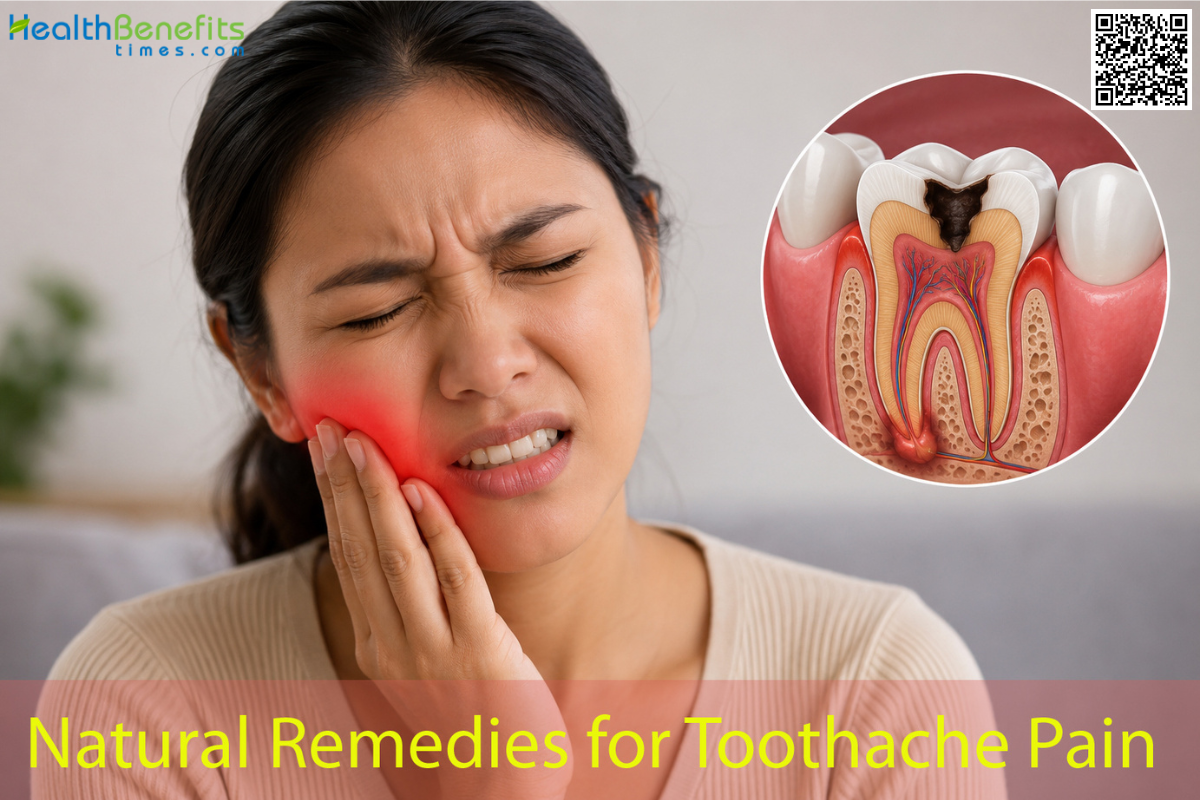
Causes of Toothache Pain
- Dental caries (primary and secondary tooth decay)
- Acute and chronic pulpitis (inflammation of the dental pulp)
- Apical periodontitis and dental abscesses
- Pericoronitis (inflammation around impacted teeth, such as wisdom teeth)
- Tooth fractures or cracked teeth
- Dental trauma or mechanical injury
- Periodontitis and gingivitis (gum disease and inflammation)
- Tooth hypersensitivity
- Food impaction between teeth
- Lesions or disorders affecting the oral mucosa 1, 2, 3
Symptoms of Toothache Pain
- Sharp, throbbing, or constant tooth pain
- Pain or discomfort when biting, chewing, or applying pressure
- Swelling around the affected tooth, gums, jaw, or face
- Fever or headache
- Foul-tasting drainage or pus from the infected tooth or surrounding gums
- Unpleasant or bad breath (halitosis)
- Increased sensitivity or sharp pain in response to hot or cold temperatures
- Pain triggered by consuming sweet or acidic foods and drinks
- Red, inflamed, or bleeding gums near the painful tooth 4, 5, 6
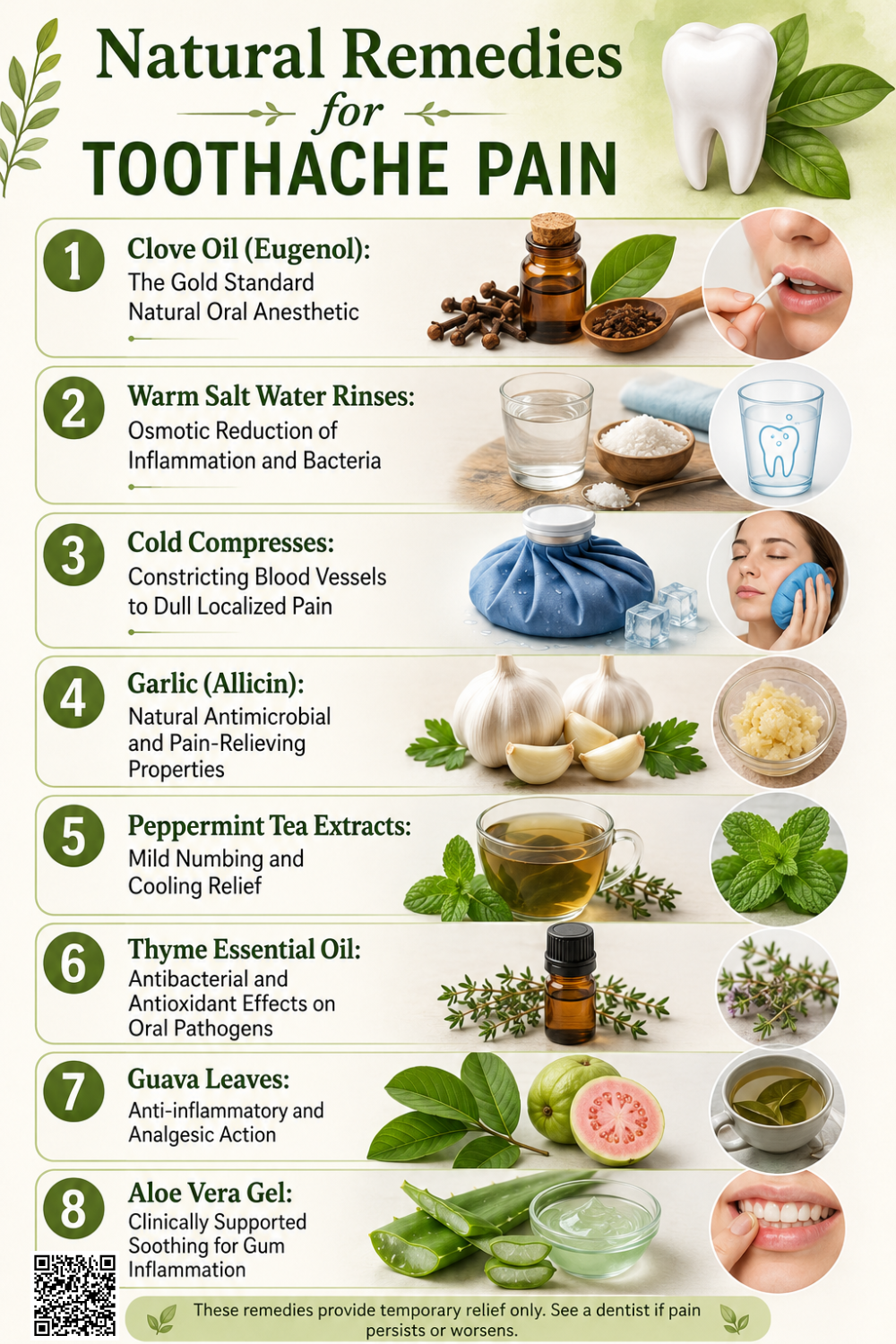
1. Clove Oil (Eugenol): The Gold Standard Natural Oral Anesthetic
How it may help
Eugenol, the primary active compound in clove oil, functions as a powerful natural pain-reliever and anti-inflammatory agent 7. It produces local numbing effects by temporarily altering specific nerve receptors, which effectively blocks the transmission of pain signals from the affected tooth directly to the brain 8.
What research says
Clinical studies demonstrate that eugenol significantly reduces nerve sensitivity and decreases tissue swelling to alleviate dental discomfort 9. Laboratory tests confirm it stops the growth and acid production of cavity-causing bacteria, preventing further tooth decay while simultaneously reducing existing pain 10.
How to use it safely
To safely apply, dilute pure clove oil with a carrier fluid, like olive oil, preventing tissue damage 11. You should place a minimal amount directly on the affected tooth cavity using a sterile swab, avoiding surrounding healthy gums 12.
Potential precautions or side effects
Undiluted eugenol triggers localized allergic reactions, gum damage, or painful tissue burns 13. Swallowing excess oil risks severe internal toxicity 14.
2. Warm Salt Water Rinses: Osmotic Reduction of Inflammation and Bacteria
How it may help
Warm salt water acts as a natural hypertonic solution that draws excess fluid out of swollen tissues through osmosis 15. This fluid-draining action reduces pressure on the dental nerves, which helps alleviate toothache pain. Furthermore, the higher salt concentration disrupts the cellular environment of harmful oral bacteria, inhibiting their growth.
What research says
Clinical evidence demonstrates that sodium chloride solutions effectively reduce oral microbial loads and limit the accumulation of dental plaque 16. Research also indicates that short-term rinsing with low-concentration saline accelerates tissue repair and encourages the movement of healing cells, significantly promoting the recovery of oral wounds 17.
How to use it safely
To create a safe mouthwash, dissolve half a teaspoon of plain salt into eight ounces of warm water 18. Swish the solution gently around your mouth, focusing on the painful tooth, for thirty seconds before spitting it out. You can repeat this process three to four times daily.
Potential precautions or side effects
Avoid swallowing the mixture to prevent excess sodium intake. Furthermore, do not use overly concentrated solutions, as excessive salt can dry and irritate delicate oral tissues 19.
3. Cold Compresses: Constricting Blood Vessels to Dull Localized Pain
How it may help
Cold compresses applied to the cheek help alleviate toothache distress by rapidly cooling the local tissues and triggering pronounced vasoconstriction 20. This immediate narrowing of blood vessels temporarily restricts blood flow, which effectively diminishes localized inflammation, swelling, and numbs pain signaling from irritated dental nerves 21.
What research says
Scientific evidence demonstrates that cryotherapy effectively reduces acute pain intensity and decreases inflammatory markers in localized tissues 22. Clinical findings confirm that applying a cold stimulus to the skin causes sustained vessel narrowing through nerve activation, which significantly lowers tissue swelling and provides dependable relief from severe discomfort 23.
How to use it safely
Apply a commercial cold pack or a bag of crushed ice to the outside of your jaw near the painful tooth. You must always wrap the cold source in a cloth or towel to prevent direct skin contact 24. Restrict each application strictly to 15 or 20 minutes.
Potential precautions or side effects
Prolonged or direct ice exposure can severely damage facial tissues, causing frostbite, restricted blood supply, and painful skin conditions like cold-induced fat inflammation 25.
4. Garlic (Allicin): Natural Antimicrobial and Pain-Relieving Properties
How it may help
Crushing garlic releases allicin, an active compound recognized for its natural antibacterial properties 26. This substance actively fights specific oral bacteria that cause tooth decay and infections. By reducing this bacterial buildup, garlic can help ease the discomfort and swelling associated with a painful toothache.
What research says
Scientific evidence confirms that allicin effectively stops the growth of common mouth bacteria, including strains primarily responsible for dental cavities and gum disease 27. Research highlights that garlic extract significantly lowers bacterial activity in the mouth, supporting its traditional use for dental pain relief 28.
How to use it safely
To use this remedy safely, crush a fresh garlic clove to activate the allicin. You may mix it with a small pinch of salt and apply the paste directly onto the affected tooth. Leave it on for a few minutes, then rinse your mouth thoroughly with warm water.
Potential precautions or side effects
Raw garlic can cause severe chemical burns if left on your gums too long 29. Stop using it immediately if you experience a burning sensation 30.
5. Peppermint Tea Extracts: Mild Numbing and Cooling Relief
How it may help
Peppermint tea extract acts as a mild natural anesthetic due to its active compound, menthol 31. Applied to an aching tooth, it triggers a cooling sensation that temporarily desensitizes local nerves to reduce pain signals. Menthol provides natural anti-inflammatory and antibacterial benefits that soothe irritated gums 32.
What research says
Scientific data confirms that peppermint extracts possess potent analgesic, antibacterial, and anti-inflammatory properties beneficial for managing oral ailments 33. These plant-based remedies effectively suppress the proliferation of oral pathogens and reduce local inflammation, establishing their therapeutic efficacy in modern herbal dentistry 34.
How to use it safely
Steep a plain peppermint tea bag in hot water, allow it to cool completely, and gently press the damp bag against the affected tooth. Alternatively, swish the cooled tea as an oral rinse. Utilize this strictly as a temporary measure before securing professional dental care.
Potential precautions or side effects
Peppermint preparations can provoke localized mucosal irritation or allergic contact dermatitis in susceptible individuals 35. Discontinue use and consult a dentist if your symptoms persist.
6. Thyme Essential Oil: Antibacterial and Antioxidant Effects on Oral Pathogens
How it may help
Thyme essential oil contains compounds like thymol that possess potent antibacterial and antioxidant properties. It targets oral pathogens responsible for tooth decay and gum disease, which are primary sources of dental pain. By reducing bacterial loads and soothing tissue inflammation, this natural agent temporarily alleviates severe toothache discomfort.
What research says
Studies confirm that Thymus vulgaris extract exhibits significant antibacterial effects against cavity-causing microbes, reducing both plaque and localized inflammation. Evidence shows that thyme oil effectively inhibits oral pathogen growth and disrupts harmful dental biofilms. The essential oil is also widely recognized for neutralizing oxidative stress.
How to use it safely
Never apply undiluted thyme essential oil directly to your teeth or gums, as high concentrations can damage oral tissues. You must always dilute a single drop in a carrier liquid, like coconut oil, before application. Alternatively, mix one drop into warm water as a soothing daily mouthwash.
Potential precautions or side effects
Using concentrated thyme oil can cause severe mucosal burning, tissue irritation, or allergic reactions. You must strictly avoid swallowing the oil to prevent gastrointestinal upset and systemic toxicity.
7. Guava Leaves: Anti-inflammatory and Analgesic Action
How it may help
Guava leaves contain potent bioactive compounds, including flavonoids like quercetin, which provide strong anti-inflammatory and pain-relieving effects 36. These natural properties reduce tissue swelling by inhibiting the release of inflammatory mediators around the affected tooth 37. Additionally, their antibacterial action actively suppresses plaque-causing pathogens, minimizing further dental irritation 38.
What research says
Scientific evidence demonstrates that guava leaf extracts exhibit significant antinociceptive responses comparable to common synthetic analgesics 39. Scientific evaluations also confirm that bioactive fractions in the leaves successfully decrease the expression of pro-inflammatory enzymes, which effectively controls periodontal infections and associated dental pain without causing cellular toxicity 40.
How to use it safely
You can manage mild dental discomfort by thoroughly washing fresh guava leaves and gently chewing them until the therapeutic juices release. Alternatively, you may boil crushed leaves in water to create a natural mouthwash that can be swished gently around the painful area daily 41.
Potential precautions or side effects
While generally safe, prolonged use of concentrated guava leaf extracts or rinses may cause minor temporary taste alterations or superficial dental staining 42. Discontinue use if oral irritation occurs.
8. Aloe Vera Gel: Clinically Supported Soothing for Gum Inflammation
How it may help
Aloe vera gel contains specialized natural compounds, such as acemannan, which actively reduce redness and swelling in infected gum tissues 43. Its inherent antibacterial enzymes simultaneously target the bacteria responsible for tooth decay, helping to clean the affected area and ease throbbing dental discomfort 44.
What research says
Scientific studies confirm that pure aloe vera applications significantly decrease signs of gum inflammation and bleeding when compared to standard treatments 45. Evidence also demonstrates that its active chemical structures accelerate cellular healing within the mouth, proving it to be a highly effective topical aid for soothing periodontal pain 46.
How to use it safely
You should obtain 100% pure, food-grade aloe vera gel that does not contain added sugars or chemical preservatives. Gently apply a small amount directly onto the sore tooth and surrounding gums using a clean finger or cotton swab, leaving it in place to soothe the area 47.
Potential precautions or side effects
Although generally safe, individuals with known allergies to plants in the lily family, such as onions or garlic, may experience mild oral allergic reactions upon application 48.
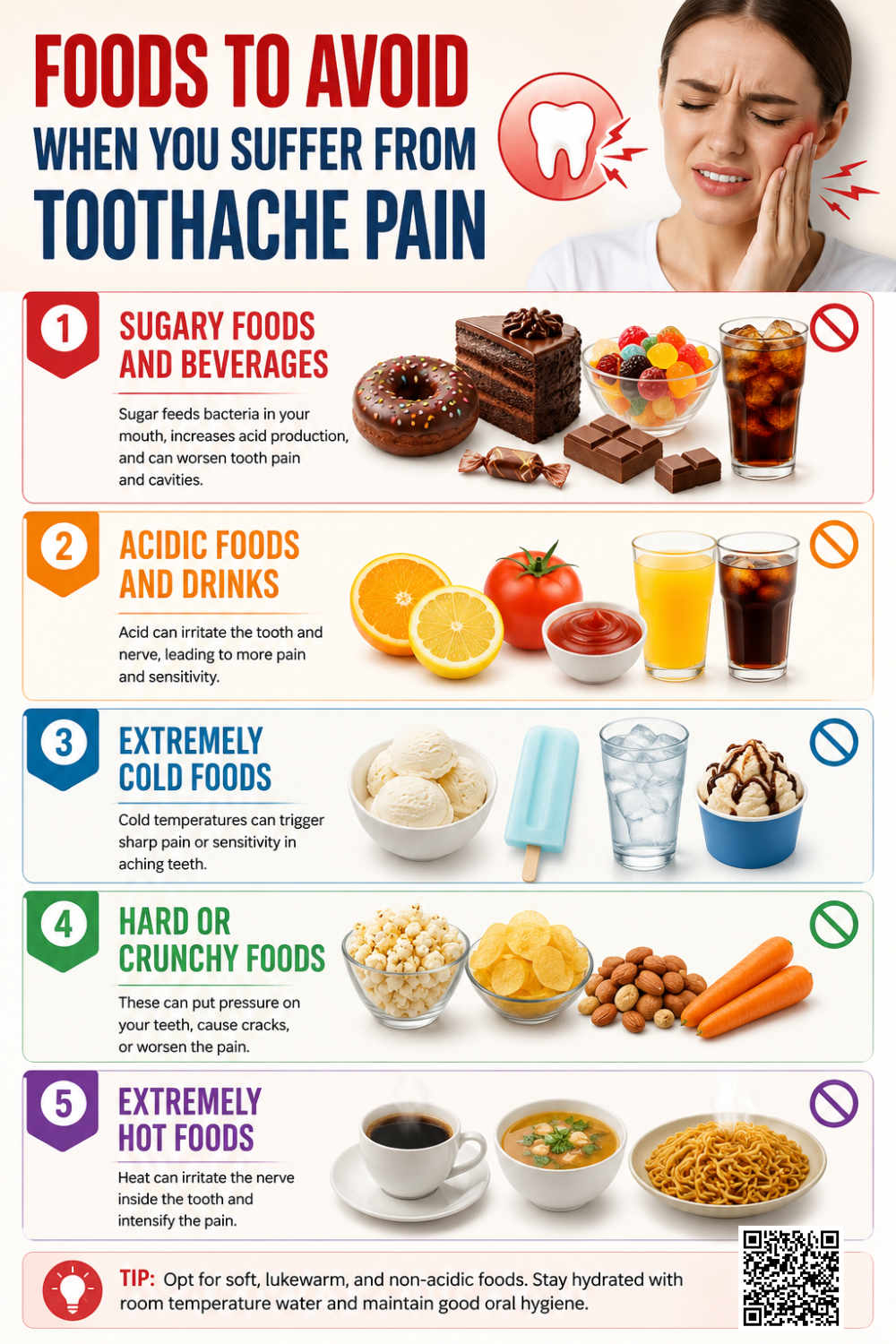
1. Sugary Foods and Beverages
Bacteria in your mouth metabolize dietary sugars to produce acids that destroy enamel and dentin, leading to cavities and severe toothache pain. 49, 50
2. Acidic Foods and Drinks
Citrus juices and sports drinks cause dental erosion by demineralizing the enamel. This strips the tooth’s protective layer, worsening hypersensitivity. 51, 52
3. Extremely Cold Foods
Cold stimuli trigger a rapid outflow of fluid within exposed dentin tubules, activating nerves and causing an immediate, sharp pain response. 53, 54
4. Hard or Crunchy Foods
Biting hard foods like ice or nuts can damage the enamel and worsen cracked tooth syndrome, triggering spontaneous or bite-related pain. 55, 56
5. Extremely Hot Foods
Heat induces pressure changes across the dentin, triggering baroreceptors near the pulp. This provokes severe, lingering pain if you have underlying pulpal inflammation. 57, 58
When To See a Doctor When You Have a Toothache
1. Persistent, Severe Pain
Seek immediate medical attention if your toothache is severe, throbbing, and does not subside after using over-the-counter pain medications for a few hours. 59, 60
2. Facial or Jaw Swelling
Swelling around the face, jaw, or neck often indicates a deep dental infection or abscess that requires urgent medical evaluation to prevent systemic spread. 61, 62
3. Presence of a Fever
A fever accompanying dental pain strongly suggests an active, spreading bacterial infection rather than localized tooth decay, warranting an immediate visit to a healthcare provider. 63, 64
4. Difficulty Swallowing or Breathing
If a toothache progresses to cause stridor, voice changes, or trouble swallowing, it may compromise the airway. This is a life-threatening medical emergency requiring immediate hospital care. 65, 66
5. Pain Persisting Over Two Days
Dental pain that lasts longer than 48 hours without improvement points to underlying pathology, such as irreversible pulpitis or tissue necrosis, which necessitates professional diagnosis and intervention. 67, 68
Comments
comments