

Causes of Toothache
1. Dental Caries (Tooth Decay)
The most common cause of a toothache occurs when oral bacteria break down sugars from food into acid, which progressively dissolves the hard outer enamel of the tooth. As this decay reaches the deeper layers, bacterial toxins irritate the central nerve tissue, leading to severe inflammation and continuous pain.
2. Pulpitis (Nerve Inflammation)
Physical trauma, deep decay, or chemical damage can cause the delicate nerve and blood vessel tissue inside the tooth to become inflamed. Because the tooth’s hard outer shell prevents outward swelling, the internal pressure builds up rapidly, creating either sharp pain during temperature changes or a constant, spontaneous ache that requires clinical intervention 4.
3. Periapical Abscess (Bacterial Infection)
If inflammation inside the tooth is left untreated, the inner tissue can die, allowing bacteria to spread through the bottom of the tooth root into the surrounding jawbone. This creates a painful, localized pocket of pus, causing a constant, throbbing sensation that typically worsens when biting down or applying pressure 5.
4. Cracked Tooth Syndrome
Small, incomplete fractures that run from the chewing surface down toward the root create microscopic pathways into the tooth structure. These cracks allow temperature changes and mechanical pressure to repeatedly stretch and compress the internal nerve endings, triggering a distinct, sharp pain when biting down or upon releasing bite pressure.
5. Dentin Hypersensitivity (Exposed Roots)
Receding gums or severe enamel wear can expose the softer underlying layer of the tooth, which contains thousands of microscopic tubes leading directly to the dental nerves. This physical exposure causes brief, sharp bursts of pain when the affected tooth comes into direct contact with hot, cold, acidic, or sweet foods 6.
6. Referred Pain (Non-Dental Causes)
In certain cases, entirely healthy teeth can ache because pain is radiating from nearby structures in the head or neck. Common medical conditions that frequently mimic the sensation of a localized toothache include sinus infections, temporomandibular joint (TMJ) disorders, and muscular tension in the face 7.
Symptoms of Toothache
1. Pain Characteristics
Patients typically experience discomfort that can be sharp, throbbing, or continuous. This pain may occur spontaneously without any external trigger or persist long after a stimulus is removed, which strongly indicates severe inflammation of the inner tooth nerve 8.
2. Thermal Sensitivity
A heightened sensitivity to hot or cold temperatures is a primary indicator of tooth distress. While brief sensitivity can occur with minor enamel wear, pain that lingers for several seconds to minutes after the temperature change indicates irreversible nerve damage within the tooth 9.
3. Pain upon Chewing or Pressure
Individuals frequently report a sharp or aching pain when biting down or applying pressure to the affected area. This mechanical sensitivity typically signifies that inflammation or a bacterial infection has spread beyond the tooth root into the surrounding jawbone and supportive ligaments 10.
4. Localized Swelling and Redness
Swelling of the gums adjacent to the painful tooth is a common clinical sign of localized infection. In advanced cases, this fluid buildup can extend into the face or neck, causing visibly altered facial symmetry and requiring immediate medical evaluation to prevent the infection from spreading further.
5. Systemic Signs (Fever and Fatigue)
When a bacterial infection from a severe tooth abscess spreads into the surrounding tissues, it can trigger a full-body immune response. This often presents as an elevated body temperature (fever), a general sense of fatigue, and swollen lymph nodes in the jaw or neck area 11.
6. Bad Taste or Odor
A sudden, foul-tasting discharge in the mouth is frequently associated with an advanced toothache. This occurs when an infected, pressurized pocket of pus (abscess) ruptures, releasing bacteria and cellular debris into the oral cavity, which simultaneously causes persistent bad breath.
Natural Remedies for Toothache
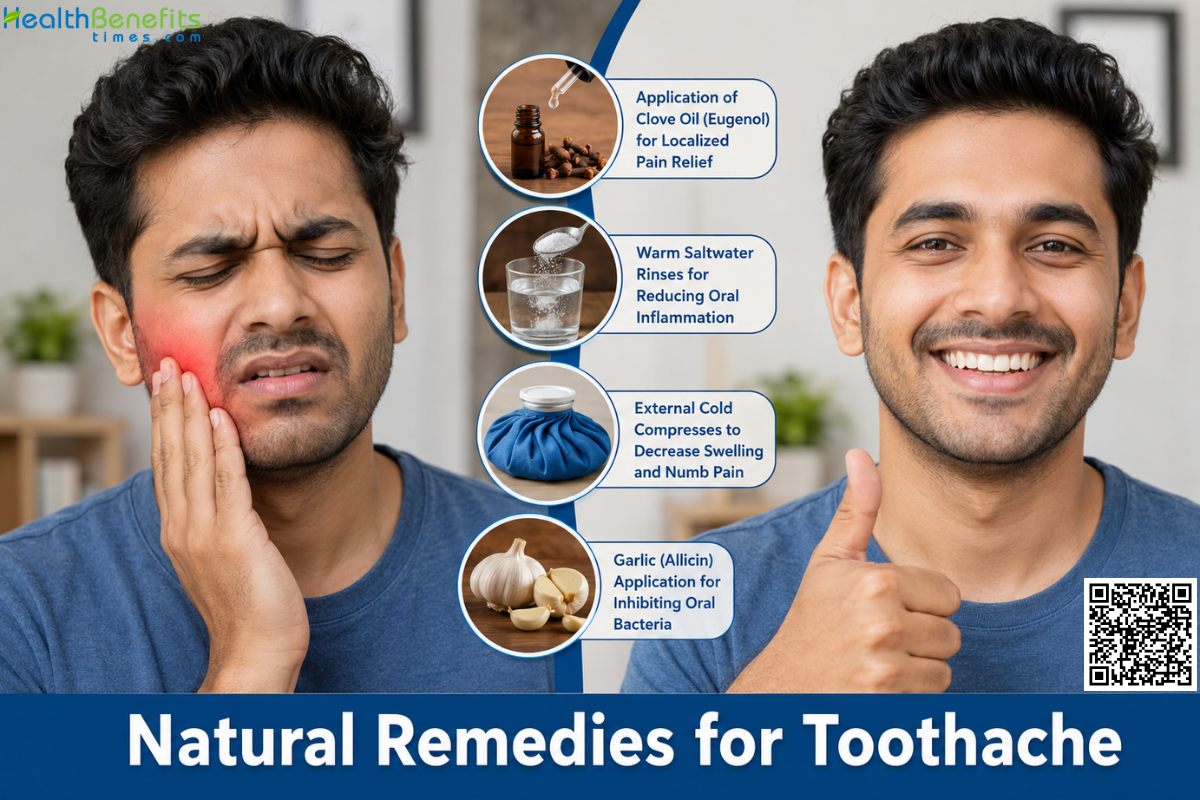
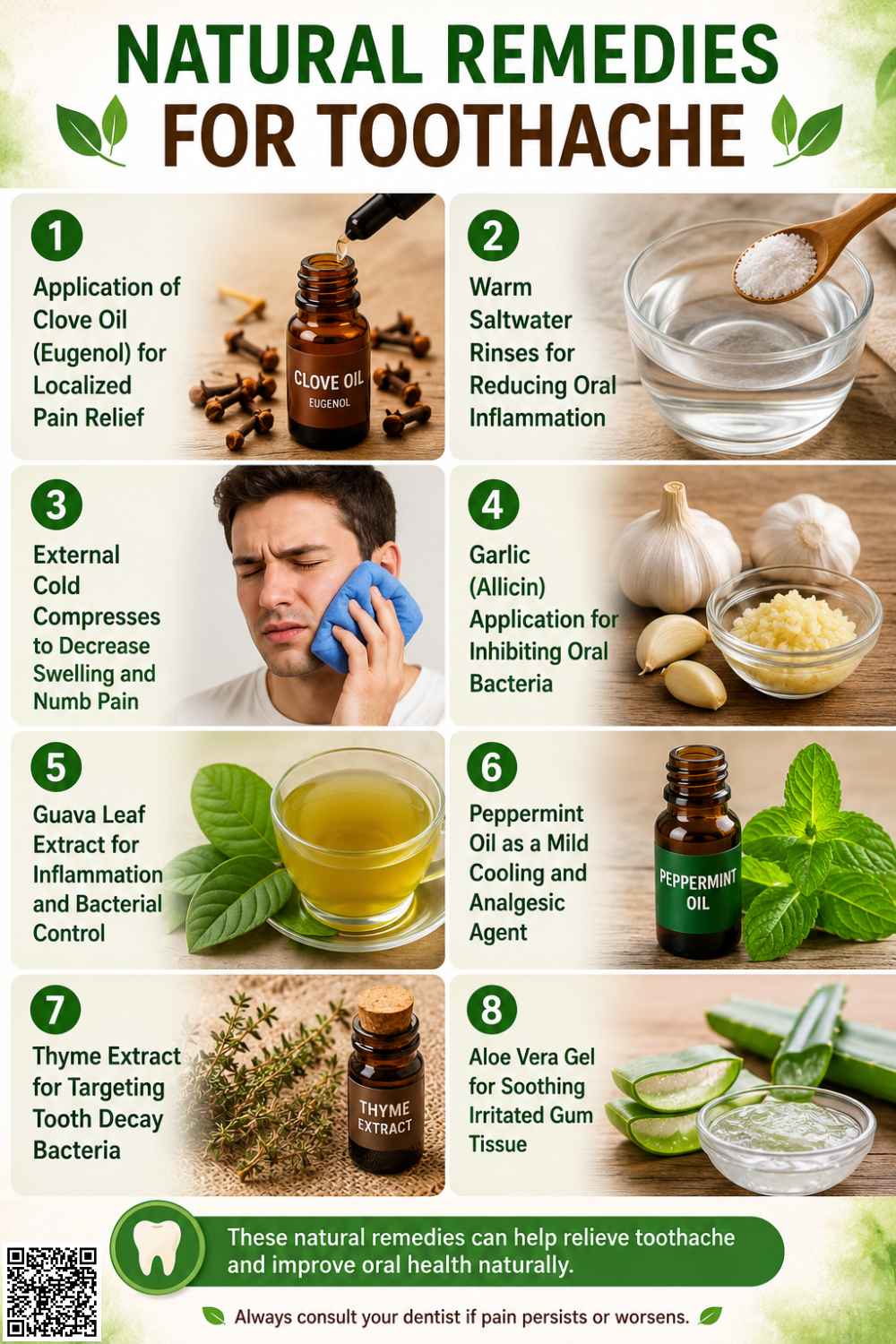
1. Application of Clove Oil (Eugenol) for Localized Pain Relief
How it may help
Clove oil contains eugenol, a natural compound that acts as a mild anesthetic and antibacterial agent. It helps control toothaches by temporarily numbing the nerve endings in the affected tooth, effectively blocking pain signals and reducing local tissue inflammation 12.
What research says
Clinical studies confirm that eugenol significantly reduces dental pain and inflammation. Research concludes that its topical numbing effect performs comparably to common chemical anesthetics like benzocaine, validating its use as a temporary pain management strategy prior to dental care 13.
How to use it safely
To use it safely, dilute one or two drops of clove oil into a gentle carrier oil, such as olive oil. Apply the mixture to a cotton swab and carefully dab it directly onto the aching tooth, avoiding the surrounding gums.
Potential precautions or side effects
Applying undiluted clove oil can severely burn gum tissue and damage oral nerves. Swallowing the oil may cause extreme digestive upset, breathing difficulties, or liver toxicity 14.
How it may help
A warm saltwater rinse functions as a natural disinfectant and osmotic agent. It draws excess fluid out of inflamed gum tissues, reducing swelling and relieving pressure on sensitive dental nerves. Additionally, the mechanical action of rinsing clears away trapped food particles and dilutes bacterial toxins around the affected tooth 15.
What research says
Clinical studies demonstrate that saline rinses effectively reduce oral inflammation and promote tissue healing. Research concludes that hypertonic salt solutions temporarily elevate oral pH, creating an alkaline environment that inhibits the growth of decay-causing bacteria and aids in managing localized gingival infections.
How to use it safely
Dissolve half a teaspoon of regular table salt into a glass of warm water. Take a mouthful and swish the solution gently around the aching tooth for about thirty seconds before spitting it out. You can repeat this process up to four times daily.
Potential precautions or side effects
Do not swallow the mixture, as ingesting excess salt can cause stomach upset and dehydration. Additionally, ensure the salt is fully dissolved to prevent scratching the tooth enamel.
3. External Cold Compresses to Decrease Swelling and Numb Pain
How it may help
Applying a cold compress to the outside of the cheek creates a rapid drop in tissue temperature. This localized cooling constricts blood vessels, reducing blood flow to the area, which physically diminishes swelling and eases the painful pressure placed on inflamed dental nerves.
What research says
Clinical studies confirm that localized cryotherapy effectively manages acute dental edema and pain. Research demonstrates that lowering tissue temperature reduces local metabolic activity and significantly slows nerve conduction velocity, which collectively disrupts the transmission of pain signals and limits the inflammatory response 16.
How to use it safely
Wrap a small bag of crushed ice or a frozen gel pack in a clean cloth. Press it gently against the outside of your cheek over the aching tooth. Hold the compress in place for fifteen minutes, then remove it for at least fifteen minutes before reapplying.
Potential precautions or side effects
Never apply bare ice directly to the skin, as it can cause frostbite and severe tissue damage. Prolonged, continuous cold exposure may also result in temporary facial nerve irritation.
4. Garlic (Allicin) Application for Inhibiting Oral Bacteria
How it may help
Crushed garlic releases allicin, an organic compound that functions as a natural antimicrobial agent. When applied directly to a decayed tooth, allicin targets and destroys the bacteria responsible for dental infections, thereby reducing the localized bacterial load and easing the associated inflammatory pain 17.
What research says
Clinical research demonstrates that allicin extracts exhibit significant antibacterial activity against oral pathogens, including the primary bacteria that cause tooth decay. Studies conclude that garlic preparations effectively suppress bacterial growth and reduce dental biofilm formation, serving as a viable intervention for localized oral infections 18.
How to use it safely
Crush a fresh garlic clove to release its active compounds and mix it with a small pinch of salt. Gently apply this paste directly onto the affected tooth. Leave it in place for a few minutes, then rinse your mouth thoroughly with warm water.
Potential precautions or side effects
Prolonged contact with raw garlic can cause severe chemical burns to sensitive gum tissues 19. It also frequently causes strong, lingering bad breath and a temporary oral burning sensation.
5. Guava Leaf Extract for Inflammation and Bacterial Control
How it may help
Guava leaves contain natural anti-inflammatory and antibacterial compounds, such as flavonoids and essential oils. Applying the extract or chewing the leaves helps reduce gum swelling, relieves localized pain, and prevents decay-causing bacteria from sticking to the tooth surface to form plaque 20.
What research says
Clinical studies demonstrate that guava leaf extract significantly inhibits the growth of oral bacteria, including those responsible for cavities and severe gum infections. Research confirms that its active compounds reduce tissue inflammation and block bacterial adhesion, effectively supporting dental health and temporary pain management 21.
How to use it safely
Thoroughly wash fresh, young guava leaves. You can gently chew one or two leaves until their juice reaches the painful tooth. Alternatively, boil five crushed leaves in a cup of water, allow the liquid to cool completely, and use it as a soothing mouthwash.
Potential precautions or side effects
Guava leaf preparations are generally considered very safe for topical oral use. However, you should avoid swallowing large amounts of the concentrated liquid, as it may cause mild stomach upset.
6. Peppermint Oil as a Mild Cooling and Analgesic Agent
How it may help
Peppermint oil contains menthol, a natural compound that provides an immediate cooling sensation when applied to oral tissues. This cooling effect acts as a mild analgesic, temporarily numbing the sensitive nerve endings within an aching tooth and easing localized discomfort while offering minor antibacterial benefits 22.
What research says
Clinical research indicates that peppermint oil exhibits notable antibacterial properties against common oral pathogens responsible for tooth decay. Studies conclude that the menthol within the oil successfully disrupts pain signal transmission, confirming its utility as a temporary, topical pain-relieving agent for minor dental discomfort 23.
How to use it safely
Dilute two drops of peppermint essential oil into a teaspoon of a gentle carrier oil, such as olive oil. Soak a cotton swab in this mixture and dab it directly onto the aching tooth. Alternatively, press a slightly warm, wet peppermint tea bag against the area.
Potential precautions or side effects
Applying undiluted peppermint oil can severely irritate delicate oral tissues. Swallowing large amounts of the concentrated oil may lead to digestive upset, heartburn, and mild toxicity 24.
7. Thyme Extract for Targeting Tooth Decay Bacteria
How it may help
Thyme extract contains thymol, a powerful natural compound known for its strong antibacterial properties. When applied to an aching tooth, it helps neutralize the specific bacteria responsible for tooth decay and gum infections. This action reduces the localized bacterial load and helps diminish the surrounding tissue inflammation.
What research says
Clinical studies confirm that thyme essential oil and its main component, thymol, possess significant antimicrobial activity against major oral pathogens. Research concludes that these compounds effectively inhibit the growth of decay-causing bacteria and reduce oral biofilms, validating their use in managing localized dental infections 25.
How to use it safely
Dilute one drop of thyme essential oil into a teaspoon of a gentle carrier oil, such as olive oil. Use a cotton swab to apply the mixture directly to the affected tooth. Alternatively, add a single drop to a small glass of warm water to use as a mouthwash.
Potential precautions or side effects
Never apply undiluted thyme oil, as it can cause severe irritation and chemical burns to sensitive oral tissues. Do not swallow the oil, as it can cause stomach upset.
8. Aloe Vera Gel for Soothing Irritated Gum Tissue
How it may help
Aloe vera gel contains natural anti-inflammatory compounds and antibacterial agents, such as anthraquinones. When applied to inflamed oral tissues, it helps soothe swollen gums and reduces localized bacterial growth, which collectively eases the discomfort associated with a toothache or minor gum injury.
What research says
Clinical research demonstrates that aloe vera effectively reduces gingival inflammation and inhibits the bacteria responsible for dental plaque. Studies conclude that its natural healing properties perform comparably to standard antimicrobial mouthwashes, making it a viable adjunctive treatment for soothing irritated oral tissues and managing mild dental infections 26.
How to use it safely
Extract a small amount of clear gel from a fresh aloe vera leaf or use a pure, food-grade aloe vera product. Gently apply and massage the gel directly onto the aching tooth and surrounding swollen gums. You can repeat this process a few times daily as needed.
Potential precautions or side effects
Aloe vera is generally safe for oral use, but it may cause allergic reactions in susceptible individuals. Avoid ingesting large amounts, as it can act as a strong laxative 27.
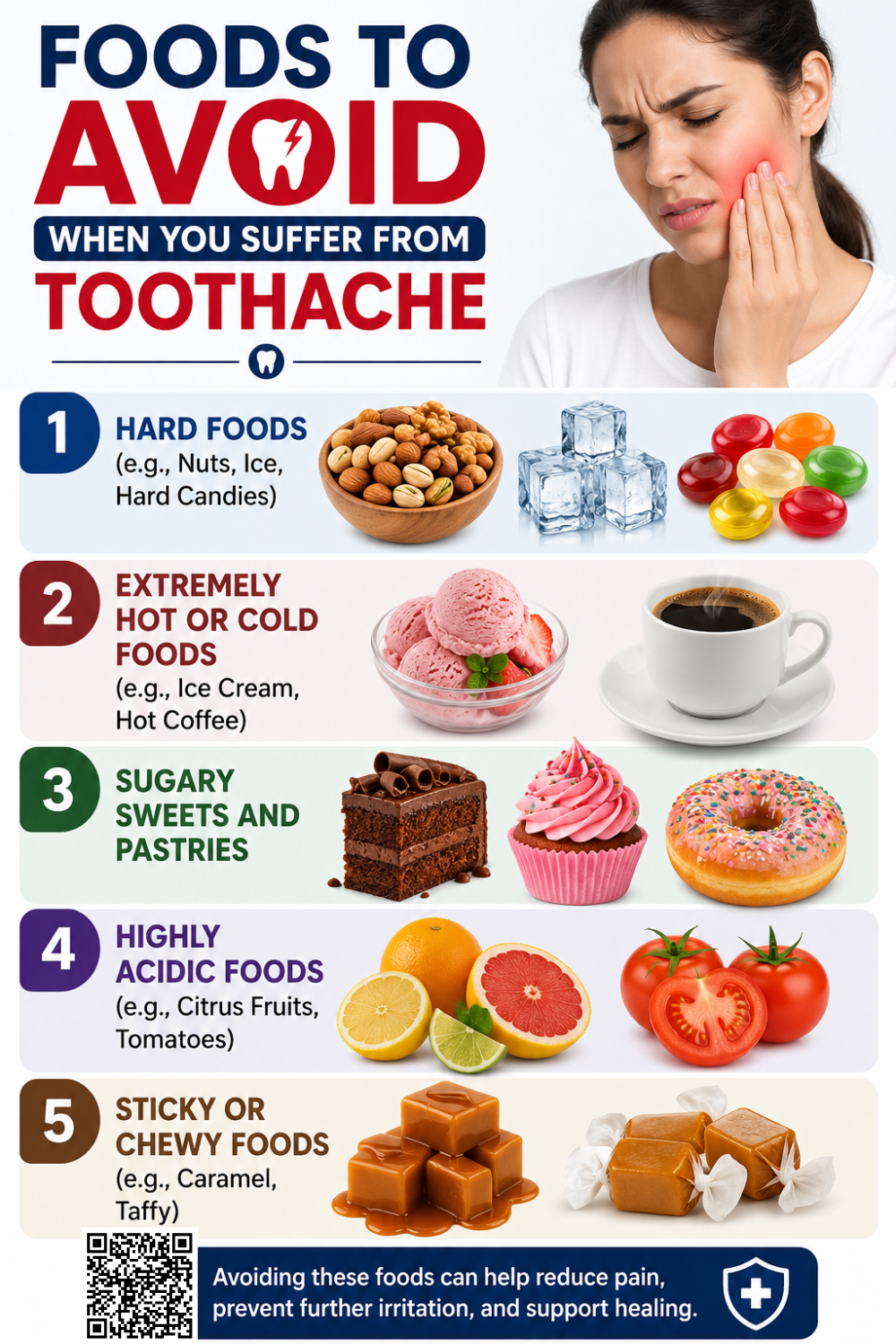
1. Hard Foods (e.g., Nuts, Ice, Hard Candies)
Biting hard items creates extreme mechanical pressure, which can exacerbate pain in inflamed dental ligaments and potentially fracture already weakened or decayed teeth.
2. Extremely Hot or Cold Foods (e.g., Ice Cream, Hot Coffee)
Extreme temperatures rapidly stimulate the inflamed dental pulp or exposed nerve endings in the dentin, triggering sharp, lingering pain characteristic of pulpitis.
3. Sugary Sweets and Pastries
Oral bacteria rapidly ferment dietary sugars into lactic acid. This acid immediately irritates exposed dental nerves and accelerates the underlying decay causing the infection.
4. Highly Acidic Foods (e.g., Citrus Fruits, Tomatoes)
Acidic foods directly irritate exposed, hypersensitive root surfaces and inflamed gum tissues. They also temporarily soften enamel, increasing vulnerability to further structural damage.
5. Sticky or Chewy Foods (e.g., Caramel, Taffy)
Sticky textures require prolonged chewing and exert strong pulling forces that can dislodge temporary restorations or cause sharp pain in structurally compromised teeth.
When To See a Doctor When You Suffer From Toothache
1. Prolonged Pain Duration
Seek professional evaluation if tooth pain persists beyond two days, as this typically indicates irreversible nerve damage or an active infection requiring clinical intervention.
2. Facial or Neck Swelling
Immediate medical attention is required if swelling extends into the face or neck, signifying a spreading bacterial infection that threatens surrounding deep tissues.
3. Fever and Systemic Symptoms
Consult a healthcare provider if a toothache is accompanied by a fever. This indicates a localized dental abscess has triggered a systemic immune response.
4. Difficulty Swallowing or Breathing
Go to an emergency department immediately if you experience trouble swallowing or breathing, as this represents a severe, life-threatening infection compromising the airway.
5. Foul-Tasting Oral Discharge
Visit a dentist promptly if you experience a sudden, foul-tasting fluid release. This happens when an infected, pressurized abscess ruptures directly into the mouth.
Comments
comments