

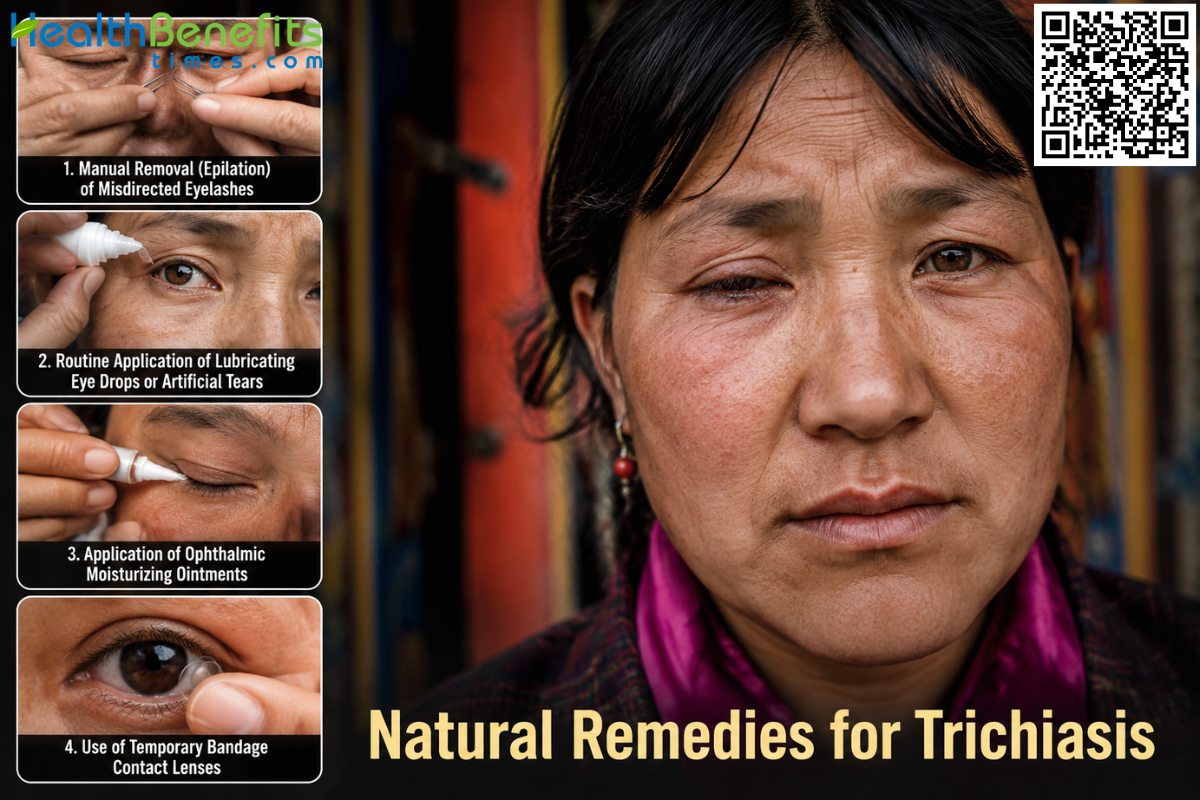
Causes of Trichiasis
- Trachoma (Bacterial Infection): Repeated infection with the bacteria Chlamydia trachomatis is the leading cause of the condition worldwide. These recurrent infections trigger intense inflammation that permanently scars the inner lining of the eyelid, which shrinks the tissue and forces the eyelid margin and eyelashes to pull inward against the eye 4.
- Chronic Eyelid Inflammation: Long-term inflammation of the eyelid margins, known as blepharitis, or severe allergic reactions like vernal keratoconjunctivitis, can alter the normal structure of the eyelash follicles. This chronic irritation eventually leads to scar tissue formation, which redirects normal eyelash growth toward the surface of the eye 1.
- Autoimmune Disorders: Rare diseases that cause the immune system to mistakenly attack healthy mucous membranes can result in severe eye scarring. Conditions such as ocular cicatricial pemphigoid and Stevens-Johnson syndrome destroy the delicate tissues around the eye, leading to a shrinking of the inner eyelid lining and the subsequent inward turning of the eyelashes 5.
- Physical Injury and Burns: Direct physical trauma to the eye or eyelid can disrupt the natural alignment of eyelash follicles. Severe chemical burns, thermal injuries from heat, and scar tissue resulting from previous eyelid surgeries can permanently distort the eyelid margin, forcing lashes to grow inward 1.
- Eyelid Tumors and Growths: The presence of malignant growths, such as basal cell carcinoma, or benign localized lumps like a chalazion (a blocked oil gland), can physically distort the anatomy of the eyelid. As these masses grow or collapse into scar tissue, they alter the direction of the eyelash follicles, causing them to point backward toward the cornea 6.
Symptoms of Trichiasis
- Foreign Body Sensation: Individuals frequently experience a constant, irritating feeling that something is trapped or scratching inside the eye. This occurs because the misdirected eyelashes physically scrape against the highly sensitive surface of the cornea with every blink 1.
- Eye Pain and Redness: The continuous friction from the eyelashes causes physical injury to the outer layers of the eye. This mechanical trauma triggers localized inflammation, leading to persistent eye pain and a bloodshot appearance of the sclera (the white part of the eye) 2.
- Excessive Tearing and Discharge: In response to the chronic physical irritation, the lacrimal glands overproduce tears to flush out the perceived irritant. This can be accompanied by a watery, mucoid, or pus-like discharge if the irritation progresses to a secondary bacterial infection 4.
- Abnormal Sensitivity to Light: The ongoing friction damages the protective corneal epithelial cells, causing corneal erosions. This erosion leaves the underlying nerves exposed, resulting in a painful intolerance or heightened sensitivity to bright light, known clinically as photophobia 1.
- Blurred Vision or Sight Loss: As the inward-growing lashes continue to scratch the eye over time, they cause open sores or corneal ulcers. If these ulcers heal with permanent scar tissue across the central line of sight, it directly impairs vision and can ultimately lead to irreversible blindness 2.
Natural remedies for Trichiasis
1. Manual Removal (Epilation) of Misdirected Eyelashes
How it may help
Plucking the misdirected eyelashes, medically known as epilation, provides immediate relief from eye irritation. By physically removing the specific eyelashes that are touching the eye, this method instantly stops the continuous scratching against the cornea, reducing pain, tearing, and the immediate risk of severe eye surface damage 1.
What research says
Clinical guidelines indicate that epilation is only a temporary management strategy rather than a permanent cure. Research confirms that plucked eyelashes typically grow back within four to six weeks. Furthermore, the regrown eyelashes are frequently shorter, thicker, and sharper, which can cause even more severe eye irritation upon their return 1.
How to use it safely
To ensure safety, a trained healthcare provider should perform epilation using a medical microscope. If you manage this at home, thoroughly clean your hands and use sterilized tweezers. Firmly grasp the offending eyelash at its base and pull smoothly to extract the entire root without breaking it 1.
Potential precautions or side effects
Frequent plucking can cause localized eyelid infections or follicle damage. Broken eyelashes leave behind sharp stubs that severely scratch the eye, increasing the risk of painful corneal ulcers 1.
2. Routine Application of Lubricating Eye Drops or Artificial Tears
How it may help
Applying artificial tears creates a smooth moisture barrier that directly lubricates the surface of the eye. This extra layer of moisture reduces the harsh physical friction caused by misdirected eyelashes rubbing against the delicate cornea. It instantly soothes burning sensations, reduces redness, and relieves the feeling of having a foreign object trapped inside the eye 7.
What research says
Clinical research concludes that while artificial tears cannot cure or reposition inward-growing eyelashes, they are a highly effective supportive treatment. Studies demonstrate that regular application significantly stabilizes the natural tear film, lowers mechanical stress on the eye surface, and prevents minor surface scratches from developing into severe corneal ulcers 8.
How to use it safely
Wash your hands thoroughly before handling the bottle. Gently pull down your lower eyelid, tilt your head back, and squeeze one drop into the eye without letting the tip touch it. If applying drops more than four times daily, strictly use preservative-free formulas to avoid chemical irritation 9.
Potential precautions or side effects
Frequent use of preservative-containing drops can worsen eye inflammation and damage healthy cells. Additionally, you may experience brief, temporary blurred vision immediately after applying thicker lubricating drops 9.
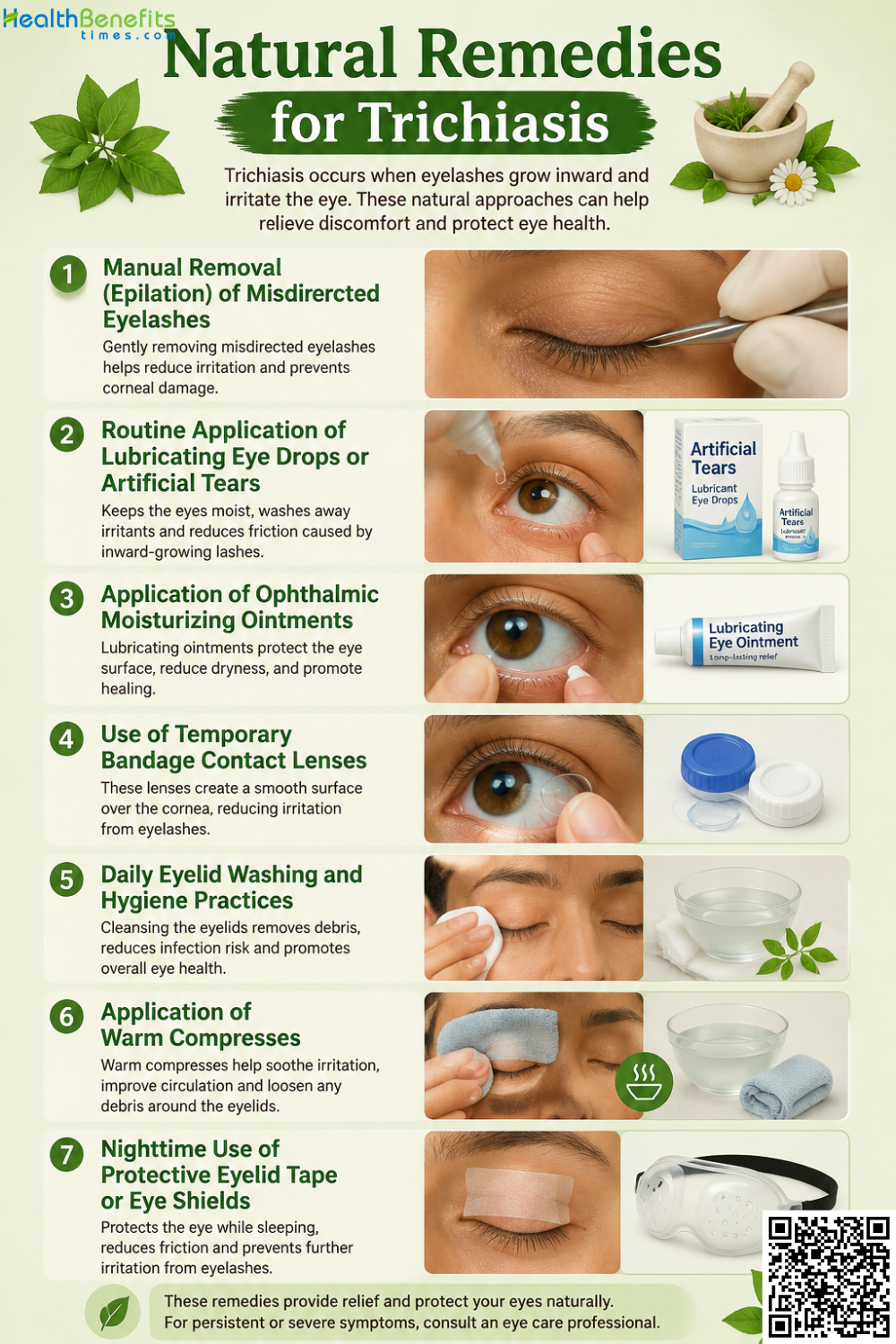
3. Application of Ophthalmic Moisturizing Ointments
How it may help
Ophthalmic ointments provide a thick, long-lasting physical barrier over the surface of the eye. By creating a dense layer of lubrication, they prevent misdirected eyelashes from directly scraping against the delicate cornea. This heavy moisture layer significantly reduces severe friction, nighttime eye pain, and the sensation of a trapped foreign object 10.
What research says
Clinical evidence shows that while ointments cannot correct the direction of eyelash growth, they are highly effective for managing symptoms and preventing secondary complications. Using thick moisturizing ointments, particularly during sleep, reduces mechanical trauma on the eye, protects against severe eye surface damage, and helps heal superficial scratches caused by the rubbing eyelashes 10.
How to use it safely
Wash your hands completely before application. Gently pull your lower eyelid downward to create a small pocket. Squeeze a tiny ribbon of ointment inside the pocket without letting the tube touch your eye. Blink slowly to spread the ointment evenly across the eye surface 10.
Potential precautions or side effects
Because ointments are thick, they temporarily cause blurred vision, making them best suited for nighttime use. Rarely, some individuals develop mild allergic reactions to the ingredients 10.
4. Use of Temporary Bandage Contact Lenses
How it may help
A bandage contact lens acts as a transparent physical shield over the eye. By completely covering the cornea, it stops misdirected eyelashes from directly scratching the delicate eye surface. This instantly reduces sharp pain, prevents further injury, and allows existing scratches to heal without constant irritation 11.
What research says
Clinical studies confirm that soft, highly breathable bandage contact lenses successfully manage pain and protect against structural damage in trichiasis patients. Research shows these specialized lenses allow oxygen to reach the eye while providing a safe environment for injured cells to heal rapidly before surgical correction is performed 11.
How to use it safely
Never attempt to use standard cosmetic contact lenses as a medical bandage. You must have an eye doctor insert a specific medical-grade lens. Follow their strict instructions for administering eye drops, avoid rubbing your eyes, and attend all follow-up appointments 11.
Potential precautions or side effects
Extended wear significantly increases the risk of severe bacterial eye infections. If you experience sudden worsening pain, blurred vision, or heavy discharge, immediately seek emergency medical care 11.
5. Daily Eyelid Washing and Hygiene Practices
How it may help
Daily eyelid hygiene removes built-up oils, harmful bacteria, and crusts that trigger severe eyelid inflammation. By keeping the eyelid margin consistently clean, this practice reduces the swelling and chronic irritation that force eyelashes to grow inward, helping to prevent the condition from worsening 12.
What research says
Clinical evaluations conclude that regular eyelid washing significantly lowers bacterial loads and inflammatory markers at the eyelash base. Research demonstrates that controlling this localized inflammation prevents further tissue scarring along the eyelid margin and stabilizes the natural tear film, which reduces overall eye discomfort 12.
How to use it safely
Wash your hands thoroughly first. Mix a few drops of mild, tear-free baby shampoo with warm water. Moisten a clean cotton swab or pad with the diluted solution, close your eye, and gently wipe horizontally across the base of your eyelashes 12.
Potential precautions or side effects
Never use harsh facial soaps or standard chemicals, as they will burn the eyes. Scrubbing the eyelids too aggressively can worsen inflammation and damage delicate skin 12.
6. Application of Warm Compresses
How it may help
Applying a warm compress melts hardened oils blocking the eyelid glands. This relieves localized swelling and chronic inflammation that can force eyelashes to grow inward, while also improving natural tear production to soothe the irritated eye surface 12.
What research says
Clinical evidence demonstrates that applying consistent, localized heat thins blocked glandular oils and stabilizes the protective tear film. Research concludes this routine therapy significantly decreases eyelid margin inflammation, lowering the risk of structural scarring that causes eyelashes to turn inward 8.
How to use it safely
Soak a clean washcloth in warm water and wring out the excess moisture. Close your eyes and gently rest the cloth over your eyelids for five to ten minutes. Reheat the cloth with warm water if it cools down 12.
Potential precautions or side effects
Always test the water temperature on your wrist to avoid burning delicate eyelid skin. Never apply heavy pressure to the closed eyes, as this can temporarily blur your vision 12.
7. Nighttime Use of Protective Eyelid Tape or Eye Shields
How it may help
Nighttime taping or the use of protective shields helps keep the eyelid margin pulled outward and away from the surface of the eye. By physically preventing the inward-growing lashes from rubbing against the cornea while you sleep, these methods significantly reduce nighttime irritation and prevent deeper damage to the eye during hours of unconscious movement 1.
What research says
Clinical guidance suggests that mechanical stabilization of the eyelid is a useful temporary strategy to protect the cornea. Research indicates that minimizing eyelid movement at night is essential for patients with severe symptoms, as it allows corneal scratches and sores the necessary time to recover without the persistent interruption of rubbing lashes 2.
How to use it safely
Ensure you use only hypoallergenic medical tape, not household adhesives. Gently pull the skin of the eyelid downward or upward depending on where the lashes turn inward and secure it to the skin of the cheek or brow so the lid remains slightly pulled away from the eye surface 1.
Potential precautions or side effects
Improper application can cause skin irritation or allergic reactions. Ensure the tape does not touch the eye directly, as this could cause severe damage or corneal abrasions.
Foods to Avoid When You Suffer from Trichiasis
1. Pro-Inflammatory Processed Foods
Highly processed snacks, refined sugars, and trans fats can increase systemic inflammation. Reducing these foods helps lower the risk of chronic eyelid margin swelling and irritation. 13

2. High-Sodium Foods
Excessive salt intake may contribute to fluid retention and puffiness around the eyes. Managing sodium levels can reduce eyelid swelling, which minimizes mechanical pressure on the eyelashes. 14
3. Known Allergic Triggers
Foods that trigger personal allergic responses can cause severe eye itching and inflammation. Avoiding individual allergens prevents the urge to rub your eyes, which exacerbates lash irritation. 15
4. Excessive Alcohol
Alcohol consumption leads to dehydration, which can worsen dry eye syndrome. Maintaining proper hydration is vital to ensure the eye surface remains protected from the friction of lashes. 7
When to See a Doctor When You Suffer from Trichiasis
1. Sudden Decline in Vision
Seek immediate medical evaluation if you notice blurred vision or a loss of sight, as this may indicate the development of a serious, permanent corneal ulcer. 1
2. Severe Eye Pain
Persistent or worsening pain that does not improve with standard lubrication warrants a professional exam to rule out deep corneal abrasions or infections. 2
3. Significant Light Sensitivity
Extreme discomfort in normal light, known as photophobia, suggests significant corneal surface damage requiring urgent clinical assessment by an eye care specialist. 1
4. Visible Pus or Thick Discharge
The presence of thick, colored discharge or heavy crusting indicates a potential bacterial infection that requires prescription antibiotic treatment to prevent long-term vision loss. 4
5. Failure of Home Management
If frequent epilation and lubricating drops fail to relieve irritation, consult a surgeon to discuss permanent options like cryotherapy or surgical correction of the eyelid. 1
Comments
comments