


Causes of Trichomoniasis
- Trichomoniasis is caused by a microscopic, single-celled protozoan parasite named Trichomonas vaginalis.
- The infection is transmitted primarily through direct sexual contact, including vaginal, oral, or anal intercourse with an infected partner.
- The parasite passes between individuals during genital-to-genital contact, such as from a penis to a vagina, a vagina to a penis, or a vagina to another vagina.
- Unprotected sexual activity, including having intercourse without using a barrier method like a condom, significantly increases the likelihood of acquiring or spreading the parasite.
- Individuals can transmit the infection to others even if they do not display any outward signs or symptoms of the disease.
Symptoms of Trichomoniasis
- The majority of individuals infected with the parasite do not experience any noticeable signs or symptoms.
- Women with symptoms may experience itching, burning, redness, or soreness of the genitals.
- Discomfort or pain during urination is common for women.
- Women may notice an abnormal vaginal discharge—such as clear, white, yellowish, or greenish fluid—that can be thin, increased in volume, or carry an unusual fishy odor.
- Having the infection can make sexual intercourse feel uncomfortable or unpleasant for women.
- Men with symptoms may experience itching or irritation inside the penis.
- Men may feel a burning sensation after urinating or ejaculating.
- Men can sometimes notice an unusual discharge coming from the penis.
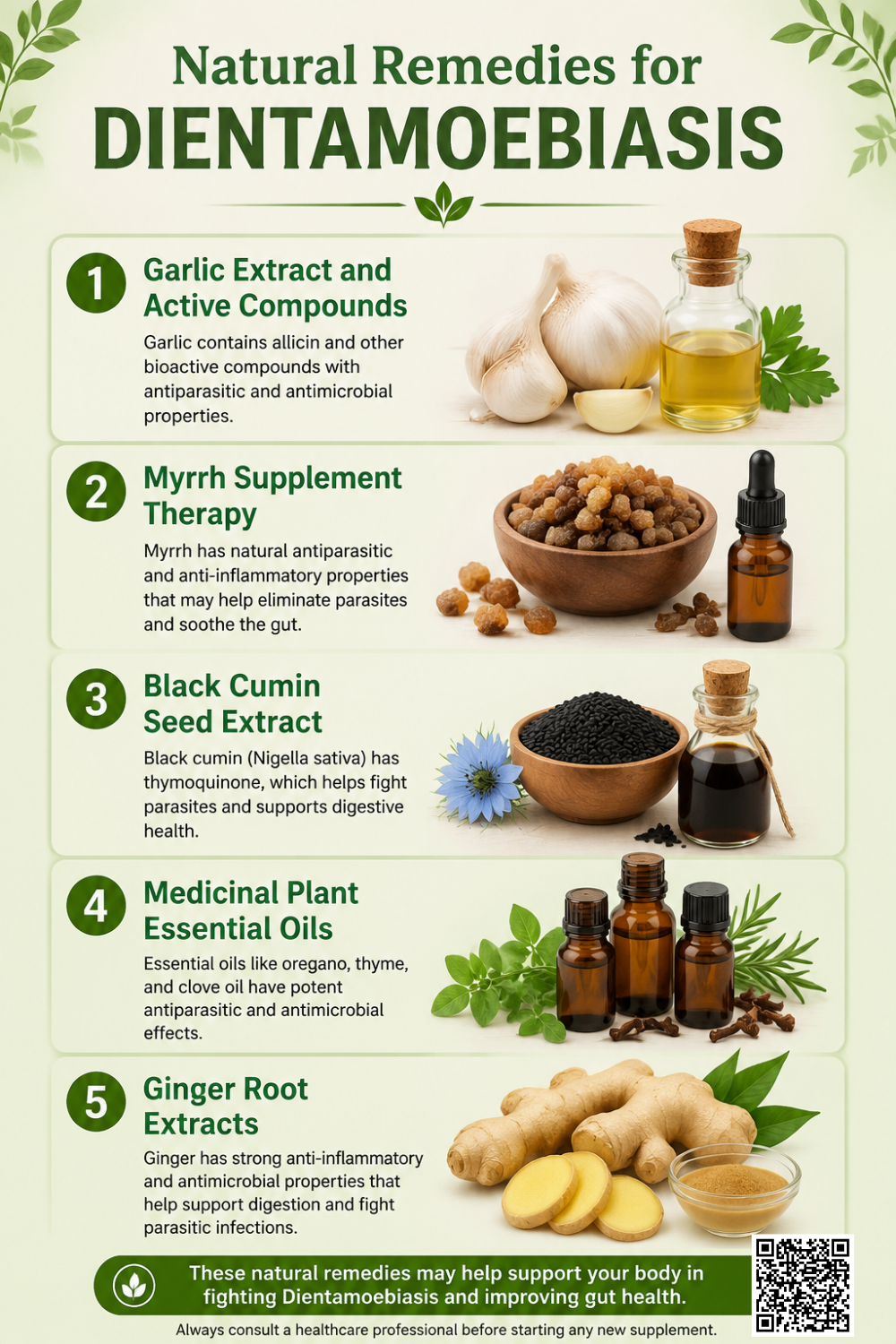
1. Garlic Extract and Active Compounds
How it may help
Garlic extract may help manage trichomoniasis due to its natural bioactive compounds, primarily allicin, which exhibit strong antimicrobial and antiprotozoal properties that target infectious microorganisms 4.
What research says
Scientific evaluations indicate that garlic derivatives can successfully inhibit parasite survival and activity 5, demonstrating a potential capacity to suppress Trichomonas vaginalis cell growth.
How to use it safely
You should consult a qualified healthcare provider before applying herbal preparations and utilize standardized botanical formulations according to professional medical guidance.
Potential precautions or side effects
As concentrated extracts may cause mucosal irritation, digestive discomfort, or adverse interactions with blood-thinning medications.
2. Myrrh Supplement Therapy
How it may help
Myrrh extract, derived from the oleo-gum resin of Commiphora molmol, may help manage trichomoniasis by utilizing natural plant compounds that exhibit specialized antimicrobial and antiparasitic actions against infectious protozoa 6.
What research says
Clinical evaluations indicate that botanical preparations of myrrh demonstrate promising therapeutic efficacy, particularly against drug-resistant strains of the parasite.
How to use it safely
When considering use, you should consult a qualified physician and follow strict clinical dosing protocols for botanical extracts.
Potential precautions or side effects
Exercise caution, as excessive doses may trigger gastrointestinal distress or localized allergic reactions.
3. Black Cumin Seed Extract
How it may help
Black cumin seed extract may help manage trichomoniasis due to active plant components, including specialized essential oils and fatty acids, which disrupt the cellular structure of infectious protozoa 7.
What research says
Scientific evaluations indicate that concentrated seed oil exhibits substantial toxic effects against parasite growth 8, effectively impairing the multiplication and survival of Trichomonas vaginalis.
How to use it safely
When considering use, you should consult a licensed healthcare practitioner and utilize standardized botanical preparations according to formal medical guidelines.
Potential precautions or side effects
Exercise caution, as high concentrations can cause skin sensitivity, stomach upset, or potential interactions with prescription medications.
4. Medicinal Plant Essential Oils
How it may help
Certain concentrated plant essential oils may help manage trichomoniasis because their active chemical constituents possess strong natural properties that disrupt the cellular structure and survival of infectious protozoa 9.
What research says
Scientific evaluations indicate that specific botanical extracts can successfully inhibit parasite growth and activity 10, demonstrating a potential capacity to suppress Trichomonas vaginalis viability without harming beneficial vaginal bacteria.
How to use it safely
When considering use, you should consult a qualified healthcare professional and strictly utilize professionally formulated, diluted preparations according to clinical oversight.
Potential precautions or side effects
Exercise caution, as concentrated oils can cause severe skin irritation, chemical burns, or local mucosal toxicity.
5. Ginger Root Extracts
How it may help
Ginger root extracts may help manage trichomoniasis because active biochemical compounds, such as gingerols and shogaols, exhibit strong natural properties that disrupt the survival of infectious protozoa 11.
What research says
Scientific evaluations indicate that concentrated ginger extracts can successfully inhibit parasite activity and induce programmed cell death in Trichomonas vaginalis.
How to use it safely
When considering use, you should consult a qualified healthcare professional and utilize standardized botanical preparations according to formal medical oversight.
Potential precautions or side effects
Exercise caution, as concentrated extracts may cause mild heartburn, stomach irritation, or potential interactions with blood-thinning therapies 12.
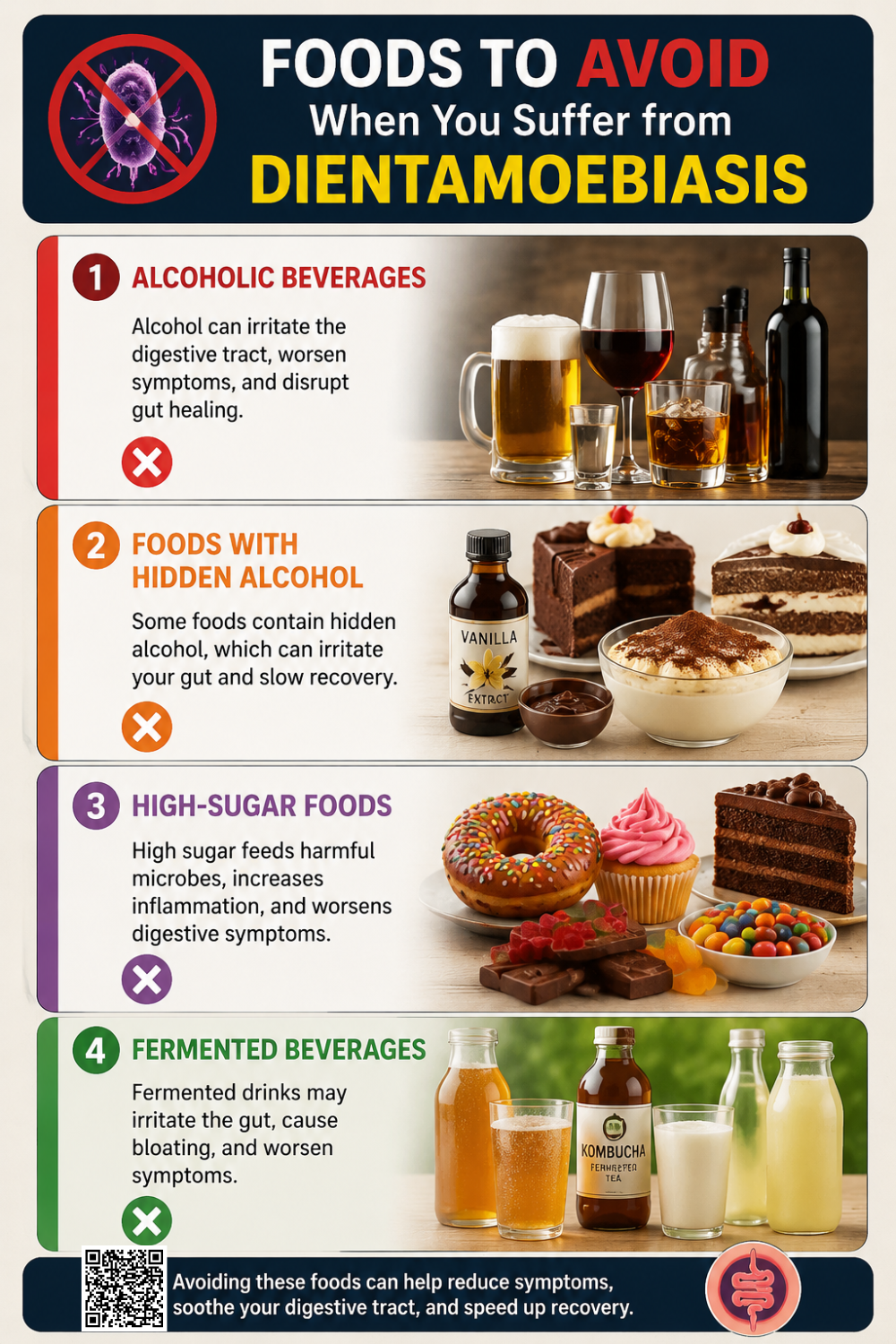
1. Alcoholic Beverages
Strictly avoid all alcohol. Consuming alcohol while taking standard antibiotics for trichomoniasis causes severe nausea, vomiting, headaches, and rapid heart rate due to a chemical drug interaction.
2. Foods with Hidden Alcohol
Avoid vanilla extract, wine-based marinades, and flambéed dishes. Even trace amounts of alcohol used in cooking can trigger intense physical reactions while undergoing standard anti-parasitic treatment.
3. High-Sugar Foods
Limit sugary snacks. Because medications for this infection disrupt healthy natural bacteria, consuming excess sugar increases your risk of developing a secondary yeast infection during recovery.
4. Fermented Beverages
Skip kombucha and similar home-fermented drinks. These products often contain trace levels of alcohol, which can negatively interact with prescribed antibiotics and cause severe abdominal discomfort.
When To see Doctor when you suffer from Trichomoniasis
1. Unusual Genital Discharge
See a doctor if you notice a sudden change in vaginal or penile discharge, especially if the fluid becomes noticeably frothy, yellow-green, or develops a strong, unpleasant odor.
2. Pain or Burning Sensations
Seek medical evaluation if you experience a burning sensation during urination or pain during sexual intercourse, as these are primary indicators of a localized parasitic infection.
3. Genital Irritation and Itching
Consult a healthcare provider if you develop persistent redness, swelling, soreness, or severe itching around the genital area that does not resolve on its own.
4. Partner Notification of Infection
You must visit a doctor immediately if a current or former sexual partner informs you they have tested positive for trichomoniasis, even if you feel completely normal.
5. Pregnant with Suspected Symptoms
Pregnant individuals experiencing any genital discomfort should seek urgent care, as untreated infections dangerously increase the risk of early labor and delivery complications.
Comments
comments