

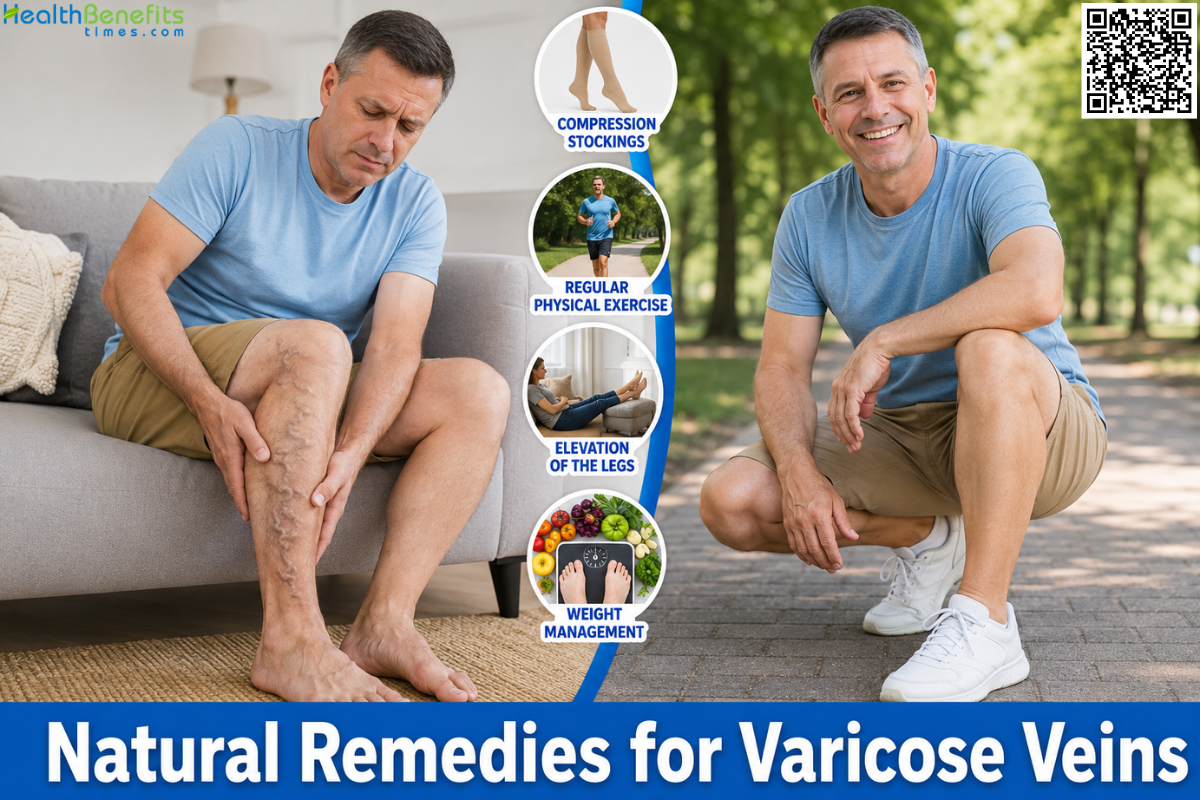
Causes of Varicose Veins
1. Weakened Vein Walls
As individuals age, veins naturally lose elasticity. This loss of structural integrity causes the vessels to stretch, which prevents the internal valves from closing properly and allows blood to flow backward 2.
2. Valve Dysfunction
The primary mechanism involves the failure of one-way valves designed to push blood against gravity toward the heart. When these valves are damaged or weakened, blood pools in the veins rather than returning to the heart 3.
3. Increased Venous Pressure
Conditions or activities that exert prolonged pressure on the veins, such as pregnancy, obesity, or occupations requiring extended periods of standing, force the veins to work harder, eventually leading to permanent dilation 4.
4. Genetic Predisposition
A family history of venous disease significantly increases the likelihood of developing varicose veins, indicating an inherited component related to the strength of vein walls and valve function.
5. Hormonal Influences
Hormonal changes occurring during puberty, pregnancy, and menopause, or those resulting from hormone replacement therapy, can relax vein walls, further contributing to the development of the condition.
Symptoms of Varicose Veins
1. Visible, Distended Veins
The most prominent indicator is the presence of veins that appear dark purple or blue, appearing twisted, swollen, and bulging on the surface of the skin, typically on the legs or feet 5.
2. Localized Pain and Aching
Many individuals report a persistent, dull ache or a sensation of heaviness in the legs, which often worsens after prolonged periods of standing or sitting.
3. Swelling and Edema
Fluid accumulation in the lower legs, ankles, and feet is common, particularly as the day progresses, due to the ineffective return of blood to the heart.
4. Skin Changes
Chronic venous congestion can cause the skin surrounding the affected veins to become dry, itchy, discolored (often reddish-brown), or hardened, a condition known as lipodermatosclerosis.
5. Sensory Irritation
Patients may experience sensations of throbbing, cramping, burning, or increased muscle fatigue in the lower legs, which are signs that venous pressure is affecting the surrounding tissues.
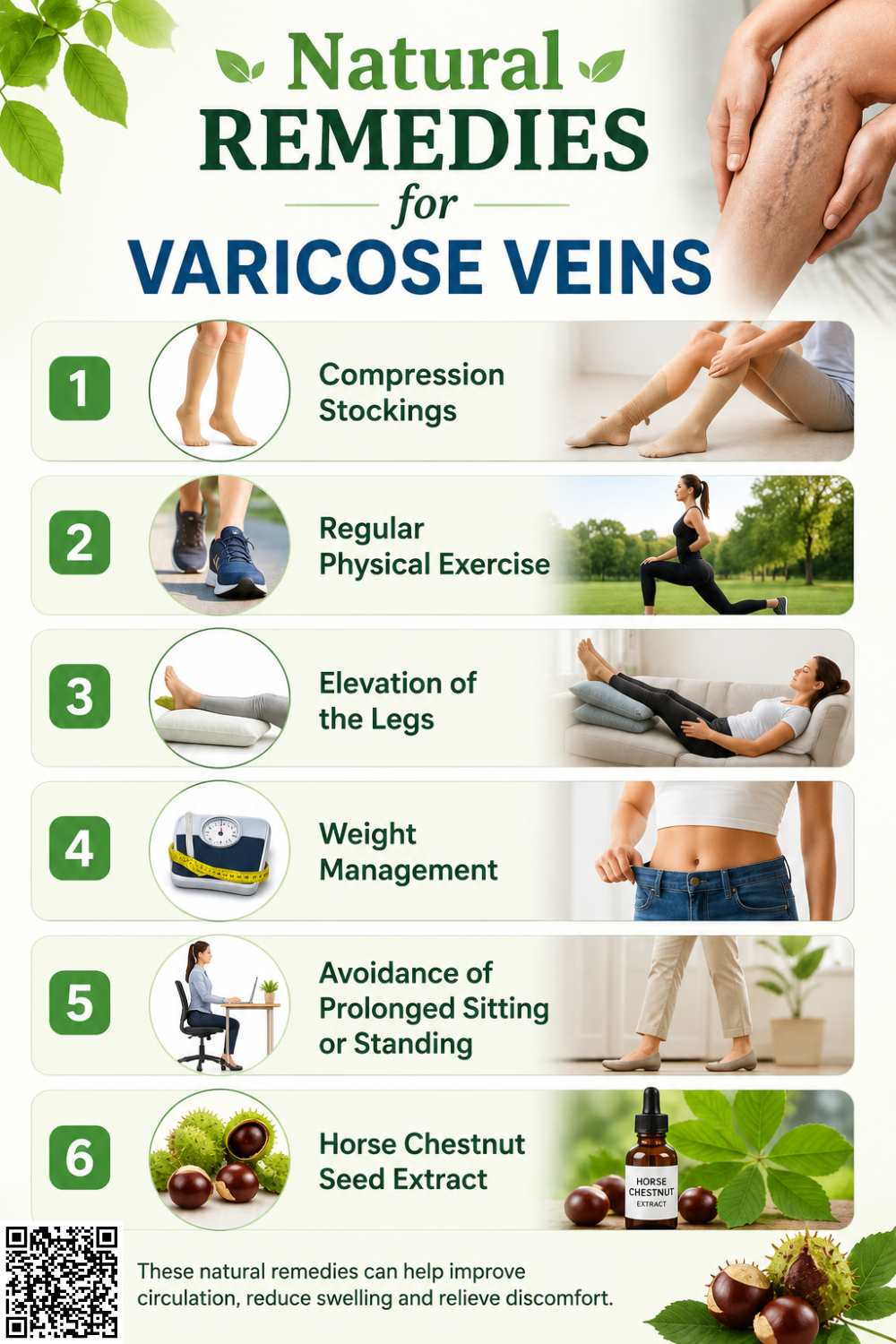
1. Compression Stockings
How it may help
Compression stockings apply steady, graduated pressure to the legs, which helps veins move blood back toward the heart more efficiently. This mechanical support reduces venous pooling and eases symptoms like swelling and aching, effectively preventing the condition from worsening over time 6.
What research says
Clinical evidence indicates that regular use of graduated compression stockings significantly improves venous hemodynamics and reduces the severity of symptoms associated with chronic venous disease. Research consistently identifies them as a primary, non-invasive intervention for managing both the discomfort and the progression of varicose veins in most patients 7.
How to use it safely
Ensure you are fitted by a healthcare professional to obtain the correct size and pressure level. Put the stockings on first thing in the morning when swelling is minimal, ensuring they are smooth and not bunched, and wear them consistently throughout the day.
Potential precautions or side effects
Avoid wearing stockings if you have severe peripheral artery disease or skin infections. Monitor for signs of skin irritation, numbness, or tingling, and contact your doctor if pain increases.
2. Regular Physical Exercise
How it may help
Physical activity strengthens the calf muscles, which act as a pump to help veins move blood back toward the heart against gravity. Regular movement improves overall circulation, reduces the pressure that builds up inside the veins, and helps prevent further swelling and discomfort in the lower legs.
What research says
Research shows that consistent, low-impact exercise is an effective strategy for managing symptoms of chronic venous disease. Clinical observations confirm that activities such as walking, cycling, or swimming enhance the function of the venous pump, which significantly decreases vein-related pain and improves overall quality of life for those with this condition 8.
How to use it safely
Focus on low-impact activities that engage the calf muscles without putting excessive strain on the joints. Start slowly and gradually increase your duration. If you feel any new pain or notice increased swelling after a workout, pause and consult your healthcare provider to adjust your routine.
Potential precautions or side effects
Avoid high-intensity activities that cause sharp pain. Stop immediately if you experience dizziness, chest discomfort, or severe leg pain during exercise and seek medical guidance.
3. Elevation of the Legs
How it may help
Elevating the legs uses gravity to assist blood flow from the lower extremities back toward the heart. By reducing venous pressure in the legs, this simple action helps decrease the pooling of blood, which in turn alleviates the swelling, discomfort, and heaviness associated with varicose veins.
What research says
Clinical evidence supports leg elevation as a highly effective, low-risk conservative management strategy for chronic venous insufficiency. Studies confirm that positioning the legs above the level of the heart for short, recurring periods throughout the day significantly reduces venous hypertension and improves the overall comfort and clinical status of symptomatic patients.
How to use it safely
Recline comfortably and place your legs on pillows or a wedge so your feet and ankles are positioned higher than your heart level. Perform this for 15 to 30 minutes several times daily, especially after long periods of standing or sitting, to maximize the benefit.
Potential precautions or side effects
Elevation is generally safe; however, individuals with heart failure or severe breathing difficulties should consult their doctor first to ensure this position does not negatively impact their condition.
4. Weight Management
How it may help
Maintaining a healthy weight reduces the physical burden on your veins by decreasing the pressure exerted on the lower extremities. Excess body weight compresses the veins, which hinders efficient blood circulation and forces the heart to work harder to return blood from the legs, thereby worsening vein swelling and associated symptoms.
What research says
Research establishes a strong correlation between elevated body mass index and the prevalence of chronic venous disease. Clinical findings demonstrate that achieving and maintaining a healthy weight can significantly lower venous pressure, reduce the severity of symptoms, and potentially slow the progression of venous damage in patients.
How to use it safely
Adopt a balanced, nutrient-dense diet and engage in regular, sustainable physical activity. Focus on gradual weight loss rather than rapid changes. Consult a healthcare provider or a registered dietitian to create a personalized, safe weight management plan that aligns with your specific health needs and physical capabilities.
Potential precautions or side effects
Avoid extreme or restrictive diets that may cause nutrient deficiencies. Consult your doctor before beginning any intensive weight loss program to ensure it is appropriate for your health.
5. Avoidance of Prolonged Sitting or Standing
How it may help
Staying in one position for long periods allows blood to pool in the lower leg veins due to the effects of gravity. By regularly changing positions or moving, the calf muscles contract, which helps pump blood back toward the heart and reduces the pressure buildup that leads to vein enlargement and discomfort.
What research says
Research indicates that prolonged immobility is a significant risk factor for the development and progression of venous disease. Studies confirm that integrating frequent movement, such as walking or changing posture throughout the day, promotes healthier blood flow and effectively reduces the clinical severity of symptoms in individuals at risk for venous congestion.
How to use it safely
Incorporate short, frequent breaks into your routine. Every 30 to 60 minutes, stand up, stretch, or walk for a few minutes to activate your calf muscles. If you must stand, occasionally shift your weight or perform heel raises to keep blood circulating effectively through your legs.
Potential precautions or side effects
Be mindful of your body’s signals; if you experience increased pain or swelling, increase the frequency of your movement breaks and seek advice from a medical professional.
6. Horse Chestnut Seed Extract
How it may help
Horse chestnut seed extract contains aescin, a compound that may help strengthen vein walls and reduce fluid leakage into surrounding tissues. By improving venous tone and elasticity, it potentially alleviates symptoms such as leg swelling, pain, and itching associated with chronic venous insufficiency.
What research says
Clinical research suggests that standardized horse chestnut seed extract can be as effective as compression stockings in reducing lower leg symptoms. Evidence indicates that it may improve blood flow and diminish signs of chronic venous insufficiency, though consistency in dosage and product quality is essential for achieving these therapeutic outcomes 9.
How to use it safely
Consult your healthcare provider before starting this supplement to ensure it is appropriate for you. Use only commercially prepared, standardized extracts, as raw or unprocessed horse chestnut seeds are toxic. Follow the dosage recommended by your doctor to ensure safe and effective use.
Potential precautions or side effects
Side effects can include dizziness, headache, or stomach upset. Consult a doctor immediately if you experience allergic reactions or have underlying liver or kidney conditions.
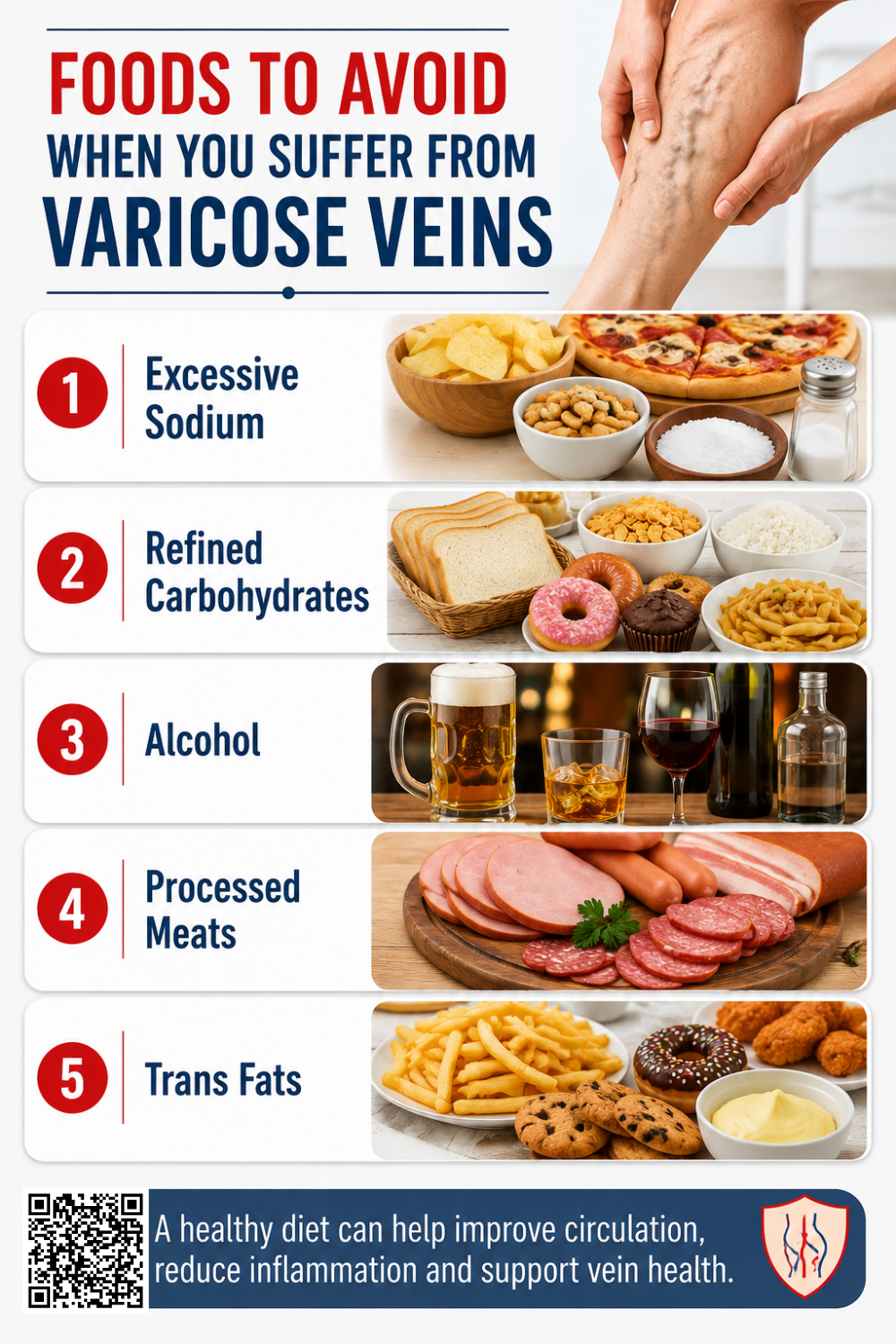
1. Excessive Sodium
High salt intake promotes water retention, which increases blood volume and puts additional pressure on the veins, often worsening existing swelling and discomfort in the lower extremities.
2. Refined Carbohydrates
Foods high in processed sugars and white flour can contribute to weight gain and inflammation, both of which stress the venous system and hinder healthy circulation.
3. Alcohol
Regular alcohol consumption may lead to dehydration and interfere with healthy circulation, potentially exacerbating the symptoms of venous insufficiency and increasing the appearance of spider and varicose veins.
4. Processed Meats
These items are typically very high in salt and saturated fats, which can negatively impact blood vessel health and contribute to the fluid retention that aggravates vein-related swelling.
5. Trans Fats
Found in many fried and commercially baked goods, trans fats are linked to systemic inflammation and reduced vascular integrity, potentially impairing the natural function of your vein valves.
When To See a Doctor When You Suffer from Varicose Veins
1. Severe Pain or Discomfort
If your varicose veins cause persistent pain, throbbing, or cramping that disrupts daily activities, clinical evaluation is required to assess for potential complications.
2. Skin Changes or Ulcers
Seek immediate medical attention if you notice skin discoloration, hardening, or open sores near the ankle, as these indicate advanced chronic venous insufficiency.
3. Bleeding from Veins
Because the skin over enlarged veins becomes thin, minor injuries can cause significant bleeding that requires prompt emergency medical intervention to stop blood loss.
4. Warm, Red, or Tender Veins
If a vein becomes red, warm to the touch, and highly sensitive, it may indicate a superficial blood clot or phlebitis requiring professional diagnosis 10.
5. Failure of Conservative Treatments
When compression stockings, regular elevation, and lifestyle modifications fail to provide symptom relief, consult a healthcare provider to explore advanced clinical or surgical treatments.
Comments
comments