

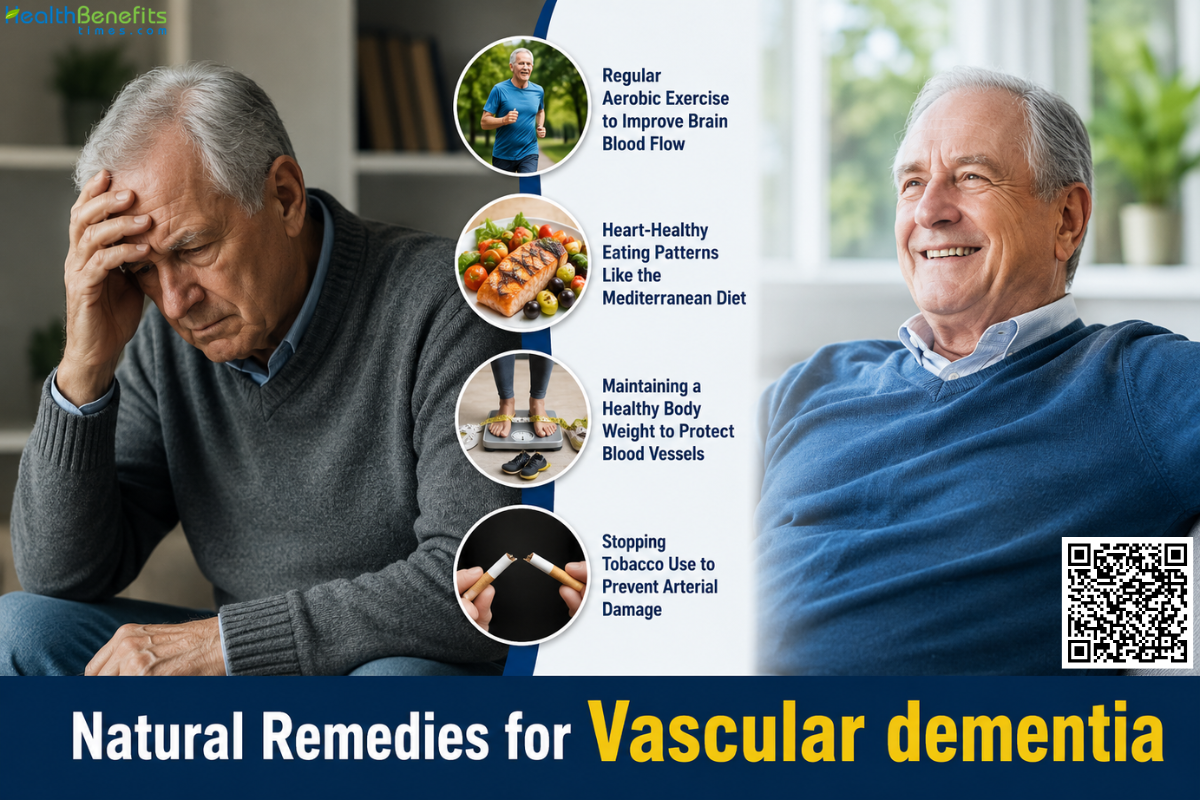
Causes of Vascular dementia
1. Major Strokes
A major stroke occurs when a blood clot completely blocks a main artery in the brain, instantly cutting off oxygen and causing immediate brain cell death 3.
2. Multiple Small Strokes
A series of minor strokes, which may not cause obvious physical symptoms at first, can progressively damage brain tissue over time and restrict blood flow to critical areas of the brain.
3. Small Blood Vessel Disease
The gradual narrowing, stiffening, or damaging of the tiny blood vessels deep inside the brain slowly starves white matter and brain cells of vital nutrients.
4. Brain Bleeding
Bleeding within the brain, often triggered by severe high blood pressure or weakened vessel walls, physically damages surrounding nerve cells and disrupts normal blood circulation.
5. Chronic Blood Vessel Damage
Long-term health issues—specifically unmanaged high blood pressure, diabetes, high cholesterol, and a history of smoking—directly wear down, narrow, and harden the arteries that supply the brain with blood.
Symptoms of Vascular dementia
1. Trouble Planning and Organizing
Individuals often struggle to follow a series of steps, manage daily schedules, solve problems, or make decisions.
2. Slowed Thinking and Confusion
Processing information takes longer than usual, and sudden moments of deep confusion or disorientation are common, especially at night.
3. Attention and Concentration Issues
It becomes increasingly difficult to focus on routine tasks, actively participate in conversations, or pay attention for extended periods.
4. Memory Problems
While not always the most obvious early symptom, individuals may experience difficulty remembering recent events, retaining new information, or finding the right words when speaking.
5. Mood and Behavior Changes
The condition frequently causes sudden mood swings, clinical depression, heightened irritability, or a noticeable lack of interest and motivation in previously enjoyed activities (apathy).
6. Physical Difficulties
Because restricted blood flow can damage motor centers in the brain, people might develop unsteady walking, poor balance, sudden physical weakness, or unexpected loss of bladder control.
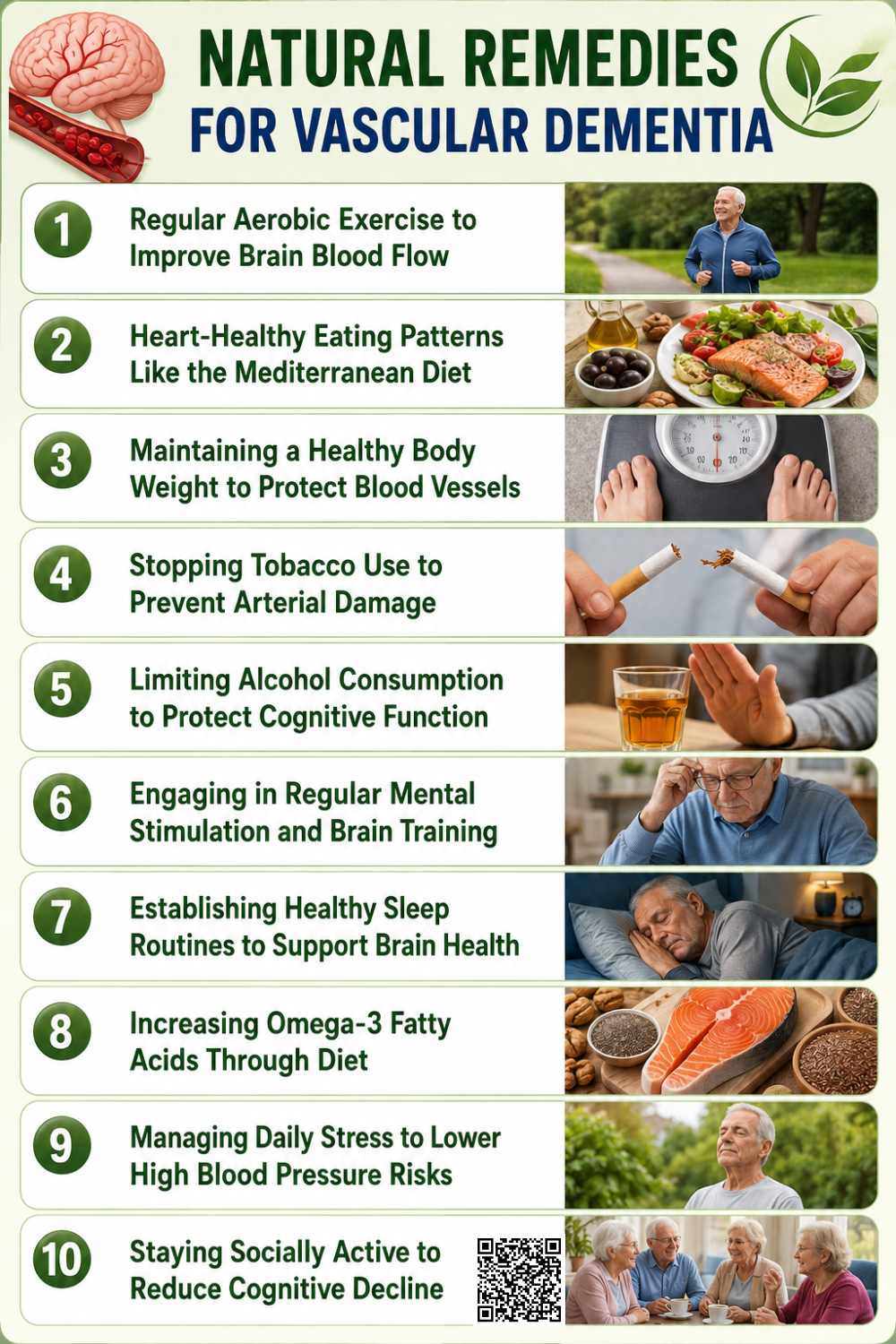
1. Regular Aerobic Exercise to Improve Brain Blood Flow
How it may help
Regular aerobic exercise strengthens the heart and cardiovascular system, helping pump oxygen-rich blood efficiently. By improving circulation to the brain, physical activity helps preserve healthy brain tissue, reduces harmful vessel blockages, and manages the blood pressure issues that drive vascular dementia 4.
What research says
Research concludes that physically active individuals have a significantly lower risk of experiencing cognitive decline. Clinical evidence confirms that consistent aerobic exercise stabilizes memory and improves daily functioning in adults with mild vascular cognitive impairment by actively protecting existing nerve connections.
How to use it safely
You should start slowly with low-impact activities like brisk walking, swimming, or stationary cycling. Aim for at least 150 minutes of moderate exercise each week. Always consult your healthcare provider first to ensure the activities safely match your current fitness and mobility levels 5.
Potential precautions or side effects
Watch out for dizziness, chest pain, or shortness of breath. If you experience balance issues or sudden weakness, stop exercising immediately to prevent dangerous falls and physical injuries.
2. Heart-Healthy Eating Patterns Like the Mediterranean Diet
How it may help
A heart-healthy eating pattern focuses on plant-based foods, whole grains, and healthy fats while limiting saturated fats and refined sugars. This approach directly lowers high blood pressure, reduces bad cholesterol, and prevents artery damage, which are critical steps for maintaining healthy blood flow to the brain and slowing vascular dementia.
What research says
Clinical studies confirm that individuals who closely follow Mediterranean-style diets experience a significantly lower risk of developing cognitive decline and dementia. Research concludes that this nutrient-rich eating pattern actively protects blood vessel health, drastically reducing the occurrence of minor strokes that drive vascular brain damage.
How to use it safely
You should center your daily meals around fresh vegetables, whole grains, and healthy fats like olive oil. Eat fish or poultry a few times a week. Always consult your doctor before making major dietary changes to ensure the plan safely supports your specific nutritional needs.
Potential precautions or side effects
Be careful of sudden dietary changes if you take blood thinners or diabetes medications. Speak with your healthcare provider to avoid dangerous food-drug interactions or unintended nutrient imbalances 6.
3. Maintaining a Healthy Body Weight to Protect Blood Vessels
How it may help
Maintaining a normal body weight directly reduces physical strain on the cardiovascular system and prevents blood vessels from narrowing. By lowering the risk of high blood pressure and type 2 diabetes, a healthy weight ensures a steady supply of oxygen-rich blood reaches the brain, helping prevent further damage.
What research says
Scientific evidence confirms that middle-aged adults with obesity face a significantly higher risk of developing dementia later in life. Clinical guidelines state that achieving a healthy body mass index (BMI) actively protects arterial health, thereby reducing the likelihood of stroke-related cognitive decline.
How to use it safely
You should aim for gradual weight loss through balanced eating and daily physical activity rather than extreme fasting. Work closely with your healthcare provider or a registered dietitian to create a personalized, sustainable plan that safely meets your nutritional and metabolic needs 7.
Potential precautions or side effects
Avoid crash diets or unprescribed weight-loss supplements. Rapid weight loss in older adults can cause dangerous muscle loss, severe nutritional deficiencies, and extreme physical fatigue 8.
4. Stopping Tobacco Use to Prevent Arterial Damage
How it may help
Tobacco chemicals severely damage blood vessels, making them thick and narrow. Stopping tobacco use immediately halts this ongoing destruction, lowers blood pressure, and prevents harmful blood clots. This restores steady blood flow to the brain, which prevents new strokes and slows the progression of vascular dementia.
What research says
Clinical evidence identifies smoking as a major preventable risk factor for cognitive decline. Research concludes that quitting tobacco significantly decreases the likelihood of severe cardiovascular events and minor strokes, directly lowering the chances of further brain cell death in individuals with vascular dementia.
How to use it safely
You should consult your healthcare provider to build a personalized quit plan. Utilize safe, medical methods like nicotine patches, gums, or prescription medications alongside behavioral counseling. Seeking professional medical support greatly improves your chances of successfully stopping tobacco use forever 9.
Potential precautions or side effects
You might experience temporary withdrawal symptoms like irritability, anxiety, and cravings. If you use prescription quit-aids and notice sudden, severe mood changes, contact your doctor immediately.
5. Limiting Alcohol Consumption to Protect Cognitive Function
How it may help
Heavy alcohol use raises blood pressure and damages blood vessels, directly increasing the risk of strokes. By limiting alcohol intake, individuals protect their cardiovascular system, maintain healthy blood flow, and prevent further chemical damage to brain tissues already affected by vascular dementia.
What research says
Clinical evidence strongly links excessive drinking to a significantly increased risk of cognitive decline and dementia. Research concludes that reducing alcohol intake actively lowers the risk of high blood pressure and subsequent strokes, effectively slowing the progression of vascular brain damage.
How to use it safely
You should eliminate alcohol completely or limit your intake to no more than one drink per day. Always speak with your healthcare provider to understand safe limits, as alcohol can dangerously interact with blood pressure medications and blood thinners 10.
Potential precautions or side effects
If you consume alcohol heavily, do not stop abruptly without medical supervision. Sudden withdrawal can cause severe anxiety, dangerous physical tremors, and life-threatening seizures.
6. Engaging in Regular Mental Stimulation and Brain Training
How it may help
Mentally stimulating activities help the brain build and maintain new connections between nerve cells. This creates a cognitive reserve, allowing the brain to find alternative pathways to bypass areas damaged by poor blood flow. This active network helps preserve memory and thinking skills in people with vascular dementia 11.
What research says
Clinical evidence shows that engaging in challenging mental activities can delay the progression of severe cognitive decline. Research concludes that formal cognitive training improves memory, reasoning, and processing speed, actively slowing the loss of mental function associated with vascular brain damage.
How to use it safely
You should incorporate mentally engaging activities like reading, learning new skills, or playing strategy games into your daily routine. Choose activities you enjoy to prevent frustration, and consistently challenge your brain with new tasks rather than repeating the same exercises.
Potential precautions or side effects
Avoid pushing yourself to the point of severe mental fatigue. If brain training causes anxiety or stress, you should take regular breaks and switch to simpler, more relaxing activities.
7. Establishing Healthy Sleep Routines to Support Brain Health
How it may help
During deep sleep, the brain actively clears away harmful waste and repairs damaged blood vessels. Consistent, high-quality sleep regulates blood pressure and reduces cardiovascular stress, ensuring a steady supply of oxygen to the brain and helping prevent further vascular damage 12.
What research says
Clinical research links poor sleep quality and untreated sleep apnea directly to higher rates of high blood pressure, strokes, and progressive cognitive decline. Studies conclude that treating sleep disorders and maintaining healthy sleep cycles significantly lowers the risk of severe vascular brain damage.
How to use it safely
You should maintain a strict schedule by going to bed and waking up at the exact same time daily. Keep your bedroom cool, dark, and avoid screens before bed. Always consult a doctor to evaluate for underlying breathing conditions like sleep apnea.
Potential precautions or side effects
Avoid using over-the-counter sleep medications or unprescribed sedatives. These drugs can drastically worsen daytime confusion, increase the risk of dangerous physical falls, and cause harmful drug interactions.
8. Increasing Omega-3 Fatty Acids Through Diet
How it may help
Omega-3 fatty acids actively reduce harmful inflammation and lower fat levels in the blood, which prevents plaque from blocking arteries. By keeping blood vessels flexible and clear, these healthy fats ensure a steady supply of oxygen reaches the brain, helping prevent further damage from restricted blood flow 13.
What research says
Clinical research concludes that consuming omega-3 fatty acids significantly lowers the risk of cardiovascular diseases, including strokes that cause vascular dementia. Studies show that diets rich in these fats help maintain healthy brain volume and slow the progression of cognitive decline in older adults.
How to use it safely
You should aim to eat fatty fish, such as salmon, mackerel, or sardines, at least twice a week. If you prefer plant-based options, include flaxseeds and walnuts in your daily meals. Always ask your doctor before starting any over-the-counter fish oil supplements 14.
Potential precautions or side effects
You must consult a doctor before taking high-dose supplements, as they can dangerously increase your risk of bleeding, especially if you currently take prescribed blood-thinning medications.
9. Managing Daily Stress to Lower High Blood Pressure Risks
How it may help
Chronic stress constantly raises blood pressure and damages blood vessels over time. Effectively managing daily stress prevents these dangerous blood pressure spikes, actively protecting the cardiovascular system. This maintains steady, oxygen-rich blood flow to the brain, helping prevent the minor strokes that drive vascular dementia 15.
What research says
Clinical research links long-term psychological stress directly to severe high blood pressure and an increased risk of cardiovascular disease 16. Studies conclude that utilizing daily stress reduction techniques significantly lowers resting blood pressure, effectively reducing the likelihood of strokes that cause progressive vascular brain damage.
How to use it safely
You should practice proven relaxation techniques like deep breathing exercises, mindfulness meditation, or gentle yoga daily. If you consistently feel overwhelmed by severe anxiety or chronic stress, speak with a healthcare provider or licensed therapist to develop a safe, personalized management plan.
Potential precautions or side effects
Never stop taking prescribed blood pressure medications without consulting your doctor. Stress management techniques must support, not replace, formal medical treatments for underlying cardiovascular conditions.
10. Staying Socially Active to Reduce Cognitive Decline
How it may help
Regular social interaction actively stimulates the brain’s memory and language centers. This mental engagement helps build new neural pathways, compensating for areas damaged by vascular issues. Additionally, staying connected prevents severe isolation and depression, which can otherwise worsen cognitive decline and elevate harmful cardiovascular stress 17.
What research says
Clinical research concludes that prolonged social isolation significantly increases the risk of premature cognitive decline and developing dementia 18. Studies confirm that older adults who maintain strong social networks experience slower memory loss and better daily functioning, directly supporting long-term brain health after vascular damage.
How to use it safely
You should schedule regular interactions with friends or family, join local community groups, or participate in volunteer activities. If physical mobility is difficult, utilize phone calls or video chats to safely maintain consistent communication and keep your mind actively engaged from home.
Potential precautions or side effects
Avoid large, noisy gatherings if they cause severe confusion or sudden anxiety. You should prioritize short, meaningful interactions in quiet environments to prevent overwhelming mental fatigue.
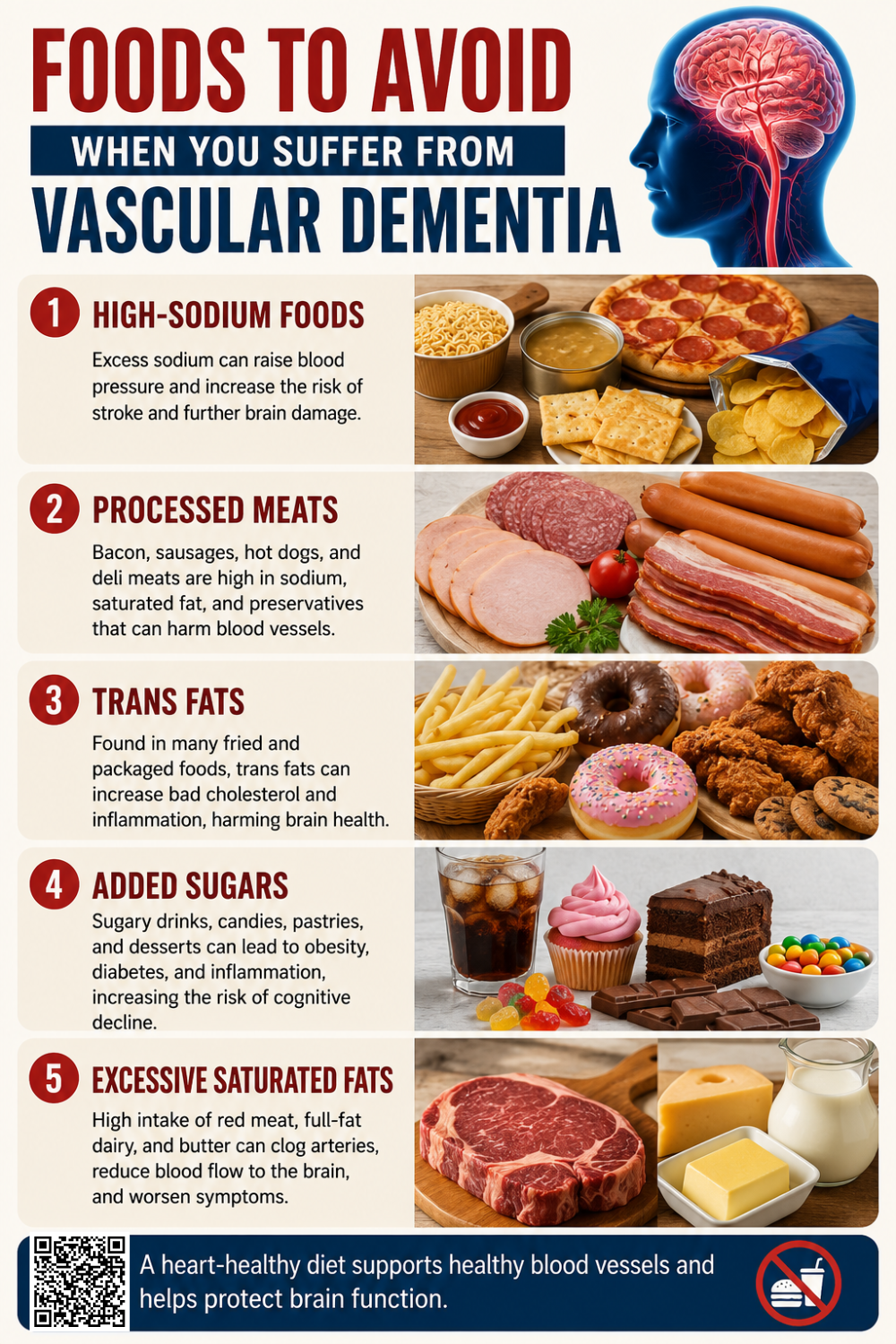
1. High-Sodium Foods
High salt intake severely elevates blood pressure, which physically damages brain blood vessels and significantly increases the risk of stroke-related cognitive decline 19.
2. Processed Meats
Bacon, hot dogs, and deli meats contain excessive sodium and harmful preservatives that directly harden arteries and restrict vital blood flow to the brain 20.
3. Trans Fats
Found in many fried or commercially baked goods, artificial trans fats dangerously raise bad cholesterol, causing arterial plaque buildup that starves brain cells of oxygen 21.
4. Added Sugars
Sugary drinks and sweets sharply increase the risk of type 2 diabetes, a major condition that actively damages delicate blood vessels throughout the brain 22.
5. Excessive Saturated Fats
Heavy consumption of butter, full-fat cheese, and fatty meats accelerates cholesterol accumulation, strictly narrowing the main arteries that supply essential blood to the brain.
When To see Doctor when you suffer from Vascular dementia
1. Sudden Cognitive Decline
Sudden confusion or memory loss can indicate a new stroke, requiring emergency medical intervention to prevent further permanent brain damage.
2. New Physical Weakness
Seek immediate emergency care for sudden facial drooping, arm weakness, or severe speech difficulty, as these are critical signs of an active stroke 23.
3. Severe Mood or Behavior Changes
Rapid onset of severe depression, extreme agitation, or unexpected aggression requires professional medical assessment to safely adjust treatment plans and rule out underlying infections 24.
4. Sudden Balance Issues
Frequent falls, sudden dizziness, or a new inability to walk steadily strongly suggest progressing vascular brain damage that requires prompt clinical evaluation.
5. Unexplained Physical Symptoms
Unexpected loss of bladder control or sudden difficulty swallowing must be evaluated by a doctor to prevent severe complications like dangerous infections or choking.
Comments
comments