

Causes of Weak Immunity
- Genetic Disorders (Primary Immunodeficiency): Inherited genetic defects can prevent the immune system from developing or functioning properly from birth, leaving the body naturally unprotected against pathogens 3.
- Viral Infections: Specific viruses, most notably the Human Immunodeficiency Virus (HIV), directly invade and destroy crucial infection-fighting CD4 cells, gradually dismantling the body’s entire defense network 4.
- Cancer Treatments: Medical therapies such as chemotherapy and radiation are designed to destroy rapidly dividing cancer cells, but they also severely damage healthy white blood cells, causing a temporary but profound drop in immune function 5.
- Immunosuppressive Medications: Prescription drugs like high-dose corticosteroids or anti-rejection medications deliberately lower immune system activity to treat autoimmune diseases or prevent a patient’s body from rejecting a transplanted organ 1.
- Severe Malnutrition: A prolonged deficiency of calories, protein, and essential micronutrients starves the body of the biological building blocks it requires to produce protective antibodies and active immune cells 6.
Symptoms of Weak Immunity
- Recurrent Respiratory Infections: Individuals frequently suffer from repeated bouts of common illnesses, such as pneumonia, bronchitis, sinus infections, and ear infections, occurring significantly more often than in the general population 3.
- Severe and Treatment-Resistant Illnesses: Standard infections fail to resolve with typical oral medications, often requiring prolonged courses of antibiotics or hospitalization for intravenous (IV) drug treatments to properly clear the bacteria or virus 7.
- Opportunistic Infections: The body becomes highly susceptible to typically harmless germs and fungi in the environment, resulting in unusual complications like persistent oral thrush (a fungal infection in the mouth) or rare forms of pneumonia that do not normally affect healthy people 8.
- Chronic Digestive Issues: A weakened internal defense network frequently allows persistent infections to take hold in the gastrointestinal tract, leading to long-term diarrhea, severe abdominal cramping, and unintended weight loss 1.
- Growth Delays in Children: Infants and young children with compromised immunity often fail to gain weight or grow at a standard developmental rate, a clinical condition known as failure to thrive, due to the constant physical toll of fighting off illnesses 9.
Natural Remedies for Weak immunity
1. Maintaining a Balanced and Nutrient-Rich Diet
How it may help
A diet rich in vitamins and minerals provides the fundamental building blocks necessary for a healthy body defense system. Consuming a diverse range of whole foods ensures the body can produce the active white blood cells and antibodies needed to efficiently fight off harmful germs and prevent frequent infections 10.
What research says
Scientific studies confirm that deficiencies in specific essential nutrients, such as vitamin C, zinc, and protein, directly lower the body’s natural resistance to pathogens. Clinical evidence shows that proper nutrition significantly improves the function of immune cells and helps reduce the duration of common viral illnesses 11.
How to use it safely
To safely improve your nutrition, you should eat a daily variety of fresh fruits, vegetables, lean proteins, and whole grains. Obtain your nutrients primarily through natural foods rather than high-dose artificial supplements, unless a doctor specifically advises you to correct a diagnosed deficiency 12.
Potential precautions or side effects
Consuming extremely high doses of certain nutrients through artificial supplements can cause dangerous toxicity, leading to nausea, kidney organ damage, or negative interactions with prescription medications 13.
2. Getting Adequate and Restful Sleep
How it may help
During restful sleep, the body actively produces essential proteins called cytokines that target ongoing infections and reduce harmful inflammation. High-quality sleep also strengthens T-cells, which are vital white blood cells responsible for destroying invading viruses. This nightly restorative process effectively replenishes the internal defense system against daily environmental threats 14.
What research says
Clinical research demonstrates that individuals who consistently lack adequate sleep are significantly more likely to get sick after exposure to common viruses. Furthermore, studies confirm that chronic sleep deprivation severely reduces the body’s natural antibody production, making standard vaccines significantly less effective at providing long-term protection 15.
How to use it safely
To support your natural defenses safely, you must maintain a consistent schedule by going to bed at the exact same time every night. Aim for seven to nine hours of continuous rest in a dark, quiet, and comfortably cool environment to ensure optimal physical recovery 16.
Potential precautions or side effects
Relying on prescription sleep medications can cause daytime drowsiness, severe dependency, and memory issues. Always consult a healthcare provider before using pharmacological aids to manage persistent chronic insomnia 17.
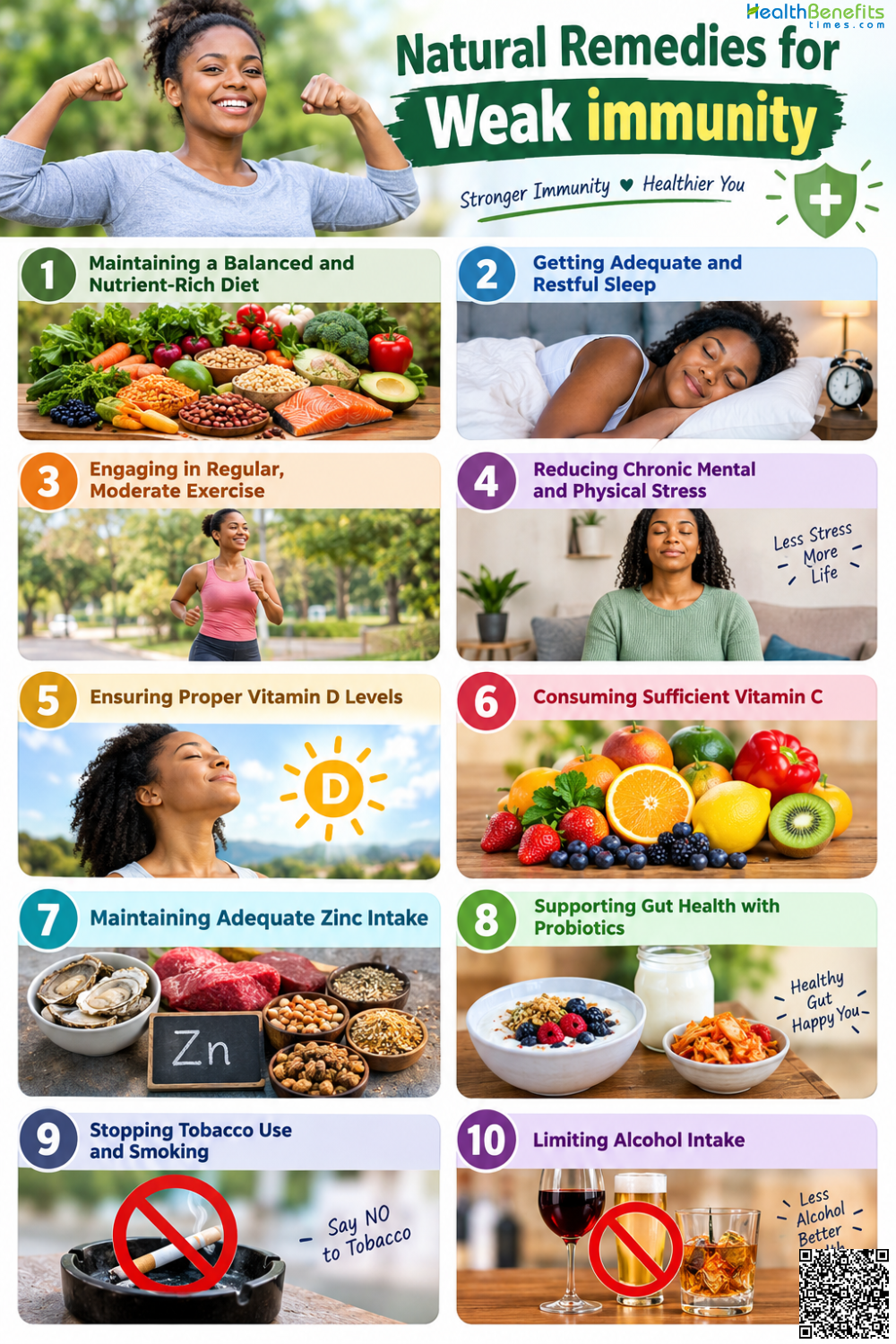
3. Engaging in Regular, Moderate Exercise
How it may help
Moderate physical activity increases blood circulation, allowing white blood cells and protective antibodies to travel more rapidly throughout the entire body. This highly efficient movement helps the internal defense system detect and quickly neutralize harmful environmental pathogens, such as common bacteria and viruses, much earlier before they can establish severe infections 18.
What research says
Scientific studies confirm that regular, moderate physical activity significantly reduces systemic inflammation and enhances cellular defense mechanisms. Clinical research definitively shows that consistently active individuals experience significantly fewer acute respiratory illnesses and demonstrate a much stronger, longer-lasting protective antibody response to standard viral vaccines compared to completely inactive populations 19.
How to use it safely
To safely strengthen your natural defenses, you should aim for approximately 150 minutes of moderate-intensity activity, such as brisk walking, each week. You must space these sessions out evenly and carefully avoid sudden, extreme physical exertion to prevent severe bodily exhaustion 20.
Potential precautions or side effects
Engaging in prolonged, highly intense athletic training without adequate physical recovery can temporarily suppress active white blood cell function, immediately increasing your vulnerability to opportunistic respiratory infections 18.
4. Reducing Chronic Mental and Physical Stress
How it may help
Reducing ongoing mental and physical tension lowers the continuous overproduction of cortisol, a primary stress hormone. When excess cortisol decreases, the body successfully restores its natural production of active white blood cells, ensuring the internal defense network can promptly identify and destroy harmful invading viruses 21.
What research says
Clinical research demonstrates that continuous psychological stress significantly suppresses cellular immunity and directly decreases the body’s protective antibody response. Scientific studies confirm that individuals experiencing prolonged mental distress suffer from much higher rates of viral infections and experience considerably slower wound healing than emotionally stable populations 22.
How to use it safely
To safely lower your daily stress, you should practice structured relaxation techniques, such as deep breathing exercises or guided meditation, consistently every day. You must also establish healthy personal boundaries and seek professional clinical counseling if you experience overwhelming, unmanageable chronic anxiety 23.
Potential precautions or side effects
Do not attempt to manage severe anxiety using unprescribed sedatives, tobacco, or excessive alcohol. These harmful chemical coping mechanisms will severely damage and further suppress your entire immune system 24.
5. Ensuring Proper Vitamin D Levels
How it may help
Vitamin D is an essential nutrient that directly supports the cellular defense system by activating key white blood cells, such as T-cells and macrophages. When the body has adequate levels of this vitamin, these specialized cells can effectively identify, attack, and destroy invading respiratory viruses and harmful bacteria before they cause severe illnesses 25.
What research says
Clinical research concludes that individuals with a severe deficiency in vitamin D experience a significantly higher risk of developing acute respiratory tract infections. Scientific studies confirm that restoring proper levels through targeted supplementation effectively reduces the frequency and severity of common colds, influenza, and other viral respiratory illnesses 26.
How to use it safely
To safely maintain healthy levels, you should consume fortified dairy, eat fatty fish, and get regular, brief sun exposure. If you suspect a deficiency, ask your healthcare provider for a blood test before starting supplements to determine your exact daily dosage 27.
Potential precautions or side effects
Taking excessively high doses of vitamin D supplements can cause a dangerous blood calcium buildup, directly leading to painful kidney stones, severe vomiting, and serious heart rhythm abnormalities 27.
6. Consuming Sufficient Vitamin C
How it may help
Vitamin C is a powerful natural antioxidant that strengthens the body’s physical barriers and protects healthy cells from daily environmental damage. It directly supports the internal defense network by stimulating the rapid production and active function of essential white blood cells, helping them efficiently destroy harmful invading pathogens 28.
What research says
Clinical research concludes that a severe vitamin C deficiency directly weakens cellular defenses, significantly increasing vulnerability to infections. Furthermore, scientific studies confirm that while routine supplementation does not completely prevent common colds, it consistently reduces both the physical severity and the overall duration of viral respiratory illnesses 29.
How to use it safely
To safely ensure adequate nutritional intake, you should consistently consume a diet filled with fresh fruits and vegetables, such as oranges, strawberries, and bell peppers. If you choose to take oral dietary supplements, you must strictly follow standard dosage guidelines and consult your doctor 30.
Potential precautions or side effects
You must avoid taking excessively large artificial doses, as extreme amounts can cause severe stomach cramps, persistent diarrhea, and significantly increase your risk of developing painful kidney stones 30.
7. Maintaining Adequate Zinc Intake
How it may help
Zinc is a crucial trace mineral that directly supports the normal development and function of essential white blood cells, such as neutrophils and natural killer cells. By maintaining adequate zinc levels, the internal defense network can effectively regulate cellular responses and quickly neutralize harmful invading viruses before they multiply 31.
What research says
Clinical research concludes that even a mild zinc deficiency severely impairs cellular immune function, directly increasing susceptibility to widespread infectious diseases. Furthermore, scientific studies confirm that taking zinc lozenges shortly after the initial onset of common cold symptoms significantly reduces the overall duration of the viral illness 32.
How to use it safely
To safely maintain healthy levels, you should consume a daily diet containing zinc-rich foods like lean meats, fortified cereals, and beans. If you choose to use oral supplements or lozenges, strictly follow standard dosage guidelines and always consult your doctor first 33.
Potential precautions or side effects
You must avoid excessive supplementation, as taking prolonged high doses of zinc can cause severe nausea, permanently suppress immune function, and lead to a dangerous copper deficiency 33.
8. Supporting Gut Health with Probiotics
How it may help
Probiotics are live, beneficial bacteria that naturally maintain a healthy balance within the digestive tract. Because a major portion of the immune system resides in the gut, these helpful microbes directly stimulate natural antibody production and strengthen the internal physical barriers necessary to block harmful invading pathogens 34.
What research says
Clinical research concludes that the routine consumption of specific probiotic strains significantly improves cellular defense mechanisms. Scientific studies confirm that maintaining healthy gut bacteria directly decreases the overall frequency, physical severity, and duration of common respiratory and gastrointestinal infections in standard populations 35.
How to use it safely
To safely improve your digestive health, you should regularly consume naturally fermented foods like plain yogurt, kefir, and kimchi. If you choose to use oral probiotic supplements, always consult your doctor first to select the most appropriate bacterial strains for your body 35.
Potential precautions or side effects
You must strictly avoid artificial probiotic supplements if you are critically ill or severely immunocompromised, as introducing live bacteria can occasionally trigger dangerous, widespread systemic infections 35.
9. Stopping Tobacco Use and Smoking
How it may help
Quitting tobacco use immediately stops the introduction of toxic chemicals that actively suppress protective white blood cells. By eliminating this continuous toxic burden, the internal respiratory defense network, including the microscopic hairs in the lungs, can physically heal, allowing the body to effectively trap and remove harmful invading viruses before they cause severe illnesses 36.
What research says
Clinical research concludes that cigarette smoke directly damages cellular immunity and significantly increases systemic inflammation. Scientific studies confirm that individuals who stop smoking experience a rapid restoration of natural antibody production, directly leading to a heavily reduced frequency of dangerous respiratory infections like pneumonia and chronic bronchitis compared to active smokers 37.
How to use it safely
To safely stop smoking, you should consult a doctor to develop a structured cessation plan. Utilizing federally approved nicotine replacement therapies, such as standard dermal patches or chewing gums, combined with behavioral counseling, significantly increases your chances of permanently quitting without overwhelming physical stress 38.
Potential precautions or side effects
You may experience temporary withdrawal symptoms, including severe anxiety, headaches, and intense cravings. Some prescription cessation medications carry a risk of rare but serious behavioral mood changes 39.
10. Limiting Alcohol Intake
How it may help
Limiting alcohol consumption directly prevents the suppression of essential white blood cells and protects the delicate physical lining of the digestive tract. By removing this toxic chemical burden, the internal defense network can effectively maintain a healthy physical barrier, stopping harmful gut bacteria from entering the bloodstream and causing severe systemic infections 40.
What research says
Clinical research concludes that excessive alcohol exposure severely damages cellular immunity and disrupts healthy digestive bacteria. Scientific studies confirm that heavy drinkers face a significantly higher risk of developing life-threatening respiratory infections, such as pneumonia and acute respiratory distress syndrome, compared to individuals who strictly limit their overall daily intake 41.
How to use it safely
To safely protect your natural defenses, you should strictly limit alcohol to no more than one drink per day for women or two drinks per day for men. If you struggle to control your drinking habits, you must consult a doctor for structured medical cessation support 42.
Potential precautions or side effects
You must not stop drinking abruptly without medical supervision if you are heavily dependent, as sudden alcohol withdrawal can cause dangerous seizures and life-threatening physical complications 43.
Foods to Avoid When You Suffer from Weak immunity
1. Raw or Undercooked Meats
Consuming raw poultry or undercooked beef significantly increases the risk of severe bacterial infections, such as Salmonella, which immunocompromised bodies cannot effectively fight off 44.
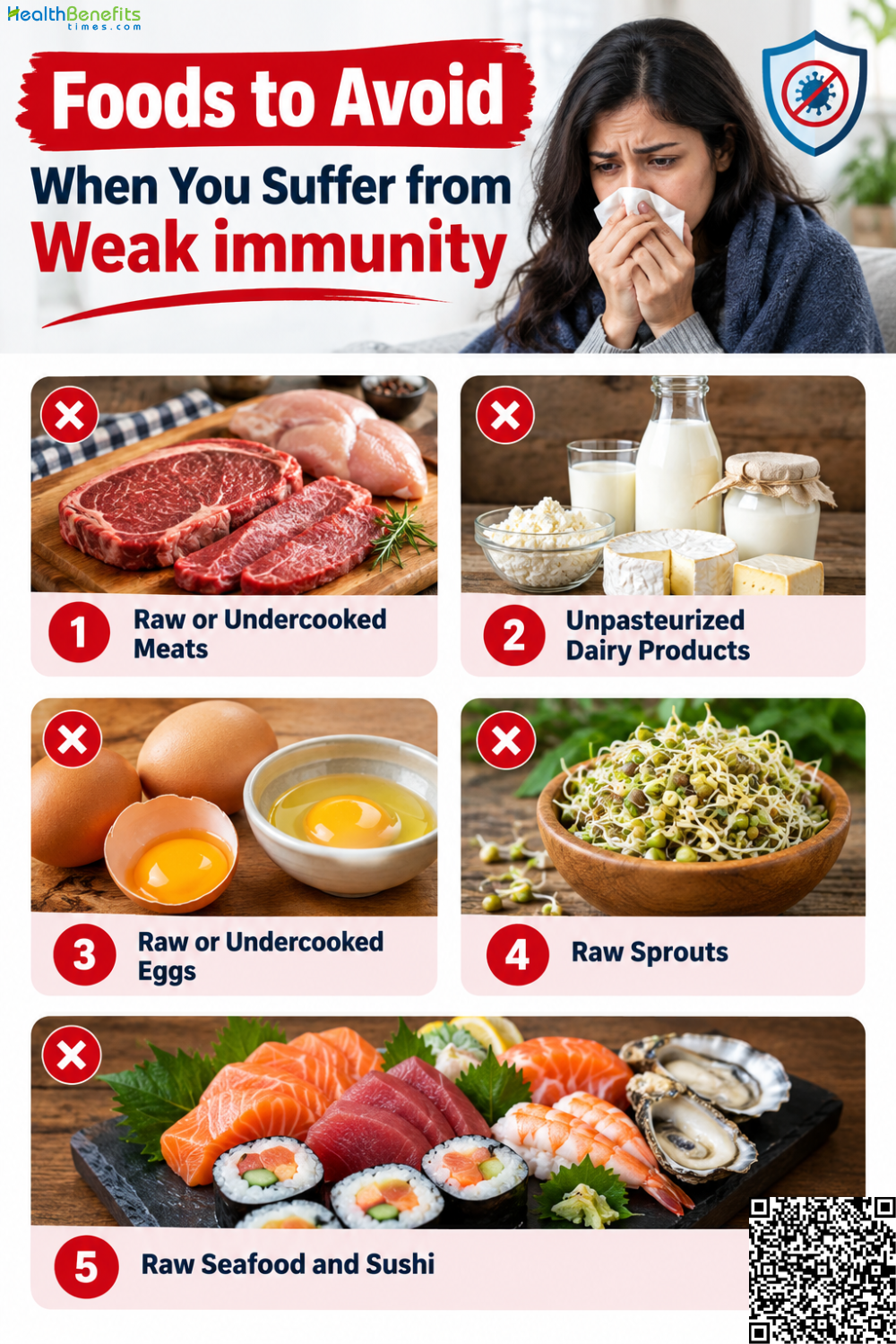
2. Unpasteurized Dairy Products
Raw milk and unpasteurized cheeses frequently carry dangerous Listeria bacteria, which can cause life-threatening systemic infections in people with weakened cellular defenses 45.
3. Raw or Undercooked Eggs
Foods containing raw eggs, including homemade mayonnaise or raw batter, directly expose individuals to Salmonella bacteria that a compromised system cannot reliably neutralize 46.
4. Raw Sprouts
The warm, humid environments required to grow alfalfa and bean sprouts actively breed harmful bacteria that standard physical washing methods cannot completely remove 47.
5. Raw Seafood and Sushi
Eating uncooked fish or shellfish exposes vulnerable individuals to aggressive marine bacteria, such as Vibrio, directly leading to exceptionally severe and prolonged gastrointestinal illnesses 48.
When to see Doctor when you struggle from Weak immunity
1. Frequent Severe Infections
Experiencing two or more episodes of pneumonia or severe sinus infections within a single year requires immediate clinical evaluation to assess internal defense capabilities 3.
2. Ineffective Oral Antibiotics
You should consult a doctor if standard oral medications fail to clear bacterial illnesses, frequently requiring hospitalization for intravenous drug treatments 7.
3. Persistent Fungal Infections
Developing recurring or difficult-to-treat fungal overgrowths, such as continuous oral thrush, signals a severe breakdown in cellular immunity that demands professional medical intervention 9.
4. Developmental Delays in Children
Infants and young children who consistently fail to gain weight or grow at standard rates need immediate medical testing for underlying congenital immune defects 9.
5. Family History of Immunodeficiency
You must seek specialized genetic screening if close biological relatives have diagnosed primary immunodeficiency disorders, as these severe physical defense vulnerabilities are frequently inherited 1.
Comments
comments