

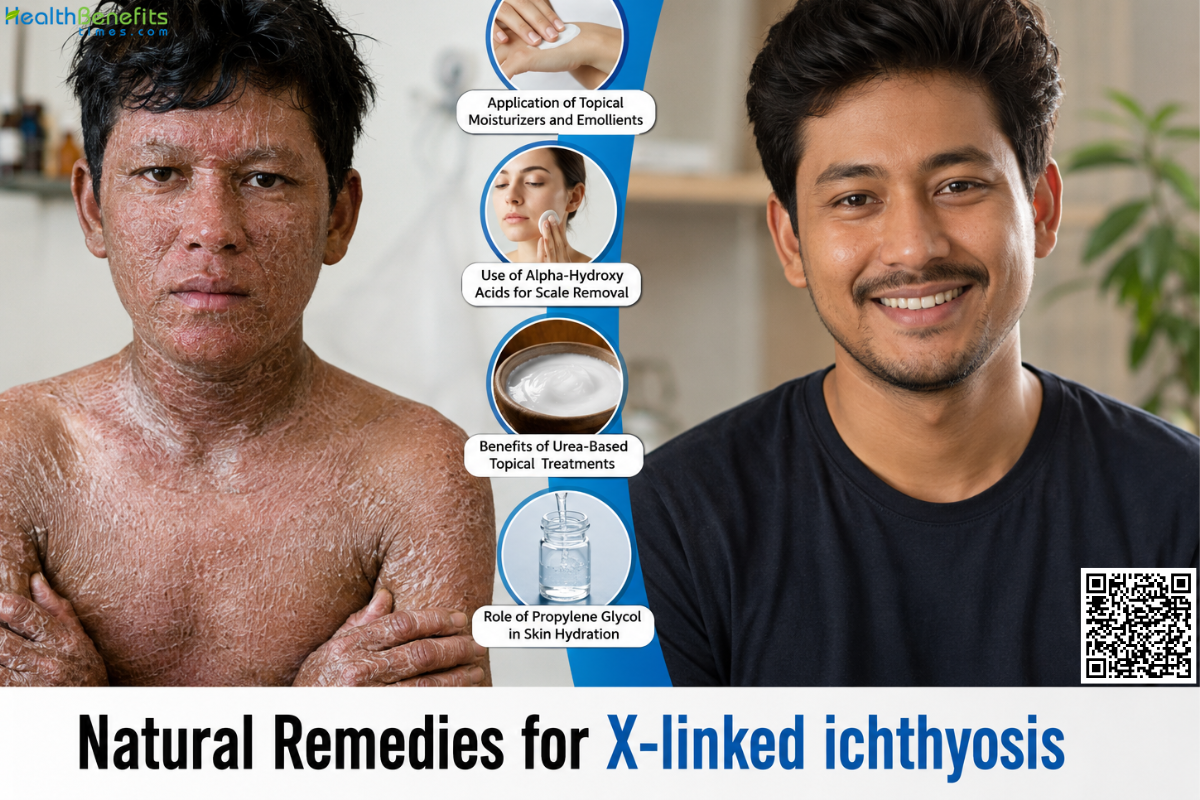
Causes of X-linked ichthyosis
1. Genetic Mutation or Deletion
The primary cause of X-linked ichthyosis is a mutation or complete missing segment (deletion) of the STS gene, which is located on the X chromosome. A complete deletion of this gene is responsible for approximately 85 to 90 percent of all cases 4. The remaining cases are typically caused by partial deletions or smaller, localized errors (point mutations) within the genetic code.
2. Enzyme Deficiency
The STS gene provides the body with instructions for producing the steroid sulfatase enzyme. When the gene is defective, this vital enzyme is inactive or entirely absent. Without it, a chemical called cholesterol sulfate builds up in the outer layer of the skin, which prevents old, dead skin cells from shedding normally and causes the thick, dark scales characteristic of the condition.
3. Inheritance Pattern
The condition is passed down through families in an X-linked recessive pattern. Because males have only one X chromosome, inheriting a single mutated STS gene from their mother is enough to cause the disorder. Females have two X chromosomes and typically act as carriers without displaying symptoms, because their healthy X chromosome compensates for the mutated one.
4. Spontaneous Mutations
In some instances, the condition is not inherited from a parent. It can result from a new, spontaneous genetic change (de novo mutation) in the STS gene that occurs randomly during the formation of reproductive cells or early embryonic development.
5. Contiguous Gene Syndromes
Occasionally, a large genetic deletion removes the STS gene along with several neighboring genes on the X chromosome. This causes X-linked ichthyosis accompanied by additional medical or developmental complications, such as cognitive delays or impaired sexual hormone development, depending on the specific adjacent genes that are missing.
Symptoms of X-linked ichthyosis
1. Dry, Scaly Skin
The hallmark symptom is the presence of large, dark brown, or gray scales that often resemble fish scales. These typically appear within the first few weeks or months of life, usually starting on the neck, scalp, and face before spreading to the trunk, abdomen, and limbs.
2. Skin Fold Involvement
Unlike some other skin conditions, the scales in X-linked ichthyosis frequently involve the inner surfaces of skin folds, such as the areas behind the knees, under the arms, and in the groin. The palms of the hands and the soles of the feet typically remain unaffected.
3. Corneal Opacities
Many affected individuals develop asymptomatic, cloudy spots on the surface of the eye (cornea). These small, white opacities usually do not impair vision and are often identified during a routine eye examination by an eye doctor.
4. Cryptorchidism
Males with this condition have an increased risk of cryptorchidism, a condition where one or both testicles fail to descend into the scrotum before birth or shortly after. This requires medical evaluation to prevent potential long-term complications.
5. Seasonal Variation
While the scaling is a chronic condition, many patients report that symptoms often worsen during the winter months when the air is cold and dry, and they may show slight improvement during the warmer, more humid summer months.
Natural Remedies for X-linked ichthyosis
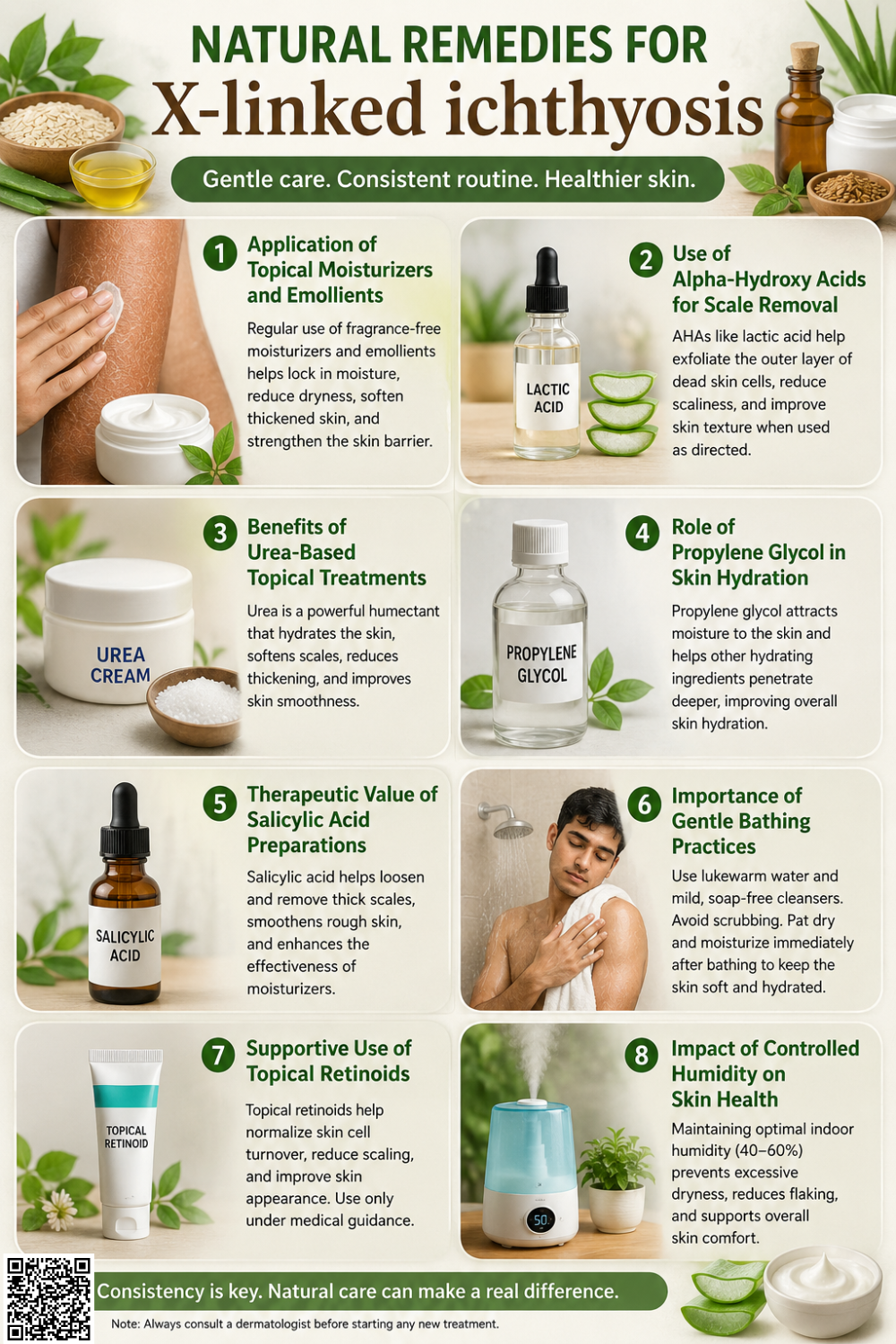
1. Application of Topical Moisturizers and Emollients
How it may help
Regular application of thick emollients and moisturizers helps control X-linked ichthyosis by replacing lost skin moisture and softening the surface layers. These agents form a protective barrier that reduces water loss from the skin, which significantly minimizes the hardness, thickness, and buildup of scales, thereby improving overall skin comfort and texture 5.
What research says
Clinical evidence indicates that frequent, consistent use of emollients is the primary foundation for managing all forms of ichthyosis. Research confirms that these products effectively increase skin hydration levels, which directly assists in the natural shedding process of dead skin cells and prevents the worsening of scaling symptoms over time.
How to use it safeley
Apply a thick layer of emollient to damp skin immediately after bathing to lock in moisture. Gently rub the cream into the affected areas until fully absorbed. For best results, use these treatments consistently at least twice daily or as often as your skin feels dry.
Potential precautions or side effects
While generally safe, overuse or specific product additives may occasionally cause mild skin irritation, redness, or an allergic contact reaction. If your skin becomes persistently inflamed, itchy, or painful, discontinue the product and consult your doctor to find a more suitable alternative.
How it may help
Alpha-hydroxy acids (AHAs), such as lactic or glycolic acid, help control X-linked ichthyosis by breaking the connections between dead skin cells. By dissolving these bonds, these acids encourage the surface of the skin to shed more effectively, which reduces the thickness and buildup of dark, hardened scales associated with the condition.
What research says
Research indicates that topical formulations containing alpha-hydroxy acids are effective for treating hyperkeratotic skin disorders. Clinical observations show that consistent application improves skin texture and significantly decreases scale accumulation by promoting the removal of the outer skin layer, making these agents a standard recommendation for therapeutic skin care in patients with ichthyosis.
How to use it safely
To use these treatments safely, apply a thin layer to clean, dry skin on the affected areas. Begin by using the product once daily to monitor your skin’s reaction, and gradually increase frequency only if tolerated well. Avoid applying to broken, inflamed, or sensitive skin areas to prevent discomfort.
Potential precautions or side effects
AHAs can cause stinging, burning, or increased skin redness, especially on sensitive areas. They also increase sun sensitivity, so apply sunscreen daily to treated areas to prevent skin damage.
3. Benefits of Urea-Based Topical Treatments
How it may help
Urea is a keratolytic agent that helps control X-linked ichthyosis by softening the skin’s keratin, the protein responsible for hard scales. It acts as a humectant, drawing water into the skin’s surface to restore hydration. By loosening the attachments between dry, dead cells, urea promotes smoother skin texture and easier removal of thick, dark scales 6.
What research says
Clinical research identifies urea as a highly effective, non-invasive treatment for hyperkeratotic conditions. Studies consistently demonstrate that topical urea preparations significantly improve skin barrier function and reduce scaling severity. Because it balances both moisturizing and exfoliating properties, it is frequently recommended by dermatologists as a reliable therapeutic intervention for managing ichthyosis-related skin buildup.
How to use it safely
Apply a thin layer of urea cream or lotion to the affected skin areas once or twice daily, ideally immediately after bathing. Gently massage until the product is fully absorbed. Ensure the skin is clean and dry, and avoid contact with your eyes, mouth, or any open, bleeding, or severely irritated skin.
Potential precautions or side effects
Urea may cause mild stinging, itching, or skin irritation, particularly if applied to broken skin. If you experience persistent redness, burning, or discomfort, wash the area thoroughly and discontinue use until you consult your healthcare provider.
4. Role of Propylene Glycol in Skin Hydration
How it may help
Propylene glycol acts as a powerful humectant that draws water into the skin’s outer layer. By pulling moisture from the environment and trapping it against the surface, it effectively softens thick, hardened scales. This deep hydration helps loosen the bonds of dead skin cells, making them much easier to remove during bathing or through regular maintenance.
What research says
Clinical research confirms that propylene glycol is an effective treatment for reducing hyperkeratosis in patients with various forms of ichthyosis. Studies show that its consistent use helps restore skin flexibility and significantly reduces the appearance and density of scales. It is widely recognized as a practical, evidence-based agent for maintaining skin health and minimizing chronic dryness.
How to use it safely
Apply a thin layer of a propylene glycol preparation to clean, dry skin on the affected areas. Use it once or twice daily as directed, or immediately following a bath to maximize hydration. Gently rub the treatment into the skin until it is fully absorbed, and avoid contact with your eyes or mucous membranes.
Potential precautions or side effects
Propylene glycol can cause skin irritation, redness, or burning, especially on broken or sensitive skin. If you notice signs of an allergic reaction or persistent stinging, discontinue use immediately and speak with your healthcare provider for guidance.
5. Therapeutic Value of Salicylic Acid Preparations
How it may help
Salicylic acid acts as an effective peeling agent that helps control X-linked ichthyosis by breaking down the keratin buildup that forms thick scales. By softening the top layer of dead skin, it promotes easier shedding and prevents the accumulation of hardened, dark flakes, which significantly improves overall skin texture and comfort for those affected.
What research says
Clinical research identifies salicylic acid as a reliable treatment for reducing scaling in various hyperkeratotic conditions. Studies consistently demonstrate that topical applications help normalize skin shedding and improve surface smoothness. Because of its targeted ability to dissolve hardened protein structures, it is a well-established, evidence-based therapy used to manage the visible symptoms of this condition.
How to use it safely
Apply a thin, even layer of the salicylic acid preparation only to the thickened, scaly areas. Avoid applying it to healthy skin or large portions of the body at once. Wash your hands thoroughly after application to prevent accidental transfer to sensitive areas like the eyes or mouth.
Potential precautions or side effects
Salicylic acid may cause stinging, burning, or dryness, particularly if used too frequently. Avoid applying it to open wounds, inflamed areas, or irritated skin to minimize the risk of absorption or worsening discomfort.
6. Importance of Gentle Bathing Practices
How it may help
Gentle bathing helps control X-linked ichthyosis by softening the hardened outer layer of skin and facilitating the natural shedding of accumulated scales. Soaking in warm water temporarily hydrates the skin, making it more pliable and preparing the surface for the effective application of moisturizing treatments, which are essential for maintaining skin barrier health and comfort.
What research says
Clinical guidance emphasizes that structured bathing is a foundational component of ichthyosis care. Research confirms that hydrating the skin through controlled bathing significantly improves the effectiveness of subsequently applied emollients. By removing surface debris and enhancing moisture absorption, regular, gentle bathing routines help reduce the severity of scaling and support overall skin health.
How to use it safely
Bathe using warm—not hot—water for approximately 10 to 15 minutes. Use only mild, fragrance-free cleansers to avoid skin irritation. After bathing, gently pat your skin dry with a soft towel rather than rubbing it, and immediately apply a thick moisturizer to lock in the hydration while your skin remains slightly damp.
Potential precautions or side effects
Avoid very hot water, which strips natural oils and worsens dryness. Harsh soaps, scrubbing brushes, or loofahs can cause significant irritation and inflammation. If your skin becomes persistently red or sore, simplify your bathing routine and consult your doctor.
7. Supportive Use of Topical Retinoids
How it may help
Topical retinoids, which are derivatives of vitamin A, help control X-linked ichthyosis by accelerating the turnover of skin cells. By encouraging new, healthy skin growth, these treatments effectively thin the hardened outer layer and prevent the excessive buildup of scales, leading to a smoother skin surface and improved overall appearance for those with the condition.
What research says
Clinical evidence indicates that retinoids are potent tools for managing severe keratinization disorders. Studies show that consistent use helps normalize skin maturation processes, significantly reducing the density and thickness of scales. Because they alter the skin’s growth cycle, they are often considered for cases where milder moisturizing or exfoliating treatments do not provide sufficient relief for the patient.
How to use it safely
Apply a small, pea-sized amount of the retinoid to clean, dry skin only on affected areas. Use it once daily or as specifically directed by your dermatologist, preferably at night. Since these treatments can be strong, start slowly to see how your skin reacts before continuing regular use.
Potential precautions or side effects
Retinoids frequently cause skin redness, peeling, dryness, and significant sun sensitivity. Always apply broad-spectrum sunscreen during the day to protect treated skin from damage, and discontinue use if irritation becomes severe.
8. Impact of Controlled Humidity on Skin Health
How it may help
Maintaining an optimal indoor environment helps control X-linked ichthyosis by preventing excessive moisture loss from the skin. In dry air, the skin’s surface dehydrates more rapidly, which exacerbates scaling and brittleness. A controlled, humid environment keeps the outermost skin layer more flexible and hydrated, which helps mitigate the discomfort caused by harsh, dry conditions 7.
What research says
Research indicates that environmental factors significantly influence the severity of skin barrier disorders. Clinical observations consistently show that patients living in or maintaining environments with higher ambient humidity experience improved skin suppleness and reduced scale buildup. Stabilizing air moisture levels is an effective non-invasive strategy to support therapeutic treatments and improve overall skin comfort.
How to use it safely
To maintain controlled humidity safely, use a room humidifier, especially during cold winter months when indoor heating dries the air. Keep the device clean to prevent mold growth and maintain humidity levels between 40% and 50%. Ensure the unit is placed securely away from reach and is regularly maintained according to manufacturer guidelines.
Potential precautions or side effects
Excessive humidity can encourage mold or dust mite growth, which may trigger allergies or respiratory issues. If you notice persistent dampness or mustiness, reduce the humidifier settings immediately.
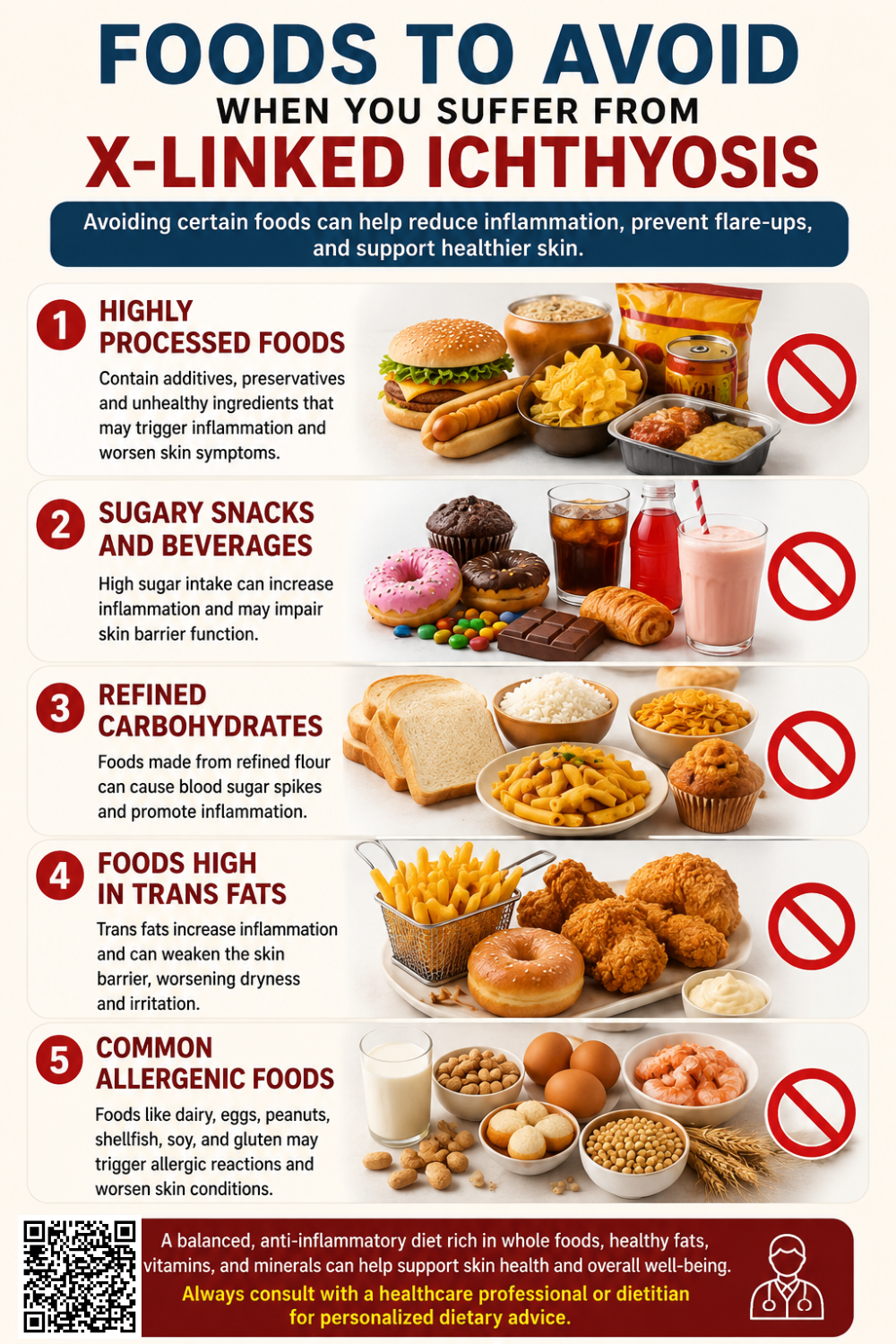
1. Highly Processed Foods
These items often contain high levels of sodium, sugar, and unhealthy fats, which can promote systemic inflammation. Inflammation may exacerbate overall skin sensitivity and interfere with recovery.
2. Sugary Snacks and Beverages
Excessive sugar intake can trigger insulin spikes. High blood sugar levels are associated with increased inflammation, which may negatively impact skin barrier function and overall health.
3. Refined Carbohydrates
Foods like white bread and pasta lack essential nutrients. Consuming these instead of whole foods can lead to inflammatory responses, potentially making chronic skin conditions more uncomfortable.
4. Foods High in Trans Fats
These fats are linked to increased internal inflammation. Reducing intake may help lower systemic inflammatory markers, which is generally beneficial for individuals managing chronic dermatological conditions.
5. Common Allergenic Foods
For some, triggers like dairy or gluten may cause skin flare-ups if a secondary sensitivity exists. Identifying and avoiding personal food triggers can help reduce unnecessary skin irritation.
When to See a Doctor When You Suffer from X-linked Ichthyosis
1. Signs of Skin Infection
If you notice pus, warmth, increased swelling, or spreading redness around the scales, these may indicate a bacterial infection requiring medical treatment.
2. Persistent Skin Pain or Cracking
Deep fissures or cracks that become painful, bleed, or do not heal with regular moisturizer use require professional medical assessment to prevent further complications.
3. Worsening Symptoms Despite Treatment
If consistent use of prescribed emollients or topical treatments fails to control scaling or causes significant irritation, your doctor may need to adjust your therapeutic approach.
4. Changes in Eye Health
Because corneal opacities are associated with this condition, schedule routine eye examinations. Seek immediate care if you experience vision changes, persistent eye pain, or irritation.
5. Undescended Testicles
If you are a parent observing that a child’s testicles have not descended into the scrotum, consult a pediatrician promptly for necessary evaluation and monitoring.
6. Developmental or Learning Concerns
Given the increased risk of neurodevelopmental conditions like ADHD, discuss any persistent struggles with attention, learning, or behavior with your primary healthcare provider.
Comments
comments