

Causes of Zika Virus Infection
Multiple transmission pathways contribute to the spread of Zika virus. Below are the documented causes and routes of infection:
1. Aedes Mosquito Bites
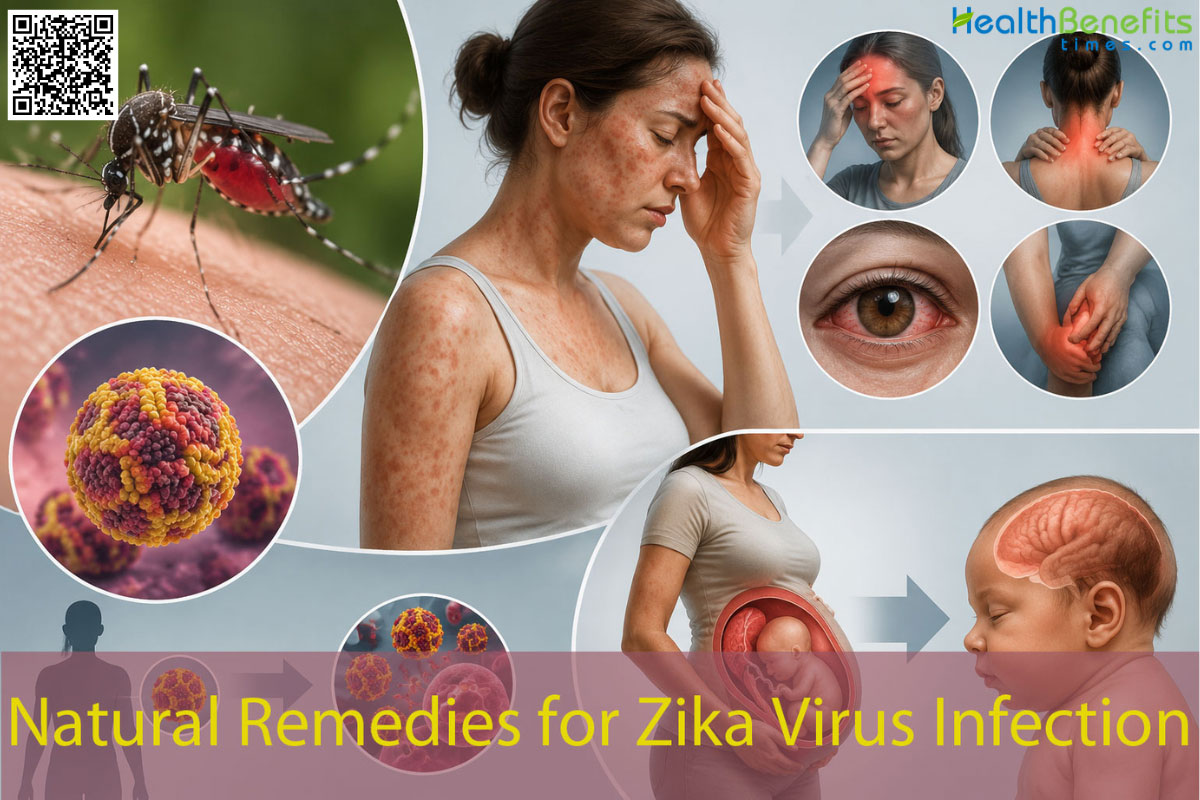
The most common mode of transmission occurs through the bite of an infected Aedes aegypti or Aedes albopictus mosquito, which breeds in areas of stagnant water and bites aggressively during the day 6.
2. Sexual Transmission
Zika virus can persist in body fluids, especially semen, for weeks to months after initial infection, enabling transmission through vaginal, anal, or oral sex even when the infected partner has no symptoms 7.
3. Mother-to-Child (Vertical) Transmission
A pregnant woman infected with Zika can transmit the virus to her fetus during pregnancy or at the time of delivery, potentially causing serious birth defects including microcephaly 8.
4. Blood Transfusion
Health officials have documented cases of Zika transmission through blood transfusions in countries such as Brazil and France 9.
5. Laboratory Exposure
Healthcare and laboratory workers handling Zika-infected specimens may face occupational exposure, though this route remains uncommon 10.
Symptoms of Zika Virus Infection
Recognizing Zika symptoms early can help individuals seek appropriate supportive care. The most common symptoms include:
1. Maculopapular Rash
A widespread, flat or slightly raised rash is often the most prominent symptom and may appear within days of infection 11.
2. Low-Grade Fever
Unlike many other viral infections, Zika typically produces a mild fever rather than a high one, with temperatures usually remaining below 38.5°C 3.
3. Joint Pain (Arthralgia)
Pain and swelling in the joints, particularly the small joints of the hands and feet, can be significant and uncomfortable 4.
4. Conjunctivitis (Red Eyes)
Non-purulent redness of the eyes without discharge is a hallmark clinical sign 12.
5. Muscle Pain (Myalgia)
Generalized aches resembling a flu-like illness may persist for several days 13.
6. Headache
Moderate headache, sometimes accompanied by retro-orbital pain behind the eyes, is frequently reported 4.
7. Fatigue and Malaise
A persistent feeling of tiredness and general unwellness accompanies most symptomatic cases 14.
Zika Virus Infection Facts
| Symptoms |
|
| Causes |
|
| Types of Zika Virus Infection |
|
| How Does It Spread |
|
| Age Group |
|
| You Might Be at a Higher Risk for Exposure If You: |
|
| How Doctors Diagnose |
|
| Other Facts |
|
Natural Remedies for Zika Virus Infection
No natural remedy has been scientifically proven to cure Zika virus infection. The approaches below are meant only as supportive measures ways to help manage symptoms and support your immune system during recovery. Always talk to a qualified healthcare provider before trying any natural remedy, especially if you’re pregnant or taking other medications.
The evidence is fairly consistent: there are no FDA-approved antiviral drugs that specifically target Zika. Treatment is entirely supportive. That means rest, fluids, and symptom relief remain the foundation of care. 21 Within that framework, some natural compounds and traditional remedies have shown potential in lab settings or through long-standing traditional use for managing symptoms of mosquito-borne viral infections.
1. Adequate Hydration and Electrolyte Replenishment
Most of us deal with dehydration at some point during a fever and it’s more than just feeling thirsty. When the body fights off a viral infection like Zika, it loses fluids and electrolytes faster than usual through fever and reduced appetite. That fluid loss can make fatigue, headaches, and general discomfort noticeably worse. 5 Both the CDC and WHO recommend drinking plenty of fluids as a core part of managing Zika symptoms. 5 Coconut water, oral rehydration solutions, and clear broths are practical options they replace not just water but also the electrolytes your body is burning through. If you’re running a fever, don’t wait until you feel thirsty. Consistent fluid intake helps protect your kidneys and cardiovascular system from the extra strain that dehydration creates.
2. Curcumin (Turmeric)
Turmeric doesn’t just provide antioxidants it also appears to influence how the body handles certain viral infections, including Zika. The active compound behind this is curcumin, and it’s drawn more research attention than almost any other natural substance in relation to Zika virus. Lab studies show that curcumin can slow Zika virus replication in human cells. It does this by blocking the virus from attaching to host cells in the first place. 22 Researchers have also looked at how curcumin interacts with a specific Zika protein called NS3 helicase, which the virus needs to copy itself. The results suggest curcumin can interfere with this enzyme’s activity. 23 Another study found that curcumin delivered through nanoparticles tiny carriers designed to improve absorption showed strong antiviral effects against Zika, which could open doors for future treatments. 24 Beyond its direct effects on the virus, curcumin is widely recognized for reducing inflammation and fighting oxidative stress. Both of these matter during recovery from any viral infection. 25 If you’re recovering from Zika, adding turmeric to warm drinks or meals may offer some immune and anti-inflammatory support. That said, no human clinical trials have tested curcumin specifically for Zika, so it should be seen as a complementary measure rather than a proven treatment.
3. Berberine and Emodin
Early research suggests that two plant-based compounds berberine and emodin may have powerful virus-killing effects against Zika, though scientists are still working to understand how these findings translate beyond the lab. Berberine is an alkaloid found naturally in plants like Berberis vulgaris. Emodin is an anthraquinone present in Aloe vera, Rheum palmatum, and several other Chinese herbs. In laboratory tests, exposing the Zika virus to berberine reduced its ability to cause infection by about 77.6%. Emodin performed even better at lower concentrations, it cut infectivity by roughly 83.3%. 26 Both compounds seem to work by damaging the outer structure of the virus itself, making it harder for the virus to latch onto and enter healthy cells. These results come from test-tube studies only, so it’s too early to say whether the same effects would occur in the human body. Still, they point to berberine and emodin as compounds worth investigating further as potential antiviral treatments.
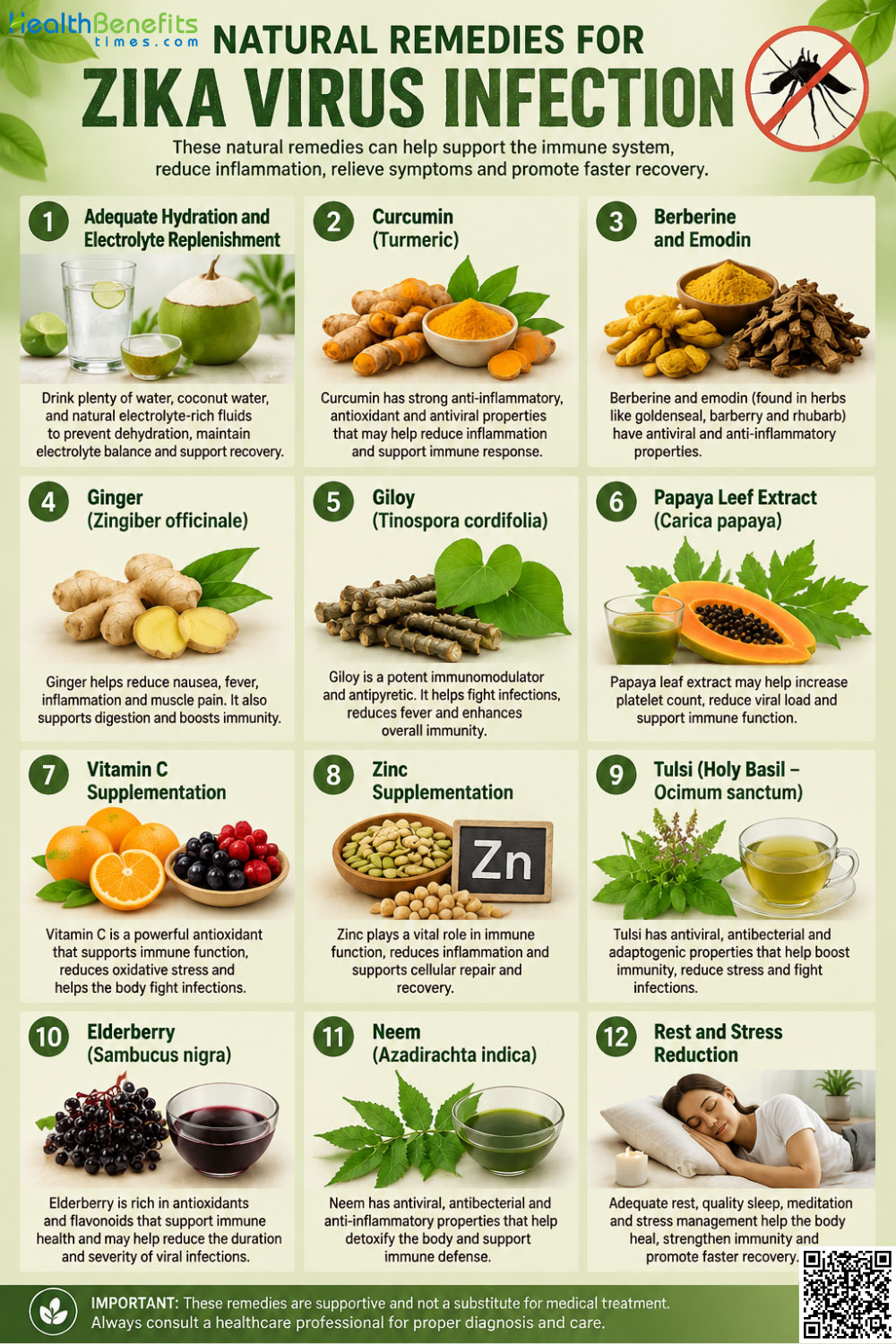
4. Ginger (Zingiber officinale)
In many parts of the world, ginger has been used for centuries as a go-to remedy for fever, nausea, and inflammation. Modern science is now beginning to understand why. A systematic review of garlic and ginger as medicinal spices found moderate evidence that they may have antiviral effects against several types of viral infections. 27 Fresh ginger is especially interesting because it contains compounds called gingerols and shogaols. These have shown real anti-inflammatory and antioxidant activity in studies. 28 There isn’t much direct research on ginger and Zika specifically. However, ginger has shown antiviral activity against closely related mosquito-borne viruses like chikungunya which gives researchers reason to think it may be relevant here too. 29 If you’re dealing with Zika symptoms, drinking fresh ginger tea may help ease nausea, reduce joint pain, and support your body’s natural inflammatory response.
5. Giloy (Tinospora cordifolia)
In parts of South Asia, giloy has been used for centuries as a go-to herb for fevers especially those caused by mosquito-borne infections. It contains natural compounds that may help lower fever, reduce inflammation, and support the immune system. That’s why it’s one of the more commonly recommended herbal options in areas where dengue and Zika spread frequently. 30 The traditional way to prepare it is simple: boil giloy stems in water with cumin and fennel seeds, then drink the liquid throughout the day. Early research suggests it may help the body regulate its immune response during viral infections but clinical trials focused specifically on Zika haven’t been done yet. 31
6. Papaya Leaf Extract (Carica papaya)
In many tropical regions, papaya leaf has been used as a traditional remedy for fevers and blood-related conditions long before modern science began investigating it. Its popularity grew largely because of dengue fever a virus closely related to Zika. Both belong to the same viral family, known as flaviviruses. Clinical studies have shown that papaya leaf extract can help the body recover platelet counts faster during dengue infection, especially when used alongside standard care. 32 In trials involving children with dengue, a syrup made from papaya leaf raised platelet levels more effectively than what was seen in control groups. 33 Since Zika and dengue are caused by related viruses and can produce similar blood-related changes, papaya leaf extract may offer comparable supportive benefits during Zika infection. However, clinical research specifically focused on Zika is still limited.
7. Vitamin C Supplementation
The modern diet tends to be short on vitamin C and that shortfall has real consequences for how well the immune system fights off viral infections. When vitamin C levels drop too low, the body’s first line of defense weakens. This can leave a person more open to infections like Zika and may lead to worse outcomes once illness sets in. 34 Vitamin C does several things at once. It helps the body produce and maintain white blood cells, which are central to fighting infection. It also works as an antioxidant, protecting cells from the kind of damage that viruses cause. On top of that, it supports the skin and mucosal linings the physical barriers that help keep pathogens out in the first place. 35 If you’re recovering from Zika, eating vitamin C-rich foods like oranges, guavas, kiwis, and bell peppers is a practical place to start. Supplements are another option, though it’s best to use them under medical guidance.
8. Zinc Supplementation
Zinc is beneficial at moderate levels. At very high amounts, however, it may produce the opposite effect suppressing the very immune system it’s meant to support 36. This mineral plays a hands-on role in how the body fights infections. It helps immune cells develop properly, keeps inflammation in check, and supports the body’s antiviral defenses 37. Zinc also fuels natural killer cells and T-lymphocytes two types of immune cells the body relies on to detect and clear viruses. Getting zinc through food is straightforward. Pumpkin seeds, lentils, chickpeas, and lean meats are all solid sources. If you’re considering a supplement, stick to the recommended dosage. More isn’t better here too much zinc can actually weaken your immune response 36.
9. Tulsi (Holy Basil — Ocimum sanctum)
In South Asia, tulsi has been used for centuries as a natural remedy for infections and fevers. Now, researchers are examining those traditional claims more closely. The plant contains bioactive compounds mainly eugenol and ursolic acid that have shown antiviral activity against several pathogens in laboratory settings. 31 Traditionally, people chew fresh tulsi leaves or brew them into tea during mosquito-borne infections, believing it strengthens the body’s immune response. There’s some scientific basis for this. Lab studies found that alcoholic extracts of tulsi leaves could block the replication of dengue virus serotype 2. Since Zika belongs to the same flavivirus family as dengue, researchers think a similar mechanism could apply though this hasn’t been confirmed in human trials yet. 38 Tulsi is also considered an adaptogen, meaning it may help the body cope with the stress and fatigue that often come with an acute viral illness. If you’re looking for a gentle, traditional support during recovery, tulsi tea is one of the more accessible options but it shouldn’t replace medical care.
10. Elderberry (Sambucus nigra)
A systematic review of multiple studies found that elderberry extract may help shorten the duration of viral respiratory infections and could serve as a safe supportive option during viral illnesses. 39 The way elderberry works against viruses comes down to its anthocyanins natural pigments that attach to viral surface proteins and block the virus from entering cells. This mechanism gives elderberry a potential inhibitory effect on viral infection. 40 Most elderberry research has focused on influenza and respiratory viruses, not flaviviruses like Zika. Still, its broad antiviral and antioxidant properties make it a reasonable complementary supplement during any viral illness, including Zika. If you’re considering elderberry, use it under professional guidance.
11. Neem (Azadirachta indica)
In South Asia, neem has been used for centuries as a natural remedy for infections and insect control. Now, researchers are examining those traditional claims more closely. Burning neem leaves or applying neem oil around the home can help keep Aedes mosquitoes away, which lowers the chance of spreading Zika further. 30 Neem also has antiviral and anti-inflammatory effects, and it may help stimulate the immune system during recovery from mosquito-borne infections. 41 That said, neem is potent and not without risks. It can mildly thin the blood, which is a concern if dengue hasn’t been ruled out. If you’re considering neem, use it cautiously and consult a healthcare provider first.
12. Rest and Stress Reduction
The real-world question isn’t whether rest helps during a viral illness most evidence confirms it does but how much it actually shapes your recovery. The CDC lists getting plenty of rest as a core part of managing Zika symptoms. 5 There’s a good reason for that. When the body doesn’t get enough sleep, immune cells don’t work as well, and recovery takes longer. Beyond sleep itself, simple stress-reduction habits can make a difference. Deep breathing, meditation, or light stretching help lower cortisol the body’s main stress hormone. When cortisol drops, the immune system has more room to do its job effectively. These aren’t replacements for medical care, but paired with proper rest, they give your body a better chance at bouncing back.
Foods and Activities to Avoid When You Suffer from Zika Virus Infection
Knowing what to avoid is just as important as knowing what to consume during recovery. The following restrictions can help prevent complications and support faster healing:
1. Aspirin and NSAIDs
You should avoid aspirin, ibuprofen, and other non-steroidal anti-inflammatory drugs until dengue fever has been definitively ruled out, as these medications increase the risk of hemorrhagic bleeding 21.
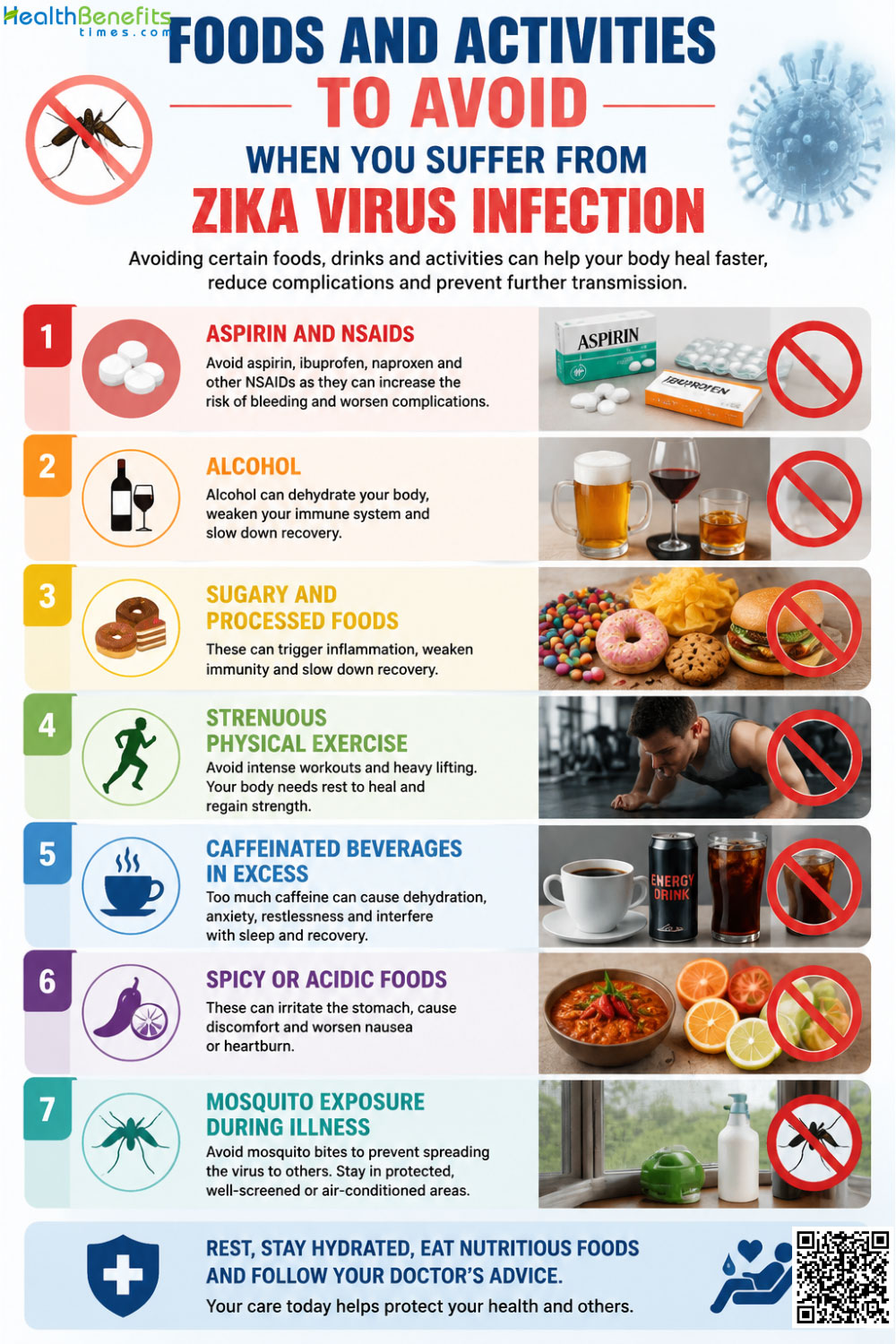
2. Alcohol
Alcoholic beverages can cause dehydration, suppress immune function, and interfere with the body’s ability to fight infection. Avoid all forms of alcohol during active Zika infection.
3. Sugary and Processed Foods
High-sugar diets can promote systemic inflammation and impair white blood cell activity, potentially slowing recovery from any viral illness.
4. Strenuous Physical Exercise
Intense physical activity during active infection places additional stress on the cardiovascular system and diverts energy away from immune defense. Light walking is acceptable once the fever subsides, but vigorous exercise should be avoided until full recovery.
5. Caffeinated Beverages in Excess
While moderate caffeine intake is generally harmless, excessive consumption can contribute to dehydration and interfere with the restorative sleep critical to recovery.
6. Spicy or Acidic Foods
These may irritate the gastrointestinal tract, particularly in patients experiencing nausea or reduced appetite during Zika illness.
7. Mosquito Exposure During Illness
Individuals actively infected with Zika should take extra precautions to avoid mosquito bites to prevent the virus from spreading to others through subsequent mosquito transmission 42.
Myths and Misconceptions
1. The idea that genetically modified mosquitoes or chemicals in drinking water caused Brazil’s spike in microcephaly cases is so widespread that many people still accept it without question. It’s also wrong. This myth gained traction during the 2015–2016 Zika outbreak and continues to circulate today. In reality, extensive scientific investigation has confirmed that Zika virus infection during pregnancy is the direct cause of these congenital brain abnormalities. 43 Misinformation like this isn’t just misleading it can lead to risky behavior when people dismiss real threats based on false explanations.
2. For years, herbal remedies have had a reputation for being able to “cure” viral infections like Zika. The research tells a more nuanced story. No natural compound has been clinically proven to eliminate the virus from the human body 5. Natural remedies can play a supportive role helping manage symptoms, supporting immune function, and improving comfort during recovery. But they are not a replacement for proper medical care.
3. For years, Zika had a reputation for spreading only through mosquito bites. The research tells a more nuanced story. Sexual transmission is a confirmed route, and the virus can remain in semen for weeks or even months after infection 7. Another common misunderstanding is that only pregnant women are at risk. Pregnancy-related complications are the most serious concern, but Zika can also trigger Guillain-Barré syndrome and other neurological problems in anyone who gets infected 11.
4. Few foods have had their reputation reversed as dramatically as Zika has had its reinfection risk misunderstood. Many people assume that recovering from Zika leaves them vulnerable to catching it again and again. Current evidence doesn’t support that. Once someone has had Zika, their body likely builds long-term immunity against future infection. 44 Researchers are still studying how durable that protection is, but so far, repeated reinfection hasn’t been a documented pattern. 3
Special Considerations
1. Children
Children’s nutritional and medical needs differ from adults’ in a few key ways and Zika infection is no exception. Kids generally experience the same mild symptoms as adults: a rash, low-grade fever, and general fussiness. But their smaller bodies lose fluids faster, which makes dehydration a real concern during any illness that causes fever. Keeping them well-hydrated should be a top priority for caregivers. For managing fever and pain, acetaminophen (paracetamol) is the go-to option just make sure the dose matches the child’s weight. 5 When it comes to herbal remedies, extra caution is warranted. Many haven’t been tested for safety in children, and a dose that’s fine for an adult can be too much for a smaller body.
2. Pregnancy
For pregnant women, Zika carries implications that go beyond general health advice the stakes are uniquely high. The virus can cross the placenta and directly infect developing brain tissue in the fetus. This can lead to congenital Zika syndrome, a condition marked by an abnormally small head (microcephaly), calcium deposits in the brain, and other serious neurological problems. 45 Because of this risk, the CDC recommends that pregnant women avoid traveling to areas where Zika is actively spreading. 2 If you’re pregnant, it’s also worth knowing that most herbal remedies often mentioned alongside Zika such as giloy, neem, and high-dose turmeric haven’t been studied enough to confirm they’re safe during pregnancy. These should be avoided unless your obstetrician or a maternal-fetal medicine specialist specifically approves them. 46 If you’re pregnant and suspect you may have been exposed to Zika, consult with both an infectious disease specialist and a maternal-fetal medicine expert as early as possible. 47
3. Chronic Conditions
For people with conditions like diabetes, heart disease, or autoimmune disorders, Zika carries implications that go beyond general recovery advice. A weakened or overactive immune system can make bouncing back harder and some natural remedies may do more harm than good in these cases. Herbs like giloy and tulsi are known for stimulating the immune system. That sounds helpful, but for someone with an autoimmune condition, it could actually make things worse by pushing an already overactive immune response further. There’s also the issue of drug interactions. Herbal supplements don’t always mix safely with medications like blood thinners, immunosuppressants, or blood pressure drugs. Before adding any supplement to the mix, it’s worth checking with a healthcare provider especially when multiple medications are already in play.
4. Elderly
As we age, our body’s defenses weaken in ways that make something as common as a viral infection harder to bounce back from. Older adults tend to have weaker immune responses and fewer physical reserves to draw on when illness strikes. This makes dehydration a bigger risk and recovery often takes longer than it would for younger people. Herbal supplements require extra caution in this age group. The kidneys and liver naturally slow down with age, which changes how the body processes and clears out bioactive compounds. Before starting any herbal remedy, it’s worth having kidney and liver function checked to avoid unexpected reactions. If you’re an older adult dealing with a viral infection, keep things simple. Focus on staying hydrated, getting plenty of rest, and working with a doctor to manage symptoms. These basics matter more than any supplement.
Precautions Before Use of Natural Remedies When You Have Zika Virus Infection
Before incorporating any natural remedy into your recovery plan, the following precautions should be carefully observed:
1. Consult a Healthcare Provider First
You should always speak with a qualified medical professional before starting any herbal supplement or natural remedy, particularly if you are pregnant, nursing, or managing a chronic condition.
2. Rule Out Dengue Before Taking Certain Supplements
Because Zika and dengue share similar symptoms and geographic distributions, dengue must be excluded before using any remedy that may affect platelet function or blood clotting 21.
3. Verify Herb-Drug Interactions
Many natural compounds can interact with prescription medications. Turmeric and ginger, for instance, have mild anticoagulant effects that could potentiate blood-thinning medications.
4. Avoid Self-Diagnosis
Symptoms of Zika overlap significantly with dengue, chikungunya, and other infections. Accurate diagnosis requires laboratory testing, not guesswork 13.
5. Use Standardized, Quality-Controlled Products
If you choose to use herbal supplements, select products from reputable manufacturers with third-party testing and quality certifications.
6. Start with Low Doses
Introduce one remedy at a time in small amounts to monitor for adverse reactions before increasing the dosage.
7. Do Not Replace Medical Treatment
Natural remedies should complement, never replace, the basic supportive care recommended by the CDC and WHO, including rest, hydration, and acetaminophen for fever and pain 3.
8. Monitor for Allergic Reactions
Herbal preparations can trigger allergic responses in sensitive individuals. Discontinue use immediately if you experience hives, swelling, breathing difficulty, or gastrointestinal distress.
9. Avoid High-Dose Supplementation Without Supervision
Excessive intake of zinc, vitamin C, or herbal extracts can cause toxicity, gastrointestinal side effects, or paradoxically impair immune function 48.
When to See a Doctor
While most Zika infections resolve on their own within a week, certain warning signs warrant immediate medical attention. You should seek professional care if:
1. Symptoms Worsen Progressively
If fever, headache, or joint pain intensify rather than improve after the first few days, medical evaluation is essential 3.
2. You Are Pregnant or Suspect Pregnancy
Any pregnant individual with potential Zika exposure should be evaluated immediately, regardless of whether symptoms are present 8.
3. Signs of Dehydration Develop
Reduced urination, dry mouth, dizziness, or extreme thirst indicate dehydration that may require intravenous fluid administration.
4. Neurological Symptoms Appear
Sudden muscle weakness, difficulty walking, tingling or numbness in the limbs, or vision changes may indicate Guillain-Barré syndrome, a rare but serious complication of Zika 11.
5. Bleeding or Bruising Occurs
Unusual bleeding from the gums, nose, or in the urine, or unexplained bruising, may signal a blood disorder associated with Zika or concurrent dengue infection 47.
6. Severe Abdominal Pain or Persistent Vomiting
These symptoms could suggest organ involvement or co-infection with dengue, requiring urgent medical assessment.
7. Symptoms Persist Beyond Two Weeks
While Zika illness typically resolves within 7 days, prolonged symptoms may indicate complications or an alternative diagnosis that requires further investigation.
8. You Are Immunocompromised
Individuals with weakened immune systems due to HIV, cancer treatment, organ transplant medications, or other conditions should seek medical guidance at the first sign of any viral illness.
9. You Recently Traveled to a Zika-Endemic Area
If you have visited a region with active Zika transmission and develop any symptoms within two weeks of return, request testing from your healthcare provider 12.
This article is intended for informational purposes only and does not constitute medical advice. The natural remedies discussed herein are supported by preliminary research or traditional use and have not been clinically validated as treatments for Zika virus infection. Always consult a licensed healthcare professional before making decisions about your health.
Comments
comments