

Causes of Zoonoses
1. Viruses
Viruses are microscopic germs that require a living host to survive and multiply. They are responsible for many highly contagious zoonotic diseases, including rabies, Ebola, and avian influenza. Viral zoonoses frequently spread through contact with infected saliva, blood, or respiratory droplets, and they are capable of causing widespread outbreaks due to their ability to mutate rapidly 1.
2. Bacteria
Bacteria are simple, single-celled organisms that can survive in diverse environments, including inside animal and human bodies. Zoonotic bacterial infections, such as salmonellosis, anthrax, and Lyme disease, often develop when humans consume contaminated animal products or are bitten by infected insects like ticks 3. Once inside the human body, these bacteria can rapidly multiply and release harmful toxins.
3. Parasites
Parasites are organisms that live on or inside a host animal to absorb nutrients, often causing damage to the host. Common zoonotic parasites include protozoa, such as the germ that causes toxoplasmosis, and various intestinal worms. Humans typically contract these parasites by consuming undercooked meat, drinking contaminated water, or accidentally swallowing trace amounts of infected animal feces 4.
4. Fungi
Fungi include organisms like molds and yeasts that naturally exist in the environment and on the bodies of animals. When transmitted to humans, they usually cause localized skin or hair infections. The most frequent fungal zoonosis is dermatophytosis, commonly known as ringworm, which spreads through direct physical contact with infected pets, farm animals, or contaminated soil 5.
5. Prions
Prions are abnormal, disease-causing proteins that trigger normal proteins in the brain to fold incorrectly. They cause rare, progressive, and fatal brain disorders. The most well-known zoonotic prion disease in humans is variant Creutzfeldt-Jakob disease, which occurs when a person consumes meat or tissue from cattle infected with bovine spongiform encephalopathy, widely known as mad cow disease 6.
Symptoms of Zoonoses
1. Gastrointestinal Symptoms
Many zoonotic infections that spread through contaminated food or water primarily affect the digestive system. Common signs include severe stomach cramps, nausea, vomiting, and diarrhea, which can sometimes lead to severe dehydration and weight loss 7.
2. Flu-like and Systemic Symptoms
A wide variety of zoonoses begin with general, full-body illness. Patients frequently experience sudden high fevers, chills, extreme tiredness, and severe muscle, bone, or joint aches that mimic a typical viral infection 8.
3. Skin and Dermatological Symptoms
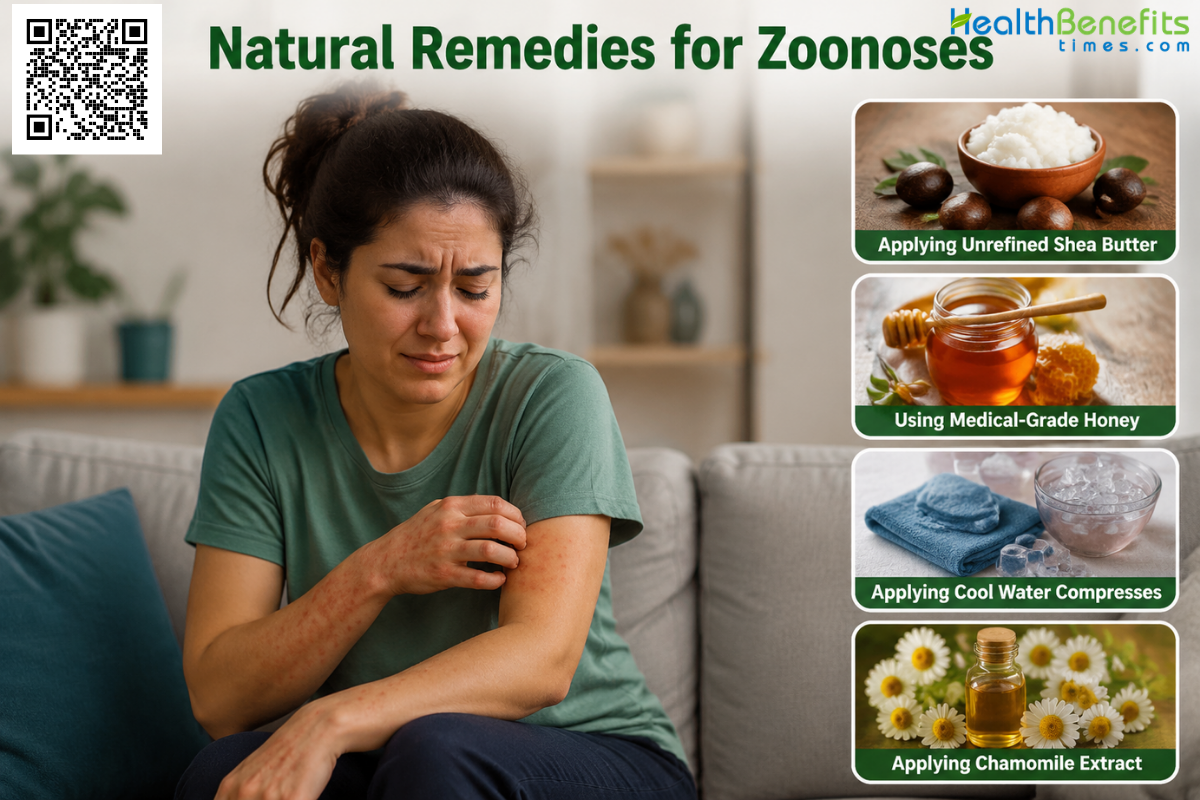
Direct contact with infected animals, fungal germs, or bug bites often results in visible skin changes. Symptoms include raised bumps, thickened skin, localized redness, itchy circular spots, or distinct rashes 9.
4. Respiratory Symptoms
Zoonotic diseases that affect the lungs can cause significant breathing difficulties. Individuals may develop a persistent cough, shortness of breath, chest pain, and in severe cases, severe lung infections like pneumonia 10.
5. Neurological Symptoms
Some of the most severe zoonoses attack the brain and spinal cord. These infections can trigger intense headaches, sudden confusion, muscle weakness, seizures, and life-threatening swelling of the brain 11.
Natural Remedies for Zoonoses
1. Oral Rehydration Fluids
How it may help:
Many zoonotic digestive infections cause severe diarrhea and vomiting, which quickly drain the body of essential water and salts. Oral rehydration fluids replace these critical lost electrolytes and fluids. This prevents dangerous dehydration and supports the body’s basic functions while it fights the animal-borne germs.
What research says:
Clinical evidence confirms that oral rehydration therapy is a highly effective, life-saving treatment for acute infectious diarrhea. The World Health Organization concludes that a simple, precise mixture of clean water, salt, and sugar successfully treats over 90% of severe dehydration cases, significantly lowering disease severity 12.
How to use it safely:
To use oral rehydration fluids safely, mix commercially prepared packets exactly as directed with clean, boiled, or bottled water. You should sip the solution slowly throughout the day, especially after each loose stool, until your digestive symptoms fully resolve 13.
Potential precautions or side effects:
Avoid mixing the solution with milk, soda, or juice, as improper salt levels can worsen diarrhea. Seek immediate medical care if you experience continuous vomiting, confusion, or extreme weakness.
2. Tea Tree Oil
How it may help:
Tea tree oil is a plant extract that contains strong natural compounds capable of destroying harmful germs. When applied to the skin, it helps break down the outer walls of fungi. This makes it useful for managing surface-level fungal zoonoses, such as ringworm, which humans often catch from infected animals.
What research says:
Laboratory and clinical studies confirm that tea tree oil possesses significant antifungal and antibacterial properties. Research concludes that the active compounds in the oil, particularly terpinen-4-ol, successfully stop the growth of dermatophytes, which are the specific fungi responsible for ringworm and other animal-to-human skin infections 14.
How to use it safely:
You should never apply pure tea tree oil directly to your skin. Always dilute a few drops into a gentle carrier liquid, such as coconut or olive oil, before rubbing it onto the infected spot. Wash your hands thoroughly afterward to prevent spreading the germs.
Potential precautions or side effects:
Tea tree oil can cause unexpected skin redness, itching, or allergic reactions. It is highly toxic if swallowed and must always be kept away from children and household pets.
3. Medical-Grade Honey
How it may help:
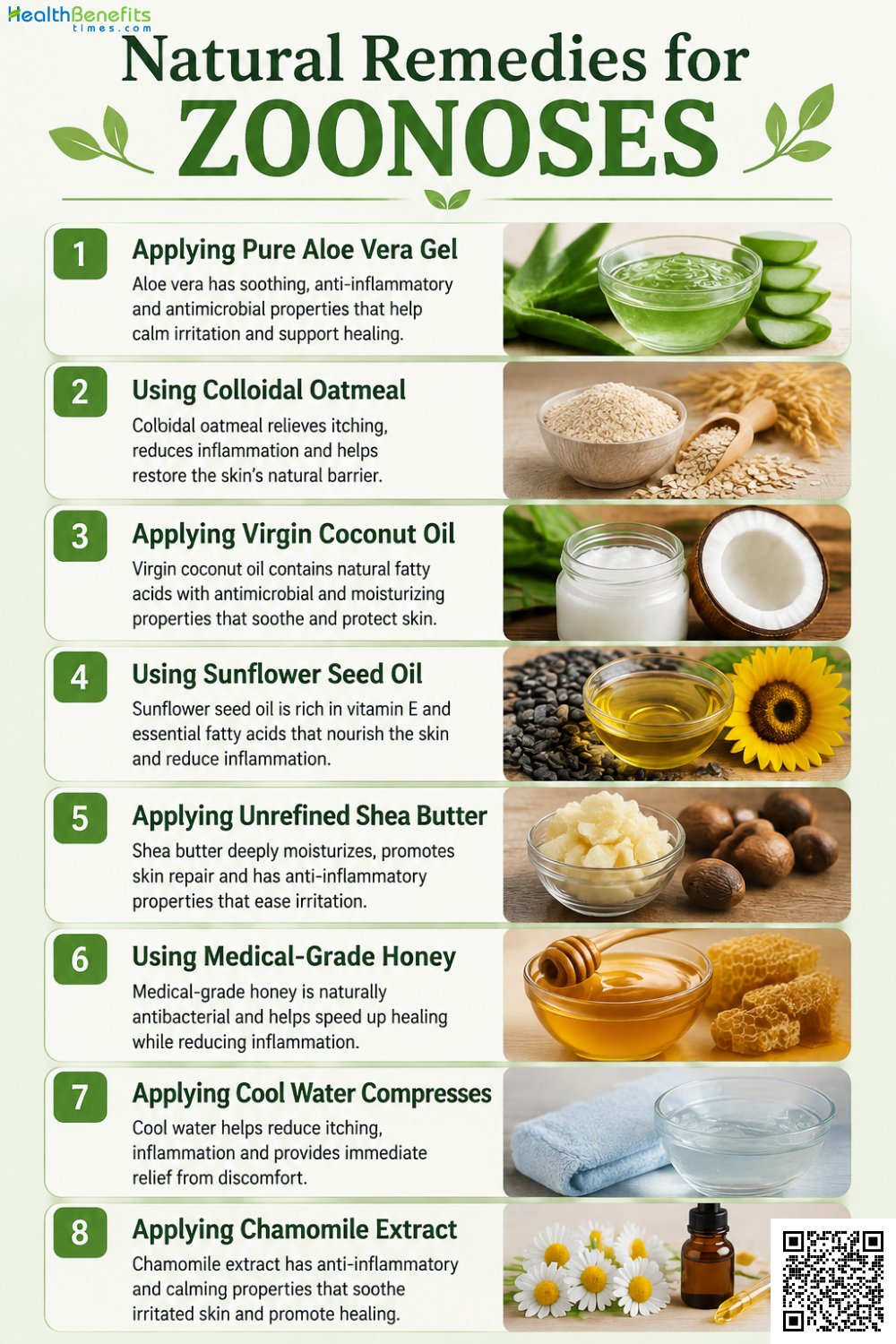
Medical-grade honey draws moisture out of wounds and creates a protective acidic barrier. This natural environment stops harmful bacteria from multiplying. When applied to minor animal scratches or bites, it helps prevent zoonotic skin infections from worsening and speeds up the body’s natural tissue healing process.
What research says:
Clinical research demonstrates that medical-grade honey possesses powerful, broad-spectrum antibacterial properties. Studies conclude it successfully destroys a wide range of harmful bacteria, including antibiotic-resistant strains that often enter the skin through animal contact, while significantly accelerating wound closure and reducing infection rates 15.
How to use it safely:
You should exclusively use sterilized, medical-grade honey from a pharmacy, never regular grocery store honey. Squeeze a small amount directly onto a clean, sterile bandage rather than directly onto your skin. Apply the bandage to the washed wound and change it daily.
Potential precautions or side effects:
You might experience a mild, temporary stinging sensation when first applied. Stop use if you notice increased redness, and never rely on honey for deep, severe animal bites.
4. Garlic Extract
How it may help:
Garlic extract contains a powerful active compound called allicin, which naturally fights harmful germs. When consumed, it helps the digestive system defend against certain bacterial zoonoses, particularly foodborne illnesses contracted from contaminated animal products. It works by disrupting the cell walls of harmful bacteria, stopping them from multiplying.
What research says:
Clinical studies confirm that garlic extract possesses strong antibacterial properties. Research concludes that allicin successfully inhibits the growth of major foodborne zoonotic bacteria, including Salmonella and Escherichia coli, which commonly spread from animals to humans through contaminated food 16.
How to use it safely:
You can take standardized garlic extract capsules or tablets as a dietary supplement. Always follow the specific dosage instructions provided on the packaging. To prevent stomach discomfort, you should swallow the supplement with a full glass of water during or immediately after a solid meal.
Potential precautions or side effects:
You may experience bad breath, heartburn, or mild stomach upset. Stop use and consult a doctor if you take blood thinners, as garlic can naturally increase bleeding risks.
5. Ginger Root
How it may help:
Ginger root contains natural compounds that calm the digestive tract and reduce stomach spasms. For individuals suffering from gastrointestinal zoonoses, such as foodborne illnesses contracted from contaminated animal products, ginger helps relieve the severe nausea and vomiting that frequently accompany these infections.
What research says:
Clinical research confirms that ginger is a highly effective treatment for reducing nausea and vomiting. Studies conclude that the active compounds in ginger, specifically gingerols, accelerate stomach emptying and successfully block nausea signals in the brain, providing significant relief during severe digestive illnesses 17.
How to use it safely:
You can safely consume ginger by steeping freshly sliced root in hot water to make a soothing tea, or by taking standardized ginger capsules. Limit your total intake to no more than four grams daily, and sip ginger liquids slowly to let your stomach settle.
Potential precautions or side effects:
Consuming excessive amounts of ginger may cause mild heartburn, mouth irritation, or additional stomach upset. You should consult a doctor before use if you take prescription blood thinners.
6. Neem Extracts
How it may help:
Neem extracts contain active biological compounds, such as nimbidin and nimbin, which naturally fight fungal and bacterial germs. When applied directly to the skin, neem helps soothe inflammation and destroys the cell walls of fungi, making it highly effective for managing surface-level zoonotic skin infections like ringworm contracted from animals.
What research says:
Clinical and pharmacological research confirms that neem possesses potent broad-spectrum antimicrobial properties. Studies conclude that its active extracts successfully inhibit the growth of dermatophytes—the specific fungi responsible for ringworm—and other harmful bacteria, establishing it as an effective natural treatment for various animal-to-human skin infections 18.
How to use it safely:
You can safely apply diluted neem oil or neem-based creams directly to the affected skin twice daily. Always mix pure neem oil with a gentle carrier liquid, such as coconut or almond oil, before use. Wash your hands thoroughly after applying to prevent spreading the infection.
Potential precautions or side effects:
Neem oil is strictly for external use and can be highly toxic if swallowed. You should avoid using it on children or if you are pregnant or trying to conceive.
7. Natural Probiotics
How it may help:
Probiotics are beneficial bacteria that help restore a healthy balance inside the human digestive system. Following a gastrointestinal zoonotic infection, such as salmonellosis contracted from animals, these helpful microorganisms crowd out harmful germs. This strengthens the gut’s natural barrier, reduces prolonged diarrhea, and helps the digestive tract fully recover.
What research says:
Clinical studies confirm that probiotics are an effective supportive treatment for intestinal infections. Research concludes that specific probiotic strains, such as Lactobacillus, successfully reduce the severity and duration of acute infectious diarrhea by restoring healthy gut flora and enhancing the local immune response against harmful bacteria 19.
How to use it safely:
You can safely introduce probiotics by eating fermented foods with active cultures, such as plain yogurt, or by taking standardized dietary supplements. If choosing supplements, strictly follow the package dosing instructions and take them a few hours after any prescribed antibiotics to ensure the good bacteria survive.
Potential precautions or side effects:
You might experience mild, temporary gas or stomach bloating. Avoid using these supplements without a doctor’s approval if you have a severely weakened immune system or serious underlying illness.
8. Aloe Vera Plant Gel
How it may help:
Aloe vera gel contains natural cooling and anti-inflammatory compounds that soothe irritated skin. While it cannot cure the underlying germs of zoonotic diseases, it provides immediate relief for severe itching, redness, and swelling caused by insect bites—such as those from ticks or mosquitoes—which are common carriers of animal-borne infections.
What research says:
Clinical studies confirm that aloe vera gel possesses significant anti-inflammatory and wound-healing properties. Research concludes that the plant’s active compounds successfully block pain-causing chemicals in the skin and stimulate cell growth, making it an effective topical treatment for reducing inflammation and accelerating the healing of minor skin injuries 20.
How to use it safely:
You should apply a thin layer of pure, fragrance-free aloe vera gel directly to the affected skin up to three times a day. Wash the bug bite or rash gently with mild soap and water before application to ensure the area remains clean and free of additional germs.
Potential precautions or side effects:
Aloe vera can occasionally cause mild skin itching or redness. You should stop using it immediately if a rash worsens, and never apply it to deep, open wounds.
Foods to Avoid When You Suffer from Zoonoses
1. Raw or Undercooked Meat
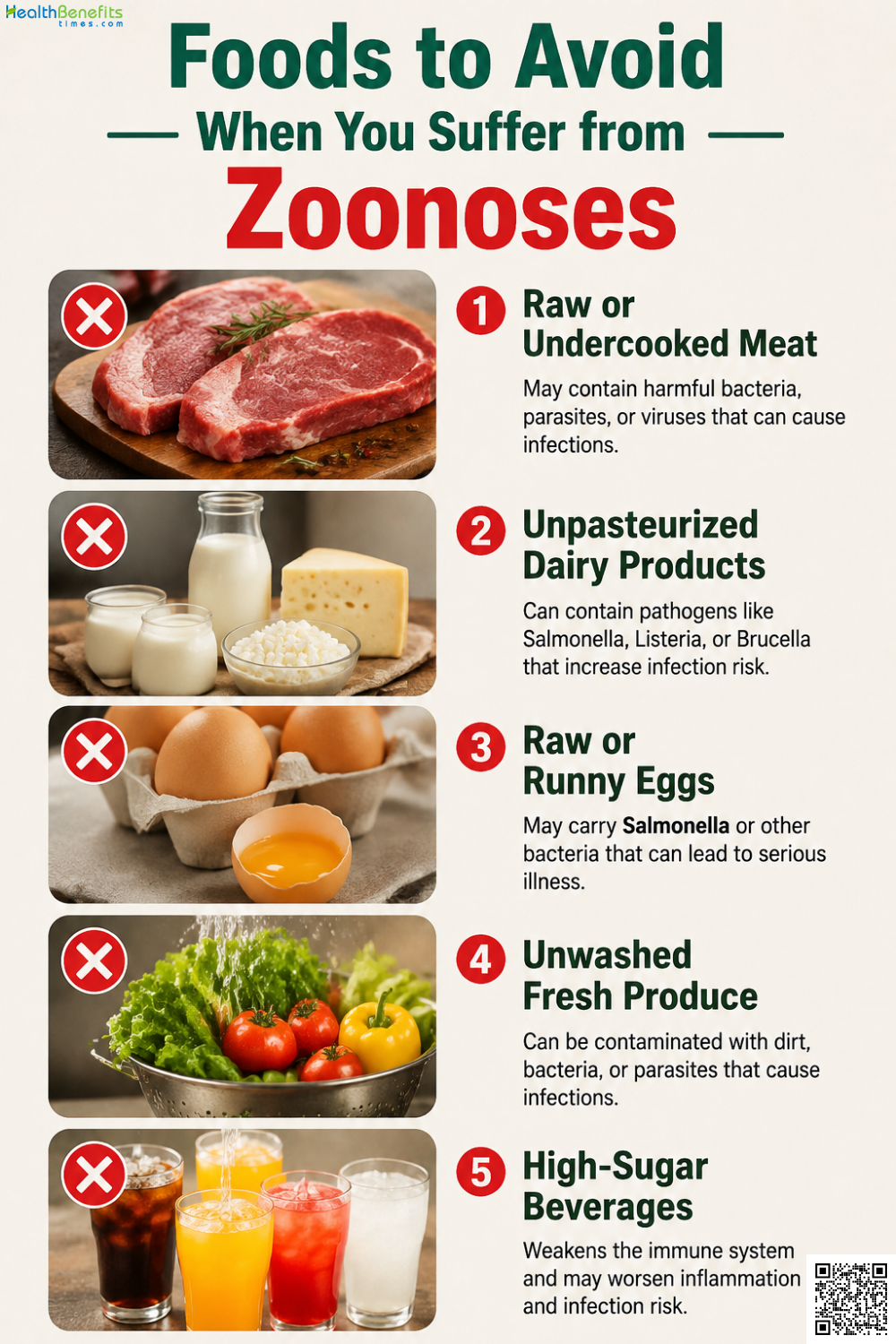
Consuming undercooked meat introduces harmful zoonotic bacteria, like Salmonella, which severely worsens existing gastrointestinal infections and weakens immune recovery 21.
2. Unpasteurized Dairy Products
Raw milk and cheeses often contain dangerous germs such as Listeria and Brucella, which cause severe secondary infections in compromised immune systems 22.
3. Raw or Runny Eggs
Uncooked eggs carry a high risk of Salmonella contamination, potentially triggering severe diarrheal illness that complicates recovery from existing zoonotic diseases 23.
4. Unwashed Fresh Produce
Raw fruits and vegetables exposed to animal feces transmit zoonotic parasites and bacteria, requiring thorough washing to prevent severe intestinal complications 24.
5. High-Sugar Beverages
Sugary drinks pull excess water into the gut, significantly worsening the severe diarrhea and dehydration commonly caused by intestinal zoonotic infections 25.
When to see Doctor when you struggle from Zoonoses
- High and Persistent Fever: If you develop a sudden, high fever that does not improve after several days, seek immediate medical care, as this indicates a severe systemic infection 26.
- Severe Animal Bites or Scratches: Always consult a healthcare provider after an animal bite, especially from a wild animal, to receive essential life-saving treatments like rabies vaccines or antibiotics 27.
- Signs of Severe Dehydration: You must visit a doctor if you experience continuous vomiting or bloody diarrhea, which rapidly causes dangerous dehydration requiring emergency intravenous fluids 28.
- Neurological Changes: Seek emergency assistance if you experience extreme headaches, sudden confusion, stiff neck, or seizures, as these suggest the infection has dangerously reached your brain 29.
- Expanding Skin Rashes: Contact a doctor if a bug bite or skin wound becomes increasingly red, swollen, or develops a distinct circular rash, requiring immediate targeted antibiotics 30.
Comments
comments