

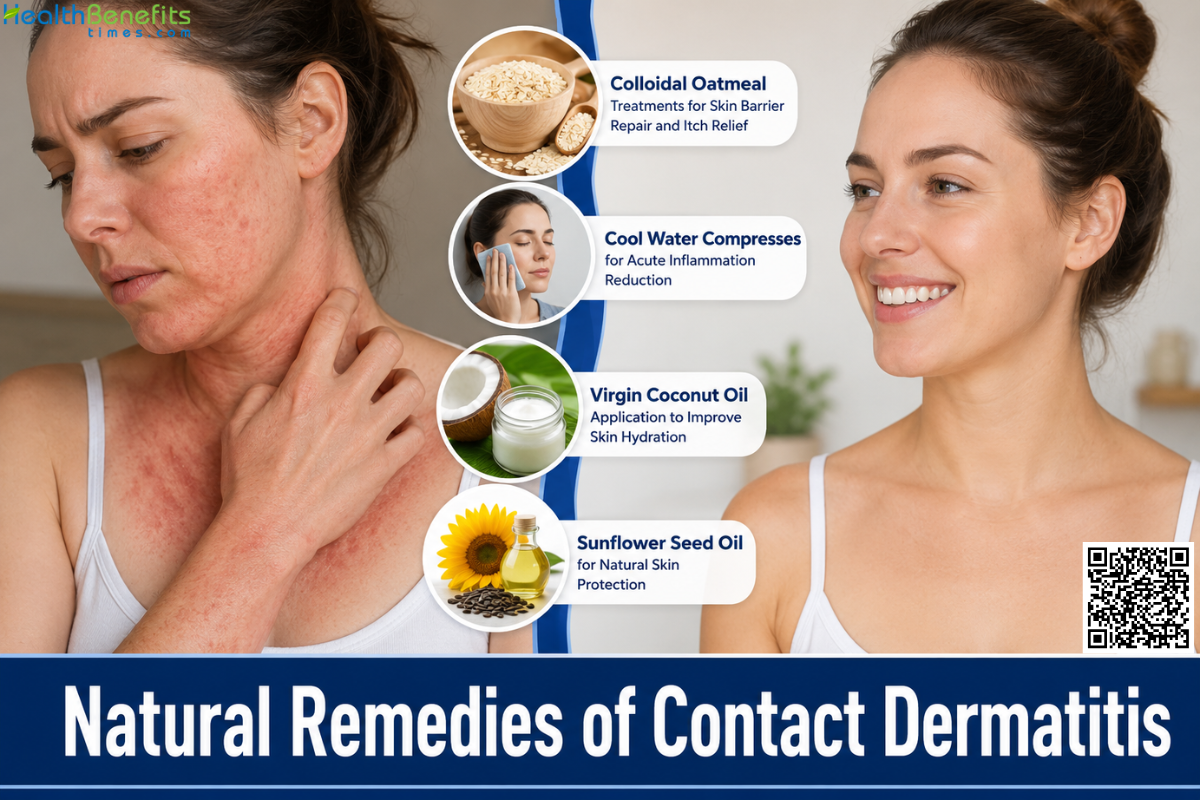
Causes of Contact Dermatitis
Irritant Triggers (Irritant Contact Dermatitis)
1. Prolonged Moisture Exposure
Frequent hand washing, extensive wet work, or trapped sweat significantly compromise the skin barrier 4.
2. Household and Industrial Chemicals
Direct contact with harsh soaps, detergents, alkaline solutions, and organic solvents physically damages the outer skin layer.
3. Physical and Environmental Factors
Extreme temperatures (heat or cold), low humidity, friction from tight clothing or occlusive gloves, and ultraviolet radiation can initiate or worsen skin irritation.
4. Biological Irritants
Exposure to specific raw foods, such as fruit juices, mustard, or asparagus, and certain plant extracts can trigger localized non-allergic skin damage.
Allergic Triggers (Allergic Contact Dermatitis)
1. Metals
Nickel and cobalt—commonly found in everyday items like jewelry, belt buckles, watch bands, and clothing snaps—are the most frequent causes of delayed immune responses on the skin 5.
2. Fragrances
Both natural and synthetic fragrances, including Balsam of Peru and common chemical fragrance mixes used in perfumes, lotions, and body washes, frequently induce allergic reactions.
3. Preservatives
Chemical preservatives such as methylisothiazolinone, parabens, and formaldehyde-releasing agents utilized in wet wipes, cosmetics, and shampoos are highly sensitizing allergens 6.
4. Topical Medications
Over-the-counter antibiotic ointments and creams containing neomycin or bacitracin are well-documented triggers for localized allergic flares.
5. Adhesives and Rubber
Epoxy resins, colophony (rosin), and rubber accelerators found in medical tape, synthetic shoes, and industrial materials can provoke sustained localized inflammation upon contact.
Symptoms of Contact Dermatitis
1. Skin Redness
The affected area typically turns distinctly red or discolored shortly after direct physical contact with a triggering substance 7.
2. Severe Itching
An intense, persistent urge to scratch is the primary hallmark of allergic contact dermatitis, often developing 24 to 72 hours after initial exposure to the allergen.
3. Burning and Stinging Pain
Painful burning, stinging, or general skin soreness occurs frequently and rapidly in irritant contact dermatitis, particularly when harsh chemicals acutely damage the outer skin layer.
4. Blisters and Oozing
Acute inflammatory responses can produce elevated, fluid-filled blisters that may break open, ooze clear fluid, and eventually form rigid crusts.
5. Localized Swelling
The inflamed tissue often becomes noticeably elevated, swollen, and tender to the touch strictly at the site of chemical or allergen contact 8.
6. Dry and Peeling Skin
As the initial inflammation subsides, or in cases of chronic low-level exposure, the skin surface frequently becomes scaly, excessively dry, and rough.
7. Painful Cracking
Prolonged, repeated contact with irritants can cause the skin to permanently thicken, harden, and develop deep, painful splits or fissures, which are most commonly observed on the hands.
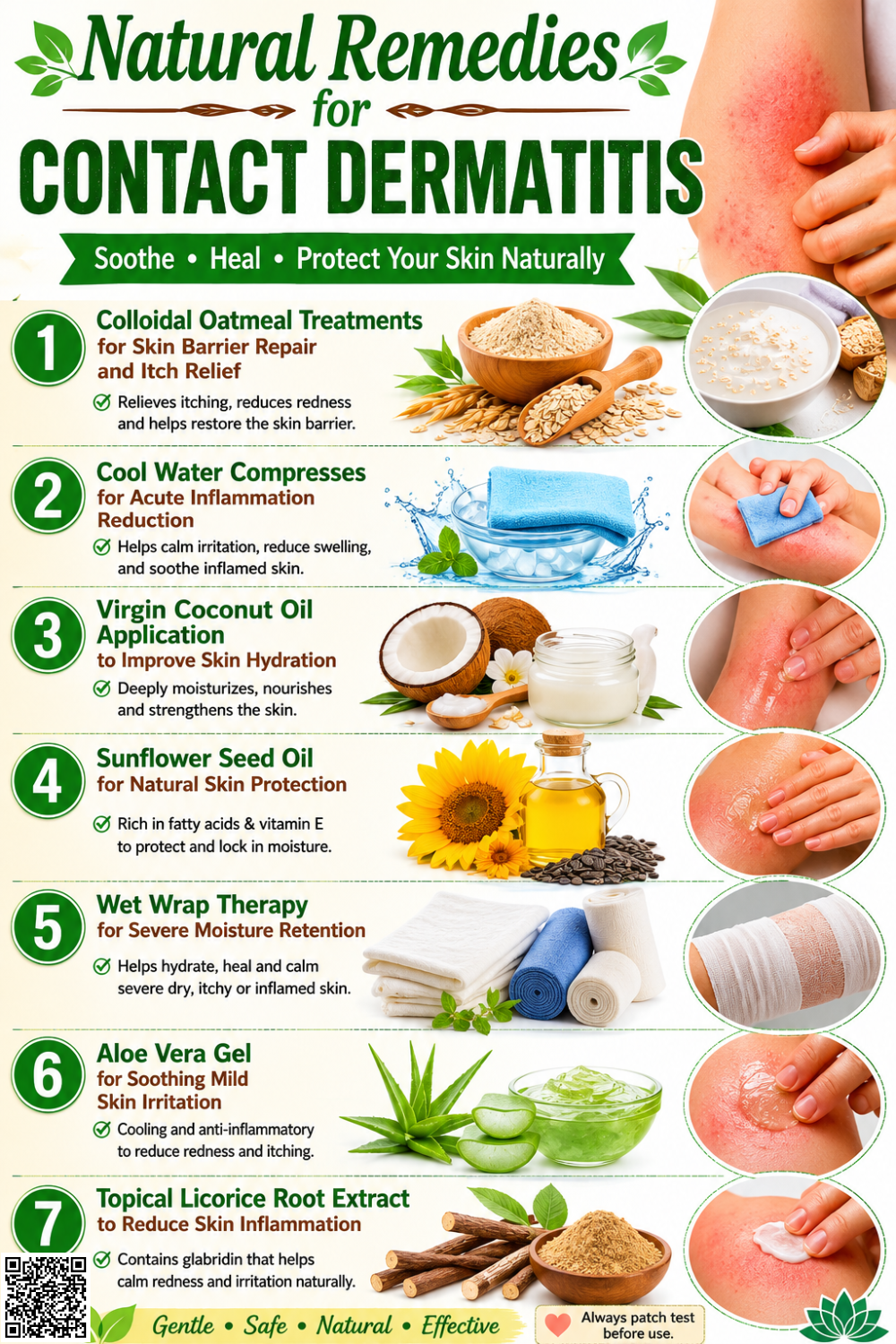
1. Colloidal Oatmeal Treatments for Skin Barrier Repair and Itch Relief
How it may help
Colloidal oatmeal contains natural plant compounds that bind to the skin, creating a protective layer that locks in moisture and prevents further dryness. This protective barrier directly reduces the severe itching and physical skin irritation commonly experienced during contact dermatitis flare-ups 9.
What research says
Clinical studies confirm that colloidal oatmeal functions as an effective anti-inflammatory and antioxidant agent. Research concludes that applying topical oatmeal significantly decreases skin dryness, reduces scaling, and lowers the intensity of inflammatory skin reactions by directly repairing the damaged outer skin barrier.
How to use it safely
You can safely use colloidal oatmeal by sprinkling the finely ground powder into lukewarm bathwater. Soak your body for 10 to 15 minutes, then gently pat your skin dry. Immediately apply a fragrance-free moisturizer over the damp skin to lock in hydration.
Potential precautions or side effects
Stop use immediately if you experience increased redness or stinging. Always use extreme caution when stepping out of the bathtub, as dissolved oatmeal makes surfaces highly slippery.
2. Cool Water Compresses for Acute Inflammation Reduction
How it may help
Applying cool water directly to irritated skin triggers local blood vessels to narrow, which rapidly decreases localized swelling and redness. The cool temperature also temporarily numbs overactive nerve endings in the damaged skin barrier, interrupting the urge to scratch and providing immediate relief from burning sensations.
What research says
Clinical guidelines strongly support cool compresses as a first-line treatment for acute weeping or blistering skin eruptions. Evidence confirms that localized cold therapy effectively slows down peripheral nerve cell communication, which reliably blunts the brain’s perception of severe itching and promptly reduces acute surface inflammation.
How to use it safely
To safely soothe your skin, soak a soft, clean washcloth in cool tap water and wring out the excess moisture. Gently press the damp cloth against the affected area for 15 to 30 minutes. You can repeat this routine several times daily to maintain physical comfort.
Potential precautions or side effects
Never apply raw ice directly to your skin, as freezing temperatures cause further tissue damage. Always pat the affected area dry instead of rubbing to avoid aggravating the active rash.
3. Virgin Coconut Oil Application to Improve Skin Hydration
How it may help
Virgin coconut oil contains natural fatty acids, primarily lauric acid, which coat the skin to prevent water loss and restore the damaged protective barrier. This deep moisturizing action relieves the severe dryness, flaking, and rough texture frequently caused by contact dermatitis flare-ups 10.
What research says
Clinical trials demonstrate that applying virgin coconut oil significantly improves skin hydration and speeds up the healing of compromised skin barriers. Researchers conclude it acts as a safe, effective moisturizer that reduces surface inflammation and prevents common skin infections associated with chronic dermatitis 11.
How to use it safely
Apply a thin layer of cold-pressed virgin coconut oil directly to your slightly damp skin immediately after bathing. You can gently massage the oil into the affected areas twice daily to lock in maximum moisture and maintain skin flexibility.
Potential precautions or side effects
Avoid applying coconut oil to actively weeping or oozing blisters. If you have a known tree nut or coconut allergy, refrain from using this oil to prevent severe allergic reactions.
4. Sunflower Seed Oil for Natural Skin Protection
How it may help
Sunflower seed oil is highly concentrated in linoleic acid, an essential fatty acid that helps the body produce specific protective skin fats called ceramides. By replenishing these natural fats, the oil strengthens the outer skin layer, effectively trapping water inside while blocking external irritants.
What research says
Clinical research demonstrates that applying sunflower seed oil directly to the skin significantly improves moisture retention and accelerates skin barrier repair. Studies conclude that, unlike olive oil which can disrupt the skin barrier, sunflower seed oil safely reduces inflammation without causing further redness or irritation.
How to use it safely
Apply a few drops of pure, cold-pressed sunflower seed oil to your clean, damp skin immediately after bathing. Gently massage the oil into the affected areas twice daily. Ensure your chosen product contains no added artificial fragrances or chemical preservatives.
Potential precautions or side effects
If you have known allergies to plants in the daisy family, such as ragweed, perform a small patch test first, as rare allergic cross-reactions can occur.
5. Wet Wrap Therapy for Severe Moisture Retention
How it may help
Wet wrap therapy provides intense hydration by trapping moisture against the damaged skin barrier. This physical barrier quickly cools the inflamed area, relieves severe itching, and significantly increases the absorption of topical moisturizers. It also acts as a physical shield that prevents further scratching during sleep 12.
What research says
Clinical research demonstrates that wet wrap therapy rapidly decreases skin inflammation and improves chronic dermatitis symptoms. Studies conclude that applying damp dressings over moisturizers accelerates skin barrier repair, restores lost moisture, and reduces overall disease severity significantly faster than using topical moisturizers alone.
How to use it safely
After bathing, apply a thick, fragrance-free moisturizer to the affected skin. Wrap the area with clean, warm, water-dampened cotton gauze. Cover this damp layer completely with a dry cotton clothing layer. You can leave these wraps on for several hours or overnight for maximum benefit.
Potential precautions or side effects
Do not use wet wraps on actively infected skin. Prolonged use can over-soften the skin barrier or trigger bacterial infections, so consult a doctor if symptoms worsen.
6. Aloe Vera Gel for Soothing Mild Skin Irritation
How it may help
Aloe vera gel contains natural anti-inflammatory compounds, vitamins, and enzymes that directly soothe irritated skin. Applying the clear gel produces an immediate cooling effect that helps relieve the mild burning, itching, and redness frequently caused by surface-level contact dermatitis flare-ups 13.
What research says
Clinical research indicates that aloe vera possesses specific anti-inflammatory and wound-healing properties. Studies conclude that the plant extract effectively improves skin hydration and reduces localized inflammation in mild skin irritation, though it remains insufficient for treating severe allergic dermatitis reactions.
How to use it safely
Extract fresh gel directly from an aloe plant leaf or select a commercial product containing pure aloe without added chemical preservatives or fragrances. Gently apply a thin layer over the affected skin two to three times daily until the mild irritation resolves.
Potential precautions or side effects
Always perform a small patch test before widespread use, as natural aloe compounds can occasionally trigger allergic skin reactions. Avoid applying the gel to open, severely weeping blisters.
7. Topical Licorice Root Extract to Reduce Skin Inflammation
How it may help
Licorice root extract contains active plant compounds, particularly glycyrrhizin, which function similarly to mild natural steroids. When applied directly to the skin, it blocks the inflammatory chemical pathways that cause the redness, severe swelling, and persistent itching experienced during a contact dermatitis flare-up 14.
What research says
Clinical studies confirm that topical licorice root extract significantly reduces skin inflammation and relieves chronic itching. Researchers conclude that applying gels containing glycyrrhizin effectively decreases the clinical severity of contact dermatitis symptoms without causing the adverse skin-thinning effects often associated with prolonged prescription steroid use.
How to use it safely
Choose a high-quality, fragrance-free commercial gel or cream containing one to two percent licorice root extract. Gently apply a thin layer directly to the inflamed skin two to three times daily. Always apply the extract to clean skin and allow it to absorb completely.
Potential precautions or side effects
Perform a small patch test before widespread application to ensure you are not allergic to the botanical extract. Stop use immediately if localized burning or increased skin redness occurs.
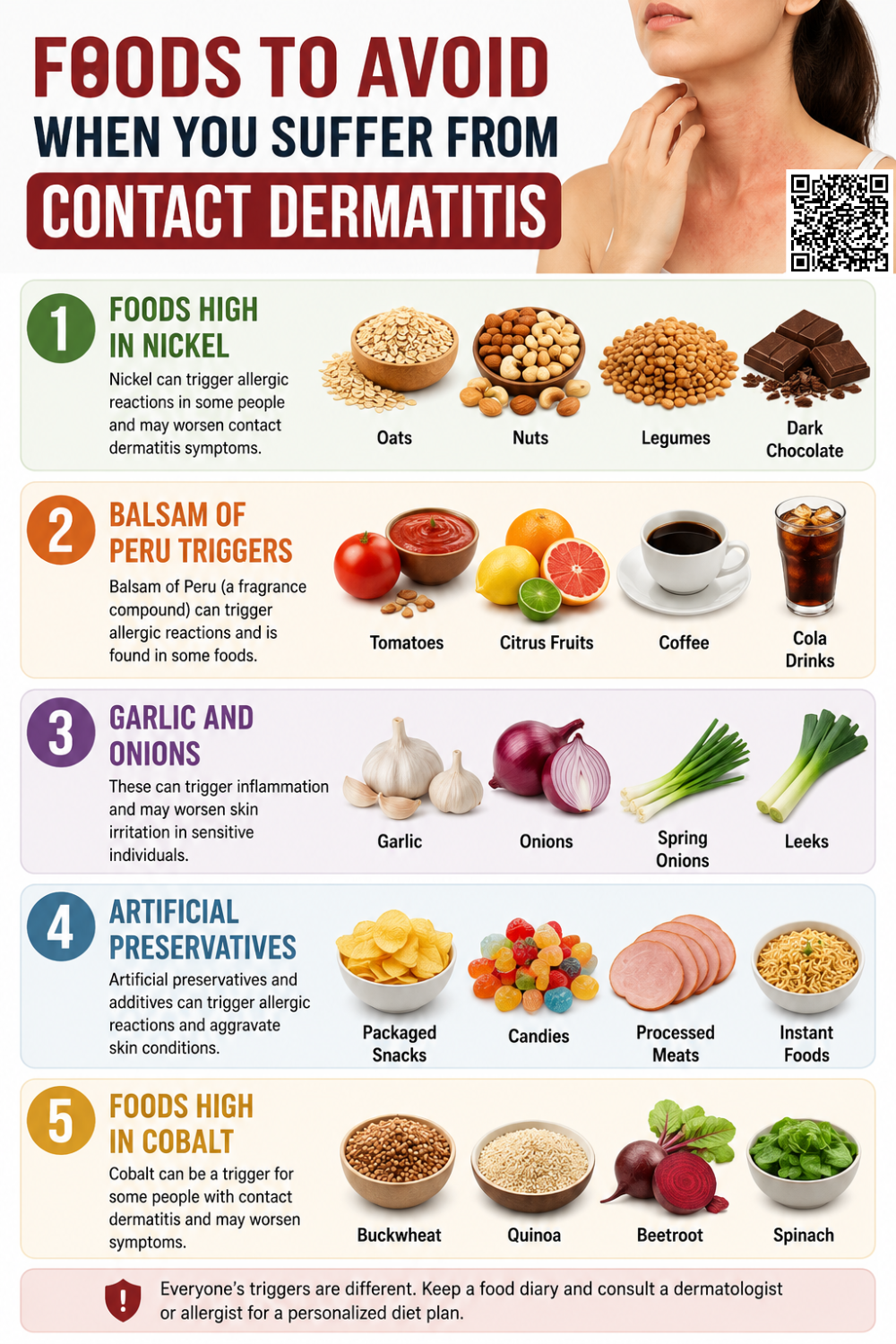
1. Foods High in Nickel
Consuming chocolate, whole grains, nuts, and legumes can trigger systemic flare-ups in individuals with an established contact allergy to nickel 15.
2. Balsam of Peru Triggers
Citrus fruits, tomatoes, and specific spices like cinnamon contain natural compounds related to Balsam of Peru, which can provoke widespread skin inflammation.
3. Garlic and Onions
Ingesting raw garlic or onions can exacerbate skin reactions in people specifically sensitized to diallyl disulfide, a natural chemical found in these allium plants 16.
4. Artificial Preservatives
Processed foods containing propylene glycol or artificial benzoates can initiate delayed immune responses and visibly worsen existing allergic skin symptoms upon ingestion.
5. Foods High in Cobalt
Apricots, beans, and cabbage naturally contain cobalt, which frequently cross-reacts with nickel allergies to cause chronic, widespread dermatitis rashes after consumption.
When To see Doctor when you suffer from Contact Dermatitis
1. Signs of Infection
Seek immediate medical care if the affected skin develops pus, yellow crusts, or radiating warmth, as these indicate a secondary bacterial infection requiring antibiotics.
2. Facial or Genital Involvement
Consult a physician promptly if the severe rash spreads to sensitive areas, such as the eyelids or genitals, which require specialized prescription treatments.
3. Lack of Improvement
Schedule a medical evaluation if the skin inflammation shows no visible improvement or continues spreading after three weeks of consistent at-home care.
4. Widespread Body Coverage
Seek immediate clinical attention if the sudden allergic reaction rapidly expands to cover a large percentage of your total body surface area.
5. Severe Sleep Disruption
Contact a healthcare provider if the intense itching or burning pain becomes severe enough to routinely prevent sleep or disrupt daily functional activities.
Comments
comments