


Causes of Psoriatic Arthritis
- Genetic Factors: A strong family history is the most significant risk factor, as up to 40% of individuals with psoriatic arthritis have a close relative with psoriasis or joint inflammation 1. Inheriting specific genetic markers, particularly the HLA-B27 gene, makes a person highly susceptible to developing the condition 3.
- Immune System Dysfunction: The condition is fundamentally an autoimmune disorder, meaning the body’s natural defense system becomes confused and mistakenly attacks healthy joint tissue and skin, resulting in chronic inflammation and swelling 6.
- Infections and Environmental Triggers: In people who already carry the genetic risk, certain outside factors can activate the disease. Severe viral or bacterial infections, most notably streptococcal throat infections, are known to trigger the overactive immune response that initiates joint damage 7.
- Physical Trauma: Physical injury, severe stress, or trauma to the joints and bones can trigger the onset of psoriatic arthritis in that specific location, a reaction clinically referred to as the Koebner phenomenon 4.
- Obesity: Excess body fat actively produces inflammatory proteins that circulate throughout the body. This systemic inflammation significantly increases both the likelihood of developing psoriatic arthritis and the severity of the symptoms once the disease begins 8.
Symptoms of Psoriatic Arthritis
- Joint Pain and Stiffness: The disease causes joints to become tender, swollen, and warm to the touch. This joint stiffness is typically most severe in the morning upon waking or after long periods of inactivity, and it can affect joints on one or both sides of the body 6.
- Swollen Fingers and Toes: A hallmark sign of the condition is severe, painful swelling that affects an entire finger or toe rather than just a single joint, giving the digits a thick, sausage-like appearance 1.
- Foot and Heel Pain: Inflammation frequently develops exactly where tendons and ligaments attach to the bones. Patients most commonly experience this intense pain at the back of the heel along the Achilles tendon or along the bottom sole of the foot 7.
- Lower Back Pain: The disease often attacks the joints connecting the spine and the pelvis. This spinal inflammation results in chronic lower back pain, deep stiffness, and restricted flexibility in the neck and lower spine 2.
- Nail Changes: The fingernails and toenails frequently develop tiny surface dents or pits. As the disease progresses, the nails may crumble, become severely discolored, or detach entirely from the underlying nail bed 3.
- Eye Inflammation: The overactive immune system can also target the eyes, causing an inflammatory response that results in sudden eye pain, noticeable redness, blurred vision, and a high sensitivity to bright light 5.
- Overwhelming Fatigue: Many individuals experience severe, persistent physical exhaustion that does not improve with rest. This fatigue is a direct result of the body expending high amounts of energy due to the continuous, system-wide inflammatory response 4.
Natural Remedies of Psoriatic Arthritis
1. Weight Management
How it may help
Excess body weight increases physical stress on weight-bearing joints like the knees and hips. More importantly, fat tissue actively releases inflammatory proteins that circulate throughout the body. Losing excess weight directly reduces this system-wide inflammation, easing joint pain and improving the overall effectiveness of prescribed arthritis medications 8.
What research says
Clinical studies demonstrate that obesity is directly linked to more severe psoriatic arthritis symptoms and a higher risk of permanent joint damage. Research confirms that achieving a healthier body weight significantly reduces overall disease activity and allows biologic medications to function more effectively within the body 9.
How to use it safely
To manage your weight safely, aim for a gradual, sustainable loss of one to two pounds per week. Focus on eating nutrient-dense whole foods and engaging in low-impact activities. Always consult your healthcare provider or a medical dietitian to create a customized, safe weight-loss plan tailored to your condition.
Potential precautions or side effects
Avoid extreme crash diets and high-impact workouts like heavy running. Rapid weight loss risks nutritional deficiencies, while excessive physical strain on vulnerable joints can trigger sudden, painful inflammation flares.
2. Anti-Inflammatory Dietary Changes and the Mediterranean Diet
How it may help
The Mediterranean diet is rich in anti-inflammatory foods like fatty fish, olive oil, and leafy greens. These foods are high in antioxidants and omega-3 fatty acids, which naturally suppress the body’s overactive immune response. By reducing system-wide inflammation, this diet can alleviate joint swelling, decrease stiffness, and improve daily mobility 10.
What research says
Clinical studies reveal that patients who closely follow a Mediterranean diet experience significantly lower levels of inflammatory markers in their blood. Furthermore, research demonstrates that this specific dietary pattern is linked to reduced disease severity scores in both skin lesions and joint pain, highlighting its effectiveness as a complementary treatment 11.
How to use it safely
Gradually introduce more fresh fruits, vegetables, whole grains, and healthy fats like olive oil into your daily meals. Prioritize lean proteins such as fish or legumes over red meat and heavily processed foods. Consult a registered dietitian to ensure your updated meals remain balanced and fulfill your specific nutritional needs.
Potential precautions or side effects
A sudden, drastic increase in dietary fiber from whole grains and raw vegetables may cause temporary bloating or digestive discomfort. Always remain mindful of potential food allergies, particularly regarding nuts or fish.
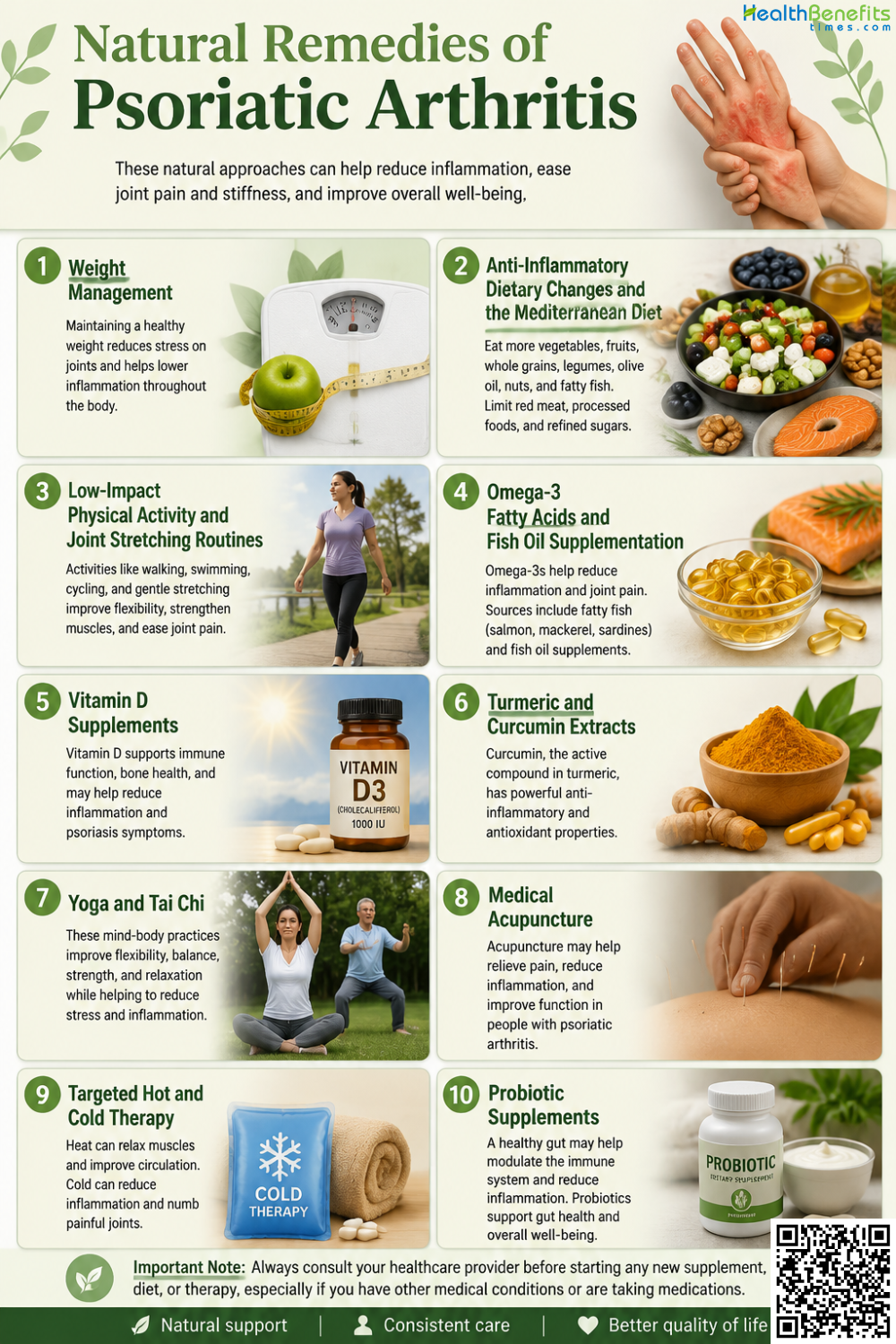
3. Low-Impact Physical Activity and Joint Stretching Routines
How it may help
Low-impact exercises, such as swimming and walking, strengthen the muscles surrounding the joints without adding unnecessary physical stress. Regular stretching routines maintain flexibility and prevent the severe stiffness that often occurs after resting. These activities naturally improve physical function and reduce chronic joint pain 5.
What research says
Clinical research demonstrates that consistent, low-impact physical activity significantly improves joint mobility and reduces overall disease activity in psoriatic arthritis patients. Studies confirm that patients who participate in structured exercise programs experience less severe joint pain, decreased fatigue, and a better quality of life 12.
How to use it safely
Start your routine slowly with gentle movements like water aerobics or short walks. Always warm up your muscles before stretching. Consult a licensed physical therapist to design a customized exercise plan that safely accommodates your specific joint limitations and current fitness level.
Potential precautions or side effects
Avoid high-impact activities like running or jumping, which can worsen joint damage. If you experience a sudden disease flare or sharp pain, stop exercising and rest the affected joints.
4. Omega-3 Fatty Acids and Fish Oil Supplementation
How it may help
Omega-3 fatty acids, found abundantly in fish oil, act as natural anti-inflammatory agents. They reduce the body’s production of inflammatory chemicals, helping to decrease morning joint stiffness, reduce the severity of painful swelling, and naturally ease the overactive immune response driving the condition 13.
What research says
Clinical trials indicate that daily omega-3 supplementation significantly lowers system-wide inflammation in joint diseases. Research confirms that patients taking fish oil supplements experience less joint tenderness and are often able to safely reduce their reliance on prescription pain medications, such as nonsteroidal anti-inflammatory drugs 14.
How to use it safely
Take high-quality fish oil or algae-based omega-3 capsules daily, ideally with a meal to improve absorption. Discuss the correct dosage with your doctor, as standard therapeutic recommendations usually range from one to three grams of combined EPA and DHA per day based on individual needs.
Potential precautions or side effects
Fish oil can mildly thin the blood, increasing bleeding risks for those on anticoagulant medications. Minor side effects may include fishy breath, occasional heartburn, nausea, and mild digestive upset.
5. Vitamin D Supplements
How it may help
Vitamin D plays a critical role in regulating the immune system and maintaining strong bones. Because psoriatic arthritis involves immune dysfunction and joint damage, correcting a vitamin D deficiency can help calm the immune response, reduce systemic inflammation, and protect joints from further deterioration 15.
What research says
Clinical studies show that individuals with psoriatic arthritis frequently have significantly lower vitamin D levels than healthy individuals. Research concludes that addressing this deficiency through direct supplementation is linked to reduced joint pain, decreased overall disease severity, and lower levels of inflammatory markers in the blood 16.
How to use it safely
Ask your doctor for a blood test to check your current vitamin D levels before starting. If deficient, take the specific daily dose of vitamin D3 recommended by your provider. Consume the supplement with a meal containing healthy fats to maximize absorption.
Potential precautions or side effects
Taking excessive doses of vitamin D without medical supervision can cause dangerously high blood calcium levels, which may lead to severe nausea, muscle weakness, and painful kidney stones.
6. Turmeric and Curcumin Extracts
How it may help
Turmeric contains curcumin, a powerful natural compound that directly blocks the body from producing specific inflammatory proteins. By stopping these chemical signals, curcumin effectively reduces chronic joint pain, eases morning stiffness, and calms the severe swelling that characterizes psoriatic arthritis flare-ups 17.
What research says
Clinical studies demonstrate that curcumin safely and significantly decreases joint tenderness and overall disease activity in autoimmune arthritis. Research confirms that taking curcumin extracts can lower system-wide inflammation levels effectively, often providing similar relief to standard nonsteroidal anti-inflammatory drugs without causing severe stomach irritation 18.
How to use it safely
Take a curcumin supplement that includes piperine (black pepper extract) or is formulated with natural fats, as this significantly increases the body’s ability to absorb it. Discuss the appropriate daily dosage with your healthcare provider, which typically ranges from 500 to 2,000 milligrams.
Potential precautions or side effects
High doses of turmeric can mildly thin the blood and cause stomach upset. Avoid these supplements if you take prescription blood-thinning medications or have a history of gallbladder disease.
7. Yoga and Tai Chi
How it may help
Yoga and Tai Chi combine gentle stretching, deep breathing, and mindful movements. These practices naturally improve joint flexibility, strengthen supporting muscles, and improve physical balance. Additionally, they significantly reduce psychological stress, a known trigger for sudden inflammatory disease flare-ups 19.
What research says
Clinical trials conclude that regular participation in mind-body exercises significantly decreases chronic joint pain and morning stiffness in arthritis patients. Research confirms these structured therapies effectively improve overall physical mobility, reduce disease-related fatigue, and boost mental well-being without exacerbating joint inflammation 20.
How to use it safely
Enroll in beginner-level or restorative classes led by certified instructors experienced with joint conditions. Always inform your instructor about your psoriatic arthritis beforehand. Use supportive props, such as blocks or chairs, and modify difficult poses to avoid stressing vulnerable joints.
Potential precautions or side effects
Never force a movement that causes sharp, sudden pain. Temporarily pause or significantly modify your physical practice during severe joint inflammation flares to prevent acute joint damage.
8. Medical Acupuncture
How it may help
Medical acupuncture involves inserting extremely fine needles into specific body points to stimulate the nervous system. This process triggers the release of endorphins, the body’s natural painkillers. For psoriatic arthritis, it can naturally alleviate severe joint pain, decrease morning stiffness, and reduce localized tissue inflammation 21.
What research says
Clinical reports indicate that acupuncture is a beneficial complementary therapy for autoimmune joint conditions. Research demonstrates that patients receiving regular acupuncture treatments often experience significant reductions in joint tenderness and an improvement in physical mobility, helping maintain disease symptoms at a more tolerable level 22.
How to use it safely
Seek treatment only from a licensed acupuncturist experienced with autoimmune conditions. Ensure the practitioner strictly uses sterile, single-use needles to prevent skin infections. Always communicate openly about your current medications and identify exactly which joints are experiencing active flare-ups before starting a session.
Potential precautions or side effects
Avoid placing needles directly into inflamed skin lesions to prevent triggering further disease flare-ups. Minor side effects may include temporary soreness, light bleeding, or mild bruising at insertion sites.
9. Targeted Hot and Cold Therapy
How it may help
Targeted temperature treatments offer immediate symptom relief. Cold therapy constricts blood vessels to naturally numb intense joint pain and reduce acute swelling during active disease flares. Conversely, applying targeted heat relaxes tight supporting muscles and significantly improves physical mobility by easing deep morning stiffness 6.
What research says
Clinical guidelines endorse temperature therapies as effective complementary treatments for inflammatory joint conditions. Research concludes that alternating between heat and cold applications successfully decreases localized tissue inflammation, lowers daily pain scores, and helps patients temporarily reduce their dependence on oral pain medications 23.
How to use it safely
Apply an ice pack wrapped in a thick towel for 15 minutes to soothe sudden, hot, and swollen joints. To relieve chronic stiffness, use a warm heating pad or take a warm bath. Never apply extreme temperatures directly to bare skin to prevent tissue damage.
Potential precautions or side effects
Never apply heat directly to an actively inflamed or already hot joint, as this worsens swelling. Limit all applications to 20 minutes to prevent accidental skin burns or frostbite.
10. Probiotic Supplements
How it may help
Probiotic supplements introduce beneficial bacteria into the digestive tract, which houses a major portion of the body’s immune cells. By restoring a healthy biological balance in the gut, probiotics help regulate overactive immune responses. This naturally lowers system-wide inflammation, easing the joint pain and swelling associated with psoriatic arthritis 24.
What research says
Clinical evidence reveals that individuals with psoriatic arthritis frequently possess a distinct imbalance of gut bacteria. Research concludes that consuming specific probiotic strains can significantly reduce inflammatory markers in the blood, leading to a noticeable decrease in joint tenderness and an overall reduction in disease severity 25.
How to use it safely
Choose a high-quality, multi-strain probiotic supplement containing Lactobacillus and Bifidobacterium. Take the capsule daily with water, preferably alongside a meal. Always consult your healthcare provider before starting, as they can recommend the exact bacterial strains and dosages best suited for your specific immune health needs.
Potential precautions or side effects
You may experience temporary gas, bloating, or mild digestive discomfort when first starting probiotics. If you take immunosuppressive medications, avoid probiotics unless explicitly directed and monitored by your doctor.
Foods to Avoid When You Suffer from Psoriatic Arthritis
1. Red and Processed Meats
These meats contain high levels of saturated fats that activate inflammatory pathways, significantly worsening joint swelling and skin lesions 26.
2. Refined Sugars
High intake of simple sugars promotes oxidative stress and increases systemic inflammation, leading to more frequent and severe disease flare-ups 27.
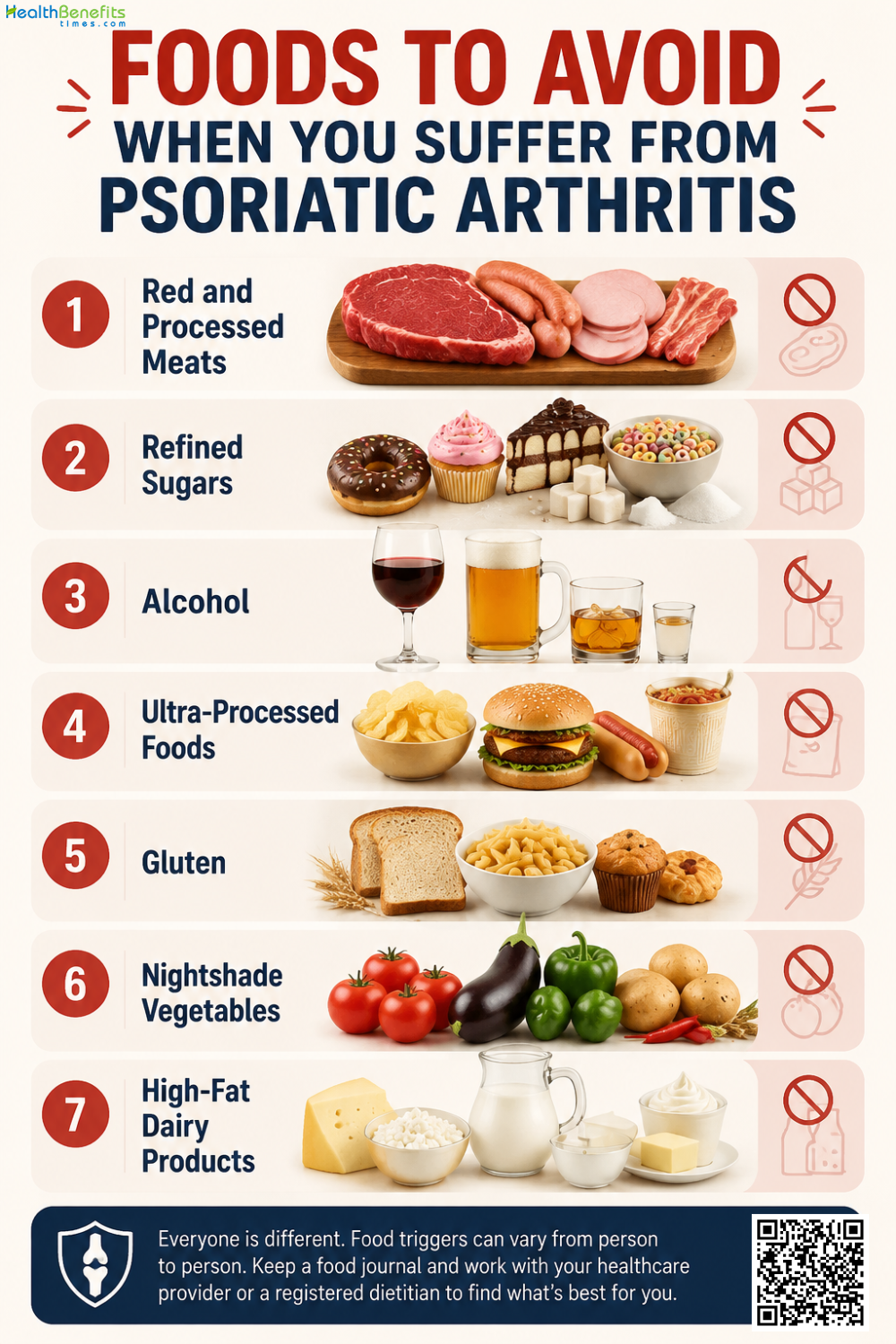
3. Alcohol
Alcohol consumption increases inflammatory chemicals in the blood, triggers disease onset, and reduces the overall effectiveness of prescription arthritis medications 28.
4. Ultra-Processed Foods
Foods high in artificial preservatives and sodium disrupt healthy gut bacteria and elevate system-wide inflammation, which accelerates painful joint damage 29.
5. Gluten
For individuals with underlying sensitivities or celiac markers, consuming gluten triggers a severe immune response that directly increases joint inflammation and pain 30.
6. Nightshade Vegetables
Plants like tomatoes, eggplants, and peppers contain specific chemical compounds that many patients report as direct triggers for sudden joint pain flare-ups 31.
7. High-Fat Dairy Products
The saturated fats found in full-fat dairy can overstimulate the immune system and increase specific inflammatory cells, worsening joint stiffness 29.
When to See a Doctor When You Suffer from Psoriatic Arthritis
1. Severe Joint Swelling
Seek immediate medical evaluation if an entire finger or toe swells dramatically, as early intervention prevents permanent joint destruction 1.
2. Vision Changes or Eye Pain
Consult a doctor if you experience sudden eye redness, pain, or blurred vision, which indicate severe inflammation that can permanently damage sight 5.
3. Worsening Morning Stiffness
Schedule a visit if deep joint stiffness lasts longer than 30 minutes after waking, signaling that current treatments are failing to control inflammation 2.
4. Severe Lower Back Pain
Medical attention is required for new, persistent lower back or pelvic pain, as spinal inflammation can quickly fuse spinal vertebrae if left untreated 3.
5. Noticeable Nail Changes
Contact a healthcare provider if fingernails or toenails begin crumbling, developing deep pits, or separating from the nail bed, as this indicates worsening systemic disease 4.
Comments
comments