

Causes of Blood Clots
Blood clots can form due to a combination of physical inactivity, medical conditions, and lifestyle or biological factors that slow down blood flow or increase the blood’s tendency to clot.
- Prolonged Immobility: Sitting or lying down for extended periods, such as during long-distance travel, extended bed rest, or recovery from surgery, prevents leg muscles from contracting and pumping blood effectively. This slow-moving blood can pool and lead to clot formation 1.
- Surgery and Physical Trauma: Major surgical procedures, particularly involving the hip, knee, or abdomen, and severe physical injuries or bone fractures cause direct vascular injury and activate the body’s natural clotting response 1.
- Active Cancer: Certain types of cancer and specific cancer treatments release substances into the bloodstream that significantly increase the tendency of blood to clot 1.
- Inherited or Acquired Clotting Disorders: Genetic mutations, such as factor V Leiden, or medical conditions that alter blood chemistry can make the blood hypercoagulable, meaning it thickens and clots more readily than normal 2.
- Hormonal Factors: Treatments involving estrogen, such as oral contraceptive pills and hormone replacement therapy, as well as pregnancy and the postpartum period, naturally alter hormone levels in a way that increases clotting risks 1.
- Lifestyle Factors: Excess body weight (obesity) places increased pressure on the veins in the pelvis and legs, while smoking damages blood vessel walls and affects circulation, both contributing to a higher likelihood of clot development 1.
Symptoms of Blood Clots
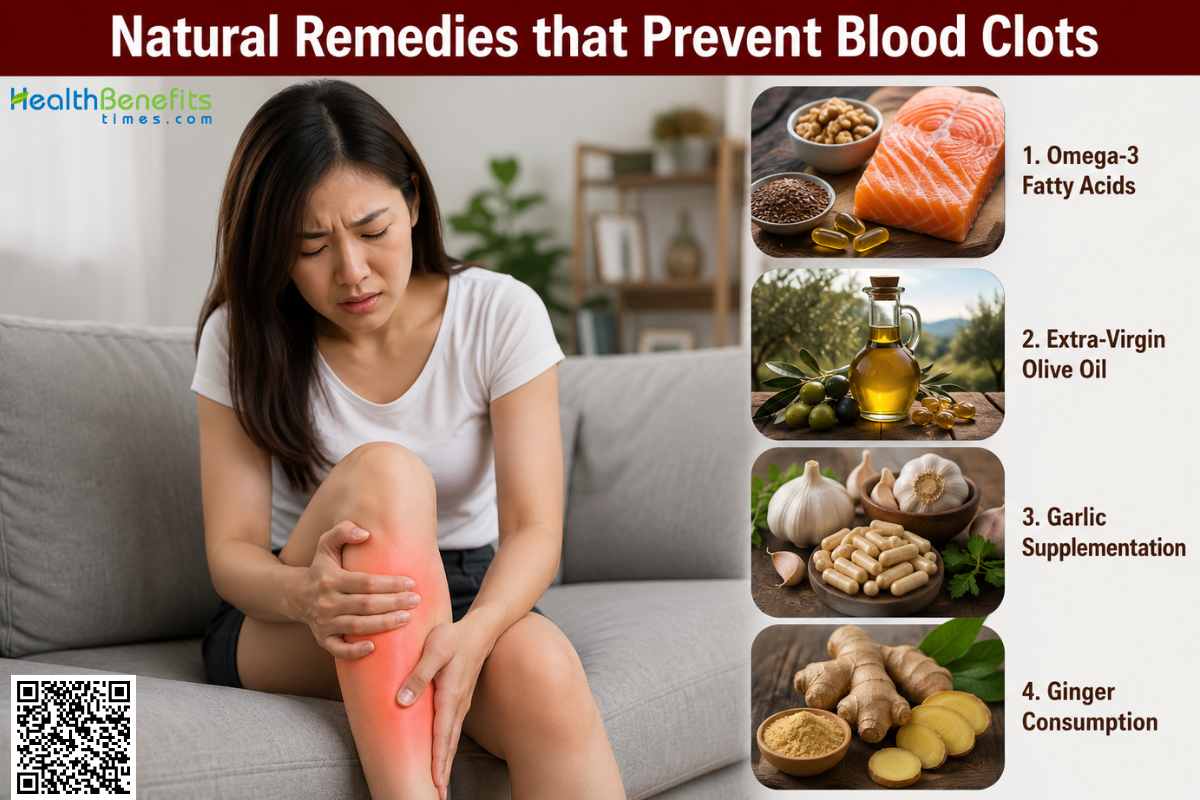
- Leg Swelling: A notable increase in size or swelling that typically develops in one leg, foot, or ankle, affecting the limb where the deep vein blockage is located 3.
- Localized Pain and Tenderness: A persistent ache, cramping, or soreness in the calf, thigh, or arm that often worsens when standing, walking, or touching the affected area 4, 5.
- Increased Skin Warmth: A distinct feeling of heat or a warm sensation in the specific region of the limb where the blood flow is restricted by the clot 4.
- Skin Discoloration: Visible changes in skin tone over the affected area, which may appear noticeably red, pale, or purple depending on individual skin pigmentation 4.
- Sudden Shortness of Breath: An unexpected and unexplained difficulty in breathing or feeling starved for air, which occurs when a clot travels to the lungs 3.
- Chest Pain or Discomfort: Sharp, stabbing, or tight sensations in the chest that frequently intensify during deep breaths, coughing, or physical exertion 3.
- Rapid Heart Rate: An unusually fast or irregular pulse rate that accompanies respiratory distress when a blood clot lodges in the pulmonary arteries 3.
- Lightheadedness or Fainting: Sudden dizziness, confusion, or a sudden loss of consciousness resulting from a sharp drop in blood pressure caused by restricted lung circulation 3.
Natural Remedies that Prevent Blood Clots
1. Omega-3 Fatty Acids
How It May Help
Omega-3 fatty acids incorporate into cell and platelet membranes, altering surface charge density and modifying the production of signaling molecules like thromboxanes. These structural changes decrease blood viscosity, increase red blood cell flexibility, and inhibit platelet aggregation, thereby reducing the likelihood of abnormal thrombus formation within the vascular system.
What Research Says
Clinical investigations and randomized controlled trials indicate that long-chain polyunsaturated omega-3 fatty acids significantly suppress platelet activation and aggregation responses. Meta-analyses of human trials demonstrate that adequate omega-3 intake provides notable antithrombotic benefits by lowering markers of platelet reactivity and supporting healthy cardiovascular function.
How To Use It Safely
Incorporate fatty fish, such as salmon, mackerel, or sardines, into your diet twice weekly. If choosing supplements, consult a physician to determine an appropriate daily dosage of eicosapentaenoic acid (EPA) and docosahexaenoic acid (DHA), typically ranging between 1 to 4 grams daily, ensuring product quality and purity.
Potential Precautions and Side Effects
High doses may increase bleeding risks, especially when combined with anticoagulant or antiplatelet medications. Mild gastrointestinal discomfort or reflux can also occur.
2. Extra-Virgin Olive Oil
How it may help
Extra-virgin olive oil contains active antioxidant plant compounds that help protect blood vessels and reduce the clumping tendency of blood platelets. By lowering inflammation and supporting healthy circulation, these natural components discourage unwanted blockages from forming inside your arteries.
What research says
Clinical investigations show that regular consumption of polyphenol-rich extra-virgin olive oil significantly decreases acute platelet aggregation. Research highlighted by major medical institutions indicates that these specific biological properties support overall cardiovascular health and lower the risk of heart-related complications.
How to use it safely
Incorporate extra-virgin olive oil into your daily routine by using it raw as a salad dressing or drizzling it over cooked vegetables. Aim for standard culinary amounts, such as one to two tablespoons daily, ensuring it fits within your overall daily calorie limits.
Potential precautions or side effects
Olive oil is high in calories, so excessive consumption may cause weight gain. Use cautiously if you take blood-thinning medications.
3. Garlic Supplementation
How it may help
Garlic contains specific active compounds, such as allicin, which act as natural blood thinners. These substances help prevent blood cells called platelets from clumping together and forming dangerous clots 6. By promoting smoother blood flow, garlic supplementation supports overall cardiovascular function.
What research says
Scientific evidence demonstrates that garlic supplements, specifically aged garlic extract, effectively reduce platelet aggregation and improve blood vessel function. Research concludes that garlic provides significant blood-thinning benefits, making it a helpful natural addition for cardiovascular protection when monitored by professionals 7.
How to use it safely
Always consult your doctor before starting garlic supplements, especially if you already take prescription blood thinners or have scheduled surgeries. Purchase quality-tested products and follow the exact dosage instructions provided by your healthcare provider to avoid dangerous interactions 8.
Potential precautions or side effects
Garlic supplements can significantly increase the risk of severe bleeding. Common, milder side effects include bad breath, body odor, stomach upset, and heartburn 8.
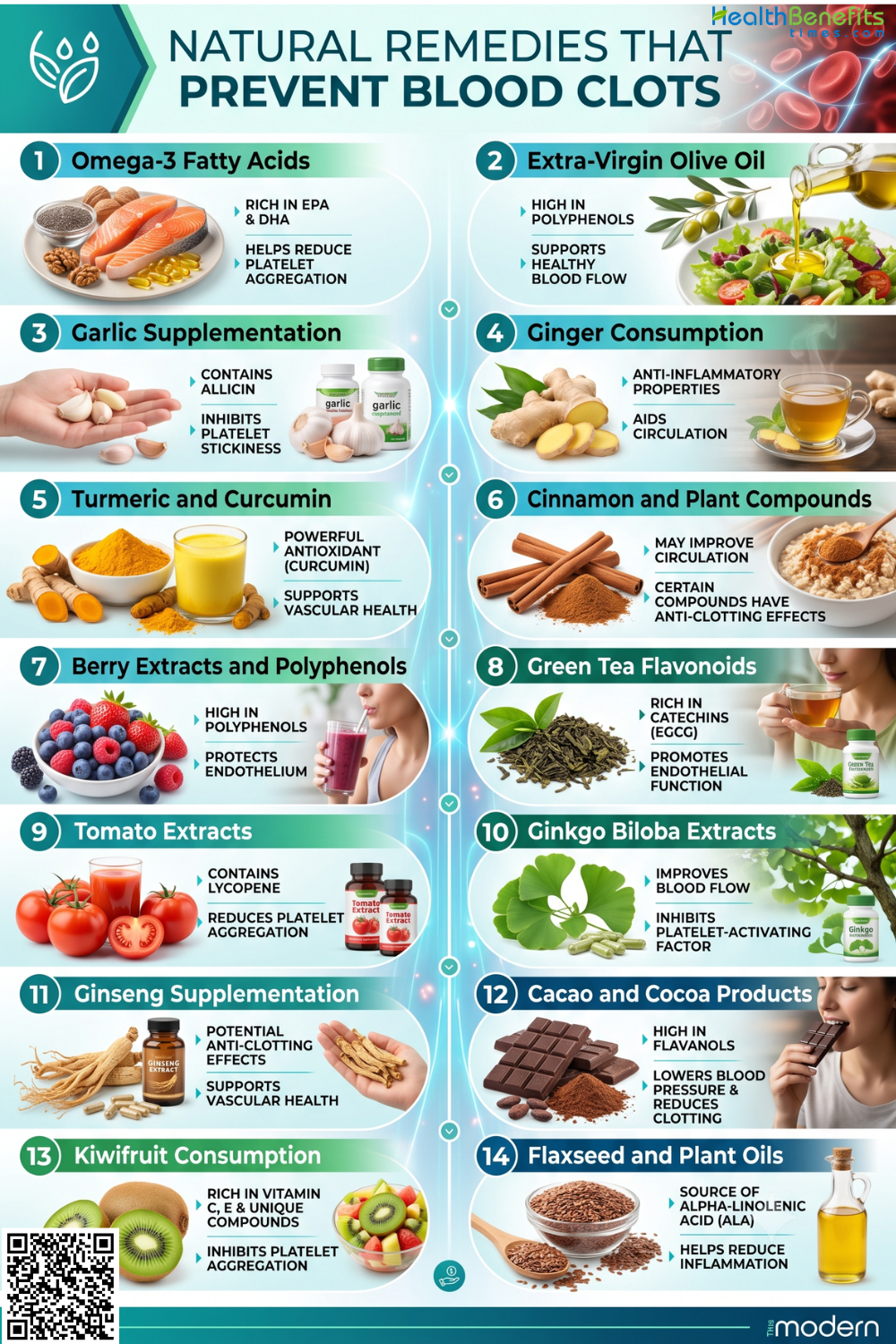
4. Ginger Consumption
How it may help
Ginger contains natural bioactive compounds, such as gingerols, which may help thin the blood. These substances interfere with enzymes that cause platelets to stick together, potentially reducing the formation of dangerous blood clots 9. This natural anti-platelet effect supports smoother circulation and overall cardiovascular health.
What research says
Scientific studies on ginger’s ability to prevent blood clots present mixed results. While some clinical trials report that ginger significantly reduces platelet clumping and the production of clotting agents, other studies find no noticeable effect 10. Researchers conclude that clinical evidence regarding ginger as a reliable blood thinner remains equivocal.
How to use it safely
Always speak with your doctor before adding ginger supplements to your routine, especially if you take anticoagulant medications or have an upcoming surgery. Consume only the exact dosages recommended by a healthcare professional, as concentrated extracts carry greater bleeding risks than dietary ginger 11.
Potential precautions or side effects
High doses of ginger can significantly increase your risk of excessive bleeding. Common, mild side effects include stomach upset, heartburn, gas, diarrhea, and irritation in the mouth or throat 11.
5. Turmeric and Curcumin
How it may help
Turmeric contains curcumin, a powerful active compound known for its anti-inflammatory properties. Curcumin acts as a natural blood thinner by blocking specific enzymes that cause platelets to clump together 12. This mechanism prevents the formation of dangerous clots and promotes smoother, healthier blood circulation throughout the body.
What research says
Scientific studies confirm that curcumin functions as a natural anticoagulant. Research concludes that curcumin actively extends the time it takes for blood to clot by directly inhibiting essential clotting proteins, such as thrombin 13. Experts suggest it offers protective cardiovascular benefits when utilized appropriately.
How to use it safely
Always consult your doctor before starting turmeric supplements, especially if you take prescription blood thinners. To minimize excessive bleeding risks, follow provider-recommended dosages strictly and completely stop taking curcumin at least two weeks before any scheduled surgeries 14.
Potential precautions or side effects
Combining curcumin with prescription anticoagulants severely increases your risk of dangerous bleeding. Common, mild side effects from high doses include stomach upset, nausea, dizziness, and diarrhea 14.
6. Cinnamon and Plant Compounds
How it may help
Cinnamon contains coumarin, a potent natural chemical that acts as a powerful blood thinner. This plant compound interferes with the body’s clotting mechanisms, actively preventing blood cells from clumping together 15. Regular intake of these compounds helps promote smooth blood circulation and reduces the likelihood of dangerous blockages.
What research says
Scientific studies confirm that coumarin, the active plant compound in cinnamon, demonstrates significant anticoagulant effects. However, researchers conclude that while effective at preventing clots, consuming high levels of coumarin over extended periods poses substantial toxicity risks, particularly for liver health 16. Therefore, its clinical application requires strict moderation.
How to use it safely
Always consult your doctor before using cinnamon as a daily supplement. Choose Ceylon cinnamon over Cassia cinnamon, as it contains significantly lower, safer levels of coumarin 16. Limit your daily consumption and never replace prescribed anticoagulant medications without direct medical supervision.
Potential precautions or side effects
High doses of Cassia cinnamon can cause severe liver damage and trigger excessive bleeding 16. Never combine concentrated cinnamon supplements with prescription blood thinners due to dangerous drug interactions.
7. Berry Extracts and Polyphenols
How it may help
Berry extracts contain high levels of polyphenols, which are powerful plant chemicals that protect blood vessels. These natural compounds help prevent platelets from sticking together and forming dangerous blockages 17. By reducing inflammation and relaxing blood vessels, polyphenols support healthy, unobstructed blood flow throughout the cardiovascular system.
What research says
Clinical studies confirm that consuming berry polyphenols significantly reduces platelet clumping and improves overall blood vessel function. Researchers conclude that regular intake of these specific plant extracts provides measurable cardiovascular protection and acts as a mild, natural anticoagulant to lower the risk of blood clots 18.
How to use it safely
Consult your doctor before taking concentrated berry supplements, especially if you use anticoagulant medications. Safely incorporate fresh or frozen berries into your daily diet, as whole foods provide cardiovascular benefits without the higher bleeding risks associated with potent botanical extracts 19.
Potential precautions or side effects
Concentrated berry extracts can increase bleeding risks. Specifically, high doses of cranberry extract can dangerously interact with prescription blood thinners like warfarin, leading to severe bleeding complications 20.
8. Green Tea Flavonoids
How it may help
Green tea contains powerful plant compounds called flavonoids, particularly epigallocatechin gallate (EGCG). These compounds help protect blood vessels and actively prevent blood cells called platelets from clumping together to form unwanted clots 21. By relaxing blood vessel walls, these flavonoids promote smoother circulation.
What research says
Clinical studies indicate that the flavonoids found in green tea significantly inhibit platelet aggregation and reduce the likelihood of clot formation. Researchers conclude that regular consumption of green tea extracts provides measurable cardiovascular protection and acts as a mild, natural blood thinner 22.
How to use it safely
Consult your healthcare provider before taking green tea extracts, especially if you take prescription blood thinners. Drinking brewed green tea is generally safe, but monitor your intake since green tea contains vitamin K, which can counteract anticoagulant medications like warfarin 23.
Potential precautions or side effects
High doses of concentrated green tea extract can cause severe liver damage. Common side effects from its caffeine content include insomnia, anxiety, stomach upset, and a rapid heartbeat 23.
9. Tomato Extracts
How it may help
Tomato extracts contain specific water-soluble compounds that act as natural blood thinners. These nutrients help maintain healthy circulation by keeping blood cells called platelets smooth, which prevents them from sticking together and forming dangerous clots 24. This process supports cardiovascular health without entirely disrupting normal clotting for wound healing.
What research says
Clinical studies demonstrate that water-soluble tomato extracts significantly inhibit platelet aggregation. Researchers conclude that these extracts effectively reduce clot formation and improve overall blood flow, offering a safe, natural approach to supporting cardiovascular health without the severe bleeding risks associated with traditional anticoagulant medications 25.
How to use it safely
Always talk to your doctor before adding concentrated tomato extract supplements to your routine, especially if you currently take prescription blood thinners. You should follow the exact dosage instructions provided and never use natural extracts to replace professionally prescribed cardiovascular medications.
Potential precautions or side effects
Tomato extracts are generally very safe. However, they may cause mild stomach upset, acid reflux, or trigger allergic reactions if you have a known allergy to nightshade vegetables.
10. Ginkgo Biloba Extracts
How it may help
Ginkgo biloba contains unique active compounds that act as natural blood thinners. These substances inhibit specific receptors in the body, which effectively prevents blood cells called platelets from clumping together and forming dangerous blockages 26. This process relaxes blood vessels and supports smoother cardiovascular circulation.
What research says
Scientific evidence demonstrates that Ginkgo biloba extracts significantly reduce platelet aggregation and lower the risk of unwanted clotting. Researchers conclude that it functions as a mild, targeted anticoagulant that improves overall blood flow, offering beneficial support for preventing vascular blockages 27.
How to use it safely
Always consult your doctor before using Ginkgo biloba extracts, especially if you already take anticoagulant medications. Follow the dosage instructions provided by a healthcare professional, and ensure you completely stop taking this supplement before any scheduled surgery 28.
Potential precautions or side effects
Ginkgo biloba dangerously increases severe bleeding risks when combined with prescription blood thinners. Common mild side effects include headache, stomach upset, dizziness, and allergic skin reactions 28.
11. Ginseng Supplementation
How it may help
Ginseng contains active plant compounds called ginsenosides, which exhibit natural blood-thinning properties. These specific compounds inhibit the activation of platelets, preventing them from clumping together to form dangerous blockages 29. By slowing down the coagulation process, ginseng supports smoother blood flow and overall cardiovascular function.
What research says
Clinical studies confirm that ginsenosides effectively reduce platelet aggregation and prolong the time it takes for blood to clot. Researchers conclude that while ginseng acts as a natural anticoagulant, its interactions with traditional blood thinners vary, making its cardiovascular effects unpredictable without medical supervision 30.
How to use it safely
Always speak with your doctor before starting ginseng supplements, especially if you take anticoagulant medications. For safety, restrict your use to short periods, generally up to six months, and strictly follow dosage recommendations provided by your healthcare provider to avoid harmful drug interactions 30.
Potential precautions or side effects
Ginseng can dangerously interfere with prescription blood thinners like warfarin, significantly increasing bleeding risks. The most common mild side effects include insomnia, severe headaches, and digestive upset 30.
12. Cacao and Cocoa Products
How it may help
Cacao and dark chocolate contain high levels of specific plant compounds called flavanols. These natural nutrients protect blood vessels and act as mild blood thinners by preventing blood cells called platelets from sticking together and forming dangerous clots 31. This process supports healthy, unobstructed cardiovascular circulation.
What research says
Clinical trials demonstrate that consuming flavanol-rich cocoa significantly inhibits platelet activation and clumping. Researchers conclude that these cardiovascular benefits mimic the effects of low-dose aspirin, confirming that cocoa actively supports healthy blood flow and decreases the risk of vascular blockages 32.
How to use it safely
To obtain cardiovascular benefits without consuming excess sugar, select dark chocolate containing at least 70 percent cocoa or use unsweetened cacao powder. Keep your daily intake small to avoid excessive calories. Always ask your doctor before using dietary changes to manage your blood clotting risks.
Potential precautions or side effects
Cocoa products contain mild stimulants like caffeine and theobromine, which can cause a rapid heart rate, anxiety, or insomnia in sensitive individuals. Overconsumption also contributes to unwanted weight gain.
13. Kiwifruit Consumption
How it may help
Kiwifruit contains natural antioxidants, phytochemicals, and vitamins C and E that function as mild blood thinners. These specific nutrients reduce platelet hyperactivity, preventing blood cells from sticking together to form dangerous clots 33. This natural antiplatelet action helps protect blood vessels and supports smooth, healthy circulation.
What research says
Clinical trials demonstrate that eating two to three kiwifruits per day for 28 days significantly reduces platelet aggregation and lowers blood triglyceride levels 33. Researchers conclude that kiwifruit acts as a potent antiplatelet agent, providing measurable cardiovascular benefits and lowering the overall risk of clot formation 34.
How to use it safely
Always consult your doctor before using kiwifruit specifically to manage cardiovascular risks. If you take anticoagulant medications like warfarin, maintain a consistent daily intake of kiwifruit rather than suddenly eating large quantities, as sudden changes in dietary vitamins can disrupt your medication’s effectiveness 35.
Potential precautions or side effects
Kiwifruit may cause allergic reactions in sensitive individuals, triggering hives, vomiting, and trouble swallowing. Consuming unusually large amounts can also lead to temporary diarrhea and mild stomach upset.
14. Flaxseed and Plant Oils
How it may help
Flaxseed and specific plant oils contain alpha-linolenic acid (ALA), a plant-based omega-3 fatty acid. This nutrient acts as a mild blood thinner by preventing blood cells called platelets from clumping together 36. By reducing platelet stickiness, these plant oils help maintain unobstructed, healthy cardiovascular circulation.
What research says
Clinical studies demonstrate that consuming flaxseed oil significantly decreases platelet aggregation and improves blood vessel function. Researchers conclude that while plant-based omega-3s are milder than fish oils, regular dietary intake provides measurable anticoagulant effects and lowers the overall risk of dangerous clot formation 37.
How to use it safely
Consult your doctor before taking concentrated flaxseed oil supplements, especially if you take prescription blood thinners. Consume ground flaxseed rather than whole seeds to ensure proper nutrient absorption, and always drink plenty of water with it to prevent digestive blockages 38.
Potential precautions or side effects
High doses can dangerously increase your risk of bleeding. Common mild side effects include bloating, gas, and diarrhea. Never consume raw or unripe flaxseeds, as they contain toxic compounds 38.
Foods to Avoid When You Suffer from Blood Clots
1. Grapefruit and Grapefruit Juice
Grapefruit compounds block enzymes that metabolize modern blood thinners. This dangerous interaction causes medication to build up in the bloodstream, severely increasing your risk of internal bleeding 39.
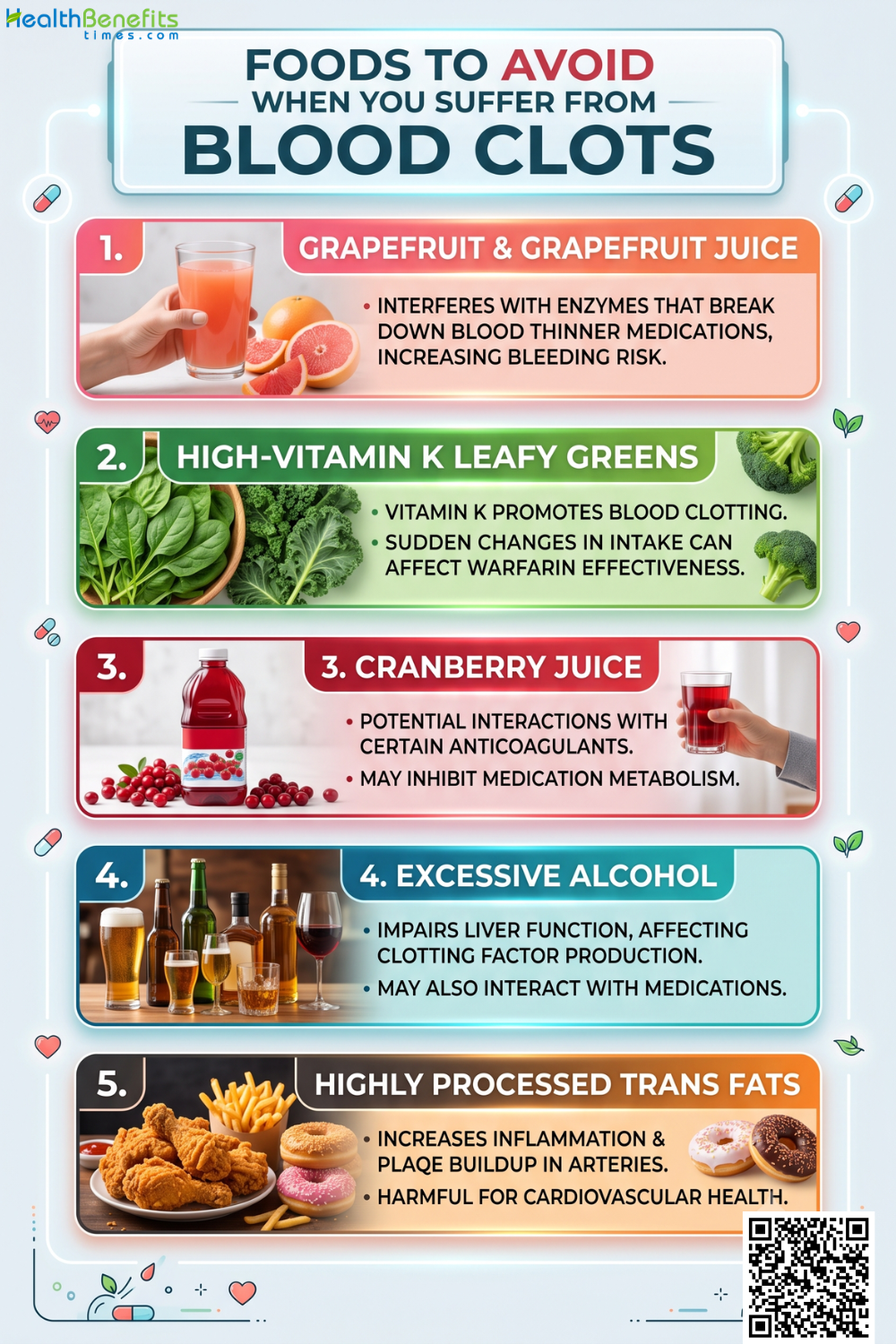
2. High-Vitamin K Leafy Greens
If you take warfarin, dramatically increasing your intake of spinach or kale counteracts the medication. You must keep your daily dietary vitamin K consumption strictly consistent 40.
3. Cranberry Juice
Consuming large amounts of cranberry juice disrupts how the body processes warfarin. This interaction amplifies the medication’s effects, drastically increasing your risk of severe bleeding complications 41.
4. Excessive Alcohol
Heavy drinking dangerously amplifies the effects of anticoagulant medications. It also impairs the liver’s ability to produce essential proteins that safely regulate normal blood coagulation 42.
5. Highly Processed Trans Fats
Artificial trans fats provoke severe vascular inflammation and promote arterial plaque growth. This damage restricts blood flow, significantly increasing the likelihood of developing new blood clots 43.
When to see Doctor when you struggle from Blood Clots
1. Sudden Shortness of Breath and Chest Pain
Seek emergency medical care if you experience sudden, unexplained shortness of breath or sharp chest pain, as these indicate a life-threatening clot in the lungs 44.
2. Unexplained Leg Swelling and Tenderness
Consult a doctor immediately for sudden, isolated swelling, cramping, or unusual warmth in one leg or arm, which strongly suggests a deep vein thrombosis 45.
3. Coughing Up Blood
Immediate emergency intervention is required if you begin coughing up blood, as this is a critical complication of a pulmonary embolism causing severe lung tissue damage 44.
4. Sudden Neurological Changes
Call emergency services for sudden facial drooping, confusion, trouble speaking, or weakness on one side of the body, indicating a blood clot in the brain 46.
5. Severe Abdominal Pain
Go directly to an emergency room for sudden, severe abdominal pain accompanied by vomiting or bloody stools, which signals a dangerous clot in the intestinal veins 47.
Comments
comments