


Causes of Prostate Cancer
1. Advancing Age
Age is the most significant and well-established risk factor for developing prostate cancer. The disease is exceptionally rare in men under the age of 40, but the incidence rate increases rapidly and steadily after age 50 3.
2. Family History and Genetics
Having a first-degree blood relative, such as a father or brother, who has been diagnosed with prostate cancer significantly multiplies a person’s risk. Additionally, inheriting specific genetic mutations, most notably alterations in the BRCA1 and BRCA2 genes, is strongly linked to a higher susceptibility to hereditary forms of the disease 4.
3. Race and Ethnicity
A person’s racial background heavily influences their risk profile. Men of African and Caribbean descent have the highest incidence rates of prostate cancer worldwide and are statistically more likely to develop aggressive variants of the disease compared to men of other racial and ethnic groups.
4. Obesity and Metabolic Health
Excess body weight is associated with an increased risk of developing advanced, aggressive, and fatal forms of prostate cancer. High amounts of body fat disrupt normal hormone pathways, elevate insulin levels, and cause chronic inflammation, creating a biological environment that promotes rapid tumor growth.
5. Dietary Factors
High consumption of dairy products, excessive dietary calcium, and saturated fats are positively associated with an elevated risk of prostate cancer. Conversely, diets abundant in specific plant-based compounds, such as the lycopene found in cooked tomatoes, have demonstrated protective properties that may lower the risk of advanced disease progression 5.
Symptoms of Prostate Cancer
1. Urinary Difficulties
A growing tumor can press against the urethra, the tube that carries urine from the bladder. This pressure often causes a weak or interrupted urine stream, difficulty beginning urination, and a frequent or urgent need to urinate, particularly at night 6.
2. Blood in Urine or Semen
The visible presence of blood in the urine (hematuria) or in the seminal fluid is a significant clinical warning sign. This occurs when the cancerous growth disrupts and damages normal blood vessels within the prostate gland or the surrounding urinary tract.
3. Pain or Burning During Urination
Structural changes, tissue damage, and inflammation caused by abnormal and uncontrolled prostate cell growth can result in a physical aching or a distinct burning sensation when emptying the bladder.
4. New Onset of Erectile Dysfunction
If a tumor expands outward from the edges of the prostate gland, it can compress or damage the delicate surrounding nerves and blood vessels that control sexual function, leading to new and sudden difficulties in achieving an erection.
5. Deep Bone Pain or Stiffness
In advanced stages, prostate cancer frequently escapes the local area and spreads (metastasizes) to the skeletal system. This invasion causes persistent, deep, and aching pain or severe stiffness, most commonly localized in the lower back, hips, pelvis, or upper thighs 7.
6. Loss of Bladder or Bowel Control
If advanced cancer spreads into the spine and begins to compress the spinal cord, it can disrupt nerve signals to the lower body, resulting in sudden weakness in the legs or an unintended loss of bladder and bowel control.
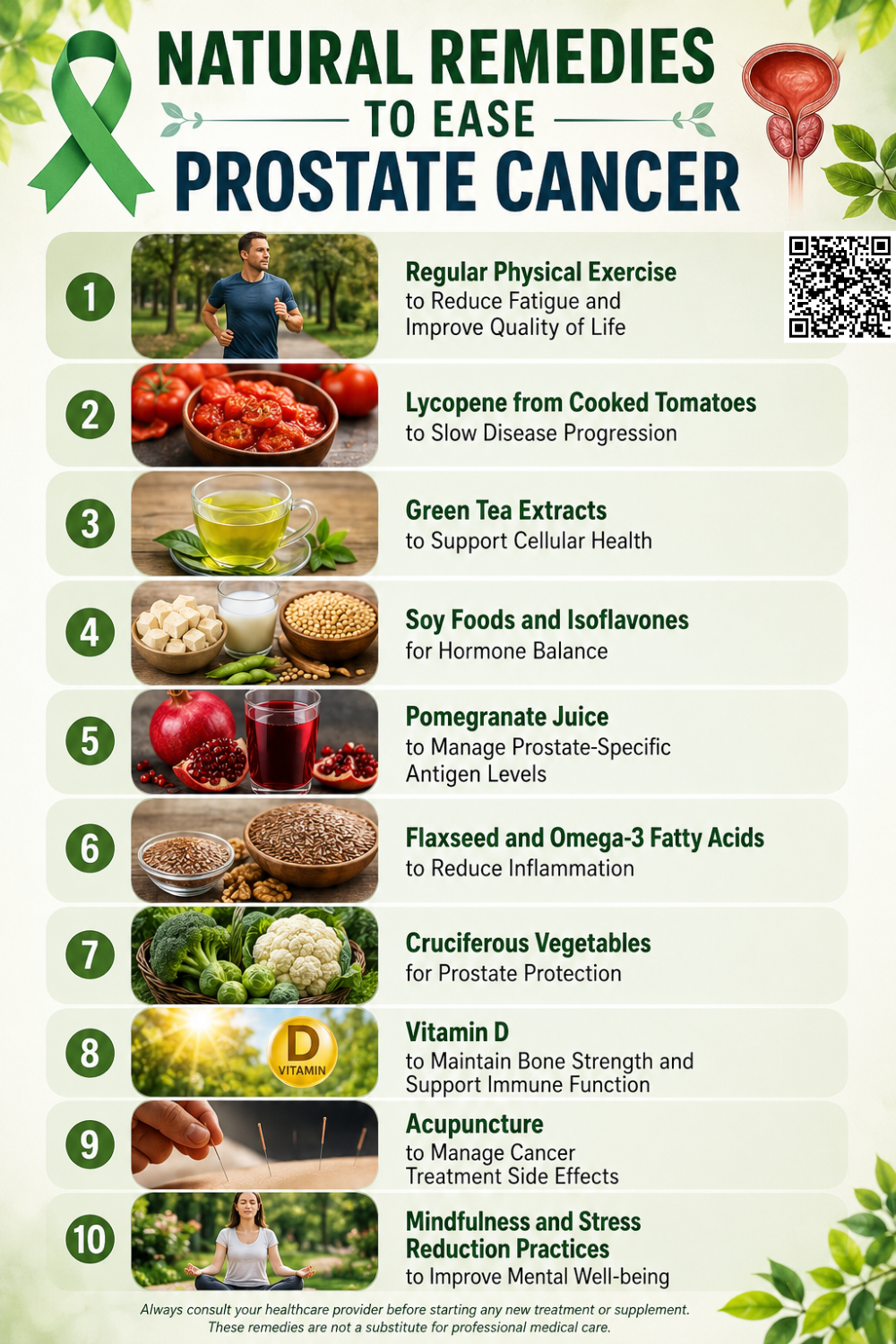
1. Regular Physical Exercise to Reduce Fatigue and Improve Quality of Life
How it may help
Physical activity combats the extreme tiredness often caused by cancer treatments and helps preserve muscle strength and bone density. It also supports cardiovascular health and mental well-being, providing an overall physical foundation that helps patients better tolerate aggressive medical therapies 8.
What research says
Clinical evidence confirms that supervised exercise interventions significantly reduce cancer-related fatigue and improve the overall quality of life in men undergoing prostate cancer treatment. Additionally, engaging in regular, vigorous physical activity is associated with a lower risk of prostate cancer progression and improved survival rates 9.
How to use it safely
You should always consult your medical team before starting a new routine. Aim for 150 minutes of moderate activity, like brisk walking, each week 10. Gradually include light resistance training to rebuild muscle, adapting the intensity based on your daily energy levels and physical limits.
Potential precautions or side effects
Men with advanced cancer that has spread to the bones face a high risk of fractures and should strictly avoid high-impact activities or heavy lifting.
2. Lycopene from Cooked Tomatoes to Slow Disease Progression
How it may help
Green tea contains active plant compounds called catechins, particularly one known as EGCG. These natural chemicals protect healthy cells from DNA damage and can block the specific biological signals that cause prostate cancer cells to multiply and spread 11.
What research says
Clinical studies demonstrate that green tea catechins can lower prostate-specific antigen (PSA) levels and slow tumor growth in patients with prostate cancer. Additional research indicates that consistent green tea consumption helps prevent early-stage prostate tumors from progressing into more advanced, aggressive forms of the disease 12.
How to use it safely
You can safely drink two to three cups of naturally brewed green tea each day. If you choose to take concentrated green tea extract capsules, you must consult your doctor first to establish a safe dose and prevent interactions with your cancer medications.
Potential precautions or side effects
Green tea contains caffeine, which can disrupt sleep or irritate the bladder. Very high doses of concentrated green tea extract supplements carry a documented risk of severe liver toxicity.
3. Green Tea Extracts to Support Cellular Health
How it may help
Green tea contains powerful plant compounds called catechins, especially one known as EGCG. These natural chemicals protect healthy cells from damage and can interfere with the biological signals that cause prostate cancer cells to grow, multiply, and spread to other parts of the body.
What research says
Clinical studies show that green tea catechins can lower prostate-specific antigen (PSA) levels and slow tumor growth in men diagnosed with prostate cancer. Furthermore, research concludes that drinking green tea regularly helps prevent early-stage prostate tumors from advancing into more aggressive forms of the disease.
How to use it safely
You can safely drink two to three cups of naturally brewed green tea daily. If you prefer concentrated green tea extract supplements, you must consult your doctor first to establish a safe dose and ensure it will not interfere with your prescribed cancer treatments.
Potential precautions or side effects
Green tea contains caffeine, which can irritate the bladder or disrupt sleep. High doses of concentrated green tea supplements carry a serious risk of severe liver toxicity.
4. Soy Foods and Isoflavones for Hormone Balance
How it may help
Soy contains natural plant compounds called isoflavones, which have a chemical structure similar to human estrogen. These compounds can help balance hormone levels in the body, potentially blocking the specific male hormones that fuel prostate tumor growth and encouraging the natural death of abnormal cells 13.
What research says
Extensive clinical reviews confirm that men who consume high amounts of whole soy foods have a significantly lower risk of developing prostate cancer. Furthermore, some evidence suggests that regular soy consumption can help slow disease progression and stabilize prostate-specific antigen (PSA) levels in diagnosed patients.
How to use it safely
You can safely add whole soy foods to your diet, such as tofu, edamame, and unsweetened soy milk. Aim for one to two servings daily, and consistently choose natural, unprocessed soy sources over heavily processed soy protein bars or imitation meats.
Potential precautions or side effects
Dietary soy is safe and well-tolerated by most men. However, you should avoid highly concentrated isoflavone supplements, as their long-term effects on advanced cancer remain poorly understood.
5. Pomegranate Juice to Manage Prostate-Specific Antigen Levels
How it may help
Pomegranate juice contains high concentrations of natural antioxidants called polyphenols. These plant compounds protect healthy tissues from cellular damage, reduce severe inflammation within the prostate gland, and can disrupt the chemical pathways that allow cancer cells to multiply and survive 14.
What research says
Clinical trials demonstrate that consuming pomegranate extract can significantly lengthen the time it takes for prostate-specific antigen (PSA) levels to double in men treated for prostate cancer. A slower PSA doubling time strongly indicates that the disease progression and tumor growth rates have successfully stabilized.
How to use it safely
You can safely consume up to eight ounces of 100 percent pure, unsweetened pomegranate juice daily. Always read the ingredient label to ensure there are no added sugars, and avoid artificially flavored fruit cocktails that lack any actual medical benefit.
Potential precautions or side effects
Pomegranate juice can block the liver enzymes needed to process certain medications, including specific blood pressure drugs and statins. You must consult your doctor before drinking it daily.
6. Flaxseed and Omega-3 Fatty Acids to Reduce Inflammation
How it may help
Flaxseed is rich in omega-3 fatty acids and natural plant compounds called lignans. These nutrients work together to significantly reduce chronic inflammation within the body. By lowering inflammation and stabilizing hormones, flaxseed can help disrupt the rapid cell division that allows prostate tumors to grow and spread 15.
What research says
Clinical studies reveal that men who consume ground flaxseed daily demonstrate notably slower tumor growth rates before undergoing prostate surgery. Furthermore, research indicates that the specific nutrients in flaxseed can help lower prostate-specific antigen (PSA) levels and encourage the natural death of harmful cancer cells.
How to use it safely
You can safely consume one to two tablespoons of ground flaxseed each day by mixing it into oatmeal, yogurt, or smoothies. You must use ground seeds rather than whole ones so your body can absorb the nutrients, and always drink plenty of water.
Potential precautions or side effects
High fiber in flaxseed can cause temporary bloating or gas. You must consult your doctor if taking blood-thinning medications, as omega-3 fatty acids can increase your risk of bleeding.
7. Cruciferous Vegetables for Prostate Protection
How it may help
Cruciferous vegetables, such as broccoli and cauliflower, contain unique sulfur-based chemicals called glucosinolates. During digestion, these break down into powerful compounds that help the body neutralize toxins. These plant chemicals prevent cellular damage, reduce inflammation, and actively trigger the natural death of prostate cancer cells 16.
What research says
Clinical research demonstrates that a high dietary intake of cruciferous vegetables is strongly linked to a decreased risk of developing aggressive, advanced forms of prostate cancer. Furthermore, evidence concludes that these specific vegetables can help slow the biological progression of existing tumors in diagnosed patients.
How to use it safely
You should aim to eat three to five servings of cruciferous vegetables, like broccoli, Brussels sprouts, or cabbage, each week. To preserve their cancer-fighting compounds, you must steam them lightly or eat them raw rather than boiling them heavily.
Potential precautions or side effects
Eating large amounts may cause gas and bloating. If you take blood-thinning medications, you must consult your doctor, as these vegetables contain high levels of vitamin K 17.
8. Vitamin D to Maintain Bone Strength and Support Immune Function
How it may help
Vitamin D is essential for calcium absorption, which maintains skeletal strength. This is critical because common prostate cancer hormone treatments severely weaken bones. Additionally, this vitamin regulates immune responses and helps control how quickly cells divide, potentially restricting the biological pathways that allow tumors to grow 18.
What research says
Clinical research indicates that men with severe vitamin D deficiencies face a significantly higher risk of developing aggressive, advanced prostate cancer. Furthermore, evidence confirms that targeted vitamin D supplementation helps prevent dangerous bone loss and fractures in patients undergoing hormone-blocking cancer therapies 19.
How to use it safely
You should ask your doctor for a simple blood test to check your current vitamin D levels before starting supplements. If deficient, you can safely take a daily vitamin D3 supplement, combined with safe sun exposure and dietary sources like salmon 20.
Potential precautions or side effects
Taking excessive doses of vitamin D supplements causes dangerously high blood calcium levels. This toxic condition can lead to severe kidney stones, persistent nausea, and potentially dangerous irregular heartbeats.
9. Acupuncture to Manage Cancer Treatment Side Effects
How it may help
Acupuncture involves placing hair-thin needles into specific areas of the body to stimulate the nervous system. While it does not treat the tumor itself, it effectively relieves severe physical pain and reduces the intense hot flashes frequently caused by prostate cancer hormone-blocking therapies 21.
What research says
Clinical research demonstrates that acupuncture significantly decreases the frequency and severity of hot flashes in men undergoing hormone therapies for prostate cancer. Additional studies conclude that these targeted treatments effectively improve overall sleep quality and reduce extreme cancer-related fatigue in diagnosed patients 22.
How to use it safely
You should only seek treatment from a licensed and certified acupuncturist who has specific experience working with cancer patients. You must always consult your primary medical team before beginning sessions to ensure the practice is safe for your specific condition.
Potential precautions or side effects
Minor side effects include slight bleeding or bruising at the needle sites. You must avoid acupuncture if you have a bleeding disorder or dangerously low white blood cell counts.
10. Mindfulness and Stress Reduction Practices to Improve Mental Well-being
How it may help
Mindfulness practices, such as guided meditation and deep breathing, lower the body’s physical stress responses by reducing the production of stress hormones like cortisol. While it does not shrink tumors, managing stress strengthens the immune system and significantly reduces the severe anxiety and depression often caused by a cancer diagnosis 23.
What research says
Clinical studies confirm that participating in mindfulness-based stress reduction programs significantly improves the overall quality of life for men battling prostate cancer. Furthermore, research concludes that these structured mental exercises effectively decrease symptoms of depression, lower chronic fatigue, and help patients better tolerate the psychological burden of medical treatments.
How to use it safely
You can safely start with ten minutes of daily focused breathing or guided meditation. For the best results, you should consider joining a specialized mindfulness-based stress reduction program or local support group led by trained professionals who have specific experience in oncology and cancer care 24.
Potential precautions or side effects
Mindfulness is safe with no physical side effects. However, intensely focusing on inner thoughts may occasionally surface repressed emotional trauma, requiring guidance from a licensed mental health therapist 25.
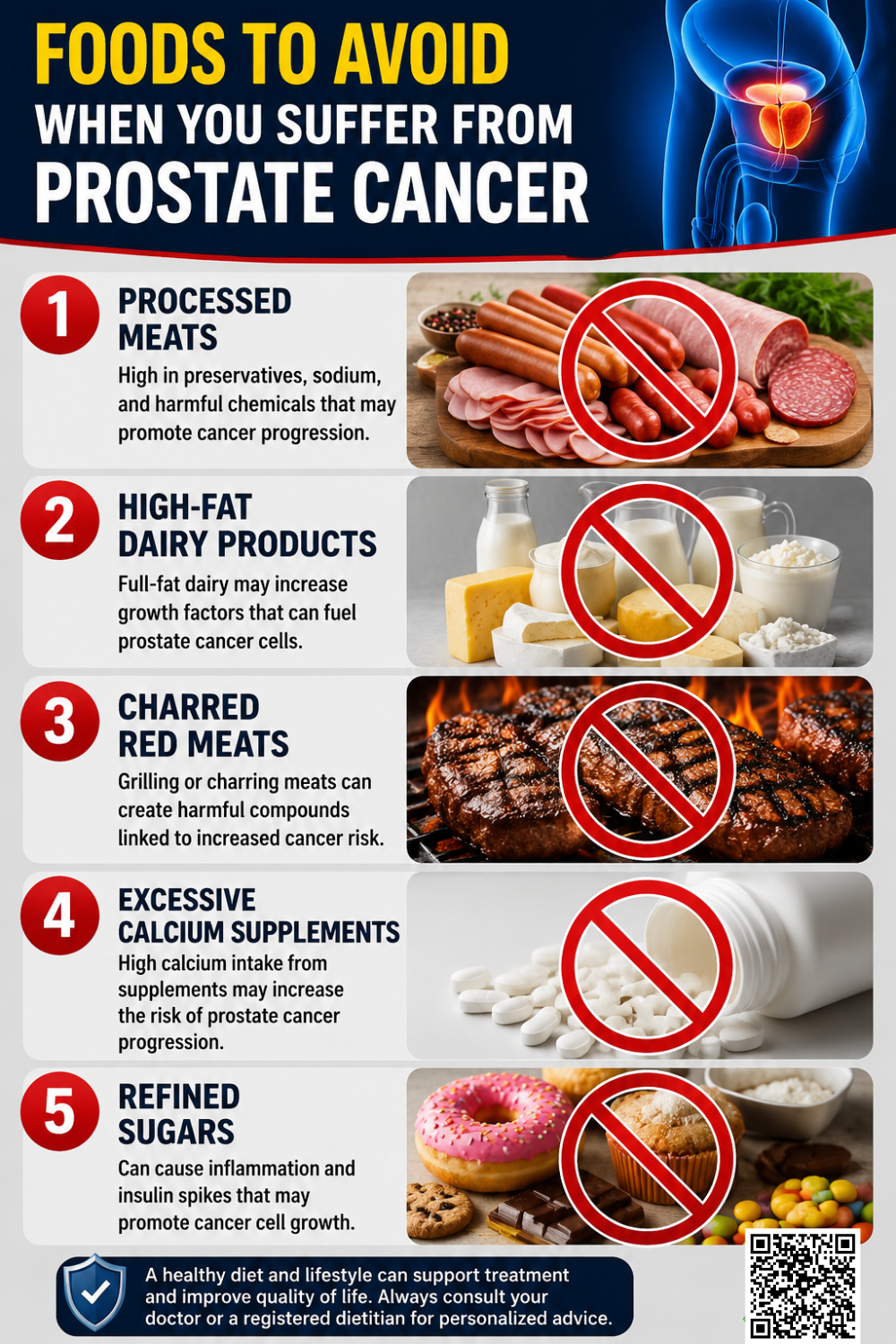
1. Processed Meats
Bacon, sausages, and deli meats contain chemical preservatives that generate cancer-causing compounds during digestion, significantly increasing the risk of aggressive prostate cancer progression.
2. High-Fat Dairy Products
Consuming large amounts of whole milk and cheese elevates hormones and provides saturated fats that accelerate prostate tumor growth and increase mortality rates 26.
3. Charred Red Meats
Grilling beef or pork at high temperatures creates harmful chemicals called heterocyclic amines, which biologically mutate cellular DNA and promote rapid tumor expansion 27.
4. Excessive Calcium Supplements
Consuming abnormally high levels of isolated calcium severely disrupts natural vitamin D processing, a biological change strongly linked to the development of fatal prostate tumors 28.
5. Refined Sugars
Diets heavy in sugary beverages and processed carbohydrates cause dangerous insulin spikes and chronic inflammation, creating a biological environment that directly fuels cancer cell multiplication.
When To See a Doctor When You Suffer from Prostate Cancer
1. Sudden Inability to Urinate
If you completely lose the ability to pass urine, seek emergency medical care immediately. This dangerous blockage can cause severe kidney damage and requires rapid intervention.
2. New or Worsening Bone Pain
Contact your doctor if you develop deep, persistent pain in your lower back or hips, as this strongly indicates the cancer has spread to your skeletal system.
3. Visible Blood in Urine
You must report any new appearance of blood in your urine, which suggests structural damage to the urinary tract or active tumor expansion within the prostate gland.
4. Spinal Cord Compression Signs
Seek immediate emergency care if you experience leg weakness or lose bowel control. These are critical neurological signs that a tumor is actively crushing your spinal cord.
Comments
comments