

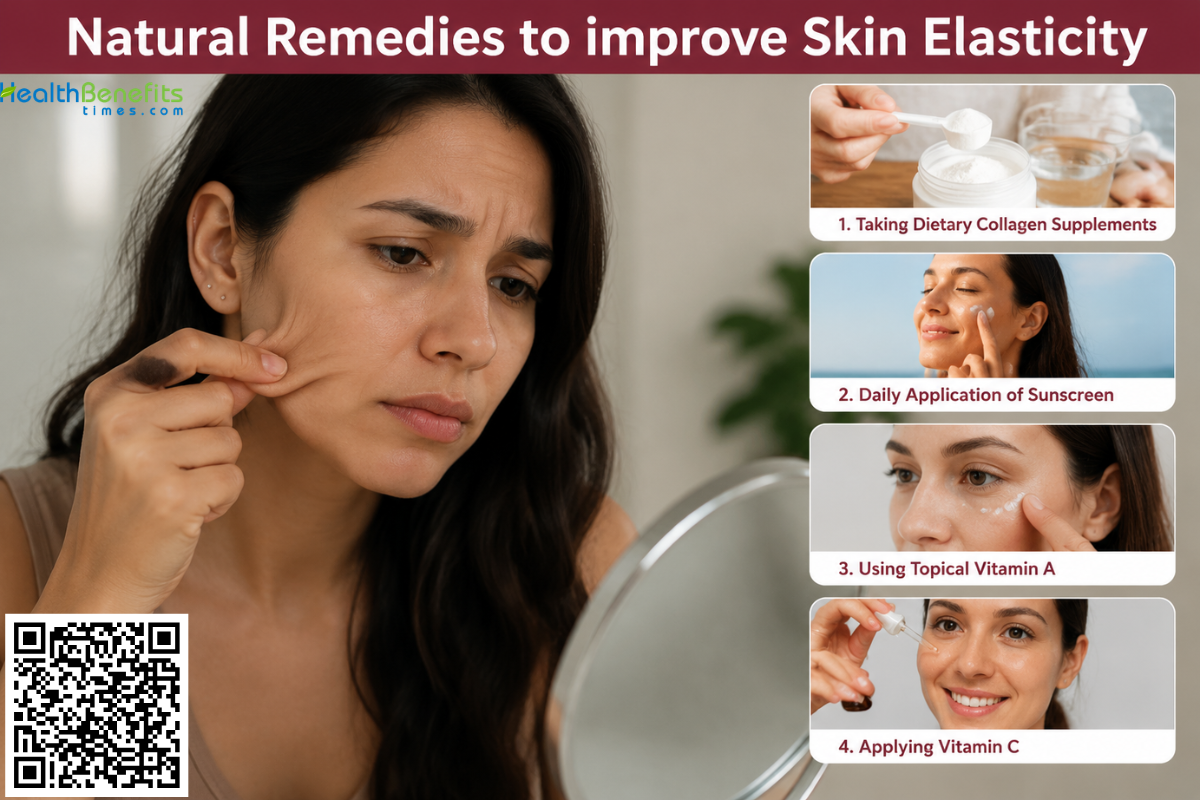
Causes of Skin Elasticity Problems
- Intrinsic Aging and Cellular Decline: The natural aging process leads to a gradual decrease in the production of essential skin proteins, specifically collagen and elastin, while the levels of moisture-binding hyaluronic acid in the outer skin layer also diminish 3. Over time, specialized enzymes known as matrix metalloproteinases become more active, breaking down existing elastic fibers and leading to thinner, less flexible skin 4.
- Ultraviolet (UV) Radiation Exposure (Photoaging): UV radiation damages skin cells by generating free radicals, which create oxidative stress that directly attacks the skin’s structural support system 5. This chronic sun exposure alters the normal arrangement of elastic fibers in the skin, causing them to clump together abnormally rather than form a healthy, supportive network, ultimately resulting in significant sagging and loss of elasticity 6.
- Environmental Pollution: Regular exposure to airborne pollutants, such as particulate matter, heavy metals, and volatile organic compounds, penetrates the skin barrier and induces persistent inflammation alongside cellular oxidative damage 4. This chronic inflammatory state accelerates the breakdown of the skin’s extracellular matrix, impairing its hydration levels and mechanical elasticity 4.
- Smoking and Tobacco Use: The chemicals found in tobacco smoke accelerate the aging process by restricting blood flow and reducing the oxygen supply delivered to skin tissues 4. Smoking depletes the body of essential nutrients while increasing the production of free radicals, which triggers severe oxidative stress that directly degrades collagen and elastin fibers 4.
- Advanced Glycation and Poor Nutrition: Poor nutritional habits contribute to the formation of advanced glycation end products, which occur when sugar molecules attach to structural proteins like collagen and elastin, causing them to become stiff and dysfunctional 7. Additionally, a lack of dietary antioxidants, vitamins, and minerals leaves the skin vulnerable to oxidative stress, preventing adequate tissue repair and the maintenance of skin elasticity 4.
- Sleep Deprivation: Insufficient sleep quality and duration prevent the body from effectively executing biological repair and cellular regeneration processes. This failure to heal daily environmental damage is directly linked to an accelerated decline in skin elasticity and the early onset of visible aging signs 4.
- Excessive Alcohol Consumption: High alcohol intake acts as a diuretic that severely dehydrates skin tissues and impairs the skin’s natural protective barrier 4. Chronic alcohol use promotes widespread inflammation and oxidative stress, which degrade structural proteins and leave the skin fragile and less elastic 4.
Symptoms of Skin Elasticity problems
- Sagging and Drooping Skin: The most prominent symptom is the visible laxity and downward shifting of the skin, which commonly causes tissue to hang loosely around the cheeks, jawline, and neck, resulting in the loss of distinct facial contours 4.
- Deep and Permanent Wrinkles: As structural support breaks down, the skin can no longer smooth itself out after repetitive facial movements, causing temporary expression lines to settle into permanent creases and coarse wrinkles 5.
- Delayed Snap-Back Response: A direct sign of compromised mechanical resilience is that the skin takes significantly longer to recoil or return to its normal, flat position after being pinched or pulled 8.
- Crepey Skin Texture: The surface of the skin develops a thin, finely wrinkled, and dry appearance resembling tissue paper, which occurs when the underlying elastic fibers become severely fragmented and disorganized 9.
- Increased Fragility and Thinning: The loss of elastic tissue combined with reduced collagen leads to progressive thinning of the outer skin layers, leaving the skin highly vulnerable to physical damage and prone to easy tearing and bruising 5.
- Skin Redundancy and Folds: Without adequate tension and resilience, the skin loses its ability to tightly wrap over the underlying bone and muscle, creating excess folds of loose skin that gather on various parts of the body 9.
Natural Remedies to improve Skin Elasticity
1. Taking Dietary Collagen Supplements
How it may help
Dietary collagen supplements, commonly consumed as hydrolyzed peptides, break down into specific amino acids during digestion. Once absorbed, these essential building blocks stimulate skin cells to produce new collagen and elastin fibers. This internal structural reinforcement naturally restores the skin’s ability to stretch and bounce back without sagging 10.
What research says
Clinical trials confirm that oral collagen supplements significantly enhance skin elasticity. Researchers conclude that adults consuming specific bioactive collagen peptides experience a noticeable increase in skin firmness and a higher level of internal skin moisture within four to eight weeks of daily use 11.
How to use it safely
Mix 2.5 to 10 grams of hydrolyzed collagen powder into your daily beverage or meal. For the best structural improvements, consume the supplement consistently every day for at least eight weeks. Always select products verified by third-party testing to ensure overall purity and safety 12.
Potential precautions or side effects
Collagen is generally safe but occasionally causes mild bloating. Individuals with fish, egg, or bovine allergies must verify the product’s source to prevent severe allergic reactions 12.
2. Daily Application of Sunscreen
How it may help
Sunscreen acts as a direct shield against ultraviolet light, which rapidly destroys the elastin fibers responsible for skin resilience 2. By blocking these harmful rays, daily sunscreen use prevents the structural degradation of the tissue, allowing the skin to maintain its natural firmness and elasticity over time.
What research says
Clinical trials confirm that routine sunscreen application effectively prevents the loss of skin elasticity. Researchers conclude that adults who apply broad-spectrum sunscreen daily show significantly less structural aging, sagging, and degradation of elastic tissue compared to individuals who only use it occasionally 13.
How to use it safely
Apply a broad-spectrum sunscreen with a Sun Protection Factor (SPF) of 30 or higher to your face and exposed skin every morning. To maintain effective protection against elasticity loss, reapply the sunscreen every two hours, or immediately after swimming or heavy sweating 14.
Potential precautions or side effects
Certain active chemical filters in sunscreens may cause mild skin irritation or allergic contact dermatitis 15. Individuals prone to breakouts should select oil-free formulas to prevent blocked pores.
3. Using Topical Vitamin A
How it may help
Topical vitamin A, commonly known as retinol, deeply penetrates the skin to stimulate the cells responsible for structural repair. By accelerating the natural production of new collagen and elastin fibers, it effectively thickens the deeper skin layers, restoring the tissue’s ability to stretch and snap back into place 16.
What research says
Clinical studies confirm that topical vitamin A significantly improves natural skin elasticity. Researchers conclude that regular application of retinoids repairs degraded elastic fibers and increases structural protein density, leading to a visibly firmer and more resilient skin surface over several months of continuous use 17.
How to use it safely
Apply a pea-sized amount of vitamin A cream to a clean, dry face at night. Start by using it only twice a week to allow your skin to adjust. Because vitamin A increases sun sensitivity, always apply broad-spectrum sunscreen every morning 16.
Potential precautions or side effects
Initial use frequently causes temporary skin redness, dryness, and peeling. Pregnant individuals must avoid all topical vitamin A products due to well-documented risks to fetal development 18.
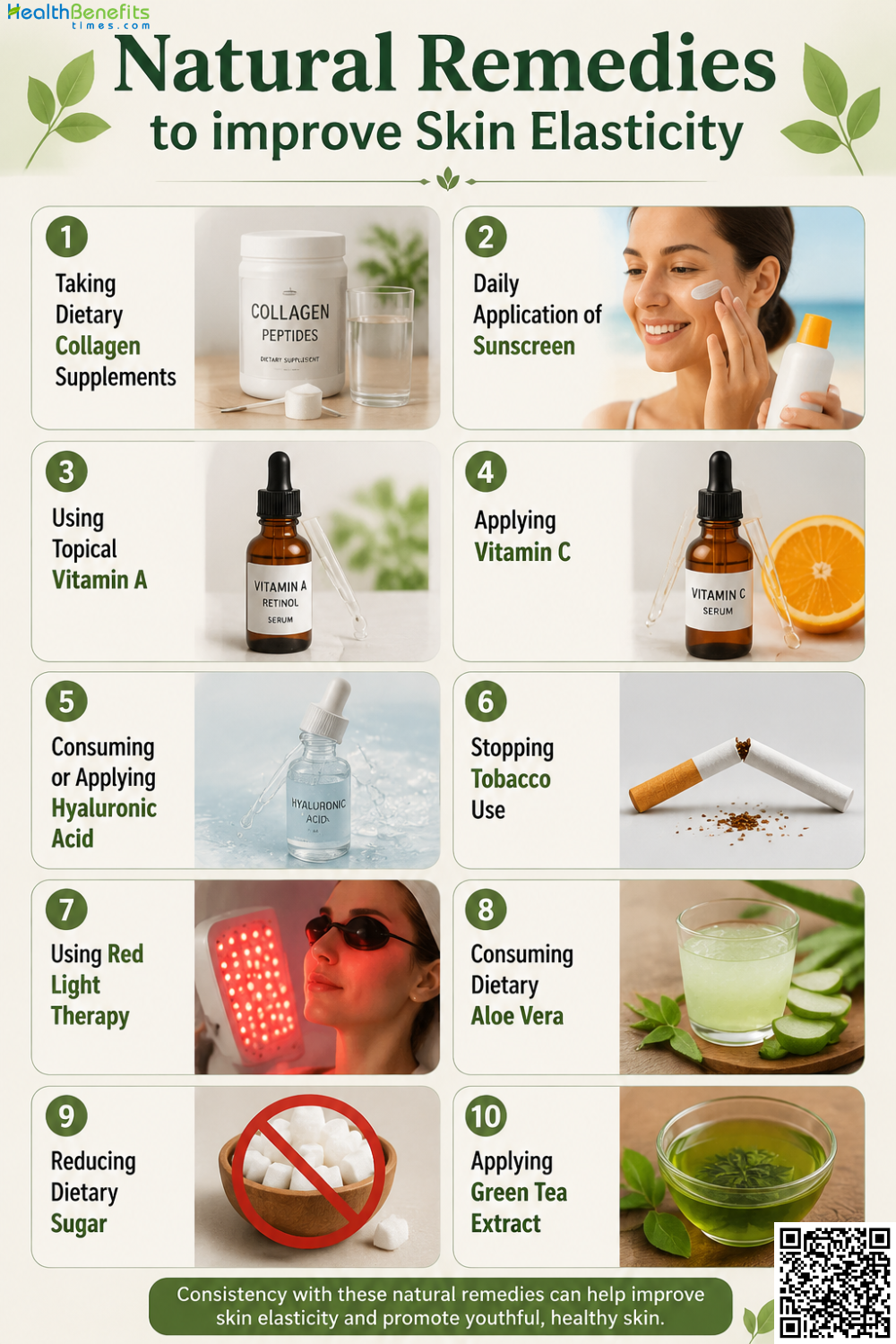
4. Applying Vitamin C
How it may help
Vitamin C is an essential component for the body’s natural production of collagen. By stabilizing collagen fibers, it helps maintain the strength and structural integrity of the skin. Its antioxidant properties also protect these fibers from environmental damage, which helps preserve the skin’s inherent ability to stretch and remain firm 19.
What research says
Clinical evidence supports the role of topical vitamin C in enhancing skin elasticity. Researchers have concluded that regular application of vitamin C formulations consistently promotes collagen synthesis and significantly improves overall skin resilience and firmness in sun-damaged or aging skin populations 20.
How to use it safely
Apply a vitamin C serum to a clean, dry face each morning. Store the product in an opaque, sealed container to prevent oxidation. Always layer a broad-spectrum sunscreen over the serum, as vitamin C works most effectively when protected from direct light exposure 19.
Potential precautions or side effects
Initial use may cause temporary tingling, mild redness, or skin dryness 19. Discontinue use if persistent irritation occurs and avoid layering with incompatible, strong skincare ingredients.
5. Consuming or Applying Hyaluronic Acid
How it may help
Hyaluronic acid naturally binds to water molecules, providing intense hydration to the cellular skin matrix. This deep moisture physically plumps the tissue and supports the structural network of collagen and elastin fibers, restoring the skin’s inherent ability to stretch and maintain its firm elasticity 21.
What research says
Clinical trials demonstrate that both oral supplementation and topical application of hyaluronic acid significantly increase skin elasticity. Researchers conclude that routine use effectively restores internal tissue moisture and improves overall skin firmness, visibly reversing age-related structural degradation within several weeks 22.
How to use it safely
Apply a topical hyaluronic acid serum to a clean, slightly damp face twice daily, immediately sealing it with a moisturizing cream. Alternatively, consume 120 to 240 milligrams of an oral hyaluronic acid supplement daily, ensuring the product is third-party tested for purity 22.
Potential precautions or side effects
Hyaluronic acid is exceptionally safe. However, in extremely dry climates, topically applied serums can inadvertently draw moisture out of the skin, causing temporary surface dryness if not properly sealed 21.
6. Stopping Tobacco Use
How it may help
Smoking introduces toxic substances that degrade the skin’s structural proteins, specifically elastin and collagen. Additionally, nicotine constricts blood vessels, limiting the supply of oxygen and essential nutrients to the skin. By ceasing tobacco use, you eliminate these damaging agents, which restores healthy blood circulation and enables the skin to repair its structural elasticity 23.
What research says
Clinical studies confirm a direct, strong correlation between tobacco use and accelerated skin aging. Researchers conclude that smoking significantly impairs skin elasticity by destroying elastic fibers. Evidence demonstrates that individuals who quit smoking experience a measurable improvement in skin firmness and a slower rate of structural decline over time 23.
How to use it safely
To quit safely, consult with a healthcare professional to develop a structured cessation plan. Utilize clinically proven methods, such as nicotine replacement therapies, prescription medications, or structured behavioral counseling to manage nicotine withdrawal and ensure a safe, sustainable transition away from tobacco dependence 24.
Potential precautions or side effects
Quitting often causes temporary withdrawal symptoms, including irritability, intense cravings, and sleep disturbances 25. Seeking professional medical guidance helps manage and minimize these physical reactions.
7. Using Red Light Therapy
How it may help
Red light therapy utilizes low-wavelength light to safely penetrate the skin and reach deep cellular layers. This specific light energy stimulates fibroblasts, the cells responsible for producing structural proteins. By accelerating the natural production of collagen and elastin fibers, the therapy effectively restores skin firmness and improves overall elasticity 26.
What research says
Clinical trials demonstrate that low-level red light therapy is highly effective for improving skin structure. Researchers conclude that regular, controlled exposure significantly increases collagen density and enhances skin elasticity, visibly reversing the signs of structural aging without causing thermal damage to the cellular tissue 26.
How to use it safely
Use a clinically tested at-home device for ten to twenty minutes per session, three to five times a week. Always follow the manufacturer’s specific guidelines and wear the provided protective eyewear to shield your eyes from intense light exposure 27.
Potential precautions or side effects
Red light therapy is exceptionally safe, though minor, temporary skin redness can occur. Consult a physician before use if you take medications that increase light sensitivity 26.
8. Consuming Dietary Aloe Vera
How it may help
Consuming aloe vera introduces specific plant sterols into the body, which travel to skin cells and stimulate the natural production of collagen and hyaluronic acid. By structurally reinforcing the deeper dermal layers from within, this internal process helps restore tissue flexibility and significantly improves overall skin elasticity 28.
What research says
Clinical trials confirm that oral aloe vera supplementation enhances structural skin integrity. Researchers conclude that adults consuming specific aloe sterols daily for ninety days experience significantly increased collagen production, improved skin moisture retention, and a measurable increase in natural skin elasticity 28.
How to use it safely
Consume a daily, food-grade aloe vera supplement or purified juice formulated for internal use. To avoid toxic compounds found in the plant’s outer rind, strictly use commercially processed, decolorized extracts that explicitly state they are free of aloin and safe for dietary consumption 29.
Potential precautions or side effects
Unpurified aloe vera containing latex causes severe abdominal cramps and diarrhea 30. Oral aloe can also lower blood glucose, requiring medical caution if you take diabetic medications.
9. Reducing Dietary Sugar
How it may help
Consuming excess sugar causes glucose molecules to bind to collagen and elastin fibers, forming advanced glycation end products. This chemical process makes the skin’s structural proteins stiff and brittle. Reducing dietary sugar prevents this internal damage, allowing the skin to retain its natural flexibility and elasticity 31.
What research says
Clinical evidence establishes a direct link between elevated blood glucose levels and reduced skin elasticity. Researchers conclude that diets high in sugar accelerate structural skin aging, while strictly limiting sugar intake significantly slows collagen degradation and preserves youthful tissue resilience 32.
How to use it safely
Limit your daily intake of added sugars and refined carbohydrates. Focus on a balanced diet rich in whole vegetables, lean proteins, and complex carbohydrates. Carefully read nutritional labels to avoid hidden sugars in processed foods and maintain stable blood glucose levels 33.
Potential precautions or side effects
Drastically reducing sugar intake can cause temporary withdrawal symptoms, including headaches, mood swings, and intense cravings 34. Gradually decreasing added sugars helps minimize these physical reactions.
10. Applying Green Tea Extract
How it may help
Green tea extract contains potent natural antioxidants, specifically epigallocatechin gallate (EGCG), which neutralize free radicals generated by environmental stress. By protecting the skin against oxidative damage and preventing the breakdown of structural proteins like collagen and elastin, topical application preserves the skin’s natural elasticity and firmness 35.
What research says
Clinical studies indicate that green tea polyphenols effectively protect elastic skin fibers from degradation. Researchers conclude that regular topical application significantly reduces ultraviolet-induced structural damage, maintains collagen density, and improves overall skin elasticity, resulting in a firmer and more resilient dermal structure 35.
How to use it safely
Apply a clinically formulated green tea serum or cream to a clean, dry face once or twice daily. Layer the product under your standard moisturizer. Always choose commercially stabilized preparations over home-brewed tea to ensure a safe, consistent concentration of active antioxidants 36.
Potential precautions or side effects
Topical green tea is generally well-tolerated but can occasionally cause mild redness or contact dermatitis. Always perform a small patch test before applying it entirely to your face 37.
Foods to Avoid When You suffer from Skin Elasticity problems
1. Fried and Grilled Foods
High cooking temperatures create harmful compounds called advanced glycation end products (AGEs) that stiffen collagen, reducing skin flexibility 38.
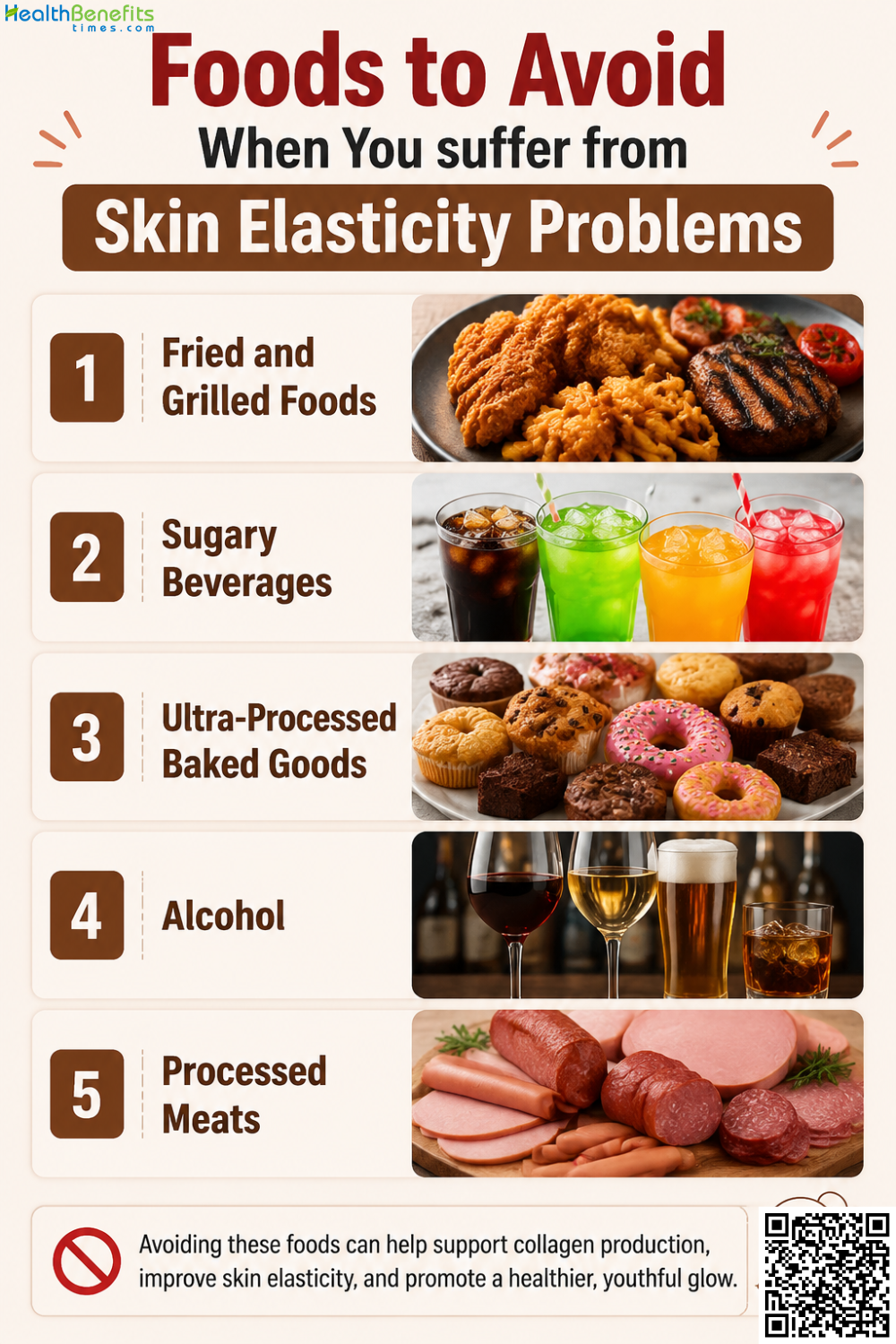
2. Sugary Beverages
High-fructose corn syrup promotes chemical reactions between sugars and skin proteins, accelerating the breakdown of healthy collagen and elastin 38.
3. Ultra-Processed Baked Goods
Commercially baked items contain high levels of pre-formed AGEs that weaken the skin’s supportive structures and decrease overall elasticity 38.
4. Alcohol
Heavy alcohol consumption impairs tissue repair, alters natural barrier functions, and negatively impacts skin fat composition, leading to premature aging 39.
5. Processed Meats
Cured and charred meats carry high inflammatory loads and toxic byproducts that directly degrade the physical strength of skin collagen 38.
When to see Doctor when you struggle from Skin Elasticity problems.
1. Extreme Stretchiness with Joint Hypermobility
If highly elastic skin accompanies overly flexible joints, it strongly suggests underlying hereditary connective tissue disorders like Ehlers-Danlos syndrome, which require comprehensive clinical evaluation 40.
2. Skin Laxity with Systemic Symptoms
Inelastic skin combined with breathing difficulties, gastrointestinal hernias, or cardiovascular anomalies signals potential internal organ involvement in metabolic or genetic cutis laxa syndromes 41.
3. Premature Skin Aging
Noticeably wrinkled and drooping skin occurring abnormally early in life can point to genetic defects that fundamentally impair the creation and stability of structural skin proteins 41.
4. Abnormal Tissue Fragility and Bruising
When reduced skin elasticity occurs alongside frequent bruising, sunken scars, or abnormal tissue fragility, it indicates significant collagen defects requiring a specialist’s diagnosis 42.
5. Sudden Structural Changes
An abrupt decrease in skin firmness without an obvious cause always warrants medical investigation to exclude underlying metabolic disorders or severe systemic connective tissue diseases 42.
Comments
comments