

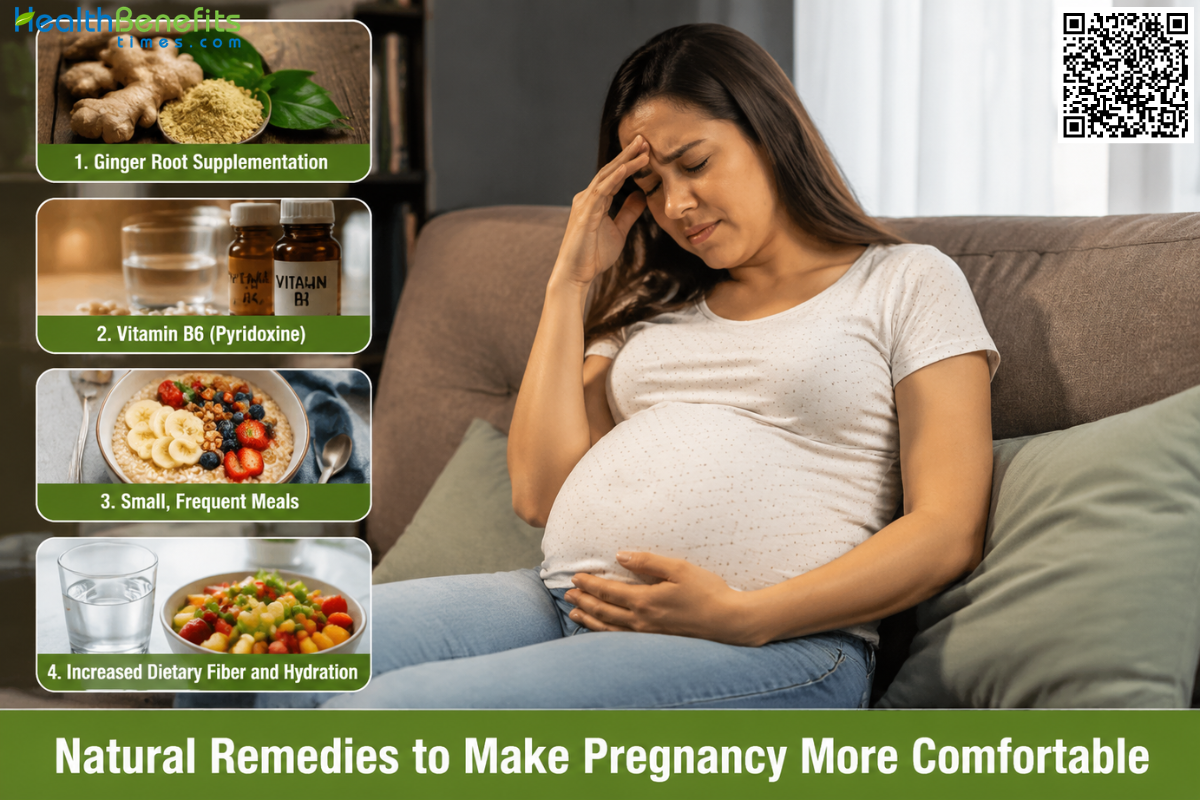
Natural Remedies to Make Pregnancy More Comfortable
1. Ginger Root Supplementation
How it may help
Ginger root contains active botanical compounds, specifically gingerols and shogaols, which directly interact with digestive tract receptors to accelerate stomach emptying and block nausea-inducing nerve signals 4. This biological action effectively relieves the severe nausea and vomiting commonly experienced during early pregnancy.
What research says
Clinical trials consistently demonstrate that ginger significantly reduces the severity of pregnancy-induced nausea compared to a placebo 5. Systematic reviews confirm it is equally as effective as standard anti-nausea medications, such as vitamin B6, for relieving morning sickness without increasing the risk of adverse pregnancy outcomes 6.
How to use it safely
Always consult your obstetrician before starting supplements. Clinical guidelines recommend taking up to 1,000 milligrams of standardized ginger extract daily, divided into two to four smaller doses for consistent symptom relief 7. You can consume this via capsules, fresh ginger tea, or ginger syrups.
Potential precautions or side effects
Ginger is generally safe but may cause mild heartburn, diarrhea, or stomach upset. Consult your doctor before use if you take blood-thinning medications or have a bleeding disorder 8.
2. Vitamin B6 (Pyridoxine)
How it may help
Vitamin B6, also known as pyridoxine, plays a critical role in brain development and nervous system function. During pregnancy, supplementing with this essential nutrient helps regulate the body’s metabolic processes and alters nerve signaling, which effectively reduces the severity of morning sickness and early pregnancy nausea.
What research says
Clinical guidelines establish Vitamin B6 as a first-line treatment for nausea and vomiting during pregnancy 6. Extensive trials conclude that pyridoxine supplementation significantly decreases mild to moderate nausea in pregnant women, though it may not be as effective in reducing the frequency of actual vomiting episodes 9.
How to use it safely
Always consult your healthcare provider before beginning supplementation. Clinical protocols typically recommend taking 10 to 25 milligrams of Vitamin B6 every six to eight hours 10. Do not exceed your doctor’s prescribed dosage, as many prenatal vitamins already contain your baseline daily allowance of pyridoxine.
Potential precautions or side effects
Vitamin B6 is safe at recommended doses, but consuming excessively high amounts can cause severe nerve damage, leading to temporary numbness, tingling, or pain in your hands and feet 11.
3. Small, Frequent Meals
How it may help
During pregnancy, hormonal changes relax digestive muscles, and the growing uterus compresses the stomach, frequently causing severe heartburn and acid reflux. Consuming small, frequent meals prevents the stomach from becoming overly full. This dietary strategy reduces upward acid pressure and maintains steady blood sugar levels, effectively minimizing nausea.
What research says
Clinical guidelines endorse eating small, frequent meals as a primary dietary intervention for managing pregnancy-induced gastroesophageal reflux and morning sickness 12. Studies confirm that reducing meal volume significantly decreases gastric pressure, effectively relieving heartburn and stabilizing digestion without the need for immediate pharmaceutical interventions 13.
How to use it safely
Divide your daily food intake into five or six small meals rather than three large ones. Chew your food slowly and remain upright for at least one hour after eating to prevent stomach acid from rising into your esophagus 14.
Potential precautions or side effects
Frequent snacking can lead to excessive weight gain if you consume calorie-dense, sugary foods. Ensure your small meals remain nutritionally balanced with lean proteins, vegetables, and whole grains.
4. Increased Dietary Fiber and Hydration
How it may help
During pregnancy, elevated progesterone levels slow down the digestive tract, and iron supplements often worsen bowel sluggishness. Increasing dietary fiber adds bulk and softness to stool, while adequate hydration provides the necessary fluid to move waste smoothly through the intestines, effectively relieving severe pregnancy-induced constipation.
What research says
Clinical studies confirm that increasing dietary fiber intake combined with adequate fluid consumption significantly improves stool frequency and consistency in pregnant women 15. Medical guidelines establish this nutritional intervention as the safest first-line treatment for managing constipation before introducing laxatives during pregnancy 16.
How to use it safely
Gradually increase your fiber intake to 25 to 30 grams daily by consuming more fruits, vegetables, beans, and whole grains. Drink at least eight to twelve cups of water every day, as eating high-fiber foods without sufficient fluids can severely worsen your constipation 17.
Potential precautions or side effects
Adding fiber too quickly can cause severe bloating, abdominal cramping, and excessive gas. Always increase your intake gradually over several weeks to allow your digestive system to adjust.
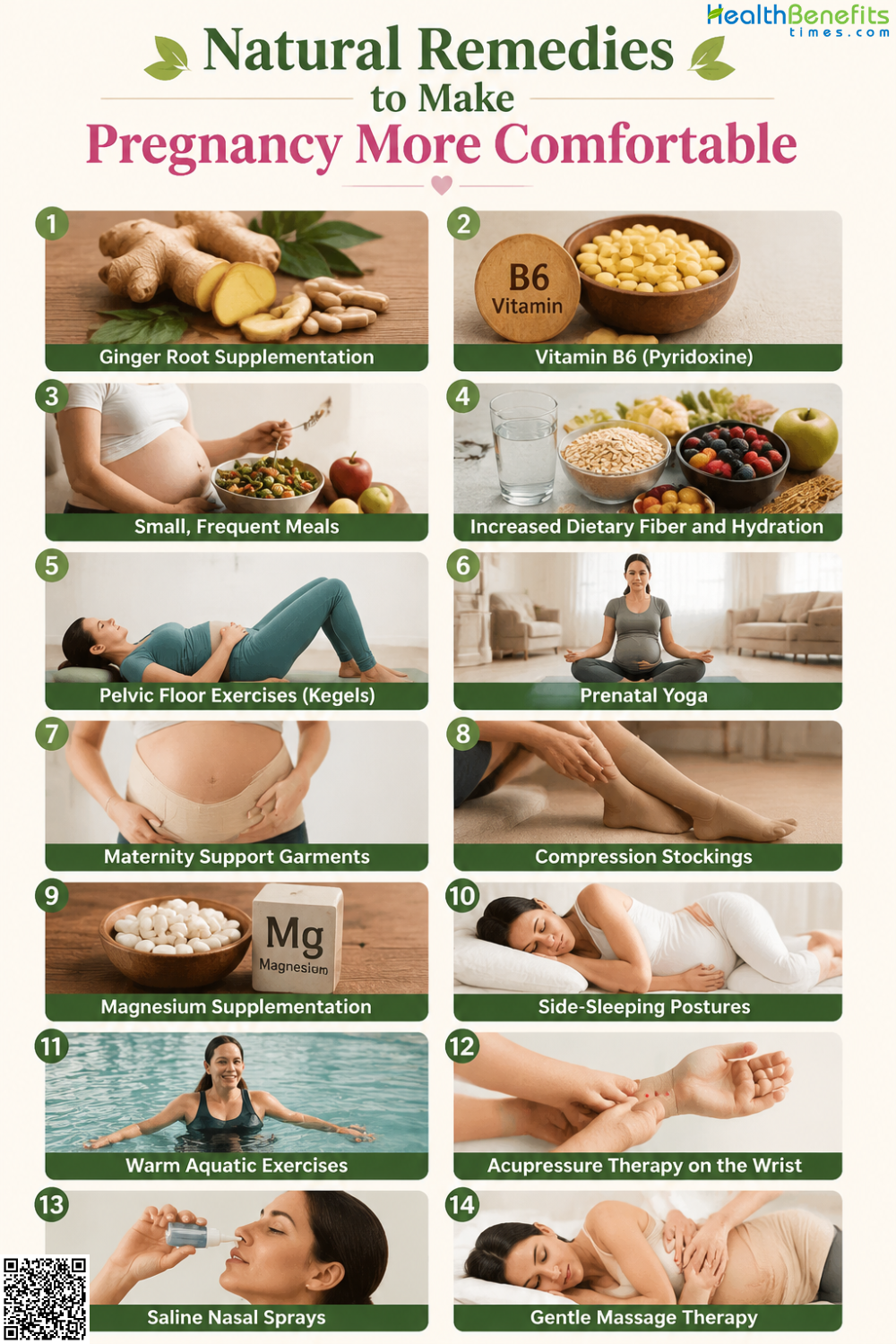
5. Pelvic Floor Exercises (Kegels)
How it may help
The growing uterus places intense downward pressure on the bladder and pelvic floor muscles, frequently causing accidental urine leakage. Pelvic floor exercises, known as Kegels, strengthen the specific muscles supporting these organs. This strengthening action provides structural support, enhances bladder control, and prevents severe urinary incontinence throughout pregnancy.
What research says
Clinical trials demonstrate that pregnant women who routinely perform pelvic floor muscle training experience significantly lower rates of urinary incontinence during late pregnancy and after childbirth 18. Medical guidelines universally recommend these exercises as a highly effective, non-invasive method for preserving pelvic function and preventing organ prolapse.
How to use it safely
Always empty your bladder completely before beginning. Squeeze the muscles you would use to stop the flow of urine, hold the contraction for three to five seconds, and then fully relax. Aim to complete three sets of ten repetitions daily in a seated or lying position 19.
Potential precautions or side effects
Avoid habitually practicing Kegels while actively urinating, as this can prevent the bladder from emptying fully and significantly increase your risk of painful urinary tract infections.
6. Prenatal Yoga
How it may help
Prenatal yoga combines gentle stretching, focused breathing, and posture correction to relieve severe lower back pain and reduce pelvic pressure. These physical movements improve flexibility and blood circulation, while the mindful breathing techniques actively lower stress hormones, promoting deep relaxation and better sleep quality throughout pregnancy.
What research says
Clinical reviews confirm that practicing prenatal yoga significantly reduces maternal anxiety, depression, and pregnancy-related lower back pain 20. Recent clinical trials also demonstrate that regular yoga practice safely improves overall immune function and may contribute to shorter labor durations and lower cesarean section rates 21.
How to use it safely
Wait until your second trimester to begin, and only attend classes led by certified prenatal yoga instructors. Use props like blocks or chairs to maintain balance as your center of gravity shifts. Always move slowly and stay well-hydrated during your practice 22.
Potential precautions or side effects
Avoid any poses that require lying flat on your back, deep abdominal twisting, or extreme backward bends. Stop immediately if you experience dizziness, painful contractions, or vaginal bleeding.
7. Maternity Support Garments
How it may help
Maternity support garments, such as belly bands and pelvic belts, provide external compression to stabilize the pelvis and support the lower back. By gently lifting the heavy, growing abdomen, these garments help correct postural shifts and reduce severe strain on relaxed ligaments, significantly relieving lower back and pelvic pain.
What research says
Systematic reviews conclude that wearing maternity support belts significantly reduces pregnancy-related lower back pain and pelvic girdle pain 23. Clinical research demonstrates that these garments not only alleviate pain but also improve overall postural stability and mobility, effectively assisting daily functional activities without adverse effects 24.
How to use it safely
Position the support belt comfortably under your belly and across your lower back, avoiding direct pressure on the uterus. Wear the garment during physical activities or for short intervals. Remove it while sitting for long periods or sleeping to ensure proper blood circulation and optimal comfort.
Potential precautions or side effects
Wearing overly tight bands for extended periods can restrict blood flow, trap body heat, and worsen digestive issues like heartburn. Remove the garment immediately if you experience sharp pain.
8. Compression Stockings
How it may help
During pregnancy, increased blood volume and uterine pressure on pelvic veins cause severe leg swelling and varicose veins. Graduated compression stockings apply gentle, continuous pressure to the legs, forcing blood back up toward the heart. This effectively prevents fluid buildup, reduces painful leg heaviness, and minimizes swelling.
What research says
Clinical trials demonstrate that wearing graduated compression stockings significantly reduces pregnancy-induced leg swelling, pain, and the development of varicose veins 25. Medical guidelines also recommend their routine use to decrease the elevated risk of deep vein thrombosis and dangerous blood clots throughout the entire pregnancy 26.
How to use it safely
Put the stockings on first thing in the morning before getting out of bed, as your legs are least swollen then. Ensure they fit snugly but do not pinch or roll down. Remove them before sleeping to allow your skin to breathe and rest.
Potential precautions or side effects
Improperly sized stockings can dangerously restrict blood circulation or cause severe skin irritation. Remove them immediately if you experience numbness, tingling, or color changes in your toes.
9. Magnesium Supplementation
How it may help
Magnesium is an essential mineral that helps regulate muscle and nerve function. During pregnancy, low magnesium levels frequently cause painful nocturnal leg cramps and muscle spasms. Supplementing with magnesium helps relax muscle tissues, reduces the frequency of these sudden cramps, and can promote better overall sleep quality.
What research says
Clinical studies evaluating magnesium for pregnancy-induced leg cramps show mixed results, though many patients report significant symptom relief. While some reviews indicate the evidence for cramp reduction is inconclusive, medical experts agree that maintaining adequate magnesium levels is vital for healthy maternal nerve function and fetal bone development 27.
How to use it safely
Discuss magnesium supplementation with your obstetrician before starting, as your prenatal vitamins already contain this mineral. If recommended, do not exceed the standard limit of 350 milligrams daily from supplements. Take the dose with a meal to minimize stomach discomfort 27.
Potential precautions or side effects
High doses of magnesium supplements commonly cause diarrhea, nausea, and abdominal cramping. Extremely excessive amounts can lead to dangerous drops in blood pressure and irregular heartbeats.
10. Side-Sleeping Postures
How it may help
Sleeping on your side, particularly the left, relieves the heavy uterus’s pressure on the inferior vena cava—the major vein returning blood to the heart. This optimal position maximizes blood flow and nutrient delivery to the placenta, reduces maternal leg swelling, and minimizes lower back pain.
What research says
Clinical studies and medical guidelines confirm that lying flat on the back during late pregnancy restricts large blood vessels and reduces cardiac output. Research demonstrates that side-sleeping prevents supine hypotensive syndrome and is associated with a significantly lower risk of late stillbirth compared to back sleeping 28.
How to use it safely
Lie on your left side with your knees slightly bent. To maintain proper spinal alignment and relieve pelvic pressure, place a firm support pillow between your knees, wedge another beneath your heavy abdomen, and tuck one behind your back 29.
Potential precautions or side effects
Do not panic if you naturally roll onto your back during the night. Simply turn back onto your side when you wake up to restore optimal blood circulation.
11. Warm Aquatic Exercises
How it may help
Water provides natural buoyancy that supports the body’s increasing weight, significantly reducing heavy pressure on the spine and pelvic joints. The gentle physical compression from the water also forces trapped fluids back into circulation, effectively reducing painful leg and ankle swelling while allowing for pain-free, low-impact movement.
What research says
Clinical studies demonstrate that regular aquatic exercise safely reduces pregnancy-related lower back pain, minimizes limb swelling, and improves maternal sleep quality 30. Medical guidelines confirm that water-based routines improve cardiovascular fitness without increasing the risk of preterm labor or adverse fetal outcomes.
How to use it safely
Ensure the pool water temperature remains comfortably warm, never exceeding 90 degrees Fahrenheit, to prevent dangerous maternal overheating 22. Stay well-hydrated, use handrails when entering or exiting the pool, and wear water shoes with textured grips to prevent accidental slips on wet surfaces.
Potential precautions or side effects
Strictly avoid hot tubs and saunas, as high temperatures can cause dangerous fetal complications. Stop exercising immediately if you experience dizziness, painful uterine contractions, or sudden shortness of breath.
12. Acupressure Therapy on the Wrist
How it may help
Acupressure on the inner wrist targets a specific nerve cluster known as the P6 point. Applying steady, gentle pressure to this area interrupts nerve signals traveling to the brain and helps calm the digestive system, which effectively reduces mild morning sickness and nausea without medication.
What research says
Clinical reviews indicate that applying continuous pressure to the P6 wrist point significantly decreases the severity of mild morning sickness in many pregnant women 31. Medical guidelines consider it a safe, non-invasive option, though evidence confirms it is generally less effective for treating severe vomiting episodes 6.
How to use it safely
You can use elastic acupressure wristbands or apply manual pressure using your fingers. Locate the P6 point by measuring three finger-widths down from your inner wrist crease, between the two central tendons. Apply firm, steady downward pressure for several minutes whenever nausea begins.
Potential precautions or side effects
Acupressure is non-invasive and generally safe. The primary risk is mild skin irritation, swelling, or localized soreness on the wrist if you wear elastic acupressure bands too tightly.
13. Saline Nasal Sprays
How it may help
During pregnancy, elevated estrogen levels and increased blood volume cause the mucous membranes inside the nose to swell, leading to severe congestion known as pregnancy rhinitis. Saline nasal sprays gently moisturize dry nasal passages, thin thick mucus, and flush out irritants, effectively restoring comfortable breathing.
What research says
Clinical guidelines establish isotonic saline nasal irrigation as the safest first-line treatment for managing pregnancy rhinitis 32. Studies confirm that regular saline use significantly reduces nasal congestion, improves sleep quality, and safely avoids the blood pressure risks associated with oral pharmaceutical decongestants.
How to use it safely
Purchase sterile, pre-mixed saline nasal sprays to eliminate the risk of bacterial contamination. Administer one to two gentle sprays into each nostril as needed daily. If you create a homemade rinse, you must strictly use boiled, sterile, or distilled water 33.
Potential precautions or side effects
Saline sprays have no major systemic side effects. However, sharing spray bottles rapidly spreads respiratory infections. Using unsterilized tap water introduces a critical risk of fatal amoebic brain infections.
14. Gentle Massage Therapy
How it may help
Gentle massage therapy manipulates soft tissues to relieve muscle tension, alleviate severe lower back pain, and reduce painful leg cramps. The physical manipulation improves blood circulation, which decreases leg swelling. It also lowers stress hormones, promoting deep relaxation and better emotional well-being throughout the pregnancy.
What research says
Clinical studies confirm that prenatal massage therapy significantly reduces maternal anxiety, depressed mood, and lower back pain 34. Research demonstrates that regular massage sessions safely lower stress hormones and improve maternal sleep quality, without causing adverse fetal outcomes or increasing the risk of premature labor.
How to use it safely
Wait until your second trimester and hire a certified prenatal massage therapist. Always receive the massage lying comfortably on your side with supportive pillows, rather than flat on your back 28. Request light, gentle strokes instead of intense deep-tissue pressure.
Potential precautions or side effects
Strictly avoid deep tissue massage on your legs, as pregnancy increases the risk of dangerous blood clots that heavy pressure could dislodge. Avoid direct pressure on your abdomen.
When to see Doctor when you struggle from Pregnancy
Pregnancy involves significant physiological changes, and while many minor discomforts are expected, certain severe symptoms indicate potentially life-threatening maternal or fetal complications. Immediate medical evaluation is required to accurately diagnose and treat these acute conditions, ensuring the physical safety of both the mother and the developing child, and preventing severe clinical outcomes such as preterm labor, maternal hemorrhaging, or systemic organ failure.
1. Heavy Vaginal Bleeding
Seek emergency care for heavy vaginal bleeding. This indicates severe complications such as placental abruption or ectopic pregnancy, which require immediate clinical intervention to prevent fatal hemorrhaging 35.
2. Severe Abdominal Pain
Contact a doctor immediately for sharp, continuous abdominal pain. Severe cramping signals critical conditions like ectopic pregnancy or preterm labor, requiring urgent diagnostic ultrasound and medical intervention 35.
3. Decreased Fetal Movement
Go to the hospital immediately if fetal movements significantly decrease or stop. This reduction strongly indicates fetal distress or oxygen deprivation, requiring immediate clinical heart rate monitoring 36.
4. Severe Headaches and Vision Changes
Seek urgent care for persistent severe headaches or blurry vision. These neurological symptoms directly indicate preeclampsia, a life-threatening blood pressure disorder that requires immediate medical management 37.
5. Sudden Fluid Leakage
Seek immediate evaluation for a sudden gush or steady leak of vaginal fluid. This indicates premature membrane rupture, significantly elevating the risk of severe maternal and fetal infections 38.
Comments
comments