

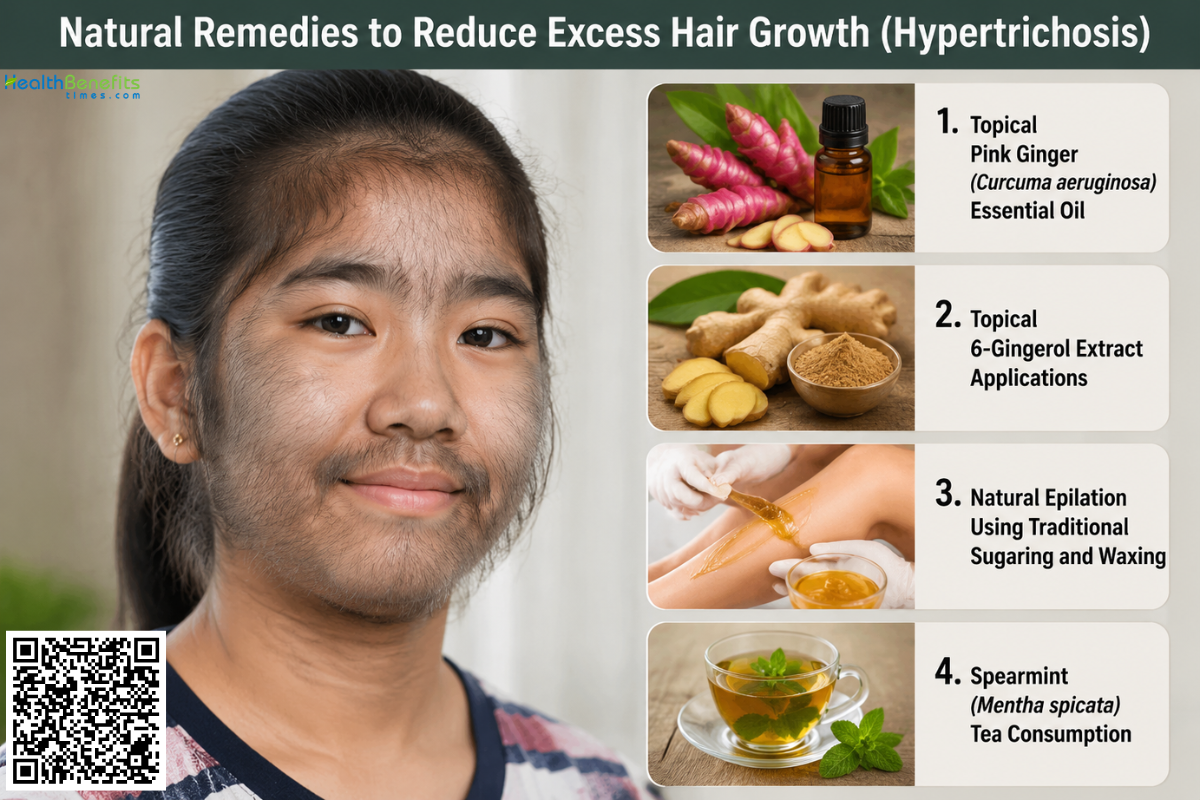
Causes of Hypertrichosis
- Genetics: Congenital hypertrichosis is present at birth and is typically caused by rare, inherited genetic mutations that disrupt normal hair follicle development 1.
- Medications: Certain prescription drugs can trigger excessive hair growth as a side effect, most commonly blood pressure or hair-loss medications (minoxidil), immunosuppressants (cyclosporine), and anti-seizure drugs (phenytoin).
- Malnutrition and Eating Disorders: Severe weight loss or starvation, such as in cases of anorexia nervosa, can cause the body to grow a protective layer of fine, soft hair to help preserve body heat.
- Systemic Diseases: Metabolic disorders, particularly porphyria cutanea tarda (a disease affecting the liver and skin), frequently cause excessive hair growth on sun-exposed areas like the face and hands.
- Internal Cancers: A sudden, rapid growth of fine hair all over the body in adults can occasionally be a rare immune reaction (paraneoplastic syndrome) to an undiagnosed internal tumor, most often in the lungs or colon.
- Skin Trauma or Inflammation: Localized hypertrichosis can develop in one specific area of the body following repeated skin friction, chronic scratching, insect bites, or wearing a plaster cast over a broken bone.
Symptoms of Hypertrichosis
- Abnormal Hair Distribution: The defining symptom is hair growth that is significantly longer or thicker than normal, which can appear in one specific isolated patch or generalized to cover the entire body.
- Lanugo Hair Appearance: Individuals may grow very fine, soft, and colorless hair, similar to the temporary hair that covers an unborn baby, which either remains after birth or appears suddenly during adulthood.
- Vellus Hair Overgrowth: The condition can cause the short, faint, and lightly colored fuzz that normally covers most human skin to grow unusually long and prominent.
- Terminal Hair Growth: Certain types of the condition result in the abnormal growth of thick, coarse, and dark hair in areas where only fine, barely visible hair typically grows.
- Enlarged Gums and Dental Issues: In rare, inherited forms present at birth, excessive hair growth is frequently accompanied by other physical symptoms, such as severely swollen or overgrown gums and delayed tooth development.
Natural Remedies to Reduce Excess Hair Growth (Hypertrichosis)
1. Topical Pink Ginger (Curcuma aeruginosa) Essential Oil
How it may help
Topical pink ginger (Curcuma aeruginosa) essential oil contains active plant compounds that can penetrate the skin and suppress hair follicle activity. When applied directly to the skin, it weakens the hair shaft and slows down the natural hair growth cycle, making new hair grow back finer, softer, and less visible over time 3.
What research says
Clinical studies demonstrate that applying lotions containing Curcuma aeruginosa essential oil significantly reduces unwanted hair growth. Research concludes that consistent topical application decreases both the speed of hair regrowth and overall hair density, particularly when used in combination with standard hair removal methods 3.
How to use it safely
Never apply pure essential oil directly to your skin. Dilute it with a gentle carrier oil, such as coconut or jojoba oil. Gently massage the mixture into the affected skin areas immediately after shaving or waxing to help the active ingredients reach the open hair follicles.
Potential precautions or side effects
Pink ginger oil can cause skin redness, burning, or allergic reactions. Always perform a patch test on a small skin area and wait 24 hours before widespread application.
2. Topical 6-Gingerol Extract Applications
How it may help
6-Gingerol is a bioactive compound derived from ginger known for its ability to modulate hair follicle development. By affecting specific signaling pathways, it inhibits the growth of hair shafts at the follicle level. Topical application serves to reduce the rate of regrowth, causing hair to appear thinner, softer, and less prominent than untreated hair 4.
What research says
Scientific findings indicate that 6-Gingerol effectively targets hair follicles to suppress hair growth cycles. Studies confirm that regular topical administration results in a measurable decrease in hair density and thickness. It is recognized as a promising natural agent for managing excessive hair growth without the systemic hormonal effects associated with other treatments 4.
How to use it safely
Use only standardized extracts formulated for skin application. Apply the extract to clean, dry skin on the target areas. Gently rub the product until it is fully absorbed. Consistent daily application is required for several weeks to observe noticeable changes in hair growth patterns.
Potential precautions or side effects
6-Gingerol may cause localized skin irritation or contact dermatitis. Perform a patch test on a discreet area of skin to check for adverse reactions before applying more widely.
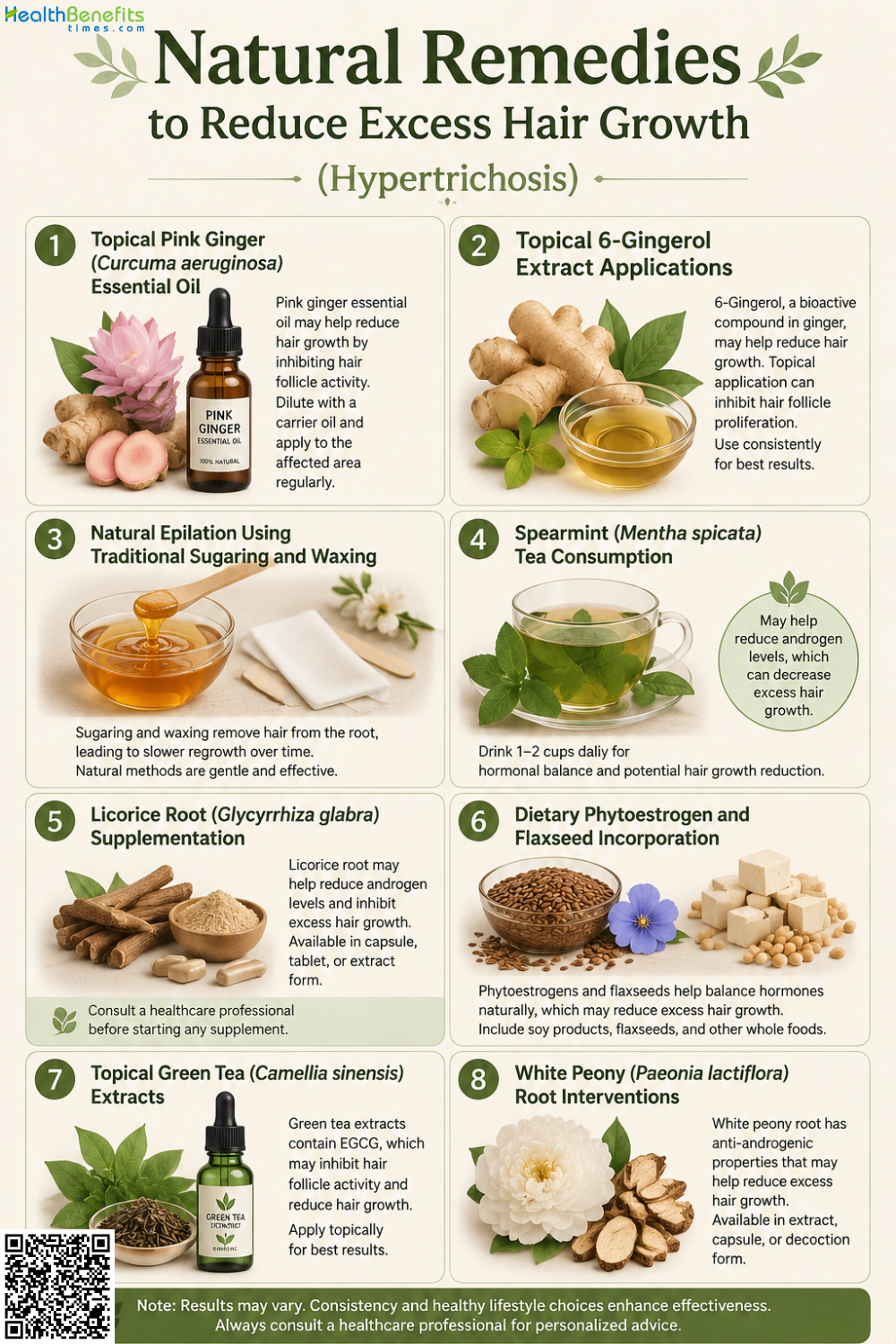
3. Natural Epilation Using Traditional Sugaring and Waxing
How it may help
Sugaring and waxing are physical methods of epilation that remove hair directly from the root. By extracting the entire hair shaft, these techniques temporarily disable the follicle’s ability to produce visible hair on the surface. With repeated, consistent sessions, the hair follicle may become damaged or weakened, leading to slower, finer, and less frequent regrowth over time 1.
What research says
Clinical observations confirm that mechanical hair removal, such as waxing or sugaring, is an effective temporary strategy for managing the physical appearance of hypertrichosis. While these methods do not permanently eliminate hair, they offer a reliable approach for achieving smooth skin. Consistent use is necessary to maintain results, as hair will inevitably regenerate once the follicle cycle resets 1.
How to use it safely
Ensure the skin is clean and dry before starting. Apply the sugaring paste or warm wax in the direction of hair growth and remove it quickly in the opposite direction. Always test the temperature of the wax first to prevent skin burns. Follow with a soothing, fragrance-free moisturizer.
Potential precautions or side effects
Improper technique can cause skin tearing, ingrown hairs, or folliculitis (infected hair follicles). Avoid these methods if you have sensitive skin, active acne, or sunburned areas.
4. Spearmint (Mentha spicata) Tea Consumption
How it may help
Spearmint tea acts by influencing hormone levels, specifically by reducing the activity of circulating androgens hormones that drive thick, dark hair growth. By lowering these levels, the tea can help decrease the stimulation of hair follicles, potentially leading to a reduction in the growth rate and thickness of unwanted hair over time 5.
What research says
Clinical research indicates that consuming spearmint tea twice daily significantly lowers free testosterone levels in the blood. Studies conclude that this hormonal shift correlates with a noticeable improvement in symptoms for those experiencing excess hair growth related to hormonal imbalances, proving it a useful natural intervention for long-term management 5.
How to use it safely
Steep one teaspoon of dried spearmint leaves or one tea bag in a cup of boiling water for five to ten minutes. Drink this preparation twice daily. Consistency is key, as hormonal changes typically require several weeks of regular consumption to produce measurable effects on hair growth.
Potential precautions or side effects
Spearmint tea is generally safe, but excessive consumption may cause acid reflux, heartburn, or allergic reactions. Consult a healthcare provider if you are pregnant or nursing.
5. Licorice Root (Glycyrrhiza glabra) Supplementation
How it may help
Licorice root contains active compounds, such as glabridin, that can inhibit certain enzymes responsible for hair follicle stimulation. By modulating these hormonal pathways, the extract helps suppress the development of unwanted hair, potentially slowing its growth rate and reducing its overall density when used as part of a structured health regimen 6.
What research says
Evidence suggests that components within Glycyrrhiza glabra possess anti-androgenic properties, which may counteract the hormonal triggers that cause excessive hair growth. Studies conclude that consistent use of these extracts can lead to a measurable reduction in hair diameter and growth frequency, supporting its role in managing hormonally-driven hypertrichosis effectively 6.
How to use it safely
Consult a healthcare provider before starting supplementation to determine the appropriate dosage for your needs. Use only reputable, high-quality extracts. Do not exceed recommended daily intake limits, as high doses can lead to adverse metabolic effects. Monitor your progress closely under professional guidance.
Potential precautions or side effects
High intake can cause dangerously low potassium, high blood pressure, and fluid retention. Avoid use if you have heart or kidney conditions, or are taking blood pressure medication.
6. Dietary Phytoestrogen and Flaxseed
How it may help
Phytoestrogens are plant-based compounds that mimic the effects of estrogen in the body. When consumed, they can help balance hormone levels by reducing the dominance of androgens, which are primary drivers of excess hair growth. Incorporating flaxseeds, a rich source of these compounds, can help regulate hair follicle activity and normalize growth patterns 7.
What research says
Clinical findings demonstrate that diets high in phytoestrogens, including flaxseeds, can effectively lower systemic androgen levels. Research concludes that this nutritional shift is associated with a decrease in the severity of unwanted hair growth, providing a valuable, non-invasive method for managing symptoms related to endocrine imbalances over the long term 7.
How to use it safely
Incorporate one to two tablespoons of ground flaxseeds into your daily diet, such as adding them to yogurt, smoothies, or oatmeal. Ensure you drink plenty of water throughout the day to support digestion. Always start with smaller amounts to monitor how your body responds to the increased fiber intake.
Potential precautions or side effects
Excessive intake may cause gastrointestinal discomfort, such as bloating or gas. Those with a history of hormone-sensitive conditions should consult a healthcare provider before increasing consumption.
7. Topical Green Tea (Camellia sinensis) Extracts
How it may help
Green tea extract contains high concentrations of polyphenols, specifically epigallocatechin gallate (EGCG), which possess potent anti-androgenic properties. When applied topically, these compounds interact with the hair follicle to suppress growth signals. This action helps to reduce the rate of hair regeneration and diminishes the thickness of the hair shaft in the treated area 8.
What research says
Clinical studies indicate that topical formulations containing green tea extract are effective in modulating hair follicle kinetics. Evidence suggests that consistent use significantly decreases hair density and growth velocity. These findings confirm that green tea extract serves as a targeted, non-invasive therapeutic option for managing localized excess hair growth caused by sensitivity to androgenic hormones 8.
How to use it safely
Apply a standardized green tea extract gel or lotion specifically formulated for skin use to the desired area. Gently massage the product into the skin until completely absorbed. Use the extract daily according to the product instructions to maintain consistent skin exposure to the active compounds.
Potential precautions or side effects
Topical application may cause mild skin dryness, redness, or contact sensitivity. Perform a patch test on a small area of skin 24 hours before applying to larger surfaces.
8. White Peony (Paeonia lactiflora) Root Interventions
How it may help
White peony root contains paeoniflorin, a compound that helps regulate hormonal balance by lowering high androgen levels. Since androgens often stimulate hair follicles to produce excessive or coarse hair, the reduction of these hormones through white peony supplementation can effectively slow down hair growth and improve the appearance of skin affected by hypertrichosis 9.
What research says
Clinical evidence indicates that white peony extract, frequently combined with licorice root, significantly lowers blood androgen concentrations. Research concludes that this specific herbal combination is an effective intervention for managing hormonally-driven excess hair growth, as it helps restore hormonal equilibrium and reduces the physical manifestations of hypertrichosis in affected individuals 9.
How to use it safely
Follow the dosage guidelines provided by a qualified healthcare practitioner. Peony root is commonly available as an extract or supplement. Always select high-quality, standardized products from reputable sources to ensure safety and consistent potency. Integrate it into your daily routine only under clinical supervision to monitor for hormonal changes.
Potential precautions or side effects
Peony root may cause digestive upset or slow blood clotting. Avoid use if you have bleeding disorders or are scheduled for surgery. Consult a doctor before starting treatment.
Foods to Avoid When You Suffer from Hypertrichosis
1. Refined Carbohydrates
Foods like white bread, pasta, and sugary snacks can spike insulin levels. High insulin can increase androgen production, which may worsen excessive hair growth in some individuals 10.

2. High-Glycemic Index Foods
Sugary drinks and processed sweets cause rapid blood sugar rises. These spikes influence hormonal pathways that can stimulate unwanted hair follicle activity and exacerbate hypertrichosis symptoms 10.
3. Processed Dairy Products
Some studies suggest that dairy consumption may increase insulin-like growth factor levels. This hormone can potentially impact androgen activity, which may affect the rate of unwanted hair growth 11.
4. Sugar-Sweetened Beverages
Frequently drinking sodas or sweetened juices contributes to metabolic instability. Maintaining stable blood sugar is crucial, as metabolic fluctuations are linked to hormonal imbalances that promote excess hair 10.
When to See a Doctor When You Suffer from Hypertrichosis
1. Sudden, Rapid Hair Growth
Rapid onset of fine hair across the body in adults requires immediate evaluation, as it can indicate an underlying internal cancer 1.
2. After Starting New Medications
Consult a doctor if excess hair develops shortly after beginning new prescriptions, as certain drugs require dosage adjustments to manage this side effect 1.
3. Significant Weight Loss
Seek medical care if hair growth coincides with severe weight loss, as starvation triggers the body to grow protective hair to conserve heat 1.
4. Skin Blistering or Fragility
If localized hair growth occurs alongside skin blistering or extreme sun sensitivity, it may signal an underlying metabolic liver disorder requiring clinical treatment 1.
Comments
comments