

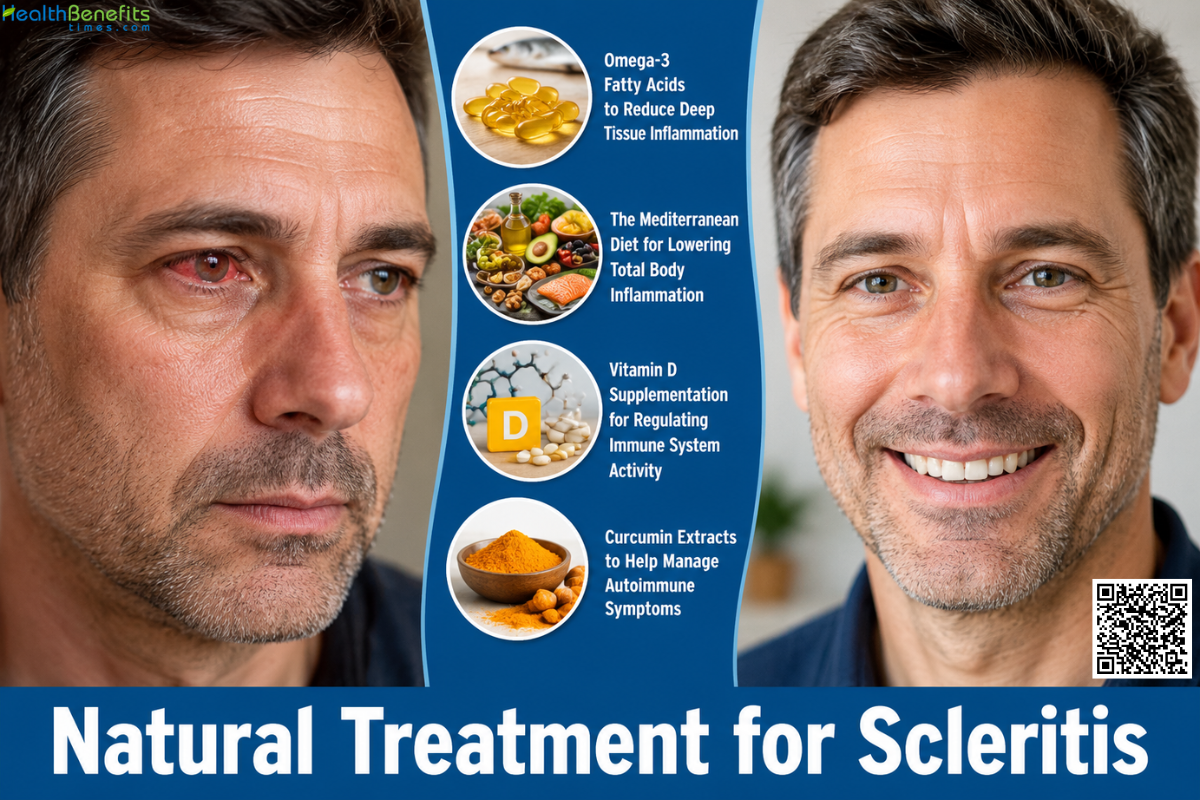
Causes of Scleritis
1. Autoimmune and Inflammatory Diseases
In approximately half of all diagnosed cases, scleritis is driven by an underlying autoimmune condition where the body’s immune system mistakenly attacks its own tissues 4. Clinical evaluations show that conditions such as rheumatoid arthritis and systemic blood vessel inflammation (vasculitis) are the most frequent medical triggers for this eye disorder.
2. Infections
Between 4 and 10 percent of scleritis cases are directly caused by microbial pathogens. These infections develop when specific bacteria, viruses, fungi, or parasites invade the deep white layer of the eye, a complication that requires targeted antimicrobial therapies to prevent permanent eye damage.
3. Physical Trauma and Eye Surgery
Direct physical injury to the eye or recent surgical procedures can trigger severe scleral inflammation. Specific operations, such as the surgical removal of benign eye tissue growths (pterygium excision) and procedures used to repair detached retinas (scleral buckling), are recognized as major risk factors for developing postsurgical scleritis.
4. Medication Side Effects
In rare instances, specific prescription drugs can induce scleritis as an adverse physiological reaction. Clinical reports confirm that bisphosphonates—a class of medications commonly prescribed to treat bone thinning and osteoporosis—can act as a direct pharmaceutical trigger for deep eye inflammation.
5. Idiopathic Origins
For many patients, comprehensive medical testing fails to identify a specific disease, infection, trauma, or medication responsible for the inflammation. When extensive clinical evaluations yield negative results and no underlying trigger is found, the condition is classified as idiopathic, meaning the exact cause remains completely unknown.
Symptoms of Scleritis
1. Severe, Radiating Pain
The most defining symptom is intense, deep eye pain that frequently spreads to the face, jaw, forehead, or sinuses. This severe discomfort is characteristically worse at night or early in the morning, often becoming intense enough to wake individuals from sleep.
2. Pronounced Eye Redness
The affected eye typically exhibits significant, deep redness that does not improve with standard over-the-counter eye drops. In advanced cases, the white portion of the eye may develop a distinct bluish or purplish tint as the deep tissues become heavily inflamed and begin to thin.
3. Pain During Eye Movement
Because the muscles responsible for moving the eye are directly attached to the inflamed outer layer, individuals often experience sudden, sharp spikes in pain when looking in different directions.
4. Extreme Light Sensitivity
The deep tissue inflammation makes the eye highly reactive to light, causing a symptom known as photophobia, where normal indoor lighting or bright sunlight causes significant physical discomfort.
5. Excessive Tearing
The affected eye often produces a constant, watery discharge, reacting to the severe internal inflammation despite the absence of external irritants, allergens, or foreign debris.
6. Vision Changes
As the swelling progresses and impacts surrounding, deeper eye structures, individuals may experience blurred vision or a noticeable decrease in overall visual clarity. Clinical evidence indicates this vision loss can become permanent if the inflammation is not promptly treated.
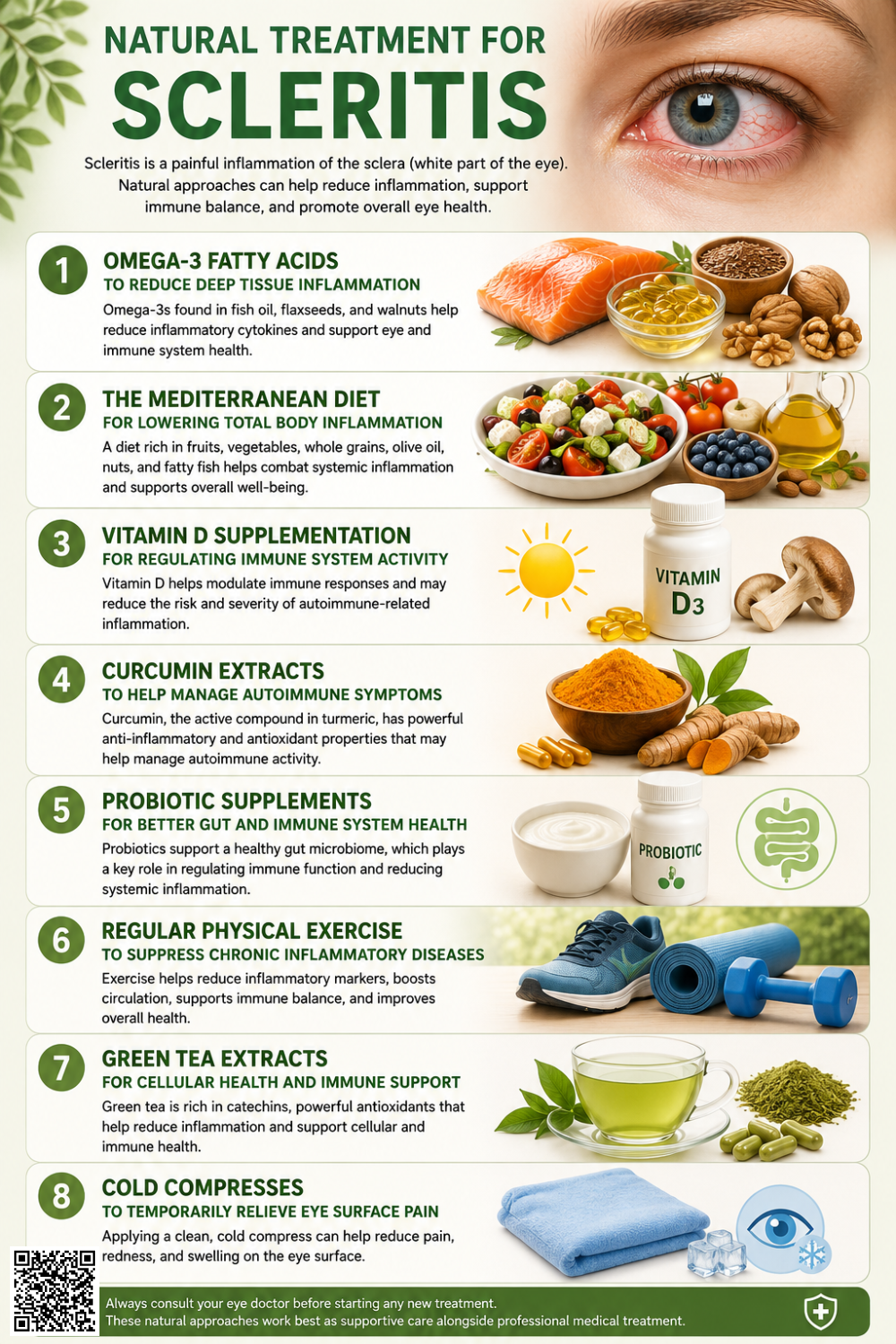
1. Omega-3 Fatty Acids to Reduce Deep Tissue Inflammation
How it may help
Omega-3 fatty acids disrupt the chemical pathways that cause severe swelling. By converting into specialized molecules that actively calm the immune system, these fats help lower the production of inflammatory proteins that damage the deep tissues of the eye during autoimmune flare-ups 5.
What research says
Clinical studies demonstrate that regular omega-3 supplementation significantly reduces bodily inflammation markers associated with autoimmune diseases 6. Furthermore, evidence indicates that patients taking omega-3s often require lower doses of prescription corticosteroids to manage chronic inflammatory eye conditions over time 7.
How to use it safely
You can safely take 1,000 to 2,000 milligrams of combined EPA and DHA daily through high-quality fish oil or algae-based supplements 8. Consume the supplement alongside a meal containing healthy fats to maximize how well your body absorbs it.
Potential precautions or side effects
High doses of omega-3s can thin your blood. You should avoid exceeding 3,000 milligrams daily without medical supervision, especially if you take blood-thinning medications or have upcoming surgeries.
2. The Mediterranean Diet for Lowering Total Body Inflammation
How it may help
The Mediterranean diet actively reduces systemic swelling by providing high levels of natural antioxidants and healthy fats while eliminating heavily processed foods. By lowering total body inflammation, this dietary pattern helps calm the overactive immune system responses that trigger severe tissue damage in the deep layers of the eye 9.
What research says
Clinical trials prove that strictly following a Mediterranean diet significantly lowers critical inflammatory markers, such as C-reactive protein, circulating in the blood 10. Furthermore, research demonstrates this diet effectively reduces disease flare-ups in patients with rheumatoid arthritis, which is a primary underlying cause of scleritis 11.
How to use it safely
You should build your daily meals around fresh vegetables, fruits, whole grains, beans, and extra-virgin olive oil 12. Eat fish or poultry at least twice weekly, but strictly limit your intake of red meat, heavily processed foods, and refined sugars.
Potential precautions or side effects
This dietary approach is highly safe for most individuals. However, you must carefully adjust the meal plan if you have severe food allergies to common ingredients like tree nuts or seafood.
3. Vitamin D Supplementation for Regulating Immune System Activity
How it may help
Vitamin D functions as a powerful regulator for the immune system. It actively prevents immune cells from mistakenly attacking healthy tissues in the body. By calming these aggressive immune responses, it helps stop the severe swelling and tissue damage in the deep layers of the eye associated with autoimmune conditions 13.
What research says
Clinical studies consistently show a strong link between severe vitamin D deficiency and a higher risk of developing autoimmune disorders, including rheumatoid arthritis. Medical research concludes that restoring vitamin D to normal levels significantly decreases overall body inflammation and helps reduce the frequency of autoimmune disease flare-ups 14.
How to use it safely
You should ask a doctor for a blood test to check your current vitamin D levels before starting supplements. If levels are low, taking 1,000 to 2,000 International Units (IU) of vitamin D3 daily with a fat-containing meal ensures safe and effective absorption 15.
Potential precautions or side effects
Taking extremely high doses over a long time can cause a dangerous buildup of calcium in your blood, potentially leading to kidney stones or serious heart problems.
4. Curcumin Extracts to Help Manage Autoimmune Symptoms
How it may help
Curcumin, the active compound found in turmeric, works by blocking specific enzymes and chemical signals that trigger severe inflammation in the body. By interrupting these pathways, curcumin helps suppress the overactive immune responses responsible for the deep eye tissue swelling and pain associated with scleritis 16.
What research says
Clinical trials confirm that curcumin effectively reduces joint swelling, morning stiffness, and total body inflammation in patients with rheumatoid arthritis, which is a primary underlying cause of scleritis. Further research indicates its anti-inflammatory strength can rival standard over-the-counter pain medications without causing stomach damage 17.
How to use it safely
You can take 500 to 1,000 milligrams of standardized curcumin extract daily. Ensure you choose a supplement that contains black pepper extract, often listed as piperine, because this addition increases your body’s ability to absorb the curcumin by up to two thousand percent.
Potential precautions or side effects
You should avoid high doses of curcumin if you take blood-thinning medications, as it can increase your risk of bleeding. It may also cause mild stomach upset or diarrhea 18.
5. Probiotic Supplements for Better Gut and Immune System Health
How it may help
Probiotics restore the natural balance of beneficial bacteria in the digestive tract, which controls a large portion of the immune system. By strengthening the gut barrier and suppressing harmful bacteria, these supplements reduce the total body inflammation that fuels autoimmune diseases and triggers severe eye tissue swelling 19.
What research says
Clinical studies demonstrate that an unhealthy balance of gut bacteria is strongly linked to the development of autoimmune conditions like rheumatoid arthritis, a major cause of scleritis 20. Research confirms that specific daily probiotics significantly lower blood markers of inflammation and improve immune system regulation in patients with autoimmune diseases 21.
How to use it safely
You should choose a daily probiotic supplement containing at least 10 billion colony-forming units (CFUs) with multiple bacteria strains, particularly Lactobacillus and Bifidobacterium 22. Take the supplement with or shortly before a meal to help the bacteria survive your stomach acid.
Potential precautions or side effects
You may experience mild gas initially. If you have a severely weakened immune system, you must avoid probiotics because they can cause serious bacterial or fungal infections 23.
6. Regular Physical Exercise to Suppress Chronic Inflammatory Diseases
How it may help
Regular physical activity prompts muscles to release specialized proteins that actively fight swelling throughout the body. By reducing stored fat and lowering overall inflammation, exercise helps calm the overactive autoimmune responses responsible for deep eye tissue damage in conditions like scleritis 24.
What research says
Clinical research confirms that regular, moderate exercise significantly lowers circulating inflammatory markers, such as C-reactive protein, in the blood. Studies prove this routine reduces disease severity and flare-ups in patients with rheumatoid arthritis, which is a leading underlying cause of severe eye inflammation 25.
How to use it safely
You should aim for 150 minutes of moderate aerobic activity, like brisk walking or swimming, each week 26. Spread this into 30-minute sessions over five days, and combine it with gentle stretching to maintain flexibility without overexerting your body.
Potential precautions or side effects
You must avoid high-intensity workouts during active scleritis flare-ups or intense joint pain, as extreme physical stress can temporarily worsen immune system inflammation.
7. Green Tea Extracts for Cellular Health and Immune Support
How it may help
Green tea contains a powerful antioxidant called EGCG. This compound directly blocks the immune system from releasing chemicals that cause severe swelling. By calming these aggressive immune reactions, it helps protect the deep tissues of the eye from the destructive inflammation seen in autoimmune disorders 27.
What research says
Clinical studies show that the active compounds in green tea significantly lower inflammatory markers in the blood and reduce tissue damage in autoimmune diseases 28. Research confirms that regular consumption of EGCG suppresses the specific overactive immune cells responsible for driving conditions like rheumatoid arthritis.
How to use it safely
You can safely consume two to three cups of brewed green tea daily or take standardized extract supplements providing 250 to 500 milligrams of EGCG 29. Always take supplements with food to protect your stomach and ensure proper absorption.
Potential precautions or side effects
High doses of green tea extract can cause severe liver damage 30. You must avoid concentrated supplements if you have liver disease or take prescription medications that affect liver function.
8. Cold Compresses to Temporarily Relieve Eye Surface Pain
How it may help
Applying cold temperatures to the eye constricts local blood vessels, reducing the rush of blood and inflammatory fluids to the area. This physical cooling action temporarily numbs surface nerve endings, providing immediate, short-term relief from the severe pain associated with active scleritis flare-ups 31.
What research says
Clinical studies confirm that localized cooling safely slows nerve signaling and decreases the volume of inflammatory chemicals reaching the eye surface 32. However, research emphasizes that cold therapy strictly manages superficial pain symptoms and does not cure the deep autoimmune inflammation driving the disease.
How to use it safely
Wrap a clean cold pack or crushed ice in a soft, dry towel. Gently place the wrapped compress over your closed eyelids for ten to fifteen minutes 33. Repeat this process up to three times daily for temporary symptom relief without applying physical pressure.
Potential precautions or side effects
Never apply ice directly to your bare skin, as extreme cold causes severe tissue frostbite. You must also avoid pressing down firmly on the highly sensitive, inflamed eye.
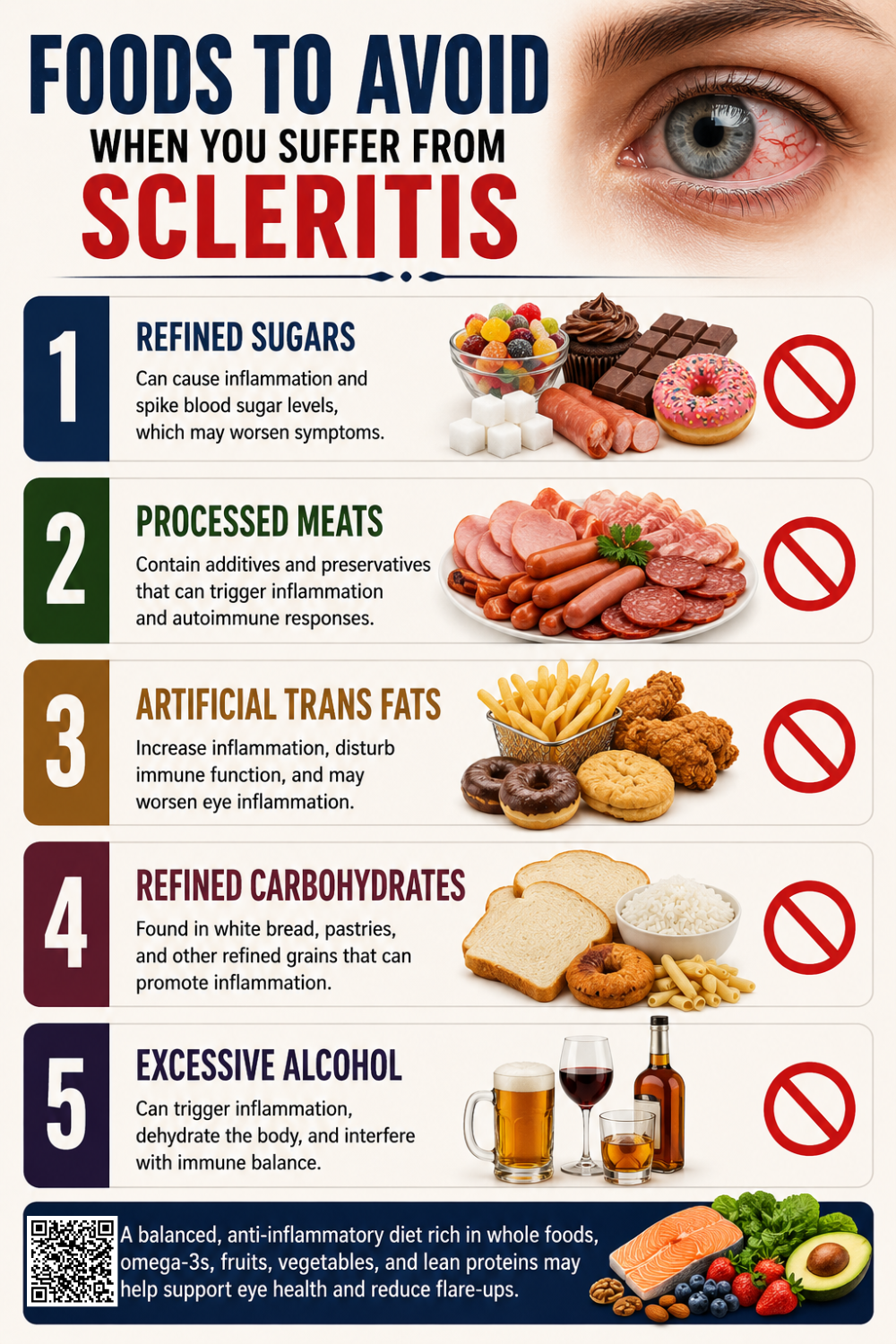
1. Refined Sugars
High sugar intake spikes inflammatory markers in the blood, worsening the autoimmune responses that drive deep eye tissue swelling 34.
2. Processed Meats
Sausages and deli meats contain chemical preservatives that trigger chronic systemic inflammation, directly aggravating autoimmune disease flare-ups 35.
3. Artificial Trans Fats
Partially hydrogenated oils drastically increase inflammatory proteins throughout the body, making it significantly harder to control severe autoimmune eye conditions 36.
4. Refined Carbohydrates
White bread and pastries cause rapid blood sugar spikes, which stimulate the immune system to release excessive inflammatory chemicals 37.
5. Excessive Alcohol
Heavy alcohol consumption damages the intestinal barrier, allowing toxins to enter the bloodstream and trigger widespread immune system inflammation 38.
When To see Doctor when you suffer from Scleritis
1. Intense, Radiating Eye Pain
You must seek immediate medical care if you experience deep, throbbing eye pain that spreads to your face or jaw and regularly disrupts your sleep.
2. Sudden Vision Changes
You should consult an ophthalmologist immediately if your vision becomes blurred or darkened, as deep tissue swelling can cause permanent structural eye damage and blindness.
3. Severe Eye Discoloration
See a doctor if the white part of your eye develops a dark red or purple tint, indicating dangerous inflammation and severe thinning of the eye wall.
4. Extreme Light Sensitivity
You need urgent medical evaluation if you develop sudden, severe physical pain from normal indoor lighting, which signals that active inflammation is spreading deeply within the eye.
5. Unresponsive Redness
Contact an eye specialist if persistent eye redness does not improve with standard over-the-counter drops, as deep tissue disorders require immediate prescription corticosteroid or immunosuppressive treatments.
Comments
comments