

Causes of Hyperhidrosis
1. Primary Nervous System Overactivity
Primary hyperhidrosis is not caused by an underlying illness but occurs when the sympathetic nervous system abnormally overstimulates the body’s sweat glands in the absence of heat or physical exertion 4. Medical research suggests this neurological overactivity has a strong hereditary component, as up to half of all affected individuals have a family history of the disorder 5.
2. Endocrine and Hormonal Imbalances
Hormonal fluctuations are a leading cause of secondary hyperhidrosis, with generalized sweating frequently triggered by hyperthyroidism (an overactive thyroid gland), pregnancy, and menopause 4. Additionally, metabolic conditions such as diabetes and sudden drops in blood sugar (hypoglycemia), as well as rare hormone-secreting tumors like pheochromocytomas, can force the body to sweat uncontrollably 5.
3. Neurological Disorders and Injuries
Because the central nervous system controls temperature regulation and sweat production, structural damage or degenerative nerve conditions can disrupt these communication pathways. Clinical evidence identifies Parkinson’s disease, strokes, and traumatic spinal cord injuries as significant structural causes of secondary hyperhidrosis 4.
4. Systemic Infections
The body often responds to severe or chronic infections with intense sweating as a byproduct of a fever and a heightened immune response. Persistent, excessive sweating is a documented clinical symptom of systemic infections such as tuberculosis, human immunodeficiency virus (HIV), encephalitis, and severe influenza 5.
5. Malignancies and Blood Disorders
Unexplained, heavy sweating especially episodes that soak through clothing during sleep (night sweats)—can be an early warning sign of certain cancers. Medical literature closely links secondary hyperhidrosis to lymphomas, notably Hodgkin’s lymphoma, and myeloproliferative disorders, which are conditions that abnormally affect the blood and bone marrow 4.
6. Medication Side Effects and Toxins
Profuse sweating is a highly common adverse reaction to numerous widely prescribed medications. Drug-induced hyperhidrosis is frequently caused by antidepressants, opioid pain medications, heart and blood pressure drugs, and certain antibiotics 5. Furthermore, severe alcohol abuse and illicit substance toxicity can chemically disrupt the body’s thermoregulation and provoke extreme sweating episodes 4.
Symptoms of Hyperhidrosis
1. Excessive and Unpredictable Sweating
The defining symptom of the condition is heavy, visible sweating that far exceeds what the body actually requires to maintain a normal temperature, frequently causing sweat to drip from the skin or completely soak through clothing even when resting in a cool environment 6.
2. Symmetrical Moisture
In the most common form of the disorder, the excessive sweating is bilateral, meaning it affects both sides of the body equally, and is typically concentrated in areas with a high density of sweat glands, such as the palms of the hands, the soles of the feet, the underarms, and the face 6.
3. Skin Softening and Breakdown
Constant exposure to wetness causes skin maceration, a process where the skin becomes abnormally pale, soft, and wrinkled. This continuous dampness breaks down the skin’s protective barrier, making the affected areas highly susceptible to peeling and secondary bacterial or fungal infections 7.
4. Strong Body Odor
Because the affected areas remain constantly moist, the natural bacteria living on the skin rapidly break down the excessive sweat and dead skin cells, which frequently produces a highly pungent and persistent body odor known clinically as bromhidrosis 7.
5. Functional Impairments
The chronic presence of sweat creates severe practical challenges for routine daily tasks, making it exceptionally difficult for individuals to grip smooth objects, turn doorknobs safely, write on paper without smearing ink, or properly operate electronic touchscreens and keyboards 6.
6. Severe Emotional and Social Distress
Beyond the physical signs, the condition causes profound psychological impairment. The constant physical discomfort and visibility of the sweating frequently lead to intense social embarrassment, severe anxiety, and isolation, which can significantly disrupt a person’s academic performance, career, and personal relationships 6.
Natural Treatment of Hyperhidrosis
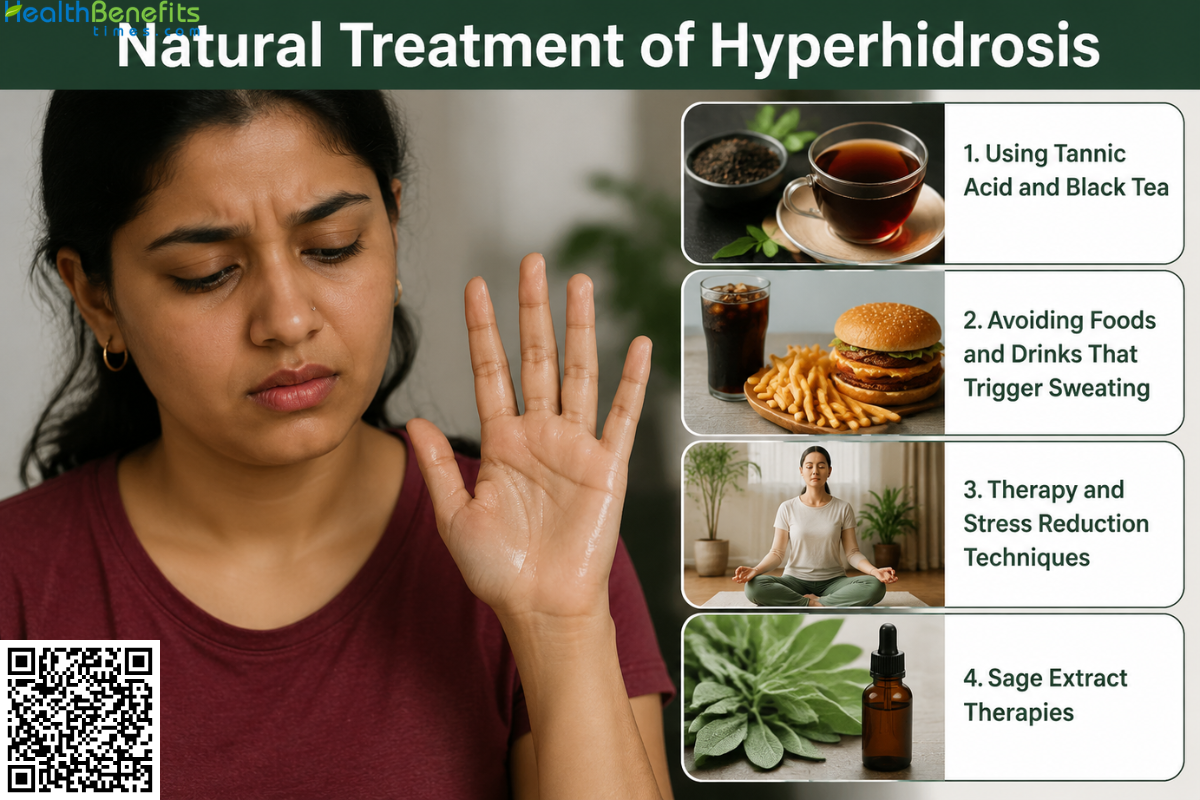
1. Using Tannic Acid and Black Tea
How it may help
Tannic acid, a natural compound found abundantly in black tea, acts as a powerful astringent. When applied directly to the skin, it helps shrink and constrict body tissues. This constricting effect temporarily blocks the pores of sweat glands, significantly reducing the amount of sweat that reaches the skin’s surface.
What research says
Clinical literature indicates that topical astringents like tannic acid work by denaturing keratin on the skin, forming a temporary physical block over the sweat gland openings 6. While it effectively reduces localized sweating, medical experts note that its therapeutic effects are typically very short-term 6.
How to use it safely
You can utilize tannic acid by boiling several black tea bags in water to create a highly concentrated solution. Once the tea has completely cooled down, soak the excessively sweaty areas, such as your hands or feet, in the liquid for 15 to 20 minutes daily.
Potential precautions or side effects
You should be aware that repeated use of tannic acid may cause skin sensitization, mild dryness, and temporary brown discoloration of the treated skin or nails.
2. Avoiding Foods and Drinks That Trigger Sweating
How it may help
Certain foods and beverages directly stimulate the nervous system or falsely signal to the body that it is overheating. By removing chemical stimulants like caffeine and heat-inducing compounds found in spicy foods, the body experiences fewer internal triggers that activate sweat glands, thereby reducing sudden episodes of excessive perspiration.
What research says
Clinical studies demonstrate that caffeine increases central nervous system activity, directly stimulating the sympathetic nerves responsible for sweat production 6. Furthermore, research shows that capsaicin from spicy foods strongly activates specific temperature receptors, tricking the brain into initiating a cooling response that causes heavy sweating 4.
How to use it safely
You should keep a daily food journal to identify which specific items trigger your sweating. Gradually reduce your intake of hot beverages, alcohol, and spicy foods. Replace caffeinated drinks with decaffeinated alternatives or cool water to help maintain a stable body temperature throughout the day.
Potential precautions or side effects
If you choose to rapidly eliminate caffeine from your diet, you may experience temporary withdrawal symptoms like strong headaches or severe fatigue. Reduce your intake slowly to avoid these issues.
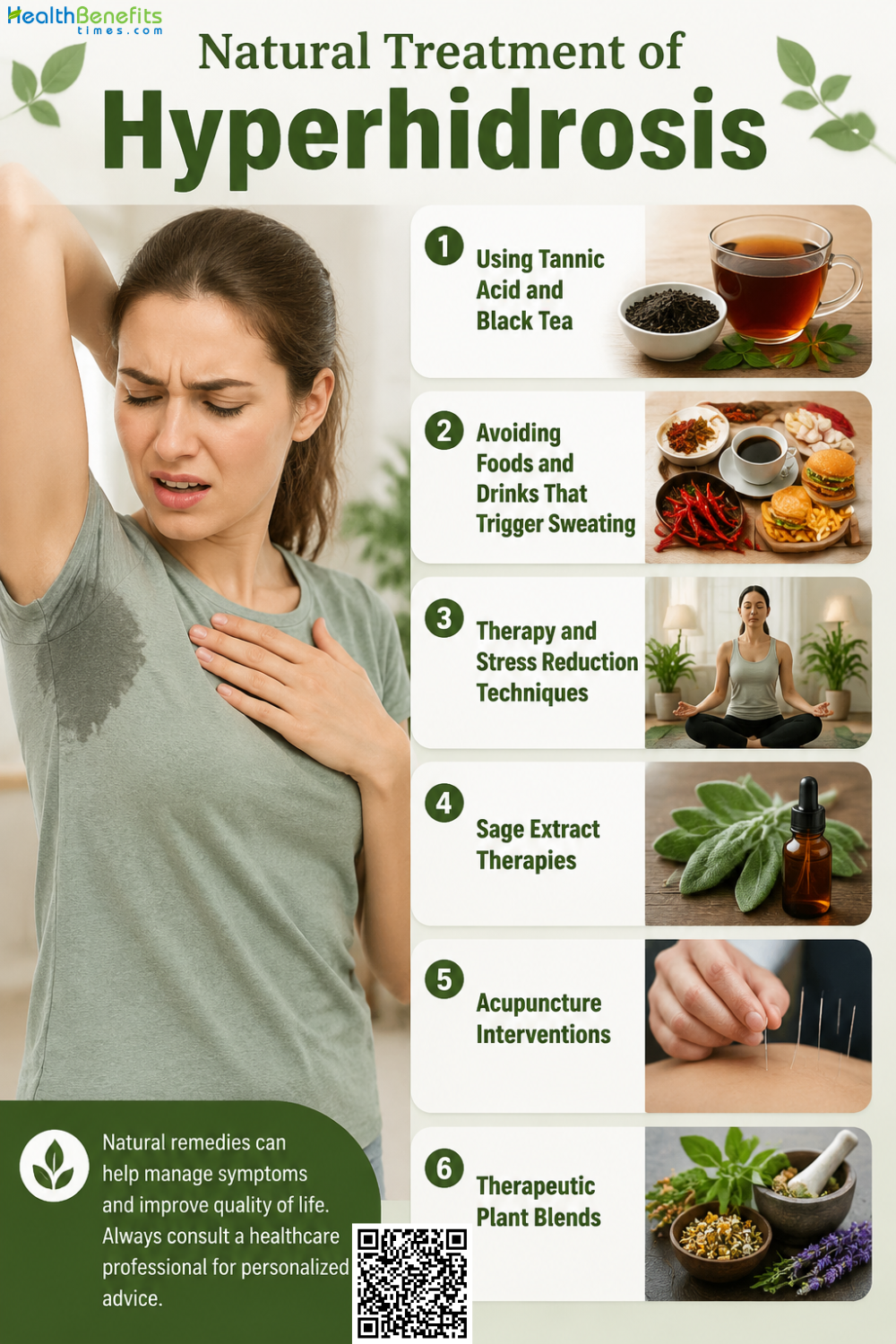
3. Therapy and Stress Reduction Techniques
How it may help
High levels of anxiety activate the body’s fight-or-flight response, directly triggering the sympathetic nervous system and its sweat glands. By engaging in therapy and stress reduction practices like deep breathing or meditation, individuals can calm their nervous system, which helps reduce the frequency of sweat episodes triggered by emotional distress.
What research says
Clinical studies reveal a strong cycle where excessive sweating causes severe social anxiety, which in turn triggers more sweating 8. Psychological interventions, particularly cognitive behavioral therapy (CBT) and relaxation therapies, are proven to successfully lower sympathetic nervous system activity and significantly improve patients’ daily quality of life 8.
How to use it safely
You should work with a licensed mental health professional to learn structured stress-management techniques. Practice relaxation exercises, such as deep belly breathing and progressive muscle relaxation, for ten to fifteen minutes daily in a quiet, comfortable space to help train your body to remain calm.
Potential precautions or side effects
While generally very safe, psychological therapy requires time and consistent effort. You might experience temporary emotional discomfort when initially discussing sources of deep anxiety with a mental health professional.
4. Sage Extract Therapies
How it may help
Sage extract contains active botanical compounds that act as natural astringents and mild nerve-calming agents. When consumed, these plant chemicals help restrict the nerve signals that overstimulate sweat production. This mild blocking effect can successfully reduce the overall volume of moisture released by the body’s sweat glands.
What research says
Clinical research indicates that formulations containing Salvia officinalis (sage) can significantly decrease excessive sweating, particularly in patients experiencing idiopathic hyperhidrosis and menopausal hot flashes 9. Botanical studies conclude that sage’s active acids successfully inhibit sweat gland secretion without causing the severe side effects common with prescription chemical medications 10.
How to use it safely
You can consume sage as a daily herbal tea by steeping dried leaves in hot water, or take it as a standardized capsule. You should always consult a healthcare provider before starting herbal supplements to determine the correct and safest dosage for your specific body.
Potential precautions or side effects
You should avoid consuming large amounts of sage long-term, as high doses contain thujone, a chemical compound that can cause dizziness, rapid heart rate, and potential liver damage.
5. Acupuncture Interventions
How it may help
Acupuncture involves inserting very thin needles into specific points on the body. For hyperhidrosis, this traditional physical therapy aims to restore balance to the autonomic nervous system. By calming the overactive sympathetic nerve pathways, acupuncture helps reduce the abnormal signals that force sweat glands to overproduce moisture.
What research says
Clinical evidence indicates that acupuncture can effectively calm sympathetic nervous system overactivity, leading to a measurable reduction in excessive sweat production 11. Medical studies conclude that patients receiving targeted acupuncture therapy report notable improvements in their daily comfort, emotional well-being, and overall quality of life 11.
How to use it safely
You must only receive treatments from a licensed and certified acupuncture practitioner who strictly uses sterile, single-use needles. Be prepared to attend multiple sessions, as the nerve-calming effects typically build gradually over several weeks rather than providing immediate, permanent relief.
Potential precautions or side effects
You may experience minor soreness, mild bruising, or slight bleeding at the needle insertion sites. Avoid this therapy if you take blood-thinning medications or have a diagnosed bleeding disorder.
6. Therapeutic Plant Blends
How it may help
Therapeutic plant blends often combine natural astringents with nerve-calming herbs. When applied topically or brewed as a medicinal tea, these combined botanicals work together to gently shrink skin tissues, temporarily block sweat pores, and soothe the overactive nerve pathways that trigger excessive perspiration.
What research says
Clinical studies on traditional herbal medicine show that specific plant blends can effectively regulate sweat gland function and reduce body temperature imbalances 12. Medical reviews conclude that these botanical formulas significantly decrease excessive sweating episodes while improving patients’ overall daily comfort 12.
How to use it safely
You should consult a certified herbalist or healthcare provider to find a plant blend tailored to your symptoms. Brew the dried herbs into a daily tea or apply liquid extracts directly to sweaty skin, but always test a small skin patch first.
Potential precautions or side effects
You must avoid mixing herbal blends with prescription medications without medical approval, as combined botanicals can cause unpredictable chemical interactions, mild stomach upset, or unexpected skin rashes.
Foods to Avoid When You Suffer from Hyperhidrosis
1. Caffeinated Beverages
Caffeine directly stimulates the central nervous system and activates sympathetic nerve pathways, which forces the body to increase overall sweat production 6.
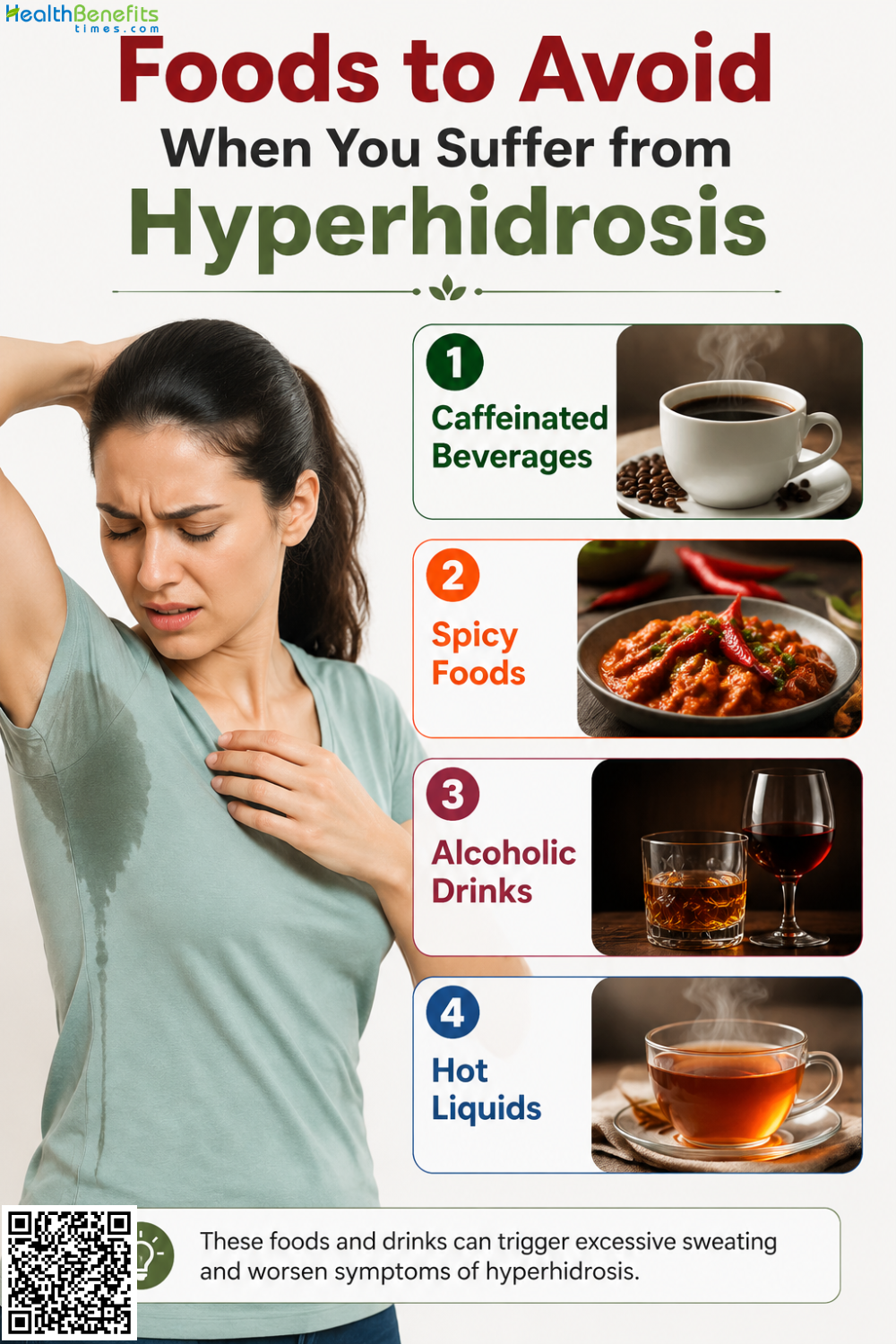
2. Spicy Foods
Compounds like capsaicin in hot peppers trigger internal temperature receptors, falsely tricking the brain into initiating a severe cooling and sweating response 4.
3. Alcoholic Drinks
Alcohol significantly widens blood vessels and accelerates heart rates, temporarily raising skin temperature and triggering heavy sweating to cool the body down 4.
4. Hot Liquids
Consuming physically hot soups or boiling beverages directly raises the core body temperature, instantly activating sweat glands to release excess heat 6.
When to See a Doctor When You Suffer from Hyperhidrosis
1. Sudden Onset
Seek immediate medical evaluation if you experience a sudden, unexplained onset of heavy sweating, as this often indicates an underlying medical condition or severe endocrine disorder 6.
2. Night Sweats
You must consult a doctor if you experience drenching night sweats that soak your bedding, as clinical evidence links this to systemic infections or malignancies like lymphoma 4.
3. Asymmetrical Sweating
Contact a healthcare provider if sweating affects only one side of your body, because unilateral hyperhidrosis is a primary clinical warning sign of structural neurological damage 5.
4. Accompanying Symptoms
Seek emergency care if excessive sweating occurs alongside chest pain, unexplained weight loss, or persistent fever, as these indicate serious cardiovascular issues, hyperthyroidism, or chronic infections 4.
5. Severe Life Disruption
Schedule a clinical consultation if sweating severely disrupts your daily tasks, ruins clothing, or causes profound psychological distress and social anxiety that degrades your quality of life 6.
Comments
comments