

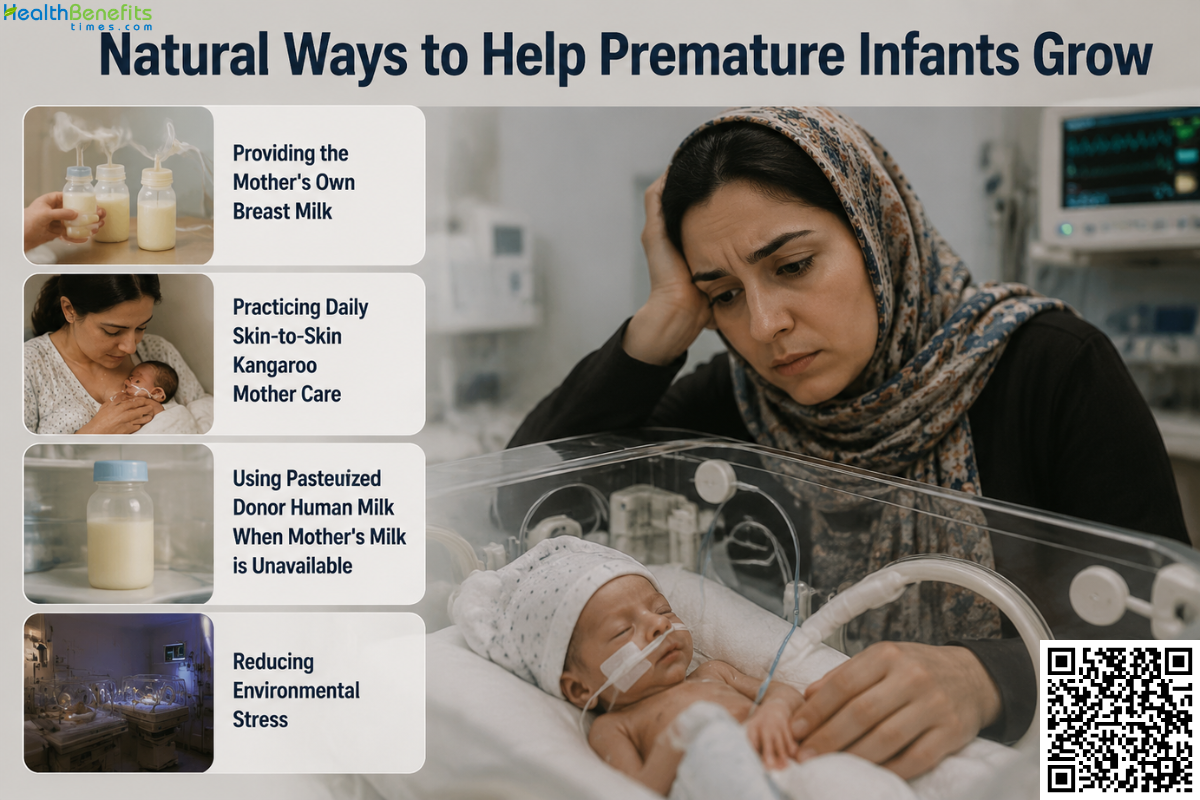
Causes of Premature Infant Delivery
- Previous Premature Births: Having a history of a prior premature delivery is one of the most significant medical risk factors for experiencing early labor in future pregnancies 2.
- Multiple Pregnancies: Carrying twins, triplets, or more infants rapidly stretches the uterus, which significantly increases the likelihood of initiating premature contractions and early labor 5.
- Maternal Infections: Severe infections in the urinary tract, reproductive organs, or the amniotic fluid surrounding the baby can trigger inflammatory responses that force the body into early labor 1.
- Chronic Health Conditions: Underlying medical issues present before pregnancy, such as chronic high blood pressure and diabetes, disrupt a healthy gestation and frequently necessitate an early delivery for maternal and fetal safety 2.
- Pregnancy-Specific Complications: Dangerous conditions that develop specifically during gestation, most notably severe high blood pressure (preeclampsia) or a detached placenta, often force medical professionals to deliver the infant early to prevent life-threatening consequences 5.
- Structural Abnormalities: Physical complications within the mother’s reproductive system, such as a malformed uterus or a weakened, shortened cervix, make it difficult for the body to carry a child to full term 5.
- Harmful Substance Use: Smoking tobacco, heavily consuming alcohol, or using illicit street drugs restricts vital oxygen and nutrients from reaching the fetus, directly leading to early labor and stunted growth 2.
- Maternal Age Extremes: Women who become pregnant before the age of 17 or after the age of 35 face a statistically higher biological risk for premature delivery and severe pregnancy complications 5.
- Short Time Between Pregnancies: Conceiving another child less than 18 months after a previous birth does not give the mother’s body adequate time to recover, increasing the chances of an early delivery 2.
Natural Ways to Help Premature Infants Grow
1. Providing the Mother’s Own Breast Milk
How it may help
A mother’s own breast milk provides custom-tailored nutrients, protective antibodies, and essential growth factors uniquely suited for a premature infant. It actively builds the baby’s immature immune system, promotes healthy brain development, and matures the delicate digestive tract so the infant can process food effectively 6.
What research says
Clinical evidence confirms that providing a mother’s milk significantly reduces the infant’s risk of developing necrotizing enterocolitis, a dangerous and potentially fatal intestinal disease 7. Medical experts establish that premature babies fed maternal milk experience fewer severe infections, have shorter hospital stays, and show improved long-term brain development 6.
How to do it safely
Because premature babies often lack the strength to swallow, you should use a hospital-grade breast pump to express milk frequently. Work closely with the medical team to safely store and deliver this milk through a small feeding tube directly into your baby’s stomach 6.
Potential precautions or side effects
Very premature infants often require extra vitamins, minerals, and specialized protein fortifiers added to the breast milk to ensure they gain enough weight and build strong bones 8.
2. Practicing Daily Skin-to-Skin Kangaroo Mother Care
How it may help
Placing a premature infant bare-chested directly against a parent’s skin naturally regulates the baby’s unstable body temperature, breathing patterns, and heart rate. This soothing physical contact reduces infant stress, promotes deeper sleep cycles, and helps the baby conserve vital energy required for rapid weight gain and physical development 9.
What research says
Clinical research demonstrates that initiating immediate Kangaroo Mother Care significantly reduces infant mortality and severe bacterial infections in premature babies 9. Medical experts confirm this practice drastically lowers the risk of dangerous hypothermia and accelerates healthy brain development more effectively than traditional incubator care alone 10.
How to do it safely
You should coordinate with medical staff to safely transfer your baby, wearing only a diaper and hat, onto your bare chest. Cover the infant’s back with a warm blanket, recline comfortably, and remain seated for at least one continuous hour to ensure the baby stays stable 10.
Potential precautions or side effects
You must follow strict medical guidance to prevent dislodging delicate breathing tubes or IV lines. Never fall asleep while holding the infant to avoid accidental drops or suffocation 11.
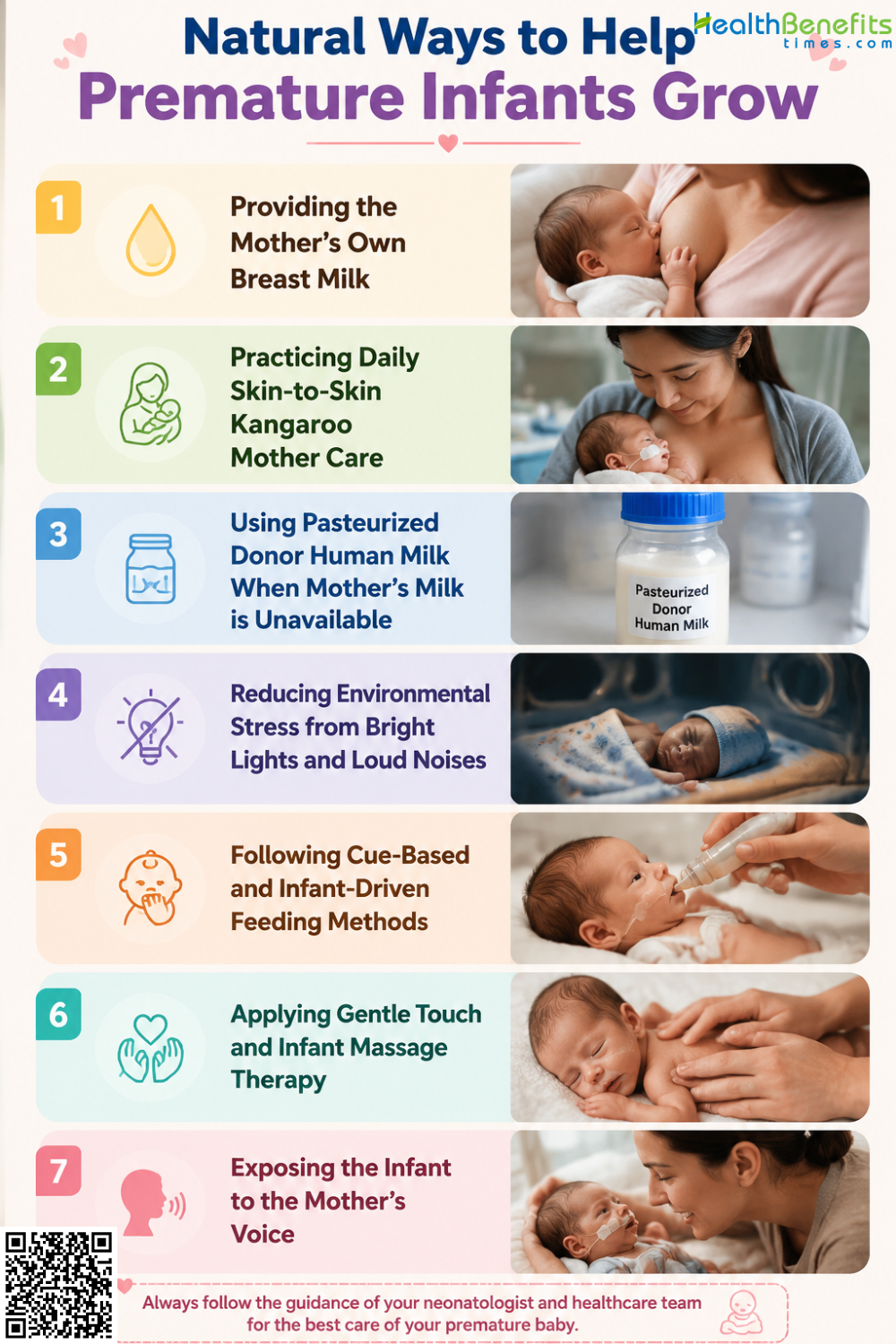
3. Using Pasteurized Donor Human Milk When Mother’s Milk is Unavailable
How it may help
When a mother cannot provide her own breast milk, pasteurized donor human milk serves as the safest natural alternative. It delivers essential protective antibodies, easily digestible proteins, and critical growth factors that commercial formulas lack, helping to mature the infant’s highly sensitive digestive tract 12.
What research says
Clinical evidence confirms that feeding premature infants pasteurized donor milk significantly lowers the risk of necrotizing enterocolitis, a life-threatening intestinal disease, compared to using standard infant formula. Medical authorities strictly recommend properly screened donor milk as the primary substitute when maternal milk is unavailable 12.
How to do it safely
You must exclusively use donor milk provided by certified medical milk banks. These regulated facilities rigorously screen donors for infectious diseases and strictly pasteurize the milk to destroy harmful bacteria, ensuring the liquid is completely safe for a fragile premature infant 13.
Potential precautions or side effects
You must never use informally shared, unscreened breast milk from the internet or friends, as it carries severe risks of bacterial contamination and transmitting dangerous viral infections 13.
4. Reducing Environmental Stress from Bright Lights and Loud Noises
How it may help
Bright lights and loud alarms in intensive care units overwhelm an underdeveloped nervous system. Dimming lights and minimizing noise mimics the calm environment of the mother’s womb. This reduction in sensory stress lowers the infant’s heart rate, stabilizes breathing, and conserves vital calories needed for physical growth 14.
What research says
Clinical studies show that continuous exposure to excessive noise and bright light increases oxygen consumption and disrupts crucial sleep cycles in premature babies. Medical experts confirm that reducing these environmental stressors stabilizes vital signs, promotes deeper sleep, and significantly improves long-term neurological development 15.
How to do it safely
Hospitals use heavy covers over incubators to block out harsh lighting and maintain quiet periods. You can help by speaking in soft, hushed tones, silencing your mobile devices, avoiding sudden noises, and never tapping on the plastic walls of the infant’s incubator 14.
Potential precautions or side effects
While darkness promotes sleep, medical staff must maintain enough room light and use reliable alarms to accurately monitor the infant for sudden, dangerous changes in breathing or skin color 15.
5. Following Cue-Based and Infant-Driven Feeding Methods
How it may help
Following cue-based feeding helps premature infants transition smoothly to oral feeding by respecting their individual hunger and fullness signals rather than relying on strict schedules 16. This personalized approach minimizes feeding stress 16, supports natural physiological development, and encourages healthy weight gain 17.
What research says
Clinical studies demonstrate that infant-driven feeding protocols significantly decrease the time required to achieve full oral nutrition and shorten hospital stays 16. Research indicates that responding to infant behavioral cues lowers the risk of long-term feeding difficulties and promotes adaptive parent-infant interactions 18.
How to do it safely
Observe your baby carefully for hunger signs, such as rooting, sucking motions, or waking up calmly, and avoid forcing feeds if the infant shows stress signs like turning away or breathing changes 19. Always coordinate with your neonatal care team to align feeding plans with clinical growth requirements 16.
Potential precautions or side effects
Misinterpreting fatigue cues for hunger can cause infant distress and aspiration risks; ensure proper clinical oversight if weight gain slows 19.
6. Applying Gentle Touch and Infant Massage Therapy
How it may help
Applying gentle touch and structured massage therapy stimulates nerve pathways that enhance vagal activity, which optimizes gastric motility and nutrient absorption 20. This tactile engagement reduces physiological stress and promotes steady physical development and weight gain in growing newborns 21.
What research says
Clinical trials and systematic reviews demonstrate that systematic tactile and kinesthetic stimulation significantly increases daily weight gain and can shorten hospital stays for medically stable preterm infants 20, 22.
How to do it safely
Always confirm with your neonatal care team that your baby is medically stable before starting 22. Use very gentle, rhythmic strokes with clean hands or safe food-grade oils, and stop immediately if you notice signs of fatigue or stress 23.
Potential precautions or side effects
Watch for skin irritation, breathing changes, or unstable body temperature during the session, and pause immediately if distress occurs 22.
7. Exposing the Infant to the Mother’s Voice
How it may help
Exposing premature infants to the maternal voice provides vital auditory stimulation that mimics the natural womb environment, supporting neurological maturation and cardiovascular stability 24. This familiar sound reduces physiological stress and promotes better sleep cycles, which indirectly optimizes energy conservation for physical growth 24.
What research says
Clinical studies indicate that early and regular exposure to a mother’s voice improves feeding behaviors, enhances language-related brain connectivity, and helps stabilize heart rates in preterm infants 24, 25.
How to do it safely
Speak softly and gently near your baby or use approved audio recordings approved by your care team 25. Keep sound levels low, limit sessions to short durations, and stop immediately if your baby shows signs of overstimulation or fatigue 26.
Potential precautions or side effects
Excessive volume or prolonged audio exposure can cause sensory overload, leading to irregular breathing, elevated heart rates, or disrupted sleep patterns 26.
Comments
comments