

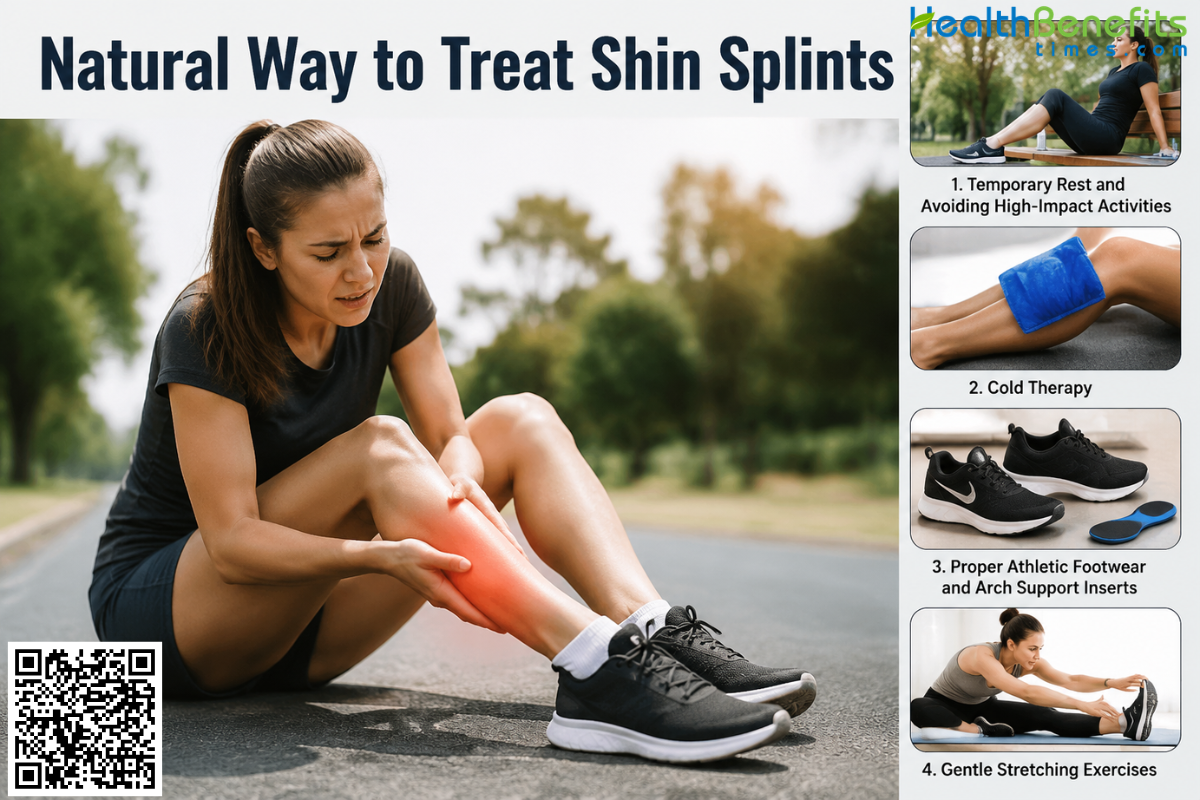
Causes of Shin Splints
1. Sudden Increases in Exercise Intensity
Rapidly escalating the frequency, duration, or overall intensity of physical activity places excessive mechanical stress on the lower leg. When the leg muscles and bone tissues do not have adequate time to recover and adapt to this sudden physical overload, they become severely irritated and inflamed 1.
2. Biomechanical Foot Abnormalities
Structural foot conditions, particularly flat feet (pes planus) or overpronation, cause the foot to roll inward excessively upon striking the ground. This abnormal walking or running pattern unevenly distributes physical forces and places continuous, damaging strain on the inner shin muscles and the surrounding bone tissue 1.
3. Improper or Worn-Out Footwear
Participating in high-impact activities while wearing shoes that lack proper arch support or sufficient cushioning forces the shin bone to absorb more physical shock. Using worn-out athletic footwear significantly increases the direct, unmitigated impact transmitted to the lower leg structures with every step 2.
4. Hard or Uneven Training Surfaces
Consistently running, dancing, or jumping on unforgiving surfaces like concrete, asphalt, or heavily inclined terrain multiplies the physical shock delivered to the legs. Because hard surfaces do not absorb impact well, the lower leg muscles must overwork to stabilize the body, leading to rapid tissue fatigue and direct bone stress 2.
Symptoms of Shin Splints
1. Localized Dull, Aching Pain
Individuals characteristically experience a diffuse, dull, and aching pain along the inner lower two-thirds of the shin bone (tibia). This discomfort is the primary clinical hallmark of the condition and stems directly from inflammation of the bone’s outer lining and surrounding muscle attachments 1.
2. Exercise-Induced Discomfort
The leg pain typically triggers or intensifies during high-impact physical activities such as running, jumping, or prolonged walking. In the early stages, the pain often emerges at the beginning of a workout, temporarily subsides as the body warms up, and then returns intensely after the exercise session ends 1.
3. Tenderness to the Touch
The affected section of the lower leg usually becomes highly sensitive when physically pressed or palpated. Medical professionals specifically look for this continuous line of tenderness along the inner shin border to distinguish standard shin splints from more focal, pinpoint injuries like tibial stress fractures 1.
4. Mild Lower Leg Swelling
Repeated mechanical trauma to the lower leg tissues can cause fluid accumulation, leading to mild, localized swelling over the shin bone. While the area may appear slightly puffy, it generally does not become severely hot, red, or discolored 2.
5. Pain Progression Without Rest
If you continue engaging in strenuous physical activity without allowing the injured tissues time to heal, the severity of the pain will steadily increase. In advanced stages, the leg pain transitions from exercise-induced discomfort to a constant, sharp ache that persists even during periods of complete rest or normal daily activities 2.
Natural Way to Treat Shin Splints
1. Temporary Rest and Avoiding High-Impact Activities
How it may help
Temporarily stopping high-impact exercises halts the repetitive mechanical stress placed on the lower legs. This essential period of rest allows the inflamed muscles, tendons, and outer bone layer to naturally repair themselves, effectively stopping the cycle of tissue damage and reducing localized pain 1.
What research says
Clinical sports medicine guidelines identify relative rest as the most crucial primary treatment for medial tibial stress syndrome. Research concludes that modifying activities to remove direct physical impact on the tibia is required to successfully resolve inflammation and prevent the progression to serious bone fractures 1.
How to use it safely
You should immediately pause activities like running, jumping, or dancing. To maintain cardiovascular fitness without worsening your injury, switch to low-impact exercises such as swimming, deep-water running, or stationary cycling, as these do not place weight-bearing stress on the shin bones 2.
Potential precautions or side effects
You must avoid complete bed rest, as total inactivity rapidly causes surrounding leg muscles to weaken and stiffen, which ultimately delays full recovery 1.
2. Cold Therapy
How it may help
Applying cold therapy to the lower leg constricts local blood vessels, which physically reduces blood flow to the injured area. This cooling action rapidly decreases underlying tissue swelling, numbs irritated nerve endings, and relieves painful inflammation along the shin bone and surrounding muscles 2.
What research says
Sports medicine guidelines recommend cold therapy as an essential primary treatment for acute medial tibial stress syndrome. Clinical experts conclude that applying ice effectively manages localized pain and actively suppresses the inflammatory response in the bone’s outer tissues, which improves comfort during the early healing phase 1.
How to use it safely
You should wrap an ice pack in a thin towel and apply it to the painful area of your shin. Leave the cold compress in place for 15 to 20 minutes, repeating this process four to eight times a day until the severe pain subsides 2.
Potential precautions or side effects
You must never apply ice directly to bare skin, as this can cause severe frostbite. Remove the ice immediately if your skin becomes completely numb or turns totally white 2.
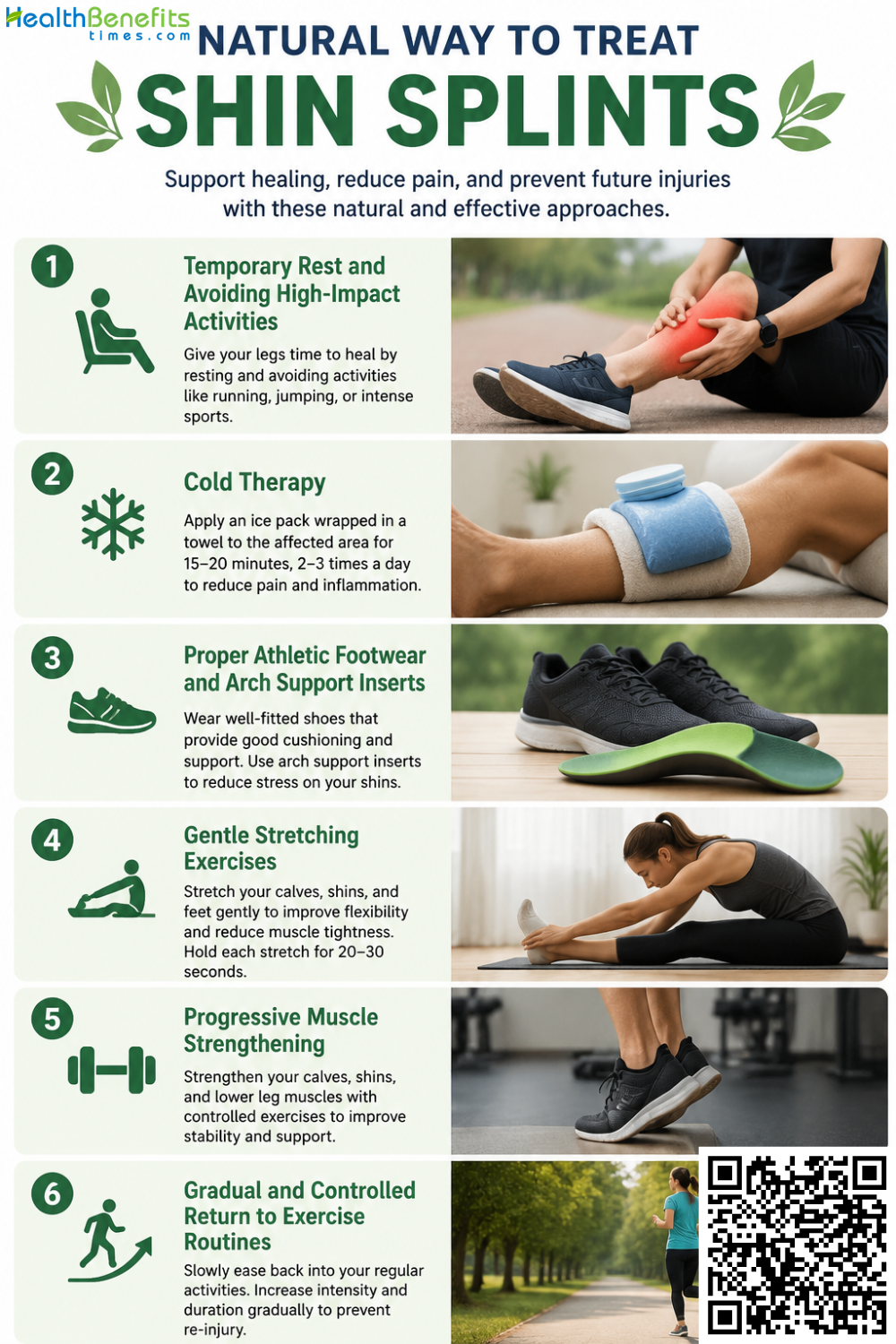
3. Proper Athletic Footwear and Arch Support Inserts
How it may help
Proper shoes and arch inserts correct abnormal foot mechanics, such as flat feet or excessive inward rolling. They actively absorb physical shock and evenly distribute impact forces during exercise, significantly reducing the repetitive mechanical strain placed on the shin muscles and underlying bone tissue 1.
What research says
Clinical evidence confirms that addressing biomechanical foot abnormalities with orthotic inserts significantly reduces the incidence of medial tibial stress syndrome. Researchers conclude that using shock-absorbing insoles and regularly replacing worn athletic footwear successfully prevents excessive tibial loading and accelerates tissue recovery 1.
How to use it safely
You should visit a specialty athletic store to ensure your shoes match your specific foot arch. Replace your running shoes every 350 to 500 miles, and utilize over-the-counter or custom orthotic inserts if you have visibly flat feet 2.
Potential precautions or side effects
You must transition to new orthotics gradually to prevent temporary foot soreness. Ill-fitting inserts can alter your natural gait and potentially trigger new hip or knee pain 1.
4. Gentle Stretching Exercises
How it may help
Gentle stretching targets the tight calf muscles and Achilles tendon that pull excessively on the lower leg bones. By actively improving flexibility and releasing muscle tension, these stretches relieve the continuous mechanical stress on the shin bone, reducing localized inflammation and pain 1.
What research says
Clinical sports medicine protocols identify calf muscle tightness as a major contributing factor to medial tibial stress syndrome. Research concludes that incorporating daily stretching routines successfully improves ankle range of motion and significantly decreases the excessive forces transmitted to the tibia during physical activity 1.
How to use it safely
You should perform static calf stretches by leaning against a wall with one leg back and your heel flat on the ground. Hold each stretch gently for 20 to 30 seconds without bouncing, ensuring you only feel mild tension rather than sharp pain 2.
Potential precautions or side effects
You must avoid aggressively overstretching or bouncing during the movements, as this can tear muscle fibers and severely worsen the existing inflammation in your lower leg 2.
5. Progressive Muscle Strengthening
How it may help
Progressive strengthening targets the muscles of the lower leg, particularly the calves and the muscles along the shin. By actively building muscle endurance and improving shock absorption, these strengthened tissues effectively reduce the continuous mechanical strain placed directly on the shin bone during physical activities 1.
What research says
Clinical sports medicine guidelines identify weakness in the lower leg and hip muscles as a major contributor to medial tibial stress syndrome. Researchers conclude that a structured strengthening program targeting the ankle stabilizers successfully improves lower limb biomechanics and prevents the recurrence of shin bone inflammation 1.
How to use it safely
You should begin with gentle, body-weight exercises like toe raises and heel drops only after your acute shin pain has subsided. Gradually increase the resistance over several weeks, ensuring the movements remain entirely pain-free to avoid re-injuring the healing tissues 2.
Potential precautions or side effects
You must stop exercising immediately if you feel sharp pain. Returning to intense strength training too quickly can easily cause severe re-injury or trigger a bone stress fracture 1.
6. Gradual and Controlled Return to Exercise Routines
How it may help
A gradual and controlled return to exercise allows the healing lower leg tissues to adapt slowly to physical stress. By systematically increasing the mechanical load, this paced approach actively prevents the sudden shock and tissue overload that initially caused the shin bone inflammation, ensuring long-term recovery without re-injury 1.
What research says
Clinical sports medicine guidelines confirm that a progressive, step-wise return to activity is essential for treating medial tibial stress syndrome. Researchers conclude that slowly increasing training volume by no more than ten percent per week successfully allows proper bone remodeling and prevents the recurrence of acute shin pain 1.
How to use it safely
You should only resume high-impact exercises after you have been completely pain-free for at least two weeks. Begin with short, low-intensity sessions on soft surfaces, and strictly limit any increases in your workout duration or intensity to a maximum of ten percent each week 2.
Potential precautions or side effects
You must stop immediately if the aching shin pain returns. Ignoring pain and pushing through a premature return rapidly leads to severe complications like tibial stress fractures 1.
Foods to Avoid When You Suffer from Shin Splints
1. Excessive Alcohol
Alcohol actively impairs bone formation and remodeling, delaying structural healing and significantly increasing the risk of shin splints progressing into severe tibial stress fractures 3.
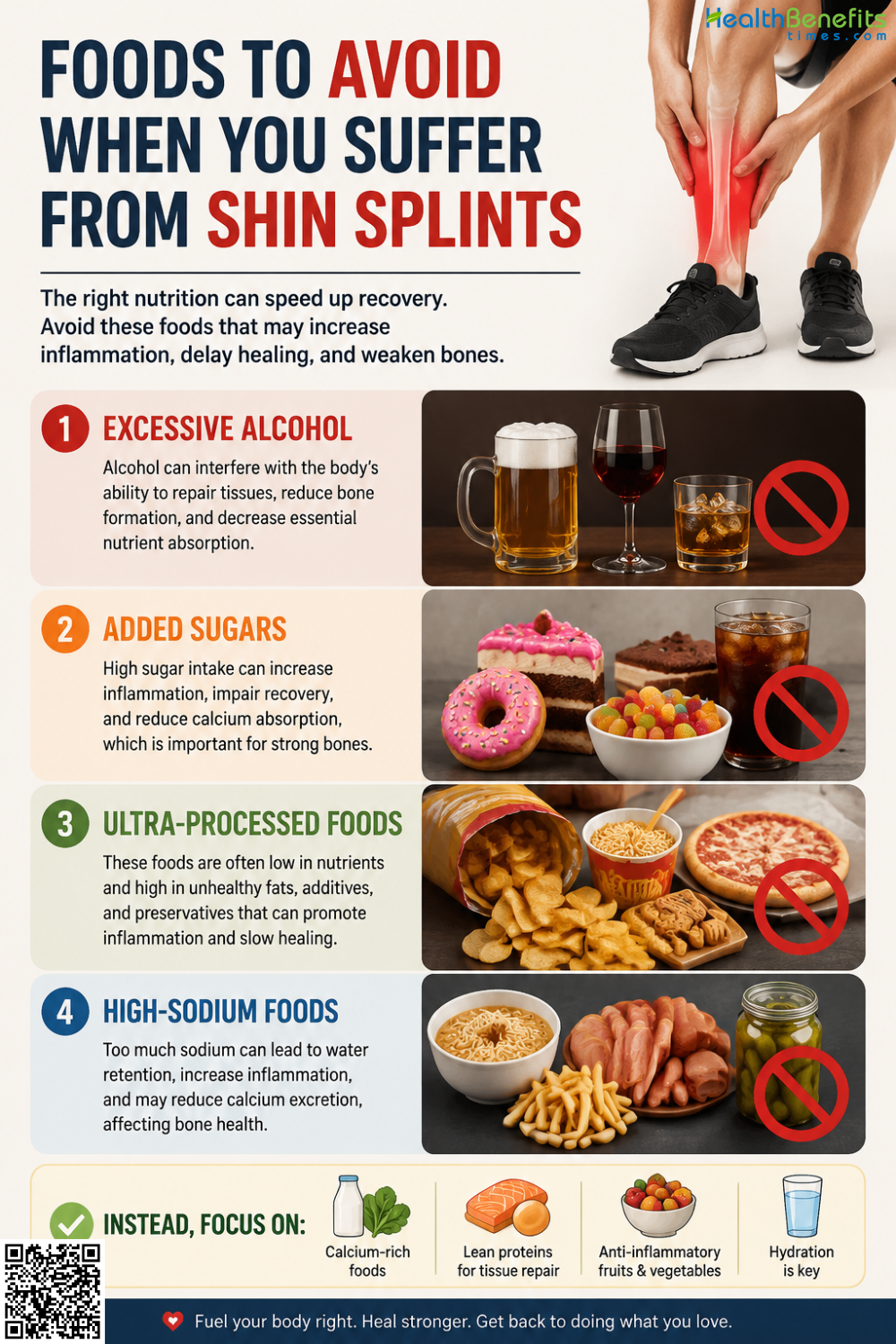
2. Added Sugars
High intake of refined dietary sugars triggers systemic immune responses that actively worsen and prolong the localized bone and muscle inflammation associated with shin splints 4.
3. Ultra-Processed Foods
These foods contain trans fats that significantly elevate inflammatory markers in the body, which actively delays the cellular repair of damaged shin tissues 5.
4. High-Sodium Foods
Consuming excessive salt increases calcium loss through urine, potentially compromising bone mineral density and severely hindering the structural recovery of stressed shin bones 6.
When to See a Doctor When You Struggle from Shin Splints
1. Pain at Rest
You must seek medical attention if severe lower leg pain persists during complete rest, as this strongly indicates a serious bone stress fracture requiring professional treatment 1.
2. Inability to Bear Weight
Consult a doctor immediately if you cannot comfortably bear weight on the affected leg, as this suggests severe structural damage rather than simple muscle inflammation 2.
3. Severe Swelling or Heat
You should see a physician if your shin becomes visibly swollen, significantly red, or hot to the touch, which are primary warning signs of a serious infection 7.
4. No Improvement with Self-Care
Contact a healthcare provider if your symptoms fail to improve after several weeks of resting, applying ice, and utilizing standard home treatment methods 2.
Comments
comments