


Causes of Growth Disorders
- Hormone Imbalances: A lack of growth hormone produced by the pituitary gland or insufficient thyroid hormones directly slows down bone and muscle development 1.
- Genetic Conditions: Inherited chromosomal disorders, such as Turner syndrome in girls or Down syndrome, fundamentally alter cellular blueprints and restrict overall physical size 2.
- Chronic Organ Diseases: Long-term illnesses affecting major organs—such as heart disease, lung conditions, or chronic kidney failure—divert the body’s energy away from normal physical growth to maintain essential survival functions 3.
- Bone and Skeletal Disorders: Medical conditions like achondroplasia disrupt the body’s normal process of turning cartilage into solid bone, resulting in a disproportionately short torso, arms, and legs 4.
- Digestive and Nutritional Problems: Severe malnutrition or stomach disorders like celiac disease and inflammatory bowel disease prevent the digestive tract from absorbing the critical calories and nutrients required to grow 5.
- Poor Fetal Growth: Intrauterine growth restriction occurs when a baby fails to develop at a normal rate inside the womb, often resulting in delayed physical development that continues after birth 6.
Symptoms of Growth Disorders
- Slower Than Expected Growth: A primary indicator is a remarkably slow growth velocity, typically defined as a child growing less than two inches (five centimeters) per year after their third birthday 1.
- Significantly Short Stature: The individual’s overall height falls substantially below the normal range, usually measuring under the third percentile when plotted on a standard growth chart against peers of the same age and sex 7.
- Delayed Physical Maturity: Children with hormonal growth issues frequently experience an abnormal delay in puberty, presenting as an absence of typical sexual development markers by their early teenage years 8.
- Disproportionate Body Parts: Certain skeletal growth conditions cause abnormal physical proportions, such as unusually short arms and legs in contrast to an average-sized torso, which may also be accompanied by a larger-than-average head size 4.
- Immature Bone Development: Clinical X-ray evaluations of the hand and wrist often reveal a delayed bone age, meaning the patient’s skeletal structure appears biologically younger and less developed than their actual chronological age 9.
- Infantile Facial Features: Children experiencing a severe lack of growth hormone may retain a noticeably younger facial appearance compared to their peers, often characterized by a prominent forehead and an underdeveloped bridge of the nose 10.
- Unusual Weight Gain: In cases specifically related to growth hormone deficiency, a child may accumulate excess body fat—particularly around the stomach and face—even as their upward height progression stalls 2.
Natural Ways to Boost Human Growth Hormone (HGH) for height
1. Adequate Deep Sleep
How it may help
The human body releases the largest amount of growth hormone during deep sleep. This natural process is essential for physical recovery, tissue repair, and bone development in growing individuals. Maintaining a consistent sleep schedule ensures the brain can effectively trigger these hormone surges throughout the night.
What research says
Research confirms that major bursts of human growth hormone occur shortly after a person enters slow-wave deep sleep 11. Clinical studies conclude that poor sleep quality or sleep deprivation significantly lowers normal growth hormone levels, which negatively impacts physical growth and overall health 12.
How to use it safely
To optimize your sleep for hormone production, aim for seven to nine hours of uninterrupted rest each night 13. Keep your bedroom dark and cool, and avoid electronic screens for at least an hour before bed to support natural sleep cycles.
Potential precautions or side effects
While natural sleep has no harmful side effects, chronic sleep disorders require medical evaluation. Avoid unprescribed sleep medications, as they can disrupt natural sleep phases and hormone balance.
2. High-Intensity Physical Exercise
How it may help
Vigorous exercise places immediate physical stress on muscles, prompting the body to release growth hormone for repair and recovery. Workouts that require sudden, intense bursts of energy cause a temporary buildup of lactic acid, which signals the brain to secrete higher amounts of this essential hormone.
What research says
Clinical evidence demonstrates that high-intensity exercise significantly increases growth hormone secretion in healthy individuals 14. The research concludes that the amount of hormone released is directly related to the intensity of the physical activity, making vigorous workouts more effective than light, steady exercises 15.
How to use it safely
To safely stimulate hormone production, incorporate short, intense workouts, like sprinting or circuit training, into your routine three times a week 16. Always perform a proper warm-up before starting and allow your muscles adequate rest days to recover effectively.
Potential precautions or side effects
Excessive, intense training without sufficient rest can lead to physical burnout, joint injuries, and suppressed hormone levels. Individuals with underlying heart conditions should consult a doctor before beginning vigorous exercise.
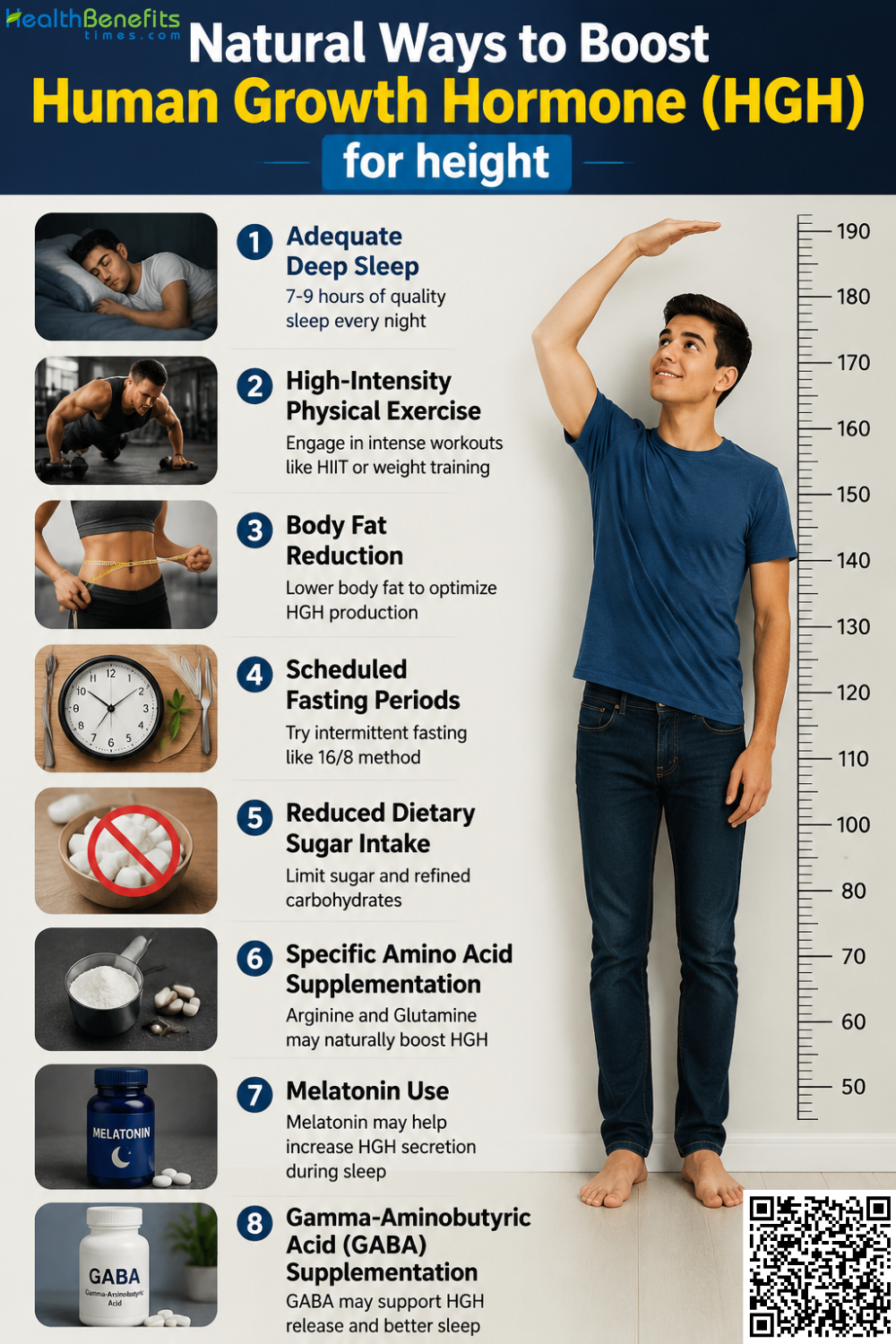
3. Body Fat Reduction
How it may help
Excess body fat, particularly around the abdomen, directly interferes with the pituitary gland’s ability to release growth hormone. By reducing body fat, the body restores its normal chemical balance, allowing for higher, uninterrupted natural production of the hormones necessary for physical development and tissue repair.
What research says
Clinical studies establish a direct link between obesity and significantly reduced growth hormone production 17. Research confirms that this hormonal decline is temporary; significant weight loss naturally restores 24-hour growth hormone release back to normal, healthy levels 18.
How to use it safely
Aim for gradual, steady weight loss of one to two pounds per week through a balanced diet and regular physical activity 19. Avoid extreme calorie restriction or crash diets, as severe malnutrition can stunt physical growth and negatively disrupt your natural hormone balance.
Potential precautions or side effects
Rapid or extreme weight loss methods can cause muscle loss, nutritional deficiencies, and fatigue. Always consult a healthcare provider before starting any restrictive diet, especially during active growing years.
4. Scheduled Fasting Periods
How it may help
Scheduled fasting lowers blood sugar levels, which directly reduces insulin production in the body. Because high insulin levels block the release of growth hormone, keeping insulin low through timed eating allows the pituitary gland to naturally surge its hormone production to preserve muscle tissue and manage energy.
What research says
Clinical research demonstrates that fasting significantly amplifies the body’s natural rhythm of growth hormone secretion 20. Studies conclude that even short-term fasting triggers massive spikes in growth hormone levels, as the body shifts to burning fat for energy while preserving vital tissues during calorie absence 21.
How to use it safely
To practice fasting safely, start by creating a 12-to-16-hour fasting window daily, such as eating only between noon and eight in the evening 22. Always drink plenty of water while fasting, and consume highly nutritious, balanced meals during your designated eating periods.
Potential precautions or side effects
Fasting is strictly not recommended for actively growing teenagers, as it risks severe nutritional deficiencies. It may also trigger dizziness, weakness, or sudden blood sugar drops in susceptible individuals.
5. Reduced Dietary Sugar Intake
How it may help
Eating foods high in sugar causes blood sugar levels to spike, which forces the body to release large amounts of insulin. High insulin directly blocks the pituitary gland from releasing growth hormone. By reducing sugar intake, insulin levels remain steady, allowing normal, uninterrupted growth hormone production.
What research says
Research confirms that consuming high amounts of sugar causes a rapid drop in growth hormone levels in healthy individuals 23. Studies conclude that consistently elevated blood sugar and insulin from poor diets effectively blunt the body’s natural nighttime hormone surges 24.
How to use it safely
To maintain healthy hormone levels, limit your intake of added sugars to less than 10 percent of your total daily calories 25. Replace processed snacks and sugary sodas with whole, nutrient-rich foods like fresh vegetables, lean proteins, and whole grains.
Potential precautions or side effects
Suddenly cutting out all sugar can cause temporary fatigue or headaches. It is important to distinguish between harmful added sugars and the healthy natural sugars found in whole fruits.
6. Specific Amino Acid Supplementation (Arginine and Glutamine)
How it may help
Certain amino acids, specifically arginine and glutamine, stimulate the pituitary gland. Arginine works by blocking chemical signals in the body that naturally suppress growth hormone production. Meanwhile, glutamine directly encourages the brain to release stored growth hormone into the bloodstream, supporting physical development and tissue repair.
What research says
Clinical studies demonstrate that consuming a small amount of glutamine significantly elevates circulating growth hormone levels in healthy individuals 26. Additionally, research concludes that high doses of arginine taken while resting increase hormone release, but taking it right before a workout actually reduces the body’s natural exercise-induced hormone spike 27.
How to use it safely
To maximize absorption, take these amino acids on an empty stomach. Keep your doses moderate, such as two grams for glutamine, rather than taking extremely large amounts. Always consult a healthcare provider to determine the correct and safe dosage for your specific body weight and age.
Potential precautions or side effects
High doses can cause stomach cramping, nausea, or severe diarrhea. Individuals with low blood pressure, asthma, or kidney disease must avoid these supplements unless specifically prescribed by a doctor.
7. Melatonin Use
How it may help
Melatonin is a natural hormone primarily responsible for regulating the body’s sleep-wake cycle. Because most growth hormone is released during deep, restorative sleep, melatonin indirectly boosts levels by improving overall sleep quality. Additionally, it directly stimulates the pituitary gland by blocking chemical signals in the brain that suppress hormone production.
What research says
Clinical trials show that oral melatonin significantly increases the natural release of growth hormone in healthy individuals 28. Research concludes that melatonin not only enhances the deep sleep phases necessary for growth but also triggers pathways that can double the normal hormone response when combined with physical exercise 29.
How to use it safely
To support healthy sleep, take a low dose of melatonin, typically between 0.5 and 5 milligrams, about thirty to sixty minutes before bedtime 30. Maintain a dark sleeping environment, and always consult a doctor to determine the safest, most effective dose for your specific needs.
Potential precautions or side effects
Common side effects include daytime drowsiness, mild headaches, or dizziness. Long-term use in growing adolescents requires strict medical supervision, as it may temporarily disrupt other natural hormonal rhythms.
8. Gamma-Aminobutyric Acid (GABA) Supplementation
How it may help
Gamma-aminobutyric acid, commonly known as GABA, is a natural chemical messenger that calms the brain and central nervous system. By promoting deeper, more restful sleep, it indirectly supports the body’s natural nighttime hormone surges. It may also directly signal the pituitary gland to release stored growth hormone.
What research says
Clinical trials demonstrate that GABA supplements significantly increase growth hormone levels when taken at rest and immediately following intense physical exercise 31. Researchers conclude that oral ingestion directly elevates the hormone in the bloodstream, temporarily boosting levels up to four times higher than normal baseline measurements 31.
How to use it safely
To safely encourage hormone production and improve sleep quality, take a small dose of GABA, typically between 500 and 3,000 milligrams, shortly before bedtime 32. Begin with the lowest possible amount and consult a healthcare professional to ensure it does not interact with your current medications.
Potential precautions or side effects
Common side effects include temporary skin tingling, mild drowsiness, and stomach upset. Never combine this supplement with alcohol or prescription sleep medications, as it can cause excessive, dangerous sedation.
Foods to Avoid When You suffer from Growth Disorders
1. High-Sugar Foods and Beverages
Consuming added sugars causes immediate insulin spikes, which directly block natural growth hormone release in the body 23. Limit sweets to maintain essential hormonal balance.
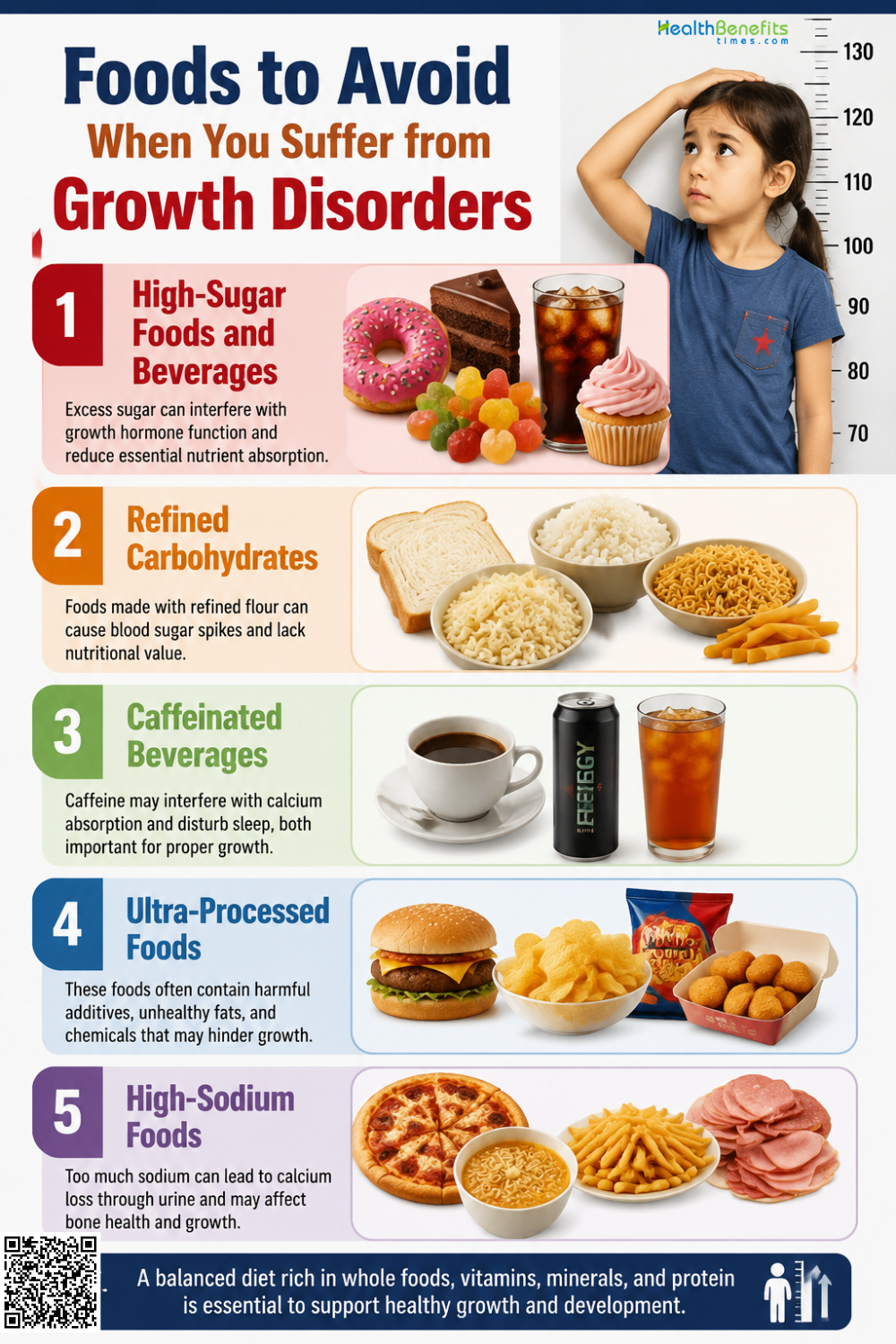
2. Refined Carbohydrates
White bread and pastries create rapid blood sugar surges. This sustained insulin elevation severely blunts the pituitary gland’s ability to secrete adequate growth hormones 24.
3. Caffeinated Beverages
Excess caffeine reduces deep slow-wave sleep 33. Because maximum growth hormone secretes during deep sleep, late-day caffeine consumption severely stunts crucial nighttime hormone production.
4. Ultra-Processed Foods
Foods laden with trans fats and preservatives trigger chronic cellular inflammation. This systemic stress directly disrupts normal endocrine function and worsens existing hormonal imbalances 34.
5. High-Sodium Foods
Excessive salt increases urinary calcium excretion, compromising skeletal mineralization 35. For patients managing growth deficiencies, this loss of bone density directly hinders structural physical development.
When to See a Doctor When You Struggle from Growth Disorders
Medical evaluation is necessary when physical development deviates significantly from established physiological milestones. Prompt diagnosis ensures timely intervention for underlying hormonal or genetic conditions.
1. Consistently Slow Growth Rate
Growing less than two inches per year after age three indicates a potential growth hormone deficiency requiring clinical assessment 36.
2. Dropping Percentiles on Growth Charts
A child crossing two major percentile lines downward on standard pediatric growth charts suggests underlying endocrine issues necessitating specialist review 37.
3. Delayed Puberty
A lack of physical sexual development by age thirteen in girls or age fourteen in boys signals potential hormonal deficiencies requiring medical intervention 38.
4. Unexplained Severe Fatigue
Chronic lethargy combined with stunted physical development strongly correlates with pituitary gland dysfunction, requiring endocrine tests to evaluate hormone secretion levels 39.
5. Disproportionate Body Features
Arms and legs that appear unusually short compared to the torso indicate potential skeletal dysplasias, requiring prompt genetic and orthopedic evaluation 40.
Comments
comments