

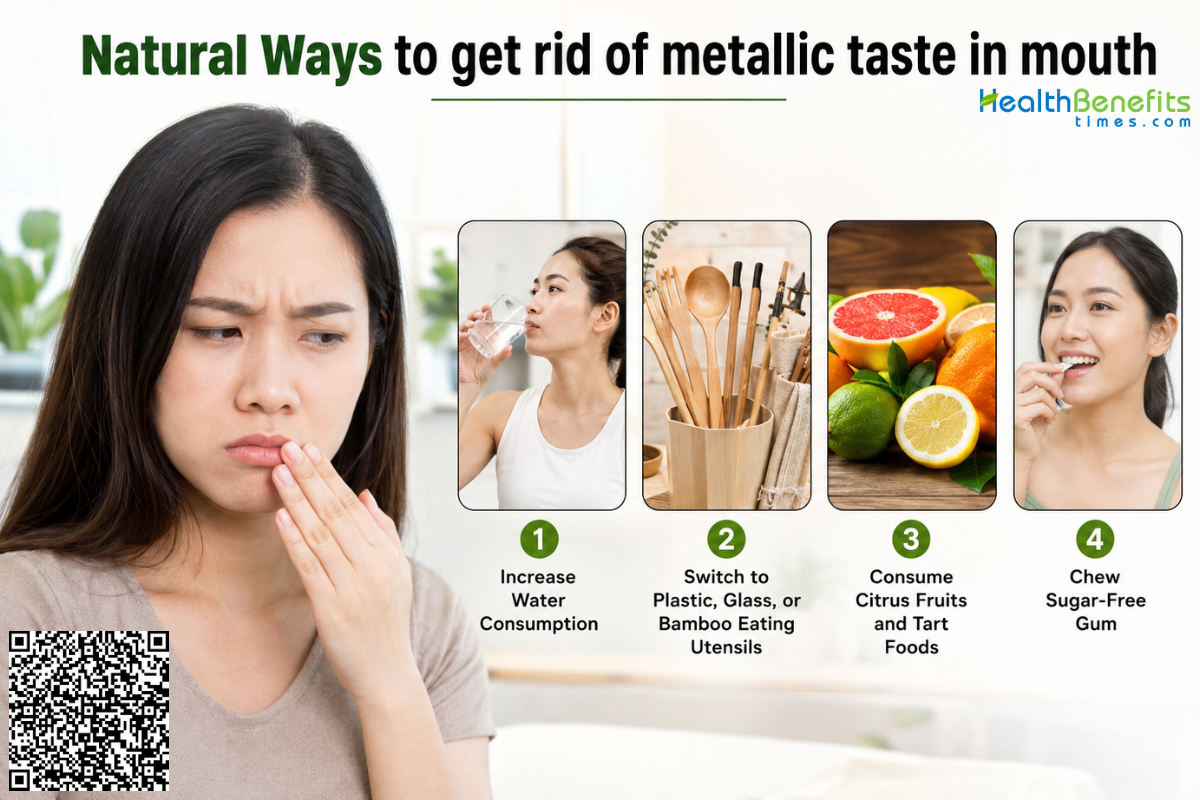
Causes of metallic taste in mouth
1. Prescription Medications
Many standard medications alter taste perception because the chemical compounds are absorbed by the body and secreted directly into the saliva. Drugs that frequently cause this side effect include specific antibiotics (such as tetracycline), blood pressure medications, gout treatments, and psychiatric medications like lithium 5.
2. Poor Oral Hygiene and Dental Infections
Neglecting daily brushing and flossing can lead to serious dental issues, including gingivitis, severe gum disease (periodontitis), and tooth abscesses. These conditions allow harmful bacteria to multiply in the mouth, which can produce sulfur compounds and a noticeable metallic or bitter taste 2.
3. Respiratory and Sinus Infections
Illnesses that affect the upper respiratory tract, such as the common cold, severe sinusitis, and middle ear infections, can inflame the nasal passages. Because the senses of smell and taste are deeply connected, this inflammation often disrupts normal sensory nerve pathways, temporarily distorting flavors into a metallic sensation 1.
4. Cancer Treatments
Patients receiving systemic chemotherapy or direct radiation therapy for head and neck cancers frequently experience damage to healthy rapidly dividing cells, including the taste buds and salivary glands. This structural damage alters oral sensory function, making many foods taste like metal or cardboard 6.
5. Pregnancy and Hormonal Fluctuations
Rapid changes in hormone levels, particularly the surge of estrogen during the first trimester of pregnancy, can temporarily alter a woman’s sense of smell and taste. This pregnancy-induced dysgeusia is a well-documented physiological response that often presents as a strong metallic flavor in the mouth 7.
6. Heavy Metal and Chemical Exposure
Chronic environmental or occupational exposure to toxic heavy metals, specifically lead, mercury, or copper, can result in systemic poisoning. A persistent metallic taste is a primary clinical warning sign of heavy metal toxicity accumulating in the body’s tissues 8.
7. Neurological Disorders
The brain relies on specific cranial nerves to interpret taste signals from the tongue. Medical conditions that damage or interfere with the central nervous system, such as Bell’s palsy, multiple sclerosis, or stroke, can misfire these sensory signals and trick the brain into perceiving a metallic taste when nothing is being eaten 2.
Symptoms of metallic taste in mouth
1. Persistent Abnormal Taste
The primary manifestation is a continuous or intermittent sensation of a bitter, salty, foul, or metallic flavor in the mouth, which remains actively present even when the individual is not eating or drinking 2.
2. Distorted Food Flavors
Normal foods and beverages frequently undergo a severe flavor shift. This sensory distortion commonly causes high-protein foods, such as meat, or certain artificial sweeteners to taste rancid or metallic 9.
3. Loss of Appetite and Malnutrition
The ongoing unpleasant taste in the oral cavity often diminishes the basic desire to eat. Over time, this food aversion can directly cause severe reductions in caloric intake, unintentional weight loss, and dangerous nutritional deficiencies 1.
4. Disturbances in Sense of Smell
Because the nervous system closely links the olfactory (smell) and gustatory (taste) sensory pathways, individuals experiencing a metallic taste often simultaneously report a distorted, reduced, or completely absent sense of smell 10.
5. Oral Dryness
A metallic taste is frequently accompanied by a dry, sticky sensation in the mouth resulting from reduced saliva production. This lack of moisture fails to wash away cellular debris and bacteria, which actively intensifies the abnormal flavor perception 11.
Natural Ways to Get Rid of Metallic Taste in Mouth
1. Maintain Strict Daily Oral Hygiene and Tongue Cleaning
How it may help
Proper brushing, flossing, and tongue scraping remove trapped food particles and bacteria. This buildup releases foul-tasting compounds and blocks taste receptors, worsening a metallic flavor. Clearing the tongue’s coating directly eliminates these trapped substances to restore normal taste perception 2.
What research says
Clinical evidence confirms that improving daily mouth care significantly reduces taste abnormalities. Research shows that thorough tongue cleaning and routine brushing lower oral bacteria levels, which directly improves overall taste sensitivity and decreases the intensity of metallic flavors 12.
How to use it safely
Brush your teeth twice daily using a soft-bristled toothbrush. Gently pull a tongue scraper from the back of the tongue toward the front. Rinse your mouth thoroughly with water afterward to wash away the dislodged bacteria 13.
Potential precautions or side effects
Avoid pressing down forcefully when scraping or brushing. Aggressive oral cleaning can easily cause bleeding, gum damage, and severe irritation to the mouth’s delicate tissues 14.
2. Rinse the Mouth with Saltwater or Baking Soda Solutions
How it may help
Baking soda neutralizes oral acid levels, while salt naturally reduces inflammation and washes away bacteria. Rinsing with these simple alkaline solutions helps reset the natural pH balance of the mouth, clearing away lingering compounds and directly neutralizing the unpleasant metallic taste on the tongue 15.
What research says
Clinical guidelines support using baking soda and salt rinses to manage taste distortions. Evidence indicates that these non-irritating solutions effectively neutralize mouth acids, prevent bacterial overgrowth, and improve taste perception for individuals experiencing persistent metallic flavors without damaging oral tissues 6.
How to use it safely
Mix one-half teaspoon of salt and one-half teaspoon of baking soda into four cups of warm water. Swish a small amount of the solution in your mouth for several seconds, then spit it out. Repeat this routine three to four times daily 16.
Potential precautions or side effects
Do not swallow the solution, as excess salt intake can cause stomach upset. Stop using the rinse immediately if it causes gum irritation, stinging, or worsening mouth dryness 2.
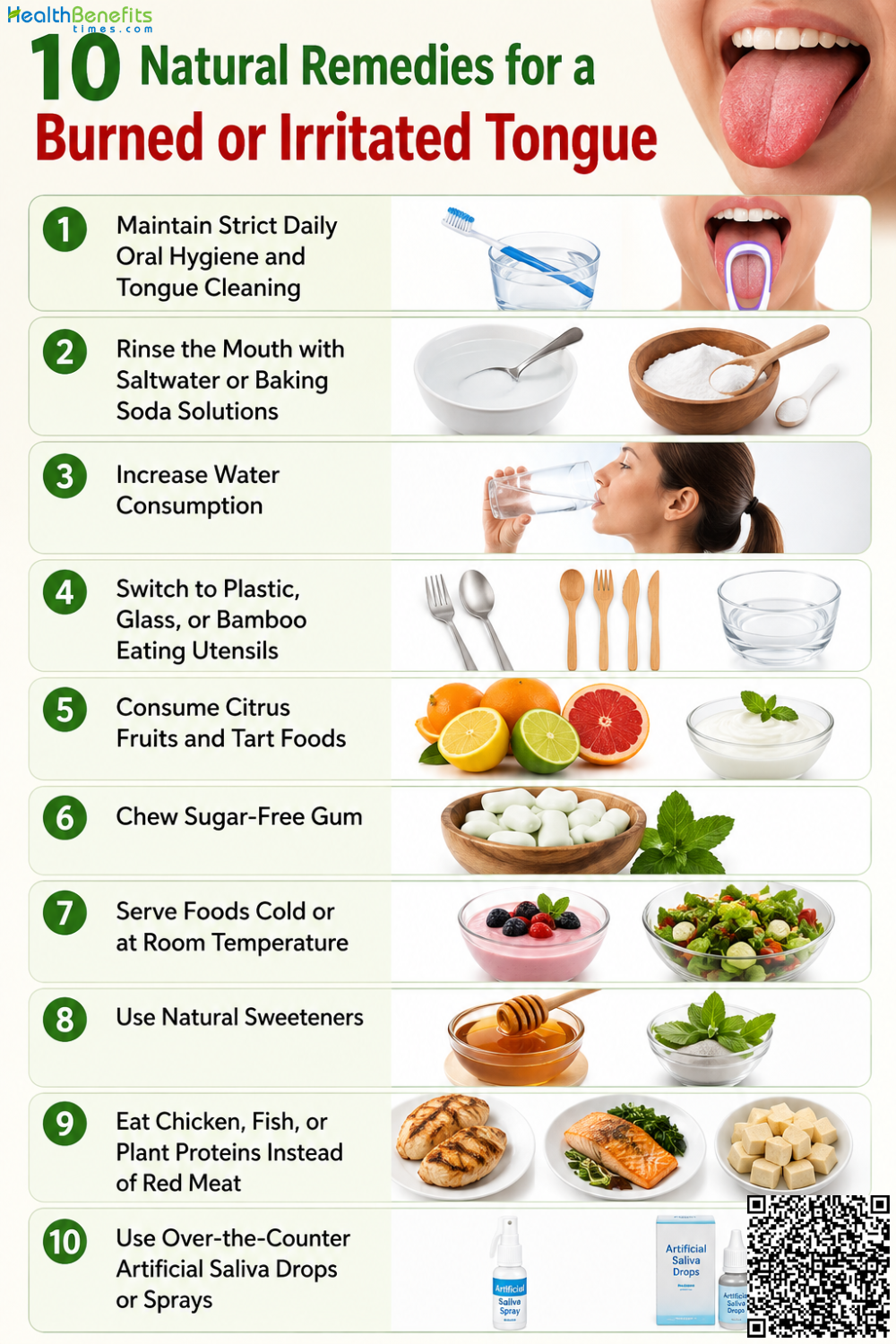
3. Increase Water Consumption
How it may help
A dry mouth reduces saliva, which normally washes away bacteria and trapped food. Increasing daily water intake keeps the oral tissues moist, dilutes lingering chemical compounds, and ensures taste receptors function properly to suppress persistent metallic flavors 11.
What research says
Clinical evidence confirms that saliva acts as an essential solvent for taste stimuli. Research concludes that managing reduced salivary flow through adequate hydration directly improves overall taste perception and resolves flavor distortions by restoring the natural cleansing mechanisms of the mouth 17.
How to use it safely
Sip plain, unflavored water continuously throughout the day rather than drinking large quantities all at once. Keep a water bottle nearby and take frequent sips during meals to help wash away food particles and assist your taste buds in processing flavors properly 18.
Potential precautions or side effects
People with severe kidney disease or heart failure should ask a doctor before increasing fluids, as processing excess water can cause dangerous swelling or harmful electrolyte imbalances 19.
4. Switch to Plastic, Glass, or Bamboo Eating Utensils
How it may help
Using metal silverware can trigger or worsen a bitter flavor when the metal contacts the tongue’s taste receptors. Replacing metal forks and spoons with non-metallic options like plastic, bamboo, or glass prevents this direct contact, helping to significantly reduce unpleasant metallic sensations during meals 6.
What research says
Clinical dietary guidelines for managing taste abnormalities, particularly those resulting from chemotherapy, state that metal utensils amplify dysgeusia. Medical experts conclude that switching to non-metallic cutlery effectively minimizes taste distortions and improves overall food palatability for individuals experiencing persistent metallic flavor issues 20.
How to use it safely
Replace all metal forks, spoons, and knives with high-quality, BPA-free plastic, smooth bamboo, or glass utensils during meals. Wash these alternatives thoroughly with warm, soapy water after each use to prevent bacterial buildup and maintain oral hygiene while eating 21.
Potential precautions or side effects
Inspect bamboo utensils regularly for splinters that could injure oral tissues. Discard scratched plastic tools that may harbor bacteria, and handle glass carefully to prevent accidental breakage 21.
5. Consume Citrus Fruits and Tart Foods
How it may help
Citrus fruits and tart flavors naturally stimulate the salivary glands, increasing saliva flow to wash away lingering compounds in the mouth. Additionally, the strong, acidic profile of foods like lemons, limes, and oranges helps mask bitter flavors, making meals significantly more palatable 20.
What research says
Clinical nutrition guidelines state that incorporating tart and acidic foods effectively counteracts taste abnormalities. Medical experts conclude that strong fruit acids successfully override metallic taste receptors and boost salivary output, which directly improves flavor perception and helps patients maintain adequate nutritional intake 15.
How to use it safely
Squeeze fresh lemon or lime juice over meats, vegetables, and salads, or drink diluted citrus juices during meals. You can also marinate foods in citrus-based dressings. Rinse your mouth with plain water afterward to clear away the lingering fruit acid 16.
Potential precautions or side effects
Avoid citrus and tart foods entirely if you currently have mouth sores or throat irritation. Frequent exposure to highly acidic fruits can also permanently erode and damage dental enamel 22.
6. Chew Sugar-Free Gum
How it may help
The mechanical action of chewing sugar-free gum stimulates the salivary glands, increasing moisture in the mouth. This excess saliva washes away lingering bacteria and trapped food particles, while strong flavor profiles like mint or cinnamon directly mask the unpleasant metallic sensation on the taste buds 11.
What research says
Clinical guidelines confirm that chewing sugarless gum effectively increases salivary flow rates, which is crucial for managing dry mouth and related taste abnormalities. Research concludes that this intervention directly improves flavor perception and clears foul-tasting oral compounds without contributing to tooth decay 6.
How to use it safely
Chew a piece of sugar-free gum, preferably one containing xylitol, for ten to twenty minutes after meals or whenever you notice a strong metallic flavor. Dispose of the gum once it loses its flavor, and always avoid swallowing it 11.
Potential precautions or side effects
Excessive chewing may cause jaw pain or worsen existing jaw joint disorders. Additionally, consuming large quantities of artificial sweeteners like xylitol can trigger gas, bloating, or a laxative effect 23.
7. Serve Foods Cold or at Room Temperature
How it may help
Heating food increases its aroma and intensifies flavors, which often triggers or worsens a metallic taste. Serving meals cold or at room temperature naturally mutes these strong odors and decreases flavor intensity. This makes eating much more tolerable by minimizing the sensory overload on sensitive taste receptors 24.
What research says
Clinical oncology guidelines for managing treatment-related taste abnormalities recommend modifying food temperature to improve palatability. Research concludes that because cold foods release significantly fewer aromatic volatile compounds than hot dishes, they effectively reduce the perception of metallic flavors and help individuals maintain adequate daily nutritional intake 25.
How to use it safely
Allow cooked meals to cool to room temperature before serving, or choose naturally chilled options like cold pasta salads, sandwiches, or yogurt. Always refrigerate leftovers promptly and ensure perishable items are stored securely to prevent harmful bacterial growth while managing your taste preferences 21.
Potential precautions or side effects
Never leave perishable foods sitting at room temperature for more than two hours to prevent foodborne illness. Avoid icy foods entirely if you experience severe cold-induced dental sensitivity 21.
8. Use Natural Sweeteners
How it may help
Adding natural sweeteners like honey, agave nectar, or maple syrup to foods helps overpower bitter flavor receptors on the tongue. By enhancing the overall sweetness of a meal, these natural ingredients effectively mask unpleasant metallic sensations, making eating significantly more enjoyable for individuals experiencing taste distortions 24.
What research says
Clinical nutrition guidelines for managing taste abnormalities advise incorporating sweet flavors to improve food palatability. Medical experts conclude that adding natural sweeteners successfully counteracts bitter and metallic tastes, helping patients maintain adequate caloric intake and preventing weight loss during periods of severe flavor distortion 15.
How to use it safely
Drizzle small amounts of pure honey, agave nectar, or maple syrup into your teas, marinades, or morning oatmeal. Blend these natural sweeteners thoroughly into your meals to mask metallic flavors without consuming excessive amounts of sugar 26.
Potential precautions or side effects
Avoid consuming large quantities if you have diabetes, as natural sweeteners still spike blood sugar levels. Additionally, never give raw honey to children under one year old 27.
9. Eat Chicken, Fish, or Plant Proteins Instead of Red Meat
How it may help
Red meat contains high levels of iron and distinct protein structures that frequently trigger a bitter or metallic flavor on sensitive taste buds. Replacing beef or pork with milder alternatives like chicken, fish, beans, or tofu provides essential daily nutrition without activating these metallic flavor receptors 20.
What research says
Clinical oncology and nutrition guidelines document that individuals with taste abnormalities often develop a strong aversion to red meat. Research concludes that substituting beef with poultry, fish, or plant-based proteins significantly improves food tolerance, prevents malnutrition, and successfully circumvents the sensory pathways responsible for metallic flavor distortions 15.
How to use it safely
Swap red meat for mild-flavored proteins like baked chicken, white fish, lentils, or scrambled eggs during your daily meals. Ensure all meats and plant proteins are cooked thoroughly to the proper safe internal temperature to prevent foodborne illness while managing your taste preferences 21.
Potential precautions or side effects
Strictly plant-based diets lack vitamin B12, requiring careful supplementation. Always inspect fish carefully for small bones before eating to prevent accidental choking or injury to the throat 28.
10. Use Over-the-Counter Artificial Saliva Drops or Sprays
How it may help
Artificial saliva products replicate the moisture and lubricating properties of natural saliva. By thoroughly coating the oral tissues, these sprays and drops relieve severe dry mouth, wash away trapped foul-tasting compounds, and restore the wet environment necessary for taste buds to perceive flavors accurately without metallic distortions 11.
What research says
Clinical evidence shows that saliva substitutes effectively manage dry mouth, a primary cause of taste disorders. Research concludes that by restoring oral moisture, artificial saliva significantly improves overall flavor perception, mitigates persistent metallic tastes, and enhances swallowing capabilities for patients with compromised salivary gland function 17.
How to use it safely
Apply the artificial saliva spray or drops directly onto your tongue and the inside of your cheeks as frequently as needed for comfort. Use the product right before eating to help moisten food and improve your ability to taste flavors accurately 6.
Potential precautions or side effects
Certain products contain preservatives or artificial sweeteners that may cause mild stomach upset. Stop use immediately if you experience increased mouth irritation, burning sensations, or allergic swelling 29.
Foods to Avoid When You Suffer from metallic taste in mouth
1. Red Meat
Red meats like beef and pork contain specific proteins and high iron levels that strongly activate bitter and metallic flavor receptors on the tongue 20.
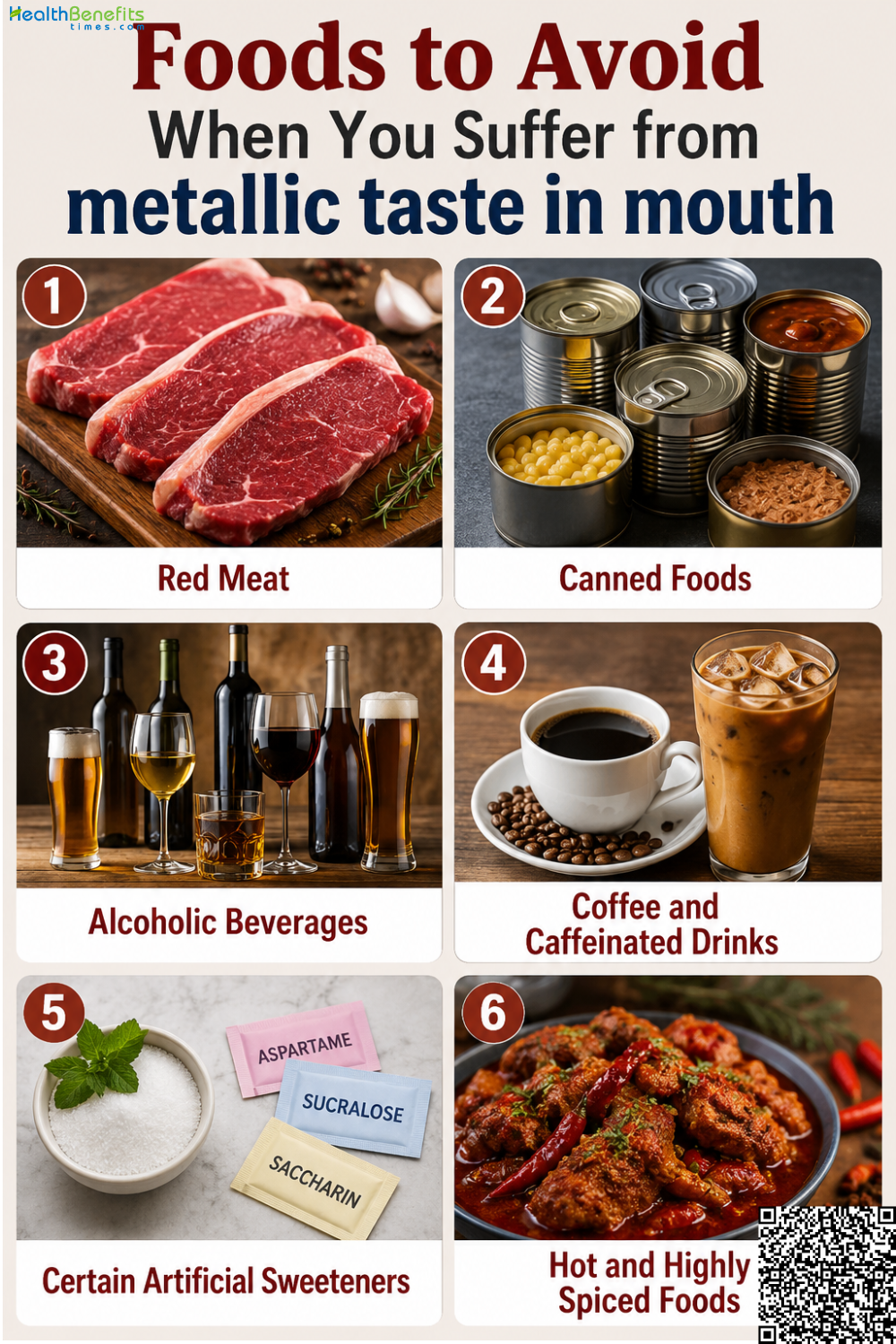
2. Canned Foods
Foods packaged in metal cans sometimes absorb trace metallic compounds, which directly intensifies the unpleasant metallic flavor already present in the mouth 30.
3. Alcoholic Beverages
Alcohol severely dehydrates oral tissues and reduces saliva production, causing a dry mouth that traps foul-tasting compounds and worsens overall flavor distortions 11.
4. Coffee and Caffeinated Drinks
Caffeine acts as a diuretic that limits salivary flow, creating a dry oral environment that prevents taste buds from properly washing away lingering metallic flavors 17.
5. Certain Artificial Sweeteners
Specific sugar substitutes, particularly saccharin, chemically bind to bitter taste receptors and naturally leave a metallic aftertaste that compounds existing flavor abnormalities 31.
6. Hot and Highly Spiced Foods
High temperatures and intense spices increase sensory aroma and can overwhelm sensitive oral receptors, often magnifying unpleasant metallic sensations rather than masking them 24.
When to see Doctor when you struggle from metallic taste in mouth
1. Persistent Duration
Seek medical evaluation if a metallic taste persists for several weeks, as chronic taste disorders require clinical diagnosis to identify underlying systemic medical conditions 2.
2. Unintended Weight Loss
Consult a doctor if flavor distortions cause severe appetite loss, leading to malnutrition or unintended weight loss, which can severely compromise overall health and physical recovery 20.
3. New Medication Usage
Contact a healthcare provider if the metallic taste develops immediately after starting new prescription medications, as professional dosage adjustments or alternative drug treatments may be necessary 32.
4. Neurological Symptoms
Immediate medical attention is required if taste changes occur alongside facial numbness, severe headaches, or follow a head injury, which may indicate central nerve damage 2.
5. Signs of Oral Infection
Schedule a dental examination if the metallic flavor is accompanied by bleeding gums, severe tooth pain, or localized swelling, indicating a potential bacterial infection or periodontal disease 33.
Comments
comments