

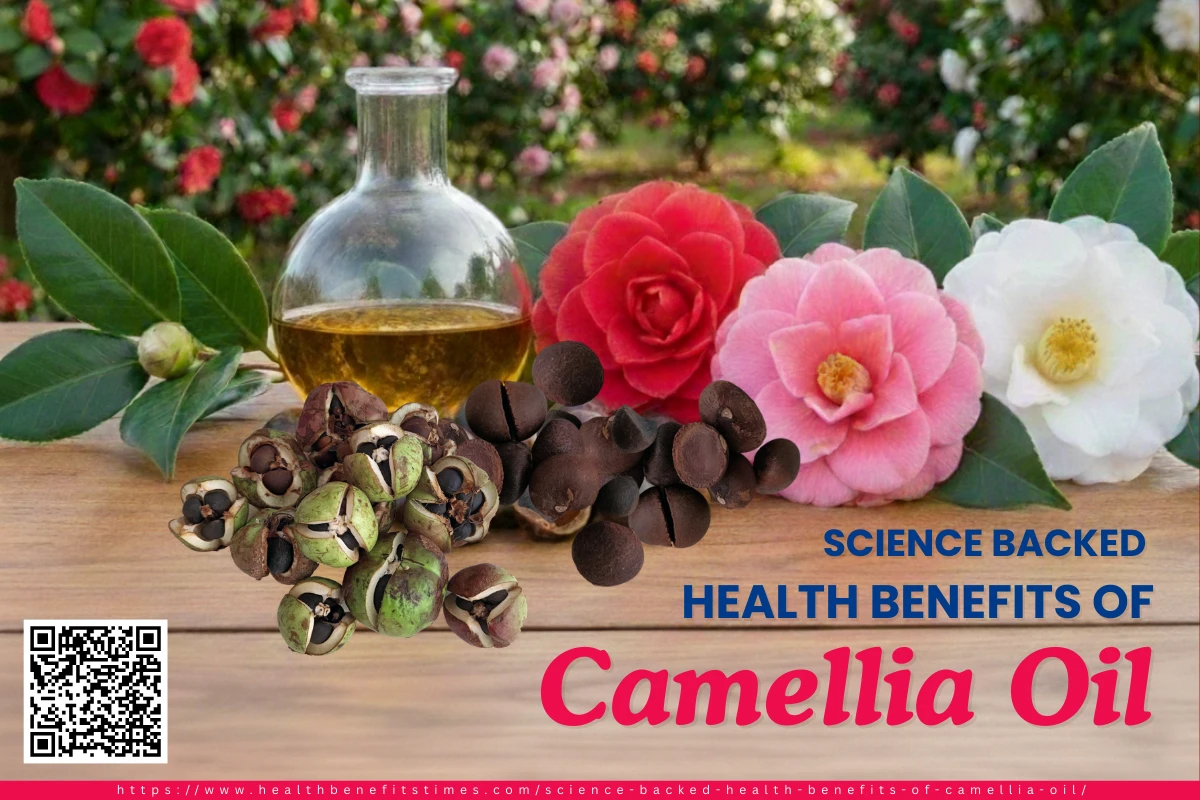
You might also hear it called “Tea Seed Oil” or “Oriental Olive Oil.” It gets those nicknames because its makeup of healthy fats is a lot like olive oil’s. The plant itself is an evergreen shrub—or a small tree—that’s part of the Theaceae family. Its woody capsules hold the oily seeds that are the reason it’s grown. Plus, the plant helps prevent soil erosion. To get the best quality oil, producers cold-press the mature seeds from inside the Camellia. 1
This oil has a long history. In traditional Chinese medicine and Japanese folk practices, it was used for a range of health issues. For example, people applied it to treat stomach pain, burns, and intestinal problems. In Japan, it’s also known as Tsubaki oil and has been a go-to for conditioning hair and skin. 2 Beyond these uses, it’s so commonly part of daily life that some consider it a functional food. That means it offers health perks beyond just basic nutrition, which makes sense given its high levels of unsaturated fatty acids and antioxidants. 3
The Nutritional Profile
What makes Camellia oil so good for you is its unique fat makeup. It’s low in saturated fat and packed with monounsaturated fat, especially oleic acid. In fact, it often contains even more oleic acid than olive oil 1 The thing is, it’s not just about the fats. The oil also has a bunch of other natural compounds, like phytosterols, squalene, and phenolics. These extras help the oil stay fresh and add to its health benefits 2
Nutritional Value of Camellia Oil (Per 100g)
| Nutrient / Compound | Concentration / Value | Biological Significance & Properties | Source |
| Total Fat | 100 g | Composed entirely of lipids; energy density is approximately 900 kcal/100g. | {% https://www.fao.org/fao-who-codexalimentarius/sh-proxy/jp/?lnk=1&url=https%253A%252F%252Fworkspace.fao.org%252Fsites%252Fcodex%252FMeetings%252FCX-709-28%252FWorking%2BDocuments%252Ffo28_05e_Add1.pdf %} |
| Saturated Fatty Acids (SFA) | 10.0% – 12.6% | primarily Palmitic Acid (C16:0) and Stearic Acid (C18:0). The relatively low SFA content is favorable for cardiovascular health compared to animal fats. | 2 |
| Monounsaturated Fatty Acids (MUFA) | 78.0% – 87.4% | Predominantly Oleic Acid (C18:1). Levels are comparable to or higher than olive oil. Critical for reducing LDL cholesterol and resisting oxidation. | 2 |
| Polyunsaturated Fatty Acids (PUFA) | 6.0% – 11.0% | Primarily Linoleic Acid (C18:2, Omega-6) with trace amounts of Alpha-Linolenic Acid (Omega-3). Essential for cell membrane structure and skin hydration. | 1 |
| Vitamin E (Total Tocopherols) | 37.8 mg – 82.2 mg | Potent lipophilic antioxidant. Includes -tocopherol (~20-50 mg), -tocopherol, and -tocopherol. Protects cell membranes from lipid peroxidation. | 2 |
| Squalene | 5.3 mg – 53.4 mg | Triterpene hydrocarbon. Acts as a natural emollient, antioxidant, and precursor to sterol synthesis. Highly valued for skin anti-aging and hydration. | 1 |
| Phytosterols | ~300 – 550 mg | Includes -sitosterol, campesterol, and stigmasterol. Structurally similar to cholesterol, they inhibit cholesterol absorption in the intestine. | 1 |
| Polyphenols | ~18.1 mg | Includes phenolic acids, flavonoids, and catechins (EGCG). Provides anti-inflammatory, anti-allergic, and anti-carcinogenic activities. | 1 |
| Saponins | Trace (in refined oil) | Triterpenoid glycosides. While removed in refining, trace amounts contribute to immunological and anti-inflammatory effects. | 4 |
| Minerals | Variable (Trace) | Contains trace elements like Calcium, Iron, and Zinc, which support enzymatic functions, though oil is not a primary mineral source. | 1 |
Science-Backed Health Benefits of Camellia Oil
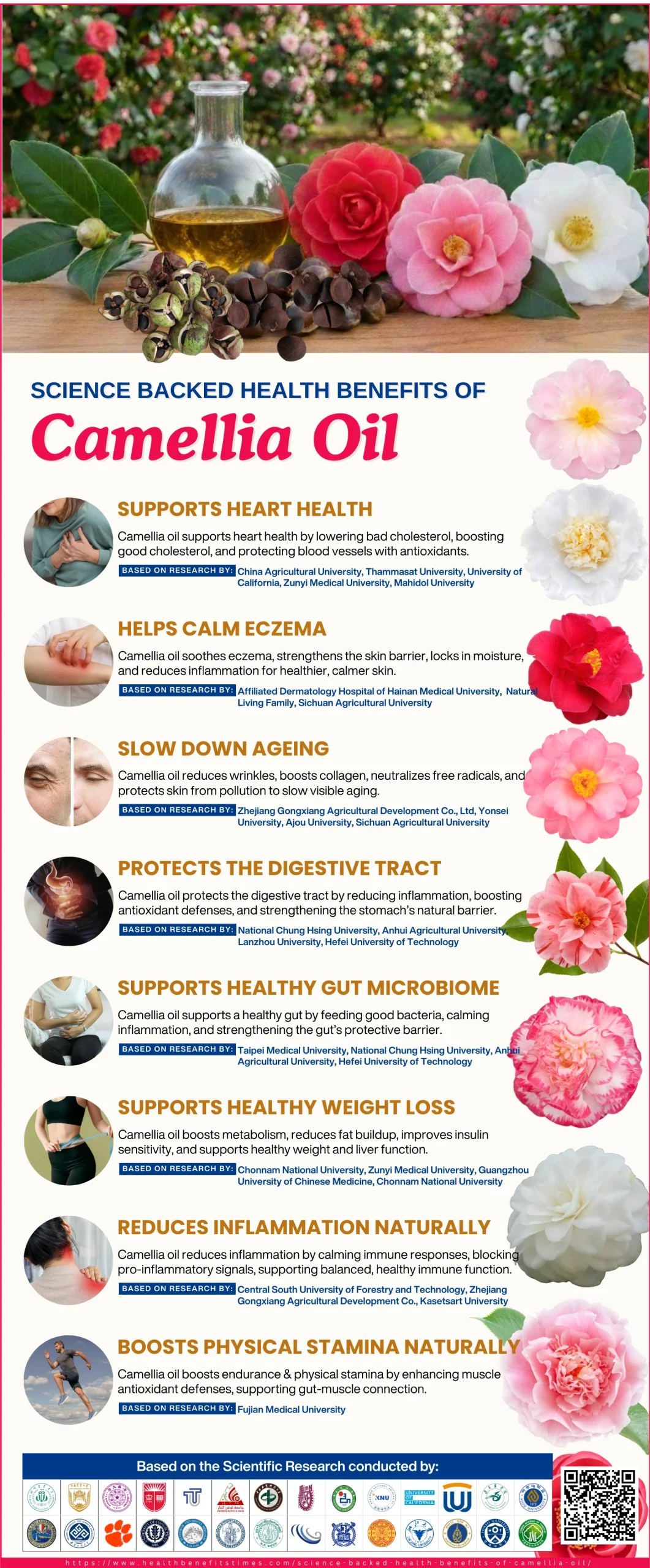
#1: Cardiovascular Health and Cholesterol Regulation
Camellia oil is often called a “heart-healthy” fat. Basically, it’s a good oil to cook with if you’re watching your heart. People even call it the “Oriental Olive Oil,” and for good reason. It can help manage your cholesterol, which is a big deal when it comes to preventing heart problems.
If you use it regularly, it helps lower the “bad” stuff—that’s LDL cholesterol and triglycerides. Those are the things that can clog up your arteries. At the same time, it helps maintain or even boost your “good” HDL cholesterol, which actually helps clear the fat out of your bloodstream. 5
But it’s not just about cholesterol. Camellia oil is also packed with antioxidants, like vitamin E and polyphenols. Think of those as little shields for your blood vessels. They protect them from damage caused by things like oxidative stress and inflammation. 6 This protection helps keep your arteries flexible and supports healthy blood pressure. So, adding it to your routine is a pretty smart move for your heart down the road. 5
What Research says?
- A team of researchers at Mahidol University in Thailand ran a small pilot study to see how tea seed oil, which comes from the Camellia oleifera plant, affects cholesterol. They had a group of healthy men follow a diet that included the oil for three weeks. The results were pretty clear. The men saw a noticeable drop in their total cholesterol and their LDL-C, which is the “bad” kind of cholesterol. What’s interesting is that this drop was basically the same as what you’d get from using virgin olive oil. Both oils are packed with oleic acid, which seems to be the key driver behind these benefits. This positions Camellia oil as a solid, practical option for people, especially in Asia, who are looking for ways to lower their heart disease risk. 7
- Anti-Atherosclerotic Effects in Animal Models: In a study using ApoE-deficient mice—a common model for studying atherosclerosis—researchers found that giving the animals Camellia oil at a dose of 6 mL/kg significantly lowered their serum total cholesterol levels. But there’s more to it. The study also observed that while triglyceride and LDL-C levels tended to decrease, there was a statistically significant increase in serum HDL-C levels. HDL-C is often called the “good” cholesterol. It plays a key role in reverse cholesterol transport, which basically means it helps move cholesterol from the tissues back to the liver, where it can be removed from the body. By boosting HDL-C and cutting down on plaque-forming lipids, Camellia oil slowed the progression of atherosclerotic lesions in the aorta. This, in turn, helped protect against the development of coronary artery disease. 8
- Reduction of Oxidative Stress and Inflammation: Further research highlighted by Mahidul University found that the heart health benefits of Camellia oil go beyond just improving cholesterol levels. It also has strong antioxidant and anti-inflammatory effects. 9 In people with high cholesterol, adding Camellia oil to their diet helped lower certain signs of oxidative stress, like malondialdehyde (MDA), as well as inflammatory cytokines. 10 So what’s behind this? It likely comes down to the oil’s active ingredients, especially polyphenols and catechins. These compounds help stop LDL particles from oxidizing. And that matters because oxidized LDL is a major trigger for problems inside the arteries—it can damage the endothelium (the artery lining) and kickstart plaque buildup. By preventing that oxidation, Camellia oil helps keep the blood vessel lining healthy and supports normal vascular function.1
- Fat Replacement and Trans-Fat Reduction: Here’s some interesting food science for you. Researchers were looking into industrial uses for Camellia oil, and they found it could actually make processed foods a bit better for your heart. They used the oil to create something called oleogels, which then replaced some of the fat in cookies and soft candies. The result? A much healthier fat profile. The new recipes had significantly less of the bad stuff—the saturated and trans fats that we know can increase heart risks. At the same time, they boosted the levels of beneficial mono- and polyunsaturated fats. So, this study suggests Camellia oil is more than just a good choice for stir-frying. It could be used as a functional ingredient, a way to actually improve the nutritional value of the snacks we buy. 5
#2: Advanced Skin Barrier Repair and Atopic Dermatitis Treatment
If you have dry, sensitive, or eczema-prone skin, Camellia oil might be a good option. It’s a natural way to soothe your skin, and it does more than just add moisture. In skincare, it’s popular because it can mimic the skin’s natural lipid structure. This helps it absorb deeply without feeling greasy or blocking pores. 11 This oil is especially good at repairing your skin’s protective barrier. Think of this barrier as a shield—it keeps out irritants and allergens, and stops moisture from escaping. 12 If you use it regularly, it can help calm the itching and redness that come with conditions like atopic dermatitis, also known as eczema. Over time, it can help bring back your skin’s smooth texture. Camellia oil works by locking in moisture and encouraging your skin to produce essential proteins. This helps turn rough, damaged skin into something healthier and stronger. It can offer relief even when regular moisturizers don’t seem to help. 2
What Research says?
- Efficacy in Atopic Dermatitis (AD) Models: Researchers from Hainan Medical University ran a study to see how Camellia oil affects atopic dermatitis. They used mice that had a form of the condition triggered by a chemical called DNCB. When they applied the oil to the skin, the visible symptoms got much better. That means less redness, swelling, and thickened skin. The mice also scratched a lot less, which is a big deal because itching is one of the most uncomfortable parts of the condition. In fact, the Camellia oil worked even better than a standard moisturizing cream at calming the inflammation down. 12
- Upregulation of Skin Barrier Proteins: The researchers also wanted to understand how the oil helps repair the skin They found that Camellia oil boosts the levels of two specific proteins, Filaggrin (FLG) and Loricrin (LOR). These proteins are key building blocks in the outer layer of the skin. In people with atopic dermatitis, those protein levels are usually low. That leads to a weakened skin barrier, which lets moisture escape and makes it easier for irritants to get in. By bringing FLG and LOR levels back up closer to normal, the oil helps strengthen the skin’s physical structure. This makes it better at holding in moisture and keeping outside threats out. 12
- Inhibition of Th2-Mediated Inflammation: The oil also calmed things down deep within the skin. When the researchers looked at tissue samples, they found fewer inflammatory cells—like mast cells and eosinophils—in the dermis after treatment. On top of that, Camellia oil lowered the levels of certain immune system signals, specifically Interleukin-4 (IL-4), Interleukin-5 (IL-5), and Interleukin-13 (IL-13). These are all part of the Th2-type immune response, which drives the allergic inflammation in atopic dermatitis.The treatment also reduced Immunoglobulin E (IgE) levels in the blood. Basically, the oil didn’t just soothe the surface symptoms. It seemed to tone down the overactive immune response at a deeper level, addressing some of the underlying causes of the inflammation. 12
- Moisturization and TEWL Reduction: Another study looked at how well Camellia oil moisturizes the skin. Researchers found that it significantly reduces Trans-Epidermal Water Loss, or TEWL. That’s the scientific way of measuring how much water escapes through the skin. When they tested emulsions made with Camellia oil, the oil held onto moisture just as well as glycerin did. And glycerin is considered a gold standard when it comes to humectants (ingredients that draw in moisture). So how does it work? Camellia oil is packed with oleic acid. This fatty acid helps the oil form a thin, breathable barrier on the skin’s surface. That barrier physically blocks water from evaporating out of the stratum corneum, which is the outermost layer of skin. The result? The skin stays hydrated, even when the air is dry. 2
#3: Anti-Aging, Collagen Synthesis, and Anti-Pollution Protection
Camellia oil can help fight premature aging and keep skin looking firm and healthy. Here’s how it works. It’s packed with antioxidants like squalene and vitamin E. These help neutralize free radicals—unstable molecules caused by UV rays and pollution that damage skin. 1 Those two factors are major causes of aging. The oil also helps your skin produce more collagen. 13 Collagen is the protein that keeps skin plump and elastic. By boosting collagen and helping prevent its breakdown, Camellia oil can smooth out fine lines and wrinkles, improve skin texture, and reduce sagging. 14 On top of that, it acts as a kind of shield against pollution. It helps stop environmental toxins from getting into the skin and causing damage at the cellular level. 15
What Research says?
- Stimulation of Type I Procollagen: Scientists have been taking a closer look at Camellia japonica oil, and what they found is pretty interesting for your skin. Essentially, this oil helps boost the skin’s support structure, known as the extracellular matrix. Lab studies show that when it’s applied to human skin cells, it ramps up the production of Type I procollagen. 13 To put that in perspective, Collagen Type I is the main protein that gives skin its strength and bounce—it’s what keeps it from sagging. The catch is, as we get older, our collagen production naturally slows down. This drop-off is a major reason why skin starts to wrinkle and lose its firmness. But since Camellia oil encourages the skin to make more collagen, it directly fights that structural breakdown. 14 In simpler terms, it helps tackle one of the root causes of wrinkles.
- Inhibition of MMP-1 Expression: Camellia oil also does something else interesting. It helps block an enzyme called Matrix Metalloproteinase-1, or MMP-1 for short. Here’s the key thing: MMP-1 is a collagenase, which basically means it’s an enzyme that breaks down collagen. 15 This usually happens when your skin gets hit with UV rays or oxidative stress—a process known as photoaging. So, by suppressing MMP-1, Camellia oil helps protect your skin’s existing collagen. The result? It keeps skin firmer and can even help reduce the depth of wrinkles you already have. 13
- Protection Against Urban Air Pollutants: A study, which included researchers from Johns Hopkins and other institutions, looked at how Camellia japonica flower extracts might protect the skin from city air pollution. 16 The researchers tested this on living human skin samples. They exposed the samples to heavy metals and particulate matter—the kind of stuff you’d find in polluted urban air. Here’s what they found. Applying the Camellia extract made a clear difference. It significantly reduced cell nuclei condensation, which is a sign that cells are dying. It also lowered the levels of markers like Malondialdehyde (MDA), which are linked to a damaging process called lipid peroxidation. Put simply, the antioxidants in the oil seem to act as a strong defense system. They neutralize the oxidative stress caused by pollutants before it has a chance to harm the DNA inside the cells.15
- Antioxidant Mechanism via Squalene and Vitamin E: Camellia oil is known for its anti-aging benefits, mainly because it’s rich in squalene and vitamin E (specifically, tocopherols). Squalene is a natural part of human sebum—the oil our skin produces to stay moisturized. But as we age, our squalene levels drop. Applying Camellia oil topically helps replenish it. This restores the skin’s natural lipid barrier and boosts its ability to defend against damage. 1 Vitamin E, on the other hand, is an antioxidant. It works by stopping a process called lipid peroxidation—essentially, it intercepts harmful molecules called lipid peroxyl radicals before they can damage cell membranes. Together, these compounds team up to protect the skin from UV damage, including UV-induced erythema (sunburn) and photo-oxidative stress from sun exposure. 2
#4: Gastrointestinal Mucosal Protection
People have turned to camellia oil for stomach troubles for a long time. Now, science is starting to show why it actually works. It turns out the oil acts like a soothing balm for your stomach lining, helping to protect it from harsh things like alcohol and certain pain relievers (think NSAIDs). 17 It does this by giving the stomach’s natural defenses a boost and by cutting down on oxidative stress in the gut tissue. This one-two punch not only helps prevent ulcers from forming but also helps heal the ones that are already there. On top of that, camellia oil helps keep the whole GI tract in good shape by making sure the protective mucosal barrier stays strong. And when that barrier is working right, it’s a lot easier for your body to digest food and absorb all the good nutrients 18
What Research says?
- Protection Against Ketoprofen-Induced Injury: A study published in PubMed looked at Camellia oil in Sprague-Dawley rats. These rats had gastrointestinal injuries caused by a drug called ketoprofen. 17 Ketoprofen is a non-steroidal anti-inflammatory drug, or NSAID. It’s known to damage the gut lining by creating oxidative stress. In this study, giving the rats Camellia oil beforehand—at a dose of 2 mL per kilogram of body weight per day—significantly cut down on the formation of ulcers in both the stomach and intestines. So, how did the oil help? It seemed to work by boosting certain protective factors in the body. Specifically, it raised levels of VEGF (Vascular Endothelial Growth Factor) and PGE2 (Prostaglandin E2). These factors help repair the gut lining and promote better blood flow. 18
- Antioxidant Enzyme Upregulation in the Gut: In the same study, researchers found that Camellia oil treatment boosted the activity of several key antioxidant enzymes in the gastrointestinal tissue. These enzymes include Heme Oxygenase-1 (HO-1), Glutathione Peroxidase (GSH-Px), and Superoxide Dismutase (SOD). When NSAIDs are taken, they generate reactive oxygen species, or ROS, which can cause oxidative damage. But by ramping up these enzymes, the Camellia oil helped neutralize the ROS, preventing harm to the mucosal cells. 18 So, it seems the oil works by activating the body’s own antioxidant defense systems. 17
- Mitigation of Ethanol-Induced Gastric Damage: Another study found that Camellia oleifera oil can help protect the stomach lining from damage caused by drinking alcohol. 19 The oil helped reduce damage to the stomach lining—both the visible harm and the damage at a cellular level. It did this mainly by cutting down on Reactive Oxygen Species (ROS) production and easing inflammation in the stomach tissue. This might explain why the oil has traditionally been used as a stomach-soothing remedy after drinking. 20
#5: Gut Microbiota Modulation and Anti-Colitis Effects
Your gut plays a huge role in your overall health. And it turns out, Camellia oil might be a big help in keeping it in good shape. Think of it as a prebiotic—it feeds the good bacteria in your gut, like Bifidobacterium and Lactobacillus, which are key for digestion and a strong immune system. 20 At the same time, it helps keep bad bacteria in check and can calm inflammation in the colon. This is especially helpful for people dealing with conditions like colitis, where the gut lining is already irritated and the bacterial balance is off. 21 By soothing that inflammation and encouraging a healthy mix of microbes, Camellia oil supports better digestion and helps your body stay resilient overall. 1
What Research says?
- Modulation of Microbial Diversity: Researchers looked into how Camellia oleifera oil affects gut health. They found that when they fed it to rats, it changed the makeup of their gut bacteria. Specifically, it boosted the levels of good bacteria like Bifidobacterium and Lactobacillus. 20 It also helped create a more diverse microbial community overall, which is a sign of a healthy gut. These good guys produce short-chain fatty acids (SCFAs), which help feed colon cells and keep the immune system running smoothly. 1
- Alleviation of Acetic Acid-Induced Colitis: In a study that used a lab model of colitis designed to mirror Inflammatory Bowel Disease (IBD) in humans, researchers found that supplementing with Camellia oil helped reduce inflammation in the colon and restore the gut’s protective barrier function. The treatment appeared to ease the severity of colitis symptoms and preserve the structural integrity of the colon tissue. 21 This protective effect likely stems from the oil’s ability to lower levels of pro-inflammatory proteins in the colon, specifically TNF-α and IL-6, which it does by inhibiting the NF-κB signaling pathway. 22
- Enhancement of Mucosal Defense: Further research found that treatment with Camellia oil boosted the production of Interleukin-10 (IL-10) in cells taken from the spleen. IL-10 is an anti-inflammatory cytokine, meaning it’s a protein that helps calm the immune system. Its job is to keep the gut environment balanced and stable, and it stops the immune system from overreacting to the harmless bacteria living there. So, by doing two things at once—boosting this calming signal and, as gastric studies have shown, strengthening the gut’s mucosal barrier through VEGF and PGE2 secretion—Camellia oil helps create a strong, protective environment in the gut. This, in turn, lowers the risk of colitis and other inflammatory bowel disorders. 18
#6: Weight Management, Metabolic Regulation, and Anti-Obesity
If you’re watching your weight or keeping an eye on your metabolic health, Camellia oil is a solid choice compared to other fats. It actually helps boost your metabolism and can cut down on fat buildup, especially around your liver and belly. Unlike unhealthy saturated fats—which tend to slow things down and pack on the pounds—Camellia oil works differently. Its nutrients tell your body to burn fat more effectively and respond better to insulin. That means it can be a helpful part of your diet if you’re looking to avoid issues like fatty liver disease or type 2 diabetes. Put simply, it helps keep your blood sugar steady and your metabolism humming along the way it should. 23
What Research says?
- Reduction of Hepatic Steatosis and Adiposity: In a study with obese mice eating a high-fat diet (HFD), giving them Camellia oleifera oil by mouth noticeably reduced the weight of their epididymal fat pads and helped improve fatty liver, also known as hepatic steatosis. The oil also lowered liver indices and cut down on the buildup of lipid droplets inside liver cells. These changes suggest that Camellia oleifera oil directly protects against Non-Alcoholic Fatty Liver Disease (NAFLD) caused by eating too much fat. 8
- Activation of the AMPK Pathway: So, here’s how these studies figured out what was happening. It turns out the weight-loss effects of Camellia oil come down to how it interacts with a specific pathway in the body called AMPK. Think of AMPK as a kind of master switch for your body’s energy. When it’s turned on, it tells your cells to start burning energy—things like fatty acids—to create fuel. At the same time, it tells your body to hit pause on storing new energy and making fat. The research showed that treating cells with Camellia oil flipped this switch to the “on” position by increasing the active form of AMPK, known as p-AMPK. Once that happened, it calmed down the genes responsible for creating high blood sugar and producing fat in the first place. 23
- Improvement of Metabolic Biomarkers: In studies where mice were fed a high-fat diet, those treated with Camellia oil showed some notable improvements in their blood work. Specifically, their levels of insulin, Blood Urea Nitrogen (BUN), and a marker for inflammation called TNF-α went down. At the same time, their levels of a hormone called adiponectin went up. 23 Adiponectin helps the body regulate blood sugar and break down fats. We know that having low levels of this hormone is linked to problems like obesity and insulin resistance, so when the Camellia oil boosted adiponectin, it pointed to a real improvement in how sensitive the body was to insulin.
- Regulation of Branched-Chain Amino Acids (BCAAs): Another study found that a high-fat diet can throw off the levels of certain BCAAs in the blood—specifically Isoleucine and Leucine. When those amino acid levels are out of whack, it’s often linked to insulin resistance. But giving Camellia oil helped bring those BCAA levels back into balance. This adds more evidence that Camellia oil helps normalize metabolism and improve lipid levels in people with obesity. 24
#7: Potent Anti-Inflammatory and Immunomodulatory Activity
Chronic inflammation is often a hidden factor behind all sorts of health problems, like joint pain or autoimmune conditions. That’s where camellia oil comes in. It acts like a natural anti-inflammatory agent, helping to “cool down” an overactive immune system. Basically, it works by targeting specific pathways in the body to cut down on the signals that cause inflammation. This helps ease pain and swelling. 22 At the same time, it helps fine-tune the immune system. This ensures it responds to real threats without going overboard and attacking healthy tissue Because it works in these two ways, it can be helpful for managing inflammatory issues while also supporting overall immune health. 1
What Research says?
- Inhibition of the NF-B Signaling Pathway: A systematic review of the molecular mechanisms of Camellia oil found that its anti-inflammatory effects mainly target the Nuclear Factor kappa B (NF- B) signaling pathway. NF- B is a protein complex that controls DNA transcription, cytokine production, and cell survival, and when it becomes dysregulated, it is linked to inflammatory and autoimmune diseases. Camellia oil components help block the activation of NF- B, which prevents the chain reaction that normally increases inflammation. As a result, the downstream production of pro-inflammatory cytokines such as Tumor Necrosis Factor-alpha (TNF- ) and Interleukin-6 (IL-6) is suppressed. 1
- Suppression of Th2-Related Cytokines: When it comes to allergic inflammation and asthma, Camellia japonica oil shows some promising effects. Research has found that it can reduce Th2-related cytokines—IL-4, IL-5, and IL-13—in a dose-dependent manner. In simple terms, the more of the oil used, the stronger the reduction in these cytokines. One study reported that a dose of 100 mg/kg was enough to “perfectly control” the levels of these cytokines. These particular cytokines play a key role in triggering the allergic immune response and causing airway inflammation, which are central features of asthma. By lowering them, the oil may help manage Th2-mediated diseases like asthma. 1
- Saponins and Immunomodulation: The saponins found in Camellia seeds—especially Camelliagenin derivatives—are believed to be the main bioactive compounds behind these immunomodulatory effects. 25 These compounds belong to a group called triterpenoid glycosides, and they work by interacting directly with immune cells. When they do, they help control the release of inflammatory mediators, which are substances that drive inflammation in the body. 26 In very high concentrations, saponins can be toxic. However, the controlled levels present in oil extracts are different. At these levels, they offer therapeutic anti-inflammatory benefits without causing cytotoxicity. 1
#8: Anti-Fatigue and Exercise Performance Enhancement
If you’re into sports or just staying active, Camellia oil might be worth a look. Some research suggests it could give you a natural edge by helping fight off physical fatigue and boosting your endurance. The idea is that it influences the types of muscle fibers your body uses and helps reduce the oxidative stress that builds up during tough workouts. That combination can mean faster recovery and better performance. It also taps into something called the gut-muscle connection—basically, a healthy gut helps keep your energy steady, so you can keep going longer without crashing. 27
What Research says?
- Modulation of Muscle Fiber Types: A study in the Journal of Food Science looked at whether oil from Camellia oleifera seeds could help fight fatigue. They tested it on mice. The results showed that the oil encouraged a shift in muscle fiber types. It seemed to increase the number of slow-twitch fibers (known as Type I), which are built for endurance and don’t tire out as easily as fast-twitch fibers. In other words, this change in the muscles helped the mice keep going for longer. 27
- Enhancement of Antioxidant Capacity in Muscle: The same study also found that the oil boosted the natural antioxidant defenses in muscle tissue. Here’s the idea behind it. Fatigue from exercise is often made worse by a buildup of these molecules, called Reactive Oxygen Species (ROS), inside muscle cells. By strengthening the body’s own antioxidant systems, the Camellia oil helps get rid of these byproducts. That, in turn, helps stave off exhaustion for a bit longer. 27
- Gut-Muscle Axis Interaction: The researchers think this works, at least in part, through something called the gut-muscle axis. The idea is that by changing the balance of microbes in your gut—which we touched on in Benefit #5—the oil affects how your body produces and uses energy. That, in turn, creates better conditions inside your body for keeping up physical performance. 27
How to Consume Camellia Oil?
Culinary Applications
One thing that sets Camellia oil apart is its smoke point, which hits about 252°C (485°F). That makes it one of the most stable cooking oils out there. To put that in perspective, it handles heat better than olive oil, which starts smoking around 190-210°C. So for high-heat cooking—think stir-frying, deep-frying, or searing—it’s a solid choice. At those temperatures, the oil doesn’t break down easily into harmful compounds. It holds up well, keeping its nutritional benefits intact. 28
Raw and Cold Preparation
The oil itself has a light, thin texture and a mild flavor—just a hint of nuttiness or herbs—so it won’t overpower other ingredients. 29 That makes it a great base for things like salad dressings, vinaigrettes, or cold dips. You can also use it in place of olive oil when making pesto, or simply drizzle it over steamed vegetables and soups. It adds a bit of richness and some of those helpful nutrients, without leaving things feeling greasy. 1
Baking and Fat Substitution
Because its flavor is pretty neutral—especially compared to some other unrefined oils—Camellia oil works well as a healthier fat swap in baking. That means you can use it in place of butter or vegetable shortening in cakes, muffins, and cookies. It adds moisture, just like you’d want, but helps cut back on the saturated fat. 5
Traditional Medicinal Ingestion
In traditional Chinese medicine, people sometimes take Camellia oil straight—just a teaspoon or so—to calm an upset stomach or ease intestinal discomfort. The thinking is that the oil helps coat and protect the mucous membranes in the gut. 1
Topical Application
Aside from cooking with it, the oil is also used directly on skin and hair. For skincare, people apply it as a moisturizer, an anti-aging serum, or even to help with rough patches and minor burns. When it comes to hair, it’s used to condition the scalp and boost shine.5 This practice is pretty well-known in Japan, where it’s called the Tsubaki oil treatment. 11
Science Backed Health Risks & Side Effects of Camellia Oil
Camellia oil is generally recognized as safe, or GRAS, and people have been using it for a long time. That said, some risks and side effects have been noted in the scientific literature.
Allergic Contact Dermatitis
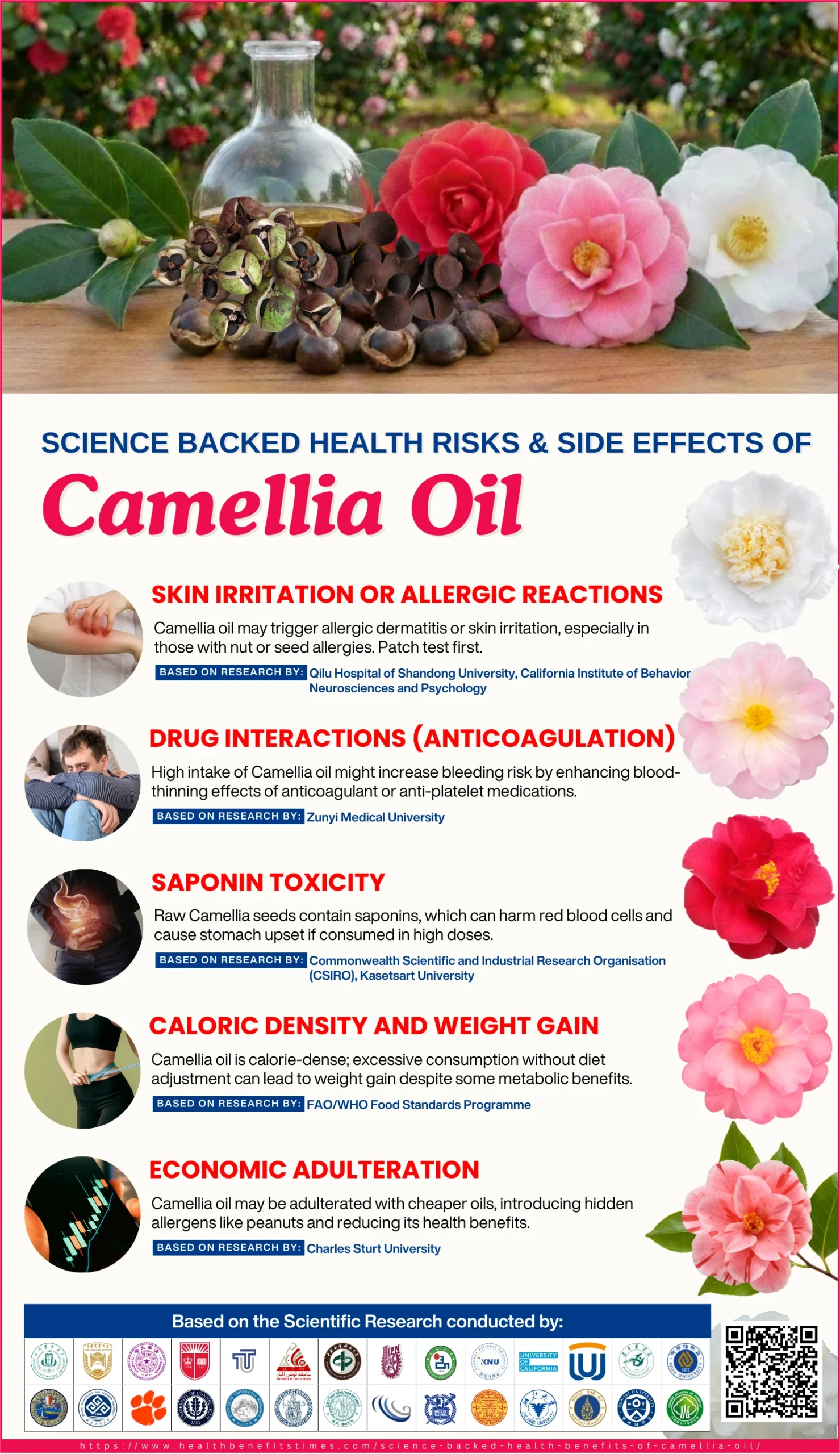
While Camellia oil is often used to help with skin conditions, it’s worth noting that it can also cause problems. In some people, it might actually trigger allergic contact dermatitis. There have been documented cases where botanical oils led to skin irritation or allergic reactions. 30 This usually happens because someone has a specific sensitivity to certain proteins or leftover trace compounds called saponins in the oil. That’s why experts recommend doing a patch test before using it widely on your skin. This is especially important for people with a history of nut or seed allergies. 31
Potential Drug Interactions (Anticoagulation): Camellia oil is packed with Omega-9 fatty acids and Vitamin E. These components have mild natural blood-thinning properties. Some research suggests that taking in high amounts of these compounds could theoretically boost the effects of anticoagulant medications—like Warfarin, Heparin, or Aspirin—as well as anti-platelet drugs. This might raise the risk of bleeding for people who are already taking these medications or for those with bleeding disorders. 32
Saponin Toxicity in Unrefined Products
Here’s the thing about Camellia seeds—they contain compounds called saponins. These are a type of bioactive triterpenoid glycoside. In high concentrations, they can be toxic. If they get directly into the bloodstream, saponins have hemolytic activity, which means they can rupture red blood cells. On top of that, taking high oral doses can cause some pretty unpleasant stomach issues, like gastrointestinal irritation, nausea, and vomiting. But there’s a big difference between the processed oil you buy and the raw stuff. Commercial edible Camellia oil is refined to bring saponin levels down to safe amounts. So, consuming crude, unprocessed oil or something called “oil cake” could actually pose a toxicity risk.25
Caloric Density and Weight Gain
Like all pure fats, Camellia oil is high in calories. It packs about 900 kcal per 100g. 33 Now, it does have some metabolic benefits. But here’s the catch: if you use a lot of it without cutting back elsewhere in your diet, those calories can add up. That surplus can lead to weight gain, which would actually work against its anti-obesity properties.
Economic Adulteration
Because Camellia oil is pretty valuable and similar to olive oil, it’s often a target for food fraud.48 Some producers might mix it with cheaper oils, like soybean, rapeseed, or peanut oil. Here’s the problem: that not only waters down the health benefits, but it also brings in hidden allergens. For example, peanut proteins could end up in the oil without being listed on the label. For someone with a peanut allergy, that could trigger a severe anaphylactic reaction without any warning. That’s why it’s really important to buy from trusted, certified sources and why authenticity testing matters so much. 34
Comments
comments
This article is based on Scientific Research Conducted by following Research Organization:
- Tea Oil and Their Role in Human Health: A Meta-Analysis–Zhejiang Gongxiang Agricultural Development Co., Ltd, China
- The Antioxidant, Anti-Inflammatory and Moisturizing Effects of Camellia oleifera Oil and Its Potential Applications–Sichuan Agricultural University, China
- What is Tea Seed Oil?
- Comparison of Oil Content and Fatty Acid Profile of Ten New Camellia oleifera Cultivars–Guangdong Academy of Agricultural Sciences, China
- Essential Oils for Women’s Health & Remedy Guide–Natural Living Family, USA
- The Beauty Geek's Guide to Skin Care: 1,000 Essential Definitions of Common Product Ingredients–Callisto Publishing, USA
- Nutraceuticals and Functional Foods: A Comprehensive Review of Their Role in Bone Health–University of Bari “Aldo Moro”, Italy
- Preparation and Characteristics of Ball-Milled Blueberry Peel Particles and Their Application in Ice Cream–China Agricultural University, China
- The Chemical Composition and Health-Promoting Benefits of Vegetable Oils—A Review–Beijing Technology and Business University, China, Tsinghua University, China
- PHYSIOCHEMICAL PROPERTIES AND BIOACTIVITIES OF TEA SEED (Camellia oleifera) OIL–Clemson University, United States
- Comprehensive evaluation of chemical composition and health-promoting effects with chemometrics analysis of plant derived edible oils–China Agricultural University & partners, China
- PROPOSED DRAFT AMENDMENT/REVISION TO THE STANDARD FOR NAMED VEGETABLE OILS (CXS 210-1999): INCLUSION OF CAMELIA SEED OIL–FAO/WHO Food Standards Programme, United Nations
- 32 OZ ORGANIC CAMELLIA SEED CARRIER OIL PURE COLD PRESSED
- The Enigma of Bioactivity and Toxicity of Botanical Oils for Skin Care–The State University of New Jersey, USA, University of Connecticut, USA, University of Connecticut Health Center, United States
- A Critical Review of the bioactive ingredients and biological functions of Camellia Oleifera oil–China Agricultural University, China
- Lipid Characteristics of Camellia Seed Oil–Tokyo University of Technology, Japan
- Comprehensive evaluation of chemical composition and health-promoting effects with chemometrics analysis of plant derived edible oils–Sichuan Agricultural University, China
- Nutritional and Health Values of Tunisian Edible Oils from Less-Used Plant Sources–University of Messina, Italy, Higher Institute of Applied Sciences and Technology (BISSAT University of Monastir), Tunisia, National Institute of Applied Sciences and Technology, Tunisia, Scientific Institute of Public Health, Belgium, Université Tunis El Manar, Tunisia, University of Napoli Federico II, Italy
- A critical review of the bioactive ingredients and biological functions of camellia oleifera oil–Central South University of Forestry and Technology, China
- Perspectives on Saponins: Food Functionality and Applications–Commonwealth Scientific and Industrial Research Organisation (CSIRO), Australia, Kasetsart University, Thailand
- Fermentation, Volume 11, Issue 7 (July 2025) – 63 articles–Instituto Politécnico Nacional, Mexico, National Autonomous University of Mexico, Mexico, Instituto Mexicano de Tecnología del Agua, Mexico
- Effect of microencapsulation of egg yolk immunoglobulin Y by sodium alginate/chitosan/sodium alginate on the growth performance, serum parameters, and intestinal health of broiler chickens–Yanbian University, China, Seoul National University, South Korea, Kangwon National University, South Korea
- Thai Tea Seed Oil and Virgin Olive Oil Similarly Reduce Plasma Lipids: A Pilot Study within a Healthy Adult Male Population–Thammasat University, Thailand, University of California, United States
- Dietary camellia (Camellia oleifera Abel) seed oil in traditional Chinese cooking for high-risk cardiovascular disease: A three-arm double-blind randomized controlled feeding trial protocol–Zhejiang University, China, Westlake University, China
- Ferulic Acid Supplementation Improves Lipid Profiles, Oxidative Stress, and Inflammatory Status in Hyperlipidemic Subjects: A Randomized, Double-Blind, Placebo-Controlled Clinical Trial–Mahidol University, Thailand
- Camellia oil (Camellia oleifera Abel.) treatment improves high-fat diet-induced atherosclerosis in apolipoprotein E (ApoE)−/− mice–Zunyi Medical University, China
- Ferulic Acid Supplementation Improves Lipid Profiles, Oxidative Stress, and Inflammatory Status in Hyperlipidemic Subjects: A Randomized, Double-Blind, Placebo-Controlled Clinical Trial–Mahidol University, Thailand
- Restorative effects of camellia oil on the skin-barrier function in a model of DNCB-induced atopic dermatitis–Affiliated Dermatology Hospital of Hainan Medical University, China
- Effect of Camellia japonica oil on human type I procollagen production and skin barrier function–Yonsei University, South Korea
- Protective Effect of Camellia japonica Extract on 2,4-Dinitrochlorobenzene (DNCB)-Induced Atopic Dermatitis in an SKH-1 Mouse Model–Yonsei University Wonju College of Medicine, Republic of Korea
- Protective effects of Camellia japonica flower extract against urban air pollutants–Biospectrum Life Science Institute, Republic of Korea, Ajou University (Department of Applied Biotechnology), Republic of Korea
- Antioxidant and reduced skin-ageing effects of a polyphenol-enriched dietary supplement in response to air pollution: a randomized, double-blind, placebo-controlled study–Beijing University of Chemical Technology, China
- Genome-Wide Detection of SPX Family and Profiling of CoSPX-MFS3 in Regulating Low-Phosphate Stress in Tea-Oil Camellia–Chinese Academy of Forestry, China, Nanjing Forestry University, China
- The Role of Red Flavonoid in Photoaging–Johns Hopkins University, United States
- Beneficial effects of Camellia Oil (Camellia oleifera Abel.) on ketoprofen-induced gastrointestinal mucosal damage through upregulation of HO-1 and VEGF–National Chung Hsing University, Taiwan
- Effect of Phyllanthus emblica L. fruit on methionine and choline-deficiency diet-induced nonalcoholic steatohepatitis–Food and Drug Administration (TFDA), Taiwan
- Chemical Constituents and Pharmacological Effects of Camellia oleifera Fruits: A Review–Anhui Agricultural University, China., Lanzhou University, China, Hefei University of Technology, China
- Anti-Inflammatory, Antioxidant, and Microbiota-Modulating Effects of Camellia Oil from Camellia brevistyla on Acetic Acid-Induced Colitis in Rats–National Chung Hsing University, Taiwan
- Camellia Oil ( Camellia oleifera Abel.) Modifies the Composition of Gut Microbiota and Alleviates Acetic Acid-Induced Colitis in Rats–Taipei Medical University, Taiwan
- Anti-obesity effects of Camellia (Camellia oleifera Abel) oil treatment on high-fat diet-induced obesity in C57BL/6J mice–Chonnam National University, Republic of Korea
- Camellia (Camellia oleifera Abel.) Seed Oil Regulating of Metabolic Phenotype and Alleviates Dyslipidemia in High Fat-Fed Mice through Serum Branch-Chain Amino Acids–Guangzhou University of Chinese Medicine, China
- Camellia oil exhibits anti-fatigue property by modulating antioxidant capacity, muscle fiber, and gut microbial composition in mice–Fujian Medical University, China
- Utilization of tea oil camellia (Camellia oleifera Abel.) shells as alternative raw materials for manufacturing particleboard–South China Agricultural University, China
- Efficacy of Double-Pocket Fecal Catheter System Combined With Camellia Oil Application in the Prevention and Treatment of Irritant Contact Dermatitis Due to Incontinence Among Patients in the Intensive Care Unit–Qilu Hospital of Shandong University, China
- Treatment of Atopic Dermatitis in Children–California Institute of Behavioral Neurosciences and Psychology, United States
- Antivirals against animal viruses–Zunyi Medical University, China
- What are the health effects of fat?–Fachhochschule Münster, Germany
- Camellia Oil and Tea Oil–Charles Sturt University, United States
- Traditional uses, phytochemistry, pharmacology, toxicity and clinical application of traditional Chinese medicine Cynoglossum amabile: a review–Minzu University of China, China, Yunnan Minzu University, China, Zhejiang Chinese Medical University, China