

Nutritional Profile of Hemp Seeds
Source: usda.gov
Based on the nutritional data provided in the USDA document for Hulled Hemp Seeds (FDC ID: 170148), here are the top 16 nutritional values.
Serving Size: 3 tbsp (30 g)
| Nutrients | Amount | DV%* |
| Energy | 166 kcal | 8.3% |
| Protein | 9.48 g | 19% |
| Total Lipid (Fat) | 14.6 g | 19% |
| Carbohydrate | 2.6 g | 1% |
| Fiber, Total Dietary | 1.2 g | 4% |
| Total Sugars | 0.45 g | <1% |
| Water | 1.49 g | – |
| Magnesium, Mg | 210 mg | 50% |
| Phosphorus, P | 495 mg | 40% |
| Manganese, Mn | 2.28 mg | 99% |
| Copper, Cu | 0.48 mg | 53% |
| Zinc, Zn | 2.97 mg | 27% |
| Thiamin (Vitamin B1) | 0.384 mg | 32% |
| Iron, Fe | 2.38 mg | 13% |
| Potassium, K | 360 mg | 8% |
| Niacin (Vitamin B3) | 2.76 mg | 17% |
*Percent Daily Values (%DV) are based on a 2,000-calorie diet. Individual nutritional needs may vary depending on age, gender, activity level, and overall health. (Note: DV% is calculated based on standard FDA values as they are not explicitly listed in the source document).
Science Backed Health Benefits of Hemp Seeds
#1. Boost Heart Health
Cardiovascular disease, characterized by disorders such as coronary artery disease and hypertension, is frequently driven by chronic inflammation, oxidative stress, and endothelial dysfunction. 1 To counteract these pathological states, specific nutritional interventions utilize bioactive compounds to modulate vascular tone and lipid metabolism. Rich concentrations of arginine found in certain plant sources serve as metabolic precursors for nitric oxide, a critical signaling molecule that promotes vasodilation and helps regulate blood pressure. 2 Furthermore, the unique presence of gamma-linolenic acid (GLA) alongside an optimal omega-6 to omega-3 fatty acid ratio helps inhibit pro-inflammatory cytokines and platelet aggregation, potentially addressing root causes of atherosclerosis and thrombosis. 3 1 These nutrients, when ingested, exert antioxidant effects via tocopherols and phytosterols that protect vascular cells from oxidative damage, thereby supporting the prevention of ischemic heart conditions and maintaining hemostasis. 1
What research says:
- Research conducted by the St. Boniface Hospital Research Centre indicated that while hempseed oil supplementation in healthy human volunteers did not significantly alter plasma lipid profiles or inflammatory markers over a 12-week period, it did transiently increase alpha-linolenic acid levels (4). 4
- In contrast, preclinical studies on hypercholesterolemic rabbits revealed that dietary hempseed, when co-supplemented with cholesterol, significantly reduced the incidence of fatal arrhythmias (fibrillation) during reperfusion following cardiac ischemia. 5
- Reviews published in Nutrition & Metabolism highlight that dietary hempseed supplementation successfully inhibited platelet aggregation in rat models, demonstrating potential anti-thrombotic properties comparable to specific therapeutic interventions. 3 2
- Further investigations noted in Frontiers in Nutrition suggest that hempseed protein hydrolysates possess antihypertensive properties, effectively reducing systolic blood pressure in spontaneously hypertensive animal models by inhibiting angiotensin-converting enzyme (ACE) activity. 1
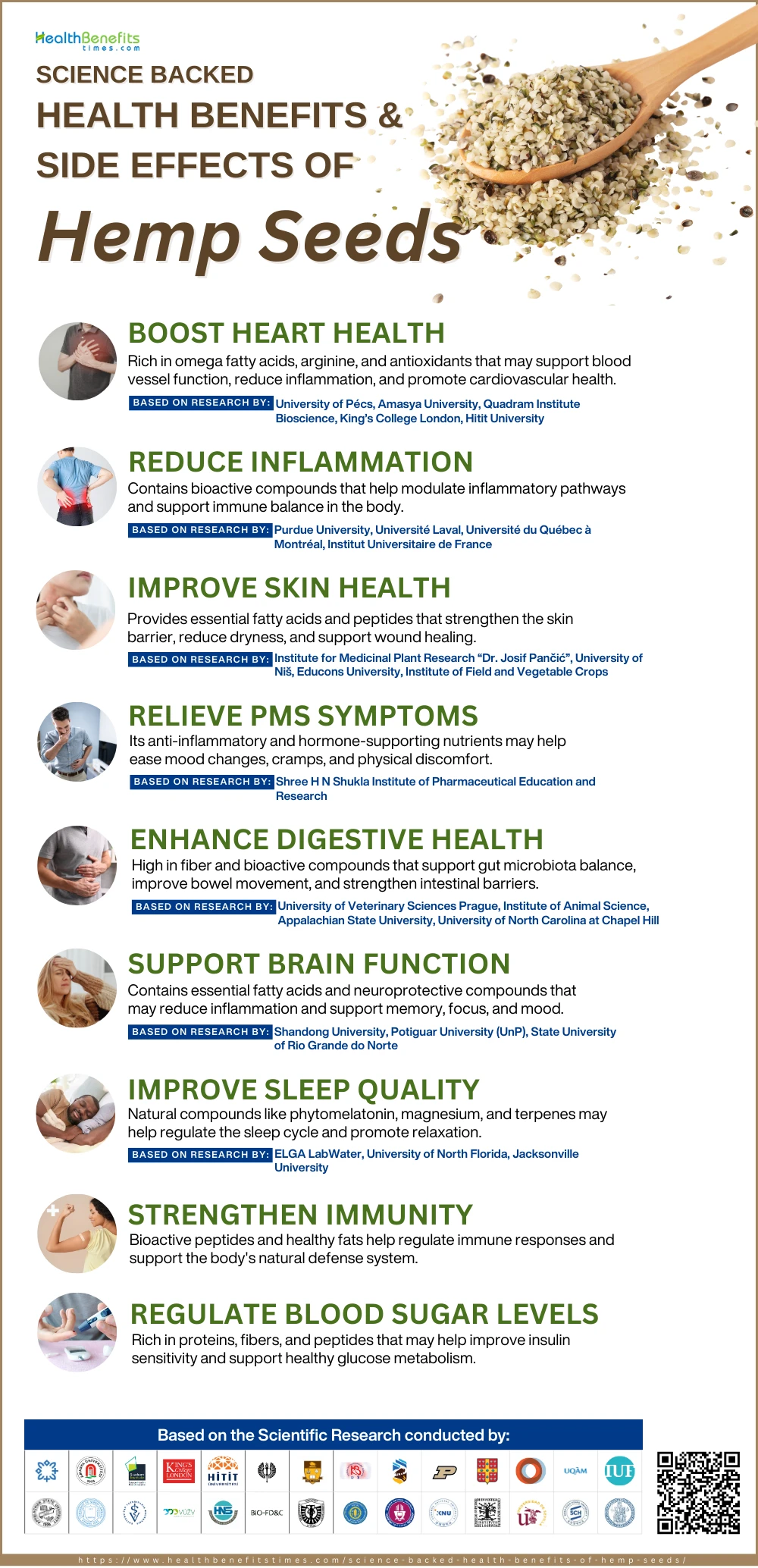
#2. Reduce Inflammation
Inflammation serves as the body’s defensive response to injury, yet its chronic activation drives pathologies ranging from ulcerative colitis and metabolic syndrome to acne vulgaris. 6 7 8 To mitigate this, specific dietary strategies leverage the potent bioactive profile of plant-based sources rich in polyunsaturated fatty acids (PUFAs)—particularly alpha-linolenic and stearidonic acids—alongside specialized proteins and polyphenols. 7 6 These nutrients function by modulating complex immune signaling, effectively dampening the TLR4/NF-κB pathway and facilitating a phenotypic switch in macrophages from pro-inflammatory (M1) to tissue-repairing (M2) states. 6 9 10 Whether ingested to reinforce the intestinal barrier against bacterial translocation or applied topically to suppress sebocyte lipogenesis, these phytochemicals actively restore homeostasis and reduce oxidative stress. 8 6
What Research Says:
- Research on human primary monocytes indicates that hemp protein hydrolysates (HPHs) significantly downregulate pro-inflammatory mediators like TNF-α and IL-6 while upregulating anti-inflammatory cytokines such as IL-4 and IL-10. 9
- According to in vivo studies on colitis, consuming the whole seed alleviates tissue injury by restoring goblet cells and tight junction proteins, specifically Zonula occludens-1 and occludin, thereby reducing gut permeability. 6
- Investigations involving Lactiplantibacillus plantarum fermentation reveal a surge in metabolites like indolelactic acid, which dose-dependently inhibits the TLR4/NF-κB signaling pathway and nitric oxide production. 10
- Metabolic research demonstrates that dietary substitution modulates the endocannabinoidome, increasing levels of anti-inflammatory omega-3-derived lipid mediators and preventing diet-induced increases in circulating PAI-1. 7
- Furthermore, hexane extracts have been shown to suppress Propionibacterium acnes-induced inflammation by inhibiting MAPK signaling cascades (ERK, JNK) and reducing 5-lipoxygenase activity. 8
#3. Improve Skin Health
Skin diseases often manifest as chronic inflammation, barrier dysfunction, or dysregulated cell differentiation, creating persistent conditions like atopic dermatitis, psoriasis, and acne. 11 Remedying these issues requires a multifaceted approach where hemp seeds excel due to their dense concentration of polyunsaturated fatty acids (PUFAs)—specifically linoleic, alpha-linolenic, and gamma-linolenic acids—alongside unique bioactive peptides and phytocannabinoids. 12 13 Whether consumed therapeutically or applied topically, these nutrients function by replenishing the lipid matrix to restore the skin barrier and modulating immune responses to dampen inflammation. 12 11 Additionally, specific phytochemicals activate the Nrf2 signaling pathway, a critical mechanism that defends keratinocytes against oxidative stress and accelerates tissue repair. 13 Through these pathways, hemp derivatives effectively alleviate dryness, pruritus, and erythema, often reducing the clinical need for conventional dermal medications. 12 11
What Research Says:
- Clinical Efficacy in Dermatitis: A 20-week randomized crossover study led by Callaway et al. demonstrated that dietary hempseed oil significantly increased plasma levels of essential fatty acids (linoleic and alpha-linolenic), which directly correlated with improved skin dryness and itchiness (p=0.027) and a measurable decrease in dermal medication usage (p=0.024). 12 14
- Peptide-Driven Wound Healing: Molecular research indicates that hemp seed-derived peptides, specifically WVYY and PSLPA, significantly enhance wound healing in human keratinocytes and provide selective antibacterial effects by inhibiting harmful S. aureus while surprisingly promoting beneficial S. epidermidis. 13
- Topical Applications for Acne and Psoriasis: Comprehensive reviews indicate that topical formulations, such as 1% hemp seed oil cream, significantly reduced sebum levels and improved acne lesions, while CBD-enriched ointments improved hydration, elasticity, and TEWL in patients with psoriasis and scars. 11
- Cellular Protection Mechanisms: In vitro studies confirm that these bioactive peptides effectively protect skin cells from UV-induced damage and oxidative stress by modulating antioxidant genes like HO-1 and CAT via the Nrf2 pathway. 13
#4. Relieve PMS Symptoms
Premenstrual Syndrome (PMS) is a multifactorial condition characterized by emotional, behavioral, and physical symptoms linked to inflammatory and hormonal imbalances. Hemp seed oil may help relieve these symptoms due to its rich profile of polyunsaturated fatty acids (PUFAs), like linoleic acid and alpha-linolenic acid (ALA), and antioxidant compounds. These nutrients exert anti-inflammatory effects by modulating the production of pro-inflammatory cytokines, such as TNF-α and IL-6, and can help restore a balanced estrogen-progesterone ratio. When consumed, these bioactive components systemically address underlying inflammatory and hormonal dysregulation. Applied externally, the oil’s fatty acids may also support skin barrier function, potentially alleviating physical discomforts associated with PMS. 15
What Research Says:
An in vitro investigation from the Department of Pharmacy, Shree H N Shukla Institute, provides scientific evidence for the role of hemp seed oil in PMS management 15 Key findings include:
- Synergistic action with evening primrose oil significantly reduced key pro-inflammatory markers (TNF-α, IL-6, IL-1β) and COX-2 expression in endometrial cells 15
- The combination restored a balanced estradiol-to-progesterone ratio in hormonal models, countering estrogen dominance 15
- Favorable modulation of estrogen receptor expression (reducing ERα, increasing ERβ) and a marked increase in neuroprotective BDNF in neuronal cells were observed 15
- Chromatographic analysis confirmed the oil’s high PUFA and antioxidant content, which underpin its mechanistic actions. 15
#5. Enhance Digestive Health
Digestive disorders, ranging from functional constipation to autoimmune conditions like ulcerative colitis, often stem from dysbiosis, enzyme deficiencies, or compromised mucosal barrier function. 16 17 To counteract these pathologies, specific bioactive compounds such as polyunsaturated fatty acids (PUFAs), insoluble fibers, and lignanamides like N-trans-caffeoyl tyramine (NCT) play a pivotal role in restoring gastrointestinal homeostasis. 18 16 Upon ingestion, these nutrients modulate the gut microbiota to increase short-chain fatty acid (SCFA) production, which nourishes colonocytes and upregulates tight junction proteins to repair epithelial damage. 16 19 Furthermore, they stimulate the release of regulatory neurotransmitters like motilin and gastrin to enhance peristalsis, while simultaneously activating the aryl hydrocarbon receptor (AhR) axis to mitigate inflammation, effectively managing conditions characterized by motility issues or intestinal injury. 16 19
What Research Says:
- Research conducted by Changshu Hospital and Nanchang University indicates that hemp seed extracts alleviate constipation by regulating serum neurotransmitters (e.g., Substance P, Endothelin) and restructuring gut flora to increase Lactobacillus and Bacteroides abundance. 19
- Studies from Guangdong Pharmaceutical University demonstrate that Hemp Seed Oil (HSO) effectively treats ulcerative colitis by promoting Muribaculum and Roseburia; these bacteria drive tryptophan metabolism into indole derivatives (IAA, 3-IAld), activating the AhR/IL-22 signaling pathway to repair intestinal barriers. 16
- Clinical investigations by Appalachian State University reveal that hemp hull fiber intake, when combined with exercise, significantly influences lipid, bile acid, and tryptophan metabolic pathways, increasing beneficial gut-derived metabolites. 18
- Additionally, agricultural studies establish that hemp seed consumption upregulates the activity of vital digestive enzymes—including amylase, lipase, and protease—within the ileum, thereby enhancing overall nutrient digestibility. 17
#6. Support Brain Function
Neurodegenerative disorders and mood instability often stem from chronic neuroinflammation, oxidative stress, and synaptic dysfunction. To counteract these pathological processes, specific bioactive compounds found in plant sources serve as critical neuroprotective agents. Essential fatty acids, particularly the balanced ratio of omega-6 to omega-3, work synergistically with specialized phytochemicals known as phenylpropionamides and lignanamides to maintain neuronal homeostasis. 20 21 Upon ingestion, these nutrients cross biological barriers to exert antioxidant effects and inhibit the NF-κB signaling pathway, effectively suppressing damaging pro-inflammatory cytokines like IL-1β and TNF-α within the brain. 22 23 This biochemical intervention helps preserve hippocampal integrity, thereby supporting memory retention and learning capabilities while potentially mitigating the risk of Alzheimer’s disease, Parkinson’s, and depression. 24 25 Furthermore, the interaction of phytocannabinoids with the endocannabinoid system modulates neurotransmission, offering a comprehensive defense against excitotoxicity and cognitive decline. 21
What Research Says:
- In vivo studies by Shandong University demonstrated that hemp seed extracts rich in phenylpropionamides prevented LPS-induced learning and spatial memory deficits in mice by reducing hippocampal neuronal damage and suppressing inflammatory markers. 23 20
- According to a clinical trial involving Korea University, participants consuming 30g of seeds daily for 45 days showed statistically significant reductions in Beck Anxiety and Depression Inventory scores, alongside improvements in executive function tasks like the Stroop test. 24
- Research on Cannabis sativa isolates indicates that specific protein hydrolysates downregulate mRNA transcriptional levels of TNF-α and IL-6 in microglial cells, suggesting potent anti-neuroinflammatory activity at the cellular level. 22
- A randomized control trial found that combining this supplementation with aerobic exercise significantly increased Brain-Derived Neurotrophic Factor (BDNF) levels in sedentary men, enhancing neuroplasticity parameters more effectively than exercise alone. 26
- Reviews from the University of Jordan emphasize the “entourage effect,” where cannabinoids, terpenes, and flavonoids act synergistically to provide superior neuroprotection against neurodegenerative pathologies compared to single compounds. 21 25
#7. Improve Sleep Quality
Sleep disorders, encompassing conditions from chronic insomnia to circadian rhythm disruptions, often stem from neurochemical imbalances and heightened physiological stress. A growing body of medical literature suggests that specific plant-based functional foods can restore homeostatic balance by modulating the endocannabinoid system and supporting nervous system health. 27 28 Crucial to this restorative process is the presence of melatonin, a hormone abundantly found in certain seed varieties that directly regulates the biological clock, alongside varying concentrations of magnesium and B-vitamins which function to stabilize nerve transmission and alleviate anxiety. 29 30 Furthermore, bioactive phytochemicals such as terpenes (specifically myrcene) and trace cannabinoids exert sedative and anxiolytic effects, offering potential therapeutic relief for complex disturbances like Restless Leg Syndrome (RLS) and PTSD-associated nightmares. 30 28 Whether ingested to influence central respiratory motor outputs or applied topically to reduce irritation that fragments sleep, these nutrients synergistically promote improved sleep latency and duration. 27 28
What Research Says:
- According to a study published in SN Applied Sciences, researchers utilizing liquid chromatography validated that hemp seeds contain the highest concentrations of phytomelatonin (up to 30.40 ng/g) compared to other plant parts, identifying them as a potent natural source for regulating sleep patterns. 29
- Clinical trials conducted by the University of North Florida and Jacksonville University demonstrated that a hemp-derived formulation containing cannabinoids and a proprietary terpene blend significantly improved global sleep quality, sleep latency, and perceptions of mental health in subjects with subthreshold insomnia. 31
- Scientific reviews highlight that the endocannabinoid system plays a pivotal role in the sleep-wake cycle, with evidence suggesting that specific cannabinoids may stabilize respiratory patterns in Obstructive Sleep Apnea (OSA) and reduce the frequency of nightmares in PTSD patients. 28
- Research also indicates that the terpene profile in the oil, particularly $\beta$-myrcene and limonene, contributes to anxiety management and sedation, while essential fatty acids in the oil have been observed to reduce skin irritation, indirectly facilitating uninterrupted rest. 30 27
#8. Strengthen Immunity
Immune dysfunction occurs when the body’s defense mechanisms either become hyperactive, driving chronic inflammation and autoimmune disorders, or fail to adequately recognize pathogens. To counteract this, specific phytochemicals and nutrients can be utilized to modulate biological signaling pathways. For example, bioactive peptides and phenolics found in plant sources serve as potent anti-inflammatory agents, directly inhibiting the release of pro-inflammatory cytokines like TNF-α and IL-1β which drive systemic inflammation. 32 Furthermore, essential fatty acids such as alpha-linolenic acid (ALA) and stearidonic acid function as critical precursors for long-chain polyunsaturated fatty acids, which are necessary for synthesizing immunoglobulin G (IgG) and supporting neonatal immune development. 33 Beyond systemic support, specific botanical extracts can also address localized autoimmune conditions, such as alopecia, by downregulating the expression of stress-induced genes (JAK1, STAT1) in T-cells. 34 Thus, whether consumed to bolster innate immunity or applied topically to regulate follicular immune responses, these agents help restore homeostatic balance. 34 32
What Research Says:
- Modulation of Inflammatory Pathways: Research conducted by the Department of Food Science and Biotechnology at Andong National University indicates that fermenting hemp seeds with Lactiplantibacillus plantarum significantly boosts their immunomodulatory potential. The study observed that these fermented extracts reduced inflammatory cytokines by up to 39.3% and identified novel biopeptides capable of enhancing innate immunity against pathogens. 35 32
- Autoimmune Regulation in Dermatology: According to a study published in the International Journal of Molecular Sciences, exosomes derived from germinated hemp seed callus effectively modulated the immune system within hair follicles. The findings showed a marked downregulation of alopecia-activating markers in CD8+ T cells, suggesting a protective mechanism against autoimmune-driven hair loss. 34
- Maternal and Neonatal Immunity: Evidence from a study published in the Journal of Animal Science and Biotechnology demonstrated that dietary supplementation with hemp seed oil in lactating subjects improved the immune status of offspring. The data revealed increased plasma concentrations of IgG and beneficial conversion of fatty acids, confirming the transfer of immunologic benefits through nutrition. 33
#9. Regulate Blood Sugar Levels
Metabolic disorders characterized by chronic hyperglycemia, such as Type 2 diabetes, typically arise from progressive insulin resistance and the eventual depletion of pancreatic beta-cells. 36 Nutritional strategies incorporating functional foods can mitigate these pathologies through specific bioactive mechanisms. The ingestion of unique lipid profiles containing polyunsaturated fatty acids (PUFAs), specifically stearidonic acid (SDA) and gamma-linolenic acid (GLA), aids in restoring cellular membrane homeostasis and diminishing the inflammatory signaling pathways that exacerbate insulin resistance. 37 Concurrently, bioactive peptides derived from storage proteins like edestin and vicilin function as inhibitors of Dipeptidyl peptidase-IV (DPPIV), an enzyme that degrades insulin-stimulating incretin hormones, thereby prolonging their activity. 38 Furthermore, phytochemicals such as lignanamides and flavonoids exert potent antioxidant effects that protect pancreatic tissues from oxidative stress and inhibit alpha-glucosidase, effectively modulating carbohydrate absorption and improving glycemic homeostasis. 36
What Research Says:
- According to preclinical research involving a high-fat, high-sucrose murine model, dietary substitution with Cannabis sativa seeds maintained lower fasting glucose and insulin levels compared to linseed substitution, which was associated with increased liver triglycerides and insulin resistance. 37
- This metabolic protection is linked to the modulation of the endocannabinoidome, where consumption significantly elevated anti-inflammatory omega-3 derivatives like 2-SDG and prevented diet-induced intestinal permeability, a key factor in systemic inflammation. 39
- In a study utilizing diabetic Wistar rats, the administration of these seeds resulted in a significant reduction of blood glucose levels from a hyperglycemic state of 392.7 mg/dL to 225.2 mg/dL, alongside a decrease in fructosamine and total cholesterol levels. 36
- Computational screening by the Mahidol Wittayanusorn School identified specific peptide sequences, namely FNVDTE and EAQPST, which exhibited high binding affinity to the DPPIV enzyme, suggesting they function as natural therapeutic agents comparable to synthetic antidiabetic drugs. 38
Health Risks and Precautions of Hemp Seeds
Side Effects
1. The known adverse effects of consuming hemp seeds include potential allergic reactions in susceptible individuals, with key allergens identified as thaumatin-like proteins and edestin. Additionally, due to its fatty acid profile, concurrent consumption with anticoagulant therapy may enhance the risk of bleeding, and when combined with antihypertensive medications, it may lead to excessive reductions in blood pressure. There is also a noted variability in tetrahydrocannabinol (THC) concentrations in some consumer-grade hemp seeds, with some products exceeding legal limits. 1
2. The consumption of high doses of certain hemp seed extracts may induce toxicity or counteract intended effects, as evidenced by a study where a high dose of a phenylpropionamide (TPA) extract (2 g/kg) showed no significant anti-inflammatory effect in mice, unlike a lower dose. 20 Furthermore, oral administration of high doses of cannabidiol (CBD), a phytocannabinoid that can be present in trace amounts in hemp seed oil, has been associated with increased somnolence. 21
3. Hemp seeds contain antinutritional factors, such as trypsin inhibitors, phytic acid, cyanogenic glycosides, condensed tannins, and saponins, which can reduce protein digestibility and limit the bioavailability of nutrients. Specifically, the high content of polyunsaturated fatty acids (PUFAs) in hemp seeds makes them highly susceptible to oxidation when exposed to heat, light, or air, which can lead to rancidity and affect food quality. 30 Additionally, while hemp seeds themselves contain no more than trace amounts of cannabinoids, they can be contaminated with sticky resin from the plant’s flowers during harvesting, potentially leading to unintended exposure to psychoactive compounds like THC and CBD. 27
4. Hemp oil, derived from the seeds, contains some trans-fatty acids which are correlated with atherosclerosis due to their role in blocking the synthesis of other polyunsaturated fatty acids. 36
5. Consumption of hemp seeds may trigger allergic reactions in susceptible individuals, particularly those with pre-existing sensitivities to plant-based proteins or cross-reactivity with other seeds and nuts; specific allergens identified include thaumatin-like proteins and edestin. Additionally, high doses or concurrent use with certain medications may lead to hypotensive symptoms (excessive reduction in blood pressure) due to the vasodilatory effects of arginine and bioactive peptides found in the seeds. 40
Food Incompatibilities
1. Hemp seeds contain significant levels of phytic acid (approximately 2.80 g/100 g in whole seeds), which can compromise the absorption of essential minerals, specifically iron and zinc. 30
2. Hemp seeds contain antinutrients known as phytates, which have been shown to compromise the absorption of essential minerals, specifically causing a reduction in the absorption of iron, zinc, and phosphorus. 41
Timing & Conditions
1. Hemp seed oil should be avoided during cooking processes that involve heat, as high temperatures can degrade its nutritional quality and cause oxidation of its essential fatty acids. Instead, it is recommended to consume the vitamins and minerals in their natural form. 30
2. Individuals scheduled for surgery should discontinue hemp seed consumption at least two weeks prior to the procedure due to potential anticoagulant effects that could increase bleeding risk. Pregnant and lactating women are advised to exercise caution regarding consumption because there is currently limited safety data available for these specific populations. 40
Contraindications
1. Consumption of hemp seeds should be avoided or approached with caution by individuals with a known allergy to hemp or other seeds/nuts. They are also contraindicated for patients with bleeding disorders or those scheduled for surgery, who should discontinue use at least two weeks prior to procedures due to potential anticoagulant effects. Pregnant and lactating women should exercise caution due to limited safety data, and individuals with severe cardiovascular disease (e.g., unstable angina or recent myocardial infarction) should consult a healthcare provider before use due to potential vasodilatory effects interacting with cardiovascular instability. 1
2. Specific medical conditions that make hemp seed consumption unsafe are not detailed in the provided documents. However, it is noted that industrial hemp products must legally contain very low levels of tetrahydrocannabinol (THC), typically below 0.3%, to avoid psychoactive effects associated with higher THC concentrations found in other cannabis varieties. 21
3. Consumption is contraindicated or requires strict medical consultation for individuals with severe cardiovascular disease, such as unstable angina or recent myocardial infarction, as the vasodilatory effects may interact with existing cardiovascular instability. Patients with bleeding disorders should also avoid hemp seeds due to their potential to inhibit platelet aggregation and increase bleeding time. 40
Drug Interactions
Hemp seeds have potential interactions with anticoagulant drugs, as their fatty acids can exert antithrombotic effects, posing an additive risk of bleeding. They also interact with antihypertensive medications (e.g., ACE inhibitors, calcium channel blockers, or beta-blockers), as hempseed-derived peptides have ACE-inhibitory activity and its high arginine content promotes vasodilation, which may potentiate the drugs’ effects and cause excessive hypotension. 1
2. Hemp seeds should not be combined with anticoagulant medications (e.g., warfarin) without medical advice, as the omega-3 fatty acids and other components may have an additive effect on coagulation pathways, potentially elevating the International Normalized Ratio (INR) and increasing bleeding risk. Furthermore, due to their potential to lower blood pressure, hemp seeds may potentiate the effects of antihypertensive medications—such as ACE inhibitors, calcium channel blockers, or beta-blockers—potentially leading to excessively low blood pressure. 40
External Pesticides and Mold
1. The documents recommend ensuring the safety of hempseed-based food products through comprehensive toxicity and allergenic evaluations, and given the increasing incorporation of hempseed into functional foods, continued risk assessment is essential. 1 It is implied that choosing products with appropriate safety certifications is prudent.
2. Hemp plants are capable of phytoremediation, meaning they can accumulate heavy metals from the soil, which requires investigation regarding the safety of the seeds. 30 Furthermore, hemp seeds can be contaminated by the resin of the plant’s inflorescence, and studies have identified cannabinoids in commercially available organic hemp seed oils, indicating that certification does not guarantee the absence of these compounds. 27
Comments
comments
This article is based on Scientific Research Conducted by following Research Organization:
- Dietary hempseed and cardiovascular health: nutritional composition, mechanisms and comparison with other seeds–University of Pécs, Hungary, Amasya University, Türkiye, Quadram Institute Bioscience, United Kingdom, King’s College London, United Kingdom, Hitit University, Türkiye, University of Turku, Finland
- The cardiac and haemostatic effects of dietary hempseed–University of Manitoba, Canada, St. Boniface Hospital Research Centre, Canada
- The cardiac and haemostatic effects of dietary hempseed–University of Manitoba, Canada, St. Boniface Hospital Research Centre (Institute of Cardiovascular Sciences), Canada, V.I. Lenin Universitary Hospital, Cuba
- A Comparison of Fish Oil, Flaxseed Oil and Hempseed Oil Supplementation on Selected Parameters of Cardiovascular Health in Healthy Volunteers–University of Manitoba, Canada, St. Boniface Hospital Research Centre, Canada
- The effects of dietary hempseed on cardiac ischemia/reperfusion injury in hypercholesterolemic rabbits–St. Boniface Hospital Research Centre, Canada, University of Manitoba, Canada
- Hemp seed mitigates colonic inflammation through macrophage polarization and microbiota-barrier axis restoration–Purdue University, United States
- Hemp seed significantly modulates the endocannabinoidome and produces beneficial metabolic effects with improved intestinal barrier function and decreased inflammation in mice under a high-fat, high-sucrose diet as compared with linseed–Université Laval, Canada, Centre de recherche de l’Institut universitaire de cardiologie et de pneumologie de Québec (IUCPQ), Canada, Université du Québec à Montréal, Canada, Institut Universitaire de France, France, University of Naples Federico II, Italy
- The ameliorative effect of hemp seed hexane extracts on the Propionibacterium acnes-induced inflammation and lipogenesis in sebocytes–SoonChunHyang University, South Korea
- Hemp (Cannabis sativa L.) Protein Hydrolysates Promote Anti-Inflammatory Response in Primary Human Monocytes–Universidad de Sevilla, Spain, Instituto de la Grasa, Spain
- Uncovering the antiinflammatory potential of Lactiplantibacillus Plantarum fermented Cannabis Sativa L seeds–Kangwon National University, South Korea, Jeonbuk National University, South Korea
- Comprehensive Insight into Cutaneous Application of Hemp–Institute for Medicinal Plant Research “Dr. Josif Pančić”, Serbia, University of Niš (Faculty of Medicine), Serbia, Educons University, Serbia, Institute of Field and Vegetable Crops, Serbia
- Efficacy of dietary hempseed oil in patients with atopic dermatitis–University of Kuopio, Finland, Kuopio University Hospital, Finland
- Cannabis sativa (Hemp) seed-derived peptides WVYY and PSLPA modulate the Nrf2 signaling pathway in human keratinocytes–Plant Cell Research Institute of BIO-FD&C Co. Ltd., South Korea
- Efficacy of dietary hempseed oil in patients with atopic dermatitis
- In Vitro Evidence for the Synergistic Potential of Evening Primrose and Hemp Seed Oils in Premenstrual Syndrome–Shree H N Shukla Institute of Pharmaceutical Education and Research, India
- Hemp seed oil ameliorates ulcerative colitis in connection with tryptophan metabolism driven by gut microbiota
- Effects of hemp seed and flaxseed on enzyme activity in the broiler chicken digestive tract–University of Veterinary Sciences Prague, Czech Republic, Institute of Animal Science, Czech Republic
- Selective Influence of Hemp Fiber Ingestion on Post-Exercise Gut Permeability: A Metabolomics-Based Analysis–Appalachian State University, United States, University of North Carolina at Chapel Hill, United States
- Hemp seeds attenuate loperamide-induced constipation in mice–Nanjing University of Chinese Medicine, China, Nanchang University, China
- Hemp (Cannabis sativa L.) Seed Phenylpropionamides Composition and Effects on Memory Dysfunction and Biomarkers of Neuroinflammation Induced by Lipopolysaccharide in Mice–Shandong University, China
- Industrial Hemp (Cannabis sativa subsp. sativa) as an Emerging Source for Value-Added Functional Food Ingredients and Nutraceuticals
- Neuroprotective protein hydrolysates from hemp (Cannabis sativa L.) seeds
- Neuroprotective Potential of Seed Extracts: Review of In Vitro and In Vivo Studies–Potiguar University (UnP), Brazil, State University of Rio Grande do Norte (UERN), Brazil
- The effects of hemp seed consumption on depression, anxiety and cognitive improvement based on machine learning–University of Veterinary and Animal Sciences, Pakistan
- The Neurotherapeutic Arsenal in Cannabis sativa: Insights into Anti-Neuroinflammatory and Neuroprotective Activity and Potential Entourage Effects
- Effects of hemp seed alone and combined with aerobic exercise on metabolic parameters, oxidative stress, and neurotrophic factors in young sedentary men
- A Review of Hemp as Food and Nutritional Supplement
- Effects of Cannabinoids on Sleep and their Therapeutic Potential for Sleep Disorders
- Could Hemp Seeds Provide A Natural Sleep Aid?–ELGA LabWater, United Kingdom
- Hemp Seeds (Cannabis sativa L.) as a Valuable Source of Natural Ingredients for Functional Foods—A Review
- New Study Highlights Sleep Quality Improvement from Hemp-Derived Cannabinoids–University of North Florida, United States, Jacksonville University, United States
- Biopeptide-rich fermented hemp seeds: Boosting anti-inflammatory and immune responses through Lactiplantibacillus plantarum probiotic fermentation
- Effects of dietary hemp seed oil to sows on fatty acid profiles, nutritional and immune status of piglets
- Effects of Biomaterials Derived from Germinated Hemp Seeds on Stressed Hair Stem Cells and Immune Cells
- Biopeptide-rich fermented hemp seeds: Boosting anti-inflammatory and immune responses through Lactiplantibacillus plantarum probiotic fermentation
- Biochemical Changes Induced by the Administration of Cannabis sativa Seeds in Diabetic Wistar Rats
- Hemp seed significantly modulates the endocannabinoidome and produces beneficial metabolic effects with improved intestinal barrier function and decreased inflammation in mice under a high-fat, high-sucrose diet as compared with linseed
- Computational Screening for the Dipeptidyl Peptidase-IV Inhibitory Peptides from Putative Hemp Seed Hydrolyzed Peptidome as a Potential Antidiabetic Agent
- Hemp seed significantly modulates the endocannabinoidome and produces beneficial metabolic effects with improved intestinal barrier function and decreased inflammation in mice under a high-fat, high-sucrose diet as compared with linseed
- Dietary hempseed and cardiovascular health: nutritional composition, mechanisms and comparison with other seeds
- Hemp Seed-Based Foods and Processing By-Products Are Sustainable Rich Sources of Nutrients and Plant Metabolites Supporting Dietary Biodiversity, Health, and Nutritional Needs–University of Aberdeen, United Kingdom