

Nutritional Profile of Soybeans (Glycine max)
Serving Size: 100g 1
| Nutrients | Amount | DV% |
| Water | 62.6 g 2 | – |
| Energy | 172 kcal 3 | 9% |
| Protein | 18.2 g 4 | 36% |
| Total lipid (fat) | 8.97 g 5 | 12% |
| Carbohydrate, by difference | 8.36 g 6 | 3% |
| Fiber, total dietary | 6 g 7 | 21% |
| Total Sugars | 3 g 8 | – |
| Copper, Cu | 0.407 mg 9 | 45% |
| Manganese, Mn | 0.824 mg 10 | 36% |
| Iron, Fe | 5.14 mg 11 | 29% |
| Riboflavin | 0.285 mg 12 | 22% |
| Magnesium, Mg | 86 mg 13 | 20% |
| Phosphorus, P | 245 mg 14 | 20% |
| Vitamin K (phylloquinone) | 19.2 µg 15 | 16% |
| Folate, total | 54 µg 16 | 14% |
| Potassium, K | 515 mg 17 | 11% |
Source: usda.gov
Percent Daily Values (%DV) are based on a 2,000-calorie diet. Individual nutritional needs may vary depending on age, gender, activity level, and overall health.
Science Backed Health Benefits of Soybeans (Glycine max)
#1. Lower High Blood Pressure
High blood pressure creates excessive force against arterial walls, posing risks to major organs like the brain and kidneys if left unchecked. 1 Certain bioactive compounds found in legumes offer a potent natural intervention mechanism by targeting the physiological roots of hypertension. Specifically, isoflavones function as phytoestrogens that balance antioxidant activity against free radicals, thereby reducing the oxidative stress that leads to endothelial disorders. 2 3 Additionally, soy protein provides L-arginine and phytosterols; the former assists in lowering LDL cholesterol, while the latter interferes with cholesterol biosynthesis, collectively alleviating cardiovascular strain. 1 High intakes of these nutrients, alongside vitamin C, increase nitric oxide levels to facilitate vasodilation. 2 This nutritional profile effectively helps manage both systolic and diastolic pressures in hypertensive, prehypertensive, and normotensive individuals, including those managing risks during reproductive years. 3
What Research Says:
- According to research conducted by the Ministry of Health Polytechnic Semarang, a daily intervention of 40 grams of soy milk significantly lowered both systolic and diastolic blood pressure in women of reproductive age compared to a control group receiving only education. 4
- Pre-clinical trials involving the Khalsa College of Pharmacy demonstrated that combining Glycine max seeds with Atenolol in salt-induced hypertensive rats reduced blood pressure more effectively than the drug alone, while simultaneously boosting antioxidant markers like superoxide dismutase (SOD) and catalase. 1
- Clinical observations published in the International Journal of Multidisciplinary Education and Research revealed that women consuming 25 grams of edamame daily alongside Amlodipine experienced a significantly greater drop in systolic pressure (20.7 mmHg) compared to those on medication alone. 2
- Epidemiological investigations noted by Welty et al. confirm that soy nuts decrease blood pressure across various tension levels and successfully lower inflammation markers. 3
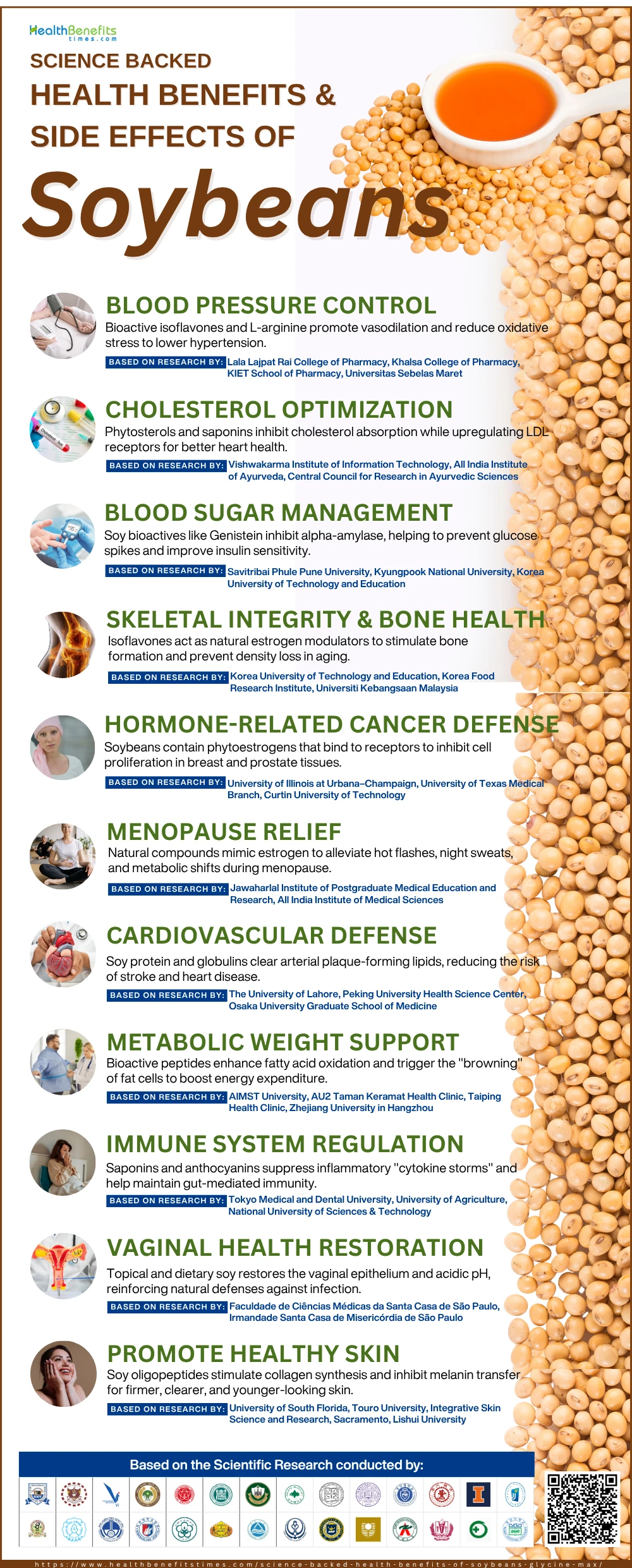
Dyslipidemia, a metabolic irregularity characterized by elevated serum lipid concentrations, represents a significant precursor to cardiovascular pathology, yet it can be effectively managed through targeted nutritional biochemistry. Cholesterol—a sterol essential for membrane integrity but detrimental in excess—is modulated by bioactive constituents found in Glycine max, including isoflavones (genistein, daidzein), phytosterols, saponins, and globulin proteins like glycinin. 5 Mechanistically, these phytochemicals function by upregulating hepatic enzymes such as cholesterol 7 alpha-hydroxylase (Cyp7a1) and peroxisome proliferator-activated receptor alpha (Ppara), which are critical for converting cholesterol into bile acids and enhancing fatty acid oxidation 6 When these nutrients are ingested, they competitively inhibit cholesterol absorption in the gastrointestinal tract and enhance the expression of LDL receptors on hepatocytes, thereby facilitating the clearance of Low-Density Lipoprotein (LDL) and Very Low-Density Lipoprotein (VLDL) from circulation. 5 Consequently, this dietary intervention not only reduces Total Cholesterol (TC) and Triglycerides (TG) but also favorably elevates High-Density Lipoprotein (HDL), offering a comprehensive improvement in the lipid profile. 7 8
What Research Says:
- Clinical trials conducted at Kyungpook National University demonstrated that while a 10-week supplementation with Glycine max leaf extract did not induce weight loss in overweight subjects, it successfully lowered total plasma cholesterol and significantly increased HDL levels compared to placebo (205, 206). 9 8
- Research utilizing ApoE-deficient mice at the University of Miyazaki highlighted that black soybean seed coat extracts mitigate dyslipidemia by stimulating the transcription of hepatic metabolism genes, specifically Cyp7a1 and Hmgcoar, effectively reducing liver lipid accumulation. 6
- Investigative work from the University of Dschang emphasizes the importance of culinary processing; findings indicated that boiled unhulled soybeans were superior for lowering LDL, whereas roasting was more effective for enhancing HDL levels, likely due to the preservation of phenolic content and antioxidant capacity. 10
- Further experimental studies on high-cholesterol diet-fed rats corroborated that crude methanol seed extracts dose-dependently reduced LDL, VLDL, and triglycerides while reversing the HDL suppression typically caused by high-fat diets. 7
- A comprehensive review by the University of Lahore consolidates these observations, noting that soybean bioactives contribute to a 24-37% reduction in cardiovascular risk factors by normalizing lipid profiles through these multifaceted biological pathways. 5
#3. Manage Blood Sugar level
Diabetes Mellitus, specifically Type 2, is driven by peripheral insulin resistance and pancreatic beta-cell insufficiency, often exacerbated by metabolic disorders like obesity. Soybeans offer a therapeutic intervention through bioactive phytochemicals such as Genistein, Taraxerol, and beta-Amyrin, which exert multi-targeted effects on glucose metabolism. When ingested, these nutrients function by inhibiting enzymes like alpha-amylase—crucial for carbohydrate breakdown—thereby moderating blood sugar spikes in a manner comparable to standard pharmaceutical agents. 11 Furthermore, in individuals with prediabetes, soybean leaf extracts have been observed to enhance insulin sensitivity and regulate lipid profiles, effectively lowering fasting blood glucose and HbA1c levels without impacting lean body mass. 12 By modulating pathways involving PPAR- gamma and insulin signaling proteins, these soy-derived compounds help prevent the progression from mild hyperglycemia to full-blown diabetes. 12 11
What Research Says:
- Clinical trials involving overweight adults with mild hyperglycemia demonstrate that 12 weeks of soybean leaf extract (SLE) supplementation significantly decreases baseline-adjusted blood glucose, HbA1c, and HOMA-IR levels compared to placebo groups. 12
- According to in-silico and in-vitro research from the Smt. Kashibai Navale College of Pharmacy, the phytochemical Genistein displays high binding affinity for therapeutic targets like Peroxisome Proliferator-Activated Receptor-gamma and Cholesteryl Ester Transfer Protein, suggesting potent antidiabetic and anti-obesity mechanisms. 11
- Laboratory assays confirm that Genistein inhibits alpha-amylase activity by approximately 75.3%, exhibiting potency nearly equivalent to the standard drug acarbose, which supports its efficacy in controlling post-prandial hyperglycemia. 11
- Studies further indicate that SLE administration not only improves glycemic control but also favorably alters lipid metabolism by increasing plasma HDL-cholesterol and reducing atherogenic risks in prediabetic subjects. 12
#4. Support Bone Health
Bone diseases, such as osteoporosis and osteopenia, are characterized by a metabolic imbalance where bone resorption exceeds formation, often precipitated by aging or hormonal declines like estrogen or androgen deficiency. 13 To counteract this deterioration, specific phytochemicals found in legumes—primarily isoflavones like genistein, daidzein, and glycitin—function as selective estrogen receptor modulators (SERMs) to support skeletal integrity. 14 These nutrients exert their protective effects by inhibiting osteoclastogenesis (bone breakdown) and simultaneously stimulating osteoblast activity (bone formation) through the modulation of critical signaling pathways, including BMP-Smad-Runx2. 15 13 Whether ingested as fermented dietary products or standardized extracts, these compounds effectively target postmenopausal and senile osteoporosis by enhancing bone mineral density and reducing marrow adiposity. 16 13
What Research Says:
- Research utilizing ovariectomized mouse models demonstrated that a standardized mixture of Cervus elaphus sibiricus and Glycine max (BPX) significantly attenuated bone density loss and normalized turnover markers by regulating BMP and MAPK signaling pathways. 15 17
- A systematic review of 52 randomized controlled trials indicated that soy isoflavone consumption significantly improved bone mineral density in the lumbar spine and hip, particularly in normal-weight subjects, while a separate meta-analysis highlighted a 54% density increase in postmenopausal women receiving doses above 75 mg/d. 18 19
- Comparative studies on senescence-accelerated mice revealed that fermented soybean (Doenjang) was more effective than non-fermented varieties in enhancing osteogenesis, whereas yellow and black soybeans effectively inhibited bone turnover in rat models. 20 13
- While genistein successfully prevented bone loss in androgen-deficient male mice, conflicting findings in adult rats suggested that isoflavones might reduce turnover rates without successfully reversing established osteopenia. 16 21 14
#5. Reduce Risk of Hormone-Related Cancers
Malignancy arises when cellular regulation fails, often exacerbated by hormonal dysregulation in sensitive tissues. Dietary intervention with specific legumes offers a potent protective mechanism; specifically, the bioactive compounds genistein, daidzein, and glycitein function as isoflavones that structurally mimic endogenous estrogens. 22 These phytochemicals bind selectively to estrogen receptors—preferentially ER-beta—acting as weak agonists or antagonists to modulate hormonal impact, induce apoptosis, and inhibit cell proliferation. 22 23 Research indicates that these nutrients, found abundantly in soy foods, contribute to a prophylactic effect against hormone-dependent conditions, particularly prostate and breast cancers, by altering steroid hormone metabolism and reducing circulating ovarian steroids. 24 25 Furthermore, non-hormonal pathways, such as antioxidant activity and the inhibition of angiogenesis, play a critical role in stalling carcinogenesis when these nutrients are ingested. 26
What Research Says:
- Epidemiological Meta-Analyses: A comprehensive meta-analysis of 81 prospective cohort studies indicates that higher soy intake is significantly associated with a 10% reduced risk of cancer incidence, with specific inverse associations noted for prostate and lung malignancies. 27 Similarly, an updated systematic review of 30 articles confirms that total soy food, genistein, and daidzein intakes are statistically linked to reduced prostate carcinogenesis. 28
- Clinical Trials on Hormonal Impact: In a controlled metabolic study involving premenopausal women, the daily ingestion of soy milk for one month resulted in a significant 31-81% decrease in serum 17 beta-estradiol levels and a 35% decrease in progesterone, mechanisms likely contributing to reduced breast cancer risk. 25
- Comparative Population Studies: Research highlights a marked disparity in breast cancer incidence, with Asian populations showing significantly lower risks compared to Western cohorts; this is attributed to high lifelong consumption of isoflavone-rich foods like tofu and miso, which have been associated with lower recurrence and mortality rates in survivors. 22 26
- In Vitro and Animal Models: Experimental data consistently show that genistein inhibits prostate tumor development and cell growth in vitro, supporting the potential of soy as a prophylactic dietary approach. 23
#6. Alleviate Menopausal Symptoms
Menopause is defined as the cessation of ovarian function and the subsequent decline in estrogen production, a transition often complicated by “inflammaging,” oxidative stress, and heightened risks of metabolic syndrome. 29 To play a compensatory role, phytoestrogens—specifically isoflavones found in Glycine max—structurally mimic endogenous estrogen, allowing them to bind to receptors and mitigate physiological instability. 29 30 These phytochemicals exert potent antioxidant, anti-inflammatory, and anti-diabetic effects, offering protection against cardiovascular pathologies, visceral obesity, and insulin resistance that frequently develop during this phase. 29 When ingested, whole soybeans or fermented extracts systematically target vasomotor and metabolic derangements, whereas topical application of isoflavone gels directly restores vaginal epithelium thickness and lowers pH to treat atrophy. 31 30 32 Consequently, these nutrients serve as a versatile, natural therapeutic strategy for managing the complex pathology of estrogen deficiency. 33
What Research Says:
- According to a review by the Jawaharlal Institute of Postgraduate Medical Education and Research, soy isoflavones alleviate metabolic complications, such as hepatic steatosis and lipid derangements, by counteracting oxidative stress and inflammation. 29
- The Women’s Study for the Alleviation of Vasomotor Symptoms (WAVS) observed that a low-fat vegan diet combined with whole soybeans decreased the frequency of moderate-to-severe hot flashes by 84% and significantly improved physical and sexual quality of life domains. 30
- In a randomized trial utilizing Soygan capsules, researchers noted a significant reduction in Menopause Rating Scale (MRS) scores compared to placebo, confirming systemic benefits without adverse effects on thyroid hormones. 33
- Clinical investigations into topical treatments found that 4% isoflavone vaginal gel successfully increased superficial cells and reduced vaginal pH from 7.1 to 5.4, effectively reversing atrophy symptoms. 31
- Evidence from trials on fermented soybean-lettuce powder also indicated a significant decrease in the Kupperman index, verifying its efficacy in managing menopausal syndromes without altering lipid profiles. 32
#7. Enhance Heart Health
Cardiovascular disease, a leading cause of global mortality, often stems from hyperlipidemia, where elevated lipids deposit in arterial walls, precipitating atherosclerosis and obesity. To combat this, specific bioactive components such as isoflavones (genistein, daidzein), phytosterols (sitosterol), and globulin proteins exert profound physiological effects by modulating lipid metabolism. Mechanistically, these phytochemicals function by upregulating LDL receptors on liver cell membranes, which accelerates the clearance of circulating cholesterol, while simultaneously inhibiting intestinal fat absorption through agents like soyasaponins. 34 Consequently, the intake of these nutrients is instrumental in preventing severe conditions like coronary heart disease, acute myocardial infarction, and stroke. 35 36 Whether ingested as whole foods or administered as concentrated extracts, these compounds actively normalize serum lipid profiles by lowering triglycerides and low-density lipoproteins, thereby offering a robust defense against oxidative stress and metabolic dysfunction. 34 37
What Research Says:
- Research analyzing data from 0.5 million individuals indicates that consuming soy products at least four days a week is associated with a significantly reduced risk of mortality from acute myocardial infarction. 35
- Systematic reviews and meta-analyses focused on Western populations reveal that high isoflavone intake correlates with a lower risk of coronary heart disease, demonstrating a linear dose-response relationship. 38
- Experimental studies by the University Institute of Diet & Nutritional Sciences and other institutions confirm that fermented soy and ethanol extracts effectively reduce total cholesterol, triglycerides, and LDL levels in hyperlipidemic subjects. 34 37
- Further investigations into Glycine max supplementation in obese models show a notable enhancement in total antioxidant capacity and superoxide dismutase activity, which helps manage dyslipidemia. 39
- While prospective cohort data can be variable, case-control studies strongly support an inverse association between soy intake and the incidence of both stroke and coronary heart disease. 36
#8. Support Weight Management
Obesity is fundamentally a multifactorial disease characterized by excessive fat accumulation and associated with severe comorbidities, making weight reduction a critical medical priority. 40 Bioactive compounds, specifically isoflavones, soy protein, and dietary fiber, serve as potent metabolic modulators that facilitate weight management through distinct physiological pathways. 40 41 Mechanistically, these phytochemicals enhance fatty acid oxidation and up-regulate genes such as PPARA and CPT1a, effectively mitigating visceral fat deposition and hepatic steatosis, particularly in postmenopausal models where estrogen deficiency drives weight gain. 42 Additionally, specific germinated extracts have been observed to suppress adipocyte differentiation and trigger the “browning” of white adipose tissue via UCP1 expression, thereby activating beige fat to burn energy rather than store it 43 These protective effects against diet-induced and hormonal obesity are primarily mediated when these bioactive components are ingested and metabolized. 42 43
What Research Says:
- Clinical Efficacy in Weight Loss: A randomized controlled trial involving 100 obese volunteers found that a soy-based meal replacement regimen led to significantly greater weight loss (7.0 kg) compared to a control group (2.9 kg) over a 12-week period, with concurrent reductions in total and LDL cholesterol. 44
- Impact of Fiber Supplementation: Research conducted on 39 overweight adults demonstrated that consuming soy fiber-supplemented biscuits for 12 weeks resulted in significant improvements in Body Mass Index (BMI), waist circumference, and fasting LDL-cholesterol levels. 41
- Epidemiological Findings: A study of 1,418 women in Hawaii revealed that higher soy intake during adulthood was significantly associated with lower BMI, a correlation most pronounced in Caucasian and postmenopausal women. 45
- Mechanistic Animal Studies: In experiments with ovariectomized rats, the oral administration of isoflavone-enriched soybean leaves significantly reduced visceral fat mass and liver triglyceride accumulation by enhancing fatty acid oxidation. 42
- Metabolic Regulation: Investigation into germinated soy germ extract (GSGE) showed that a daily dose of 1 mg/kg in mice reduced weight gain and serum triglycerides while promoting beige fat activation through the upregulation of lipolysis and beta-oxidation. 43
#9. Promote Immune Health
Immune diseases arise when the body’s defense mechanisms either fail to detect threats or erroneously attack healthy tissue, manifesting as autoimmunity, chronic inflammation, or hypersensitivity. To regulate this delicate balance, specific phytochemicals such as isoflavones (genistein, daidzein), saponins, bioactive peptides, and anthocyanins function as potent immunomodulators. 46 47 These compounds exert their effects by interacting with mononuclear phagocytes—critical immune cells—to inhibit the Nuclear Factor kappa B (NF-kB) and MAPK signaling pathways, thereby suppressing the “cytokine storms” responsible for tissue damage. 48 49 Through this molecular tuning, these nutrients help prevent and manage conditions like inflammatory bowel disease, allergic rhinitis, and atopic dermatitis. 50 49 51 Whether ingested to reinforce the intestinal epithelial barrier and diversify gut microbiota or utilized in extracts to reduce cutaneous inflammation, these bioactives work systemically to restore immune homeostasis and prevent oxidative stress 47 49
What Research Says:
- Fermented Soy Applications: Researchers at Seoul National University observed that soy fermented with Bifidobacterium animalis effectively recovered spleen and thymus weight in immunosuppressed models, enhancing immune-stimulatory cytokines via MAPK pathways. 52 Conversely, fermented Glycine max (Douchi) was found to alleviate atopic dermatitis lesions by downregulating Protein Kinase C and IL-4, significantly reducing inflammatory markers like substance P. 51
- Respiratory and Gut Health: Clinical trials and animal studies indicate that green soybean extracts significantly lowered specific IgE levels, improving symptoms in human subjects with Japanese cedar pollinosis. 50 Furthermore, investigations into enzymatically hydrolyzed soy revealed a protective effect against colitis, where the treatment preserved tight junction proteins (ZO-1, occludin) and restored beneficial gut bacteria like Clostridiales, offering a potential therapeutic avenue for Inflammatory Bowel Disease. 49
- Systemic Modulation: Systematic reviews highlight that regular intake of soy isoflavones reduces C-reactive protein and modulates oxidative stress in metabolic syndromes, while specific peptides like lunasin demonstrate dual roles in enhancing pathogen defense and controlling inflammation. 48 47
#10. Help Prevent Vaginal Infections
Vaginal health frequently deteriorates during menopause due to hypoestrogenism, a condition leading to vulvovaginal atrophy characterized by thinned epithelium, alkaline pH, and increased susceptibility to infections. 53 Phytoestrogens, specifically isoflavones found in Glycine max (L.) Merr., offer a targeted therapeutic solution by structurally mimicking endogenous estrogen. These compounds bind to estrogen receptors in urogenital tissues, promoting epithelial proliferation, collagen synthesis, and vascularization. 53 54 This restoration of the vaginal mucosa increases local glycogen availability, which resident flora utilize to produce lactic acid, thereby re-acidifying the environment and reinforcing natural defenses against pathological bacteria. 53 Consequently, the topical application of these extracts helps manage debilitating conditions such as vaginal dryness, dyspareunia, and atrophy, providing a localized defense mechanism without the systemic risks often associated with traditional hormone replacement therapies. 53 31
What Research Says:
- Research conducted by the Department of Obstetrics and Gynecology at the Santa Casa de São Paulo School of Medical Sciences indicates significant clinical benefits from the vaginal application of isoflavone gels. 53
- Clinical trials comparing Glycine max (L.) Merr. gel to placebo demonstrated that a 12-week regimen effectively increased vaginal epithelial thickness and the percentage of estrogen-receptor-positive cells, which rose significantly from 58.5% to 82.6%. 31
- Further histological analysis confirmed a marked improvement in tissue vascularization, with isoflavone-treated groups showing a significant increase in blood vessel counts compared to baseline. 54
- Importantly, these interventions successfully lowered vaginal pH from a baseline of 7.1 to 5.4, fostering a protective acidophilic microbiome that alleviates symptoms of dryness and pruritus, all while maintaining endometrial safety with no unwanted thickening observed. 53 31
#11. Promote Healthy Skin
Cutaneous homeostasis is frequently disrupted by oxidative stress, hormonal decline, and chronic inflammation, leading to diverse conditions ranging from acne and atopic dermatitis to accelerated photoaging. Therapeutic interventions often utilize bioactive phytochemicals found in Glycine max, specifically isoflavones like genistein and daidzein, which function as phytoestrogens to interact with estrogen receptors, thereby stimulating collagen synthesis and restoring dermal density. 55 56 Beyond hormonal mimicry, soybean oligopeptides and specific fatty acids actively fortify the stratum corneum and modulate inflammatory signaling pathways, effectively ameliorating barrier dysfunction and reducing apoptosis in compromised skin. 57 Furthermore, serine protease inhibitors and conjugated peptides within these extracts prevent melanin transfer and matrix degradation, directly addressing hyperpigmentation and wrinkle formation. 58 Whether administered orally to modulate systemic factors or applied topically for localized repair, these nutrients exert potent anti-androgenic, antioxidant, and enzymatic-inhibitory effects critical for maintaining dermatological integrity. 59
What Research Says:
- A systematic review conducted by researchers at the University of South Florida and UC Davis indicates that both topical and oral soy interventions significantly improve parameters of chronological aging, hydration, and acne vulgaris through anti-androgenic activity and the stimulation of elastic fibers. 55 59
- According to experimental analysis from Chiang Mai University, conjugating soybean oligopeptides with monosaccharides like allulose creates stable cosmeceutical agents that potently inhibit tyrosinase and elastase, enzymes responsible for pigmentation and skin sagging. 58
- Studies involving Gyeongsang National University established that isoflavone-enriched soybean leaves effectively reverse ovariectomy-induced collagen loss, mimicking estrogen’s protective role against menopausal skin atrophy. 56 60
- Furthermore, investigation into black soybean extracts reveals they suppress pro-inflammatory mediators via the TNF-MAPK/NF-κB pathways, upregulating junction proteins to alleviate symptoms of atopic dermatitis. 57
Health Risks and Precautions of Soybeans (Glycine max)
Side Effects
1. The main adverse effects of soy consumption include gastrointestinal complaints. Soy is also a common food allergen, with manifestations including urticaria (hives), itching, rash, diarrhea, dyspnea (difficulty breathing), diaphoresis (sweating), and anaphylaxis. 3
2. In a randomized controlled trial, no serious adverse effects were reported by overweight subjects consuming 2g/day of Glycine max leaves extract for 10 weeks, and there was no evidence of increased plasma toxicity (as measured by GOT and GPT biomarkers) from the supplementation. 9 In-silico studies on individual phytochemicals from Glycine max suggest that compounds like Genistein are not associated with AMES toxicity, hERG-1 inhibition, or hepatotoxicity. 8 However, it is noted that natural food supplements containing high doses of flavonoids may have unknown biological effects and potential interactions with drugs, so their consumption should be supervised by a medical physician. 11
3. Consumption of soy products has been associated with alterations in circulating hormone levels. In a controlled study of healthy premenopausal women, the daily consumption of soymilk for one month led to decreases in serum 17 beta-estradiol levels at various points in the menstrual cycle (by 31%, 81%, and 49%) and a 35% decrease in luteal phase progesterone levels. Dehydroepiandrosterone sulfate levels also decreased progressively by 14-30% during the feeding period. The same study noted an increase in the average menstrual cycle length from 28.3 days to 31.8 days during the month of soy consumption. 22 The biological effects of soy isoflavones can be highly individual, as their metabolism into compounds like equol, a more potent estrogenic metabolite, depends on the composition of an individual’s intestinal microflora. The capacity to produce equol varies significantly between populations, which may influence individual responses to soy intake. Due to their structural similarity to endogenous estrogens, soy isoflavones possess estrogenic properties and can bind to estrogen receptors, which underpins many of their biological effects. 25
4. Soybeans may cause adverse effects, including allergies in some individuals. 26
5. The documents do not detail any known adverse effects of consuming soybeans. One study on postmenopausal women noted that soybean extract alleviated menopause syndrome “without any special side effects”. 33 Another trial comparing soybean and omega-3 fatty acid supplements reported that the interventions had “no effects on the blood lipids and thyroid hormone”. 32
6. A 12-week prospective randomized controlled clinical trial investigating a low-calorie soy-based meal replacement program for the treatment of obesity reported that the treatment was well tolerated and no serious side effects were detected. 44
7. The primary documented adverse effect associated with soy consumption is allergy. Soy allergy is an IgE-mediated hypersensitivity reaction triggered by specific allergenic proteins in soybeans, notably Gly m 5 (β-conglycinin) and Gly m 6 (glycinin). These proteins are thermally stable and resistant to digestion, making them potent allergens. Reactions in sensitized individuals can range from mild symptoms like urticaria (hives) and gastrointestinal disturbance to severe, life-threatening anaphylaxis involving respiratory difficulty. It is noted that most children outgrow this allergy as they get older. 47
Beyond allergies, the documents consistently report that moderate soy consumption is safe. One review states that for a healthy person, eating soy foods like tofu, edamame, and soy milk in a normal diet is safe and does not contain high enough concentrations of phytoestrogens to produce toxic effects. It clarifies that an upper limit for a recommended dietary allowance (RDA) related to phytoestrogen toxicity is essentially non-existent, as normal oral consumption of soy as food will not reach toxic levels. Studies reporting adverse effects typically involve very high, non-dietary intake from concentrated supplements, and even those results are debated. Furthermore, a substantial body of evidence indicates that moderate soy consumption is not only safe but potentially beneficial for health. The comprehensive review of studies from 2018-2025 found insufficiently consistent adverse-effect outcome information with respect to thyroid function or reproductive hormones, which strengthens the evidence base supporting the general safety of soy for consuming adults. 47
8. Soybeans contain several naturally occurring components that can negatively impact nutritional quality and health, particularly when the beans are not properly processed.
- Protease Inhibitors and Lectins: Raw soybeans contain protease inhibitors and lectins. Protease inhibitors can cause pancreatic hypertrophy and hyperplasia, ultimately inhibiting growth. Lectins can bind to receptors on the cells lining the intestinal mucosa, interfering with nutrient absorption and inhibiting growth. These factors are generally destroyed by adequate heat treatment 61
- Heat-Stable Antinutritional Factors: Soybeans also contain relatively heat-stable factors that can produce antinutritional effects. These include goitrogens, tannins, phytoestrogens, flatus-producing oligosaccharides, phytate, and saponins 61
- Nutrient Interactions: Other, less-defined factors in soybeans appear to increase the body’s requirements for certain vitamins, including vitamins A, B12, D, and E 61
- Lysinoalanine Formation: Processing soybeans under severe alkaline conditions can lead to the formation of lysinoalanine, a compound that has been shown to damage the kidneys of rats. This is not generally a concern for edible soy proteins produced under milder, standard alkaline conditions 61
- Allergenic Response: Soybeans can cause an allergenic response in some individuals, including humans, as well as calves and piglets, upon dietary exposure. 61
9. Based on a review of the provided scientific documents, the following health risks and precautions associated with soybean consumption have been identified.
-
- Soybeans are a major food allergen, particularly in children, with reactions ranging from atopic dermatitis to more severe allergic responses mediated by IgE and IgG antibodies to various soy protein fractions. 62 The allergenic potential is well-documented, with soybean included in the list of major food allergens requiring specific labeling. 63 Research has focused on reducing the immunodominant protein P34 (Gly m Bd 30K) to create soybeans with lower allergenicity. 64
- The isoflavone fraction in soybeans can cause side effects due to its pseudohormonal activity. In females, this has been linked to precocious thelarche and uterine fibroids. In males, reported effects include gynaecomastia, hypogonadism, and erectile dysfunction. These hormonal effects are the basis for soy’s use in managing menopausal symptoms but also the cause of these adverse events. 63
- Consumption of soybeans has been associated with various other adverse effects, including gastrointestinal issues like enterocolitis, vomiting, abdominal pain, and diarrhea. Other documented effects include thyroid dysfunction, bladder cancer, and specific cases such as hypophosphataemia in very-low-birthweight infants and migraine. 63
- Soybean seeds and soy foods contain significant levels of oxalate, primarily as calcium oxalate crystals. This is a concern because absorbed oxalate is excreted by the kidneys and can bind with calcium to form insoluble salts, potentially precipitating as kidney stones. 65
- Raw soybeans contain heat-labile factors, notably protease inhibitors, which exert antinutritional effects. In rats, the prolonged feeding of raw soy flour or a concentrated trypsin inhibitor fraction has led to pancreatic hypertrophy, hyperplasia, and the development of neoplastic nodules, including carcinomas. 66 67 It is noted that these effects are observed with high concentrations of inhibitors and may not be directly relevant to the anticarcinogenic effects seen at lower concentrations. 67
Food Incompatibilities
N/A
Timing & Conditions
1. In a clinical study examining the effects of soya consumption, the intervention began within 6 days after the onset of menses in premenopausal women. The study reported significant changes in steroid hormone levels at specific points in the menstrual cycle (days 5-7, 12-14, and 20-22) and an increase in overall menstrual cycle length during the month of soy milk feeding. 25
Contraindications
1. Soy is a common food allergen. Therefore, individuals with a known allergy to soy should avoid its consumption. 3
2. Individuals with medical conditions that are sensitive to hormonal changes should exercise caution with soy consumption, as soy isoflavones have been shown to alter circulating levels of steroid hormones, including estradiol and progesterone. 22 Furthermore, the structural similarity of isoflavones to estrogen allows them to bind to estrogen receptors, which could theoretically influence hormone-sensitive conditions. The metabolism of soy isoflavones, particularly the conversion of daidzein to the more potent equol, is highly variable among individuals and is dependent on the composition of the gut microbiota. This variability means that the physiological effects of soy consumption can differ significantly from person to person, and its clinical effectiveness may be related to an individual’s ability to produce equol. 25
3. The only clear contraindication for soy consumption identified in the documents is a diagnosed soy allergy. For individuals with this condition, the primary management strategy is the strict avoidance of soy and soy-containing products. The documents do not list any other medical conditions that make soy consumption unsafe. In fact, they discuss the potential benefits of soy for various conditions, including metabolic syndrome, type 2 diabetes, non-alcoholic fatty liver disease (NAFLD), and for managing menopausal symptoms, provided it is consumed appropriately. 47
4. Based on the provided documents, a specific contraindication relates to the processing method. While not a direct contraindication for all soy, the formation of lysinoalanine under severe alkaline processing conditions has been linked to kidney damage in rats. This suggests that individuals with pre-existing kidney concerns might need to be cautious about consuming soy products processed in this specific, harsh manner, although this is not typical for most edible soy proteins. 61 No other specific medical conditions are mentioned as direct contraindications.
5. Individuals with a known allergy to soybeans should avoid consumption due to the risk of severe allergic reactions. 63 62 Individuals with a history of calcium oxalate kidney stones should limit or avoid soy consumption, as the oxalate content in soybeans and soy foods exceeds recommended levels for this population. 65 Due to the pseudohormonal effects of soy isoflavones, consumption may be contraindicated in individuals with hormone-sensitive conditions. This is based on reports linking soy to reproductive disorders, precocious puberty, and certain cancers. 62
Drug Interactions
1. The documents do not list any specific medicines that should not be taken with soybeans. On the contrary, research indicates potential beneficial interactions. One study found that combining the beta-blocker drug Atenolol with Glycine maxwas more effective in treating hypertension while simultaneously reducing the drug’s negative effect on the lipid profile. 1 Another study on women of childbearing age with hypertension showed that giving edamame extract alongside the drug amlodipine was significantly more effective at lowering blood pressure than amlodipine alone. 2
2. The potential interactions between drugs and nutritional supplements containing high flavonoid doses, such as those from Glycine max, remain largely unknown. 8
3. Soy isoflavones consumed at levels comparable to those in Asian populations may reduce the risk of breast cancer recurrence in women receiving tamoxifen therapy and do not appear to interfere with tamoxifen’s efficacy. Studies suggest that high dietary intake of soy isoflavones is associated with a lower risk of recurrence among postmenopausal breast cancer patients receiving anastrozole as endocrine therapy. Furthermore, in a combined analysis of U.S. and Chinese women, post-diagnosis soy food consumption of at least 10 mg of isoflavones per day was associated with a statistically significant reduction in the risk of breast cancer recurrence. One study also found a trend for a reduced risk of cancer recurrence with increasing intake of specific isoflavones, daidzein and glycitein, among postmenopausal women. 22
4. Soybeans may have adverse effects on certain types of drug treatments, meaning they can interact negatively with specific medications. 26
5. The documents do not mention any direct interactions with specific medications. However, one document notes that factors in soybeans can increase the requirement for vitamins A, B12, D, and E. 61 This suggests a potential nutritional interaction, implying that long-term, high consumption of poorly processed soy could theoretically affect the body’s status of these vitamins, but no direct drug interactions are specified.
6. Soybean consumption has been associated with a decreased absorption of the thyroid medication levothyroxine. The ingestion of soy products, in combination with estradiol, has been linked to bleeding. Soy isoflavones may also interact with other medications, as a clinical trial involving soy isoflavones and melatonin for menopausal symptoms reported adverse events like tachycardia. Soybean protein-based formulas or soy “milk” have been implicated in serious thyroid dysfunction, particularly when combined with other substances like seaweed. 63
External Pesticides and Mold
1. The main review document supports the concern regarding external contaminants and provides a clear recommendation. It states that to mitigate risks from pesticides and mold, it is recommended to purchase organic soy products whenever possible and to check for certification labels. The document also mentions certified sustainable soy programs, such as the Round Table on Responsible Soy (RTRS) and ProTerra, as evidence of green practices and supply chain traceability, which can help consumers identify more sustainably and safely produced soy. 47
Comments
comments
This article is based on Scientific Research Conducted by following Research Organization:
- Amelioration of Atenolol Induced Hyperlipidemia by Glycine Max–Lala Lajpat Rai College of Pharmacy, India, Khalsa College of Pharmacy, India, KIET School of Pharmacy, India
- Effectiveness of giving edamame suplementation (Glycine Max l. Merrill) on improvement blood pressure in women of childbearing age with hypertension
- Chapter 126 - Effect of Soybean (Glycine max L.) on Hot Flashes, Blood Pressure, and Inflammation
- The Effect of Soybean Milk (Glycine Max L.) on Reducing Blood Pressure and Cholesterol Levels in Women of Reproductive Age–Universitas Sebelas Maret, Indonesia
- Therapeutic Effect of Glycine Max (Soybean) Bioactive Components in Cvd and Obesity–Vishwakarma Institute of Information Technology, Pune
- Daily consumption of black soybean (Glycine max L.) seed coat polyphenols attenuates dyslipidemia in apolipoprotein E-deficient mice–All India Institute of Ayurveda, India, Central Council for Research in Ayurvedic Sciences, India
- WE CARE ABOUT YOUR PRIVACY–Deccan College of Medical Sciences, India
- Does Glycine max leaves or Garcinia Cambogia promote weight-loss or lower plasma cholesterol in overweight individuals: a randomized control trial–Kyungpook National University, South Korea
- A comparative analysis of anti-lipidemic potential of soybean (Glycine max) protein hydrolysates obtained from different ripening stages: Identification, and molecular interaction mechanisms of novel bioactive peptides–Jiangnan University, China
- Cooking methods affect phytochemical composition and anti-obesity potential of soybean (Glycine max) seeds in Wistar rats–University of Dschang, Cameroon
- Exploring the Multi-targeted Therapeutic Mechanism of Bioactives from Glycine max in Treatment of type 2 Diabetes Mellitus and Obesity through an In-vitro and In-silico Approach–Savitribai Phule Pune University, India
- The beneficial effect of soybean (Glycine max (L.) Merr.) leaf extracts in adults with prediabetes: a randomized placebo controlled trial–Kyungpook National University, Daegu, Republic of Korea
- Fermentation Improves the Preventive Effect of Soybean Against Bone Loss in Senescence-Accelerated Mouse Prone 6–Korea University of Technology and Education, South Korea, Korea Food Research Institute, South Korea, Korea University, South Korea
- Can soy prevent male osteoporosis? A review of the current evidence–Universiti Kebangsaan Malaysia, Malaysia
- A Mixture of Cervus elaphus sibiricus and Glycine max (L.) Merrill Inhibits Ovariectomy-Induced Bone Loss Via Regulation of Osteogenic Molecules in a Mouse Model–Daejeon Korean Hospital of Daejeon University, South Korea
- Genistein, a soybean isoflavone, affects bone marrow lymphopoiesis and prevents bone loss in castrated male mice–National Institute of Health and Nutrition, Japan
- A Mixture of Cervus elaphus sibiricus and Glycine max (L.) Merrill Inhibits Ovariectomy-Induced Bone Loss Via Regulation of Osteogenic Molecules in a Mouse Model–Daejeon Korean Hospital of Daejeon University, South Korea
- Soy isoflavones prevent bone resorption and loss, a systematic review and meta-analysis of randomized controlled trials–Shiraz University of Medical Sciences, Iran
- Effect of soybeans and sword beans on bone metabolism in a rat model of osteoporosis–University of Minnesota, USA, Northwestern University Feinberg School of Medicine, USA, University of Michigan, USA
- Soybean isoflavones dose-dependently reduce bone turnover but do not reverse established osteopenia in adult ovariectomized rats–University of Illinois at Urbana–Champaign, United States
- Consumption of soybean, soy foods, soy isoflavones and breast cancer incidence: Differences between Chinese women and women in Western countries and possible mechanisms
- Systematic review of soy isoflavone supplements on osteoporosis in women–University of Illinois at Urbana–Champaign, USA
- Effects of soya consumption for one month on steroid hormones in premenopausal women: implications for breast cancer risk reduction–University of Texas Medical Branch, USA.
- Soy, isoflavones, and prostate cancer–Curtin University of Technology, Australia.
- Benefits of Soybean in the Era of Precision Medicine: A Review of Clinical Evidence–Gyeongsang National University, Republic of Korea, Zhengzhou University, Henan, People’s Republic of China
- Intake of Soy, Soy Isoflavones and Soy Protein and Risk of Cancer Incidence and Mortality–Xi’an Jiaotong University Health Science Center, China
- An overview of the health effects of isoflavones with an emphasis on prostate cancer risk and prostate-specific antigen levels–Loma Linda University, USA
- Soy Consumption and the Risk of Prostate Cancer: An Updated Systematic Review and Meta-Analysis–University of Illinois at Urbana‑Champaign, USA
- Soy Isoflavones (from Glycine max) in Menopause Health and Diseases–Jawaharlal Institute of Postgraduate Medical Education and Research, India, All India Institute of Medical Sciences, India
- Isoflavone-Enriched Soybean Leaves (Glycine Max) Alleviate Cognitive Impairment Induced by Ovariectomy and Modulate PI3K/Akt Signaling in the Hippocampus of C57BL6 Mice–Gyeongsang National University, Jinju, South Korea.
- Effects of Glycine max (L.) Merr. soy isoflavone vaginal gel on epithelium morphology and estrogen receptor expression in postmenopausal women: a 12-week, randomized, double-blind, placebo-controlled trial–Faculdade de Ciências Médicas da Santa Casa de São Paulo, Brazil
- Evaluation of the Effectiveness of Fermented Soybean-Lettuce Powder for Improving Menopausal Symptoms–Wonkwang University Hospital, Iksan, Korea, Pusan National University School of Medicine, Busan, Korea, Jeonju University, Jeonju, Korea
- The Women's Study for the Alleviation of Vasomotor Symptoms (WAVS): a randomized, controlled trial of a plant-based diet and whole soybeans for postmenopausal women–George Washington University School of Medicine, Washington, DC, USA, University of Utah, Salt Lake City, UT, USA
- Therapeutic Effect of Glycine Max (Soybean) Bioactive Components in Cvd and Obesity–The University of Lahore, Pakistan
- Consumption of soy products and cardiovascular mortality in people with and without cardiovascular disease: a prospective cohort study of 0.5 million individuals–Peking University Health Science Center, China, Osaka University Graduate School of Medicine, Japan
- Soy Consumption with Risk of Coronary Heart Disease and Stroke: A Meta-Analysis of Observational Studies–Shanghai Municipal Hospital of Traditional Chinese Medicine, China, University of Traditional Chinese Medicine, China
- Effect of Ethanol Extract of Glycine Max (Soy Bean) on Serum Lipid Profile of Fat-Fed Hyperlipidemic Rats–CARe Medical College, Bangladesh, Pioneer Dental College, Bangladesh, Ibrahim Medical College, Bangladesh, Uttara Adhunik Medical College, Bangladesh, University Dental College, Bangladesh, Delta Medical College, Bangladesh
- Soy isoflavone intake and risk of cardiovascular disease in adults: A systematic review and dose-response meta-analysis of prospective cohort studies–Tabriz University of Medical Sciences, Iran, Yasuj University of Medical Sciences, Iran, Abadan University of Medical Sciences, Iran, Isfahan University of Medical Sciences, Iran
- Black beans (Glycine max (L.) Merrill) included in a multi-grain rice reduce total cholesterol and enhance antioxidant capacity in high-fat diet-induced obese mice–Hanyang University, South Korea
- Effect of soy-based meal replacement on weight loss: A systematic review and meta-analyses protocol–AIMST University, Bedong, Malaysia, AU2 Taman Keramat Health Clinic, Malaysia, Taiping Health Clinic, Malaysia
- Soy fiber improves weight loss and lipid profile in overweight and obese adults: A randomized controlled trial–Zhejiang University in Hangzhou, China
- Germinated soy germ extract ameliorates obesity through beige fat activation†–Konkuk University, Republic of Korea, National Institute of Crop Science, Republic of Korea
- Isoflavone-enriched soybean (Glycine max) leaves prevents ovariectomy-induced obesity by enhancing fatty acid oxidation–Gyeongsang National University, Republic of Korea
- A novel soy-based meal replacement formula for weight loss among obese individuals: a randomized controlled clinical trial–University of Alabama, USA, Columbia University College of Physicians and Surgeons, New York, USA, University of Missouri, USA, Johns Hopkins University School of Medicine, USA
- Soy intake is related to a lower body mass index in adult women–Cancer Research Center of Hawaii, Honolulu, HI, USA
- Immunomodulatory Effects of Soybeans and Processed Soy Food Compounds–Tokyo Medical and Dental University, Tokyo, Japan
- Therapeutic Efficacy of Soy-Derived Bioactives: A Systematic Review of Nutritional Potency, Bioactive Therapeutics, and Clinical Biomarker Modulation–University of Agriculture, Faisalabad, Pakistan, National University of Sciences & Technology (NUST), Islamabad, Pakistan, University of York, York, UK
- Fine-tuning of mononuclear phagocytes for improved inflammatory responses: role of soybean-derived immunomodulatory compounds–Fujita Health University, Aichi, Japan, Tokyo University of Technology, Japan, Institute of Metabolic Function, Kanagawa, Japan
- Anti-Inflammatory Effect and Signaling Mechanism of Glycine max Hydrolyzed with Enzymes from Bacillus velezensis KMU01 in a Dextran-Sulfate-Sodium-Induced Colitis Mouse Model–Yeungnam University, Gyeongsan, Republic of Korea
- The clinical and immunomodulatory effects of green soybean extracts–Nisshin Pharma Inc., Fujimino, Saitama, Japan
- Douchi (fermented Glycine max Merr.) alleviates atopic dermatitis-like skin lesions in NC/Nga mice by regulation of PKC and IL-4–Semyung University, Republic of Korea, Pusan National University, Republic of Korea, Dongguk University, Republic of Korea
- Glycine max Fermented by a Novel Probiotic, Bifidobacterium animalis subsp. lactis LDTM 8102, Increases Immuno-Modulatory Function–Yonsei University, Seoul, Republic of Korea, Seoul National University, Seoul, Republic of Korea, Yuhan University, Bucheon, Republic of Korea, Kwangdong Pharm Co. Ltd., Republic of Korea
- Isoflavones derived from Glycine max (L.) Merr. in the treatment of vaginal atrophy: A new frontier–Faculdade de Ciências Médicas da Santa Casa de São Paulo, São Paulo, SP, Brazil
- Glycine Max (L.) Merr isoflavone gel improves vaginal vascularization in postmenopausal women–Irmandade Santa Casa de Misericórdia de São Paulo, São Paulo, Brazil
- Clinical Efficacy of Topical or Oral Soy Supplementation in Dermatology: A Systematic Review–University of South Florida, Tampa, FL, USA, Touro University, Vallejo, CA, USA, Integrative Skin Science and Research, Sacramento, CA, USA, Pacific Skin Institute, Sacramento, CA, USA
- Isoflavone-enriched soybean leaves (Glycine max) restore loss of dermal collagen fibers induced by ovariectomy in the Sprague Dawley rats–Gyeongsang National University, Jinju, Republic of Korea, Seoul National University, Seoul, Republic of Korea, Lishui University, Zhejiang, China
- Macrophage and keratinocyte cell assays suggest that the supercritical CO2 extract of black soybean possesses anti-inflammatory and skin barrier-protective effects–Hong Kong Baptist University, China, Zhejiang Chinese Medical University, China
- Conjugation of Glycine max (L.) Merrill Oligopeptide with Monosaccharides: A Novel Approach for Stability and Efficacy in Cosmeceutical Applications–Chiang Mai University, Chiang Mai, Thailand, Mae Fah Luang University, Chiang Rai, Thailand
- Clinical Efficacy of Topical or Oral Soy Supplementation in Dermatology: A Systematic Review–University of South Florida, USA, Touro University College of Osteopathic Medicine, USA, University of California, USA, Pacific Skin Institute, Sacramento, CA, USA
- Isoflavone-enriched soybean leaves (Glycine max) restore loss of dermal collagen fibers induced by ovariectomy in the Sprague Dawley rats–Gyeongsang National University, Jinju, Republic of Korea, Seoul National University, Seoul, Republic of Korea, Lishui University, Zhejiang, China
- Implications of antinutritional components in soybean foods–University of Minnesota, St. Paul, MN, USA
- Allergenicity of major component proteins of soybean determined by enzyme-linked immunosorbent assay (ELISA) and immunoblotting in children with atopic dermatitis and positive soy challenges–Arkansas Children’s Hospital, Little Rock, Arkansas, USA
- Adverse effects of plant food supplements and botanical preparations: a systematic review with critical evaluation of causality–Gyeongsang National University, Jinju, Republic of Korea, Seoul National University, Seoul, Republic of Korea, Lishui University, Zhejiang, China
- Development of soybeans with low P34 allergen protein concentration for reduced allergenicity of soy foods
- Oxalate content of soybean seeds (Glycine max: Leguminosae), soyfoods, and other edible legumes–Washington State University, Spokane, Washington, USA
- Pancreatic enlargement is evident in rats fed diets containing raw soybeans (Glycine max) or cowpeas (Vigna unguiculata) for 800 days but not in those fed diets based on kidney beans (Phaseolus vulgaris) or lupinseed (Lupinus angustifolius)–Rowett Research Institute, Aberdeen, Scotland, United Kingdom
- Possible adverse effects of soybean anticarcinogens–University of Minnesota, St. Paul, Minnesota, USA