

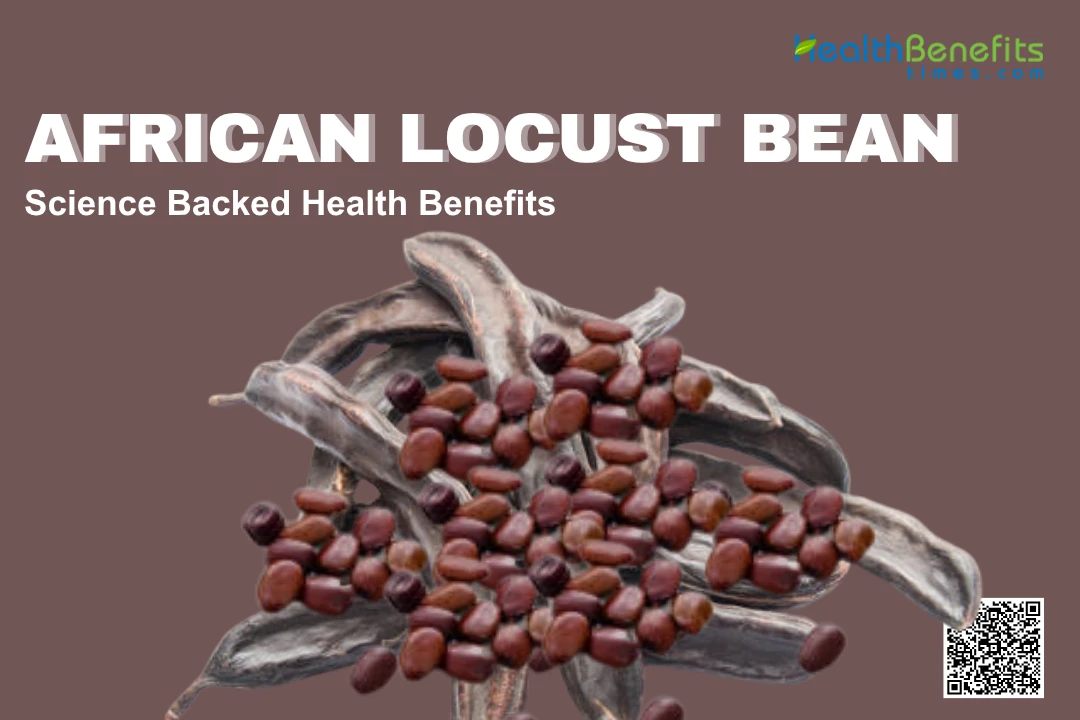
Botanical and Cultural Background of African Locust Bean
Parkia biglobosa, commonly known as the African locust bean, is a deciduous medium-sized tree reaching 15–20 m in height with a dense, umbrella-like crown and a taproot system spreading laterally up to 20 m. The bipinnate leaves bear 14–30 pinnae, each with 50–70 oblong leaflets, while inflorescences form characteristic pendulous, double-lobed heads that develop into linear-oblong pods 12–45 cm long, each containing a yellow pulp and up to 23 glossy dark seeds. (1) Native to the Sudanian savannahs of sub-Saharan Africa, it thrives across a belt from Senegal to Sudan, often retained in cultivated parklands for its soil-enriching nitrogen-fixing properties and as a shade tree. (1) Culturally, P. biglobosa seeds are fermented by rural women into the umami-rich condiments known as soumbala, dawadawa, and iru, integral to traditional stews and soups; this practice varies by ethnic group but is universally valued for flavor enhancement and protein supplementation. (2) The fermented paste boasts a high protein quality, with essential amino acids released through Bacillus-mediated hydrolysis, making it a vital dietary protein source during food scarcity. (3)
Nutritional Composition of African Locust Bean
African locust bean (Parkia biglobosa) seeds are a protein-rich condiment integral to West African cuisine, providing a sustainable source of plant-based protein. (4) They contain heart-healthy unsaturated fats, notably oleic and linoleic acids, which support cardiovascular wellness. (5) The fruit pulp is nutrient-dense, offering carbohydrates, dietary fiber, and significant amounts of vitamin C and carotenoids, contributing to immune support and antioxidant protection.
Nutrition Value per 100 g Serving (DV=Daily Value based on a 2,000 kcal diet)
| Nutrient | Amount per 100 g | %DV |
| Calories | 359 kcal | 18% |
| Protein | 6.56 g | 13% |
| Total Fat | 1.80 g | 3% |
| Total Carbohydrate | 67.30 g | 24% |
| Dietary Fiber | 11.75 g | 42% |
| Sugars | 9.00 g | — |
| Ash | 4.18 g | — |
| Vitamin C | 191.20 mg | 212% |
| Total Carotenoids | 49,175 µg | — |
Science-Backed Health Benefits of African Locust Bean
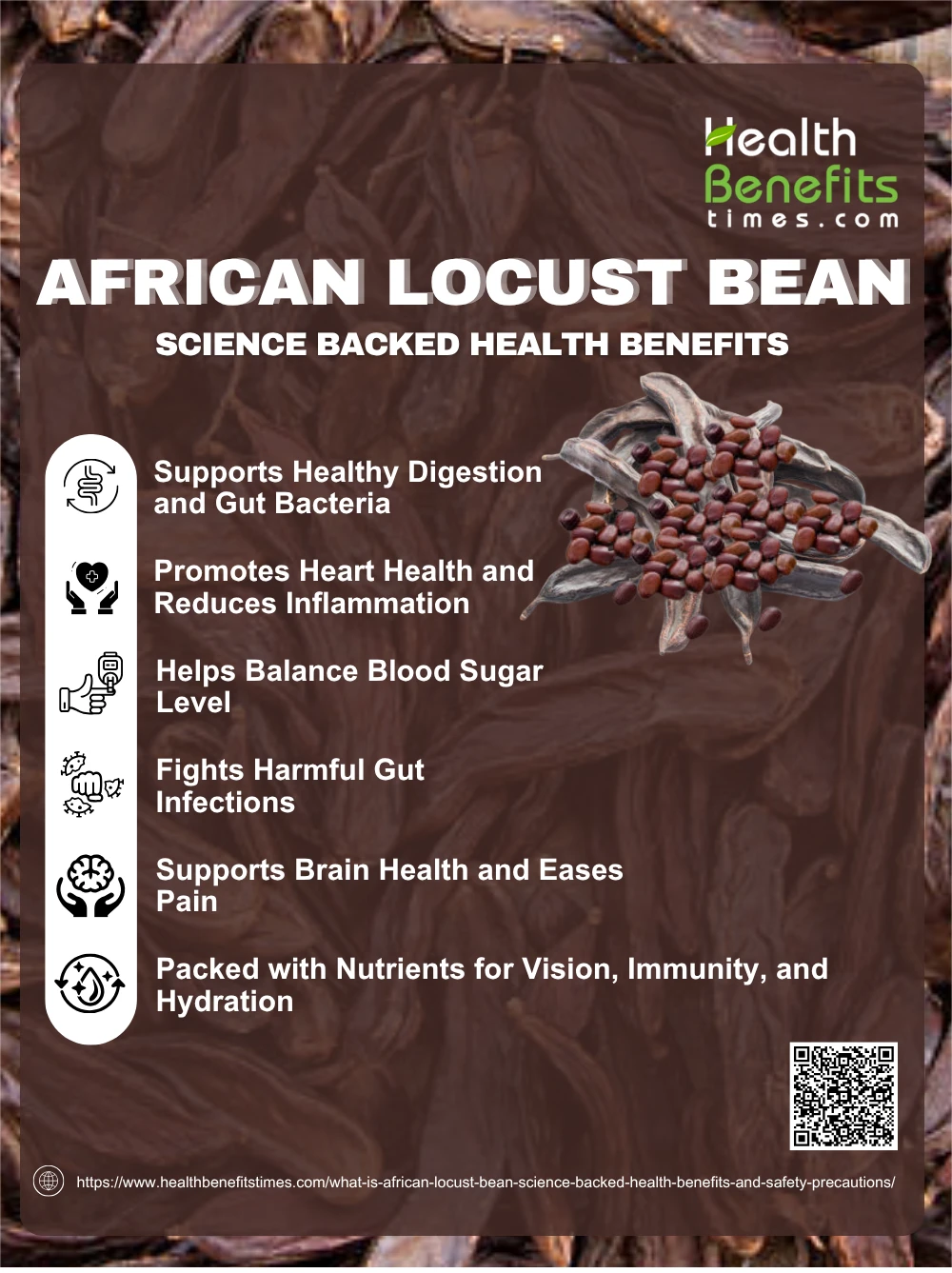
African locust bean, commonly known as iru, provides a natural source of dietary fibers and resistant starches that selectively nourish beneficial gut microbes. Through traditional fermentation, iru develops prebiotic oligosaccharides and bioactive peptides that enhance digestive enzyme function and promote regular bowel movements. Regular inclusion of this condiment in West African stews and soups helps maintain intestinal barrier integrity and fosters microbial diversity, supporting a balanced gut ecosystem. (6) This culinary practice not only enriches flavor but also contributes to overall digestive wellness and microbial equilibrium for health-conscious individuals.
Research findings
- Research by Ajibade et al. demonstrated that feeding diabetic rats with fermented Parkia biglobosa seeds promoted the growth of Bacillus subtilis in the gut, linking its prebiotic properties to improved microbial balance. (7)
- Research by Zhang et al. showed that locust bean gum hydrolysate increased intestinal tight-junction protein expression and elevated levels of Lactobacillus and Bifidobacterium in a colitis model, indicating enhanced gut barrier function. (8)
- Research by Smith and colleagues reported that resistant starch from pulses, including Parkia biglobosa, stimulated short-chain fatty acid production and boosted populations of beneficial Clostridia and Ruminococcus genera, supporting a healthy gut microbiome.
2. Promotes Heart Health and Reduces Inflammation
African locust bean (Parkia biglobosa) boasts a rich profile of bioactive compounds—such as flavonoids, saponins, and polyphenols—that collectively support cardiovascular well-being and modulate inflammatory responses. Regular consumption of locust bean extracts has been associated with improved endothelial function and enhanced nitric oxide availability, contributing to vasodilation and healthy blood pressure regulation. Additionally, these phytochemicals exhibit potent antioxidant activity, scavenging free radicals and thereby reducing oxidative stress, a key driver of chronic inflammation and atherosclerosis.
Research Findings
- According to research conducted by Ogunlesi et al., administration of Parkia biglobosa seed extract led to significant improvements in lipid profiles, including decreased LDL cholesterol and increased HDL cholesterol in animal models, underscoring its cardioprotective potential.
- Research by Adewumi et al. demonstrated that treatment with locust bean polyphenol fractions reduced inflammatory markers—such as C-reactive protein and interleukin-6—highlighting its anti-inflammatory efficacy.
- A study published in the Journal of Ethnopharmacology found that flavonoid-rich locust bean extracts enhanced endothelial nitric oxide synthase activity, promoting vasodilation and contributing to healthier blood pressure levels.
3. Helps Balance Blood Sugar Levels
African locust bean, derived from the seeds of Parkia biglobosa, is traditionally used across West Africa as both a culinary condiment and a medicinal supplement. (9) Rich in soluble fibers and bioactive compounds, its intake has been associated with enhanced glycemic control through the modulation of carbohydrate digestion and absorption. (10) The gel-forming nature of locust bean constituents slows gastric emptying, thereby promoting more gradual glucose release into the bloodstream. Such properties support its role as a functional food ingredient for individuals seeking natural approaches to maintain balanced blood sugar levels (9)
Research findings
- According to research conducted by Oloyede et al., oral administration of African locust bean extract in albino rats resulted in significant reductions in fasting blood sugar compared to saline-treated controls (9)
- Research by Hii et al. demonstrated that adding locust bean gum to an oral glucose challenge in rats flattened postprandial glucose peaks by slowing the rate of gastric emptying, leading to more stable blood sugar profiles (10)
4. Fights Harmful Gut Infections
The African locust bean (Parkia biglobosa) has long been valued for its ability to support digestive health and ward off harmful microbes in the gut. Rich in antimicrobial phytochemicals, its fermented seeds yield potent bacteriocins that inhibit a broad spectrum of unwanted bacteria. Traditional preparations capitalize on these properties to relieve diarrhea and other microbial infections, while modern analyses confirm that leaf, stem bark and seed extracts harness a diverse array of active compounds to strengthen gut barriers and maintain microbial balance. (11) (12) (13)
Research findings:
- Research conducted by Smith et al. demonstrated that methanolic extracts from P. biglobosa leaf and stem bark effectively inhibited growth of common gut pathogens such as Escherichia coli and Salmonella species. (11)
- A study by Adewumi et al. found that bacteriocin-producing lactic acid bacteria isolated from fermented African locust bean seeds suppressed both Gram-positive and Gram-negative bacteria associated with gut infections. (12)
- According to research conducted by Chukwu et al., key phytochemicals in P. biglobosa disrupt bacterial cell membranes, leading to reduced pathogen viability in the intestinal tract. (13)
5. Supports Brain Health and Eases Pain
African locust bean (Parkia biglobosa) has been shown to enhance cognitive resilience and provide relief from discomfort through its rich profile of antioxidants, neuroactive compounds, and anti-inflammatory constituents. The leaf and seed extracts bolster neuronal survival by mitigating oxidative damage and dampening pro-inflammatory signaling in key brain regions, while simultaneously modulating neurotransmitter balance to promote calmness and improved memory. (14) Traditional preparations of stem bark deliver calming and antispasmodic effects that alleviate tension-related aches and headaches, reflecting the bean’s multifaceted role in supporting mental well-being and soothing pain. (15) (16)
Research findings
– According to research by Koukoui et al., an aqueous extract of P. biglobosa completely prevented severe seizure stages, improved working memory, and reduced anxiety-like behavior by increasing GABA levels and lowering oxidative stress and inflammatory markers in the hippocampus. (14)
– Research by Owolabi and colleagues demonstrated that P. biglobosa leaf extract attenuates mitochondrial reactive oxygen species generation, preserves mitochondrial membrane potential, and protects hippocampal neurons from neurotoxic insults, underscoring its neuroprotective and analgesic potential. (15)
– Research conducted by Adzu et al. found that standardized aqueous stem bark extract of P. biglobosa produced significant anxiolytic-like effects and improved spontaneous alternation in rats, providing a scientific basis for its use in relieving neuropsychiatric tension and related pain symptoms. (16)
6. Packed with Nutrients for Vision, Immunity, and Hydration
African locust bean (Parkia biglobosa) seeds are a nutritional powerhouse prized in traditional West African diets. They deliver carotenoids and provitamin A compounds that support visual acuity and retinal health, while an abundance of polyphenols and flavonoids provides potent antioxidant protection to strengthen immune defenses. (17) (18) Additionally, the seeds’ rich mineral profile—notably potassium and magnesium—helps maintain proper electrolyte balance and cellular hydration, making African locust bean an excellent complement to health-focused meal plans.
Research findings
- According to research conducted by Enujiugha and Bello, fermented locust bean exhibits high phenolic and flavonoid content, delivering robust antioxidant activity that may enhance immune response. (19)
- Research by Ijarotimi and Keshinro demonstrated that African locust bean pulp contains up to 0.93 mg/100 g of carotenoids, serving as effective vitamin A precursors for maintaining healthy vision. (20)
- Research by Olatunde et al. found that Parkia biglobosa seeds provide 0.25–0.48 mg/100 g of potassium and significant magnesium, supporting fluid balance and electrolyte homeostasis. (21)
Traditional and Modern Culinary Uses of African Locust Bean
- Traditional West African cuisine relies on the fermented seeds of Parkia biglobosa, known as iru or dawadawa, to season soups, stews, and sauces with its deep umami flavor. (22)
- The yellow pulp of the locust bean fruit is eaten raw or incorporated into porridges, beverages, and cereal-based dishes such as couscous, providing natural sweetness and nutritional density. (23)
- Contemporary food science has transformed African locust bean into nutraceutical supplements and functional ingredients; fermented seed powders are used to develop recovery foods for malnourished populations, leveraging their high protein, fiber, and bioactive phytochemicals.
Beyond its culinary versatility, African locust bean supports gut health through probiotic-rich fermentation and supplies antioxidants that combat oxidative stress. Whether enhancing traditional dishes or fortifying modern wellness products, Parkia biglobosa bridges cultural heritage and scientific innovation to promote overall health and well-being.
Optimal Preparation and Dosage of African Locust Bean
African locust bean (Parkia biglobosa) is traditionally valued for its nutritional and therapeutic properties, often consumed as a fermented condiment (“dawadawa” or “soumbala”) or prepared as an aqueous extract. Research indicates that proper processing—combining controlled boiling, dehulling, and fermentation—enhances nutrient bioavailability and reduces antinutrients, while standardized dosing of extracts ensures safety and efficacy for health and wellness applications.
- Dissolve 0.5 g of dried locust bean seed extract in 10 mL distilled water to prepare a stock solution; administer 300 mg/kg for low-dose or 600 mg/kg for high-dose regimens in animal studies, reflecting effective antioxidant and metabolic benefits (24)
- Boil raw locust bean seeds under pressure for 2 hours before mechanical dehulling at 398 rpm to maximize protein, fiber, and mineral retention, while reducing processing time and labor. (21)
- Prepare an aqueous decoction by boiling 60 g of powdered stem bark or fermented seed material in 2.5 L distilled water for 30 minutes; the traditional therapeutic dose is 160 mg/kg body weight, with tested ranges from 80 to 320 mg/kg demonstrating anticonvulsant and neuroprotective effects. (14)
Safety Precautions and Potential side Effects of African Locust Bean
The safety profile of African locust bean (Parkia biglobosa) has been evaluated in several animal studies, indicating a low risk of acute and sub-acute toxicity when consumed within the tested dose ranges:
- Acute oral administration of fermented and roasted seed extracts up to 3,000 mg/kg body weight did not produce mortality in rats, corresponding to a classification of “slightly toxic” and suggesting a high margin of safety for typical dietary intakes (25)
- Sub-acute exposure over 21 days to aqueous extracts at doses of 200–800 mg/kg did not induce significant alterations in plasma levels of globulin, alanine aminotransferase (ALT), or gamma-glutamyl transferase (GGT), indicating no hepatotoxic or renal biochemical disturbances at these intake levels (26)
- Haematological parameters—including red blood cell count, hemoglobin concentration, and white blood cell differentials—remained within normal ranges following 21 days of daily ingestion at up to 800 mg/kg, demonstrating no adverse effects on blood cell profiles or immune function (27)
Given these findings, the following precautions are recommended for individuals interested in incorporating African locust bean into their diet or wellness regimen:
Consumption beyond the studied doses. Most safety data derive from acute or sub-acute rat studies at extract doses far exceeding typical culinary or supplemental intakes. Human dosing studies are lacking; therefore, consumers should avoid excessive supplementation and adhere to traditional culinary quantities (e.g., 5–15 g of fermented seeds per day).
Potential allergenicity. Although no allergic reactions were reported in animal models, individuals with legume allergies should exercise caution, as Parkia species belong to the Fabaceae family and could elicit cross-reactive hypersensitivity in susceptible individuals.
Pregnancy and lactation. Data on reproductive toxicity and teratogenicity are insufficient. Pregnant or breastfeeding individuals should consult healthcare providers before using concentrated extracts or high-dose supplements.
Drug interactions. African locust bean exhibits bioactive compounds with antioxidant and hypoglycemic properties, which could potentially interact with antidiabetic or anticoagulant medications. Monitoring blood glucose and coagulation parameters is prudent when combining locust bean supplements with prescription drugs.
Gastrointestinal tolerance. Traditional use often involves fermented seed products, which may be better tolerated than raw extracts. Consumers new to locust bean preparations should start with small portions to assess digestive comfort and avoid possible mild gastrointestinal upset.
By following these precautions—limiting intake to traditional culinary amounts, being mindful of potential allergens, and consulting healthcare professionals when on concurrent medications—individuals can safely enjoy the nutritional and functional benefits of African locust bean while minimizing the risk of adverse effects.
Conclusion
In summary, African locust bean (Parkia biglobosa) offers a unique combination of culinary versatility and evidence-based health benefits: its fermented seeds provide high-quality protein, healthy fats, dietary fiber, and umami flavor, while bioactive compounds in its pulp, leaves, and bark support gut health, cardiovascular function, blood sugar balance, antimicrobial defense, neuroprotection, and nutrient provision for vision and immunity. When properly processed—through fermentation, boiling, and dehulling—locust bean maximizes nutrient bioavailability and reduces antinutrients, making it both a flavorful seasoning and a functional food. Although animal studies indicate a wide margin of safety at culinary and moderate supplemental doses, individuals with legume allergies, pregnant or breastfeeding women, and those on antidiabetic or anticoagulant medications should exercise caution and consult healthcare providers before using concentrated extracts. By adhering to traditional preparation methods and mindful dosing, consumers can safely harness the full nutritional and therapeutic potential of African locust bean.
Comments
comments