

Difference between regular rice and GABA rice
Here is a table that outlines the differences between regular rice and GABA rice:
| Characteristic | Regular Rice | GABA Rice |
| Rice Type | Typically white or brown rice | Germinated brown rice (sprouted rice) |
| Production Process | Milled or unprocessed brown rice | Soaked and germinated to activate GABA content |
| GABA Content | Low GABA levels | High GABA content (gamma-aminobutyric acid) |
| Nutritional Value | Basic nutrients such as carbohydrates, protein, and fiber | Higher levels of vitamins, antioxidants, and proteins |
| Caloric Content | Higher in calories, especially in white rice | Lower in calories and sugar compared to regular rice |
| Flavor | Neutral or slightly nutty (depending on type) | Nutty and slightly sweet due to the germination process |
| Digestibility | Moderate (especially in white rice) | Easier to digest due to the sprouting process |
| Health Benefits | Basic sustenance | Enhanced brain health, improved cognitive function, anti-diabetic properties |
| Cooking Method | Simple boiling or steaming | Requires soaking and germination before cooking |
| Texture | Softer and less chewy (in white rice) | Firmer and chewier due to sprouting |
Health Benefits of GABA Rice
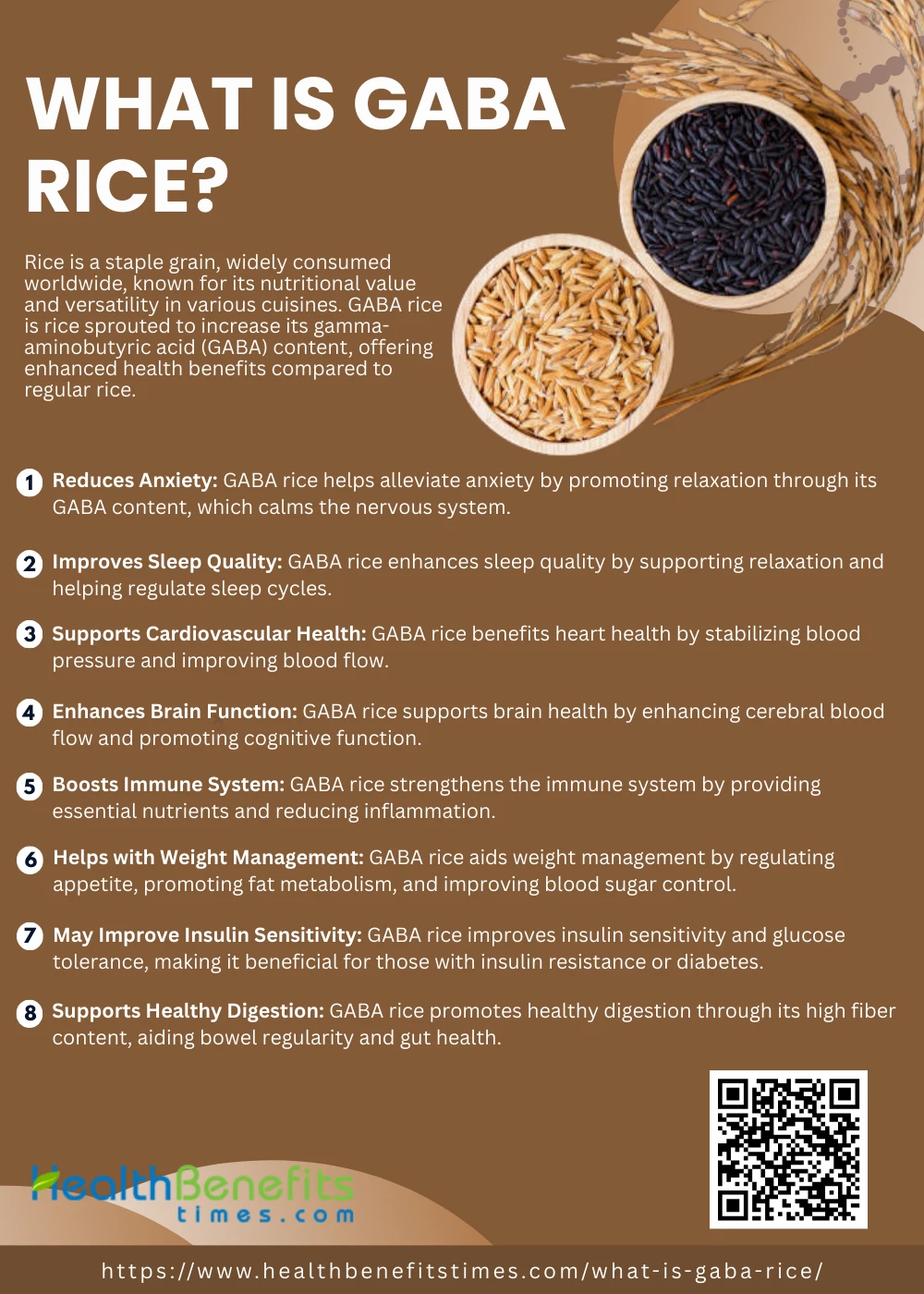
GABA rice, rich in gamma-aminobutyric acid (GABA), is known for its calming effects on the nervous system. GABA acts as an inhibitory neurotransmitter, helping to reduce anxiety and stress. Studies show that maintaining adequate GABA levels through foods like GABA rice can promote relaxation and emotional well-being. Research further suggests that consuming GABA-rich rice can lower anxiety and improve sleep cycles. (1) Additionally, GABA supplementation has shown potential for calming effects and reducing stress within an hour of intake. (2)
2. Improves Sleep Quality
GABA rice is known to enhance sleep quality, with studies showing that it improves both subjective and objective sleep metrics. Research demonstrates that unpolished rice germ-derived GABA boosts sleep quality without significant side effects. (3) GABA naturally induces relaxation and helps regulate sleep cycles. Additionally, GABA supplementation has been shown to aid in falling asleep more quickly and enjoying deeper rest.
3. Supports Cardiovascular Health
GABA rice has cardiovascular benefits, including stabilizing blood pressure, particularly in individuals with hypertension. Research suggests that GABA can regulate heart rate and improve blood vessel dynamics, which is crucial for preventing cardiovascular diseases like heart attacks and strokes. It can also aid in improving blood flow, promoting overall heart health. (4) Moreover, GABA’s effects on lowering blood pressure are beneficial for preventing hypertension-related conditions. (1)
4. Enhances Brain Function
GABA rice, enriched with gamma-aminobutyric acid, has shown potential in enhancing brain function. GABA acts as an inhibitory neurotransmitter that improves cerebral blood flow, increases oxygen supply, and promotes brain cell metabolism, which can aid cognitive health. Research indicates that GABA can improve cognitive function, reduce the impact of cognitive disorders, and enhance mood. (5) This makes GABA rice a promising option for improving mental clarity and focus. (1)
5. Boosts Immune System
GABA rice not only supports mental and physical health but also plays a role in boosting the immune system. It helps in regulating mood and anxiety while providing essential nutrients like magnesium, vitamin E, and zinc that support immune function. (6) Research has shown that GABA can decrease inflammation and regulate immune responses. This makes GABA rice a powerful addition to a diet that aims to enhance immunity and overall health.
6. Helps with Weight Management
GABA rice is recognized for aiding weight management, primarily due to its high fiber content, which supports digestion and helps regulate appetite. Its low glycemic index helps in managing blood sugar, preventing spikes that can lead to weight gain. Studies show that GABA can reduce body weight by promoting fat metabolism and increasing thermogenic activity. (7) These factors make GABA rice an excellent addition to weight management strategies. (1)
7. May Improve Insulin Sensitivity
GABA rice, with its low glycemic index, has potential benefits for insulin sensitivity. Research indicates that GABA supplementation can improve glucose tolerance and reduce insulin resistance, particularly in diabetic models. (8) Additionally, its ability to regulate blood sugar levels makes it a suitable choice for people with hyperglycemia or insulin resistance. Consuming GABA rice regularly may support better glycemic regulation and enhance overall metabolic health.
8. Supports Healthy Digestion
GABA rice, rich in fiber, is an excellent choice for promoting healthy digestion. The high fiber content supports bowel regularity, preventing constipation, and improving overall gut health. Furthermore, the low glycemic index of GABA rice ensures slower digestion, helping to maintain stable blood sugar levels. (9) Its digestive benefits are also supported by studies showing that GABA rice can aid in weight management by promoting better digestive function. (10) Additionally, GABA rice is less likely to irritate the digestive tract, making it easier to digest compared to refined rice. (11)
How to Incorporate GABA Rice into Your Diet

- GABA Rice Bowl: A nutrient-rich meal with veggies and sesame dressing that supports digestion, mood, and sleep.
- Healthy Side Dish: A versatile, fiber-packed rice swap that balances blood sugar and aids weight management.
- Rice Salad: A refreshing veggie mix with olive oil and lemon that boosts immunity and reduces inflammation.
- Stuffed Vegetables: A protein- and fiber-rich filling for peppers or squash that supports heart and metabolic health.
- As a Breakfast Base: A fruit-and-nut-topped bowl that fuels energy, satiety, and mental well-being in the morning.
Potential side effects of GABA Rice
While GABA rice is generally safe, consuming it in excessive amounts may cause digestive discomfort or interact with certain medications. It’s important to enjoy it in moderation for optimal health benefits.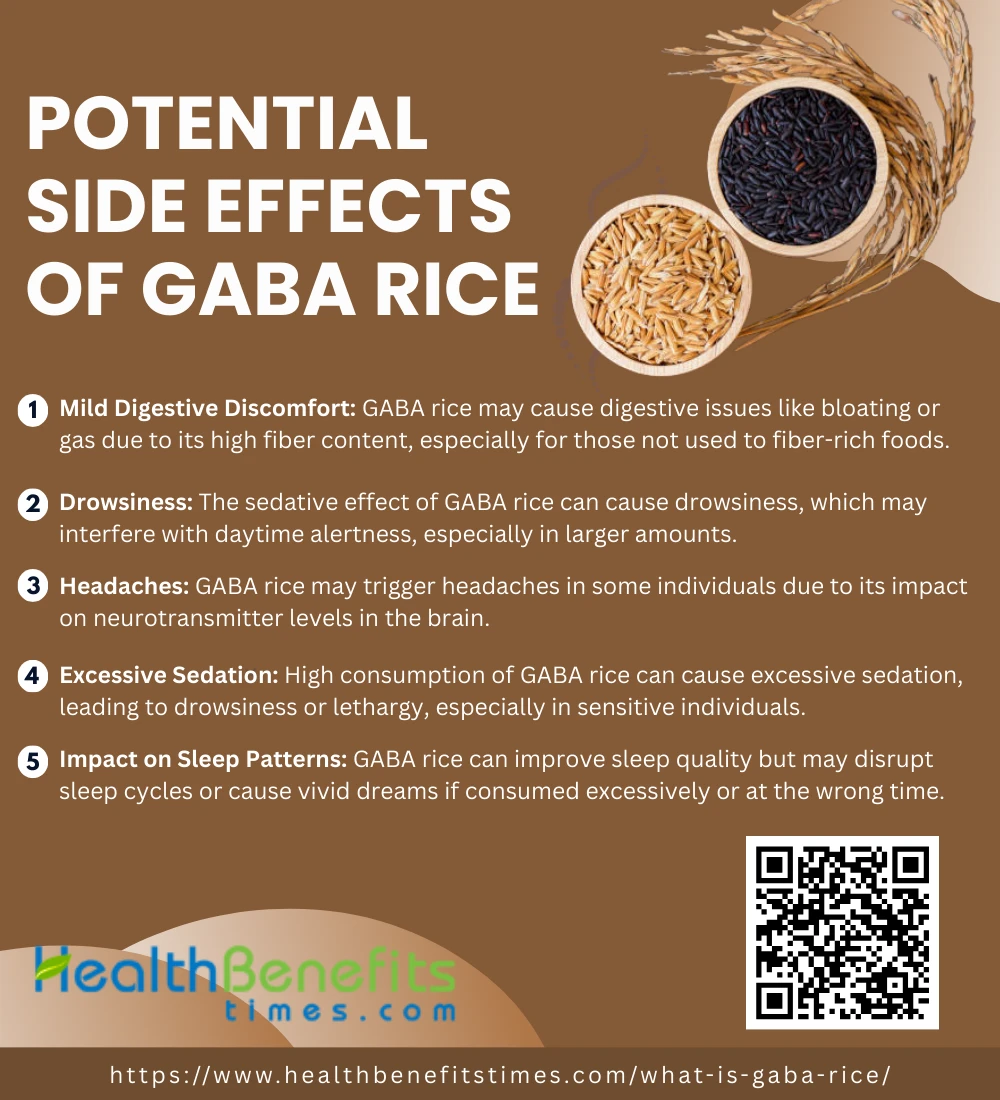
While GABA rice provides many health benefits, it can sometimes cause mild digestive discomfort. Some individuals may experience symptoms like bloating, gas, or an upset stomach due to its high fiber content, which can be harder to digest for those unaccustomed to fiber-rich foods. It is important to gradually introduce GABA rice into the diet to minimize these effects, and studies suggest that the GABAergic pathway may also impact gut integrity, potentially causing discomfort. (12)
2. Drowsiness
One potential side effect of GABA rice is drowsiness. Due to its GABA content, it may have a sedative effect on some individuals, especially when consumed in larger amounts or later in the day. This drowsiness can be beneficial for sleep, but problematic during waking hours if alertness is needed. High doses of GABA may lead to this effect as well, and some individuals report feeling tired or lethargic after taking GABA supplements. (13)(14)
3. Headaches
Some individuals may experience headaches as a mild side effect of consuming GABA rice. This could be linked to the GABA content, which affects the neurotransmitter levels in the brain. As GABA interacts with receptors, it may lead to changes in brain activity that could result in headaches in some people. Additionally, GABA supplements have been reported to cause mild headaches, especially at higher doses and other GABA-related studies have shown similar symptoms. (15)(13)(16)
4. Excessive Sedation
Excessive consumption of GABA rice may cause sedation, particularly due to the high levels of gamma-aminobutyric acid (GABA), which is known to slow brain activity. This sedative effect can lead to drowsiness or lethargy, especially if consumed in large amounts or in combination with other sedative substances. Individuals sensitive to GABA may experience excessive sedation, affecting their ability to stay alert during the day. (14)(13)(17)
5. Impact on Sleep Patterns
Consuming GABA rice may have a noticeable impact on sleep patterns, as GABA influences neurotransmitter activity in the brain. It has been found to improve sleep quality by enhancing the transition between sleep stages, specifically NREM and REM sleep. (3) However, excessive intake or timing issues can lead to disruptions in sleep cycles, potentially causing vivid dreams or sleep disturbances. (13) Additionally, GABA’s effect on sleep is complex, and imbalances can lead to unwanted wakefulness. (18) For more details on how GABA regulates sleep, check out this PubMed study. (19)
GABA rice is a nutritious, functional food that stands out for its ability to provide a natural boost in gamma-aminobutyric acid (GABA) levels. This rice variety, produced through a sprouting process, offers multiple health benefits such as stress reduction, improved sleep quality, and enhanced cognitive function.
Comments
comments