

Comparison with other flours
Here is a comparison table showing the differences between Lupin Flour and other common flours:
| Flour Type | Source | Protein (per 100g) | Carbs (per 100g) | Fiber (per 100g) | Gluten-Free | Common Uses | Taste |
| Lupin Flour | Lupin Beans | 36g | 6g | 30g | Yes | Baking, Thickening | Nutty, Mild |
| Almond Flour | Almonds | 21g | 22g | 12g | Yes | Baking, Keto Recipes | Nutty, Slightly Sweet |
| Coconut Flour | Coconut Meat | 7g | 64g | 40g | Yes | Baking, Pancakes | Sweet, Coconut |
| Rice Flour | Rice | 6g | 80g | 3g | Yes | Baking, Thickening | Neutral |
| Wheat Flour | Wheat | 13g | 71g | 3g | No | Baking, All-Purpose | Neutral |
Health Benefits of Lupin Bean Flour
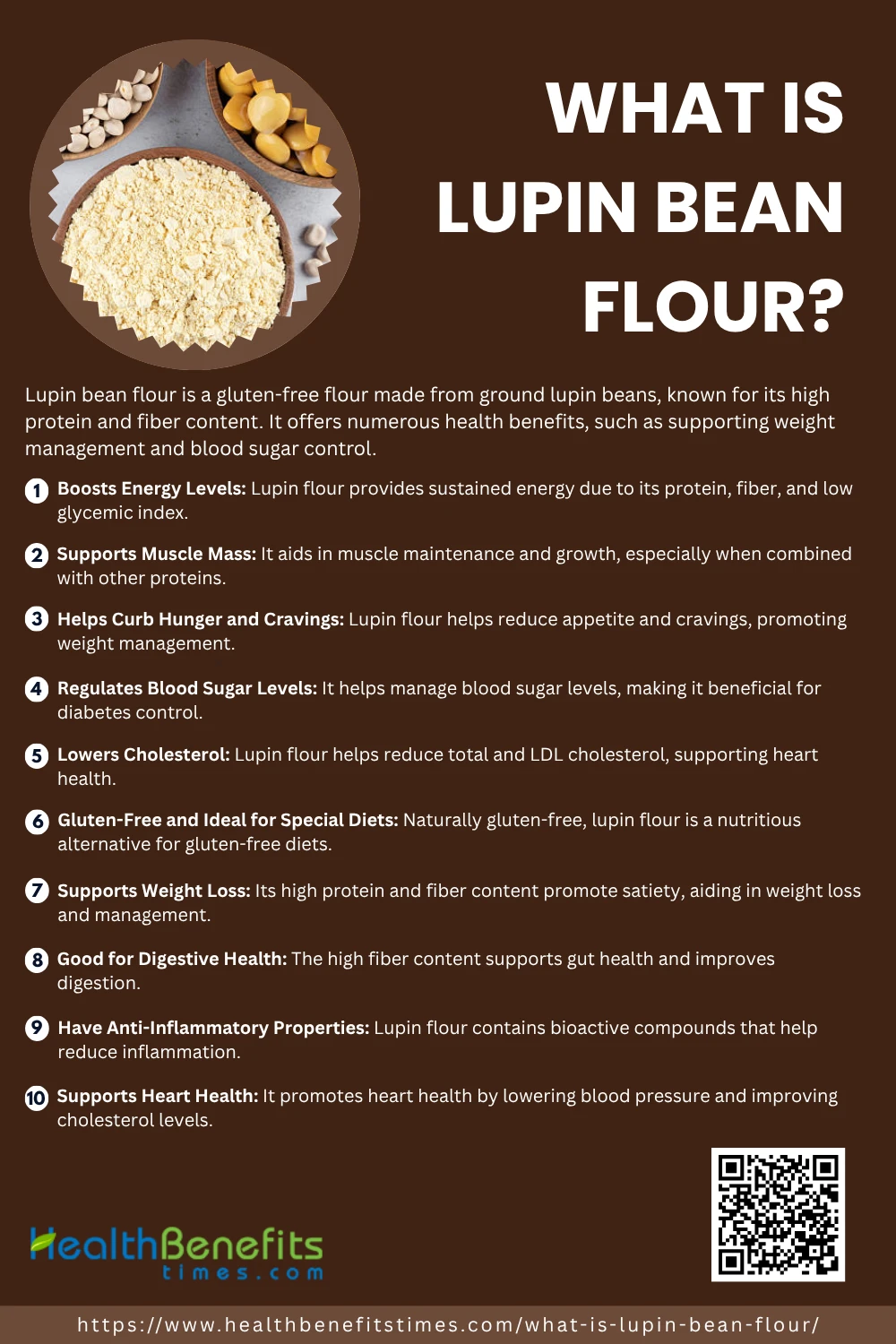
Lupin bean flour can significantly boost energy levels due to its high protein and fiber content. The flour helps maintain stable blood sugar levels, preventing energy crashes that are common with high-carb foods. Its low glycemic index ensures a slow, sustained release of energy throughout the day. (1) (2) (3) Additionally, lupin flour is rich in potassium, magnesium, and calcium, which support energy production at the cellular level. (4) With its nutritious composition, lupin flour is an excellent ingredient for sustained energy and overall vitality.
2. Supports Muscle Mass
Lupin bean flour, a high-protein legume, has been found to significantly aid in muscle mass maintenance and growth. Studies highlight the nutritional benefits of lupin flour, including its ability to contribute to sustainable agricultural practices while promoting weight maintenance after weight loss. Research has demonstrated its effectiveness in enhancing muscle retention, particularly when combined with other legumes. For instance, Jahreis et al. (2016) discuss how lupin flour can be a valuable addition to muscle-retaining diets. (5) Further, Rangan et al. (2022) suggest that lupin-based meals support muscle synthesis in older adults. (6) Additionally, Berrazaga et al. (2020) explore the anabolic properties of lupin flour when mixed with other proteins, enhancing overall muscle health. Overall, incorporating lupin flour into diets can provide effective muscle mass support, especially for those aiming for sustainable health practices.
3. Helps Curb Hunger and Cravings
Lupin bean flour is known for its satiating properties, which help reduce hunger and curb cravings, making it a beneficial ingredient in weight management. The high fiber content of lupin flour slows down digestion, promoting a prolonged feeling of fullness. Research indicates that lupin flour, when incorporated into various foods, can decrease appetite and reduce the desire for unhealthy foods. Studies such as Beitane and Plocina (2023) highlight its role in controlling food intake. Moreover, Wahlqvist and Savige (2020) point out the impact of lupin flour in enhancing satiety. Zerón-Rugerio and Izquierdo-Pulido (2019) suggest that legume-based flours like lupin can effectively manage appetite, while Vijayendra and Sreedhar (2023) confirm that lupin flour contributes to reduced food cravings. Together, these studies underscore the potential of lupin flour in appetite regulation and improved dietary control.
4. Regulates Blood 0Sugar Levels
Lupin bean flour is recognized for its ability to regulate blood sugar levels, making it a beneficial ingredient for individuals managing diabetes or those seeking blood sugar control. Studies have demonstrated that lupin flour, rich in fiber and proteins, helps reduce post-meal blood glucose spikes. For example, Moschonis et al. (2020) found that lupin-enriched biscuits can improve glucose control in type 2 diabetes. Similarly, Pereira et al. (2022) showed that lupin consumption can balance blood glucose levels by increasing insulin sensitivity. Furthermore, Guzmán et al. (2021) revealed that lupin proteins aid in controlling glycemia by affecting insulin activity. (7) Additionally, Rangan et al. (2022) observed improvements in glycemic control after regular lupin consumption. (6) Collectively, these studies highlight the role of lupin flour in supporting blood sugar management.
5. Lowers Cholesterol
Lupin bean flour is also known for its cholesterol-lowering effects. Research indicates that it can reduce levels of total cholesterol and LDL cholesterol, potentially benefiting heart health. Studies like Sirtori et al. (2004) have shown that lupin proteins help lower cholesterol by stimulating LDL receptors. (8) Additionally, Viveros et al. (2007) demonstrated that dietary lupin can significantly reduce cholesterol levels in chickens, suggesting similar benefits for humans. (9) Moreover, Fontanari et al. (2012) found a decrease in total cholesterol and non-HDL cholesterol in hamsters fed with lupin. (10) Arnoldi et al. (2015) further confirmed that lupin flour consumption can improve lipid profiles by reducing cholesterol. (11) Overall, these findings indicate that lupin bean flour is a promising functional food for cholesterol management.
6. Gluten-Free and Ideal for Special Diets
Lupin bean flour is naturally gluten-free, making it an ideal ingredient for individuals with celiac disease or those following gluten-free diets. The flour has gained popularity in gluten-free baking due to its high protein and fiber content, which enhances the nutritional value of various baked goods. Research indicates that lupin flour can be effectively used in gluten-free products, such as bread and pasta, as highlighted by Carvajal-Larenas (2019). (12) Additionally, Xu et al. (2018) found that lupin flour improves the texture of gluten-free bread, making it more acceptable to consumers. (13) Studies by Mota et al. (2020) have also demonstrated its potential to enhance gluten-free cookies. (14) Furthermore, Visvanathan et al. (2020) report that lupin can improve the physical properties of gluten-free products. (15) The versatility and nutritional benefits of lupin flour make it a popular choice in special diets.
7. Supports Weight Loss
Lupin bean flour has been shown to support weight loss due to its high protein and fiber content, which promote satiety and reduce overall calorie intake. Research suggests that lupin flour, when incorporated into meals, helps to decrease body weight and improve body composition. For example, a study by Jayasena et al. (2012) revealed that lupin-enriched foods led to a significant reduction in body weight in overweight individuals. (16) Similarly, Rangan et al. (2022) found that lupin flour consumption helped with weight management. (6) Studies like Villarino et al. (2016) confirm the weight loss benefits of lupin in long-term dietary interventions. Furthermore, Hodgson et al. (2010) emphasized that lupin-based diets could be an effective strategy for long-term weight control. (17) These studies provide robust evidence for lupin flour’s role in weight management.
8. Good for Digestive Health
Lupin bean flour is beneficial for digestive health, primarily due to its high fiber content. It supports healthy gut function by enhancing gut microbiota and promoting regular bowel movements. Studies such as Jahreis et al. (2016) highlight how lupin flour’s dietary fiber contributes to improved digestion. (18) Additionally, Prusinski (2017) demonstrates its potential to aid in the reduction of gut inflammation. Moreover, research by Johnson et al. (2022) emphasizes the gut-friendly benefits of lupin’s soluble fiber. The prebiotic effect of lupin fiber fosters beneficial gut bacteria, as discussed by Mota et al. (2021). Finally, studies like Chukwuejim et al. (2024) underline how lupin seeds and flour support gastrointestinal health by boosting gut microbiota diversity. (19)
9. Have Anti-Inflammatory Properties
Lupin bean flour exhibits notable anti-inflammatory properties, making it a valuable addition to diets for reducing inflammation. Research by Mazumder et al. (2020) reveals the anti-inflammatory effects of lupin, attributed to its bioactive compounds. (20) Additionally, Mota et al. (2021) confirm that lupin extract retains its anti-inflammatory potential when incorporated into foods. A study by Jimenez-Lopez et al. (2020) also supports the anti-inflammatory role of lupin peptides in reducing oxidative stress. (21) Moreover, Ishaq et al. (2022) suggest that lupin’s antioxidant properties complement its anti-inflammatory effects. (22) Finally, Gao et al. (2020) underline how lupin peptides modulate inflammatory pathways, providing a promising natural approach to inflammation management. (23)
10. Supports Heart Health
Lupin bean flour is increasingly recognized for its cardiovascular benefits, supporting heart health through its high protein and fiber content. Studies have shown that lupin consumption can help lower blood pressure and reduce the risk of cardiovascular diseases. For example, Jahreis et al. (2016) demonstrate the heart-healthy effects of lupin flour. (18) Angeles et al. (2021) further discuss how lupin can prevent cardiovascular conditions. Additionally, Rangan et al. (2022) emphasize the role of lupin in improving cholesterol levels. (6) Research by Kouris-Blazos & Belski (2016) supports lupin’s ability to contribute to heart health. (24) Moreover, Jimenez-Lopez et al. (2020) found that lupin proteins help lower inflammation, further benefiting cardiovascular health. (25)
Popular Uses of Lupin Bean Flour
Here are some of the popular uses of lupin bean flour:
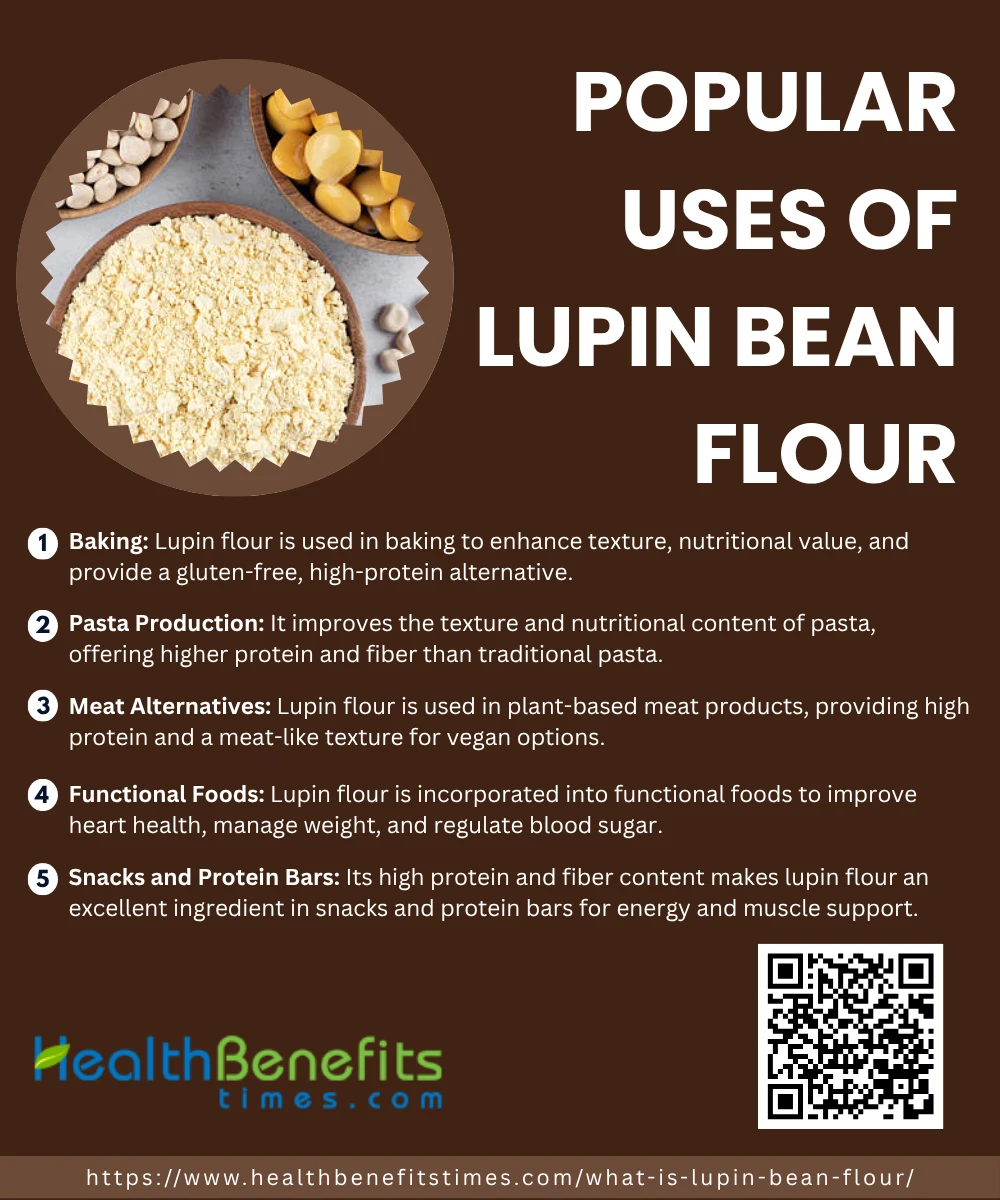
Lupin bean flour enhances gluten-free and high-protein baking by adding firmness, fiber, and protein. It substitutes wheat flour effectively, improving texture and nutrition in bread, cakes, and cookies. Studies show it replicates wheat-like quality in gluten-free recipes and increases consumer appeal for healthier, nutrient-rich baked goods.
2. Pasta Production
Used in pasta, lupin flour boosts protein and fiber while improving texture and cooking quality. It creates plant-based, nutrient-dense pasta ideal for health-conscious diets. Research highlights its ability to enhance functional properties, producing high-protein, sustainable pasta alternatives that maintain desirable taste and consistency.
3. Meat Alternatives
Lupin flour’s high protein and texture make it ideal for plant-based meats like burgers and sausages. It mimics meat’s mouthfeel, offering nutritious, sustainable protein alternatives. Studies confirm its versatility in producing realistic, high-quality vegan products and its growing importance in the alternative protein industry.
4. Functional Foods
Rich in protein and fiber, lupin flour supports heart health, weight management, and blood sugar control. It’s widely used in functional foods for its cholesterol-lowering and anti-inflammatory properties. Research shows lupin-enriched products help prevent cardiovascular disease and diabetes, promoting overall wellness and balanced nutrition.
5. Snacks and Protein Bars
Lupin flour adds protein, fiber, and satiety to snacks and protein bars, supporting energy, digestion, and muscle health. Ideal for athletes, it improves texture and nutrition in healthy snack formulations. Studies confirm its use enhances functional properties, making snacks more nutritious and satisfying.
How to Incorporate Lupin Bean Flour into Your Diet
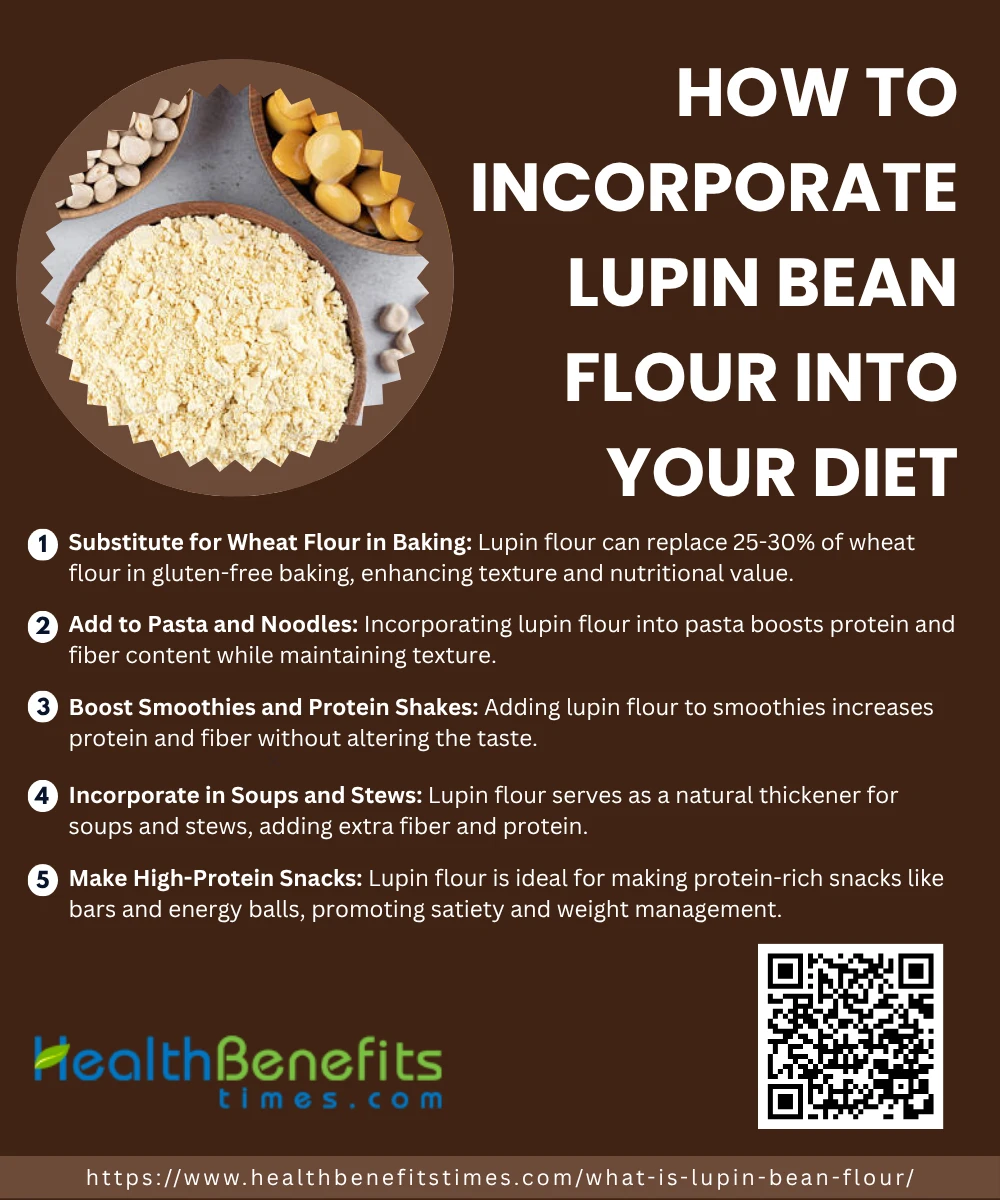
Replace 25–30% of wheat flour with lupin flour to increase protein and fiber in baked goods. It enhances nutrition, texture, and fullness in bread, cookies, and cakes. Research confirms its role in improving fiber content and producing healthier, high-protein, gluten-free bakery items.
2. Add to Pasta and Noodles
Lupin flour improves pasta’s texture, nutrition, and protein content while maintaining quality. It’s ideal for plant-based diets and enhances both fiber and health benefits. Studies show it boosts pasta quality and taste, creating a more nutritious alternative to traditional wheat-based pasta.
3. Boost Smoothies and Protein Shakes
Adding lupin flour to smoothies or shakes increases protein, fiber, and satiety. It supports digestion, energy, and balanced nutrition without altering taste. Research shows it’s an effective way to boost daily plant-based protein intake and make smoothies more filling and nutritious.
4. Incorporate in Soups and Stews
Lupin flour works as a healthy thickener in soups and stews, adding protein and fiber while improving texture. Its mild taste blends easily into dishes. Research highlights its benefits for blood sugar balance, heart health, and overall nutrition, enriching everyday meals naturally.
5. Make High-Protein Snacks
Lupin flour enhances protein bars, energy balls, and chips with extra fiber and protein. It promotes satiety, aids weight management, and improves snack texture. Studies show lupin-based snacks are nutrient-dense, providing a healthy, satisfying option for sustained energy and balanced diets.
Where to Buy Lupin Bean Flour
Lupin bean flour is widely available both online and in specialty stores, including those focusing on gluten-free and health-conscious products. You can find it on popular e-commerce platforms like Amazon, which offers a range of lupin-based products, or health food retailers like iHerb. In addition, local organic food markets often carry lupin flour as part of their legume flour selection.
How to Store Lupin Bean Flour
Lupin bean flour should be stored in a cool, dry place to maintain its freshness. It is best kept in an airtight container to prevent moisture and air from compromising its quality.
Potential Side Effects of Lupin Bean Flour
While lupin bean flour offers many health benefits, it may cause side effects for some individuals, especially those with legume allergies or digestive sensitivities. It’s important to be aware of potential reactions.
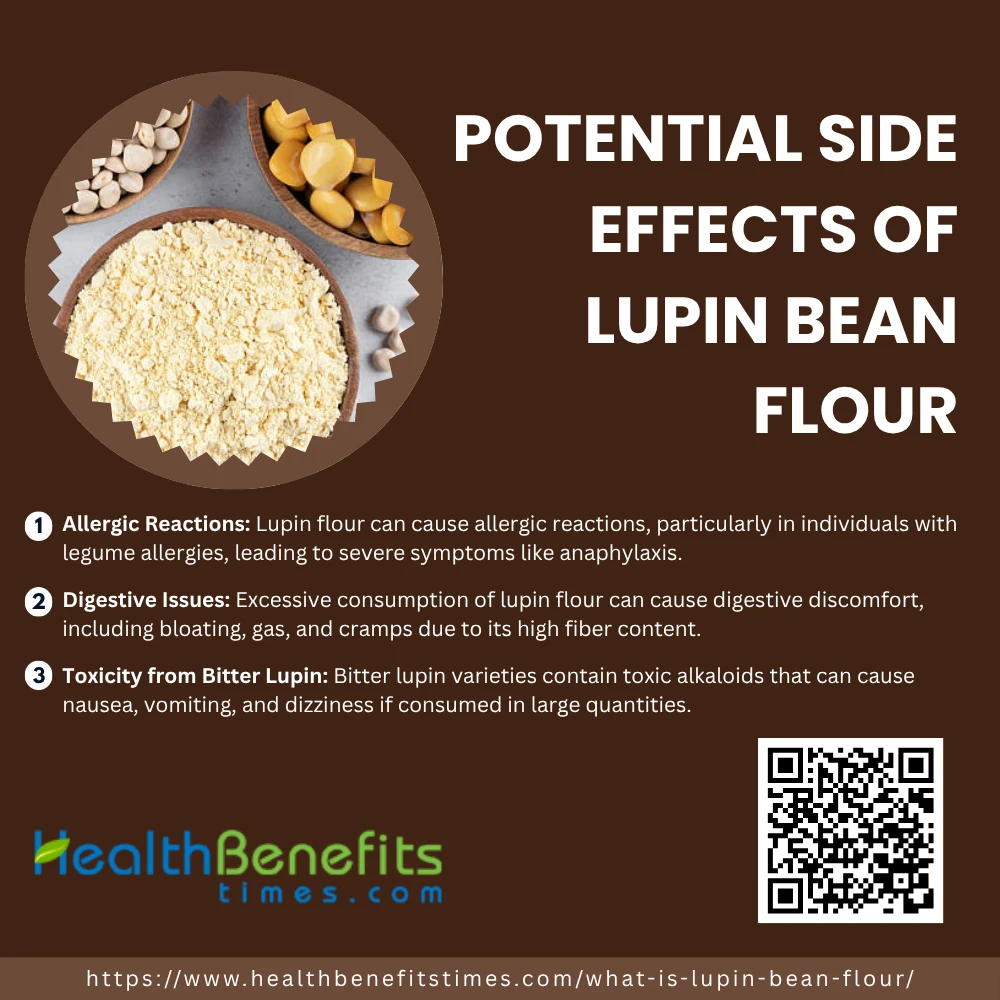
One of the primary potential side effects of lupin bean flour is allergic reactions, especially in individuals who are allergic to legumes. Lupin contains allergens that can trigger anaphylactic reactions in sensitive individuals. Research by Sanghvi et al. (2014) indicates that exposure to lupin flour can lead to severe allergic reactions, including wheezing and anaphylaxis. (26) Furthermore, Jappe et al. (2010) found that individuals with sensitivities to other legumes, like peanuts, may be more prone to lupin allergies. (27) According to Bloothooft et al. (2025), this allergy could lead to occupational IgE-mediated reactions among those working with lupin flour. For consumers with existing legume allergies, avoiding lupin flour may be advisable.
2. Digestive Issues
Lupin bean flour is rich in fiber, which can be beneficial for digestion. However, excessive consumption can lead to digestive discomfort, including bloating, gas, and stomach cramps. Studies like Pereira et al. (2022) suggest that lupin flour, due to its high fiber content, may cause digestive distress in individuals not accustomed to high fiber intake. (28) This can lead to gastrointestinal upset, especially if lupin flour is introduced too quickly into the diet. It is recommended to gradually increase intake to allow the digestive system to adapt. Additionally, Carvajal-Larenas et al. (2016) emphasize that individuals with sensitive stomachs may experience issues such as diarrhea or bloating when consuming larger quantities of lupin-based foods. (29)
3. Toxicity from Bitter Lupin
Bitter lupin varieties, which contain higher levels of alkaloids, can be toxic if consumed in large quantities. These alkaloids, including quinolizidine alkaloids, can cause symptoms such as nausea, vomiting, and dizziness. Research from Pingault et al. (2009) highlights the risks of consuming bitter lupin varieties, which are sometimes improperly used in food production. (30) To avoid toxicity, it is crucial to ensure that lupin flour used in food products is derived from sweet lupin varieties, which have been processed to remove harmful alkaloids. For consumers, purchasing lupin flour from trusted sources that adhere to safety standards is vital to mitigate this risk.
Conclusion
In conclusion, lupin bean flour is a highly nutritious, gluten-free flour alternative that offers numerous health benefits, including high protein, fiber, and a low glycemic index. Its versatility in baking, cooking, and even in snacks makes it a popular choice for those seeking healthier options in their diets. While it provides an excellent alternative for individuals with gluten sensitivity or those looking to reduce carbs, it’s important to be mindful of potential side effects, such as allergic reactions or digestive issues. Overall, lupin bean flour is a valuable addition to a balanced, health-conscious diet.
Comments
comments