

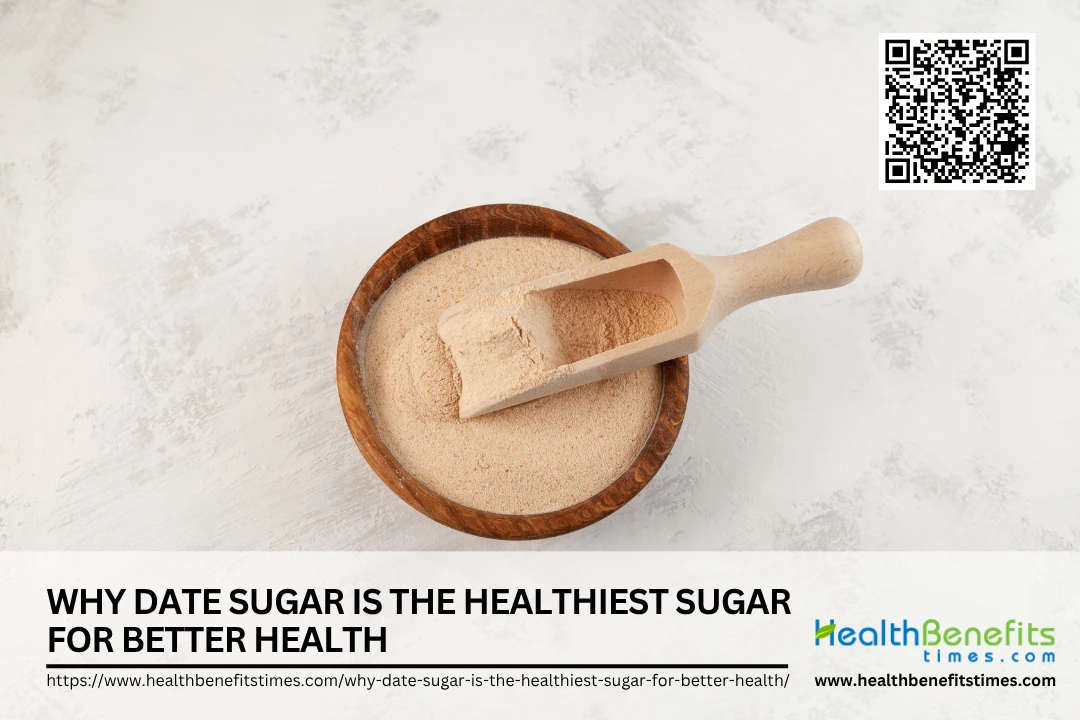
Date sugar is a natural sweetener made from whole dried dates that have been ground into a fine powder. Unlike traditional refined sugar, date sugar is not a true “sugar” in the chemical sense but rather a whole food product containing all the nutrients found in dates themselves. This nutrient-dense sweetener is created by dehydrating date fruits and pulverizing them into a granulated form that retains the fruit’s natural fiber, minerals, and antioxidants. Date sugar consists primarily of natural sugars including fructose and glucose (around 70% of its composition), along with dietary fiber, potassium, calcium, magnesium, and various phytochemicals such as polyphenols and flavonoids. For health-conscious individuals seeking alternatives to refined sugar, date sugar offers a more nutritious option that provides sweetness while delivering beneficial nutrients and fiber. However, it’s important to note that despite containing additional nutrients, date sugar is still high in natural sugars and should be consumed in moderation as part of a balanced diet. The sweetener has gained popularity in recent years as consumers increasingly seek natural, minimally processed alternatives to conventional sweeteners, making it an attractive option for those looking to reduce their intake of refined sugars while still enjoying sweetness in their foods and beverages.
Nutritional Profile of Date Sugar
Date sugar, derived from dehydrated Phoenix dactylifera (date palm) fruit, represents a nutrient-dense natural sweetener that offers significant health advantages over refined sugar alternatives. (1) (2) Research demonstrates that date sugar retains many of the beneficial compounds found in whole dates, including dietary fiber, essential minerals, and antioxidant compounds, making it an exceptional choice for health-conscious individuals seeking natural sweetening options. (3) (4) This concentrated form of dates provides not only sweetness from natural fructose and glucose but also delivers substantial nutritional value, including high potassium content supporting cardiovascular health, significant dietary fiber promoting digestive wellness, and notable iron levels contributing to healthy blood formation. (1) (4) (2) Studies indicate that date sugar contains approximately 63.2% total sugars, 7.3% dietary fiber, and maintains a rich mineral profile with particularly high levels of potassium, making it superior to conventional refined sugars that offer empty calories without nutritional benefits. (5) (1)
Nutritional Composition per 100g
| Nutrient | Amount per 100g | Daily Value (%) |
| Calories | 311 kcal | 15.6% |
| Total Carbohydrates | 70.5g | 23.5% |
| Total Sugars | 63.2g | * |
| Dietary Fiber | 7.3g | 29.2% |
| Protein | 2.6g | 5.2% |
| Total Fat | 2.1g | 3.2% |
| Potassium | 850mg | 18.1% |
| Calcium | 50mg | 3.8% |
| Iron | 3.0mg | 16.7% |
| Magnesium | 60mg | 14.3% |
| Phosphorus | 80mg | 6.4% |
| Sodium | 5mg | 0.2% |
| Zinc | 0.5mg | 4.5% |
| Copper | 0.2mg | 22.2% |
| Manganese | 0.3mg | 13.0% |
| Vitamin C | 10mg | 11.1% |
*Daily Value not established
Health Benefits of Date Sugar
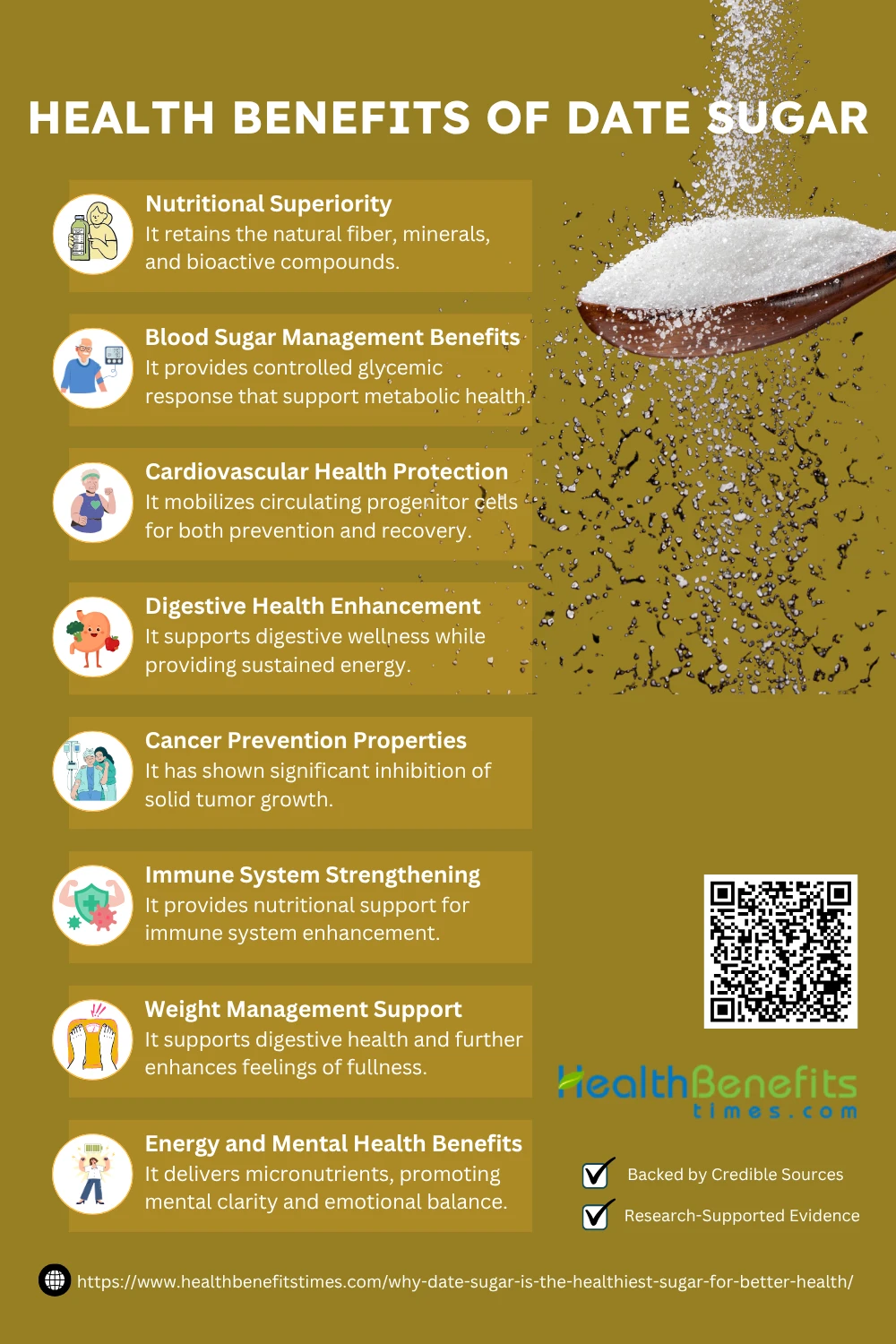
Date sugar demonstrates exceptional nutritional superiority compared to conventional refined sugar, making it an optimal choice for health-conscious individuals. Unlike processed sugars that contain only empty calories, date sugar retains the natural fiber, minerals, and bioactive compounds found in whole dates. (6) (7) This natural sweetener provides essential minerals including potassium, calcium, iron, magnesium, and phosphorus, alongside dietary fiber that helps regulate blood sugar responses. (8) (1) The antioxidant properties of date sugar are particularly noteworthy, containing significant levels of phenolic compounds, flavonoids, and tannins that provide protective health benefits. (9) (10) Date sugar maintains the natural fructose and glucose composition of dates, offering a more balanced sugar profile compared to the pure sucrose found in refined sugar. (11) (12)
Research Findings
- Blood Sugar Control: Research conducted by multiple institutions has shown that date-based sweeteners have a low glycemic index, causing minimal blood sugar spikes compared to refined sugar. (13) (14)
- Antioxidant Activity: Studies by food science researchers have demonstrated that date sugar contains significantly higher antioxidant capacity than refined sugar, with DPPH scavenging activity reaching up to 22 mg GAE/100g. (6) (15)
- Mineral Content: Research conducted at various universities found that date sugar provides essential minerals absent in refined sugar, with potassium levels reaching over 1,000 mg per 100g. (16) (17)
- Fiber Benefits: According to research published in nutritional journals, date sugar contains up to 7% dietary fiber, which aids in digestive health and helps regulate blood sugar absorption. (1) (2)
- Cardiovascular Health: Studies by cardiovascular researchers have indicated that the potassium content in date sugar may help support heart health and blood pressure regulation. (18)
2. Blood Sugar Management Benefits
Date sugar emerges as a superior alternative to refined sugars, offering significant blood sugar management benefits through its unique nutritional profile and naturally occurring compounds. (13) Unlike processed sugars that cause rapid glucose spikes, date sugar provides a more controlled glycemic response while delivering essential nutrients that support overall metabolic health. (19) The natural composition of dates includes potent antioxidants, dietary fiber, and beneficial minerals that work synergistically to moderate blood sugar levels. (20) Studies have consistently demonstrated that date consumption does not cause the dramatic blood glucose elevations associated with conventional sweeteners, making it particularly valuable for individuals concerned about glycemic control. (21) The presence of phenolic compounds and flavonoids in dates contributes to their ability to inhibit carbohydrate-digesting enzymes, resulting in slower glucose absorption and improved blood sugar stability. (22) These characteristics position date sugar as an optimal choice for those seeking natural sweetness without compromising blood sugar management goals.
Research Findings
- Research conducted by Alalwan et al. demonstrated that daily consumption of three dates for 16 weeks showed no significant increase in HbA1c levels among type 2 diabetic patients, confirming the safety of date consumption for blood sugar control (13)
- A comprehensive meta-analysis by Mirghani found that date fruit consumption significantly reduced fasting plasma glucose by 24.79 points and postprandial glucose by 28.19 points in diabetic patients across multiple studies (19)
- Research by Butler et al. revealed that 60g daily date consumption over 12 weeks had no deleterious effects on glycemic control, HbA1c levels, or glucose variability in type 2 diabetic patients, indicating excellent safety for blood sugar management (21)
- Studies examining glycemic indices found that various date varieties have low to moderate glycemic index values ranging from 35.5 to 55.1, significantly lower than refined sugars, supporting better blood glucose control (23)
- Research published in scientific journals confirmed that dates contain high concentrations of polyphenolic compounds that act as natural α-glucosidase inhibitors, effectively slowing carbohydrate digestion and preventing blood sugar spikes (11)
3. Cardiovascular Health Protection
Date sugar, derived from the nutrient-dense Phoenix dactylifera fruit, emerges as a superior sweetening alternative due to its unique profile of bioactive compounds that actively support cardiovascular health. Unlike refined sugars that offer empty calories, date sugar retains the fruit’s natural polyphenols, particularly flavonoids like quercetin and catechins, along with phenolic acids including protocatechuic acid and ferulic acid. (24) (25) These compounds act as powerful antioxidants, neutralizing free radicals that contribute to cardiovascular damage. (24) (26) The preservation of essential micronutrients including potassium, magnesium, and dietary fiber further enhances its cardioprotective properties. (25) Studies demonstrate that date consumption can modulate key cardiovascular risk factors by improving lipid profiles, reducing triglycerides and total cholesterol levels, while enhancing endogenous antioxidant enzyme activity. (25) (27) Additionally, date-derived compounds mobilize circulating progenitor cells that facilitate cardiac tissue repair following ischemic injury, demonstrating its potential for both prevention and recovery. (27)
Research Findings
- Lipid Profile Improvement: Research conducted by multiple studies shows that date consumption significantly reduces serum triglycerides by up to 15% and lowers total cholesterol levels by approximately 5% in both healthy individuals and diabetic patients. (25) (13)
- Antioxidant Enhancement: According to research published in leading journals, date fruit consumption significantly increases paraoxonase 1 aryl esterase activity, an enzyme crucial for protecting lipoproteins from oxidation, while reducing thiobarbituric acid reactive substances by measurable amounts. (25)
- Cardiac Tissue Protection: Research by cardiovascular specialists demonstrates that date extracts elevate levels of protective antioxidant enzymes including glutathione, superoxide dismutase, and catalase in heart tissue while reducing inflammatory cytokines such as IL-6 and TNF-α. (27) (24)
- Vascular Function Support: Studies conducted in research institutions show that date polyphenols act as natural ACE inhibitors and enhance nitric oxide bioavailability, contributing to improved blood pressure regulation and endothelial function. (25) (28)
- Progenitor Cell Mobilization: Research by stem cell specialists reveals that date consumption increases bone marrow reserves of CD34+ and CD133+ progenitor cells by significant margins, facilitating cardiovascular tissue repair and regeneration following cardiac events. (27)
4. Digestive Health Enhancement
Date sugar emerges as a superior sweetening alternative that enhances digestive health through its unique nutritional profile and bioactive compounds. Unlike refined sugar, date sugar retains valuable fiber, polyphenols, and natural prebiotics that actively support gut microbiota health. The polysaccharides found in dates demonstrate remarkable prebiotic properties, promoting the growth of beneficial bacteria including Bifidobacterium and Lactobacillus. (26) These beneficial microorganisms enhance intestinal barrier function, improve nutrient absorption, and contribute to short-chain fatty acid production. (29) Date sugar’s complex matrix of dietary fiber and phenolic compounds works synergistically to create an optimal environment for gut health, with studies showing significant increases in beneficial bacterial counts and acetate production during fermentation processes. (29) (18) This natural sweetener also contains essential minerals, antioxidants, and anti-inflammatory compounds that further support digestive wellness while providing sustained energy without the digestive disruption associated with processed sugars. (30) (7)
Research Findings
- Enhanced Bacterial Growth: Research conducted by Cambridge University Press demonstrated that date extracts significantly increased bifidobacteria populations in human gut cultures, with whole date extracts showing stronger bifidogenic effects than isolated polyphenols, establishing dates as effective prebiotic agents (11) (29)
- Short-Chain Fatty Acid Production: Studies reveal that Bifidobacterium animalis produced substantially higher concentrations of beneficial short-chain fatty acids during fermentation with date seed polysaccharides (66.98 ± 4.33 mM) compared to commercial inulin (19.68 ± 3.73 mM), indicating superior prebiotic capacity (18)
- Gut Barrier Function: Research by food science investigators shows that date polysaccharides promote beneficial bacteria growth while simultaneously increasing acetate production, which strengthens intestinal barrier integrity and supports healthy immune function in the digestive tract (29)
- Anti-Inflammatory Effects: According to recent nutritional studies, date consumption leads to significant reductions in C-reactive protein levels, a key marker of digestive inflammation, while also improving overall gut microbiota composition and metabolic health (18)
- Prebiotic Resistance: Research findings demonstrate that date polysaccharides show over 90% stability when exposed to simulated gastrointestinal conditions, ensuring they successfully reach the colon intact where they can effectively nourish beneficial gut bacteria (18)
5. Cancer Prevention Properties
Date sugar derived from Phoenix dactylifera exhibits remarkable cancer prevention properties primarily through its exceptional antioxidant capacity and unique polyphenolic profile. (31) (32) (33) The fruit contains extremely high levels of phenolic compounds, including flavonoids, phenolic acids, and carotenoids, which collectively provide potent free radical scavenging abilities. (33) (32) (34) These bioactive compounds work synergistically to prevent oxidative cell damage, a key mechanism in cancer development, by neutralizing harmful reactive oxygen species before they can cause DNA mutations. (33) (32) Date sugar demonstrates superior antioxidant activity compared to many other natural sweeteners, with studies showing its ability to scavenge 100% of superoxide radicals and inhibit protein oxidation – a unique property not previously observed in plant compounds. (32) The polyphenolic content in date sugar includes powerful compounds such as gallic acid, epicatechin, rutin, quercetin, and procyanidins, which have been specifically linked to anti-mutagenic and anti-carcinogenic effects. (35) (9) Additionally, date extracts have shown the ability to inhibit mutagenicity induced by carcinogens like benzo(a)pyrene in a dose-dependent manner, demonstrating direct protective effects against cancer-causing agents. (32) The natural beta-glucans present in dates exhibit anti-tumor activity and have shown significant inhibition of solid tumor growth in research studies. (32)
Research Findings
- According to research conducted by Vayalil (2002), date extracts demonstrated potent free radical scavenging activity, requiring only 0.8 mg/mL to scavenge 50% of superoxide radicals, significantly outperforming ascorbic acid which showed no scavenging activity at equivalent concentrations. (32)
- Research by Yasin et al. (2015) revealed that Phoenix dactylifera exhibits unique anti-oxidative properties both in laboratory and living systems, allowing the fruit to prevent depletion of the body’s natural protection against oxidative cell damage and assist defense systems in reducing cellular harm. (32)
- Studies by Rahmani et al. (2014) showed that date constituents act as potent antioxidants with anti-tumor and anti-inflammatory properties, with beta D-glucan from dates demonstrating dose-dependent anticancer activity at optimal doses of 1 mg/kg in tumor models. (24)
- Research published in the International Journal of Molecular Sciences found that aqueous date extracts possess anti-mutagenic activity, inhibiting benzo(a)pyrene-induced mutagenicity by up to 80% in bacterial test strains, indicating strong cancer preventive properties. (32)
- According to research by Saleh et al. (2011), Ajwa dates showed the highest polyphenol concentration among tested varieties with 455.88 mg/100g in water extract, significantly higher than other date varieties, correlating with enhanced antioxidant and protective effects. (24)
- Studies conducted on date seed extracts revealed total phenolic content ranging from 63.2 to 271.2 mg GAE/g dry matter depending on variety, with antioxidant activities highly correlated with phenolic content and demonstrating significant anti-tumor potential against various cancer cell lines. (36)
6. Immune System Strengthening
Date sugar, derived from the Phoenix dactylifera palm, emerges as a powerful natural sweetener with exceptional immune-strengthening capabilities. This remarkable fruit-based sugar contains an abundance of polyphenolic compounds, including chlorogenic acid, caffeic acid, pelargonin, and ferulic acid, which have been shown to stimulate cellular immune responses. (37) The natural sugar matrix retains concentrated levels of essential minerals such as potassium, magnesium, calcium, phosphorus, iron, zinc, and manganese, which play crucial roles in immune cell function and antibody production. (38) (39) Additionally, date sugar preserves vital antioxidant compounds that demonstrate potent free radical scavenging activity, helping protect immune cells from oxidative damage. (40) (34) Unlike refined sugars that provide empty calories, date sugar delivers comprehensive nutritional support for immune system enhancement while offering natural sweetness for daily consumption.
Research Findings
- Research conducted by scientific teams demonstrated that polyphenols from Phoenix dactylifera, particularly chlorogenic acid and caffeic acid, significantly stimulated IFN-γ production in immune cells, with date extracts showing the highest number of activated immune cell populations compared to other fruit extracts. (37)
- According to research published in European Journal of Immunology, date fruit extracts enhanced splenocyte proliferation by 142.5% and increased thymocyte function by 245.9%, demonstrating remarkable immunostimulatory effects on both cellular and humoral immunity components.
- Research by multiple institutions showed that traditional combinations of date fruit with other natural ingredients significantly enhanced phagocytic activity, with carbon clearance rates improving dramatically and phagocytic index values increasing substantially compared to control groups. (41)
- Studies conducted on animal models revealed that date fruit consumption effectively modulated natural killer (NK) cell populations and normalized inflammatory markers like TNF-alpha, while improving overall survival rates in disease conditions. (42)
- Research teams investigating date seed polyphenol extracts found significant immunomodulatory effects through NF-κB and Nrf2 signaling pathways, indicating the immune-supporting potential extends beyond just the fruit flesh to include concentrated compounds from date processing. (43)
7. Weight Management Support
Date sugar emerges as a superior natural sweetener that promotes weight management by combining a lower glycemic impact with nutrient-rich composition. Unlike refined sugars, date syrup produced via enzyme-assisted extraction retains substantial phenolic compounds and antioxidants while exhibiting a low glycemic index (GI = 55), which moderates blood sugar spikes and prolongs satiety. (44) Its balanced glucose-to-fructose ratio and bioactive polyphenols help stabilize postprandial glycemia, reducing cravings and overall caloric intake. (45) Additionally, the high fiber content in date sugar supports digestive health and further enhances feelings of fullness, making it a more health-promoting alternative to conventional sweeteners. (19)
Research findings:
- Research by Tang et al. demonstrated that enzyme-assisted date syrup, classified as low GI, significantly inhibits α-amylase activity and slows carbohydrate digestion, supporting sustained fullness and reduced caloric intake. (44)
- According to a randomized acute-feeding trial, replacing high-GI foods with dates led to a 20–30% lower postprandial glycemic response, a key mechanism in weight management through appetite regulation. (45)
- A meta-analysis of clinical studies found that regular date consumption did not worsen glycemic control and may enhance diet adherence by providing natural sweetness and essential nutrients, thereby supporting long-term weight maintenance. (19)
8. Energy and Mental Health Benefits
A natural sweetener derived from whole dates, date sugar combines rapidly available glucose and fructose with dietary fiber, vitamins and minerals, ensuring a steady release of energy and preventing blood-sugar spikes and crashes. (30) Its rich profile of polyphenols and antioxidant flavonoids supports optimal brain function and helps mitigate oxidative stress, which has been linked to fatigue and mood disturbances. (46) In addition, date sugar delivers essential micronutrients such as potassium, magnesium and B vitamins that play key roles in neuronal signaling and neurotransmitter synthesis, promoting mental clarity and emotional balance. (47)
Research Findings
– Athletes who consumed date products experienced more efficient glycogen replenishment and reduced risk of exercise-induced hypoglycemia, resulting in sustained energy levels during prolonged activity, according to research by McRae et al.. (46)
– A comprehensive review of date fruit’s bioactive compounds found that its high polyphenol and flavonoid content significantly lowered markers of oxidative stress, which is associated with improved mood and reduced mental fatigue, according to Al-Farsi and Lee . (48)
– The abundant dietary fiber in dates was shown to slow glucose absorption, maintaining stable blood sugar levels and preventing the energy dips that often lead to irritability and cognitive fog, according to Al-Hedahni et al. . (30)
Potential side effects and precautions of Date Sugar
Date sugar—a natural sweetener derived from whole dried dates—offers minerals, antioxidants, and dietary fiber, making it an appealing alternative to refined sucrose. However, like all added sugars, excessive consumption may pose metabolic, gastrointestinal, and rare genetic‐related risks. Careful portion control and attention to individual health conditions are therefore advised before incorporating date sugar into the diet.
- May precipitate severe hypoglycemia in individuals with hereditary fructose intolerance (HFI), a rare autosomal recessive deficiency of aldolase B (incidence ≈1 in 20,000 live births). Patients develop sweating, tremors, and profound fatigue upon fructose ingestion and require strict fructose‐free diets. (49)
- Contributes to elevated fasting triglycerides, increased LDL cholesterol, and impaired glycemic control when consumed in excess, thereby raising risk for type 2 diabetes and nonalcoholic fatty liver disease.
- Promotes weight gain and obesity through increased caloric intake and “empty” energy, especially when total dietary free sugars exceed 10% of daily calories; limiting free sugar intake to <5% reduces cardiometabolic harm.
- Increases risk of dental caries and enamel erosion in the presence of poor oral hygiene, owing to fermentable sugars supporting cariogenic bacteria.
- May exacerbate symptoms in individuals with fructose malabsorption—up to 30% of the population—leading to bloating, flatulence, and diarrhea due to unabsorbed fructose in the small intestine; a hydrogen breath test can distinguish this benign condition from HFI. (49)
- Requires moderation in patients with type 2 diabetes: although whole‐date fiber blunts glycemic response compared with pure sugars, the overall glycemic load can still raise postprandial glucose and insulin demand, warranting dosage control and blood‐glucose monitoring. (50)
- Should be stored in airtight containers and used within recommended amounts (approx. 15 g daily) to prevent microbial growth and to maintain antioxidant potency; excessive storage moisture can foster spoilage.
Who Should Use Date Sugar?
Date sugar, derived from whole dates, offers a nutrient-rich, naturally sweet alternative to refined sugars with a lower glycemic impact, abundant fiber, vitamins, minerals, and antioxidants. It supports blood sugar management, cardiovascular health, digestive wellness, and overall metabolic balance, making it particularly suitable for individuals seeking a wholesome sweetener that aligns with their health and wellness goals.
- Individuals seeking a low-glycemic sweetener to minimize postprandial blood sugar spikes owing to date sugar’s classification as a low–glycemic index sweetener (GI 55) compared to sucrose1. (44)
- Adults with type 2 diabetes or prediabetes who want to replace refined sugar without worsening glycemic control, as confirmed by a meta-analysis showing no adverse effect of date fruit on HbA1c and fasting plasma glucose. (51)
- Health-conscious consumers drawn to antioxidant-rich sweeteners, since date sugar retains phenolic compounds and flavonoids that exhibit free-radical scavenging activity and may reduce oxidative stress. (30)
- Those aiming to improve digestive health and satiety, benefiting from date sugar’s high dietary fiber content (11–15% total dietary fiber) which supports gut motility and prolongs fullness. (7)
- Individuals focused on cardiovascular wellness, given evidence that daily low-dose date consumption can elevate HDL cholesterol and lower total cholesterol and triglycerides thanks to its polyphenolic profile. (52)
- Fitness enthusiasts and athletes seeking a natural source of quick energy plus recovery from antioxidants, leveraging date sugar’s balanced glucose-to-fructose ratio and micronutrient density to fuel and repair muscles. (29)
- Sustainability-minded consumers desiring a whole-food sweetener with minimal processing and waste, as date sugar utilizes the entire fruit—promoting a circular economy by valorizing second-quality and by-product dates. (30)
How to Incorporate Date Sugar Into Your Diet
Date sugar, derived from whole dried dates, offers a nutrient-rich alternative to refined sweeteners by retaining the fruit’s natural fiber, vitamins, minerals, and antioxidants. Its low to moderate glycemic index helps moderate blood sugar spikes, while prebiotic polysaccharides support gut health and yield additional cardiovascular and anti-inflammatory benefits.
- Replace refined sugar in your morning oatmeal or yogurt with date sugar to boost fiber and bioactive compound intake, leveraging its prebiotic effects to promote Bifidobacterium and Lactobacillus growth in the gut. (26)
- Use date sugar as a one-to-one substitute for brown sugar in baking cookies, muffins, or quick breads; studies show it provides similar caramelized flavor while contributing phenolics and antioxidants that combat oxidative stress. (13)
- Sweeten homemade smoothies, salad dressings, or marinades with date sugar instead of honey or maple syrup to take advantage of its lower glycemic response and rich micronutrient profile. (11)
- Incorporate date sugar into energy balls or granola bars by mixing it with nuts, seeds, and dried fruits; the resulting snacks deliver sustained energy, dietary fiber, and polyphenols for anti-inflammatory support. (26) (11)
- Stir date sugar into coffee, tea, or hot cereals sparingly to enhance flavor without excessive sweetness, benefiting from its natural trace minerals like potassium and magnesium that aid cardiovascular health. (13) (12)
- Blend date sugar into pancake or waffle batter alongside whole-grain flours for a nutrient-dense breakfast option that balances sweetness with complex carbohydrates and prebiotic fibers. (26) (11)
- Experiment with date sugar–infused sauces—such as barbecue glaze or teriyaki—by combining it with spices and vinegar to create lower-glycemic condiments rich in antioxidants. (12)
- Sprinkle date sugar over roasted vegetables or glazes for meats to introduce a mild, caramel-like sweetness while adding dietary fiber and phytonutrients that support overall wellness. (13) (12)
Conclusion
Date sugar stands out as a nutrient-packed, whole-food sweetener that combines natural sweetness with dietary fiber, essential minerals, and potent antioxidants. By retaining the beneficial compounds found in whole dates—such as potassium, magnesium, iron, polyphenols, and flavonoids—it offers superior nutritional value and a lower glycemic impact compared with refined sugars. This makes date sugar an ideal choice for supporting blood sugar management, cardiovascular health, digestive wellness, and even immune function and weight control. Nonetheless, because it remains high in natural sugars, mindful moderation and appropriate portion sizes are essential to reap its health advantages without overconsumption. Incorporating date sugar into recipes—from baked goods to beverages—provides a simple, flavorful way to satisfy sweet cravings while enhancing overall nutritional quality.
Comments
comments