

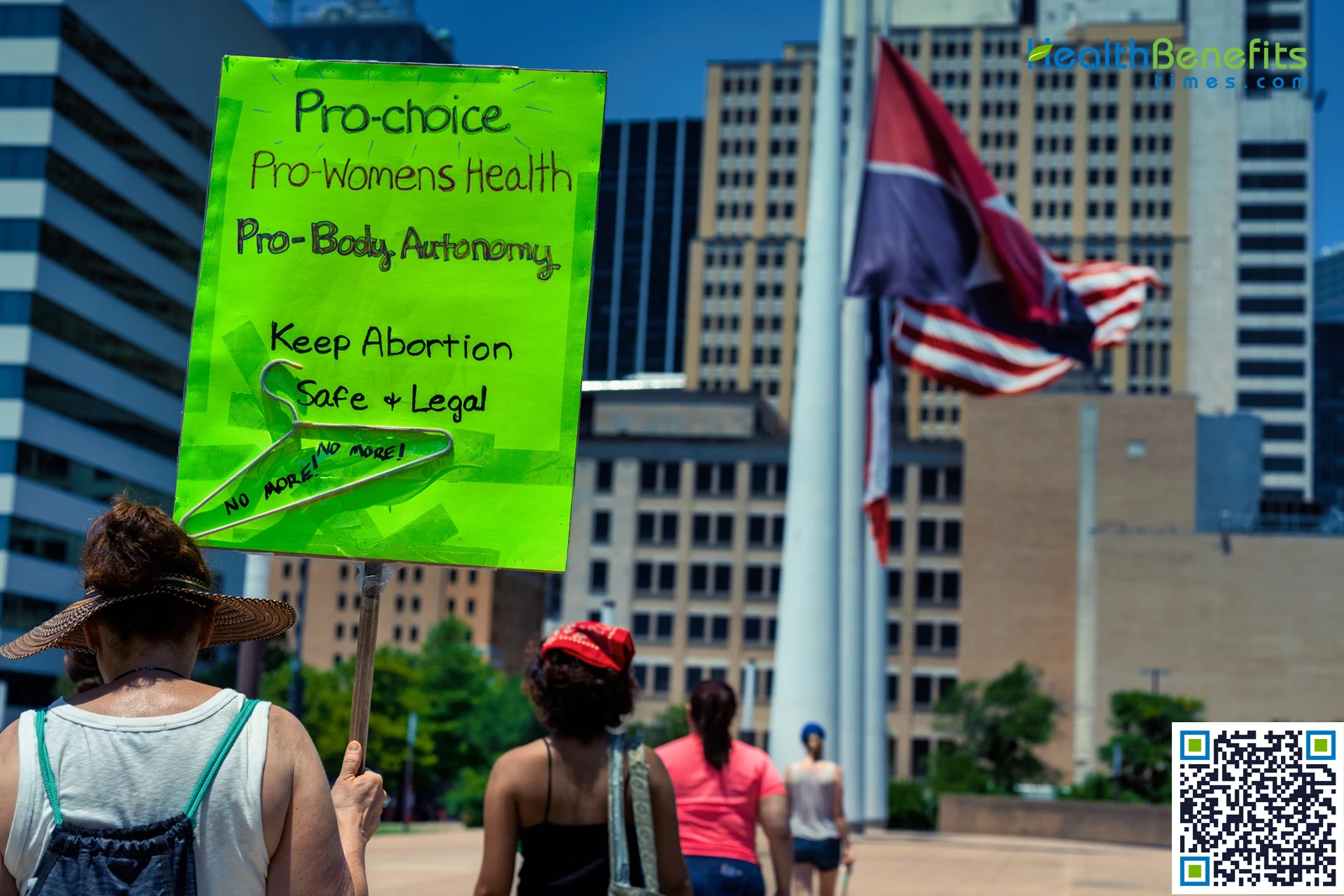
It is understandable that there is confusion. In the Philippines, the laws that regulate abortion are restrictive, and online debates tend to confuse legal provisions with individual experiences, medical facts, and old assertions. The best way to understand the issue is to separate them.
The following are five aspects that distinguish legal facts and common misconceptions.
1. Abortion Remains Criminalized
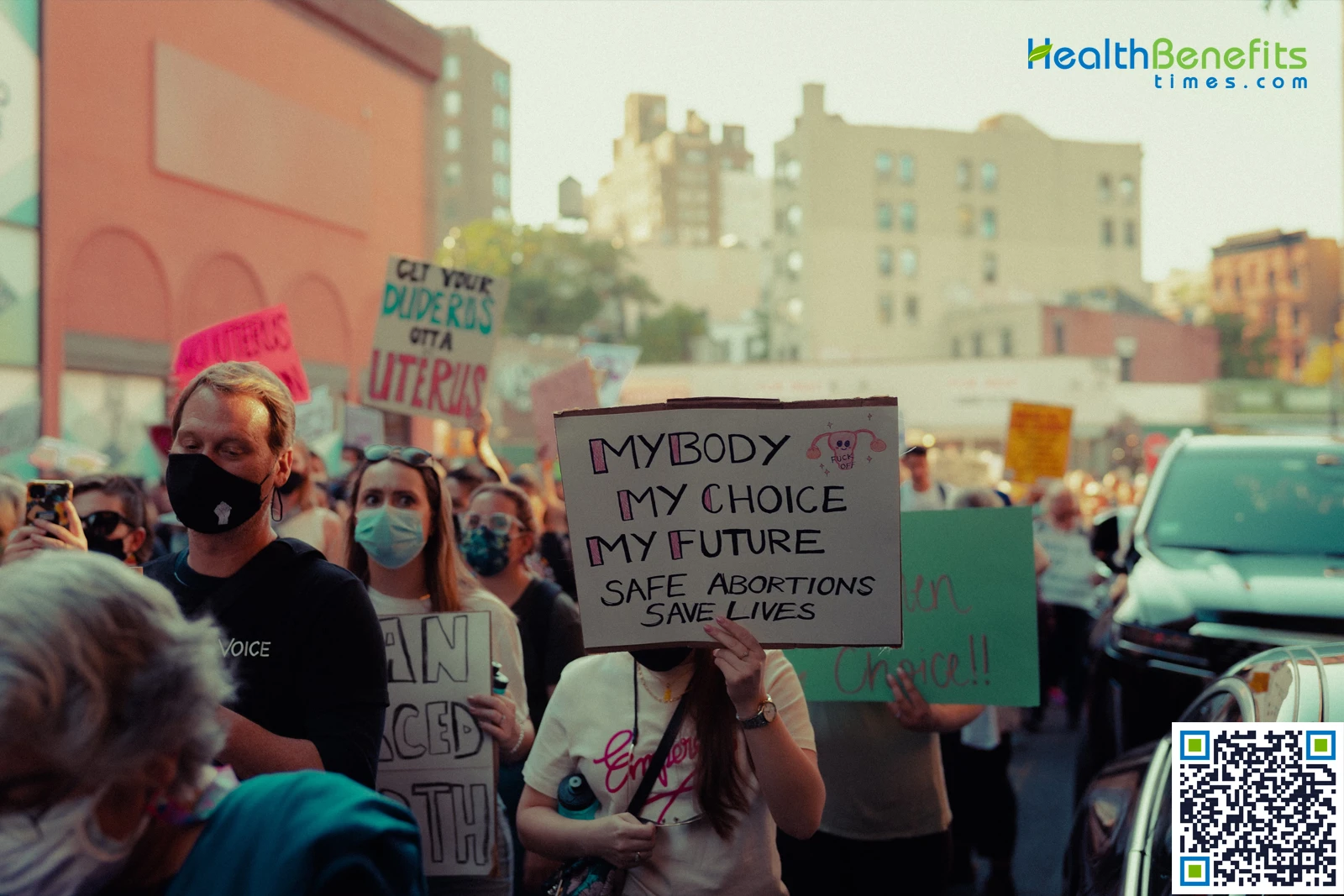
When Philippine law is presented with information on other countries, proposed reforms, as well as personal experiences, confusion usually commences. Those sources may characterize various situations. In practice, it is best to start with Philippine law.
To the question “Is abortion legal in Philippines?” the answer based on Philippine law is in the negative. Articles 256 to 259 of the Revised Penal Code criminalize intentional induced abortion in several situations.
These provisions cover more than one scenario — they apply to a third party who causes an abortion through violence, as well as to someone who assists in or consents to one. Importantly, the law does not create automatic exceptions based on the circumstances involved.
The basic points are:
- Philippine law still criminalizes induced abortion.
- Circumstances surrounding a case can differ.
- An online claim does not change the country’s legal provisions.
It is that rule that renders typical assertions concerning legal exceptions simpler to review.
2. Rape Does Not Automatically Create An Exception

Proposed legal reforms can create confusion. Human rights organizations have called for changes concerning pregnancies resulting from rape or incest. A recommendation for legal reform is not the same as an enacted change.
An article can discuss proposed changes without describing current law.
Before accepting a legal claim, check:
- Whether it refers to current Philippine law
- Whether it discusses a proposed reform
- When the information was published
Checking those details can prevent an outdated claim from being mistaken for current law.
3. Medical Emergencies Need Separate Attention
The legal argument is further complicated in medical emergencies.
It could be severe bleeding, infection, loss of pregnancy, or some other severe complication that needs immediate treatment. The act of treating a life-threatening complication of pregnancy is not necessarily equivalent to willfully causing an abortion.
The situation and cause of treatment of a patient are important. An overall remark on the abortion law cannot cover all the medical circumstances.
The abortion-care guideline offers evidence-based advice and acknowledges that abortion care exists in varying legal and regulatory environments.
During an emergency, appropriate medical attention should take priority over conflicting posts online.
4. Miscarriage Is Not An Induced Abortion

A miscarriage generally means that a pregnancy ends naturally. An induced abortion involves deliberately ending an ongoing pregnancy. The circumstances are clearly different.
That difference matters when someone experiences unexpected bleeding, cramping, or pregnancy loss. A miscarriage does not automatically mean that an induced abortion has occurred.
These terms provide a useful distinction:
- Miscarriage: A pregnancy ends naturally.
- Induced abortion: A pregnancy is deliberately ended.
- Post-abortion care: Medical care provided after an abortion or pregnancy loss when needed.
Keeping these situations separate prevents medical terminology from being misunderstood.
5. Online Claims Do Not Change Philippine Law
Information is easy to find due to the internet, and legal regulations, personal experience, medical recommendations, and old articles may be mixed.
An article in a foreign country can mention an exception that is not provided by Philippine law. An announcement on social media can introduce a purported reform as law.
It helps one take a moment before believing anything.
A few checks help:
- Locate the original source.
- Inquire about its date of publication.
- Ensure that it is applicable to the Philippines.
- Distinguish legal information from medical advice.
This is also the same with health claims. Unsafe abortion is also said to have serious physical complications and emphasizes the need to have proper healthcare. WHO Abortion Fact Sheet
It is easier to identify the facts that are legal and those that only appear convincing by checking the source.
Conclusion
Understanding abortion in the Philippines becomes easier once legal facts are separated from assumptions. Induced abortion remains criminalized under the Revised Penal Code, while miscarriage and treatment for pregnancy complications are different medical matters.
Claims about rape, incest, or other circumstances also need to be checked against current law rather than assumed to create automatic exceptions.
Before trusting an online statement, check its source, date, and relevance to the Philippines. Reliable legal and medical information offers a clearer path through this sensitive subject than social media claims or outdated articles.
Comments
comments