

However, navigating this growing selection isn’t always straightforward. Two products containing the same botanical ingredient may differ significantly in how they are sourced, manufactured, tested, and labeled.
For consumers, understanding those differences is an important part of making informed decisions. Attractive packaging, natural ingredients, and impressive marketing claims do not necessarily provide a complete picture of a product’s quality or safety.
Here are several factors worth examining when evaluating botanical products and the companies behind them.
1. Understand What Is Actually in the Product
The first step is understanding exactly what a product contains.
Botanical products can include whole plant materials, powders, concentrated extracts, or combinations of several ingredients. Even when products originate from the same plant, their chemical composition may vary depending on the extraction method, concentration, and formulation.
For example, an herbal powder and a concentrated liquid extract are not necessarily interchangeable. Extracts may contain substantially different concentrations of active compounds, which can affect their risks and potential interactions.
Consumers should look for clear ingredient descriptions that identify the botanical source, the type of preparation, and any meaningful information about concentration.
A label that simply describes a product as a “premium herbal blend” provides considerably less information than one that identifies its ingredients and their quantities.
The same principle applies to products containing several botanicals. Understanding the full formulation is important because combining ingredients may introduce additional risks or interactions.
2. Look Beyond the Front of the Label
Marketing language can make botanical products sound appealing, but it doesn’t always tell consumers much about their composition or manufacturing process.
Terms such as “natural,” “premium,” and “high potency” can be used in different ways. On their own, they do not establish that a product has been independently tested, manufactured consistently, or demonstrated to be safe.
Consumers should pay closer attention to specific, verifiable information.
This may include identifying the manufacturer, finding ingredient quantities, reviewing relevant warnings, and determining whether testing documentation is available.
Product descriptions should also distinguish between traditional uses, customer experiences, and benefits supported by reliable scientific research.
A company’s willingness to explain what its product contains is more meaningful than broad promises about how a consumer might feel after using it.
3. Understand the Role of Third-Party Laboratory Testing
One of the most useful ways to evaluate botanical product quality is to examine whether a manufacturer conducts independent laboratory testing.
Third-party testing involves sending product samples to an outside laboratory for analysis. Depending on the product and tests requested, the laboratory may examine chemical composition, ingredient concentrations, or potential contaminants.
This provides information beyond the manufacturer’s own description of the product.
However, not every laboratory test serves the same purpose.
A test confirming the concentration of a particular compound does not necessarily establish that the product has been screened for microbial contamination or heavy metals. Similarly, testing for contaminants does not automatically verify every ingredient listed on the label.
Consumers should therefore look beyond a general statement that a product is “lab tested.”
Useful questions include:
- Which laboratory performed the testing?
- What specific substances or contaminants were examined?
- When was the sample tested?
- Can the results be connected to the product being sold?
- Are the full results available for review?
Independent testing can provide valuable evidence about a product’s composition, but it should never be interpreted as a guarantee of medical safety or effectiveness.
4. Learn How to Read a Certificate of Analysis
A certificate of analysis, commonly called a COA, is a laboratory document summarizing the results of particular tests performed on a sample.
Depending on the product, a COA may identify certain active compounds, report concentrations, or document testing for selected contaminants.
For consumers unfamiliar with laboratory reports, these documents can initially seem complicated.
However, several details are relatively easy to examine.
First, look for the product name and identifying information, such as a batch or lot number. Ideally, this information should correspond to the product in question.
Next, examine the date of testing and the laboratory responsible for the report. Results from an older batch may not describe the product currently being sold.
Finally, review what was actually tested. A COA should specify the substances or contaminants included in the analysis rather than relying on a broad quality statement.
Some manufacturers make these reports available on their websites, while others require customers to request them.
Public access makes it easier for consumers to examine the documentation before making decisions.
It is important to remember that a COA reflects the tests conducted on submitted samples. It does not independently establish the safety of every unit produced, the accuracy of every marketing claim, or compliance with all applicable regulations.
5. Manufacturing Practices Matter, Too
Laboratory testing is only one part of product quality. The manufacturing process can also influence consistency and contamination risks.
Botanical ingredients may pass through several stages before reaching consumers, including cultivation, harvesting, transportation, extraction, formulation, and packaging.
Each stage introduces variables that manufacturers need to manage.
For example, variations in raw plant material may influence the chemical composition of an extract. Changes in equipment, processing conditions, or ingredient suppliers can also affect the finished product.
Manufacturers can address these challenges through documented procedures, appropriate equipment maintenance, ingredient specifications, and quality-control measures.
Good Manufacturing Practice standards, commonly referred to as GMP, provide a framework for managing manufacturing quality in industries where they apply.
Consumers should distinguish between a company’s statement that it follows certain practices and independently verified certification or regulatory compliance.
Owning a production facility can provide a company with direct oversight of its processes, but ownership alone does not establish the quality or safety of the products manufactured there.
6. Why Some Botanical Brands Emphasize Production Transparency
As consumers become more interested in ingredient transparency, some botanical companies are making manufacturing information a more visible part of their brand identity.
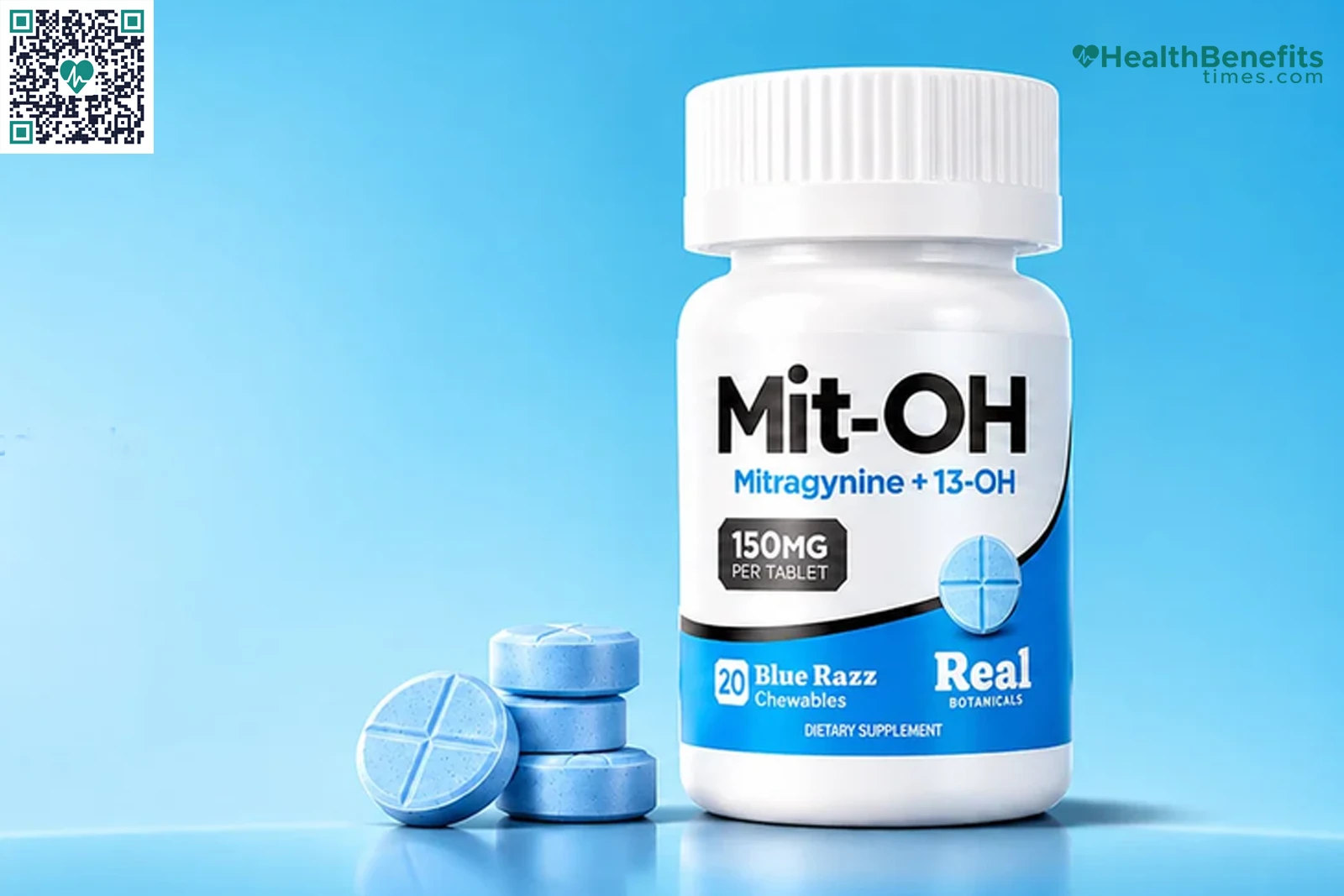
For example, Real Botanicals, a US-based company offering kratom, kava, and other concentrated botanical products, describes its approach as manufacturing products within its own domestic facility rather than relying entirely on outside private-label suppliers.
The company also states that it conducts batch-by-batch third-party testing and publishes certificates of analysis for customers to review.
These practices illustrate the kinds of information consumers can seek when researching a botanical manufacturer: where its products are made, what tests are performed, and whether laboratory documentation is accessible.
Such disclosures provide opportunities for independent scrutiny. They should not, however, be treated as proof that a company’s products are safe for consumption, medically beneficial, or approved by regulators.
Consumers should evaluate the actual reports, product-specific warnings, and applicable regulatory guidance rather than relying exclusively on a manufacturer’s quality claims.
7. Recognize the Difference Between Traditional Use and Scientific Evidence
Many botanical ingredients have histories of traditional use that extend across generations.
These histories can provide valuable cultural and historical context, but traditional use does not automatically demonstrate that a particular modern formulation is safe or effective.
Concentrated extracts, isolated compounds, and products combining multiple ingredients may differ substantially from traditional preparations.
The scientific evidence surrounding individual botanicals also varies considerably.
Some ingredients have been investigated through clinical research, while others have limited human safety data. Research conducted using one formulation cannot necessarily be applied to another product containing the same plant.
Consumers should be cautious about testimonials presented as scientific proof.
Personal experiences may help explain why someone became interested in a particular product, but they cannot establish broader health benefits or rule out adverse effects.
For health-related decisions, reliable clinical evidence and guidance from qualified healthcare professionals are more useful than marketing promises.
8. Pay Attention to Regulatory Status and Safety Warnings
Botanical products are not all regulated in the same way.
A product’s legal classification can depend on its ingredients, intended use, marketing claims, and the jurisdiction in which it is sold.
In the United States, the Food and Drug Administration does not approve dietary supplements for safety and effectiveness before they enter the market. Some botanical ingredients also face additional restrictions or may not lawfully be marketed as dietary supplements.
Kratom is an important example. The FDA has warned about serious health risks associated with kratom products and states that kratom is not lawfully marketed as a dietary supplement or food additive in the United States.
The agency has also issued particularly strong warnings concerning products containing concentrated or enhanced levels of 7-hydroxymitragynine, commonly called 7-OH, advising consumers to avoid them because of potentially serious harms.
Laboratory testing, transparent labeling, and manufacturing controls do not eliminate these concerns.
Consumers should review current federal and state guidance, especially for products containing concentrated botanical compounds.
They should also consider potential interactions with medications, alcohol, or other substances, and consult a qualified healthcare professional when relevant.
9. Ask Questions Before Trusting a Product Description
With so much information available online, evaluating a botanical product can feel overwhelming.
A practical approach is to focus on a few straightforward questions.
Does the company clearly explain what the product contains? Is the ingredient concentration identified? Can customers find relevant testing documentation? Does the manufacturer provide accurate information about its production practices?
Equally important, does the company acknowledge limitations and risks?
A trustworthy product description should not suggest that natural ingredients are automatically harmless or that laboratory testing guarantees a positive health outcome.
Warning labels, regulatory disclosures, and transparent explanations of uncertainty are important parts of informed decision-making.
Consumers should be particularly cautious when a product makes sweeping promises, offers little verifiable information, or encourages ignoring medical advice.
Making More Informed Choices About Botanical Products
The botanical marketplace includes a wide range of ingredients, formulations, manufacturers, and quality-control practices.
Understanding those differences requires more than reading product advertisements or comparing prices.
Ingredient transparency, relevant laboratory testing, accessible certificates of analysis, and clearly explained manufacturing practices can all help consumers evaluate the information a company provides.
At the same time, documented product composition is not the same as demonstrated safety or effectiveness. Regulatory restrictions and health warnings remain important regardless of how thoroughly a product has been tested.
Ultimately, the most valuable approach is to ask informed questions, examine the available evidence, and recognize the limits of what manufacturers can reasonably claim.
In an increasingly complex botanical market, transparency helps consumers understand what they are being offered, while independent scientific evidence and appropriate health guidance remain essential for evaluating the risks.
Comments
comments