

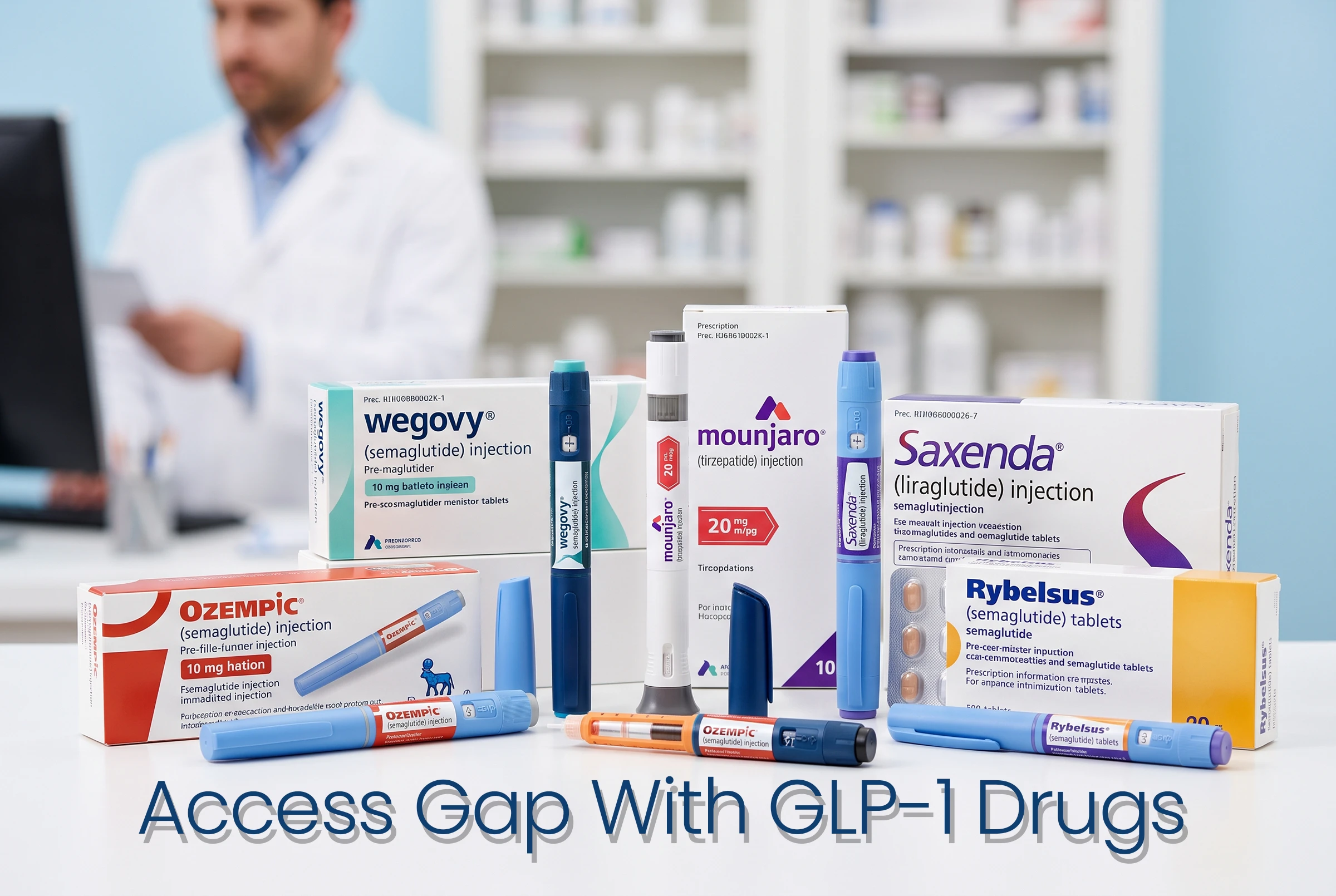
“It’s important for Medicare users to understand this initiative, which is known as the GLP-1 Bridge program, isn’t a universal change,” says Karthik Achari, Clinician and Founder of PepMD. “It’s targeted to Medicare beneficiaries using GLP-1s for weight loss, which was previously not covered because federal law prohibits Part D plans from covering weight-loss medications. Patients with type 2 diabetes, moderate-to-severe obstructive sleep apnea, or qualifying MASH are not eligible for the Bridge; those indications remain within the existing Part D coverage framework.”
A clinician by training, Achari, founded PepMD in January 2026 to address the rapid growth of peptide medicine without the infrastructure needed to support it. The organization is designed to serve as an independent standards body developing the credentialing and trust infrastructure for peptide medicine. Modeled in part after established accreditation systems like The Joint Commission, PepMD credentials clinicians, recognizes pharmacies, and authorizes research sites.
“For Medicare beneficiaries currently on GLP-1s for weight management, now is the time to talk to your provider about whether you’ll be eligible for the Bridge program and what the prior authorization process will look like,” Achari says. “The clinical eligibility criteria require specific body mass index (BMI) thresholds and related health conditions, so patients should confirm they meet those before counting on the $50 access available under the program.”
How will access to GLP-1s change for eligible Medicare users?
The Medicare GLP-1 Bridge program that launched on July 1, 2026, will run through December 31, 2027 and allow Medicare Part D beneficiaries to access certain GLP-1 medications at a $50 monthly copay when prescribed for weight management. To be eligible for a weight-loss prescription, patients must:
- Have a BMI of 35 or higher, or;
- Have a BMI that is greater than or equal to 30 with at least one qualifying condition such as uncontrolled hypertension, or;
- Have a BMI that is greater than or equal to 27 with high-risk cardiovascular or metabolic criteria.
The covered medications include all formulations of Foundayo and Wegovy, and the KwikPen formulation of Zepbound. The single-dose vial and single-dose pen formulations of Zepbound aren’t included.
“For Medicare beneficiaries who qualify, the math changes significantly,” Achari says. “Accessing eligible GLP-1s at $50 a month is well below what most Medicare patients have been paying out of pocket. Many were facing hundreds of dollars per month out of pocket or had no realistic access at all.”
What does the Medicare GLP-1 Bridge program mean for those who don’t qualify?
The GLP-1 Bridge program doesn’t implement any direct changes for patients who don’t utilize Medicare, such as commercial insurance patients, employer plan members, and cash payers. However, the creation of the program may inspire insurance providers to reconsider their coverage of GLP-1s.
“The Medicare GLP-1 Bridge creates real pressure on commercial insurers and employer plans to think differently about weight management coverage,” Achari says. “When CMS creates a federal demonstration expanding access to GLP-1s for weight management, that sends a signal that could ripple into commercial coverage decisions, employer benefit design, and pharmacy benefit manager formulary policy. What impact those ripples will have remains to be seen.”
For now, patients who aren’t eligible for the GLP-1 Bridge program should know there are four GLP-1 markets operating in parallel. The first provides access to branded GLP-1s through traditional insurance and pharmacy, which is what most people start with.
The second point of access is the new direct-to-consumer programs from the manufacturers themselves. They include LillyDirect for Zepbound and Mounjaro, and NovoCare for Wegovy and Ozempic.
“The direct-to-consumer programs let patients pay a flat cash price and skip the insurance fight entirely,” Achari explains. “The prices aren’t cheap, but they’re often better than what people pay through insurance with poor coverage.”
The third market provides access through licensed compounding pharmacies. “These pharmacies were a major access channel during the FDA-declared shortages, but that channel has narrowed significantly since those shortages were resolved,” Achari says. “Some compounding continues under personalized prescriber-justified exceptions, but the broad availability that defined the shortage era is largely gone.”
The fourth source is the grey market, where research peptide vendors and offshore sources typically sell products that vary significantly in quality at low prices with no clinician oversight. This market tends to absorb patients when the other three become inaccessible.
As the GLP-1 Bridge program begins to affect the market, non-Medicare patients should watch for changes that could benefit them. Those who have been using the grey market may want to consider if now is the time to switch to manufacturer direct-to-consumer programs, which have become significantly more affordable in the last year and offer the clinical oversight that grey market sources don’t.
“Regardless of how they access GLP-1s, patients should know that one of the most important variables for outcomes is whether a qualified clinician is actually managing their treatment,” Achari says. “Without a clinician, most users aren’t benefiting from baseline labs, monitoring during use, adverse event recognition, and dose titration based on response. Those are the elements that make GLP-1 therapy work over the long term, and they are the part of the access conversation that gets the least attention.”
Comments
comments