

The name may be debated, but your burnout can still feel sharp. You deserve simple, steady ways to feel stronger, calmer, and clearer. Small daily habits can help support better sleep, mood, and stamina. This guide shares natural steps that fit real life in the United States.
Lifestyle Modifications for Adrenal Fatigue Recovery
Ordinary habits are a normal beginning of real recovery. The most effective Adrenal Fatigue Treatment is frequently composed of some simple lifestyle changes that stabilize your energy, reduce stress and allow your body to feel safe once again.
Eat the right foods at the right times
Food can either hold you up or drop you flat. Late meals cause blood sugar to rise and fall. That will make you tremulous, vague, aggravated, and strangely hungry all day long.
A plant-based diet is useful as it introduces minerals, fiber, and color. In addition to that, you require a lot of protein in both veg and non-veg foods. Consider beans, tofu, eggs, chicken, salmon, yogurt, turkey, and lentils as well as cottage cheese.
Attempt to eat at normal hours even on hectic working days in the US. Avoid extra sugar, processed carbs, and industrial seed oils. The energy may soar with those foods but by afternoon you may find yourself dragging.
Get adequate sleep
You can repair your body, but only when you are asleep. Lack of sufficient rest may accumulate stress and remain unresolved during the day. Then even menial work weighs strangely, slowly, and with difficulty.
Set a bedtime that feels steady, not random, and keep it most nights. Also, dim lights early and put the phone down before bed. Screens, noise, and late snacks can keep your brain switched on.
A cool room helps. Dark curtains help. Quiet helps, maybe more than expected. However, if you still wake up tired after full nights, look deeper. Snoring, anxiety, pain, and blood sugar drops can all wreck sleep.
Quit stimulants (especially caffeine) and sugar
Caffeine can feel like a lifeline when your tank is already empty. Sugar does the same thing, fast and bright, then disappears. That quick lift often turns into a bigger crash by late morning.
You do not need to quit everything in one wild, miserable day. Well, tapering usually works better for most people dealing with fatigue. The first cut should be on coffee, followed by soda, energy drinks, and sweet snacks.
Use water, herbal tea, fruit, eggs, nuts, or plain yogurt in its place. Moreover, have actual meals so that cravings will not take charge of the entire performance. Reduced amount of caffeine and sugar may translate into fewer collapses, reduced anxiety, and more consistent concentration.
Cut back on cardio exercises
Excessive cardio may strain an already exhausted body. Boot camps, long runs and daily HIIT may seem like punishment. The exercises at a certain point cease to be beneficial and become a drain on the remaining.
That does not mean movement is bad or somehow off limits now. It means your body may need gentler exercise while stress stays high. Walking, stretching, light strength work, and easy bike rides usually feel better.
Do not only focus on how you feel during the workout but also after it. When you later crash or sleep poorly or have the shakes, downsize. You must not be flat the following day after recovery workouts.
Do yoga and meditation
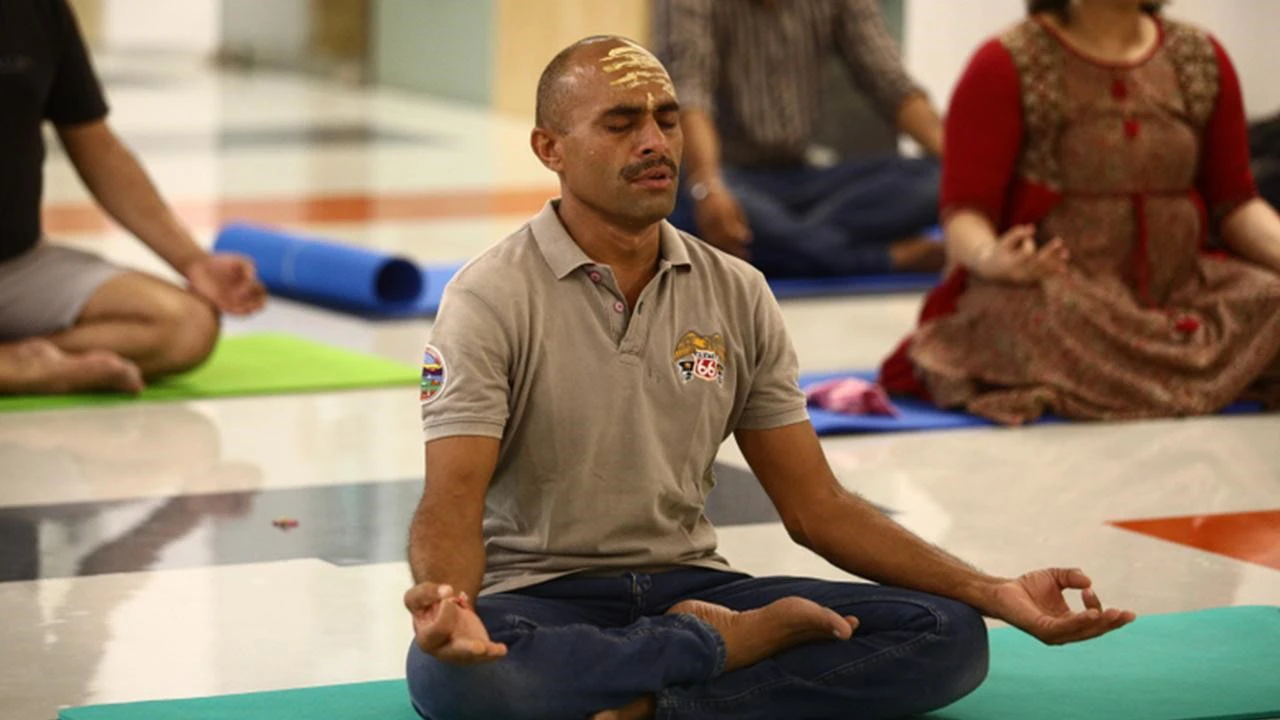
There is no need for candles, awe-inspiring silence, or a block of time to meditate. E.g., even 5 minutes of silence will soothe a hectic nervous system. Sit down, relax, and do not hold on to your thoughts, but allow them to flow.
Meditation does not need candles, perfect silence, or a giant block of time. For example, five quiet minutes can still calm a busy nervous system. Sit still, breathe slowly, and let your thoughts pass without grabbing them.
Try simple poses, short breath work, or beginner classes you can repeat. Also, do not force intense yoga when your body already feels worn down. Slow practice often works better, especially when stress has stayed high for months.
Have fun, and take time for yourself
This part matters more than people like to admit, honestly. If every hour goes to work, errands, screens, and family pressure, recovery slows. Your body needs little signals that life is not all strain.
Fun does not have to mean a big trip or expensive weekend plans. It can be music while cooking, sitting outside, or calling a friend. In addition, laughter can soften tension faster than another health hack.
Protect small pockets of time that belong only to you, no guilt. Read a light book. Take a slow bath. Wander a store alone. Those tiny breaks can lower stress and help your energy come back, bit by bit.
Try aromatherapy
Aromatherapy can transform the atmosphere in a room within a short time and it is easy. Some of the smells make your brain associate home with relaxation, not hurry. That is important when you have been in a state of stress for weeks.
Lavender is normally used at night since it is soft and silent. The groggy mood can be elevated by citrus scents without using caffeine. Evenings can also become less acute with the help of chamomile, sandalwood, and bergamot.
You can use a diffuser, bath soak, room spray or even a warm washcloth. But be careful of the smell it leaves, not too strong, particularly when you have a headache. Aromatherapy cannot assist in the recovery but only as a single support.
Treat underlying health conditions
Fatigue is not always only a matter of stress, burnout or overload every day. There is a more serious health problem that is silently causing recovery to be more difficult than it could be.
Deficiencies in iron, thyroid issues, ineffective blood sugar and sleep apnea are important. Anxiety, depression, chronic pain and vitamin deficiencies do too. Conversely, these problems may appear to be mere fatigability.
If the fatigue remains acute, request that a licensed clinician perform a thorough workup. A full health history, blood tests, and sleep checks can be helpful. It is not merely the fatigued feeling that should be cured but the underlying problem which is normally a solution in itself.
Conclusion
Healing takes patience, and your body often responds best to steady change. You do not need perfect habits, just simple choices repeated each day. Better sleep, calmer mornings, and balanced meals can rebuild your energy.
Comments
comments