

But popularity has also made the conversation confusing. One video makes cold plunging look like a cure for almost everything; the next turns it into a contest to see who can tolerate the coldest water.
The reality is less dramatic. Cold water immersion (CWI) can be useful for recovery, particularly when soreness is the main concern. It also creates genuine stress on the cardiovascular and respiratory systems, so how you use it matters.
What Cold Water Does to the Body
Cold water immersion simply means placing part or most of the body in cold water for a limited period. In exercise research, water temperatures around 50°F to 59°F (10°C to 15°C) are common, although protocols vary.
The body’s response begins almost immediately.
Step into genuinely cold water and you’ll probably notice your breathing before anything else. An involuntary gasp may be followed by faster breathing, while heart rate and blood pressure can rise. At the same time, blood vessels near the skin constrict to reduce heat loss.
This is often called the cold shock response.
After the first minute or so, the sensation may become easier to manage. Your breathing settles and the urge to jump straight back out may fade. The water hasn’t become warmer; you’ve simply moved beyond that first burst of shock.
Cold also changes how discomfort feels. Cooling the skin and underlying tissues can temporarily reduce pain perception, which is one reason sore legs may feel better after an ice bath. That’s useful, but it shouldn’t be confused with instant muscle repair.
Temperature Doesn’t Need to Be Extreme
A common assumption is that a colder plunge must be a better plunge. Research doesn’t really work that way.
Most studies don’t put participants into near-freezing water and see who lasts longest. They use controlled temperatures so that one person’s exposure can reasonably be compared with another’s.
That consistency can be harder to achieve at home. Drop several bags of ice into a tub and the result depends on the starting water temperature, tub size, weather, and how much ice you happened to buy that day.
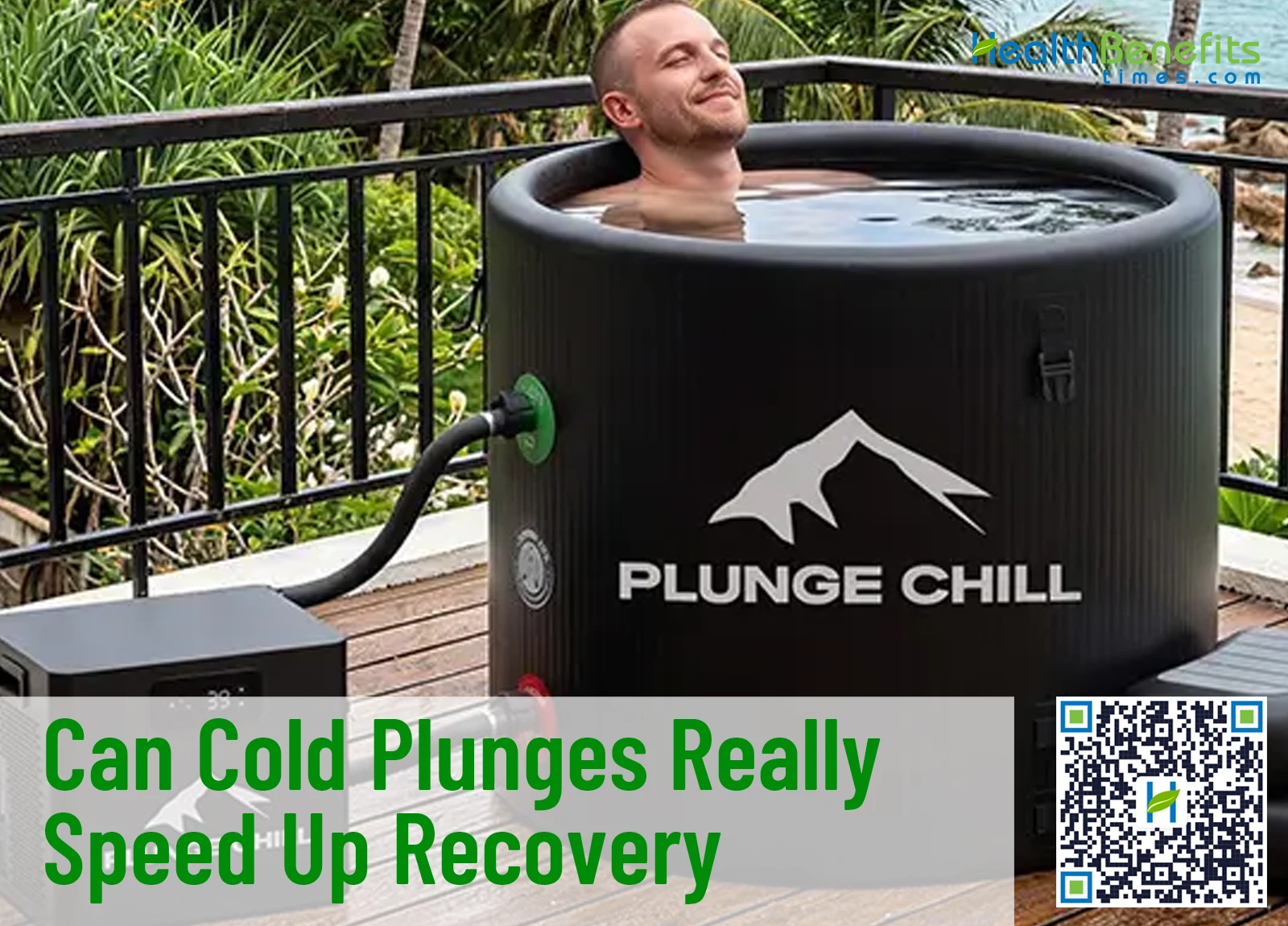
For people who plunge regularly, a cold plunge chiller offers a practical way to cool and circulate the water at a more predictable temperature. Its value isn’t in making the water brutally cold. It’s in removing some of the guesswork.
If 55°F already feels challenging, there’s no obvious reason to push toward 40°F just because someone online does.
Where Cold Plunging Helps Most
The strongest case for cold water immersion is probably post-exercise soreness.
After a difficult or unfamiliar workout, delayed onset muscle soreness (DOMS) can build over the next day or two. Research suggests cold water immersion can reduce how sore people feel afterward.
Think about a runner waking up the morning after a race, or a soccer player with another match the next day. In situations like these, feeling less sore can be genuinely useful. The muscles don’t have to be magically “healed” overnight for that benefit to matter.
This helps explain why cold immersion has remained popular in sports where recovery windows are short.
Still, the basics haven’t changed. A cold plunge can’t make up for too little sleep, poor nutrition, dehydration, or a training schedule that never gives the body time to recover.
Strength Training Is a Different Story
Using cold water after every strength workout deserves more thought.
Exercise-related inflammation isn’t simply something bad that needs to be switched off. Some of the signals created by resistance training are involved in the process that eventually leads to adaptation and muscle growth.
Research has raised concerns that frequent cold immersion immediately after lifting could interfere with some of those adaptations.
That doesn’t mean people who lift weights need to avoid cold plunges altogether. Timing is the more useful question. If muscle growth is the priority, separating a plunge from a strength session by several hours—or using it on other training days—may make more sense than heading straight from the final set into cold water.
What About Energy, Focus, and Sleep?
Not everyone cold plunges for sore muscles.
Many people say they feel unusually alert afterward, which isn’t surprising given how strong the initial cold stimulus can be. This is one reason morning plunges have become popular.
But individual reactions aren’t identical. Some people step out feeling energized; others mostly want a warm towel.
Sleep is similarly personal. Although body temperature naturally changes around sleep, there isn’t enough reason to assume that a cold plunge before bed automatically improves sleep quality. An evening session may feel relaxing for one person and overly stimulating for another.
Experimenting with timing makes more sense than following a universal schedule.
Cold Water Isn’t Safe for Everyone
The cardiovascular response that makes cold plunging feel intense also means some people need to be cautious.
Anyone with heart disease, heart rhythm disorders, uncontrolled high blood pressure, Raynaud’s phenomenon, or other conditions affected by sudden changes in circulation should speak with a healthcare professional before trying deliberate cold immersion. Pregnancy and certain neurological conditions may also require individual medical advice.
Beginners should pay particular attention to the first moments in the water. The cold shock response can cause a sudden gasp and rapid breathing.
This becomes especially dangerous in open water. A home plunge and a winter lake are not equivalent. Currents, waves, depth, slippery surfaces, and the possibility of inhaling water all add risk.
If you’re new to cold exposure, don’t begin with an unsupervised open-water challenge.
A Sensible Way to Start
You don’t need a complicated protocol.
Start with water that feels clearly cold but still manageable, and keep the first few sessions brief. Instead of watching the clock and trying to hit somebody else’s target, pay attention to your breathing and how well you remain in control.
The same principle applies to the equipment. Whether you’re using a simple ice-filled tub or a temperature-controlled setup from a cold plunge brand such as Plunge Chill, the goal should be predictable, manageable cold exposure—not seeing how uncomfortable you can make the experience.
As the experience becomes familiar, adjust gradually. There’s no need to lower the temperature and increase the duration at the same time.
And know when the session is over. Persistent or severe shivering, dizziness, confusion, unusual numbness, chest discomfort, or difficulty breathing are reasons to get out—not signs that you should push harder.
Dry off, change into warm clothes, and allow yourself to warm up afterward.
Recovery Still Happens Outside the Tub
Cold plunges are visually impressive. Eight hours of sleep isn’t. That may be one reason cold water gets so much attention in recovery conversations.
But the boring things still matter more.
Adequate sleep, enough food and protein, hydration, sensible training, and rest provide the foundation. Cold water sits on top of that foundation as an optional tool.
For an athlete facing another event tomorrow, reducing soreness may be valuable. For someone who enjoys a morning plunge and feels refreshed afterward, that’s a perfectly reasonable reason too.
The important part is knowing what you expect the cold to do.
Final Thoughts
Cold plunging doesn’t need to be a miracle cure or an endurance challenge.
Evidence suggests cold water immersion can help reduce perceived soreness after demanding exercise, and many people enjoy the alertness or sense of recovery they feel afterward. But colder isn’t automatically better, and the best timing depends partly on what you’re trying to achieve.
Start conservatively, keep the temperature predictable, and pay attention to how your own body responds.
The most useful cold plunge probably isn’t the coldest one you’ve ever managed. It’s the one that has a clear purpose and fits sensibly into the rest of your recovery routine.
Comments
comments