

Causes of Carbon Monoxide Poisoning
- Operating portable gas-powered generators inside homes, basements, or enclosed garages. 1
- Running motor vehicles or fuel-burning machinery inside an attached garage, even if the garage door is left open. 1
- Burning charcoal, wood, or propane inside a house, tent, or recreational vehicle for heating or cooking purposes. 1
- Using a gas kitchen oven or gas range top to heat a home or indoor living space. 1
- Operating malfunctioning or poorly ventilated indoor heating systems, including gas furnaces, boilers, and gas water heaters. 2
- Using gas or wood-burning fireplaces that have blocked, cracked, or improperly maintained chimneys and exhaust flues. 2
- Running unvented, fuel-burning space heaters (such as kerosene or gas heaters) in enclosed rooms without proper air circulation. 1
Symptoms of Carbon Monoxide Poisoning
- A dull, persistent headache, which is frequently documented as the most common early warning sign of exposure. 1
- Dizziness, physical weakness, or a general loss of balance and coordination. 1
- Nausea and vomiting, which are frequently misdiagnosed initially as the flu or food poisoning. 1
- Shortness of breath or difficulty breathing, particularly when engaging in mild physical activity. 2
- Mental confusion, altered judgment, or a sudden inability to concentrate. 1
- Blurred vision or other unexpected visual disturbances. 1
- Sudden chest pain, which can be especially severe in individuals with pre-existing heart conditions. 1
- Loss of consciousness or fainting, which typically occurs during prolonged exposure or high-concentration gas leaks. 2
Carbon Monoxide Poisoning Treatment
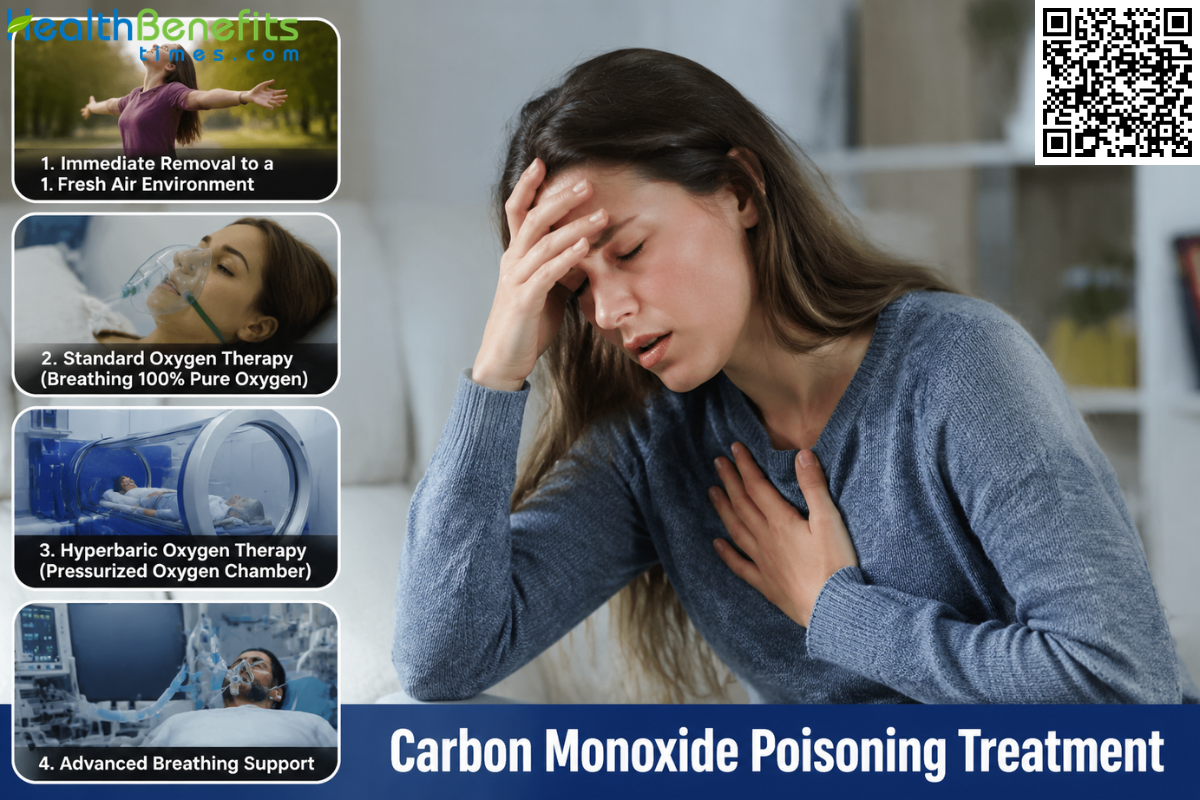
1. Immediate Removal to a Fresh Air Environment
How it may help Getting away from the source of carbon monoxide is the critical first step in treatment. Moving into fresh air immediately halts further inhalation of the toxic gas and allows the lungs to begin the slow process of replacing the carbon monoxide bound to red blood cells with life-saving oxygen.
What research says Clinical guidelines confirm that ending exposure is the mandatory initial intervention for survival. Research demonstrates that breathing normal room air reduces the half-life of carbon monoxide in the bloodstream to approximately 320 minutes, gradually clearing the poison from the body before emergency medical oxygen therapies are administered. 3
How to use it safely If an alarm sounds or you suspect a gas leak, evacuate all people and pets outdoors immediately. Do not waste time opening windows or searching for the leak. Once outside in fresh air, stay there and call emergency services right away to receive a professional medical evaluation.
Potential precautions or side effects Never re-enter the building until emergency responders declare it safe. Attempting a rescue yourself can cause you to quickly become overcome by the invisible gas and lose consciousness.
2. Standard Oxygen Therapy (Breathing 100% Pure Oxygen)
How it may help
Standard oxygen therapy delivers 100 percent pure oxygen through a tight-fitting mask. This high concentration of oxygen rapidly forces the toxic carbon monoxide off your red blood cells. By quickly restoring normal oxygen delivery to the brain and heart, this treatment prevents severe organ damage and speeds up recovery.
What research says
Clinical studies show that administering 100 percent oxygen dramatically reduces the time it takes to remove carbon monoxide from the blood. Research confirms this therapy drops the gas’s half-life in the body from roughly 320 minutes in standard room air down to just 74 to 80 minutes. 3
How to use it safely
Standard oxygen therapy must be administered by trained medical professionals in an ambulance or hospital. If you suspect exposure, go to an emergency room immediately. Healthcare providers will use a specialized mask with a reservoir bag to ensure you receive the maximum concentration of pure oxygen.
Potential precautions or side effects
Breathing pure oxygen is very safe during short-term emergency care. Occasionally, it may cause mild side effects such as a dry nose, throat irritation, or temporary chest discomfort. 4
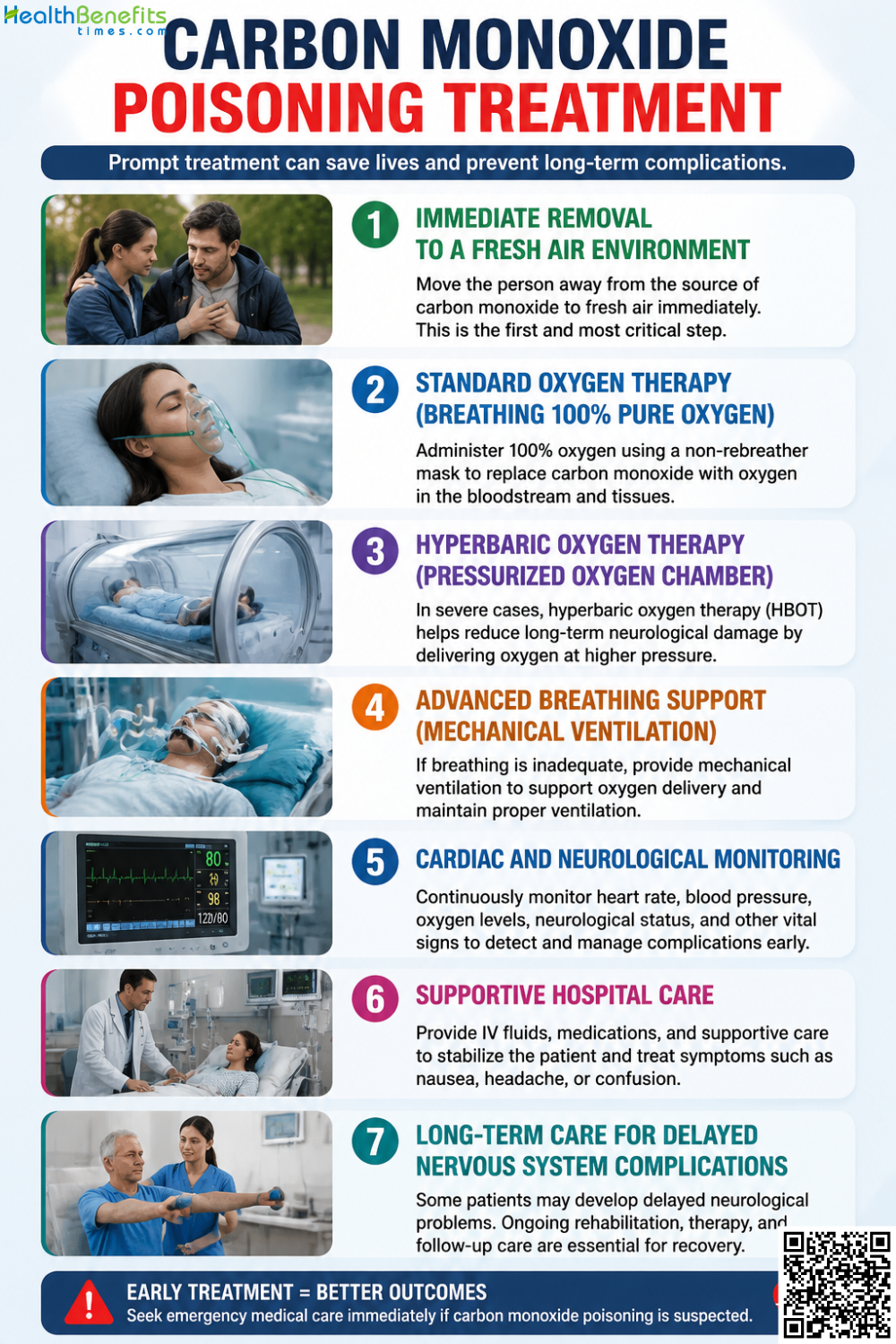
3. Hyperbaric Oxygen Therapy (Pressurized Oxygen Chamber)
How it may help
Hyperbaric oxygen therapy involves breathing pure oxygen inside a pressurized chamber. This high-pressure environment dissolves large amounts of oxygen directly into your blood plasma, bypassing the damaged red blood cells. This rapidly restores vital oxygen to the brain and heart while forcefully clearing the toxic gas.
What research says
Clinical guidelines conclude that hyperbaric therapy accelerates carbon monoxide removal, reducing its half-life in the body to just 20 minutes. Medical experts strongly recommend this therapy for severe cases, including patients who lose consciousness or pregnant women, to prevent permanent brain damage and delayed nervous system complications. 3
How to use it safely
This advanced treatment is only performed by trained specialists in hospital settings with specific hyperbaric facilities. If doctors recommend this chamber, carefully follow the medical team’s instructions, especially their techniques for swallowing or yawning to clear your ears as the pressure changes.
Potential precautions or side effects
The pressurized environment can cause temporary ear pain, sinus pressure, or mild vision changes. Rarely, oxygen toxicity may trigger brief seizures, which your monitoring medical team will manage immediately. 4
4. Advanced Breathing Support (Mechanical Ventilation)
How it may help
Advanced breathing support, known as mechanical ventilation, is used when a person is unconscious or cannot breathe adequately. A machine takes over the work of breathing through a tube placed in the airway, ensuring the continuous and secure delivery of 100 percent pure oxygen while protecting the lungs.
What research says
Clinical protocols establish that severe carbon monoxide poisoning patients experiencing respiratory failure or deep unconsciousness require immediate mechanical ventilation. Research concludes this intervention protects the airway from collapse and provides the uninterrupted oxygen therapy necessary to prevent further life-threatening damage to the brain and heart. 3
How to use it safely
This life-saving intervention is exclusively managed by critical care professionals in an intensive care unit. Medical staff continuously monitor and adjust the machine’s pressure and oxygen settings to safely meet the patient’s vital needs during their recovery.
Potential precautions or side effects
Mechanical ventilation carries risks such as ventilator-associated pneumonia, vocal cord irritation, or pressure-related lung injury. Medical teams closely monitor the equipment to minimize these critical care complications. 5
5. Cardiac and Neurological Monitoring
How it may help
Continuous cardiac and neurological monitoring tracks the health of the heart and brain, the organs most vulnerable to oxygen starvation. By using specialized equipment and frequent exams, doctors can quickly detect irregular heartbeats, heart muscle damage, or brain swelling, allowing for immediate medical intervention to prevent permanent injury.
What research says
Clinical guidelines mandate electrocardiograms (ECGs) and cardiac enzyme tests for carbon monoxide patients, as research shows toxic exposure frequently causes heart muscle damage. Medical studies conclude that continuous neurological assessments are essential to identify acute brain injury and prevent long-term cognitive complications. 3
How to use it safely
This monitoring is safely performed by healthcare professionals in a hospital setting. If you are admitted, you must remain in bed with adhesive electrode patches placed on your chest. Follow your medical team’s instructions during physical exams to accurately assess your nervous system function.
Potential precautions or side effects
These monitoring procedures are completely non-invasive and carry no serious risks. You may experience mild, temporary skin irritation from the adhesive patches used for heart monitoring.
6. Supportive Hospital Care for Symptom Relief
How it may help
Supportive hospital care manages the immediate, distressing physical symptoms of carbon monoxide poisoning, such as severe headaches, profound nausea, and dehydration. While oxygen therapies actively eliminate the toxic gas, providing intravenous fluids and targeted medications keeps the patient physically stable and comfortable throughout the critical recovery process.
What research says
Clinical treatment protocols emphasize that comprehensive supportive care is essential for stabilizing acutely poisoned patients. Medical guidelines confirm that promptly administering intravenous fluids, anti-nausea medications, and pain relievers significantly reduces immediate physical suffering and prevents secondary complications during acute toxic exposure and initial recovery. 3
How to use it safely
This specialized care is safely administered by medical professionals in an emergency room or intensive care unit. If you are receiving treatment, clearly communicate all your symptoms, including subtle changes in pain or nausea, so the nursing staff can securely adjust your medications and intravenous fluids.
Potential precautions or side effects
Side effects depend on the specific symptom-relief medications used. Minor risks include temporary bruising from intravenous lines, mild drowsiness from pain relievers, or rare allergic reactions to prescription drugs.
7. Long-Term Care for Delayed Nervous System Complications
How it may help
Long-term medical care targets delayed nervous system issues that can surface weeks after initial carbon monoxide poisoning. Comprehensive rehabilitation, including physical, occupational, and cognitive therapy, assists patients in regaining impaired motor skills, overcoming memory deficits, and managing mood changes resulting from severe oxygen deprivation to the brain.
What research says
Clinical data shows that delayed neurological complications, such as cognitive decline and movement disorders, affect up to 40 percent of severe carbon monoxide poisoning survivors. 3 Research confirms that structured, long-term neurorehabilitation is critical for maximizing recovery and improving the patient’s daily independence. 6
How to use it safely
Attend all scheduled follow-up appointments with your healthcare providers, including neurologists and specialized therapists. You should promptly report any new symptoms, such as sudden memory lapses, personality shifts, or balance issues, so your medical team can safely adjust your ongoing rehabilitation plan.
Potential precautions or side effects
Intensive physical and cognitive rehabilitation can cause temporary mental fatigue and muscle soreness. Any psychiatric medications prescribed for post-exposure mood changes carry specific side effects requiring regular medical monitoring.
Foods to Avoid When You suffer from Carbon Monoxide Poisoning
1. Alcoholic Beverages
Alcohol depresses the nervous system, exacerbates confusion, and dangerously masks critical warning symptoms of carbon monoxide poisoning, causing victims to lose consciousness before realizing they are in danger. 7
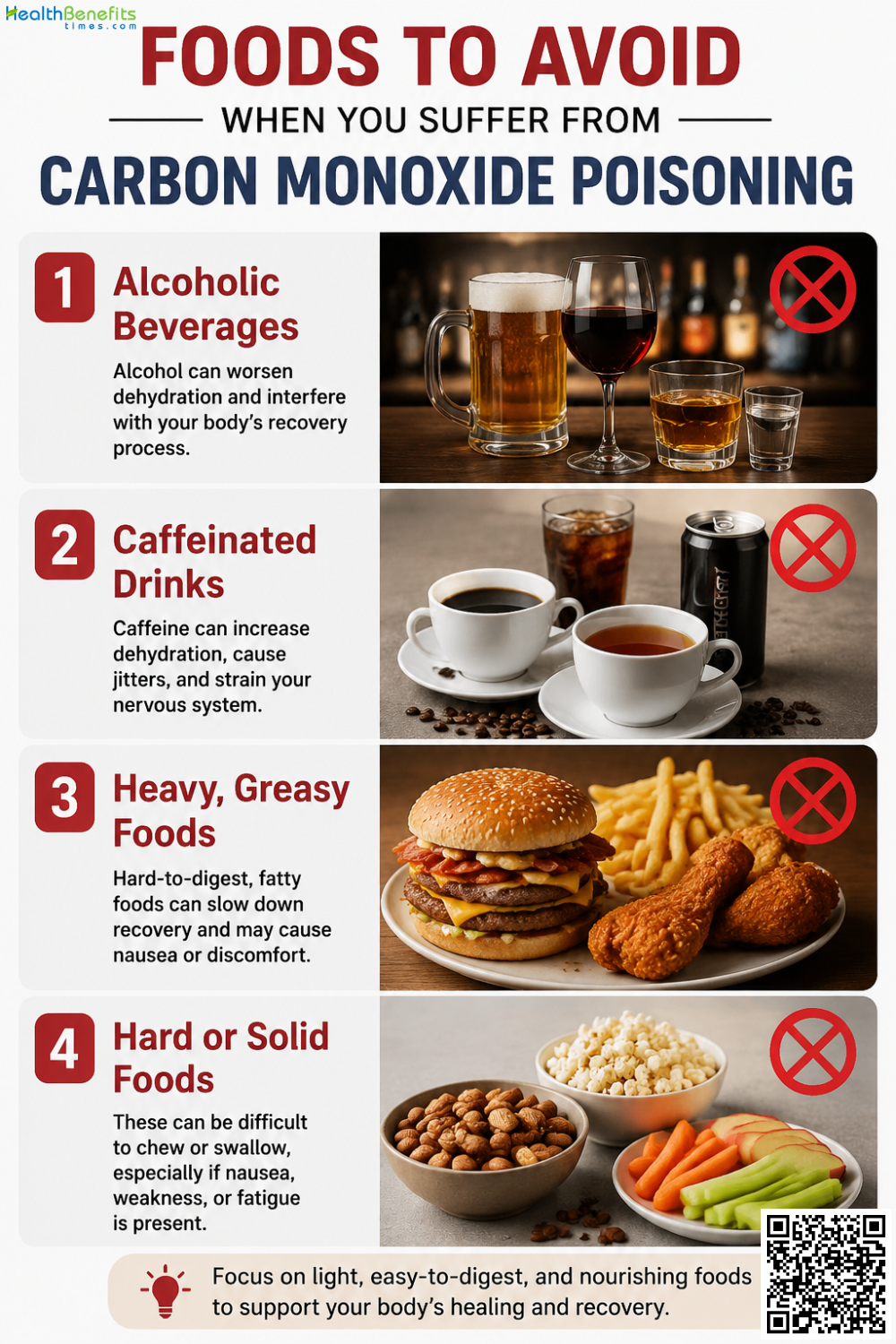
2. Caffeinated Drinks
Carbon monoxide poisoning frequently causes rapid heartbeats and severe cardiac stress. Consuming caffeine further stimulates the heart, significantly increasing the risk of arrhythmias or myocardial strain during recovery. 8
3. Heavy, Greasy Foods
Because acute toxic gas exposure commonly induces profound nausea, vomiting, and an upset stomach, consuming hard-to-digest fatty foods will severely aggravate these debilitating gastrointestinal symptoms. 9
4 Hard or Solid Foods
Patients experiencing altered mental status, confusion, or severe weakness from toxic exposure face a high aspiration risk. Avoid solid foods until a medical professional confirms neurological function has normalized. 10
When to See a Doctor When You Struggle from Carbon Monoxide Poisoning
1. Onset of Flu-Like Symptoms Without a Fever
Seek immediate emergency medical care if you develop sudden headaches, nausea, or dizziness while indoors, as these are hallmark early warning signs of acute toxic gas exposure. 1
2. Mental Confusion or Loss of Consciousness
Call emergency services immediately for anyone exhibiting mental confusion, physical weakness, or fainting, as these indicate severe oxygen starvation to the brain requiring urgent medical intervention. 2
3. Sudden Chest Pain or Shortness of Breath
Go to an emergency room immediately if breathing becomes difficult or chest pain occurs, as carbon monoxide rapidly induces critical cardiovascular strain and potential heart muscle damage. 3
4. Activation of a Carbon Monoxide Detector
If an indoor detector sounds, evacuate everyone to fresh air immediately and call emergency responders for a professional medical evaluation, even if you do not currently feel sick. 1
5. Exposure Involving Vulnerable Populations
Pregnant women, infants, and those with chronic heart disease must receive immediate medical evaluation following any suspected exposure, as they face a significantly higher risk of severe complications. 1
Comments
comments