

In most cases, people concentrate on the physical side of recovery while forgetting that there is much more to the process than that.
Rehabilitation helps people regain strength and mobility. Still, overcoming an injury isn’t always an easy task. People can encounter different problems that may complicate the whole process — that’s why, if injured, you need to have determination and stick to the plan.
Knowing about these difficulties can help you prepare for treatment and find ways to stay positive during rehabilitation. That won’t always be easy, since you’ll experience good days and bad days, which may include a roller coaster of emotions.
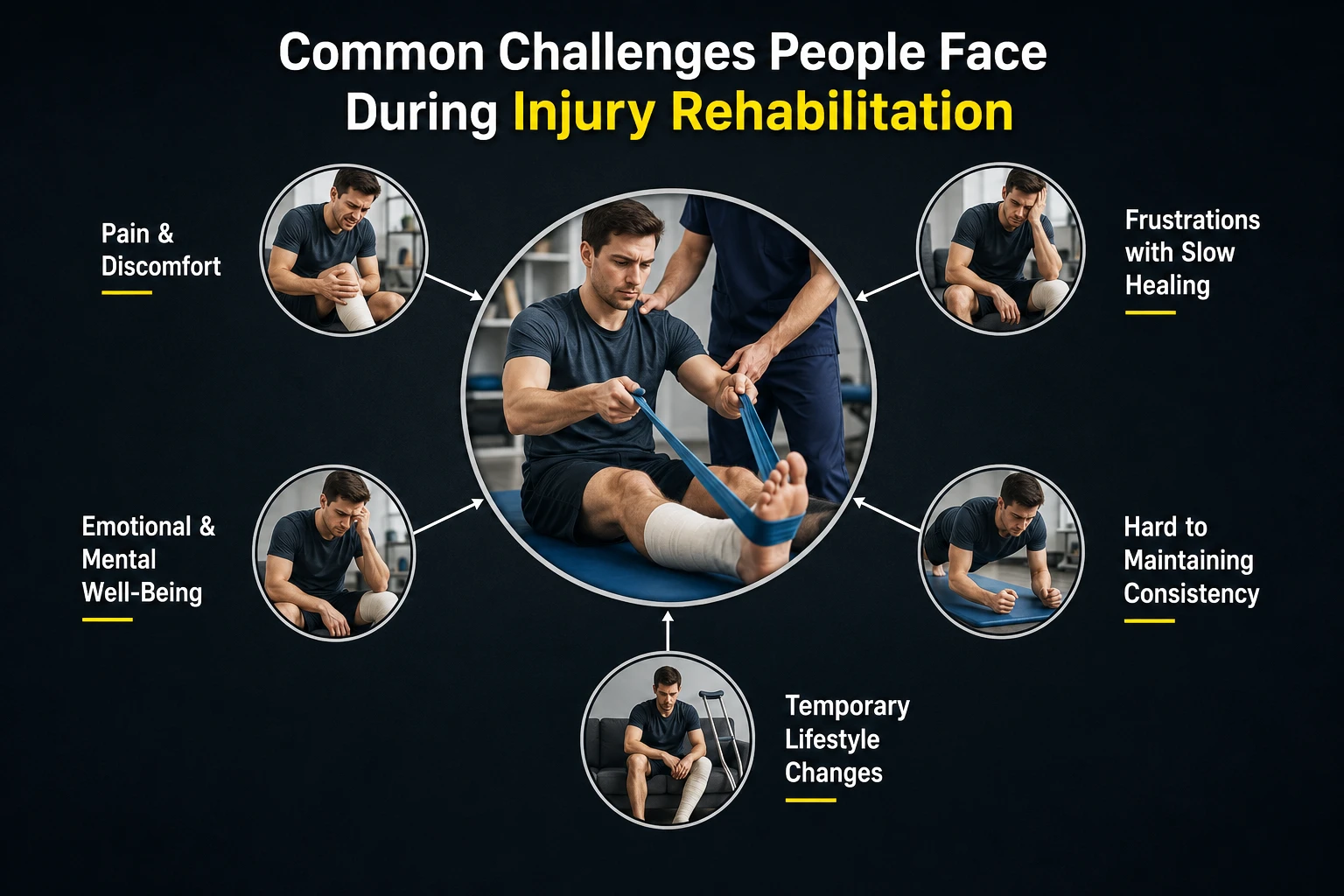
What follows are five challenges you might face when healing from injuries and tips to overcome them.
1. Managing Pain and Discomfort
Dealing with constant pain and discomfort is one difficulty often associated with rehabilitation.
If you’re dealing with a personal injury, you might have to engage in exercises and stretches, participate in physical therapy, and take other treatments to get back to your normal self. Though these actions may be necessary for recovery, they may cause pain and discomfort.
You should communicate with your doctor if you’re struggling during the rehabilitation period. Being aware of the difference between rehabilitation-associated pains and other symptoms is the best way to avoid making things worse — and a doctor can help you make the right decisions.
Adhering to treatment recommendations, you can apply the prescribed pain management methods and control activity levels to keep the discomfort under control as you steadily recover.
The healing process is never easy. But adopting a positive attitude, committing to the process, and engaging in two-way open dialogue with your doctor can help you get better over time.
One reason to retain the services of a personal injury lawyer is that the legal professional can help if you decide to file a claim for compensation. That can ensure you have the funds to pursue the medical treatment you need to regain your health and move on with your life.
2. Frustrations with Slow Healing
Many patients expect to recover quickly and get back to their regular routine. In reality, the rehabilitation process may drag on longer than expected. Every person is different, so the healing process won’t be the same for everyone. Timelines depend on the type and severity of the injury, the patient’s overall health, and many other factors.
Setting up realistic goals is the best strategy to stay motivated. Rather than focusing only on major milestones, it’s better to appreciate the small victories, like improved mobility.
Keeping a logbook of the rehabilitation period can help you track progress. You can look back from time to time to see how much progress you’ve made.
3. Challenges with Emotional and Mental Well-Being
Injuries aren’t just physical problems. They may also affect patients’ emotional state. Many people feel frustrated, sad, anxious, angry, or helpless during the rehabilitation period — especially if the process isn’t as smooth as they’d like. Changes in daily routine, financial concerns, loss of independence, and fears about the future negatively affect well-being.
Recognizing the problems that arise during the recovery process is an important step. Having support from friends and relatives, or visiting a psychologist, may help you cope.
4. Difficulty of Maintaining Consistency
Regular physical therapy, home exercises, and follow-up medical appointments are essential to the rehabilitation process. But busy schedules, transportation issues, fatigue, physical pain, and other things may prevent you from attending rehabilitation sessions.
Establishing a regimen can help you organize the rehabilitation process and make it more effective. Breaking down the rehabilitation process into small, everyday tasks may also make it easier to handle.
Having support from family, friends,, or caregivers may also provide motivation to continue the process.
5. Adapting to the Temporary Changes in Life
Some injuries may require people to make temporary lifestyle changes. Unfortunately, accepting these changes may make people feel dependent, which can take some getting used to.
Flexibility and adaptability may help during the healing process. Instead of focusing only on what you can’t do, you should try to find an alternative way to be active and busy. Being active during rehabilitation is good for physical and psychological well-being.
Overcoming an injury is not always easy. However, understanding that the process won’t be a bed of roses can make the rehabilitation period less complicated. With the proper support, realistic goals, and dedication to the process, these challenges can be overcome.
Comments
comments