

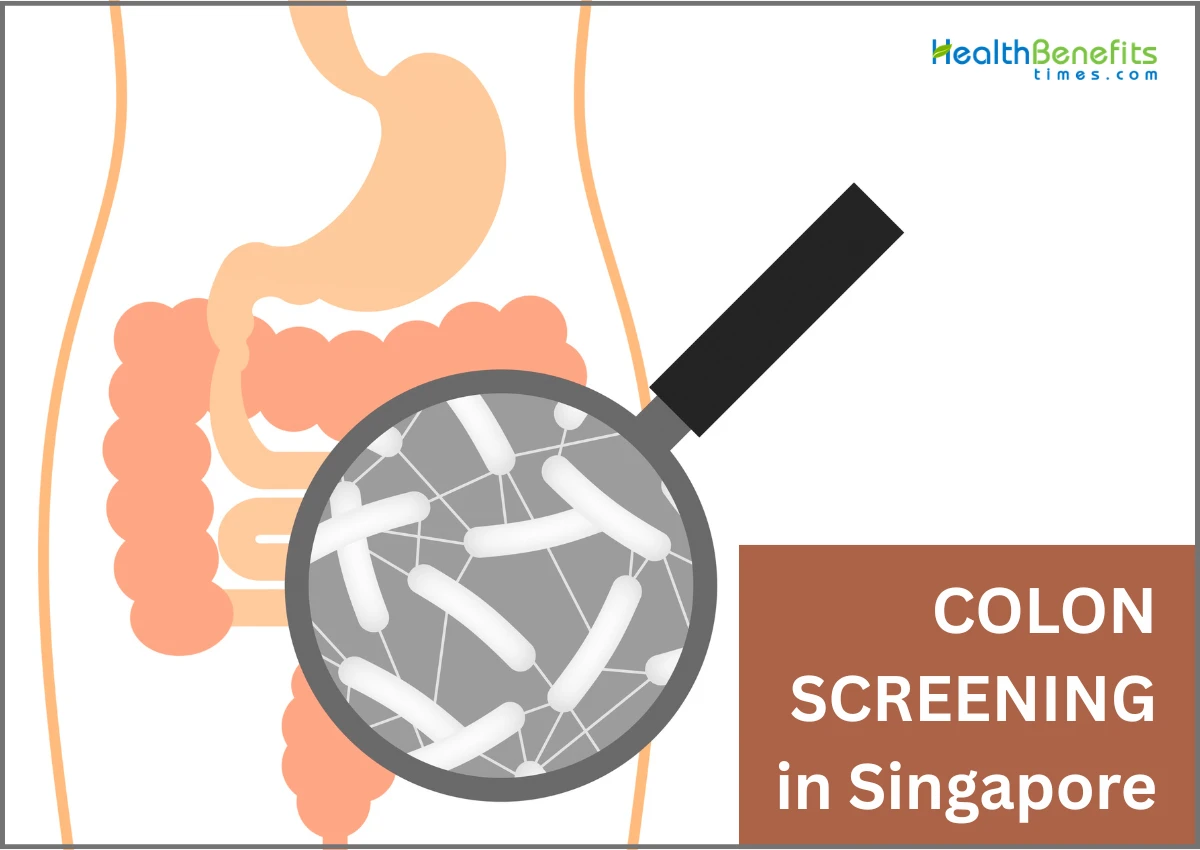
Alternative screening methods for colon screening Singapore include the Faecal Immunochemical Test (FIT), which detects microscopic blood in stool samples that may indicate polyps or early cancer. This non-invasive test requires annual completion when used as primary screening, with positive results requiring colonoscopy for definitive diagnosis. CT colonography provides detailed 3D images of the colon using specialized X-ray technology, though detected polyps still require conventional colonoscopy for removal.
Screening Guidelines and Age Recommendations
Colorectal screening begins at age 50 for individuals with average risk, with colonoscopy repeated every 10 years if results remain normal. The screening age drops to 40 for those with immediate family members diagnosed with colorectal cancer, or 10 years before the youngest case in the family, whichever comes earlier. High-risk individuals with genetic syndromes like Lynch syndrome or familial adenomatous polyposis require specialized surveillance protocols starting as early as age 20-25.
FIT screening offers an alternative starting at age 50, requiring annual testing with colonoscopy follow-up for any positive result showing blood levels above 100 nanograms hemoglobin per milliliter. Individuals choosing FIT must understand that negative results don’t eliminate cancer risk entirely, as some polyps and early cancers don’t bleed consistently. The test can detect cancer, and adherence to annual testing schedules is important.
Flexible sigmoidoscopy examines only the lower third of the colon and rectum, recommended every 5 years when combined with annual FIT testing. This combination approach balances invasiveness with detection capability, though it misses lesions in the proximal colon where cancer increasingly develops in older populations.
Understanding Polyps and Cancer Development
Colorectal polyps fall into several categories, with adenomatous polyps representing the primary precancerous type requiring removal. These adenomas progress through predictable stages, growing from small tubular structures to larger villous formations with increasing cancer potential. Hyperplastic polyps, typically small and located in the rectum and sigmoid colon, carry minimal cancer risk except when large or numerous in the proximal colon.
Sessile serrated polyps present unique detection challenges due to their flat appearance and mucus covering that obscures visualization. These lesions can develop through an alternative molecular pathway, potentially progressing more rapidly than conventional adenomas. Imaging techniques including chromoendoscopy and narrow-band imaging improve detection rates for these subtle lesions.
Size influences cancer risk significantly, with larger polyps carrying greater cancer probability than smaller ones. Location matters equally, as right-sided polyps demonstrate different molecular characteristics and potentially more aggressive behavior than left-sided lesions. Histological features including high-grade dysplasia, villous architecture, and larger size define advanced adenomas requiring closer surveillance intervals.
Preparation and Procedure Details
Bowel preparation quality directly impacts polyp detection rates, with inadequate cleansing potentially missing significant lesions. The standard split-dose regimen involves consuming half the preparation solution the evening before and the remainder 4-6 hours before the procedure. Low-residue diet restrictions begin 3 days prior, progressing to clear liquids only the day before colonoscopy.
During colonoscopy, the endoscopist systematically examines the colon while withdrawing the scope, spending minimum 6-8 minutes on withdrawal to ensure thorough inspection. Carbon dioxide insufflation reduces post-procedure discomfort compared to room air, dissipating more rapidly from the colon. Polyp removal techniques vary by size and morphology, with cold snare polypectomy for lesions under 10mm and hot snare or endoscopic mucosal resection for larger polyps.
Recovery typically requires 30-60 minutes for sedation effects to diminish, with most patients resuming normal activities the following day. Minor bleeding and perforation are rare complications of diagnostic colonoscopy. Polyp removal slightly increases these risks depending on size and technique employed.
Did You Know?
The adenoma detection rate (ADR) serves as a quality indicator for colonoscopy. Higher ADRs correlate directly with reduced interval cancer rates.
Risk Factors and High-Risk Groups
Inflammatory bowel disease significantly elevates colorectal cancer risk, with ulcerative colitis patients requiring surveillance colonoscopy 8-10 years after symptom onset. Crohn’s disease involving the colon follows similar surveillance protocols, with dysplasia detection prompting discussion of continued surveillance versus surgical management. The cancer risk increases with disease extent, duration, and severity of inflammation.
Genetic syndromes account for a portion of colorectal cancers, with Lynch syndrome causing DNA mismatch repair deficiency and accelerated polyp-to-cancer progression. These individuals require colonoscopy every 1-2 years starting at age 20-25, as cancers can develop within 2-3 years of a normal examination. Familial adenomatous polyposis causes hundreds to thousands of polyps by adolescence, necessitating prophylactic colectomy to prevent inevitable cancer development.
Previous polyp history determines future surveillance intervals, with 1-2 small tubular adenomas requiring repeat colonoscopy at 5-10 years. Advanced adenomas or 3 or more adenomas warrant 3-year surveillance, while large sessile polyps removed piecemeal need repeat examination at 6 months to ensure complete resection. Personal history of colorectal cancer requires intensive surveillance with colonoscopy at 1 year post-resection, then every 3-5 years based on findings.
Important Note
Aspirin and blood-thinning medications require careful management before colonoscopy, with specific stopping intervals based on medication type and thrombotic risk. Consult your prescribing physician before discontinuing these medications.
Alternative Screening Technologies
Stool DNA testing combines FIT with molecular markers detecting abnormal DNA shed by cancer cells and advanced adenomas. This test, performed every 3 years, demonstrates improved sensitivity over FIT alone for advanced adenomas while maintaining high specificity. Positive results require colonoscopy confirmation.
Capsule endoscopy employs an ingestible camera capturing thousands of colon images during natural transit. While less invasive than colonoscopy, incomplete examinations occur due to inadequate preparation or slow transit. The technology cannot obtain biopsies or remove polyps, limiting its role to specific clinical scenarios where colonoscopy proves technically difficult or contraindicated.
Blood-based biomarkers under development aim to detect circulating tumor DNA or methylated septin 9, though current sensitivity remains inadequate for population screening. These tests may serve individuals refusing all other screening modalities.
Putting This Into Practice
- Schedule a colon screening consultation if you’ve reached age 50 without previous screening, discussing your risk factors and preferred screening approach with your physician. Document family history of colorectal cancer or polyps, including age at diagnosis and relationship to you, as this information determines appropriate screening timing and intervals.
- Maintain screening adherence regardless of chosen method, recognizing that FIT requires annual completion while colonoscopy provides 10-year intervals with normal results. Track your screening dates and results, setting reminders for follow-up appointments according to recommended surveillance intervals.
- Adopt risk-reduction strategies including regular physical activity, maintaining healthy body weight, limiting red meat consumption, and avoiding processed meats. Increase dietary fiber through whole grains, fruits, and vegetables while moderating alcohol intake and avoiding tobacco products entirely.
- Consider genetic counseling if multiple family members developed colorectal cancer or polyps at younger ages, as hereditary syndromes require specialized screening protocols. Discuss any persistent bowel symptoms with your physician regardless of screening status, as interval cancers can develop between scheduled examinations.
When to Seek Professional Help
- Blood in stool, whether bright red or dark tarry appearance
- Persistent change in bowel habits lasting more than several weeks
- Unexplained abdominal pain or cramping
- Narrow, pencil-thin stools occurring regularly
- Feeling of incomplete evacuation after bowel movements
- Unexplained weight loss
- Persistent fatigue with iron deficiency anemia
- Family history of colorectal cancer or advanced polyps
- Personal history of inflammatory bowel disease
- Previous colorectal polyps requiring surveillance
Commonly Asked Questions
How long does colonoscopy recovery take?
Most patients resume normal activities within 24 hours after colonoscopy. Sedation effects typically resolve within 2-4 hours, though you cannot drive or make important decisions for the remainder of that day. Minor bloating and cramping may persist for several hours but resolve with walking and passing gas.
Can polyps return after removal?
New polyps can develop in different colon locations, though removed polyps don’t recur at the same site if completely excised. Individuals who develop adenomas demonstrate increased tendency for future polyp formation, making surveillance colonoscopy important.
What makes a colonoscopy “high quality”?
Quality indicators include complete examination to the cecum, adequate bowel preparation, minimum 6-minute withdrawal time, and appropriate polyp detection rates. Photo documentation of key landmarks, detailed reporting of findings, and appropriate surveillance interval recommendations further define examination quality.
Should I choose FIT or colonoscopy for screening?
Colonoscopy provides comprehensive examination with longer screening intervals but requires bowel preparation and sedation. FIT offers convenience and no preparation but requires annual testing with lower sensitivity for advanced adenomas. Your choice depends on personal preferences, risk factors, and ability to maintain regular screening schedules. A healthcare professional can help determine an appropriate option.
What happens if cancer is found during screening?
Detection during screening typically identifies earlier-stage cancers with more favorable prognosis. The endoscopist obtains biopsies for pathological confirmation and staging evaluation. Subsequent management involves multidisciplinary team coordination including colorectal surgery, oncology, and specialized imaging to determine optimal treatment approach.
Next Steps
Polyp removal during screening colonoscopy interrupts the adenoma-to-carcinoma sequence. Initiating and maintaining regular screening according to guidelines substantially reduces colorectal cancer incidence and mortality. Understanding your personal risk factors enables selection of the most appropriate screening method for your circumstances.
If you’re experiencing blood in your stool, persistent changes in bowel habits, or unexplained abdominal symptoms, an MOH-accredited colorectal surgeon can provide comprehensive evaluation and personalized screening recommendations.
Comments
comments