

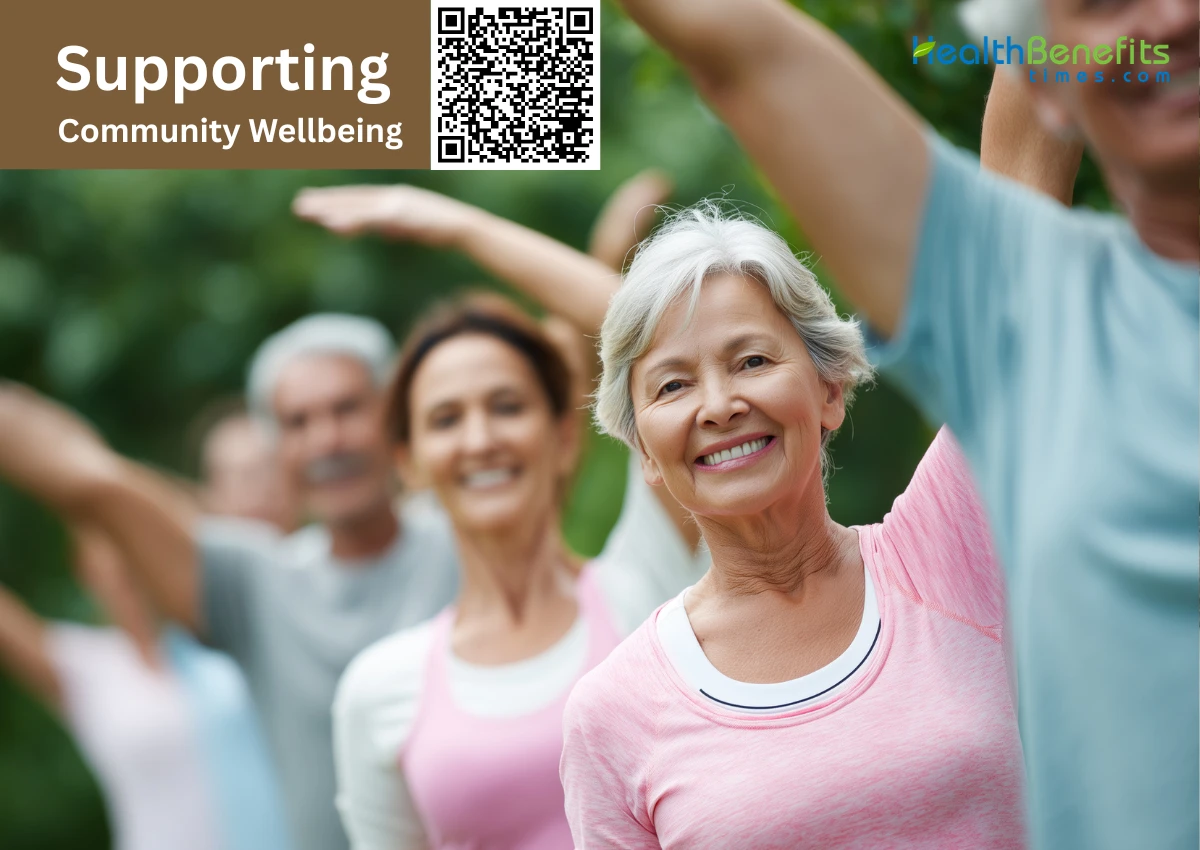
Across in Australia we are seeing the rise of integrated community health services, which are growing in importance as more of the population looks for more holistic, person-centered care. These services go beyond what we have seen in the past in terms of medical treatment and instead put an emphasis on prevention, early intervention, and long-term health. By looking at physical health, mental health, and social determinants at the same time, community health providers are putting in place the bases for much healthier populations.
The Importance of Accessible Community Health Services
Accessibility is at the core of what makes health care delivery successful. Many people face issues like financial strain, mobility issues, and cultural differences, or they are just not aware of what services are available to them. Community-based health organizations play a large role in which reduction of those barriers is seen through the use of inclusive programs, community outreach initiatives, and a range of services targeted at various groups’ specific needs.
Accessible health care sees to it that underprivileged groups—in that there is a look at children, elderly adults, people with disabilities, and also culturally diverse communities—get the care they need in a timely fashion. Early intervention in health care issues is a key element that is seen to prevent small health issues from growing into larger ones, which in turn will reduce long-term health care costs and improve quality of life.
Also, local health issues see to it that trust is built. As healthcare providers become a part of the community, individuals come forward to seek help, participate in programs, and get into preventive care.
Holistic Approaches to Wellbeing
In today’s health care setting it is seen that that which makes up well-being is very complex. What used to be thought of as separate issues—physical health, mental health, emotional balance, and social connection—are in fact very much related. Also, what is being seen is that community health organizations are adopting this perspective, which they are putting into practice by providing integrated services all in one place.
These may include:
- All in terms of health services like physio, podiatry, and occupational therapy.
- Mental health counselling and psychological support
- Disability services and NDIS support coordination
- Child and family support programs
- Health promotion and preventative education initiatives
By integrating many services, what is seen is an individual’s total health picture, which in turn addresses all of their issues instead of just singular symptoms.
For instance, a child with learning difficulties may benefit from speech therapy and family counselling. In the case of an older adult that has had an injury, they may be enrolled in physical therapy, which is also paired with social support to avoid isolation. Integrated care models, which are seen in action here, are ones that look at all aspects of health and well-being.
Supporting Mental Health in the Community
Mental health has become a primary issue in public health conversations, which have grown in attention over the past few years. Issues like anxiety, depression, stress, and social isolation are affecting members of all age groups. In terms of solutions, there has been the growth of community-based mental health programs, which provide early intervention and ongoing therapy and also education to put a dent in stigma and encourage that it is okay to seek help.
Local mental health resources are a great asset, as they provide a familiar setting and ease of access. When people feel safe and included in their community setting, they are more likely to participate in counseling and treatment.
Also, it is seen that this is the case in the example of preventive mental health programs, which include workshops, parenting programs, youth support groups, and community outreach campaigns, which are put in place. What is done is individuals are armed with what they need to deal with issues as they come up, and in the long term the impact of mental health issues is seen reduced in communities.
Disability Support and Inclusive Services
In the field of inclusive health, it is also seen that individuals with disabilities are included in what is done. Disability services, which are very much a part of this equation, play a key role in the achievement of independent living, social inclusion, and high quality of life.
Through the design of individual programs, delivery of therapy services, and development of support plans that are coordinated, community organizations play a key role in the achievement of personal goals by people as they interact with systems like the NDIS. Also, it is seen that this support, which is provided, does in fact benefit the individual as well as strengthen families by way of advice, advocacy, and practical help.
Organizations like Healthability Integrated community-based services, which are seen putting into practice the values of inclusion, access, and person-centered care. Also, they provide a large range of health, well-being, and disability services, which in turn see communities become healthier and more connected.
The Role of Prevention and Health Promotion
Prevention is a better and more economical option at times also, which is the case for treatment. Also, what is true is that community health organizations play a large role in health promotion, by which they put out info on nutrition, exercise, chronic disease prevention, and mental health.
Work at it in groups; large-scale programs are run, which also bring the community together. When people are armed with information and have the support of their community, they are more likely to adopt permanent lifestyle changes.
Preventive measures also put out health issues before they get worse, which in turn takes the stress off hospitals and emergency services. This also benefits the individual and the health care system as a whole.
Looking Ahead
As the health care landscape changes, the demand for integrated and accessible community services is only going to grow. Healthcare systems must do better at putting it in terms of also promoting total well-being.
By focusing on accessibility, inclusivity, early intervention, and holistic care, community health organizations report putting in place large-scale public health success stories. They, in turn, support the health of the individual, the family unit, and, in the larger picture, the better health of the community for the generations to come.
Investing in community health care is a choice that goes beyond health care issues; it is a commitment to a better quality of life for all.
Comments
comments