


Understanding Nutrient Deficiencies
Nutrient deficiencies occur when the body does not receive adequate levels of essential vitamins and minerals, leading to various health complications. Common deficiencies include iron, vitamin D, iodine, and zinc, each associated with conditions such as anemia, bone disorders, and immune dysfunction. (8) For example, iron deficiency is prevalent worldwide and often linked to fatigue and impaired cognitive function. (9) Similarly, vitamin D insufficiency is a major concern for bone health, particularly in regions with limited sunlight. (10)
The causes of nutrient deficiencies vary widely and include poor dietary habits, limited food diversity, and socioeconomic challenges. For instance, a lack of nutrient-dense foods in the diet often results from over-reliance on processed foods. (11) Environmental factors, such as depleted soil quality, also contribute to reduced micronutrient content in crops. (12)
Specific populations are at a heightened risk for nutrient deficiencies. These groups include pregnant women, who require higher levels of nutrients like folic acid and iron for fetal development, and the elderly, who often face challenges in nutrient absorption. (13) Children in low-income settings are also particularly vulnerable due to limited access to balanced diets. (14)
Evidence-Based Methods for Identifying Nutrient Deficiencies
Identifying nutrient deficiencies requires a combination of self-awareness, physical examination, and diagnostic tests. Evidence-based methods ensure accurate diagnosis, enabling targeted interventions for improved health and well-being.
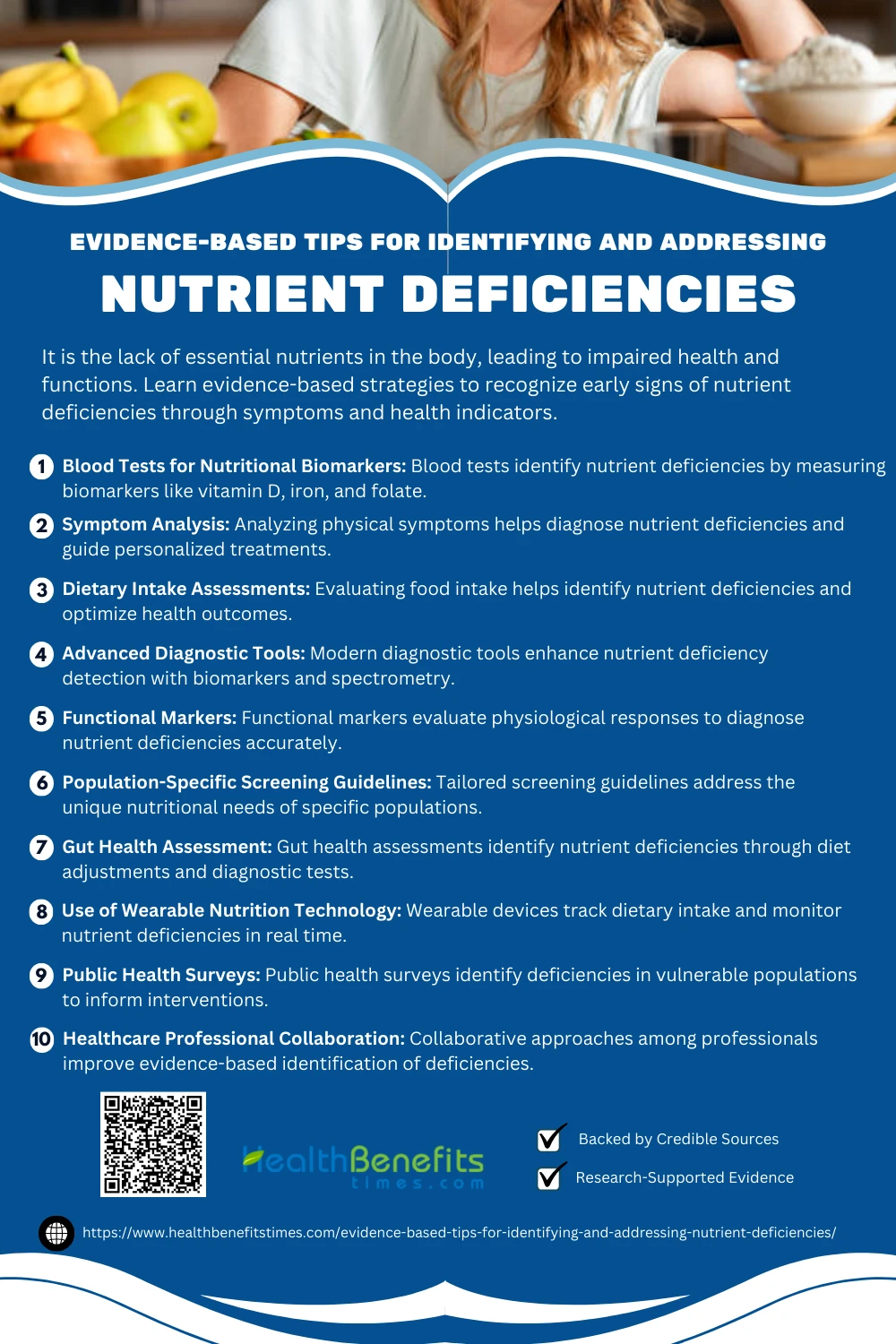
Blood tests are essential tools in identifying nutrient deficiencies by measuring biomarkers like vitamin D, iron, and folate. For instance, diagnose vitamin D deficiency. Iron deficiency anemia can be detected. (15) (16) Folate levels are analyzed. (17) Additionally, B-vitamin deficiencies, and zinc deficiency. (4) (18)
2. Symptom Analysis
Evidence-based methods for identifying nutrient deficiencies rely on symptom analysis to guide diagnosis and treatment. Analyzing symptoms like gastrointestinal issues helps clinicians employ targeted dietary interventions, such as the FODMAP approach. (6) Systematic reviews emphasize the role of symptom-guided evaluation in malnutrition management. Evidence-based dietary guidelines refine nutrient assessment strategies. (19) Symptom-driven methods for diagnosing micronutrient deficiencies are crucial for personalized care.
3. Dietary Intake Assessments
Dietary intake assessments are essential for identifying nutrient deficiencies and optimizing health outcomes. Methods like food frequency questionnaires help assess population-level nutrient adequacy. Assessments of nutrient insufficiencies highlight energy constraints. (20) Comprehensive reviews modernize nutrient guidelines. (17) Dietary strategies address chronic conditions effectively. (21)
4. Advanced Diagnostic Tools
Advanced diagnostic tools enhance the detection of nutrient deficiencies through evidence-based methods. Tools like biomarkers and spectrometry effectively identify nutritional imbalances. (22) Modern diagnostic pathways integrate data modeling to refine recommendations. (17) Malnutrition screening tools validate deficiency detection. Infrared spectroscopy supports non-invasive diagnostics. (23) (21) Reliable diagnostic tests evaluate biochemical markers for clinical precision. (24)
5. Functional Markers
Functional markers offer an evidence-based approach to identifying nutrient deficiencies by evaluating physiological responses. Biomarkers link nutrition to health status, enhancing diagnostic accuracy. (22) Consensus-building initiatives standardize functional nutrient assessments. (25) Advanced functional markers refine health claims validations. (26) NFPE emphasizes functional specificity for detecting deficiencies. (27)
6. Population-Specific Screening Guidelines
Population-specific screening guidelines improve nutrient deficiency detection by tailoring assessments to demographic needs. Refugee-specific guidelines address unique deficiencies. (28) Consensus strategies highlight older adults’ nutritional needs. (28) Frailty management guides Asian populations. (29) Hemoglobinopathy screening exemplifies population-specific genetic testing. (30)
7. Gut Health Assessment
Assessing gut health provides a pathway to identifying nutrient deficiencies. Evidence-based methods like the FODMAP diet address functional gut symptoms. (31) Breath tests have improved lactase deficiency diagnostics. (32) Modern dietary guidelines highlight microbiota’s role in nutrient synthesis. (33) Targeted strategies like gluten-free diets aid IBS patients, while nutrition screening tools help malnutrition. (34) (35)
8. Use of Wearable Nutrition Technology
Wearable nutrition technology enables precise identification of nutrient deficiencies. Devices like wristbands validate dietary intake, while advancements in low-income regions are transforming care. (36) (37) Smart systems enhance remote nutrient monitoring. (38) Integrated tools like MiranaBot offer personalized nutrition insights. (39) Data modeling advances wearable utility for nutrient care. (33)
9. Public Health Surveys
Public health surveys play a vital role in identifying nutrient deficiencies, utilizing evidence-based methods like EURRECA guidelines. (40) Tools such as DHS and MICS surveys document deficiencies in vulnerable populations. (41) Vitamin deficiency interventions in public health strategies have been explored globally. (42) Survey-based evidence informs maternal and child nutrition programs. (43) Additionally, data-driven interventions address deficiencies in indigenous communities. (44)
10. Healthcare Professional Collaboration
Collaboration among healthcare professionals enhances evidence-based methods to identify nutrient deficiencies. EURRECA guidelines provide frameworks for micronutrient recommendations. (40) Expert syntheses inform dietary interventions for improved outcomes. (33) Evidence-based reviews address maternal undernutrition. (43) Nutrition assessments differentiate patient needs effectively. (45) Collaborative reviews foster advanced nutrition care strategies. (46)
Common Signs and Symptoms of Nutrient Deficiencies
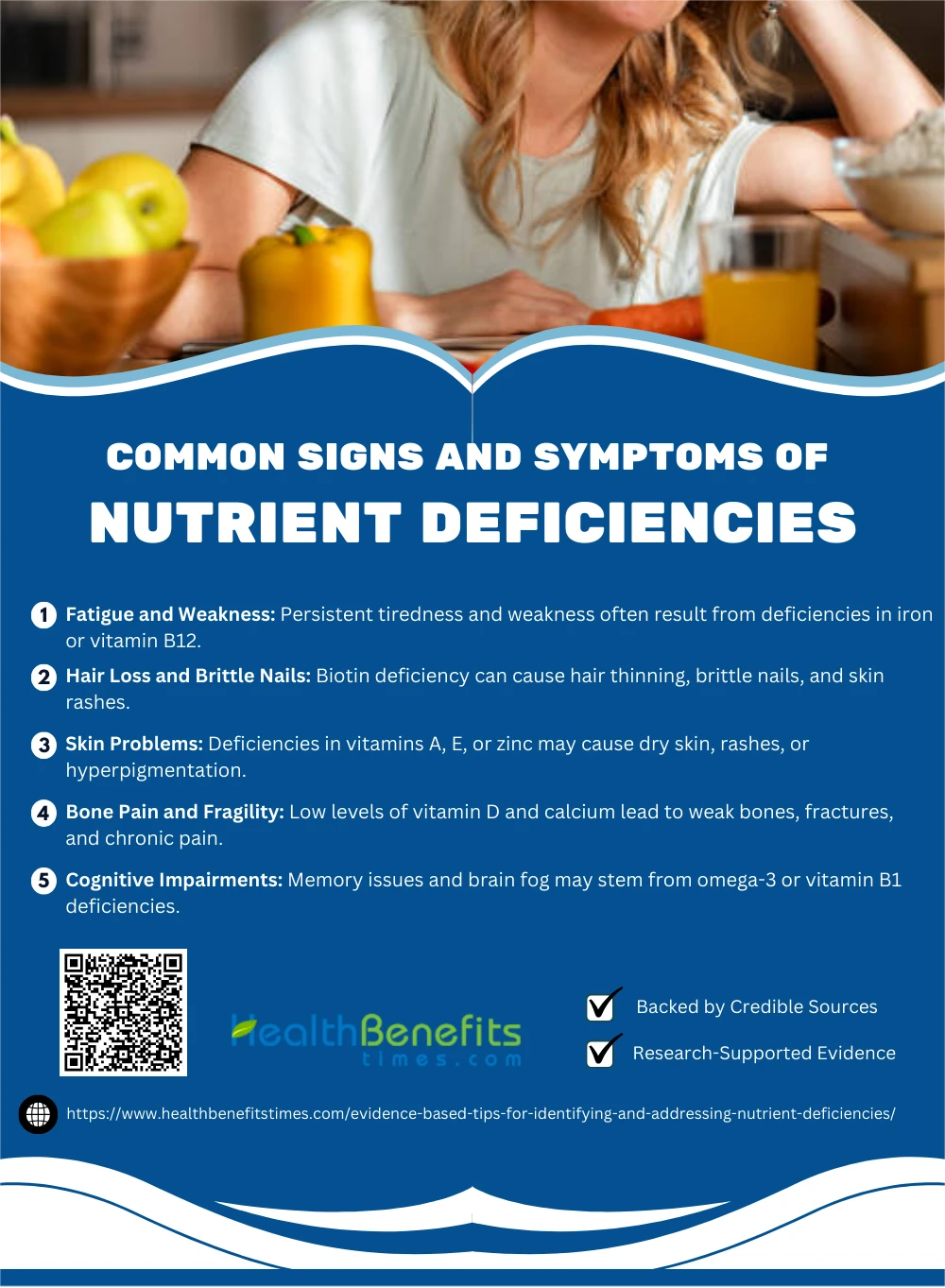
Nutrient deficiencies can manifest through various symptoms, including fatigue, brittle nails, or memory issues. Recognizing these signs early is essential for timely intervention and better health.
- Fatigue and Weakness
A lack of energy or constant tiredness is one of the most recognizable signs of nutrient deficiencies. Iron deficiency anemia impairs the oxygen-carrying capacity of red blood cells, leading to fatigue and weakness. Vitamin B12 deficiency also affects red blood cell production, causing similar symptoms. This is particularly common in individuals with poor diets, vegetarian lifestyles, or absorption issues. - Hair Loss and Brittle Nails
Deficiencies in biotin, a B-vitamin, can lead to hair thinning, brittle nails, and even skin rashes. Biotin plays a critical role in the metabolism of amino acids and fatty acids, which are essential for maintaining strong hair and nails. Symptoms may be exacerbated in individuals who consume raw egg whites or those with malabsorption issues. - Skin Problems
Nutrient deficiencies often manifest in the skin. Vitamin A deficiency may cause dry, scaly skin, while vitamin E deficiency can lead to hyperpigmentation or rough patches. Zinc deficiency may cause acne-like rashes around the mouth or face. These symptoms are more common in individuals with restrictive diets or those with conditions that impair fat absorption. - Bone Pain and Fragility:
Insufficient vitamin D levels, often due to limited sunlight exposure or poor diet, can weaken bones and lead to fractures or osteomalacia (soft bones). Calcium deficiency further exacerbates this, increasing the risk of osteoporosis and chronic bone pain, especially in older adults or postmenopausal women. - Cognitive Impairments
Memory issues, poor concentration, or brain fog can be linked to omega-3 fatty acid deficiency, as these are critical for maintaining brain function. Additionally, a lack of vitamin B1 (thiamine) can lead to nerve damage and more severe cognitive issues, such as those seen in Wernicke-Korsakoff syndrome. These issues are especially common in individuals with poor diets or chronic alcohol consumption.
Prevention of Nutrient Deficiencies
“Prevention of nutrient deficiencies is vital for optimal health. Balanced diets, proper supplementation, and awareness of essential nutrients ensure the body thrives and avoids health complications.”
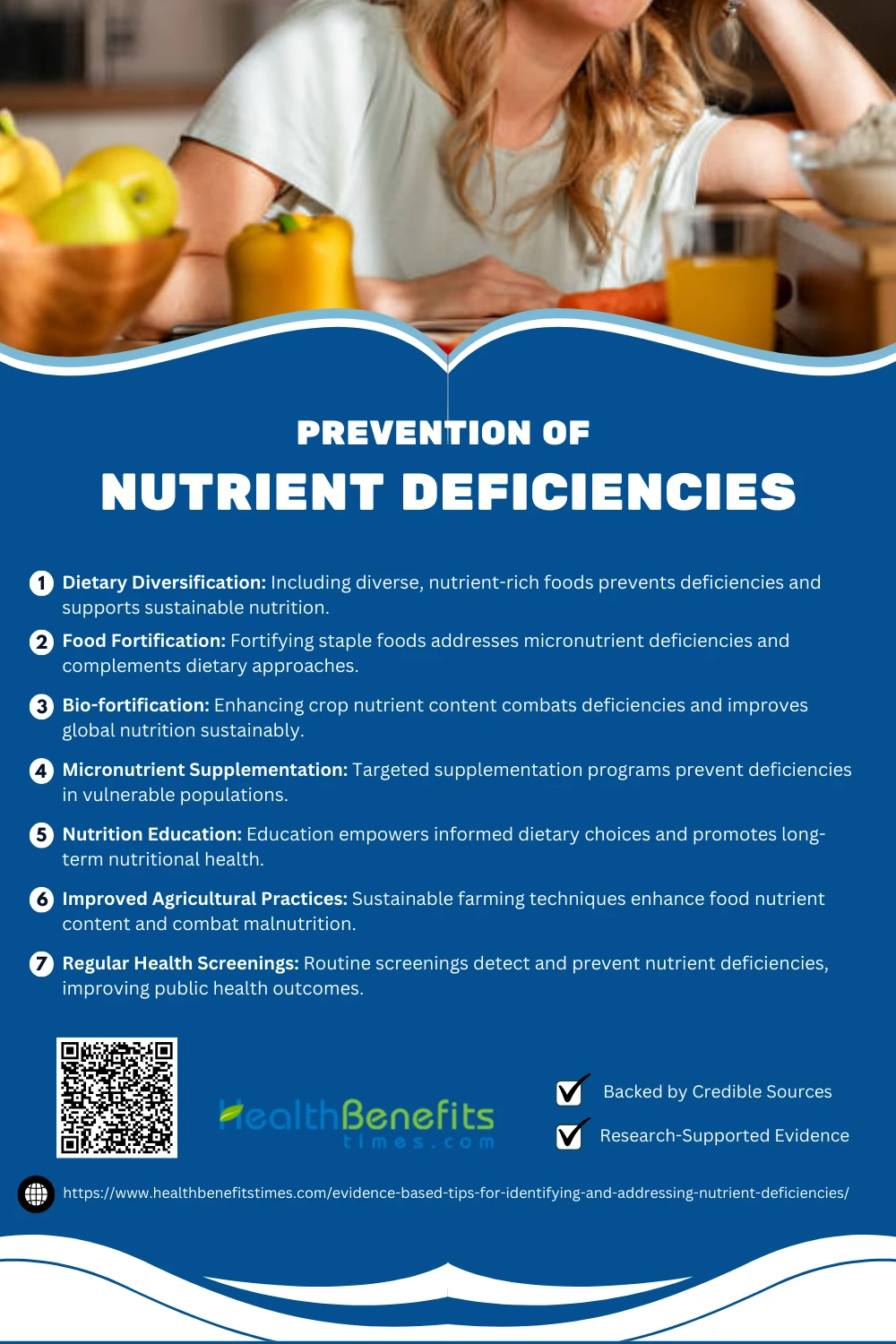
Dietary diversification effectively prevents nutrient deficiencies by including a variety of nutrient-rich foods from multiple groups. For example, increasing intake of diverse foods has shown potential in addressing hidden hunger and multiple micronutrient deficiencies. (4) Diversification helps improve overall micronutrient intake, including iron and zinc, and mitigates antagonistic nutrient interactions. (47) Furthermore, such strategies are crucial in developing regions to combat anemia among women. (48) Diversification complements fortification approaches, creating sustainable nutritional outcomes. (49) Lastly, interdisciplinary reviews highlight its feasibility as a sustainable approach to address deficiencies globally. (50)
2. Food Fortification
Food fortification is an effective strategy to combat nutrient deficiencies globally, enhancing the nutritional profile of staple foods and reducing the prevalence of deficiencies. Programs such as fortifying cereals and oils have demonstrated success in addressing vitamin A and iron deficiencies. (51) Fortification complements dietary diversification by addressing gaps in specific micronutrient needs. (52) Economic benefits from fortification programs, especially in low-resource settings, are well-documented. (53) Moreover, mandatory programs, such as iodized salt initiatives, have drastically reduced global iodine deficiencies 55. (54) Research highlights that fortification is most impactful when aligned with nutrition education. (55) Integrated food fortification programs address micronutrient deficiencies sustainably. (56) Addressing logistical and technical challenges further improves their success. (57)
3. Bio-fortification
Bio-fortification enhances the nutrient profile of staple crops to combat micronutrient deficiencies effectively. For example, breeding zinc-rich wheat significantly reduces deficiencies in developing countries. (58) Similarly, bio-fortified vegetables have improved nutrition quality globally. (59) This approach also mitigates anemia and stunting caused by iron and zinc deficiencies. (60) Research highlights its impact on improving global health, reducing hidden hunger effectively. (61) Agronomic bio-fortification strategies in wheat further alleviate zinc deficiency in vulnerable populations. (62) Bio-fortification also enhances crop resilience against environmental challenges. (63) Finally, it integrates sustainable agricultural practices with nutritional security. (64)
4. Micronutrient Supplementation
Micronutrient supplementation is a vital strategy for preventing deficiencies, particularly in vulnerable populations. For instance, targeted supplementation programs in developing countries have successfully reduced deficiencies in women and children. Iron and folate supplements have effectively prevented anemia during pregnancy 66. (65) This approach is crucial for improving growth and reducing morbidity in children. (66) Moreover, supplementation remains an essential tool for addressing global micronutrient deficiencies. (67)
5. Nutrition Education
Nutrition education plays a vital role in preventing nutrient deficiencies by fostering informed dietary choices. School-based interventions enhance children’s dietary knowledge and nutrient intake. Community-driven education improves maternal and child nutrition outcomes. (68) Furthermore, culturally tailored approaches increase program effectiveness. (66) Combining education with access to nutrient-rich foods creates long-term nutritional benefits. (67)
6. Improved Agricultural Practices
Improved agricultural practices are essential for addressing nutrient deficiencies through sustainable food systems. Techniques like biofortification and crop diversification enhance nutrient content in staple foods. (69) Optimizing soil management prevents deficiencies in crops, including iron and zinc. (70) Integrated approaches such as agronomic interventions boost nutrient uptake in plants and promote public health. (71) These methods also combat malnutrition by linking agriculture with nutrition education. (72) Additionally, nutrient-efficient genotypes ensure consistent crop yields and quality. (73)
7. Regular Health Screenings
Regular health screenings are crucial in identifying and preventing nutrient deficiencies, especially in at-risk populations. Screening programs have proven effective in detecting deficiencies like anemia and addressing them early. (74) Initiatives for the elderly help reduce malnutrition risks. (75) Neonatal screening programs have also demonstrated nutritional benefits, improving long-term health outcomes. (76) Furthermore, integrating nutrition assessment into routine health check-ups enhances dietary guidance. (77) Comprehensive screening guidelines, like those by WHO, emphasize their role in public health. (78)
Challenges and Limitations
“Identifying and addressing nutrient deficiencies presents challenges like varying symptoms, inaccurate diagnostic tools, dietary restrictions, cultural practices, and limited access to healthcare, hindering effective prevention and treatment efforts.”
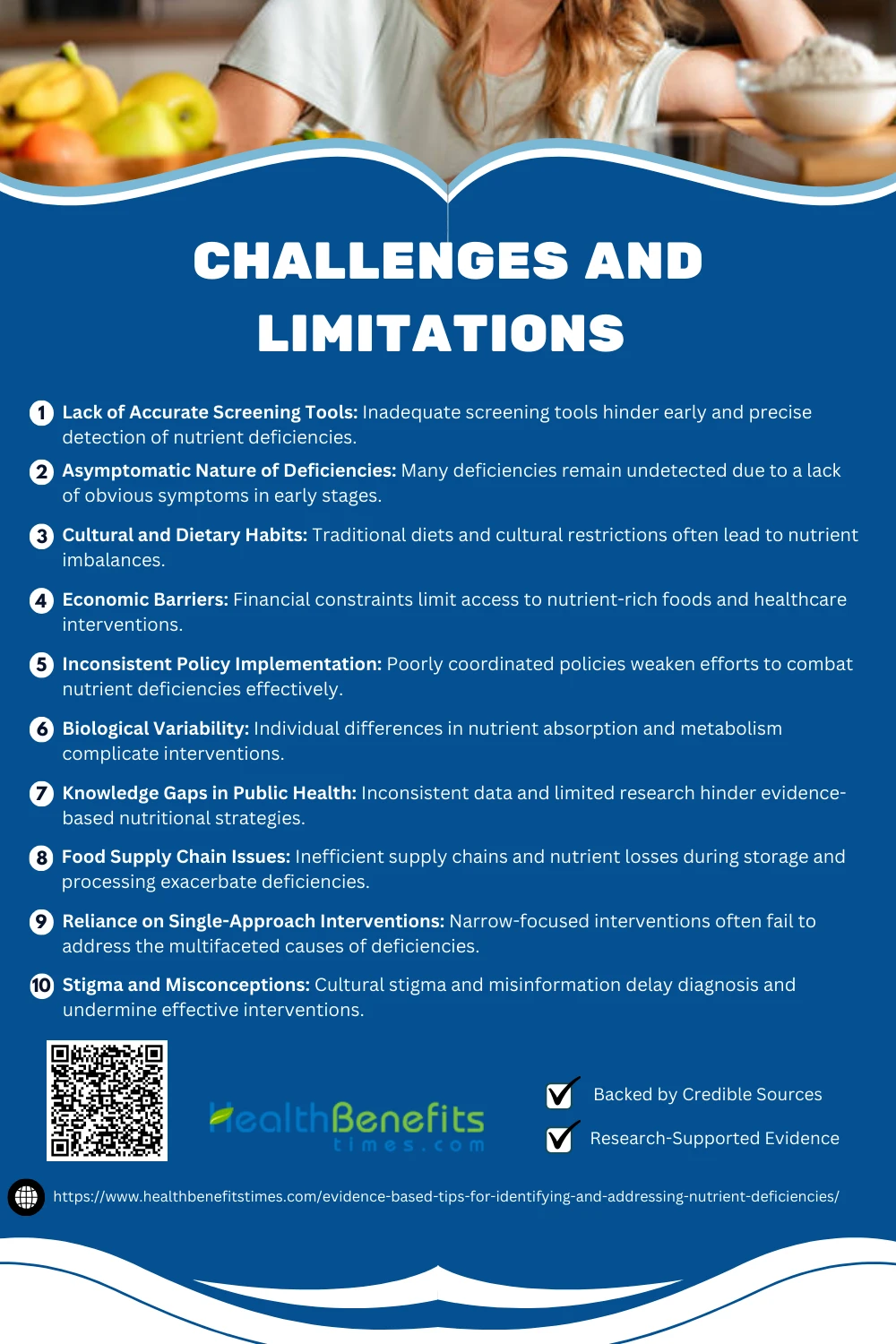
The lack of accurate screening tools significantly hinders early detection of nutrient deficiencies, especially in high-risk groups. Many screening methods, like 24-hour dietary recalls, are impractical for daily use. (79) Nutritional assessment tools are particularly limited for addressing individual metabolic differences and needs. (80) Inadequate understanding of micronutrient biomarkers adds complexity to identifying deficiencies. (81) Furthermore, existing tools lack precision in assessing coexisting deficiencies in vulnerable populations. (82) Innovations are needed to create cost-effective and scalable solutions for widespread nutrient screening. (83)
2. Asymptomatic Nature of Deficiencies
The asymptomatic nature of many nutrient deficiencies complicates early diagnosis and intervention, as symptoms often manifest only in advanced stages. For example, vitamin B12 deficiency can remain undetected due to nonspecific symptoms. (84) Similarly, iron deficiency in children is frequently overlooked in the absence of clear clinical signs. (85) Diagnostic challenges also arise with conditions like anemia, where asymptomatic cases complicate public health actions. (86) Urea cycle disorders in adults often go undetected until severe complications arise. (87) Additionally, the absence of overt symptoms in nutrient deficiencies can delay interventions in conditions like pancreatic insufficiency. (88)
3. Cultural and Dietary Habits
Cultural and dietary habits significantly influence nutrient intake, often leading to deficiencies. For instance, traditional plant-based diets in developing countries can lack critical nutrients like protein and iron. (89) Religious and cultural restrictions further limit food choices, affecting nutrition. (90) Socioeconomic factors exacerbate micronutrient deficiencies in regions like India, where dietary shifts create imbalanced nutrition. (91) Inadequate clinical nutrition strategies often fail to address these barriers comprehensively. (92) Addressing these challenges requires culturally tailored approaches to integrate traditional diets with modern nutrition science. (93)
4. Economic Barriers
Economic barriers hinder efforts to address nutrient deficiencies, particularly in low- and middle-income countries. Limited financial resources constrain access to fortified foods and supplements, especially for vulnerable populations. (94) Cost challenges in scaling up food fortification programs further impede progress. (95) Socioeconomic disparities exacerbate malnutrition, as seen in rural Ethiopia. (96) Urbanization intensifies food insecurity due to the high cost of nutritious foods. (97) Addressing these barriers requires integrating nutrition into broader economic and policy frameworks. (98)
5. Inconsistent Policy Implementation
Inconsistent policy implementation hinders efforts to address nutrient deficiencies effectively. Poor coordination across sectors often results in fragmented nutrition programs, as observed in Ethiopia’s multi-sectoral approaches. (99) Policy gaps and lack of streamlined tools further exacerbate the issue in maternal nutrition programs. (100) Urban food security policies also highlight the absence of coherence in tackling nutrition challenges comprehensively. (97) In South Africa, overlapping mandates among agencies contribute to ineffective policy alignment. (101) Moreover, inconsistent target population definitions undermine large-scale nutrition interventions in low-income countries. (102)
6. Biological Variability
Biological variability poses significant challenges in addressing nutrient deficiencies, as individual differences in absorption and metabolism affect nutrient needs. Exploiting genetic variation in crops can mitigate these issues, enhancing nutrient quality. (103) Precision nutrition strategies aim to tailor interventions based on individual biological responses. (104) Nutrigenomics explores how genetic and epigenetic variations impact nutrient metabolism and health. (105) Adaptive variability in nutritional needs across populations underscores the importance of targeted interventions. (106) Integrating biological data into breeding programs further aids in combating nutrient deficiencies. (107)
7. Knowledge Gaps in Public Health
Knowledge gaps in public health limit efforts to address nutrient deficiencies effectively. For example, data on micronutrient malnutrition remain inconsistent, hindering evidence-based interventions. (42) Reliable food composition data is often lacking, especially in developing regions. (108) Urban food insecurity further exacerbates the issue due to limited understanding of socio-economic disparities. (97) Gaps in research also impede the development of effective public health nutrition strategies. (109) Lastly, coordination challenges between health and nutrition sectors contribute to fragmented policies. (110)
8. Food Supply Chain Issues
Food supply chain issues exacerbate nutrient deficiencies through inefficiencies and losses. Poor infrastructure and storage conditions often lead to significant nutrient depletion during transit. (111) Climate-related disruptions further compromise the availability of nutrient-dense foods. (112) Additionally, food processing techniques frequently degrade nutrient content, impacting dietary quality. (113) Smallholder value chains struggle with integrating nutrient-sensitive practices, limiting their potential to combat deficiencies. (114) Addressing food loss and waste is critical for improving nutritional security. (115)
9. Reliance on Single-Approach Interventions
Relying on single-approach interventions to combat nutrient deficiencies often limits effectiveness due to diverse underlying causes. Programs focusing solely on supplementation fail to address systemic dietary gaps. (116) Similarly, iron supplementation during pregnancy shows inconsistent results without addressing broader dietary issues. (117) Food fortification alone is insufficient for populations with limited access to diverse foods. (118) Integrative approaches combining multiple interventions have shown greater success. (119) Addressing deficiencies holistically requires coordinated efforts targeting production, accessibility, and education. (120)
10. Stigma and Misconceptions
Stigma and misconceptions around nutrient deficiencies hinder effective interventions by perpetuating misinformation. Cultural myths about health-seeking behavior delay timely diagnosis and treatment. (121) Misperceptions about conditions like obesity or tuberculosis result in social exclusion and inadequate care. (122) This stigma impacts women and children disproportionately in developing countries, complicating nutrition programs. (123) Public health campaigns are crucial to debunking myths and promoting awareness. (124) Furthermore, addressing stigma requires culturally sensitive approaches to foster inclusivity in healthcare. (125)
Conclusion
In conclusion, addressing nutrient deficiencies requires a proactive and evidence-based approach that combines regular health screenings, a well-balanced diet, and targeted supplementation when necessary. Empowering individuals with knowledge about nutrient-rich foods, recognizing early symptoms, and seeking professional guidance are key steps toward maintaining optimal health. Emphasizing the importance of personalized healthcare ensures interventions are tailored to individual needs, making them more effective. By adopting these practices and fostering awareness, we can significantly reduce the prevalence of nutrient deficiencies and their associated health risks, promoting a healthier and more resilient society.
Comments
comments