

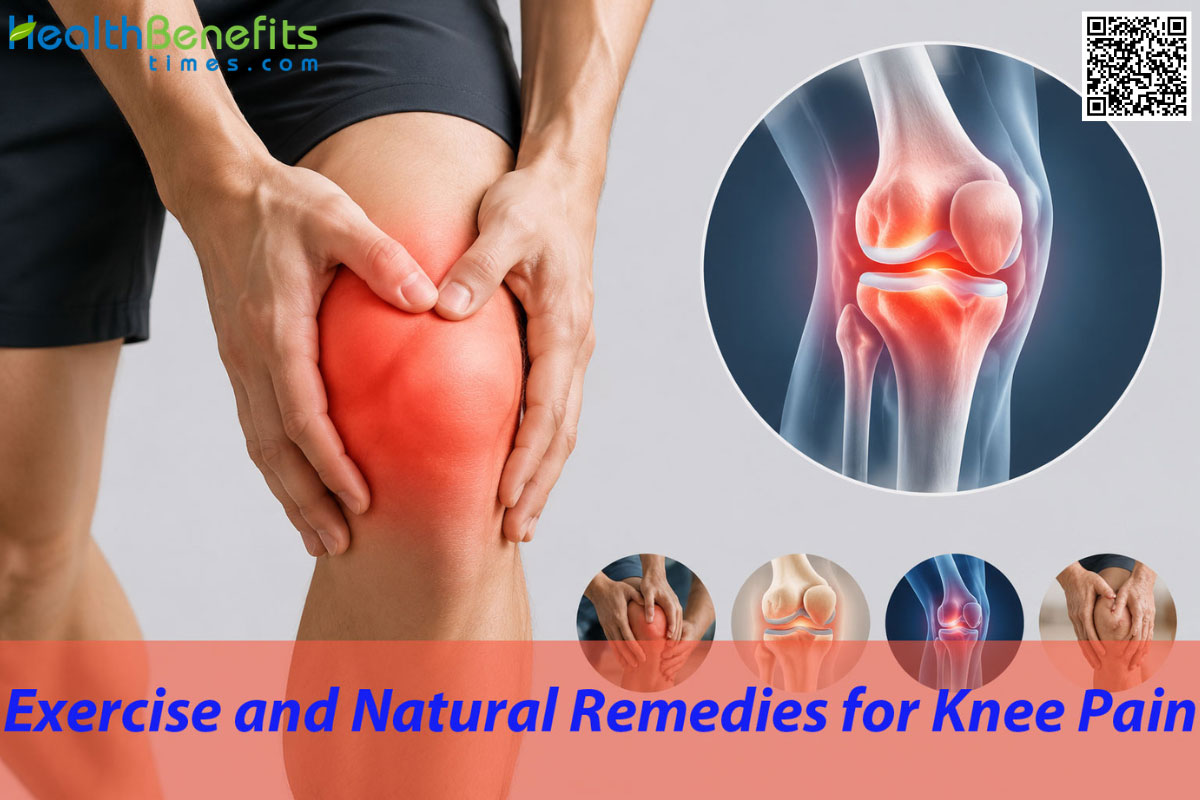
It might surprise people to learn just how widespread this issue truly is across the globe. Research data shows that the annual onset of new knee symptoms in certain adult populations can be as high as six percent 2. Furthermore, it is estimated that roughly thirty-three million adults in the United States alone are currently living with osteoarthritis, which is the leading driver of joint discomfort 3. Joint discomfort can begin suddenly after a clumsy fall or a sports injury, or it might slowly creep up over many years as a mild ache that gradually worsens over time. Understanding exactly what is happening inside the joint is the very first step toward finding lasting relief and protecting long-term mobility.
Causes of Knee Pain
Understanding the root causes behind a painful joint requires looking at the many different ways the body’s structures can experience stress, wear, or sudden damage. The joint bears the brunt of almost every step a person takes, making it incredibly vulnerable to several distinct problems.
1. Osteoarthritis (Wear and Tear)
This is the most widespread and frequent cause of long-term joint aching, especially in older adults. Osteoarthritis is a degenerative disease that slowly breaks down the smooth, protective cartilage that covers the ends of the thigh and shin bones 4. Without this natural cushioning, the bones begin to grind against one another during normal movement, leading to severe inflammation, pain, and the gradual development of bony growths called bone spurs.
2. Ligament Sprains and Tears
Ligaments are tough bands of tissue that connect bone to bone, acting much like strong rubber bands that keep the joint stable. Injuries to the anterior cruciate ligament (ACL) or the medial collateral ligament (MCL) happen very frequently during sports that require sudden twisting, jumping, or rapid changes in direction 5. When these ligaments stretch too far or snap completely, the joint loses its stability and becomes intensely painful.
3. Meniscus Damage
Inside the joint, there are two C-shaped pieces of tough, rubbery cartilage known as the menisci, which act as the primary shock absorbers between the femur and the tibia. A sudden, forceful twist of the leg while the foot is planted firmly on the ground can easily tear this delicate cartilage 1. As people age, the meniscus also naturally weakens and thins out, making degenerative tears much more likely even from simple, everyday movements.
4. Patellofemoral Pain Syndrome (Runner’s Knee)
This highly common issue creates a dull, aching pain specifically at the very front of the knee, right around or underneath the kneecap. It usually happens when the kneecap (patella) slips out of its normal tracking groove and rubs harshly against the lower part of the thighbone 6. Muscle imbalances, having flat feet, or suddenly increasing exercise intensity can all force the kneecap out of alignment and trigger this painful rubbing.
5. Bursitis and Tendinitis
Surrounding the joint are small, fluid-filled sacs called bursae, which help tendons and muscles glide smoothly over the bones. If a person spends too much time kneeling or engages in highly repetitive motions, these little sacs can become angry, swollen, and inflamed, which is a condition known as bursitis 7. Similarly, the thick tendons that attach muscles to the bones can become overworked and irritated, resulting in a stinging condition called tendinitis.
6. Excess Body Weight
Carrying around extra body weight places a massive, relentless burden on the lower body. Because the knees are weight-bearing joints, every extra pound of body mass multiplies the compressive force placed on the delicate cartilage with every single step. Scientific studies have shown that obesity is strongly linked to an increased risk of developing severe osteoarthritis and experiencing early joint failure 8.
7. Septic Arthritis (Infection)
While it is much rarer than mechanical injuries, bacteria can sometimes invade the fluid inside the joint capsule, causing a dangerous condition known as septic arthritis. This dangerous infection can develop when bacteria spread through the bloodstream from another illness, or if a germ enters directly through a puncture wound or recent surgery 9. Septic arthritis causes incredibly rapid swelling, extreme heat, and severe pain that requires immediate medical attention to prevent permanent tissue destruction.
8. Pediatric Growth Disorders
Growing children and teenagers have soft growth plates at the ends of their bones that are highly sensitive to pulling forces. A very common cause of joint pain in active youths is Osgood-Schlatter disease, which occurs when the large tendon from the kneecap repeatedly pulls on the top of the shinbone during growth spurts 10. This constant pulling creates a painful, swollen bump just below the joint.
Symptoms of Knee Pain
The exact way that a sore knee feels can give excellent clues about what is going wrong inside the body. Different injuries and conditions produce very unique warning signs.
- Swelling and Puffiness: The joint may look visibly larger than the other side, feeling tight and full of excess fluid.
- Stiffness After Resting: It may be incredibly hard to bend or straighten the leg fully, especially first thing in the morning or after sitting in a chair for a long time.
- Popping, Crunching, or Grinding Sounds: A noticeable, gritty sound or feeling (often called crepitus) can occur when the joint moves, indicating that rough cartilage or bones are rubbing together.
- Mechanical Catching or Locking: The joint might suddenly feel completely stuck, or there may be a sharp catch that stops the leg from straightening, often caused by a loose flap of torn cartilage getting caught in the hinge.
- Weakness or Giving Way: The leg might suddenly feel like it cannot support the body’s weight, buckling or collapsing unexpectedly due to torn ligaments or severe muscle inhibition.
- Redness and Unnatural Warmth: The skin over the joint may feel physically hot to the touch and appear bright red, which is a massive red flag for acute inflammation or a serious bacterial infection.
- Sharp Pain When Pressing: There may be specific, highly sensitive spots around the sides or front of the joint that send a sharp jolt of pain when pressed with a finger.
Knee Pain Facts Table
| Category | Facts and Characteristics |
| Symptoms |
|
| Causes |
|
| Types of Knee Pain
7. |
|
| How does spread
9. |
|
| Age Group |
|
| You might be at a higher risk for exposure of this disease if you: |
|
| How doctors diagnose |
|
| Other facts |
|
Exercise and Natural Remedies for Knee Pain
Taking control of your joint health is an incredibly empowering journey. You do not always need to rely on harsh medications or immediate surgeries to find meaningful relief. By actively combining gentle, targeted exercises with the smart use of natural remedies, you can wonderfully reduce inflammation, build up your supporting muscles, and bring harmony back to your lower body. Here are some of the most effective, science-backed methods you can easily try at home.
1. Wall Squats
Have you ever noticed how your knees shake a bit when your legs are tired? That is because the large muscles on the front of your thighs, called the quadriceps, act as the ultimate shock absorbers for your lower body. When these muscles are strong, they take the pressure off the delicate joint underneath. Wall squats are a brilliantly safe way to build this strength without grinding your bones together. To do this exercise, you should stand about one foot away from a smooth, flat wall. Keep your feet spread about hip-width apart and point your toes slightly outward. Slowly lean back against the wall and slide your body down, just as if you were going to sit in an invisible chair. It is extremely important that you do not let your knees push out past your toes; your knees should always point in the exact same direction as your toes 13. Hold this sitting position for a few seconds, focusing on squeezing the muscles right above your kneecaps, and then slowly slide back up.
Note: Wall squats are commonly used as a daily physical therapy routine to safely strengthen the thigh muscles and correct poor kneecap tracking.
2. Thigh Contractions (Static Quads)
Sometimes, your joint might feel too incredibly sore to even stand up and do a squat. When this happens, you can still protect your muscles from wasting away by doing static thigh contractions. This is a very gentle exercise that you can do while simply sitting in a chair or lying comfortably on your bed. You should sit up perfectly straight and slowly raise one leg in front of you until it is completely straight, with your foot pointing slightly outward. Now, strongly squeeze your front thigh muscles as tightly as you comfortably can, holding that tense position for about five seconds before letting go 14. By tensing the muscle without actually moving the joint back and forth, you safely pump fresh blood into the area and maintain vital muscle tone. You should repeat this gentle squeezing process about ten times on each leg.
Note: Thigh contractions are commonly used as a highly gentle, low-impact method to rebuild strength when the joint is severely swollen or newly injured.
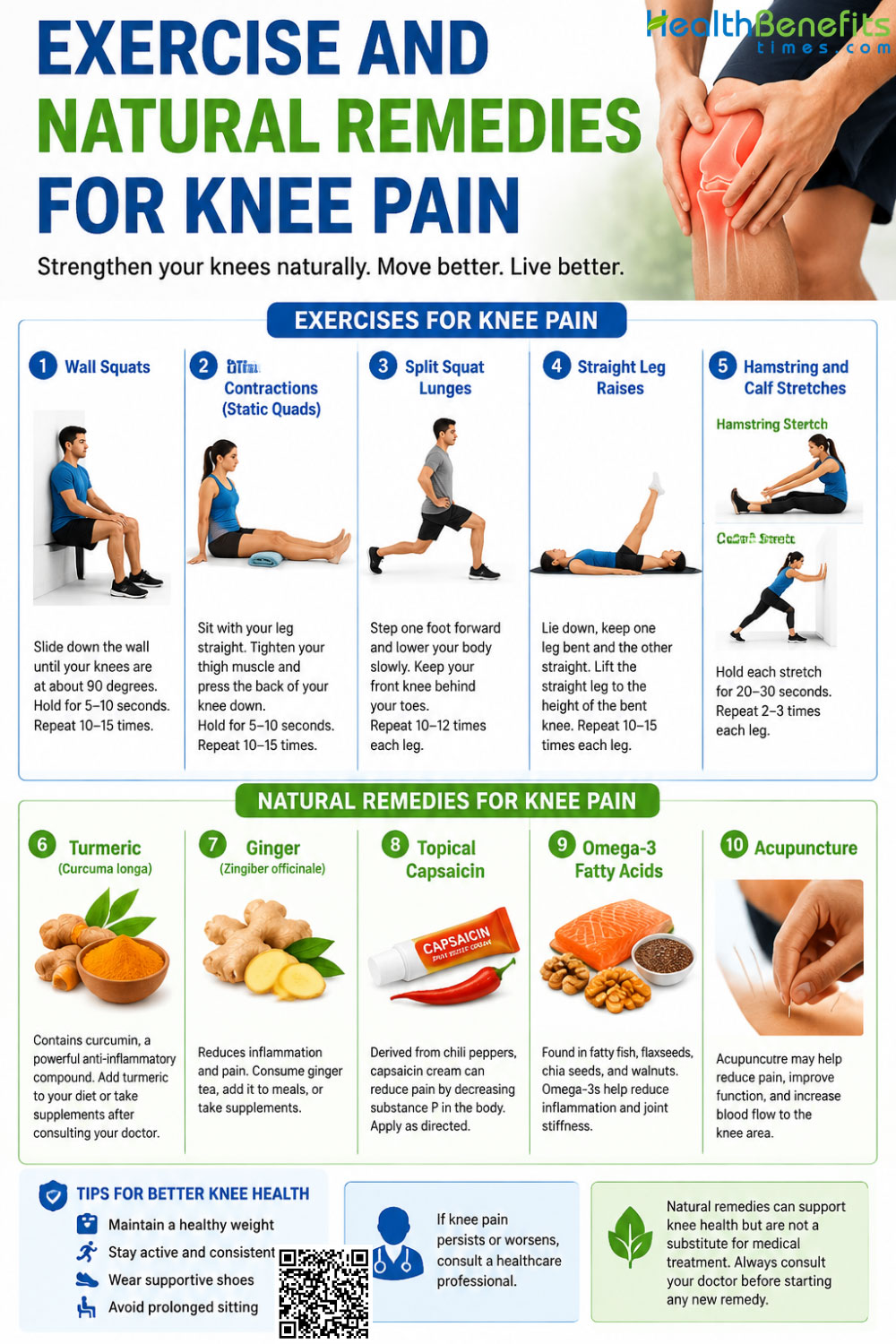
3. Split Squat Lunges
It might surprise people to learn that hip and buttock strength plays a massive role in how the lower legs function. Your hip muscles directly control how your legs move when under a heavy load, like when you are carrying groceries down a flight of stairs. If your hips are weak, your knees will wobble awkwardly and grind improperly. Split squat lunges are fantastic for fixing this balance. You should start by standing in a split stance, with one leg placed forward and the other stretched backward. Slowly bend both of your legs, lowering your hips straight down toward the floor until your front leg is bent at nearly a right angle 13. Keep the weight firmly planted on the heel of your front foot, keeping your back completely straight, and push yourself smoothly back up to the top. Never let your front kneecap extend out over your toes.
Note: Split squat lunges are commonly used in rehabilitative programs to build gluteal power, improve balance, and stop the knee from caving inward during movement.
4. Straight Leg Raises
Another wonderful thing you can do to armor your joints is the straight leg raise. This movement specifically targets the long muscles that pull your kneecap upward, keeping it safely in its natural groove. You can easily perform this exercise while lying flat on your back, perhaps on your bed or on a soft yoga mat on the floor. First, bend one leg and place that foot flat on the floor to stabilize your lower back. Leave your painful leg lying totally straight. Now, gently tighten the thigh muscle of your straight leg and slowly lift that leg about ten centimeters off the surface 15. Hold it hovering securely in the air for five to ten seconds, feeling the burn in your thigh, and then lower it with slow, complete control. Doing several sets of this simple lifting motion will dramatically improve your structural support.
Note: Straight leg raises are commonly used by patients recovering from surgery or arthritis to build major muscle strength without putting any actual body weight on the joint.
5. Hamstring and Calf Stretches
Every single day, the muscles on the back of your legs get tighter and tighter from sitting in chairs or walking in hard shoes. When your hamstrings (the back of the thigh) and your calves (the back of the lower leg) become too tight, they physically pull on the back of your knee, acting like a tight rubber band that squishes your joint together and creates painful friction. Stretching these areas is absolutely mandatory for lasting relief. To stretch your calf, you should stand facing a sturdy wall or leaning onto a solid chair. Step one foot backward and bend the front leg, keeping the back leg totally straight. Push the heel of your back foot firmly down into the floor until you feel a wonderful, deep tension spreading through your calf muscle 16. Hold this still position for a full thirty seconds without bouncing, and repeat it a few times on each side.
Note: Hamstring and calf stretches are commonly used daily by runners and older adults alike to lengthen tight tissues and relieve hidden pressure inside the joint capsule.
6. Turmeric (Curcuma longa)
Turning our attention to the incredible power of plants, turmeric is a vibrant yellow spice that has been revered for centuries in ancient medical traditions. The true magic inside turmeric comes from a highly active compound called curcumin. Curcumin acts very much like a natural fire extinguisher for your body, hunting down and putting out the inflammatory chemicals that make your joints swell and throb. Many rigorous scientific reviews have discovered that taking high-quality turmeric supplements can provide pain relief and improve joint function in a way that is remarkably similar to swallowing common over-the-counter anti-inflammatory pills 17. Because normal turmeric powder from the grocery store is hard for your stomach to absorb, you should look for special dietary supplements that are formulated to be highly bioavailable.
Note: Turmeric is commonly eaten in savory curries or taken as a highly concentrated daily supplement capsule to dramatically reduce chronic joint swelling and stiffness.
7. Ginger (Zingiber officinale)
You might already have this fantastic natural remedy sitting right inside your kitchen pantry. Ginger is a spicy, knobby root that is famous around the world for calming upset stomachs, but it also hides some impressive pain-relieving secrets. Deep inside the ginger root are special natural chemicals that block the body’s inflammatory pathways, very similarly to how some arthritis medications work. While scientists are still studying exactly how perfectly it cures advanced arthritis, ginger is widely used as a traditional folk remedy to ease the dull, nagging aches in joints and sore muscles after a long day of exercise 18. It is a gentle, safe, and flavorful way to support your body’s natural healing process.
Note: Ginger is commonly eaten fresh, brewed into a warm, soothing tea, or swallowed as a powder supplement to naturally calm muscular aches and joint discomfort.
8. Topical Capsaicin
Sometimes, the simplest way to trick your brain into forgetting about pain is to use a little bit of heat. Capsaicin is the exact natural chemical that makes hot chili peppers taste incredibly spicy. When clever scientists take this spicy chemical and put it into a soothing skin cream, it does something amazing. When you rub capsaicin cream over your sore joint, it stimulates the tiny pain-sensing nerves in your skin so much that they eventually just run out of energy and stop sending pain signals to your brain completely. Clinical trials show that using these spicy creams or patches can lead to highly significant pain relief for people suffering from osteoarthritis over the course of several weeks 19.
Note: Capsaicin is commonly applied as a specially formulated topical skin cream or adhesive patch directly over the painful area to numb the local nerve endings.
9. Omega-3 Fatty Acids
Think of your joints as the squeaky hinges on an old wooden door; they desperately need the right kind of oil to stay smooth and quiet. Omega-3 fatty acids are incredible nutritional building blocks found primarily in fatty ocean fish, like salmon and mackerel, as well as in tiny flaxseeds. These special healthy fats travel right into your cellular tissues and actively tell your body to turn off its inflammatory alarm bells. There is very encouraging evidence showing that making sure you get enough Omega-3s can provide a modest but very meaningful benefit for soothing the symptoms of rheumatoid arthritis and keeping your cartilage healthy 20.
Note: Omega-3 fatty acids are commonly eaten in fresh fish meals or taken daily as convenient fish oil capsules to naturally lubricate the body and quiet down cellular inflammation.
10. Acupuncture
If you are open to trying something totally different, this ancient practice from Traditional Chinese Medicine has helped millions of people find peace from chronic pain. Acupuncture involves a trained professional carefully tapping hair-thin, sterile needles into very specific energy points on your skin. While it might sound a little scary, it is actually quite relaxing. Modern science believes that these tiny needle pokes stimulate your nervous system, causing your brain to release a flood of endorphins, which are your body’s natural, built-in painkillers. Thorough scientific reviews agree that acupuncture seems to be a highly effective and very safe therapy specifically for osteoarthritis of the knee 21.
Note: Acupuncture is commonly applied in quiet clinical settings by licensed practitioners to stimulate the nervous system and unlock the body’s natural pain-relieving abilities.
Foods and Activities to Avoid When You suffer from Knee Pain
Just as adding good things into your routine can heal your body, removing the bad things is equally important. Your daily habits might accidentally be feeding the exact fire you are trying to put out. You should carefully avoid the following triggers to give your body a fair chance to heal.
1. Sugary Sodas and Sweet Desserts
Believe it or not, a diet packed with white sugar acts like throwing gasoline on an inflammatory fire. When surveyed about their diets, patients with arthritis most frequently report that drinking sodas filled with sugar and eating sweet desserts makes their joint symptoms noticeably worse 22. Sugar causes your body to release harsh inflammatory markers that make your joints swell and throb.
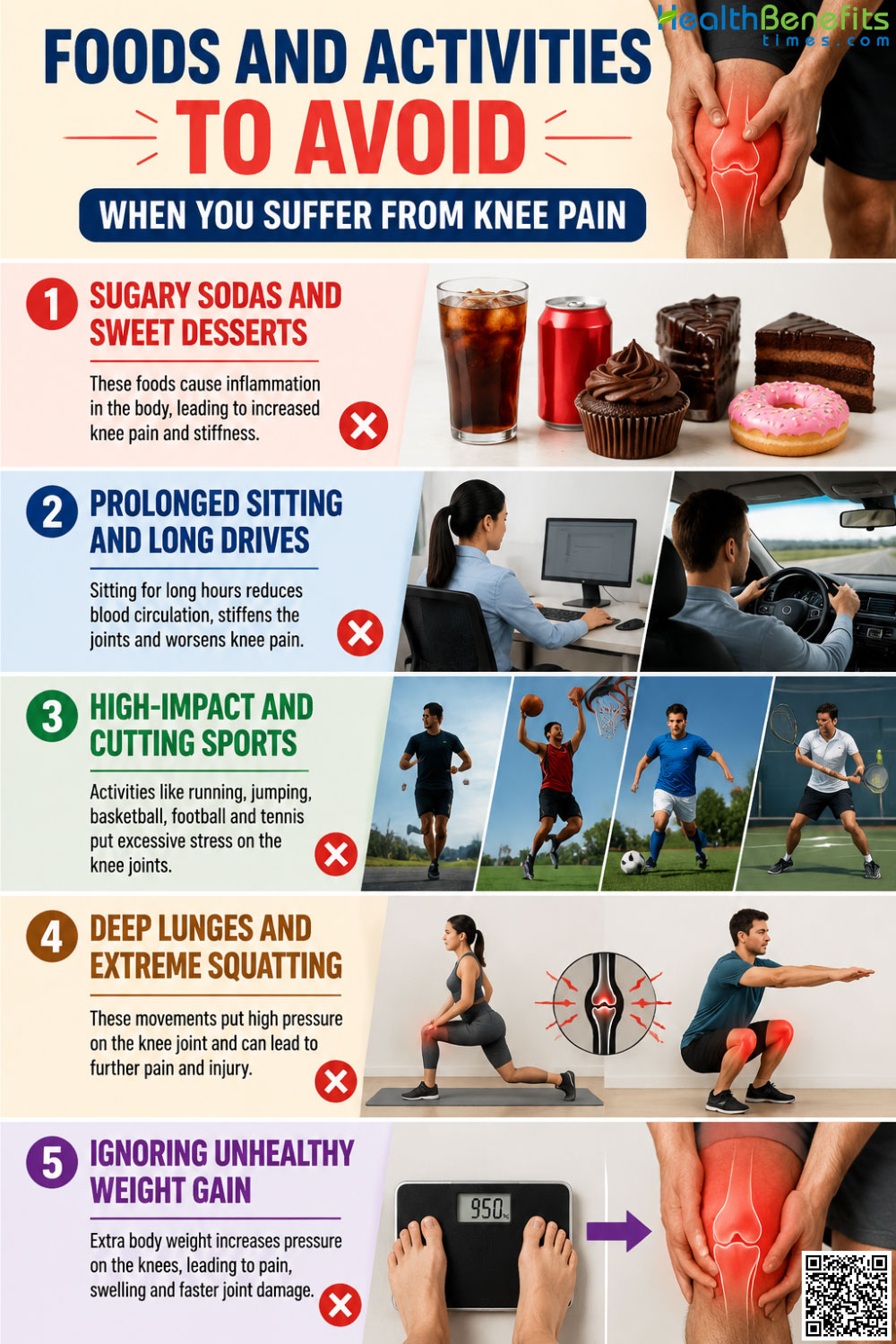
2. Prolonged Sitting and Long Drives
Your joints do not have their own blood supply to the cartilage; they rely on movement to squish the synovial fluid around like a sponge, bringing in nutrients and clearing out waste. Sitting perfectly still for hours at a desk or behind the wheel of a car starves your cartilage. In fact, studies show a clear link between driving for many hours a day and experiencing a higher prevalence of joint aching 23.
3. High-Impact and Cutting Sports
When your joint is already sore, you must be kind to it. Playing aggressive sports like basketball, soccer, or downhill skiing involves suddenly stopping, wildly twisting, and slamming your feet onto hard ground. These violent, high-impact forces place massive, dangerous stress on your ligaments and can easily tear your already fragile meniscus 6. You should trade these extreme sports for gentle swimming or cycling until you are fully healed.
4. Deep Lunges and Extreme Squatting
While gentle squats are great, bending your legs too deeply while holding heavy weights is a terrible idea. Bending the joint past a ninety-degree angle crushes the kneecap violently against the thigh bone, shredding the soft tissue underneath. You should always keep your exercise movements within a safe, pain-free range.
5. Ignoring Unhealthy Weight Gain
This is the hardest truth to hear, but it is the most important. Adipose tissue (body fat) does not just sit there; it actively releases angry chemicals that cause systemic inflammation. Furthermore, for overweight adults, even a tiny amount of weight loss such as just five percent of your total body weight can dramatically reduce the crushing disability and pain associated with arthritis 24.
Myths and Misconceptions
| Myth | Reality |
| Complete bed rest is the absolute best cure for a sore knee.
24. |
Resting in bed for a long time actually makes things much worse! Lack of movement causes the supporting muscles to shrink and the joint to become stiff. Gentle physical activity is universally recommended to reduce pain and delay physical limitations |
| Taking glucosamine and chondroitin pills will cure your osteoarthritis.
25. |
Despite huge marketing campaigns, medical reviews state clearly that both glucosamine and chondroitin sulfate do not actually provide measurable, long-term relief for patients with symptomatic osteoarthritis |
| If you tear your meniscus, you must have surgery right away.
26. |
Surgery is incredibly common, but it is not always needed! For simple degenerative tears that happen as you age, structured exercise therapy is the preferred first-line treatment, even if the joint occasionally clicks or catches |
| X-ray pictures perfectly show exactly how much pain you are in.
27. |
What you see on an X-ray is totally different from what a person actually feels. Amazingly, up to a quarter of patients who have terrible, bone-on-bone arthritis shown on their X-rays report feeling absolutely no joint pain at all |
| Special insoles placed in your shoes will fix the pain on the inside of your joint.
28. |
Scientific groups advise against relying on these. The use of lateral wedge shoe insoles does not consistently improve pain, and people might actually experience fewer symptoms simply by not using them |
Special Considerations
The human body changes drastically from the day we are born to our golden years. Because of this, joint problems look incredibly different depending on the specific phase of life a person is experiencing.
1. Children and Teenagers
Growing up is hard work for the body, and kids are not just small adults. During the intense adolescent growth spurts typically seen between the ages of 10 to 15, the bones often grow much faster than the muscles and tendons can stretch to keep up. This creates a very tight, pulling tension across the joints. Active kids who run and jump a lot frequently develop a condition called Osgood-Schlatter disease. This happens when the tight thigh muscles continuously pull on the soft growth plate at the top of the shin, creating a painful, swollen bump 29. Parents should know that this is a very common, self-limiting issue that usually disappears entirely on its own once the child finishes puberty and their bones stop growing.
2. Pregnancy
Bringing a new life into the world triggers massive, sweeping changes across a woman’s entire musculoskeletal system. During pregnancy, a mother’s body produces large amounts of a special hormone called relaxin. The purpose of this hormone is to relax the ligaments in the pelvis to make childbirth easier, but unfortunately, it also makes the ligaments in the legs and other peripheral joints loose and wobbly 30. On top of this newfound looseness, the mother is carrying extra baby weight and her center of gravity completely shifts forward. This combination forces the leg muscles to work approximately 1.2 times harder just to stay standing upright, which frequently leads to intense joint aching during the third trimester 31.
3. Chronic Conditions
People living with lifelong chronic illnesses face a completely different set of rules. For example, individuals with rheumatoid arthritis or lupus have immune systems that are highly confused, mistakenly attacking the healthy, slippery linings of their own joints 32. This type of inflammatory arthritis requires very specialized medical care, often involving strong prescription medicines to calm the immune system down. Furthermore, people with chronic diabetes must be incredibly careful, as their bodies heal much slower, making minor joint injuries or small infections significantly more dangerous if left ignored.
4. Elderly Adults
As we enter our senior years, the accumulated mileage of a life well-lived finally catches up with our cartilage. Older adults face the absolute highest risk for severe osteoarthritis. Unfortunately, chronic joint pain in the elderly is not just an inconvenience; it is a serious health hazard. When older adults are in too much pain to walk, they stop moving entirely. This tragic loss of mobility leads to dangerous weight gain, weakened hearts, and an increased risk of dying prematurely from other hidden illnesses 8. For the elderly, participating in gentle, guided exercise classes is literally a life-saving habit.
Precaution before use of natural remedies when you have Knee Pain
Natural plants and ancient remedies are wonderfully powerful, but “natural” does not automatically mean “harmless.” You must always be incredibly smart and cautious when introducing new supplements into your body to avoid accidental harm.
1. Beware of Liver Stress from Turmeric
While sprinkling turmeric on your food is perfectly safe, modern science has created super-strong, highly concentrated curcumin pills designed to enter your bloodstream rapidly. Taking huge doses of these highly bioavailable formulations for a long time can actually overwhelm and harm your liver 33. You should always follow the dosage instructions on the bottle.
2. Watch Out for Stomach Upset from Ginger
Ginger is famous for settling the stomach, but ironically, taking too many powerful ginger extract pills can do the exact opposite. Very large doses of ginger can irritate your digestive tract, causing unwanted heartburn, embarrassing gas, and bloating. You should start with a small amount to see how your stomach reacts.
3. Avoid Accidental Chemical Burns
The capsaicin cream that miraculously numbs your pain is made from the exact same chemical that makes chili peppers burn your tongue. When you rub it on your skin, it will tingle and feel very warm. However, if you forget to wash your hands vigorously with soap afterward and accidentally rub your eyes or touch your face, you will experience a horribly painful, stinging burning sensation!
4. Be Careful with Unregulated Herbal Mixes
Some traditional herbal mixtures from overseas are not checked by health authorities before they are sold in stores. The U.S. Food and Drug Administration has warned that some unverified Ayurvedic medicine preparations can secretly contain dangerous heavy metals, toxic minerals, or hidden gems that can make you incredibly sick 34. You should only buy supplements from highly reputable, tested brands.
When to see Doctor
While most minor aches and pains can be lovingly nursed back to health at home with rest, ice, and gentle exercises, some symptoms are screaming red flags. You must rush to see a medical professional immediately if you experience any of these scary warning signs.
1. You Cannot Bear Any Weight
If you stand up and your leg completely collapses under you, or the pain is so unbelievably sharp that you absolutely cannot put your foot flat on the ground, you must get help. This is a massive warning sign that you may have snapped a major ligament in half or actually fractured a bone 35.
2. You Have a High Fever and Chills
If your joint suddenly swells up like a balloon, feels physically hot to the touch, and you start running a fever with uncontrollable chills, go to the emergency room immediately. These are the classic, terrifying signs of septic arthritis, a dangerous bacterial infection that can permanently destroy your cartilage in a matter of days 9.
3. Your Joint is Physically Locked
If you bend your leg and suddenly find that you cannot straighten it back out no matter how hard you try, a piece of torn cartilage might be jammed tightly in the biological hinge. You should see an orthopedic doctor to safely unlock the joint and prevent further tearing.
4. Your Baby or Child Refuses to Move
Infants cannot tell you where it hurts. If your baby cries hysterically when you change their diaper, or your toddler suddenly refuses to walk and drags their leg (a condition called pseudoparalysis), they need a doctor immediately to check for hidden bone infections or silent fractures 36.
5. You See an Unnatural Deformity
If you suffer a hard fall or a sports collision and look down to see that your joint is pointing in a completely wrong, sickeningly unnatural direction, do not try to pop it back into place yourself. You must seek urgent medical stabilization to save the surrounding nerves and blood vessels.
Comments
comments